Wandering Jew Turning Brown? 7 Simple Reasons and Easy Fixes
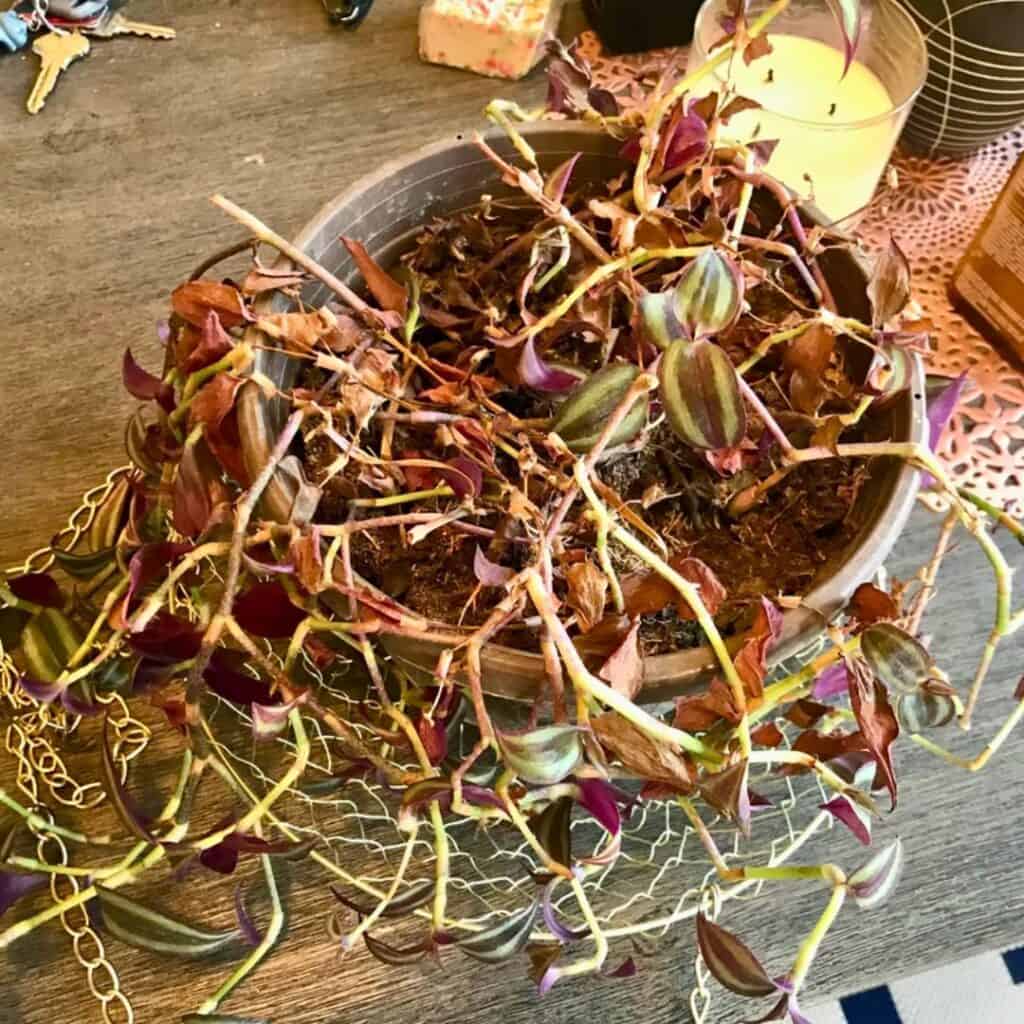
I’ve honestly seen how fast a Wandering Jew plant can go from looking amazing to suddenly dull and brown.
It’s kind of annoying when you’re not sure what’s wrong. This houseplant is usually pretty forgiving, but when the leaves lose their color, something’s definitely up.
You can bring your Wandering Jew back once you figure out what’s causing that browning.
I’ll share the most common reasons I’ve come across and some easy fixes, so your plant can stay lush, colorful, and, well, happy.
Please note: Simplify Plants is reader-supported. As an Amazon Associate, I earn from qualifying purchases made by our readers with no extra cost added to you all! Some links in the post are affiliate links and I get a commission from purchases made through links in the post.
1) Overwatering leading to root rot
Too much water? That can mess up a Wandering Jew plant real quick. If the soil is always wet, the roots can’t breathe, and then they start to rot. The leaves get brown or even a bit mushy.
I always poke my finger into the top inch of soil before watering. If it feels damp, I just wait. Letting the soil dry out a bit between waterings is honestly the best thing for the roots.
A pot with good drainage holes is a must. I go for light, well-draining soil so extra water doesn’t hang around.
If I suspect root rot, I take the plant out and check the roots. Healthy roots are firm and white, but the rotten ones look brown or black and feel mushy. I snip off the bad bits and repot in fresh soil.
After repotting, I water just a little and put the plant somewhere with bright, indirect light. Giving it time to recover is key. A careful watering routine really does keep the plant colorful and full of life.
2) Too much direct sunlight exposure
I’ve definitely learned that too much direct sunlight can burn my Wandering Jew’s leaves. They love light, but not the harsh stuff. If they sit in bright sun for hours, the leaves get scorched and lose their color.
I keep mine in bright, indirect light. A sunny window with a sheer curtain works wonders—the curtain softens things up so the leaves don’t get fried.
If I spot brown or crispy edges, I move the plant back from the window. Usually, new leaves look better after a few weeks.
I like to rotate the pot every few days. That way, all sides get some love and no part dries out too much.
In summer, I never put my Wandering Jew in direct outdoor sun. A covered porch or shaded patio is just right. Filtered sunlight is honestly all it needs.
If my plant has to be near a sunny window, I’ll use a light diffuser or just close the blinds a bit. It’s a small tweak, but it really helps.
Finding that balance is everything. Enough light for bold colors, but not so much that the leaves get burned. Once I figured that out, my plant just looked so much better.
3) Low humidity causing leaf stress
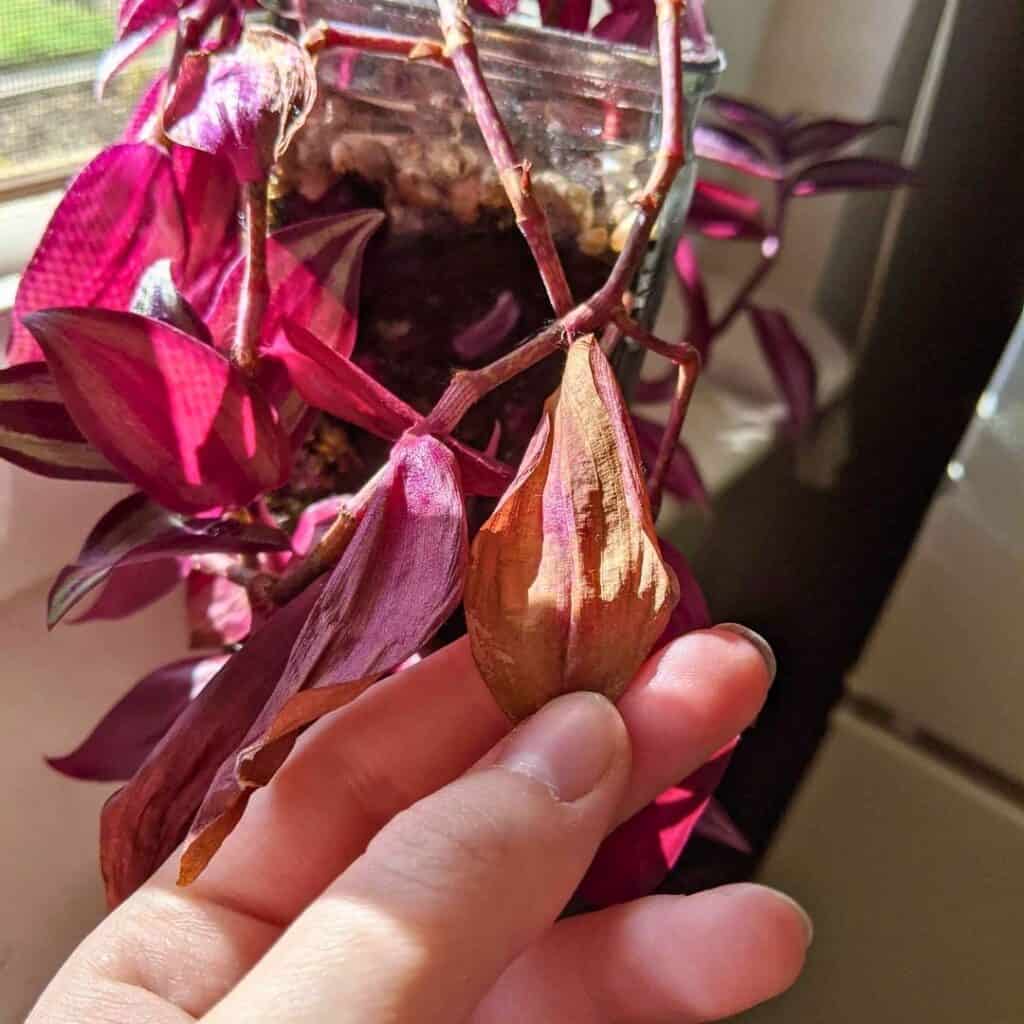
Whenever the air in my place gets dry, my Wandering Jew starts looking a bit sad and brown. These plants love moist air, and when humidity drops, the leaves dry out faster than they should.
Dry indoor air, especially in winter, can make leaf tips turn brown or even crispy. Even if I water it well, low humidity still stresses the plant.
To help, I like to mist the leaves every few days. It gives the air around the plant a little boost. Sometimes I put a tray of water with pebbles under the pot—when the water evaporates, it adds some moisture to the air.
Grouping my houseplants together also helps. They kind of create their own humid microclimate. In really dry rooms, I just use a humidifier.
Keeping the air a bit moist makes a big difference. My Wandering Jew’s leaves stay way more colorful and healthy with just a little extra humidity.
4) Nutrient deficiency in soil
If my Wandering Jew starts turning brown, it’s often because the soil’s missing key nutrients. These plants need steady nutrition to keep their colors bright and their leaves healthy.
I use a balanced houseplant fertilizer about once a month while it’s growing. That replaces nutrients lost when I water. Too much fertilizer is a no-go, though—it can burn the roots and make things worse.
If the leaves look pale, I check for nitrogen deficiency. Slow growth and yellowing are clues. Brown edges might mean it needs potassium or magnesium. A gentle, all-purpose fertilizer usually sorts things out within a few weeks.
Sometimes, the soil just gets tired. After a year or so, I like to repot my Wandering Jew with fresh potting mix. That gives the roots more room and fresh nutrients.
I also flush the soil every few months—watering deeply and letting the extra drain out. That helps get rid of built-up salts from fertilizer.
Watching the leaf color and growth helps me catch problems early. When my plant looks vibrant, I know the nutrients are right and the roots are happy.
5) Pest infestation like spider mites
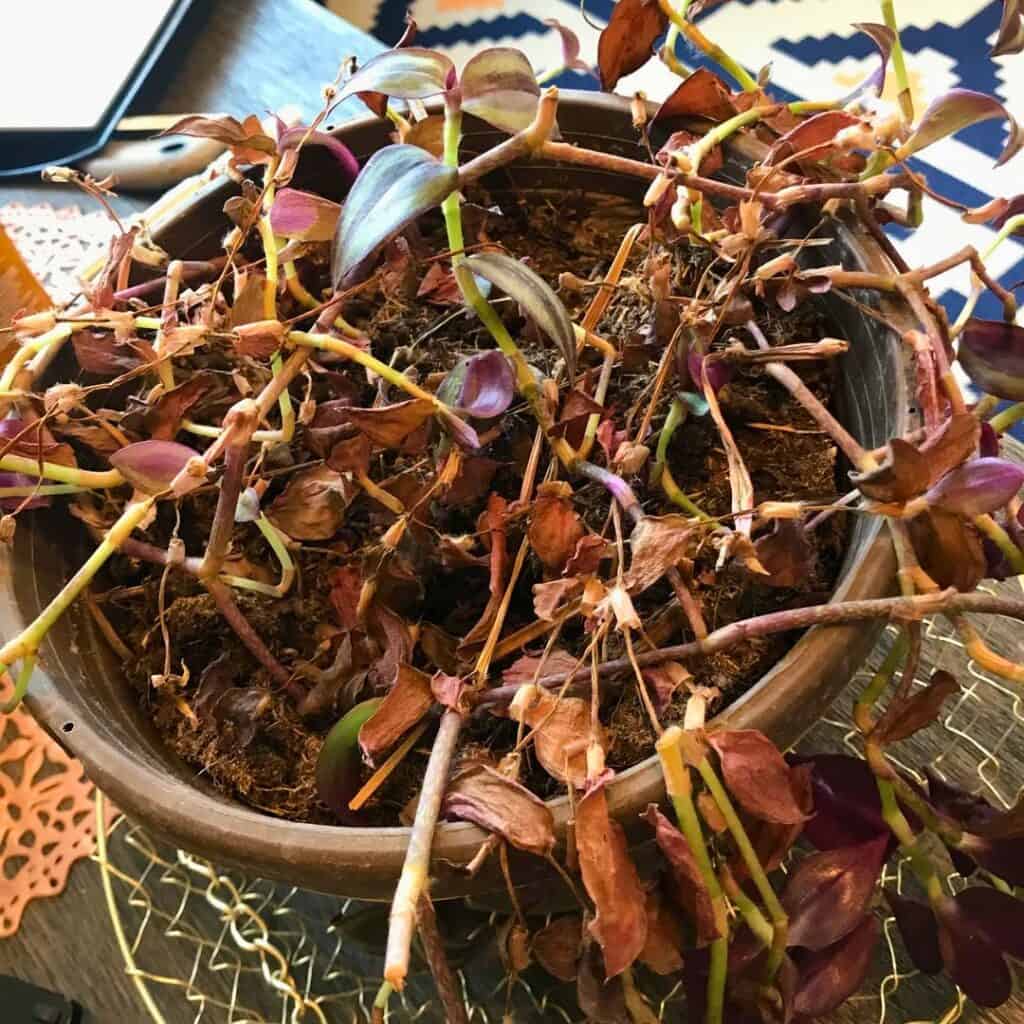
Spider mites are sneaky and can turn a healthy Wandering Jew brown in no time. They suck sap from the plant, leaving little yellow or brown spots behind. Eventually, the leaves dry out and lose color.
If I see fine webbing under the leaves or between stems, it’s usually spider mites. They love dry, warm air, especially in winter. I use a magnifying glass to check the undersides of leaves.
First, I isolate the plant so the mites don’t spread. Then I rinse the leaves with lukewarm water to wash off mites and dust.
I also wipe the leaves with a soft cloth dipped in mild soap and water. It helps remove the rest of the mites without hurting the plant. I keep at it every few days until they’re gone.
Spider mites hate humidity, so I mist the plant or use a small humidifier nearby. Regular misting keeps things clean and discourages pests.
If things get bad, I use neem oil spray or insecticidal soap. I make sure to coat both sides of the leaves and follow the directions. These treatments are usually gentle enough for indoor plants.
For prevention, I inspect new plants before bringing them inside. I also keep my Wandering Jew away from drafty or dusty spots. Clean leaves and good airflow make it tougher for spider mites to come back.
Staying alert and acting early really helps. A little attention keeps the leaves bright and healthy.
6) Improper soil drainage

Poor drainage is honestly one of the main reasons my Wandering Jew starts turning brown. If water just sits in the soil, roots can’t breathe and root rot sets in. The leaves lose color and dry out.
I always check for drainage holes in the pot. Without them, extra water has nowhere to go. Even a little standing water can mess things up.
A well-draining potting mix is key. I use a blend with perlite and peat moss or a good houseplant mix. I also avoid pots that are too big, since larger pots hold more moisture than the plant needs.
If the soil feels soggy or smells musty, I take the plant out and trim any dark or mushy roots. Then I repot in fresh, dry soil.
I’ve found my plant stays healthier when I water only after the top inch of soil is dry. It’s such a simple habit, but it keeps the roots happy and the leaves bright.
Good drainage really does keep the colors vibrant and helps the plant grow strong.
7) Sudden temperature changes

My Wandering Jew doesn’t like surprises, especially with temperature. When things heat up or cool down too quickly, the leaves can turn brown or wilt in just a few days.
I try to keep my plant away from drafts—open windows, AC units, or heaters are all risky. Even a short blast of hot or cold air can stress it out. Stable indoor temps are what it likes best.
When I move my plant outdoors, I do it gradually. I start by putting it in the shade for a few hours, then slowly increase its time outside. It helps prevent shock.
If I see brown tips after a cold night, I trim off the damaged leaves and move the plant somewhere warmer. Usually, it bounces back once things settle.
I also keep an eye on nighttime temperatures. If it drops below 60°F (15°C), I bring the plant inside. Sudden chills can really hurt new growth.
Keeping the temperature steady makes a huge difference. My Wandering Jew definitely looks better when things are consistent.
Understanding Wandering Jew Plant Health
I keep an eye on my Wandering Jew’s color, texture, and growth. If the leaves fade, curl, or turn brown, I know something in my care routine needs tweaking.
Common Signs of Stress
I usually spot stress when the leaves lose their bright purple or green. Brown tips, yellow patches, or droopy stems? Those are warning signs.
A soft or mushy stem often means overwatering. Dry, crispy leaves usually point to underwatering or low humidity. If growth slows or new leaves are small, it’s probably not getting enough light or nutrients.
Here’s a quick checklist I use to catch problems early:
| Sign | Possible Cause |
|---|---|
| Brown tips | Low humidity or salt buildup |
| Yellow leaves | Overwatering |
| Pale color | Lack of light |
| Wilting | Root rot or dehydration |
Checking these signs often lets me fix little issues before they get out of hand.
How Environment Affects Leaf Color
My Wandering Jew’s leaf color changes depending on light, temperature, and moisture. If it doesn’t get enough light, that deep purple starts fading to a kind of drab green.
Too much direct sun, though? The leaves can end up scorched. I’ve found a spot near a bright window with filtered light works best for keeping the color lively.
Temperature swings stress it out, too. I try not to put the plant near any vents or spots where cold drafts sneak in.
The sweet spot for temperature is somewhere between 65–75°F (18–24°C).
Humidity’s another thing I have to watch. When the air gets dry, I’ll mist the leaves or set a little tray of water nearby.
Stable conditions seem to keep the plant looking rich and vibrant—plus, it helps avoid those annoying brown edges.
Long-Term Care Tips for Vibrant Foliage

For me, steady care wins out over shortcuts every time. Getting the watering habits and light just right is what really keeps the leaves bold and colorful.
Best Practices for Watering
I always check the top inch of soil with my finger before watering. If it’s dry, I’ll water until a bit drips out the bottom.
That keeps the roots happy—not too wet, not bone dry. Overwatering? That’s a fast track to root rot and sad-looking leaves.
I use a pot with good drainage holes and stick to a soil mix that’s light and drains well, usually peat, perlite, and regular potting soil.
When winter rolls around, I pull back on watering since the soil just doesn’t dry out as fast. I also dump out any water that collects in the saucer under the pot.
Here’s a quick guide I go by:
| Condition | Watering Frequency |
|---|---|
| Warm, bright room | Every 5–7 days |
| Cool, low light | Every 10–14 days |
Light and Humidity Recommendations
My Wandering Jew looks its best with bright, indirect light. I keep it close to a sunny window but always make sure the light’s filtered.
If the leaves start losing their purple or silver, I’ll nudge the plant a little closer to the window. Rotating the pot every week helps all sides get their fair share of light.
For humidity, I’ll lightly mist the leaves every few days or plug in a small humidifier if the air feels dry.
Dry indoor air can turn those leaf tips brown in no time. I try to keep the humidity at 50–60%—it really does help the plant stay lush.
Frequently Asked Questions
I’ve noticed that brown leaves on a wandering jew usually mean something’s off with watering, sunlight, humidity, or nutrients. Watching these things helps me keep my plant looking good.
Why are the tips of my Tradescantia leaves turning brown?
I tend to see brown tips when the air’s super dry or the soil gets too dry between waterings. Using a humidifier or just misting the plant now and then usually helps.
What should I do if the leaves on my spiderwort are browning?
First thing I do is check the soil moisture. If it’s soggy, I let the soil dry out a bit before watering again.
If it’s dry, I water slowly until I see a little draining out the bottom.
Can low humidity cause my indoor wandering jew plant to change color?
Absolutely. Low humidity can make the leaves fade or turn brown at the edges.
I like to group mine with other plants or set a tray of water with pebbles nearby to bump up the humidity.
How often should I water my wandering jew to prevent browning?
I stick to watering when the top inch of soil feels dry. Too much water can cause root rot, but underwatering makes the leaves crispy.
It’s all about finding that sweet spot.
Could too much direct sunlight be the reason for the browning leaves on my plant?
Yep, that’s definitely possible. Direct sunlight—especially in the afternoon—can scorch the leaves.
I always keep my plant in bright, indirect light to avoid burning.
What are the signs of overfertilization in wandering jew plants?
When I’ve overdone the fertilizer, I usually spot brown tips on the leaves or see a crusty, white salt buildup sitting on top of the soil. Growth just seems to stall, too—almost like the plant’s sulking.
Honestly, I just flush the soil with lots of clean water and back off on the fertilizer for a while. That’s worked for me more than once!
Note: Some images in the articles are sourced from Reddit and Other Platforms For Reference Purpose.