Top 10 Tips To Make Your Christmas Cactus Bloom
I absolutely love watching my Christmas cactus explode with color during the holidays. Those bright blooms? They make any space feel warmer and more inviting.
You can help your Christmas cactus bloom beautifully with a few simple care steps that match its natural cycle.
With the right mix of light, water, and temperature, your plant can really reward you with gorgeous flowers every year.
Here’s how I set up the best conditions so my cactus thrives and blooms right on cue for the season.
Please note: Simplify Plants is reader-supported. As an Amazon Associate, I earn from qualifying purchases made by our readers with no extra cost added to you all! Some links in the post are affiliate links and I get a commission from purchases made through links in the post.
1) Provide 12-14 hours of darkness nightly for 6 weeks
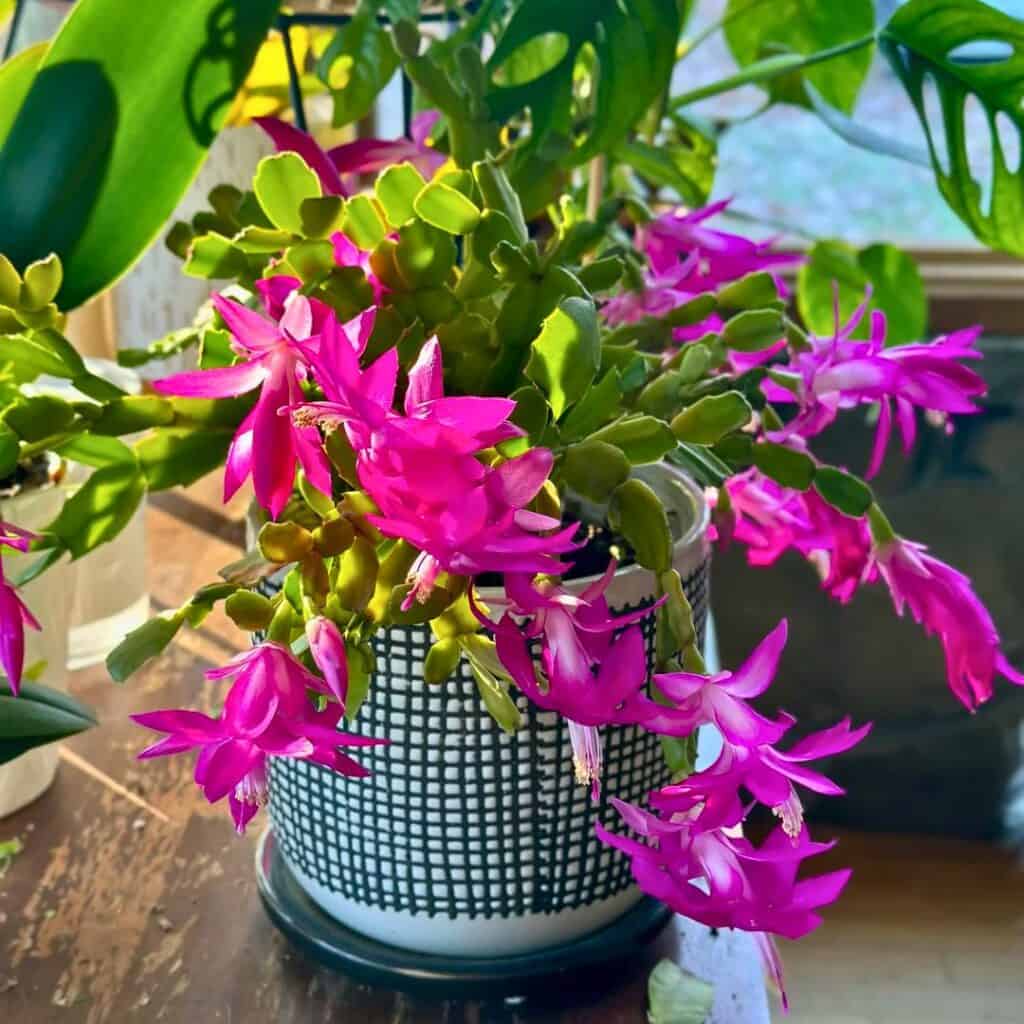
I always make sure my Christmas cactus gets about 12 to 14 hours of darkness each night starting in October. This really helps the plant realize it’s time to form buds.
If it doesn’t get enough darkness, it might just stay green and never bloom. I keep mine in a cool, dark room or cover it up with a box in the evenings.
Any light sneaking in at night can mess up the process, so I double-check that no lamps or streetlights are shining on it.
During the day, I move it back to a bright spot with indirect sunlight. The combo of bright days and long, dark nights seems to work like magic for bud growth.
I stick to this for about six weeks. After that, I usually spot tiny buds at the tips of the leaves—such a satisfying moment!
Keeping a regular schedule helps a lot. I set phone reminders so I don’t forget to move or cover the plant at night.
2) Keep soil evenly moist but not soggy during blooming season
When my Christmas cactus starts to bloom, I make sure the soil stays evenly moist. It needs steady moisture for those flowers, but too much water is a no-go.
I poke my finger into the top inch of soil. If it’s dry, I water gently until I see a little draining out the bottom.
I never let the pot sit in water—root rot is a real risk. A pot with good drainage holes makes this way easier.
I use a light, well-draining mix made for succulents. It keeps the roots happy and lets excess water escape.
During blooming, my plant seems to drink more, so I adjust my watering a bit to keep the soil damp, not wet.
If the soil dries out completely, buds can drop off. Consistent moisture keeps the blooms going strong.
Sometimes the air in my house gets dry, so I’ll mist lightly or set a small tray of water nearby for gentle humidity.
With a little attention to moisture, my Christmas cactus really shines each holiday.
3) Place in bright, indirect sunlight
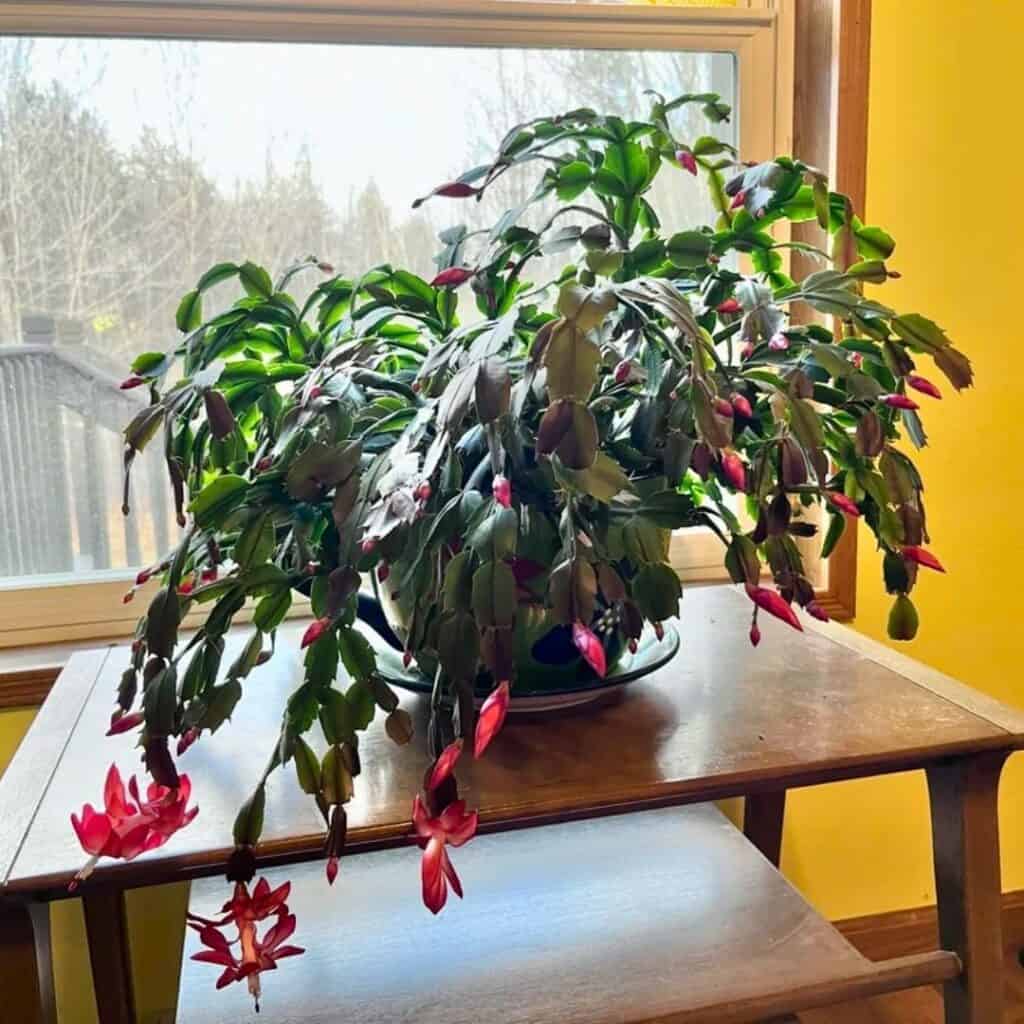
I’ve found my Christmas cactus is happiest with bright, indirect sunlight—not harsh rays. Direct sun can scorch the leaves and turn them pale.
I keep mine near a north- or east-facing window for plenty of gentle light. If all I have is a super sunny spot, I hang up a sheer curtain to soften things.
Not enough light? The stems start stretching toward the window, so that’s my cue to move it closer. No blooms if it’s too dim.
In winter, I sometimes use a grow light for a few hours when daylight is lacking.
I also rotate the pot every couple of weeks so all sides get some love. It helps the cactus grow evenly and look fuller.
Getting the light just right really makes a difference. With steady, indirect sunlight, my cactus stays healthy and is much more likely to put on a good show.
4) Maintain daytime temperatures around 70°F (21°C)
I keep my Christmas cactus somewhere that stays close to 70°F (21°C) during the day. That steady warmth helps it grow and get ready to bloom.
Sudden temperature swings can stress the plant and slow down the buds. If my house gets too hot or chilly, I move the cactus to a more stable spot.
Consistent room temperature is important. I avoid putting it near heaters, vents, or drafty windows since those can dry it out or make it too cold.
If the weather’s nice, I’ll crack a window for some fresh air, but I make sure the cactus isn’t right in the draft.
During the day, I let it soak up bright, indirect light while keeping it at that cozy temperature. It seems to make a noticeable difference.
Stable warmth supports healthy growth and gives the plant more energy to bloom instead of recovering from stress.
5) Reduce watering after blooming to encourage rest
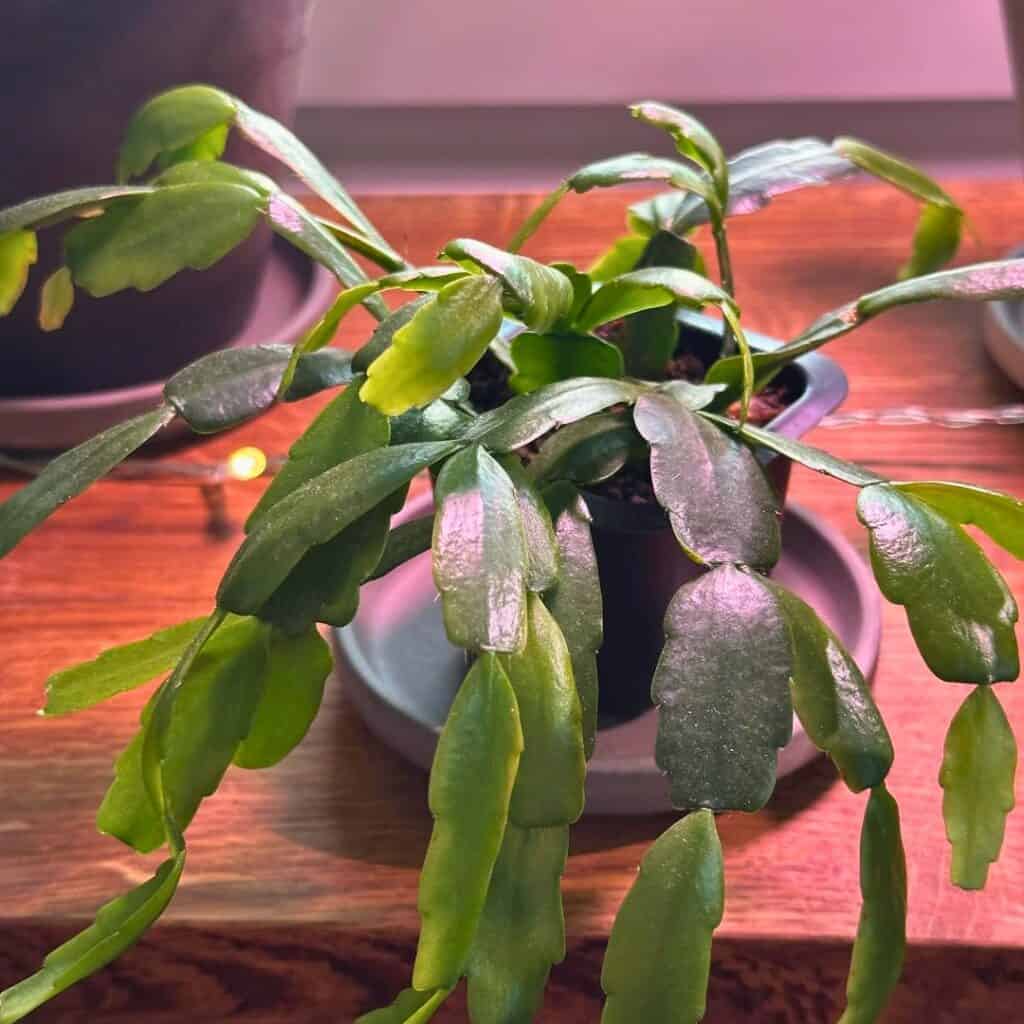
Once my Christmas cactus finishes blooming, I cut back on watering to let it rest. It needs a breather before gearing up for the next season.
I let the top inch of soil dry out before giving it more water. This helps prevent root rot and gives the plant a chance to recover.
I keep an eye on the leaves—if they wrinkle, I know it’s thirsty and just give it a small drink.
During this rest period, I skip heavy watering or fertilizing. Too much can stress the plant.
I keep it in a cool, bright spot but away from harsh sun. I stick with this lighter routine for about six to eight weeks.
When I spot new growth, I gradually increase watering again. That’s when it’s ready to wake up and start another blooming cycle.
6) Feed with a balanced 10-10-10 fertilizer monthly from spring to early fall

I feed my Christmas cactus once a month from spring to early fall. That’s when it’s growing most and needs a nutrient boost.
I use a balanced 10-10-10 fertilizer—equal parts nitrogen, phosphorus, and potassium. It helps the plant grow new leaves, build strong roots, and get ready to bloom.
I always dilute the fertilizer to half strength before using it. Too much can actually harm the plant or make it grow all weird and leggy.
After feeding, I water lightly so the fertilizer soaks in. I’m careful not to let the pot sit in water.
In fall and winter, I stop feeding. The cactus is resting, so extra fertilizer just isn’t needed.
When spring rolls around, I start the monthly feedings again to help it grow and bloom.
7) Avoid sudden temperature changes and drafts
I keep my Christmas cactus in a spot with steady temperatures. Sudden changes can really throw it off and stop buds from forming.
I try to keep the room between 60°F and 70°F for best results. If I open windows or doors in winter, I make sure cold air doesn’t blow right on the plant.
Drafts can cause buds to drop before they even open. I also avoid heaters and vents—hot air dries things out too quickly.
Even small temperature changes seem to matter. If I need to move the plant, I let it adjust slowly instead of plopping it into a new environment all at once.
I use a thermometer nearby to keep tabs on things. It helps me catch any changes before they become a problem.
If I’m out of town, I ask someone to check the temperature and make sure the plant isn’t near a cold window.
Protecting it from sudden chills keeps it healthy and colorful through the season.
8) Use well-draining cactus or succulent soil mix

I always use well-draining soil for my Christmas cactus. It keeps the roots healthy and prevents soggy conditions.
If the soil drains too slowly, the roots can rot, and the plant might not bloom at all.
I prefer a cactus or succulent soil mix—it dries out faster than regular potting soil and usually has sand, perlite, or small gravel for airflow.
Sometimes I mix my own soil: two parts potting soil, one part perlite, and one part coarse sand. It’s easy to tweak if my plant’s soil is drying too fast or too slow.
I also make sure the pot has drainage holes. Even the best soil won’t help if water can’t escape.
I empty the saucer after watering so the roots never sit in leftover moisture. Using the right mix really does help the cactus bloom brighter and longer.
9) Repot every 2-3 years in early spring
I repot my Christmas cactus every 2 to 3 years to keep it healthy. Over time, the soil just breaks down and the roots can get crowded.
A fresh pot gives the plant room to grow and helps it soak up water and nutrients better. I like to do this in early spring, right after it finishes blooming.
That way, it has plenty of time to settle in before the next flowering season. I gently remove the cactus, shake off the old soil, and check the roots for any mushy or dead spots.
I pick a pot that’s just a bit bigger than the old one. Too big, and it holds too much moisture, which isn’t great for the roots.
I use a well-draining soil mix, usually the same kind I use for succulents.
After repotting, I wait a few days before watering. This gives any little root injuries a chance to heal and lowers the risk of rot.
Once I spot new growth, I go back to my usual watering routine. Repotting every few years keeps my plant strong and ready to put on a beautiful holiday display.
10) Mist leaves occasionally to increase humidity
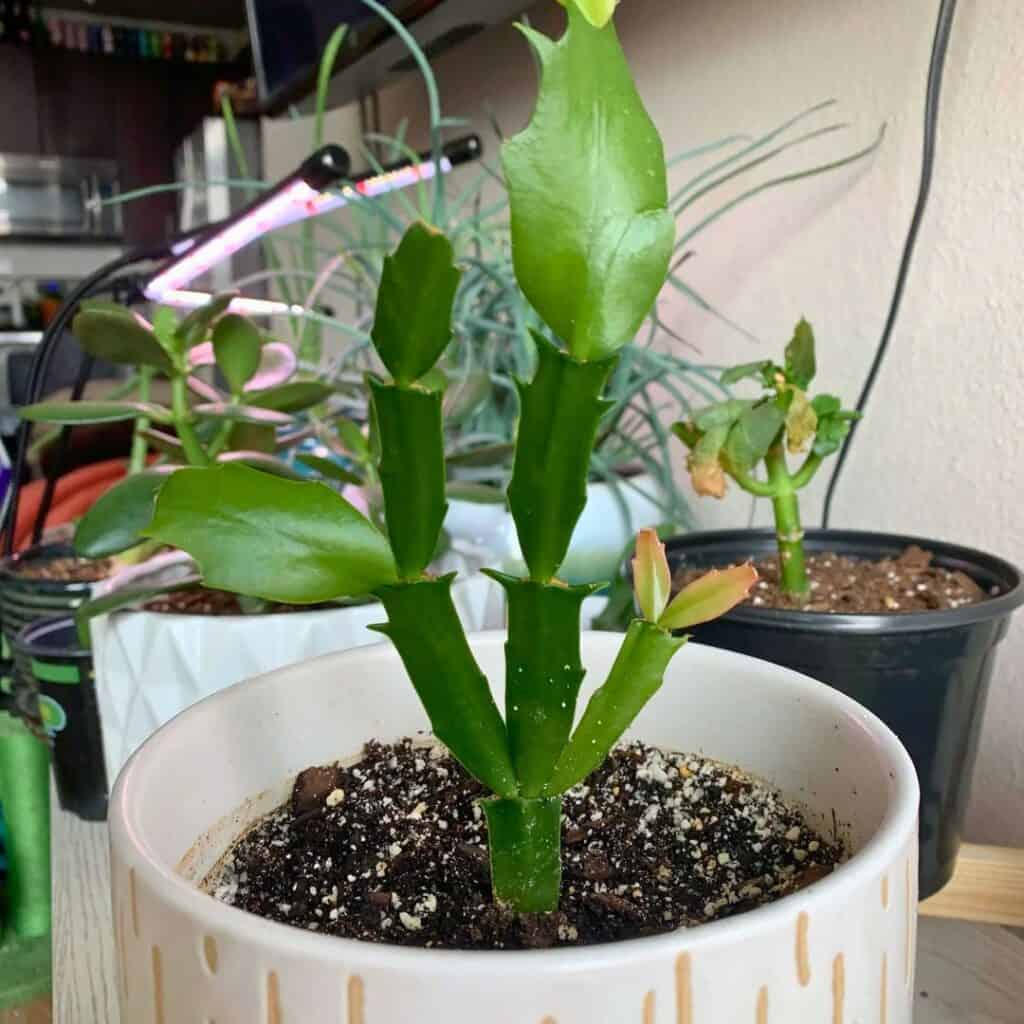
I like to mist my Christmas cactus every few days, especially when the air in my home feels dry. A gentle mist keeps the environment a bit more humid, which the plant seems to love.
It’s a small step, but honestly, it helps the leaves stay healthy and plump. Dry indoor air can make the leaves wrinkle or even fall off.
When I mist the leaves, I always use room-temperature water and a spray bottle set to a fine mist. I try not to soak the plant or let water sit on it for too long—nobody wants soggy cactus leaves.
I’ve noticed misting works best in the morning. That way, the leaves dry out before nightfall, which helps avoid mold or rot.
If my place feels extra dry, I’ll put a shallow tray of water with pebbles nearby. It adds a touch of humidity without making the soil a swamp.
Keeping the air a little humid seems to help my Christmas cactus form buds and bloom better. It’s a simple habit that keeps the plant looking fresh all season.
Understanding the Christmas Cactus Bloom Cycle
I’ve noticed my Christmas cactus follows a pretty clear rhythm every year. Its flowers show up when light, temperature, and care all come together just right.
Knowing how these factors play out helps me keep it blooming on schedule and full of color.
Natural Blooming Period
My Christmas cactus usually blooms from late November to January, give or take, depending on how I care for it and what the environment’s like. This timing lines up with the shorter days and cooler nights of winter.
The plant starts forming buds when daylight drops to about 8–10 hours and nighttime temps hover around 55–65°F (13–18°C).
I’ve learned this cactus isn’t your typical desert dweller—it’s a tropical forest plant. It grows on trees in shaded, humid places, so it likes gentle light and consistent moisture.
If I keep it too warm or give it long days, the buds just don’t show up.
A trick I use: as fall comes and the days get shorter, I cut back on watering a little and move the plant to a cooler, dimmer spot. That seems to signal it to rest and get ready to bloom.
Key Environmental Triggers
Several environmental cues decide when blooming happens. The big ones are light duration, temperature, and watering.
My cactus needs about 6 weeks of short days and cool nights to get those buds going. I’m careful to avoid artificial light at night during this time—even a lamp can throw things off.
Temperature really matters here. I keep mine in a room that stays close to 60°F (16°C) at night. Sometimes a few degrees cooler helps the buds show up faster.
Watering is important too. I let the soil dry a bit between waterings, but I never let it go bone dry. Too much water or heat seems to delay blooming.
When I get these conditions right, my cactus rewards me with bright, healthy flowers every winter.
Common Challenges and How to Overcome Them
Sometimes my Christmas cactus just doesn’t bloom like I want. Usually, it’s because of issues with light, water, or temperature.
Once I figure out what’s off, I tweak my care routine, and the plant usually perks up.
Identifying Blooming Problems
If my cactus won’t bloom, I start by checking light exposure. Too much direct sun burns the leaves, but too little stops buds from forming.
I try to give it bright, indirect light near a window.
Then I look at watering habits. Overwatering can cause root rot, but letting the soil dry too much stresses the plant out.
I aim for soil that’s lightly moist—never soggy or bone dry.
Temperature and humidity are big factors too. If the room’s too warm at night, buds might drop.
I try to keep nighttime temperatures around 55–65°F (13–18°C) to help blooms along.
Solutions for Stubborn Plants
If my cactus is still stubborn, I give it a rest period. After the growing season, I water less and keep it in a cool, dark place for about 6 weeks.
This rest usually helps trigger bud formation.
I also feed lightly with a balanced fertilizer every few weeks while it’s growing. Too much fertilizer can make it grow leaves instead of flowers.
When buds finally appear, I avoid moving the plant around. Even small changes in light or temperature can make buds drop.
Every couple of years, I give my cactus fresh soil. Repotting helps with drainage and gives the roots room to grow, which seems to keep the plant happier and more likely to bloom.
Frequently Asked Questions
I’ve noticed that light, temperature, watering, and timing all play a big part in getting my Christmas cactus to bloom. With the right routine, I get to enjoy bright, full flowers every holiday season.
How can I encourage my Christmas cactus to produce more blooms?
I give my plant 12–14 hours of darkness each night for about six weeks starting in October. This quiet, dark rest helps it form buds.
I also keep the room cool and stable, and I try to avoid any sudden changes in light or temperature.
What’s the ideal lighting condition for a thriving Christmas cactus?
I keep mine in bright, indirect sunlight. Direct sun will burn the leaves, but too little light just slows everything down.
A spot near a north or east-facing window works best for me.
When is the best time to fertilize a Christmas cactus, and what should I use?
I feed my plant every two to four weeks from spring through early fall with a balanced, water-soluble fertilizer. Once I see buds, I stop feeding so the plant can focus on blooming.
Can you provide tips for watering a Christmas cactus to promote flowering?
I keep the soil evenly moist but never soggy during the blooming season. After the flowers fade, I cut back on watering to let the plant rest.
Overwatering can cause root rot and fewer blooms, so I try to be careful.
Why isn’t my Christmas cactus blooming and how can I fix it?
If my cactus isn’t blooming, I check for too much light at night, warm temperatures, or inconsistent watering. I adjust by giving it steady darkness, cooler nights, and regular moisture until those buds finally show up.
How do I properly prune a Christmas cactus to stimulate blooming?
After it finishes blooming, I usually pinch or snip off a couple of segments from each stem. This seems to encourage fresh growth and extra branches—so, more chances for flowers next time.
I always grab some clean scissors for the job. No one wants to risk hurting the plant with dirty tools, right?
Note: Some images in the articles are sourced from Reddit and Other Platforms For Reference Purpose.