
Spider Plant Not Growing? Try This Simple Fix
Spider plants are generally hardy and easy to keep alive, but every now and then, they just… stop.
If yours isn’t growing, chances are you’re running into one of a handful of usual suspects: poor lighting, off-kilter watering, or maybe the roots are jammed up in old soil.
Usually, spider plants slow down because they aren’t getting enough bright, indirect light or they’ve simply outgrown their pot.
Let me walk you through the main reasons your spider plant might be stuck. I’ll show you what to tweak to get it moving again—light, water, pests, and when to repot all come into play.
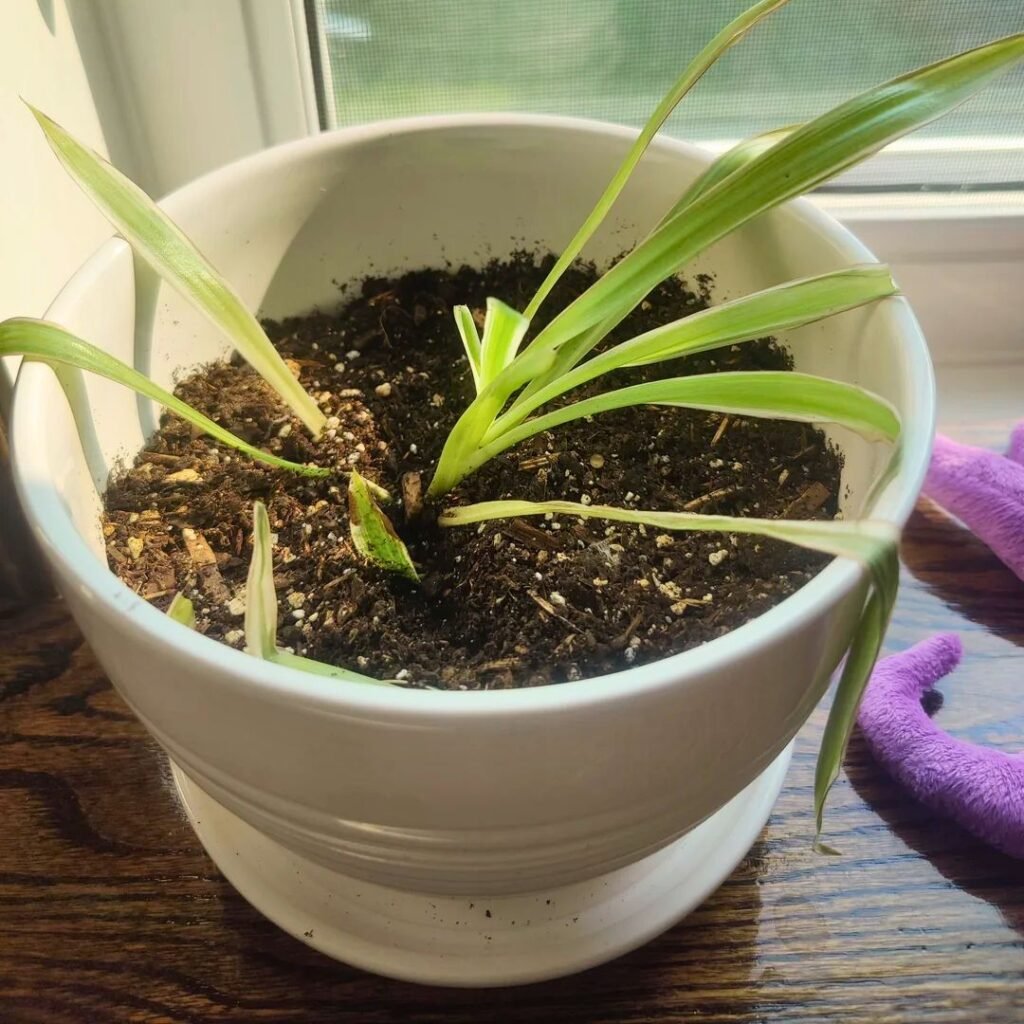
Please note: Simplify Plants is reader-supported. As an Amazon Associate, I earn from qualifying purchases made by our readers with no extra cost added to you all! Some links in the post are affiliate links and I get a commission from purchases made through links in the post.
Common Reasons Your Spider Plant Isn’t Growing
Spider plants typically grow pretty fast, but if they’re stalling, it’s often down to light issues, watering mistakes, temperature swings, or stress from being moved around or repotted.
Incorrect Light Levels
These plants really crave bright, indirect light. Not enough light, and they’ll just sit there—no new leaves, no babies, barely hanging on. Too much direct sun? You’ll see scorched leaves with brown tips or faded streaks.
I’ve had the best luck with a spot near an east-facing window. North-facing windows can work, but don’t expect much speed. If your spider plant’s been stuck in a dark corner, that’s probably the culprit.
Here are some things to watch for:
- Too little light: Pale leaves, stretched-out stems, no new shoots
- Too much light: Brown tips, bleached patches, crispy edges
Quick Tip: If you haven’t seen new growth in ages, try scooting your plant closer to a window—just not right in the afternoon sun.
Poor Watering Habits
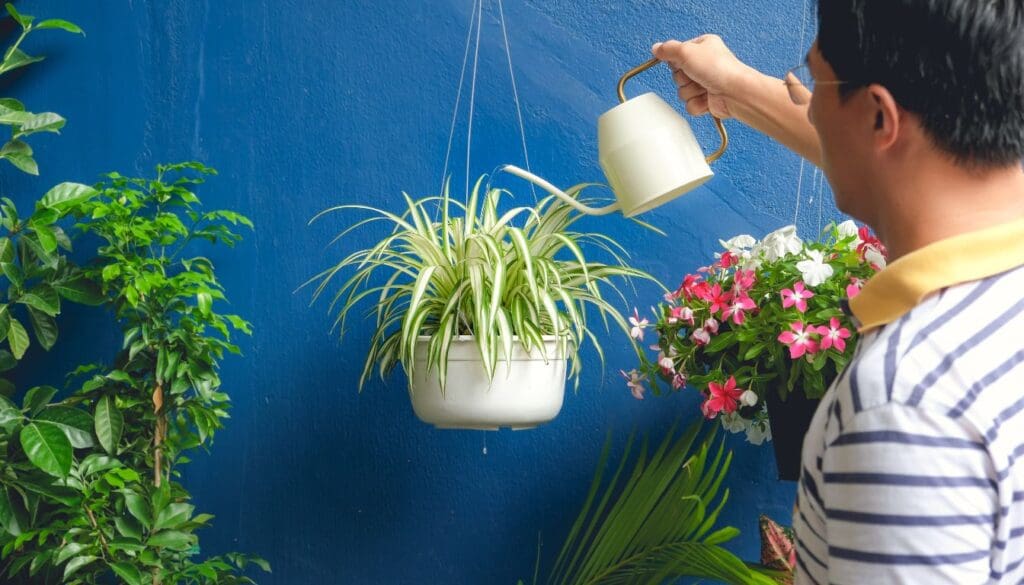
Watering too much or too little really messes with root health, and that can freeze growth. Too much water leads to root rot—mushy roots that can’t do their job. Too little, and the plant is just barely hanging on.
I usually water when the top inch of soil feels dry. Spider plants have thick roots that store water, so they’re more forgiving if you skip a watering than if they’re left sitting in soggy soil.
If your soil is constantly wet or bone-dry for weeks, don’t expect much action. Check those drainage holes—water should run through, not pool at the bottom.
Quick Tip: Poke your finger in the soil before watering. If it feels damp, wait a few more days.
Temperature Stress
Spider plants are happiest between 65°F and 75°F. Drop below 50°F or shoot above 90°F, and they just shut down. Cold drafts from windows or AC vents can really stunt them, too.
I keep mine away from heating vents in winter and out of chilly hallways. Just a few nights of cold air can slow things down for weeks.
If your home is on the cool side in winter, expect slower growth. But if your plant is near a drafty door or heater, that’s a problem.
Quick Tip: In winter, if you feel cold air coming through the window, move your spider plant a bit further inside.
Transplant Shock
Repotting or moving a spider plant can stress it out. Roots need time to settle in, and growth usually pauses for a bit. It can take a few weeks for them to adjust.
I’ve had plants sulk for a month after repotting, then suddenly perk up. If you just moved yours, give it a little patience. Keep watering steady and skip the fertilizer for now—it can actually make things worse if you push too soon.
Sometimes, the new pot is just too big. Spider plants like to be a bit root-bound. If the pot’s way oversized, it holds too much water and slows them down.
Quick Tip: After repotting, wait about 4-6 weeks before expecting new growth, and just bump up one pot size when you transplant.
Fixing Light and Temperature Issues

Spider plants really slow down or stop growing if they miss out on bright, indirect light or if the room temperature swings too far outside their comfort zone—think 60-75°F.
Finding the Right Spot
I always put my spider plants somewhere they get lots of bright, indirect light. East-facing windows are my go-to—the morning sun is gentle and just right. North-facing windows work, but things move slower.
If your only options are south or west-facing, keep your plant a few feet back from the window. Direct afternoon sun can really fry those leaves and leave brown tips.
Quick Tip: If your spider plant’s leaves look pale or faded, it probably wants more light.
They can survive in lower light, but honestly, they just don’t do much. If you want babies or fast growth, you’ll need more brightness. Sometimes, I use a basic grow light for 10-12 hours a day if natural light is limited.
Look for stretched growth or leaves losing their stripes—those are signs it’s reaching for more light.
Adjusting Indoor Temperatures
I keep spider plants in rooms that stay around 60-75°F. They’re pretty forgiving, but below 50°F, growth just stops. Cold drafts or AC vents can shock the roots and cause browning, too.
Heat above 80°F stresses them out. I’ve seen them wilt and droop if they’re too close to a radiator or heater. Crispy leaf edges are a dead giveaway it’s too hot for too long.
Quick Tip: Keep your plant away from air vents, fireplaces, and drafty doors for steadier temps.
I always check that my spider plant isn’t in a spot where temps swing wildly between day and night. Bathrooms that go from steamy to cold or hallways near exterior doors can really mess with their rhythm.
Watering and Humidity Tips for Thriving Spider Plants
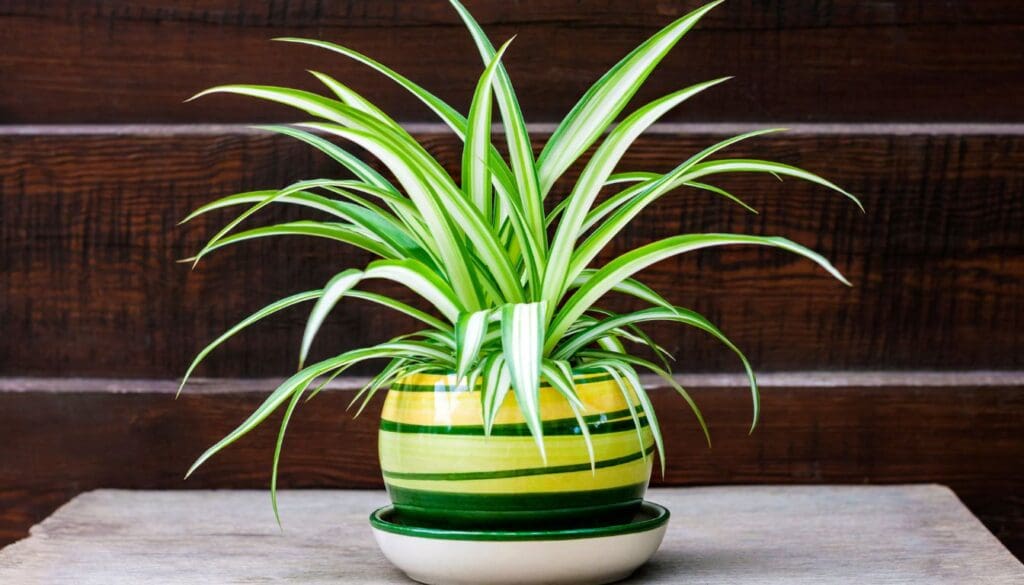
Spider plants like steady moisture, but they don’t want to sit in soggy soil. They also enjoy a bit of humidity to keep their leaves looking good.
Ideal Watering Schedule
I water mine when the top inch of soil is dry. In spring and summer, that’s usually once a week, but in winter, it can stretch out to every 10-14 days since growth slows down.
These plants can handle a bit of neglect better than being overwatered. Too much water leads to root rot—brown, mushy roots are a sure sign.
I always check the soil with my finger before watering. If it still feels damp underneath, I hold off another day or two.
Quick Tip: Use room-temperature water and let it sit out overnight. That helps get rid of chlorine and fluoride, which can cause those annoying brown leaf tips.
When I water, I give a good soak until water runs out the drainage holes, then empty the saucer so the roots don’t sit in it.
Humidity Solutions
Spider plants are fine in average household humidity, around 40-50%, but they look a lot happier with a bit more. I’ve noticed fewer crispy tips when I bump up the humidity a little.
Misting doesn’t really do much—it evaporates too fast. Instead, I group spider plants with other houseplants to create a little humid bubble.
A pebble tray works, too. Just fill a shallow tray with pebbles and water, set the pot on top (but not touching the water), and as it evaporates, it boosts the air moisture right around the plant.
Quick Tip: If you live somewhere dry or run the heater a lot in winter, a small humidifier nearby makes a real difference.
Soil and Potting Solutions
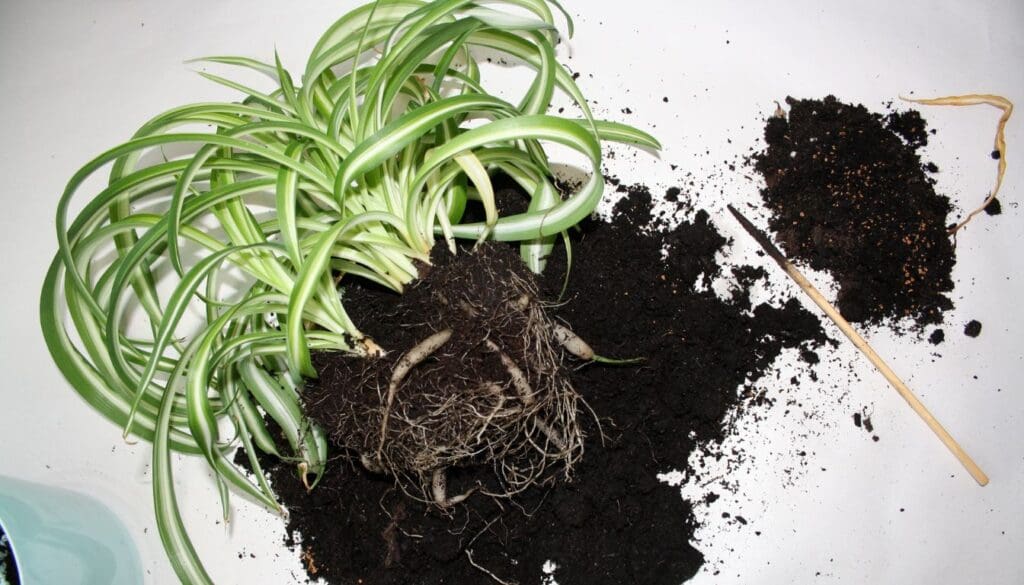
Spider plants need the right soil mix and good drainage for strong roots and healthy leaves. Let’s talk about what works and when you should repot.
Choosing the Best Soil Mix
I always reach for a light, well-draining potting mix. Regular all-purpose soil is fine, but I like to toss in some perlite or coarse sand—about two parts soil to one part perlite feels right to me.
They really hate sitting in wet, heavy soil. Air pockets let their roots breathe and grow properly.
Succulent or cactus mixes work too since they drain quickly and help avoid root rot. Just don’t let the soil dry out completely between waterings.
Quick Tip: If your soil clumps together and stays wet for days, it’s too heavy—add more perlite to lighten it up.
Repotting and Drainage Tips
I repot spider plants every year or two, or whenever roots start poking out the drainage holes. They like being a bit crowded, but if it’s too tight, growth stops.
Choose a pot that’s just 1-2 inches bigger than the old one. Too big, and the extra soil holds too much moisture, which can rot the roots.
Drainage holes are a must. I never use pots without them, no matter how cute they are. If you want to use a decorative pot without holes, just keep the plant in its plastic nursery pot and drop it inside.
Make sure water runs freely through the bottom when you water. If it pools or drains slowly, your soil’s too dense or compacted.
Quick Tip: Add a layer of small rocks or broken pottery at the bottom of the pot to help drainage and keep the holes clear.
How to Fertilize for Optimal Growth
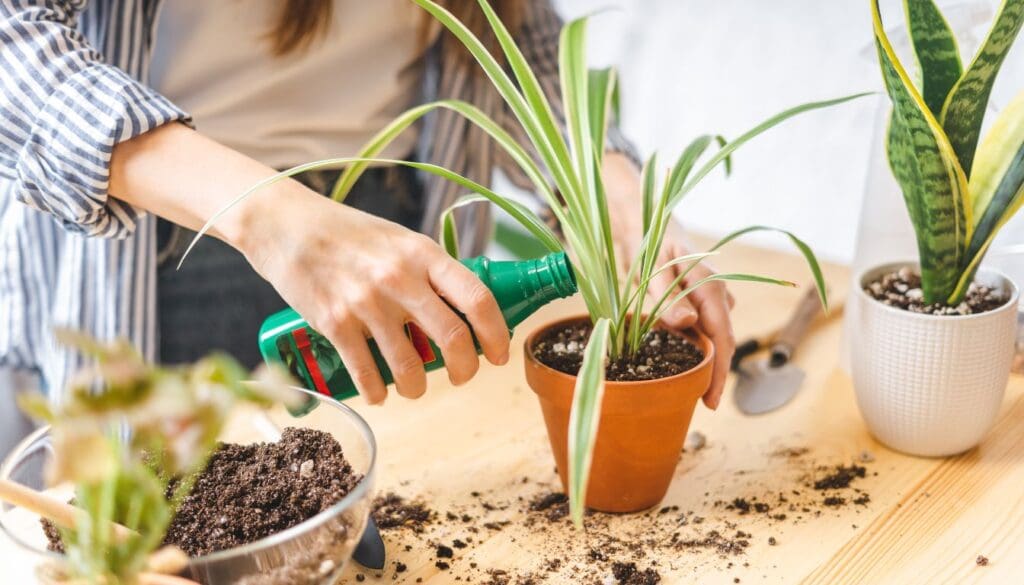
Spider plants need regular feeding during their active growing season, but too much fertilizer is a recipe for brown tips and stunted growth. Here’s what I’ve found works best—and how to spot when you’ve gone overboard.
Picking the Right Fertilizer
I stick with a balanced, water-soluble fertilizer—something like 10-10-10 or 20-20-20 is perfect. Those numbers are just the ratios of nitrogen, phosphorus, and potassium.
During spring and summer, I feed every two to four weeks at half strength. Spider plants aren’t heavy feeders, so going lighter helps avoid nutrient burn.
Quick Tip: Mix fertilizer at half the package’s recommended strength to keep things safe.
I skip feeding entirely in fall and winter when the plant slows down. No point in adding extra nutrients when it’s not using them.
Liquid fertilizers give you more control than slow-release granules. If you’re into organics, diluted compost tea or worm castings are solid choices.
Signs of Overfertilization
First thing I notice if I’ve overfed is brown, crispy leaf tips. They turn dark and dry out fast.
You might spot a white, crusty layer on top of the soil—those are salts from excess fertilizer.
If leaves start yellowing or new growth stalls, I flush the pot with plain water for a few minutes to wash out the built-up salts.
Quick Tip: If you see fertilizer burn, water deeply and hold off feeding for at least a month.
Wilting or drooping leaves can also mean salt damage to the roots. In a really bad case, I’ll just repot in fresh soil and start over.
Pests and Diseases That Affect Spider Plants
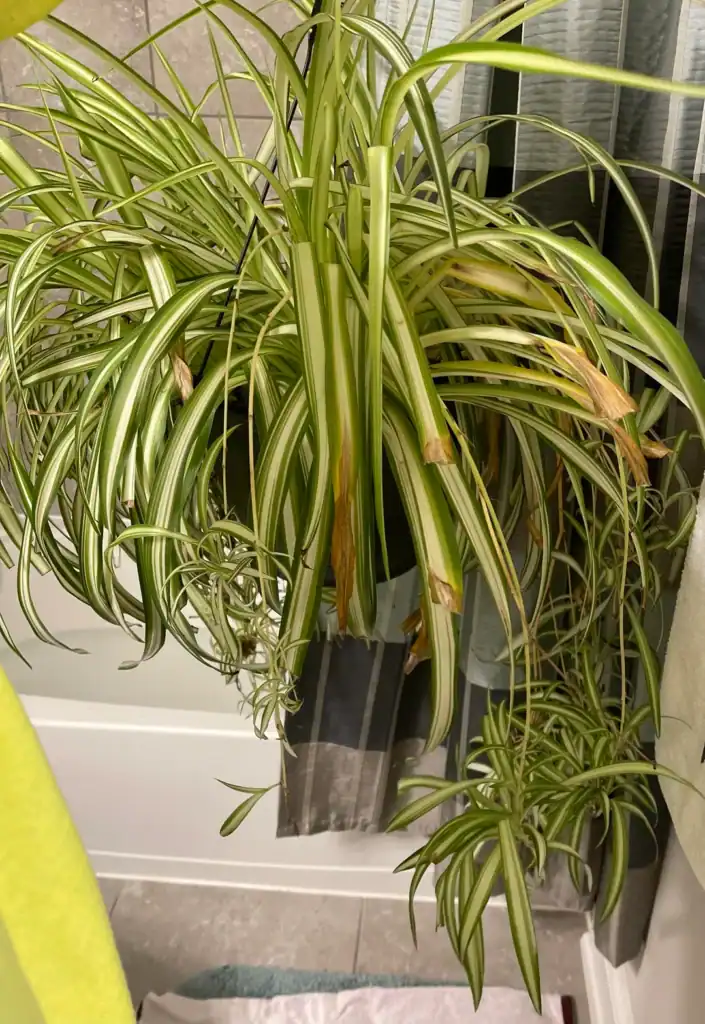
Spider plants are generally pretty tough, but pests and root problems can definitely slow them down. Catching these issues early makes them way easier to handle.
Identifying Common Pests
In my experience, spider plants attract a handful of pests that just love to hide out in those arching leaves. The main culprits? Aphids, spider mites, and mealybugs.
Aphids are those tiny green or black bugs that show up in clusters on new growth. They leave behind a sticky mess and can make leaves curl or turn yellow.
Spider mites are a bit sneakier since they’re so small. You might spot fine webbing between the leaves or notice tiny yellow or brown speckles. Sometimes the leaves just look dull or dusty.
Mealybugs are easier to recognize—they look like little white cotton bits tucked into leaf joints and along stems. They suck sap and slowly weaken your spider plant.
When I see pests, I wipe the leaves down with a damp cloth and some mild soapy water. If things get out of hand, neem oil spray is my go-to. I usually apply it every 5-7 days until the pests clear up.
Quick Tip: Always check the undersides of leaves weekly—pests seem to love hiding there first.
Treating Root Rot
Root rot is a headache that happens if spider plant roots sit in soggy soil for too long. The roots go soft and turn brown or black instead of staying firm.
You’ll often see leaves turning yellow or brown at the base, and the whole plant might look droopy even if you just watered. A sour smell from the potting mix is another red flag.
To fix root rot, I pull the plant out of its pot and cut away all the mushy, dark roots using clean scissors. Healthy roots should look white or maybe light tan.
After trimming, I repot in fresh, well-draining soil and make sure the new pot has drainage holes. I water less often now and let the top couple of inches of soil dry before watering again.
Quick Tip: If most of the roots are gone, it’s honestly better to take healthy leaf cuttings and start a new plant.
Propagation as a Way to Encourage Growth

Honestly, sometimes the best way to get a happy spider plant is to start fresh with those baby plants it produces. Spider plants naturally put out little offsets—spiderettes—and rooting them can really boost your collection.
Encouraging Spiderettes
Spider plants make babies when they’re mature and feeling good about life. If yours isn’t popping out spiderettes, maybe it needs a nudge—some stress can help trigger it.
I’ve noticed that letting the roots get a little crowded seems to encourage spiderettes. When the plant feels snug in its pot, it often decides to make babies instead of just more leaves.
Quick Tip: Let your plant get a bit rootbound before you repot if you want spiderettes to show up.
Light is important, too. Spider plants need bright, indirect light to make offsets. If yours is in a dark corner, try moving it closer to a window. East-facing windows seem to work best for me—plants there almost always produce more babies.
Temperature can play a part as well. Spider plants like it between 65-75°F, and those cooler fall nights sometimes seem to kickstart spiderette production.
How to Propagate Successfully
Once a spiderette has tiny root nubs, you can snip it off the mother plant. You could leave it attached until the roots are longer, but I usually cut early.
Pop the baby in water or straight into moist potting soil. Water propagation is fun because you can watch the roots grow—it takes about 1-2 weeks. Soil is a bit faster, and you don’t have to worry about transplant shock later.
Quick Tip: Change the water every few days to keep things fresh and avoid rot.
Keep the new plant in bright, indirect light. Water when the top inch of soil dries out. These young spider plants usually grow faster than older, stressed-out parents since their roots are fresh and undamaged.
In just a few months, your new plant might even outgrow the original.
Signs Your Spider Plant is Ready to Grow
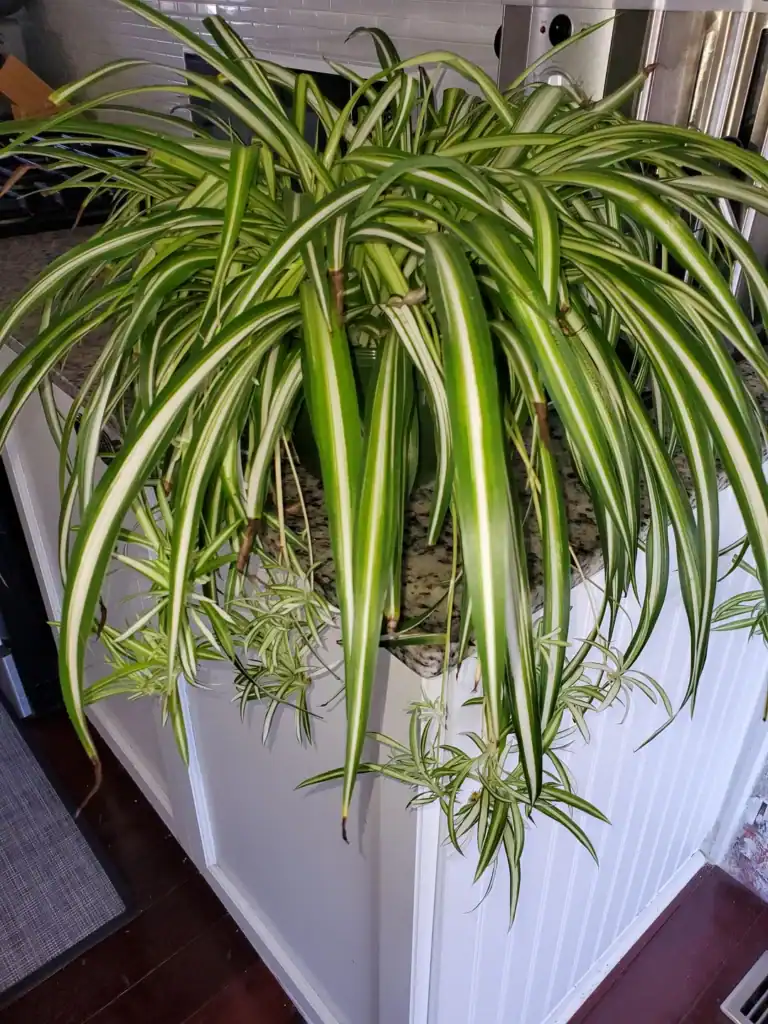
A healthy spider plant gives you some clear clues when it’s gearing up for new growth. I watch for fresh leaves popping up from the center and sometimes sneak a look at what’s happening with the roots below the soil.
Monitoring New Leaves
New growth usually starts right in the middle, where you’ll see small, tightly curled leaves. These baby leaves are pale green or almost yellow at first, and they darken as they get bigger.
I keep an eye out for leaves that uncurl steadily over a few days. If they stay curled or look stuck, something might be off—maybe not enough light or water. Healthy new leaves feel pretty firm, not limp or papery.
The growth point is right in the plant’s center. I try not to let water sit there, since it can cause rot. When I see several new leaves pushing up at once, I know my plant is in full-on growing mode.
Quick Tip: New leaves start out lighter and darken within a week or two as they open up.
Root Health Indicators
Every few months, I gently lift my spider plant from its pot to check the roots. White or cream-colored roots mean things are good and the plant’s ready to grow. Brown or mushy roots are a bad sign.
Spider plants have thick, fleshy roots that store water and nutrients. If you see roots circling the pot’s edge or poking out of drainage holes, it’s probably time to give your plant more space.
When roots fill most of the pot, it’s time to repot. A root-bound plant can hang on, but growth slows down a lot. I look for a dense root ball that holds the soil together when I slide the plant out.
Quick Tip: Roots showing at the soil surface or through drainage holes? Your plant’s ready for a bigger home.
Seasonal Care Changes for Spider Plants

Spider plants don’t need the same care all year—especially when it comes to water and light. I switch up my routine in winter when growth slows, then get back in gear when spring hits.
Adjusting Care in Winter
During winter, spider plants mostly chill out. Growth nearly stops, and the soil takes forever to dry since there’s less light and warmth.
I water way less in winter. The top two inches of soil should be bone dry before I water again. In summer, it’s often weekly, but in winter it’s more like every two or even three weeks.
I also skip fertilizer from November through February. The plant’s not really growing, so extra nutrients just sit there and don’t get used.
Dry indoor air from heating can be rough on spider plants—their leaf tips get brown and crispy. I keep mine away from vents and radiators.
Quick Tip: If you see brown leaf tips in winter, try misting your plant weekly or set it near a small humidifier.
Promoting Growth in Spring and Summer
Spring is when spider plants wake up and really start growing again. That’s the time to give them what they need.
I move my plants to brighter spots when spring rolls around. They love bright, indirect light when they’re in active growth. A few feet from an east or west window is usually perfect.
As it gets warmer, I water more often—usually when the top inch of soil feels dry. Sometimes that’s once a week, but it can be more if it’s hot.
I feed my spider plants every two to four weeks from March through September. I stick with a balanced liquid fertilizer, diluted to half strength—don’t overdo it.
This is also when spider plants put out their babies (offsets). Those little plantlets hanging from long stems are a good sign. If you want a bushier plant instead of more babies, you can snip off the flower stalks before they form.
Quick Tip: Rotate your plant a quarter turn each time you water so all sides get their fair share of light.
Additional Tips for Happy, Growing Spider Plants
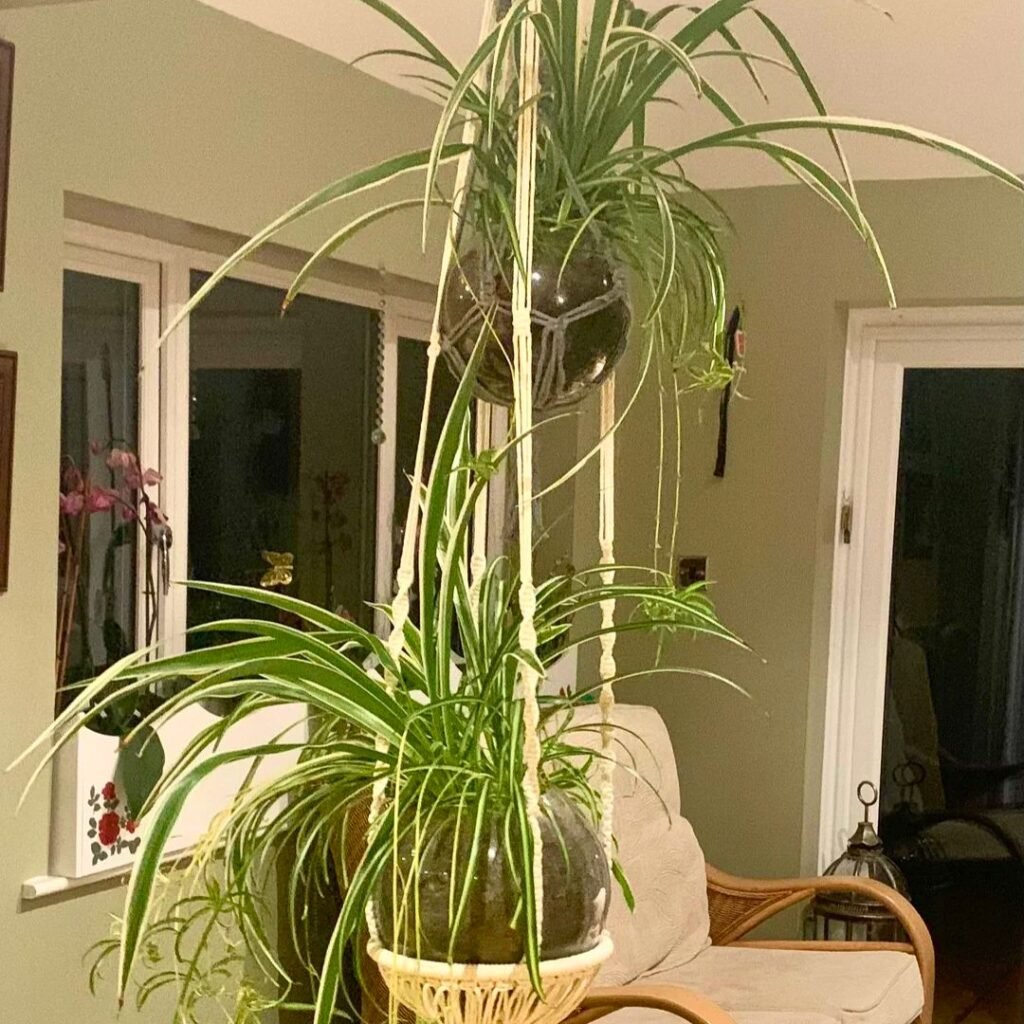
One thing I do is rotate my spider plant every week or two so it doesn’t lean toward the window. It’s a tiny habit that really keeps the growth even, and it only takes a few seconds.
Quick Tip: Just give your pot a quarter turn each time you water.
Spider plants don’t need a ton of fertilizer, but a little during spring and summer helps. I use a balanced liquid fertilizer at half strength once a month. Too much can cause brown tips, so I always err on the side of less.
If your tap water is heavy on chlorine or fluoride, let it sit out overnight before watering. Spider plants can be sensitive to those chemicals—brown tips are usually the giveaway. Filtered or rainwater works even better.
Quick Tip: Got brown tips? Snip them off at an angle with clean scissors to keep things tidy.
Keep an eye out for pests like spider mites or mealybugs, especially if your plant isn’t looking its best. I check the undersides of leaves when I water. A quick wipe with a damp cloth or diluted neem oil usually nips small problems in the bud.
Repot your spider plant every year or two when you see roots poking out of the drainage holes. They like being a bit snug, but too cramped slows things down. Fresh potting mix gives them a boost for new leaves and babies.
Frequently Asked Questions
Spider plants usually grow fast, but sometimes things slow down. Light, water, nutrients, and pot size all make a difference in keeping your plant happy and growing.
What are the ideal lighting conditions for a spider plant to thrive?
From what I’ve seen, spider plants do best in bright, indirect light. They can handle some direct morning sun, but harsh afternoon rays will burn their leaves. If your plant’s in a dark corner, it might hang on, but don’t expect much new growth.
North or east-facing windows are great for these plants. You can also set them a few feet back from a south or west window. The leaves are pretty good at telling you what’s up—pale or bleached means too much light, dark green and slow-growing usually means not enough.
Quick Tip: Rotate your spider plant every week or two so it grows evenly and doesn’t lean.
How often should I water my spider plant to encourage growth?
I water when the top inch of soil is dry to the touch. That’s usually about once a week in spring and summer, and every 10-14 days in fall and winter. It really depends on how warm or humid your place is.
Spider plants have thick roots that store water, so they’d rather dry out a bit than stay soggy. I always stick my finger in the soil before watering—if it feels damp, I wait another day or two.
Room temperature water is best. Cold water can shock the roots and slow things down.
Quick Tip: Use filtered or distilled water if your tap has fluoride or chlorine—spider plants are sensitive, and their tips will turn brown if the water’s not right.
Are there any specific nutrients or fertilizers I should use for a healthy spider plant?
I use a balanced liquid fertilizer, diluted to half strength—something like a 10-10-10 or 20-20-20 formula. Once a month during spring through early fall is enough.
Don’t overfeed. Too much fertilizer leads to brown leaf tips and salt buildup in the soil. I skip fertilizer in winter since the plant isn’t growing much anyway.
If your plant’s leaves are losing color or look pale, it might be time for a little nutrient boost.
Quick Tip: Flush the soil with plain water every few months to wash out any extra salts from fertilizer.
Could overwatering be the reason my spider plant isn’t growing?
Absolutely—overwatering is one of the top reasons spider plants stop growing. When the soil stays too wet, the roots can’t breathe and might start to rot. That means the plant can’t take up water or nutrients like it should.
I look for signs of overwatering like yellow leaves, mushy stems, or a funky smell from the soil. The plant might actually look wilted even though the soil is wet. If you spot these signs, let the soil dry out more between waterings.
Always use pots with drainage holes. Water pooling at the bottom of a pot with no drainage will cause root rot in no time.
Quick Tip: If you think you’ve got root rot, unpot the plant and trim away any brown, mushy roots before repotting in fresh, well-draining soil.
How can I tell if my spider plant is pot-bound and needs repotting?
Your spider plant’s probably pot-bound if you spot roots sneaking out of the drainage holes or circling tightly inside the pot. Sometimes, you’ll even catch roots poking up above the soil—never a great sign.
That’s usually when the plant starts struggling to get enough water or nutrients, and you’ll see new growth slow way down. Ever notice water just rushing through the pot without soaking in? That’s a classic clue—there’s more root than soil left in there.
The plant can dry out surprisingly quickly, too. Honestly, if you’re watering more than usual and it still seems thirsty, it might be time.
Personally, I try to repot spider plants every year or two, usually in spring. Go for a pot that’s just an inch or two wider than the old one—no need to overdo it, since these guys like things a bit cozy.
Quick Tip: When you’re repotting, gently loosen the root ball. It helps the roots stretch out into that fresh soil, which is what you want anyway.
What are some common pests that might be hindering the growth of my spider plant?
Honestly, spider mites are probably the biggest headache when it comes to spider plants. These tiny bugs spin fine webs between the leaves and suck out the sap, which just isn’t great for your plant’s health.
You might spot little dots or a sort of dusty look on the leaves—yeah, that’s usually their handiwork.
Aphids and mealybugs like to get in on the action too. Aphids are those small, soft-bodied insects that crowd around new growth, while mealybugs look like tiny bits of cotton stuck to the leaves and stems.
When I notice pests, I usually start by wiping the leaves down with a damp cloth. If things get out of hand, I’ll go for insecticidal soap or neem oil, making sure to spray the undersides of the leaves—pests love to hide there, for some reason.
Quick Tip: If you spot an infested plant, isolate it right away so the pests don’t make their way to your other houseplants.
Note: Some images in the articles are sourced from Reddit and Other Platforms For Reference Purpose.





Very helpful Info. I have not had a good result with my plant and l am hopeful all your info will help. Thank you
Glad i could help!
I had a spider plant, that had 10 generations of pups. It was a beautiful plant, I won several first place ribbons. I lost it when I got cancer I tried to take in the hospital with me no chance, I have a new one it’s growing like crazy.
Thank you, for the great information.
I am glad i could help!
Thank you for all the information you put out on the spider plant I think it’s really really detailed. God bless you and your family 🙏🤗
Thanks for your kind words!
I have a variegated spider plant it’s growing but I have some purple spots on some leaves ,Why??
Hi your blog is very informative however you do not mention when repotting placing grit or stones to the bottom of the pot for drainage.
Last year I planted a few baby pups plants in small pots without drainage holes. I often accidentally over watered them so that were sitting in slot of water however they survived & are looking healthy