11 Reasons Why Your Spider Plant Leaves Are Bending (+Easy Fix)
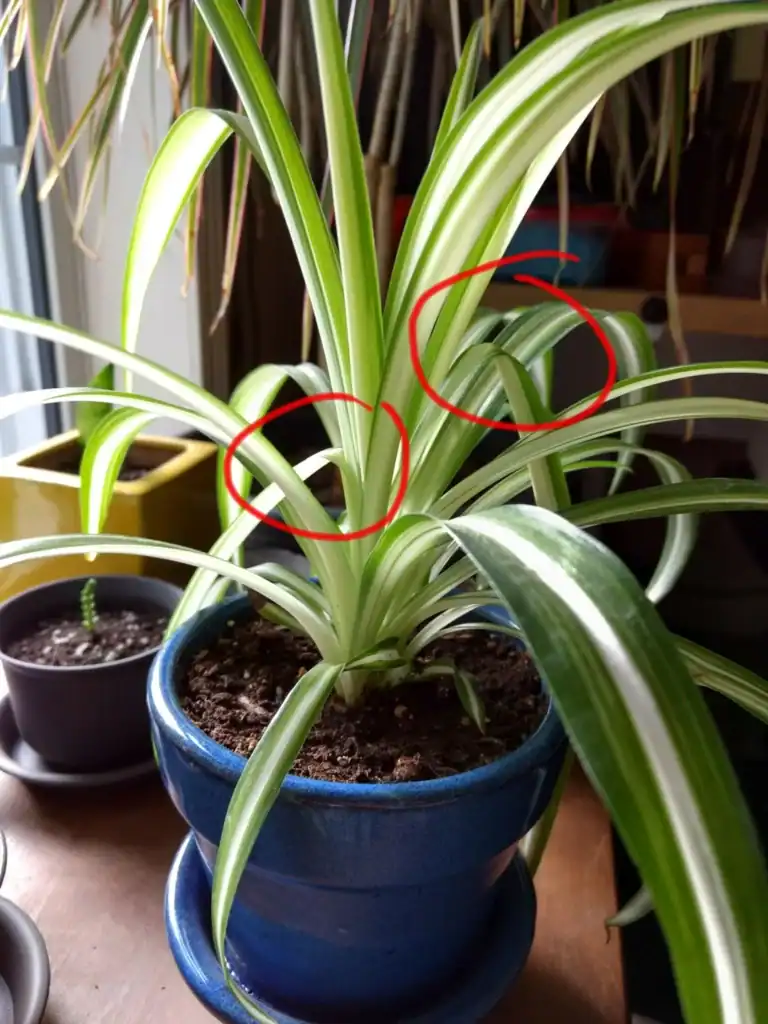
Spider plants are pretty tough, but they’re not invincible. If your spider plant’s leaves are bending or curling, it’s usually a sign that something’s off in its care routine.
The most common reasons? Watering issues, light problems, temperature stress, low humidity, rootbound conditions, or pest damage.
I’ve watched plenty of spider plants perk up after fixing the real issue. The hardest part, honestly, is figuring out what’s actually wrong since so many problems look alike at first.
This guide will walk you through all the possible reasons your spider plant leaves might be bending and how you can fix them.
You’ll also learn to spot the difference between the usual suspects and some sneaky triggers that could be messing with your plant.
Please note: Simplify Plants is reader-supported. As an Amazon Associate, I earn from qualifying purchases made by our readers with no extra cost added to you all! Some links in the post are affiliate links and I get a commission from purchases made through links in the post.
Understanding Spider Plant Leaf Bending
Spider plant leaves are supposed to arch gracefully, but when they start folding or bending weirdly, something’s definitely off. Spotting the difference between normal growth and problem bending helps me catch issues before they get worse.
What Healthy Spider Plant Leaves Look Like
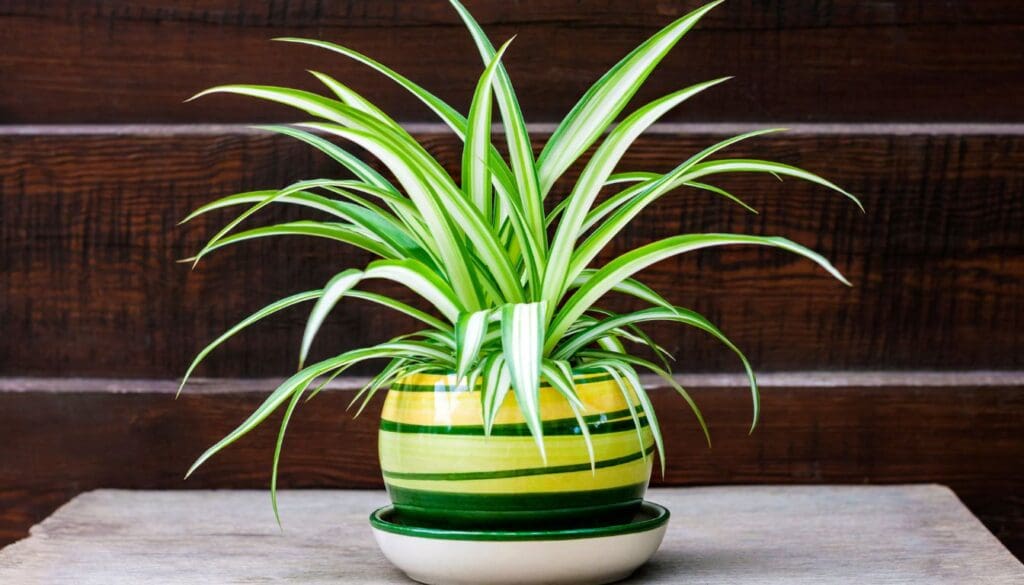
Healthy spider plant leaves grow out from the center in a fountain shape. Each leaf should feel firm with a natural, smooth downward curve.
Fully grown, the leaves are usually around 12 to 18 inches long. When I touch them, they should feel sturdy—not limp or mushy. You should see bright green color, often with creamy white or yellow stripes running down each leaf.
Looking from above, the leaves should radiate evenly from the center. No weird creases, sharp folds, or twists. Sure, the tips might brown a little from tap water minerals, but the rest should keep that nice arch without sagging or curling in.
How Leaf Bending Differs From Other Issues
Leaf bending shows up as sharp fold lines or angles, not the gentle arch you want. I can usually spot where the leaf has actually bent or kinked—almost like someone pinched it.
That’s different from browning tips, which just affect the ends and usually mean water quality or humidity issues. Yellow leaves point to overwatering or nutrient problems, but they don’t always bend. Curling leaves roll inward along the edges, while bent leaves have true creases across their width.
Quick Tip: Run your finger along a bent leaf—if you feel a sharp crease or angle, that’s real bending and not just a natural arch.
Why Leaf Bending Should Not Be Ignored
Bent leaves can’t photosynthesize as well because the fold blocks light from hitting the leaf surface. This slows down growth and makes the plant weaker over time.
The creased spots can also turn into entry points for pests and diseases. Water can sit in those folds, creating damp spots where fungus starts. Once a leaf has a permanent crease, it’s not going to straighten back out.
If I ignore bent leaves, I’m missing warning signs about watering, light, or root problems. These issues will just keep popping up in new growth if I don’t do something.
Common Reasons for Spider Plant Leaves Bending
Spider plant leaves usually bend when something’s off with their care. The big culprits? Watering mistakes, poor lighting, sudden temperature swings, or roots that have totally run out of space.

Watering Issues
Honestly, watering mistakes are the number one reason I’ve seen spider plant leaves start to bend and droop. Too much water makes them soft and floppy; too little and they curl and bend downward.
If I overwater, the soil stays soggy and roots can’t breathe. Root rot sets in, nutrients stop flowing, and the leaves bend over, sometimes turning yellow or brown at the tips.
Underwatering is just as bad. The leaves lose firmness and start folding inward or bending at odd angles as the plant tries to save moisture. I always check the top inch of soil before grabbing the watering can.
Quick Tip: Water only when the top 1-2 inches of soil feels dry, and always use a pot with drainage holes.
I water thoroughly until it drains, then let the soil dry out a bit before watering again. In summer, that’s about once a week for me, but in winter, it can stretch to every 10-14 days.
Insufficient Light

Spider plants need decent light to keep their leaves upright. When mine don’t get enough, the leaves start bending and reaching toward whatever light they can find.
In too much shade, spider plants grow weak, thin leaves that can’t hold themselves up. They bend over and lose that vibrant color, and the stripes fade.
Direct, harsh sunlight isn’t great either. It can scorch the leaves, making them bend away or develop brown, crispy edges.
Quick Tip: Put your spider plant in bright, indirect light—an east or north-facing window is usually perfect.
I keep mine a few feet from a window with a sheer curtain. That way, they get nice filtered light but no sunburn. If you only have low-light spots, the leaves will bend more and grow slower, but the plant can survive.
Temperature Fluctuations
Spider plants like it steady—somewhere between 65-75°F. When mine get hit with cold drafts or hot air, the leaves react by bending or curling.
Cold air from AC vents or winter windows makes the leaves droop and bend down. The plant basically goes into shock if it gets too cold. I’ve even seen leaves go mushy if they’re stuck below 50°F for too long.
On the flip side, heat from radiators or hot windowsills makes leaves bend up or curl in as the plant tries to shield itself.
Quick Tip: Keep your spider plant away from air vents, drafty windows, and heat sources. That alone prevents a lot of bending.
I try to give my plants a buffer zone away from heating or cooling sources. Consistent room temperature keeps the leaves looking their best.
Overcrowded Roots

Spider plants grow fast, and their roots can fill up a pot before you know it. When roots get crowded, they tangle up and that messes with how the leaves grow.
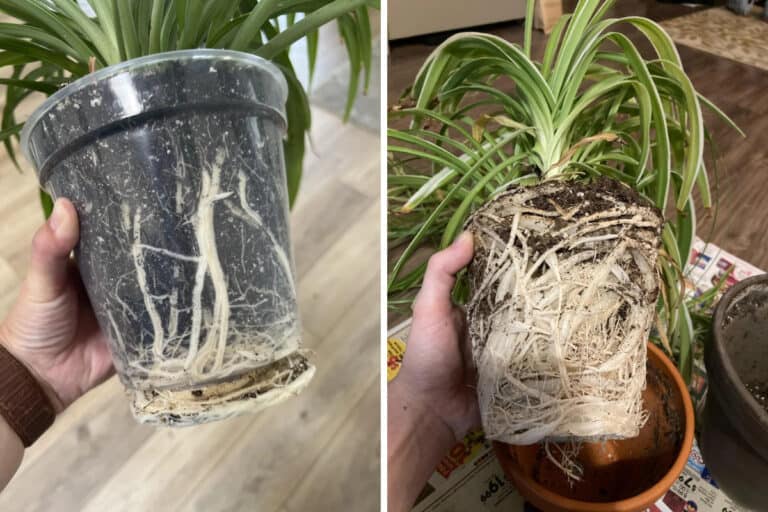
When my spider plant needs repotting, the leaves start bending outward from the center. Sometimes roots even poke out of the drainage holes or push up through the soil.
Root-bound plants dry out super fast. I’ve had to water every couple of days when mine was packed in, and the leaves still looked droopy and bent.
Quick Tip: Repot every 1-2 years or when roots are crowded, using a pot 1-2 inches bigger than the last.
Spring is the best time to repot. I loosen the root ball, trim dead roots, and use fresh soil. Usually, the leaves perk up within a few weeks.
Less Obvious Causes of Leaf Bending
Sometimes, spider plant leaves bend for reasons that aren’t so obvious—like missing nutrients, dry air, tiny bugs, or just getting bumped. These can sneak up on you if you’re not paying attention.
Nutrient Deficiency

Spider plants need certain nutrients to keep their leaves strong and upright. Not enough nitrogen, potassium, or magnesium, and the leaves weaken and droop.
Nitrogen keeps leaves firm and green. Without it, they go pale and lose structure. Potassium helps build strong cell walls, so leaves stand up better.
I feed my spider plant with a balanced liquid fertilizer once a month in spring and summer. Something like 10-10-10 or 20-20-20, but always diluted to half strength.
Quick Tip: If older leaves are bending and yellowing while new ones look fine, that’s probably a nitrogen shortage.
Skip fertilizing in fall and winter. Too much fertilizer is worse than too little—it causes brown tips.
Low Humidity
Spider plants like humidity between 40-60%. When the air gets too dry, especially in winter, leaves lose moisture faster than roots can keep up.
Dry air makes leaves curl and bend as they try to save water. You’ll probably notice brown, crispy tips too.
I bump up humidity by grouping plants together or setting them on a pebble tray with water. The water evaporates around the plant, not into the soil. A small humidifier is great if you have a bunch of plants in one room.
Misting isn’t all that helpful—it dries up too fast. Bathrooms and kitchens are naturally more humid, so those are good spots.
Quick Tip: If your place drops below 30% humidity in winter, your spider plant will definitely show stress.
Pest Infestation
Spider mites, aphids, and mealybugs all suck sap from spider plants, which weakens the leaves and causes bending or drooping. These bugs are tiny and easy to miss until the damage is obvious.
Spider mites leave little yellow spots and fine webbing. Aphids cluster on new growth and leave sticky stuff behind. Mealybugs look like little cotton balls stuck to the leaves.
Check under the leaves regularly since that’s where pests hide. I wipe mine down with a damp cloth every few weeks—removes dust and helps me spot any problems early.
Treat infestations with insecticidal soap or neem oil, making sure to coat both sides of each leaf. Repeat every 5-7 days for three weeks to catch new bugs as they hatch.
Quick Tip: Isolate any infested plant right away so bugs don’t spread to your other houseplants.
Physical Damage
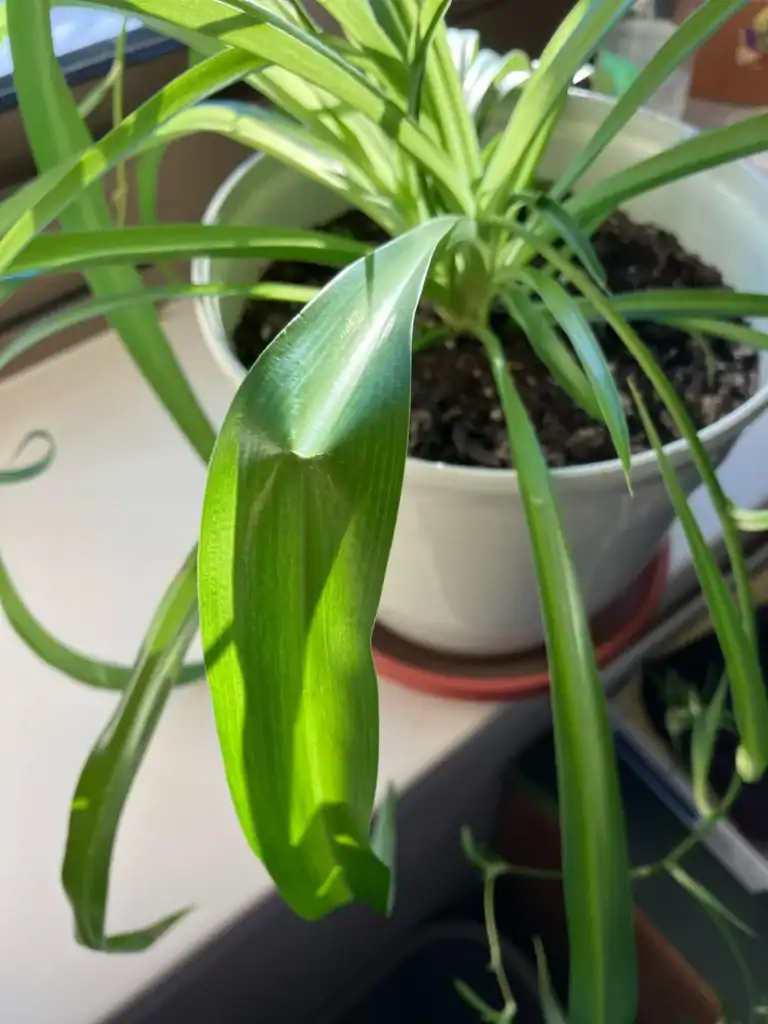
Bumping your spider plant, pets knocking it over, or rough handling can cause leaves to bend or break. Once a leaf is bent, it’s not going to straighten out again.
Kids and curious cats are usually to blame. Even moving your plant around too much can stress the leaves. Sometimes the stems crack slightly where they bend, and that spot stays weak.
Try to keep your spider plant somewhere stable where it won’t get knocked over. I use sturdy plant stands or hang mine in baskets out of the way.
Cut off badly damaged leaves at the base with clean scissors. The plant will grow new ones. You can try gently staking bent-but-not-broken leaves, but they might not fully recover.
Quick Tip: Hanging spider plants keeps them safer from bumps and shows off those cool cascading leaves.
Unusual Triggers That Can Lead to Bending
Sometimes, bending comes from unexpected places—like household chemicals, the wrong pot, or moving your plant too roughly.
Chemical Exposure
I’ve seen spider plants react badly to chemicals that seem harmless. Household cleaners, air fresheners, even furniture polish can land on leaves and make them bend or curl.
Residue from these products builds up over time. The plant absorbs chemicals through its leaves, which weakens them and makes the foliage droop or twist.
Cigarette smoke is another one I forget about. The toxins settle on the leaves and mess with how the plant breathes and processes light.
Quick Tip: Keep your spider plant away from spots where you use sprays or aerosols a lot.
If you think chemicals are the problem, gently wipe the leaves with a damp cloth—just water or a very mild soap solution. Rinse well so nothing’s left behind.
Move your plant to a spot with better air and less exposure to sprays. I usually keep mine in a bathroom or bedroom where I’m not constantly cleaning with harsh stuff.
Improper Pot Selection
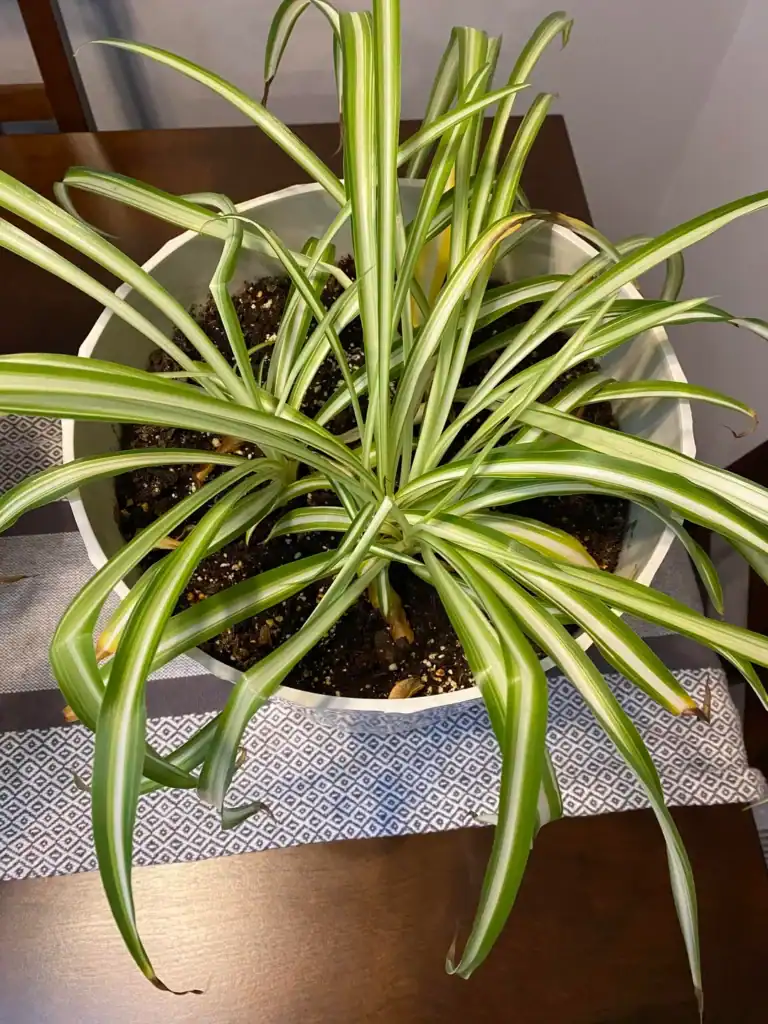
The pot you pick does a lot more than just sit there and look nice. If it’s too small, the roots get all jammed up and can’t really hold up the leaves.
This usually leads to bending, since the plant just can’t stay upright. I’ve seen it happen when the roots are desperate for space.
Pots without drainage holes? That’s a recipe for trouble. Water collects at the bottom, roots start to rot, and the whole plant gets weaker.
Bent leaves often show up before you even realize there’s a problem below the surface. It’s sneaky like that.
Material is worth thinking about too. Plastic pots hang onto moisture longer than terracotta, so you have to be careful not to overwater.
Quick Tip: Go for a pot with drainage holes and make sure it’s about 1-2 inches wider than the root ball. Trust me, it makes a difference.
Take a peek—are your spider plant’s roots poking through the drainage holes or circling the top of the soil? If so, it’s definitely time for a bigger pot.
I usually go for something sturdy enough to handle the weight of all that healthy foliage. Spider plants get top-heavy fast, and a flimsy pot just tips over and stresses everyone out (including me).
Stress from Repotting
Repotting a spider plant can really throw it for a loop, at least for a little while. I’ve seen leaves droop or bend for a week or two after moving them, even if I’m gentle.
The roots need a bit to settle in and get used to the new soil. During this adjustment, the plant struggles to move water and nutrients, so the leaves might wilt or bend down.
If you’re rough with the roots, it only makes things worse. Damaged roots just take more time to recover.
Quick Tip: Water your spider plant well the day before you repot. It makes the whole process less stressful for both of you.
After repotting, I keep the soil just slightly moist—never soggy. I find they bounce back quicker if I put them in bright, indirect light and hold off on fertilizer for at least a month.
Don’t freak out if you spot some bending right after repotting. Give it two or three weeks to settle before you start troubleshooting again.
How to Diagnose Why Your Spider Plant Leaves Are Bending
Trying to figure out why your spider plant’s leaves are bending? I always start by looking at the plant itself, then check the soil, and finally think back over anything I might’ve changed lately.
Visual Clues to Identify the Problem
The leaves usually spill the beans first. If they’re pale yellow and bending, I suspect too much light or maybe overwatering.
But if the leaves are dark green and still bend, it’s probably not getting enough light. Brown tips with bent leaves? That’s usually water quality or low humidity.
I pay attention to the texture, too. If the leaves feel soft and mushy, root rot might be the culprit. Crispy and dry? That sounds like underwatering.
The way the leaves bend can tell you a lot. If they’re all leaning toward the window, it’s just hungry for more light. If they’re flopping in every direction, then something else is up.
Quick Tip: Snap a photo every few days. It’s amazing what you notice when you look back.
Testing Soil Moisture and Drainage

I stick my finger a couple of inches into the soil to check for moisture. If it’s still wet days after watering, drainage is probably the problem.
If the soil is bone dry and pulling away from the pot, I know I’m underwatering. I also pick up the pot—heavy means wet, light means it’s time to water. It takes a little practice, but you get the hang of it.
Don’t forget the drainage holes. I flip the pot and look for roots poking out or water that refuses to drain. Blocked holes or compacted soil can really stress the roots and cause bending leaves.
Quick Tip: Water should run through the pot in just a few minutes. If it sits on top, it’s time for fresh soil.
Assessing Recent Plant Care Changes
I try to remember what I changed in the last couple of weeks before the bending started. Did I move the plant? Change up my watering? Try a new fertilizer or repot?
New spots can shock spider plants, especially if the light is different. I once moved mine from a sunny spot to a dim hallway, and the leaves started bending almost immediately.
Fertilizer matters, too. Overdoing it can cause salt buildup that hurts the roots and bends the leaves. Temperature swings—like cold drafts or blasts from the heater—can also stress the plant.
Quick Tip: Only change one thing at a time. That way, you actually know what’s working.
Effective Solutions for Bending Spider Plant Leaves
Spider plant leaves can bend for all sorts of reasons, but honestly, most fixes are pretty straightforward. Here’s what I usually do to help my plant stand up straight again.

Adjusting Watering Habits
Watering is usually the main culprit when leaves start to bend. I always check the top inch of soil with my finger—if it’s dry, I water until it runs out the drainage holes.
Spider plants hate soggy roots. I dump out any water sitting in the saucer after about 15 minutes so the roots don’t drown. Too much water makes the leaves bend and turn yellow.
Been overwatering? Cut back and let the soil dry a bit more between waterings. Usually, the plant perks up in a week or two. In winter, I water less since they’re not growing as fast.
Quick Tip: Stick your finger in the soil up to your knuckle—if it’s still damp, wait a day or two.
If the leaves are thin and crispy, it’s probably underwatered. I give those a deep soak and try to remember to water a bit more often.
Providing Proper Lighting
Spider plants really thrive in bright, indirect light. I keep mine near an east or north window—plenty of light, but not harsh sun.
Direct sunlight can actually burn the leaves and make them curl or bend. If yours is sitting in a bright south or west window, just move it back a bit or use a sheer curtain.
Too little light is just as bad. The leaves get all stretchy and bendy as they reach for whatever light they can find. I move those closer to a window or add a grow light if needed.
Quick Tip: If your plant’s leaning hard to one side, rotate it a quarter turn every week. Easiest fix ever.
Pale or faded leaves usually mean it needs more light. The variegated ones lose their stripes if things get too dim.
Optimizing Temperature and Humidity
Spider plants like it between 65-75°F during the day. Cold drafts or blasts from the AC? That’ll bend the leaves and brown the tips. I keep mine clear of radiators and heaters, too.
Humidity isn’t a huge deal, but dry air can cause bending—especially in winter. I mist my plant once or twice a week, or just put it on a pebble tray with a bit of water.
Quick Tip: Group a few plants together and they’ll help keep the air around them a bit more humid.
I also try not to put my spider plant near doors or drafty windows. Sudden temperature swings just stress it out.
Repotting When Needed
If a plant is root-bound, it just can’t support healthy leaves. I always check the drainage holes every year to see if roots are poking through. When they are, it’s time to size up.
I pick a pot that’s just a little bigger—about 1-2 inches wider. Fresh, well-draining mix is a must. I gently loosen the root ball before planting, since tight roots can’t soak up water properly, which leads to bending.
After repotting, I give it a good drink and keep it out of direct sun for a few days. In my experience, the leaves firm up in about two weeks once the roots settle in.
Quick Tip: Spring’s the best time to repot. The plant is already in growth mode and recovers faster.
Don’t go overboard with a giant pot. Too much soil just holds extra water and risks root rot.
How to Prevent Leaf Bending in the Future
Honestly, keeping spider plant leaves straight is mostly about sticking to a routine, picking the right pots, and catching issues early.
Establishing a Consistent Care Routine
I water when the top inch of soil feels dry—usually once a week in summer, every 10-14 days in winter. Regular watering really helps prevent those stress bends.
Light is just as important. I keep mine in bright, indirect light near an east or north window. Too much sun burns, not enough makes the leaves weak and droopy.
Spider plants hate temperature swings. I aim for 65-75°F and keep them away from heaters, ACs, and drafty windows. Even a few degrees’ difference can mess with the leaves.
Quick Tip: Set a phone reminder for watering day. I do, or I’d totally forget.
Humidity helps, too. I mist my plants a couple times a week or use pebble trays. They’re not fussy, but 40-50% humidity keeps them happiest.
Choosing the Right Pot and Soil

Drainage holes are non-negotiable for me. Without them, water sits at the bottom and roots start to rot, which leads to bent and yellow leaves. Terra cotta pots are my go-to since they let moisture evaporate from the sides.
Pot size matters more than I expected. I use pots just 1-2 inches wider than the root ball. Too big means soggy soil, too small means cramped roots and floppy leaves.
I like mixing my own soil—equal parts potting mix, perlite, and peat moss. It’s loose, drains well, and spider plants seem to love it. Store-bought cactus mix works if you’re in a hurry.
Quick Tip: If water pools on top of the soil, add more perlite to lighten things up.
I usually repot every 2-3 years in spring, especially if I see roots poking through the drainage holes.
Monitoring for Early Warning Signs
I check my spider plants every few days for changes. Pale leaves mean too much light, dark green leaves reaching for the window mean not enough. I move them before bending even starts.
Once a week, I check the soil surface. If there’s a white crust, that’s salt from tap water or too much fertilizer. I flush it with distilled water about once a month.
Brown tips usually show up before the leaves start bending. That tells me the air’s too dry or my water’s got too much fluoride. I’ll switch to filtered or rainwater and bump up the humidity.
Quick Tip: Take a picture of your plant every month. You’ll spot trends you’d otherwise miss.
I gently feel the leaves, too. Soft or mushy? That’s overwatering. Crispy? Probably underwatering. Catching these early can stop bending before it starts.
Frequently Asked Questions
A lot of spider plant owners ask about drooping, curling, or bending leaves and what actually causes all that. Knowing what triggers these problems—whether it’s watering habits or weird light—really helps you get your plant back on track.
What could be the reasons my spider plant leaves are drooping or curling?
Most of the time, drooping or curling leaves mean your spider plant is stressed about water. Too much, and the roots basically drown and can’t get nutrients. Too little, and the leaves curl in to try and save moisture.
Temperature swings can make leaves droop, too. Spider plants prefer 60-75°F and really hate cold drafts or hot air from vents.
If your plant is root-bound, the leaves might bend down because the roots can’t spread out enough to get what they need. If you see roots coming out of the drainage holes, it’s time to repot.
How do I know if I’m overwatering my spider plant, and what should I do about it?
Yellow or brown leaves that are soft and a bit mushy? That’s usually a sign you’re overwatering. Sometimes the soil just stays wet for ages, and you might even catch a sour, unpleasant smell coming from the pot.
Quick Tip: Stick your finger about two inches into the soil—if it still feels damp, hold off on watering for a bit.
I like to let the top inch or two of soil dry out before watering again. If you think you’ve been a little too generous with water, stop for now and check the roots for any signs of rot.
Trim away black or mushy roots with clean scissors. Then repot the plant in fresh, well-draining soil, and make sure the pot actually has drainage holes at the bottom—seriously, it helps.
Can low humidity affect the health of my spider plant leaves, and how can I fix it?
Low humidity often leads to brown, crispy tips on the leaves, and after a while, they might start to bend. Spider plants like humidity around 40-60%, but indoor air—especially in winter—tends to be way drier than that.
Whenever the heater’s running nonstop, my plants always get those dry tips. Try misting the leaves every few days or set the pot on a tray with pebbles and a little water.
As the water evaporates, it creates some extra moisture around the plant without soaking the roots. Grouping your spider plant with other houseplants can help make a mini humid zone, too—it’s a trick I use all the time.
Are there any specific signs of nutrient deficiency that might cause my spider plant’s leaves to bend?
If your spider plant’s leaves look pale or yellow and the growth seems weak or droopy, it’s probably craving more nutrients. When there’s not enough nitrogen, you’ll notice the whole plant turning yellow, but if it’s iron, you’ll see yellow leaves with green veins.
Spider plants aren’t super needy, but they do like a balanced liquid fertilizer about once a month in spring and summer. I usually go with a half-strength houseplant fertilizer just to be safe—no one wants burned roots.
Quick Tip: Skip the fertilizer in fall and winter since the plant’s growth slows down anyway.
Brown tips sometimes mean salt buildup from tap water or over-fertilizing. Flushing the soil with distilled water every few months helps clear out those excess salts.
How can improper lighting lead to bending leaves in spider plants, and how do I correct the light exposure?
Spider plants really thrive with bright, indirect light. If they’re stuck in a dark spot, the stems get leggy and weak, and the leaves just can’t hold themselves up—they start to bend and droop.
On the flip side, direct sunlight is too harsh and will scorch the leaves, leaving behind brown, crispy patches. I usually keep mine about 3-6 feet away from a window with filtered light—seems to keep them happy.
North or east-facing windows are usually pretty safe bets in most homes. If you notice your plant stretching toward the window and the leaves look pale, go ahead and move it a bit closer.
Quick Tip: Give your plant a quarter turn every week so all sides get a fair shot at the light—makes a big difference for even growth.
Is it common for pests to affect spider plant leaves, and what are the steps to treat infected plants?
Spider plants, unfortunately, do tend to attract some pesky visitors like spider mites, aphids, and mealybugs. These little guys can mess up the leaves, making them bend or look a bit sad.
Spider mites are sneaky—they leave behind fine webbing and those annoying tiny yellow spots on the leaves. Aphids, on the other hand, love to cluster around new growth and they’ll leave a sticky residue that’s hard to miss.
Mealybugs look like tiny white cotton balls, usually hanging out on the stems or tucked into leaf joints. Not exactly what you want to see when you check your plant in the morning.
I usually spray the affected plants with water mixed with a couple drops of dish soap. Then, I go over each leaf with a damp cloth to wipe away the pests and any eggs they’ve left behind.
Quick Tip: If you spot an infestation, it’s a good idea to move the plant away from your other houseplants. No one wants the problem spreading, right?
When infestations just won’t quit, neem oil is honestly a lifesaver. I apply it every week or so—maybe every 7 to 10 days—until the pests finally give up, and I keep a close eye out in case they try to make a comeback.
Note: Some images in the articles are sourced from Reddit and Other Platforms For Reference Purpose.