11 Reasons Why Your Peace Lily Is Not Flowering (+How To Fix It)
Peace lilies are classic houseplants that look good even without any flowers, but honestly, it’s those white blooms that really steal the show. If your peace lily hasn’t flowered in months—or ever—you’re probably scratching your head, wondering what’s up.
The most common reasons your peace lily won’t bloom are not enough light, watering issues, lack of nutrients, and the plant being too young or stressed to bother with flowers. The upside? Most of these problems are pretty easy to fix once you spot them.
Here are 11 reasons your peace lily might be skipping those blooms, along with some tips to coax those beautiful white flowers back. Let’s see what’s holding your plant back and how you can nudge it into flowering again.
Please note: Simplify Plants is reader-supported. As an Amazon Associate, I earn from qualifying purchases made by our readers with no extra cost added to you all! Some links in the post are affiliate links and I get a commission from purchases made through links in the post.
Understanding Peace Lily Flowering
Peace lilies have their own quirky rhythm when it comes to blooming. Knowing what’s normal helps you figure out if your plant just needs time or if it could use a little help.
Natural Flowering Cycles
Most peace lilies bloom once or twice a year if they’re happy. From what I’ve seen, a mature plant that’s getting what it needs will flower in cycles, not nonstop.
Young peace lilies—less than a year old—usually don’t flower. They have to build up some energy and get their roots established first.
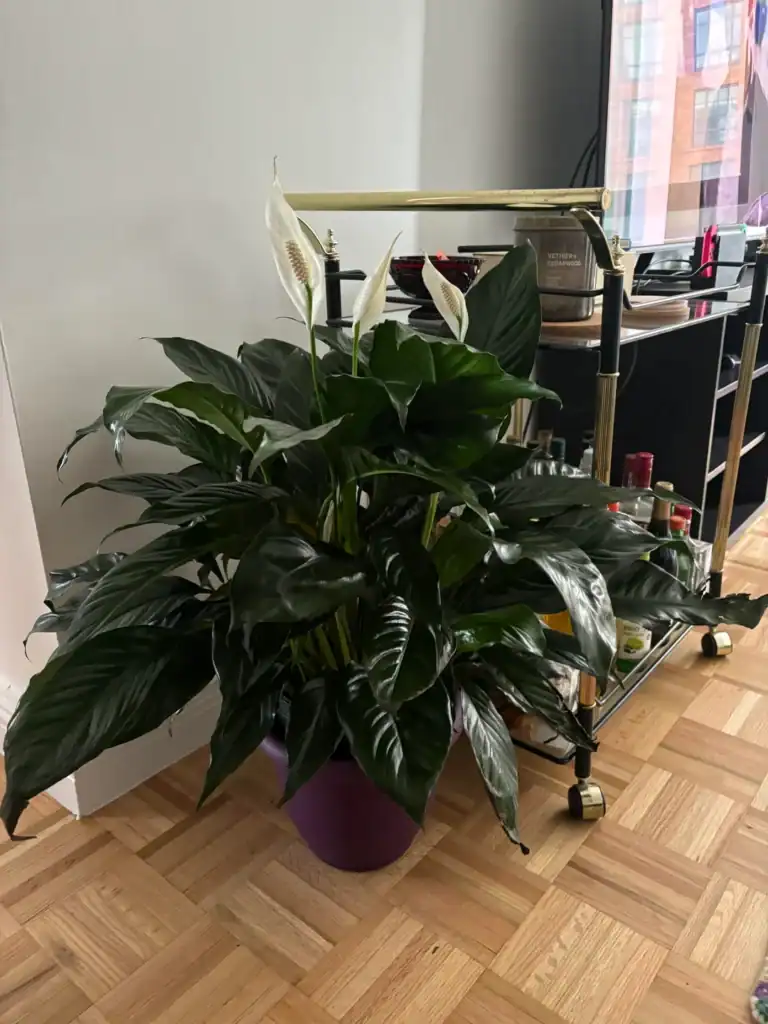
The blooming process kicks off with a spadix (that spike in the center) popping up from the base, wrapped in a white spathe that most people call the “flower.” The spathe starts pale green, turns white, and then fades back to green as it ages.
Each bloom can hang around for four to six weeks before it starts turning green again. After that, the plant takes a break to recharge before the next round.
Quick Tip: Don’t snip off flowers as soon as they turn green—wait until they’re fully brown so the plant can soak up any leftover nutrients.
Ideal Blooming Seasons
Spring and early summer are when I see the most peace lilies bloom. That lines up with their tropical roots, where changes in light and temperature signal it’s time to flower.
Some plants will put out another round of blooms in early fall, but it really depends on your indoor setup and how close it is to their natural habitat.
Honestly, peace lilies can bloom outside these “normal” windows if everything else is right. Consistency matters more than the calendar.
How Long Peace Lilies Flower
One peace lily flower usually lasts about one to two months from when that white spathe opens until it goes totally green. The best part—the white phase—sticks around for three to five weeks.
The spathe shifts from bright white to cream, then pale green, and finally dark green. Once it’s all green, the flower’s done doing its thing and you can remove it.
You’ll rarely get all the flowers at once. With a few at different stages, the show can last for months.
Top Reasons Why Your Peace Lily Is Not Flowering
Peace lilies stop blooming when something’s off with their basic needs. Light, water, nutrients, or temperature issues are usually to blame for the missing white flowers.
Insufficient Light Exposure
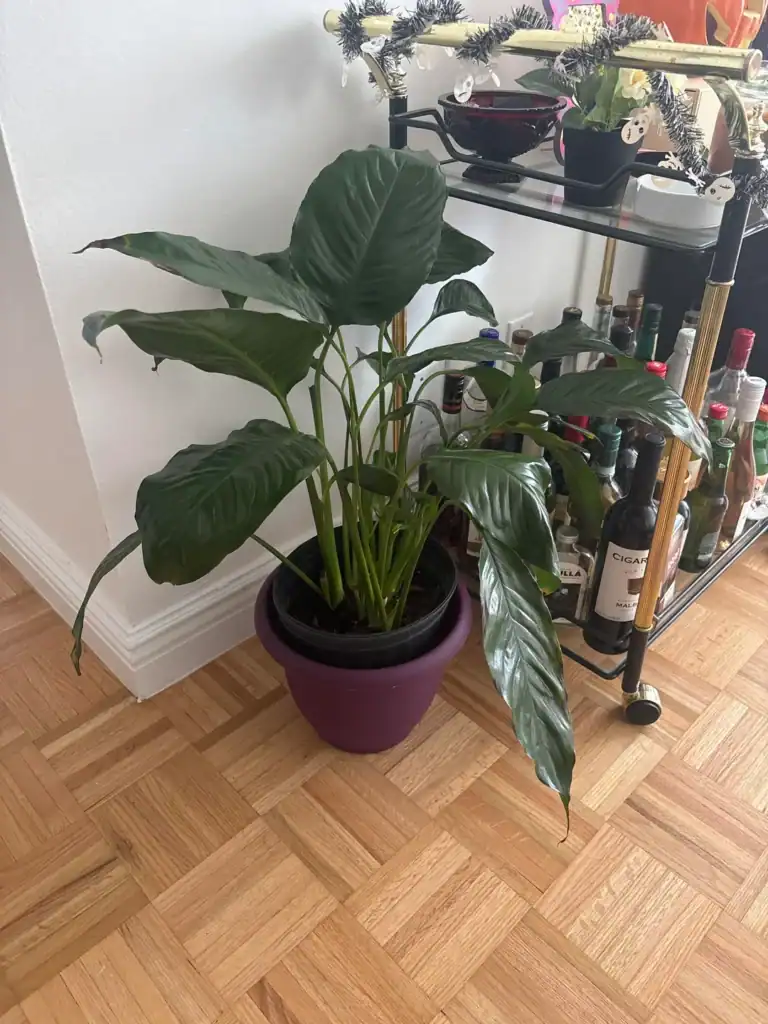
Peace lilies want bright, indirect light to make flowers. Too little light is, hands down, the main reason they refuse to bloom. Sure, they’ll survive in low light and keep growing leaves, but flowers need more oomph than that.
A north-facing window usually doesn’t cut it. East or west-facing windows are better—gentle morning or afternoon sun without the harsh stuff. I keep mine about 5-6 feet from a south-facing window where it’s bright but not too intense.
Quick Tip: If your peace lily hasn’t flowered in over a year, try moving it to a brighter spot and wait 6-8 weeks.
Direct sunlight will scorch the leaves, so don’t plop it right in a sunny window. I aim for a spot where I could read a book during the day without a lamp. If the leaves are dark green and healthy but there are no flowers, it probably wants more light.
Improper Watering Habits
Too much or too little water messes with blooming. Peace lilies like soil that’s consistently moist, but not soggy—root rot is a real risk. Damaged or stressed roots mean the plant focuses on surviving, not flowering.
I poke my finger into the top inch of soil. If it’s dry, I water thoroughly until it drains out the bottom. In summer, that’s usually once or twice a week. In winter, it might be every 10 days or so.
Letting the plant wilt over and over is tough on it. I used to wait for the dramatic droop before watering, but that’s just stressful for the roots. Those droopy moments tell the plant things are rough, so it skips flowers to save energy.
Quick Tip: Water when the top inch feels dry, but before you see droopy leaves.
Overwatering gives you yellow leaves and mushy roots. If there’s water sitting in the saucer, I dump it. Good drainage is more important than most people think.
Nutrient Deficiency

Peace lilies need food to bloom. Not enough nutrients—especially phosphorus—and you’ll get leaves but no flowers. I feed mine every 6-8 weeks in spring and summer while they’re growing.
A balanced liquid fertilizer, diluted to half strength, works for me. Look for something like 10-10-10 or 20-20-20. Phosphorus is the middle number—that’s the one that helps with flowering. Too much nitrogen just means more leaves, not more blooms.
Quick Tip: Feed your peace lily with diluted liquid fertilizer every 6-8 weeks from March through September.
I skip fertilizer in fall and winter when the plant slows down. Overdoing it burns roots and turns leaf tips brown. If you see crusty white stuff on the soil, that’s salt from too much fertilizer—flush it out by running water through the pot a few times.
Unsuitable Temperature
Peace lilies do best when temps are between 65-80°F. Cold below 60°F will shock the plant and shut down flower production. I keep mine away from drafty windows in winter and AC vents in summer.
They’re from tropical forests where it’s always warm and steady. Big temperature swings confuse them. If your place drops under 60°F at night, don’t expect flowers—no matter what else you do.
Quick Tip: Keep your peace lily in a room that stays between 65-80°F year-round.
Sudden cold drafts—like someone opening a door in winter—can ruin flower buds. Heat above 90°F is rough too and causes wilting. Basically, if you’re comfortable, your peace lily probably is too.
Additional Causes Affecting Flower Production
Beyond the usual suspects, peace lilies might stop blooming because of low humidity, too much fertilizer, stress, or even the wrong pot size.
Low Humidity Levels
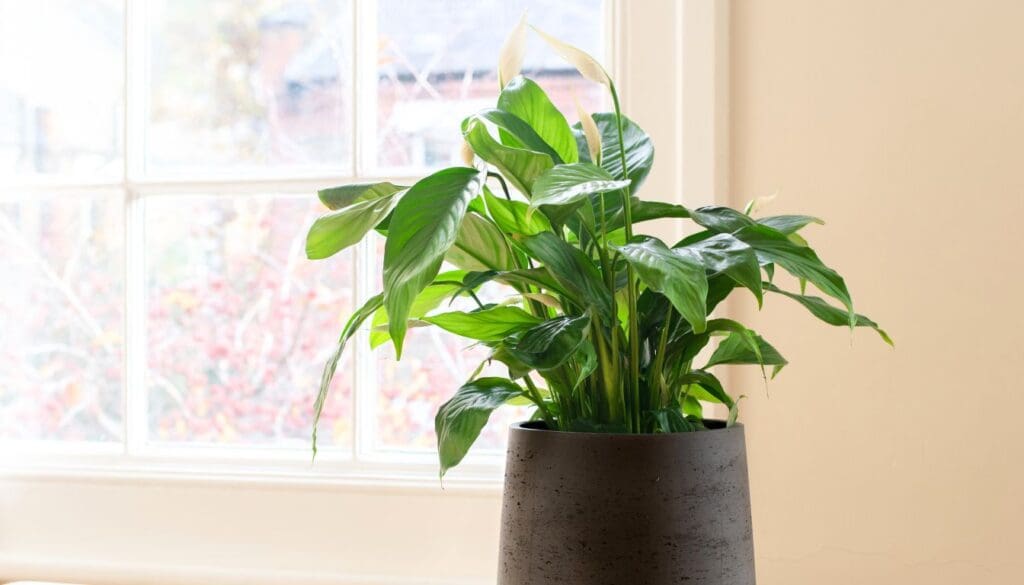
Peace lilies are used to tropical forests with thick, humid air. When humidity drops below 50%, they really struggle to flower.
Dry air makes it tough for them to absorb water through their leaves, so they focus on surviving, not blooming. In homes with central heating or AC, I’ve noticed peace lilies often just stop flowering.
A cheap hygrometer will tell you what’s going on. If it’s too dry, group your plants together or set the pot on a tray of pebbles and water (but don’t let the pot sit in the water).
Quick Tip: Mist your peace lily’s leaves every few days, but do it in the morning so they dry out before night.
Overfertilization
Too much fertilizer is worse than not enough. Peace lilies that get overfed grow tons of leaves but forget about flowers.
They get lazy when they have everything handed to them, and salt from fertilizer can build up and hurt the roots. I’ve seen plenty of peace lilies with brown tips and no blooms because people fed them every week.
They really only need fertilizer once every 6-8 weeks during spring and summer, and always diluted. Skip it in fall and winter.
If you’ve gone overboard, flush the soil with lots of water to wash out the salts.
Stressed or Neglected Plants
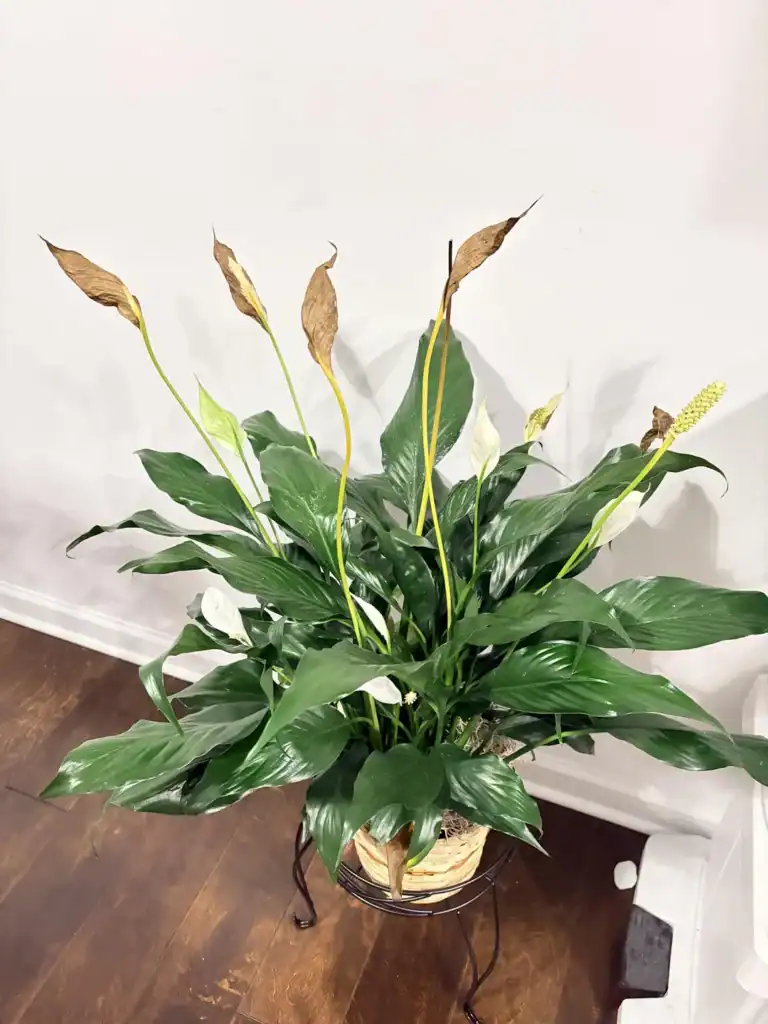
Stressed peace lilies won’t waste energy on flowers. Stress can come from inconsistent watering, sudden temperature changes, or moving the plant around too much.
They like routine. If things keep changing, they go into survival mode. Pests or diseases sap their strength, too. I always check for spider mites or mealybugs if a healthy plant suddenly stops blooming.
Temperature swings are especially rough. Keep your peace lily away from drafty windows, heating vents, and AC units. The sweet spot is 65-80°F.
Give your plant steady care and don’t move it unless you have to. Water when the top inch of soil is dry and try to keep it in one spot.
Pot Size Issues
Pot size matters more than you’d think. Too big, and the soil stays wet and roots might rot. Too small, and the roots get cramped and stressed.
Peace lilies actually flower better when they’re a little root-bound. That mild stress pushes them to bloom. But if roots are circling tightly or poking out the drainage holes, it’s time to repot.
Pick a pot just 1-2 inches bigger than the old one, and make sure it has drainage holes. Early spring, before the growing season, is the best time to repot.
Once a year or so, I check the roots by gently lifting the plant from its pot. Healthy roots are white or light tan—not brown or mushy.
Age and Health Factors
Whether your peace lily blooms depends a lot on its age and overall health. Young plants, root problems, or pest issues all drain energy away from making flowers.
Young or Immature Plants
Peace lilies need time to grow up before they’ll flower. Most won’t bloom until they’re at least a year old, and some take longer.
If you just brought home a baby peace lily, don’t expect flowers right away. It needs to build up a strong root system and healthy leaves first. Young plants focus on growing, not blooming.
You can usually tell if a plant is mature enough by its size. Flowering ones have at least 3-4 clusters of leaves, and the leaves should be dark green and full-sized for the type.
Quick Tip: Be patient with young plants and focus on good care so they’ll grow into strong bloomers.
Root Bound Conditions

When roots fill up the pot with no space left, the plant gets stressed. You might think a cramped pot triggers flowers, but it really just stresses the plant out.
A root-bound peace lily can’t take up water and nutrients like it should. Roots circle around and may poke out the drainage holes. The soil dries out faster, and you might see wilting even after watering.
Take a look at the roots by gently lifting the plant. If it’s a thick tangle with barely any soil, it’s time to repot. Move up to a pot 1-2 inches bigger to give them space.
Quick Tip: Repot in spring when the plant is actively growing for best results.
Impact of Pests or Disease
Sick plants just don’t have the energy to flower—they’re too busy trying to survive. Pests like spider mites, mealybugs, and scale insects steal nutrients straight from the leaves.
I try to check my peace lily often for anything odd. Sticky residue, tiny webs, or those weird cottony clumps on leaves and stems? Bad news.
Yellow or brown spots, wilting even when the soil’s damp, or stunted growth are all red flags. Fungal diseases from overwatering can cause root rot, and then the plant can’t really take up nutrients at all.
You’ll notice the leaves turning yellow and droopy, and the stems get kind of mushy down at the base. If I spot pests, I go at them right away with insecticidal soap or neem oil.
For root rot, I cut away the damaged roots and repot in fresh, well-draining soil. Sometimes, if you catch it early, the plant will bounce back and bloom again.
Quick Tip: Wipe leaves with a damp cloth every month or so—it helps you spot pests early and keeps the foliage looking sharp.
Tips To Encourage More Flowers
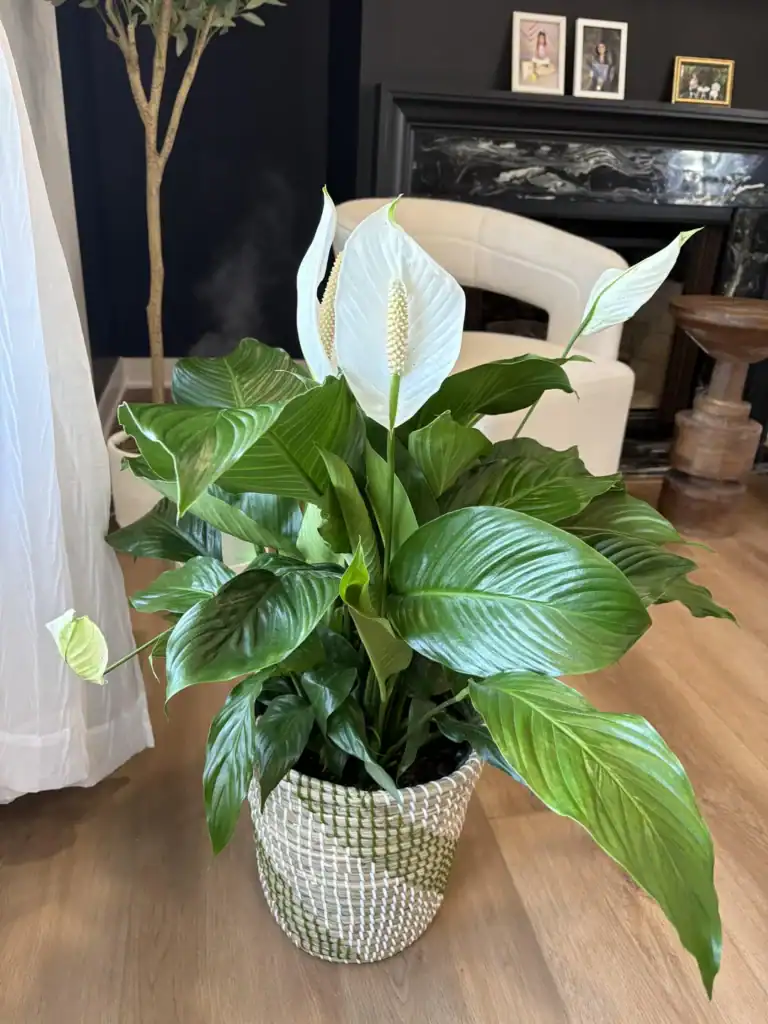
Getting a peace lily to bloom isn’t rocket science, but it does take some trial and error. The right combo of light, food, humidity, and space really does matter.
Optimizing Lighting Conditions
Peace lilies thrive in bright, indirect light. Personally, I think an east or north-facing window is perfect.
Too much sun will scorch the leaves, but if it’s too shady, you’ll just get a bunch of green leaves and no flowers. If your peace lily’s stuck in a dark corner, it’s probably not going to bloom much.
Try moving it closer to a window with filtered light most of the day. A sheer curtain can help soften harsh afternoon sun, too.
Watch the leaves—they’ll tell you what’s wrong. Yellow or brown edges mean too much light; healthy but flowerless usually means it needs more brightness.
Quick Tip: Give your peace lily a quarter turn every week so all sides get some light.
Balanced Fertilization Strategies
They need regular feeding during the growing season if you want flowers. I use a balanced liquid fertilizer—something like 10-10-10 or 20-20-20—every 4-6 weeks from spring through early fall.
Always dilute the fertilizer to half strength. Peace lilies are sensitive, and too much food can burn the roots and stop flowers from forming.
In late fall and winter, I stop fertilizing entirely. If my plant refuses to flower even with good care, sometimes I switch to a bloom booster with more phosphorus (the middle number).
Quick Tip: Flush the soil with plain water every few months to get rid of any built-up salts from fertilizer.
Enhancing Humidity
Peace lilies come from humid tropical forests, and dry indoor air—especially in winter—really holds them back. I aim for 50-60% humidity, though I admit I don’t always hit the mark.
One trick: set your plant on a pebble tray filled with water, but keep the pot above the water line. As the water evaporates, it creates a little bubble of humidity around the plant.
Grouping plants together or running a humidifier nearby helps, too. Misting works for a few minutes but doesn’t really change the air long-term. If your bathroom or kitchen has enough light, those rooms are naturally more humid.
Quick Tip: Brown tips? The air’s probably too dry. Try boosting humidity before it gets worse.
Repotting for Healthy Growth
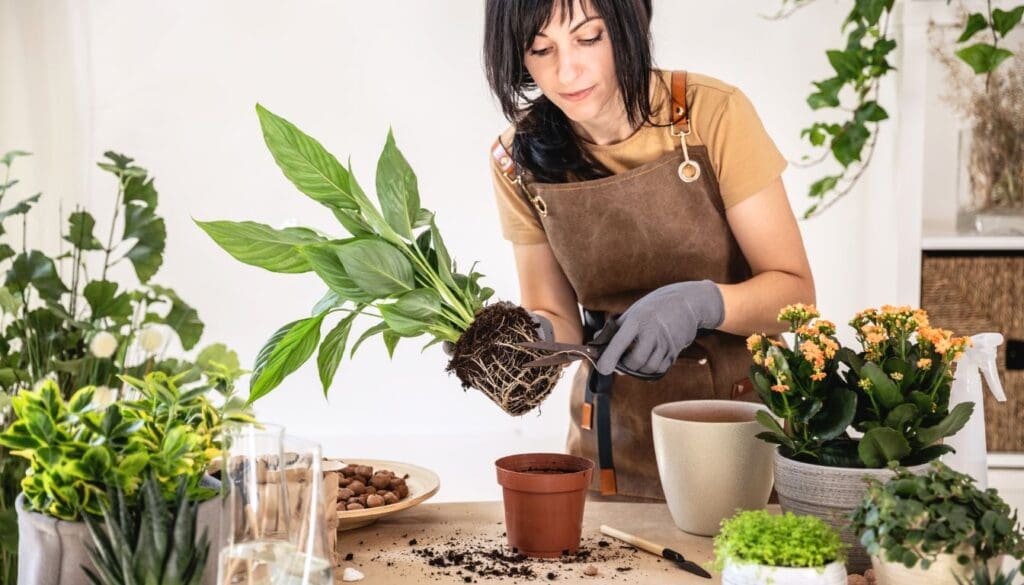
Peace lilies actually like being a little rootbound, but eventually they need more room. I repot mine every year or two, or if I see roots poking out of the drainage holes.
I use a pot just 1-2 inches bigger than the old one, with a well-draining mix—regular potting soil plus some perlite or orchid bark. Heavy soil holds too much water and can rot the roots.
Spring is the best time to repot, just before the growing season kicks in. The plant might sulk for a few weeks, but usually it settles in and blooms better after.
Quick Tip: Don’t upsize the pot too much or you’ll just get more roots, not more flowers.
Best Care Practices for Consistent Blooming
Want reliable blooms? It mostly comes down to watering right, pruning, and spotting problems early.
Proper Watering Techniques
Peace lilies are a little dramatic about water, but once you get their rhythm, it’s not so bad. I water when the top inch of soil is dry—just poke your finger in up to the first knuckle to check.
I always use room temp water and keep going until it drains out the bottom. After about 15 minutes, I dump any extra water from the saucer. Sitting in water? That’s a recipe for root rot and no flowers.
Quick Tip: If your plant droops a lot between waterings, you’re waiting too long—wilting stresses it and makes blooms less likely.
During spring through early fall, they like consistent moisture. In winter, I pull back a bit since the plant isn’t growing as much. The soil should stay lightly moist, never soggy or bone dry for long.
Regular Pruning and Maintenance
Dead flowers and yellow leaves just drain energy that could go to new blooms. I snip spent flowers at the base with clean scissors or pruning shears.
Yellow or brown leaves come off, too—I pull them gently or cut if they resist. Old leaves can attract pests or fungus that mess with blooming.
Quick Tip: Wipe the leaves with a damp cloth every few weeks to get rid of dust. Clean leaves soak up more light, which means more flowers.
Once a year, I check if the pot’s too tight. If roots are circling or poking out, it’s time to repot. A root-bound peace lily just can’t get enough water or nutrients to bloom well.
Monitoring Plant Health
I make it a habit to look my peace lily over every week or so. It helps catch problems before they get big.
Check the undersides of leaves for pests like spider mites or aphids—they’re sneaky and can really sap the plant’s strength.
Brown tips usually mean dry air or tap water with too much chlorine or fluoride. I try to use filtered water, and I keep a pebble tray or humidifier nearby if things get dry.
Quick Tip: If new leaves look smaller or paler, it’s probably time for fertilizer. Healthy growth leads to more blooms.
Watch for drooping, weird stem colors, or a musty smell from the soil—those can mean root rot or disease. I adjust watering right away and double-check drainage. A stressed plant won’t bother with flowers.
Common Mistakes That Prevent Blooming
Even with good intentions, it’s easy to mess up your peace lily’s chances of flowering. Water quality, timing, and soil health are bigger deals than most people realize.
Using Tap Water With Chlorine

I learned this the hard way—my peace lily wouldn’t bloom for months. Tap water has chlorine and fluoride, which build up in the soil and stress the plant out.
Peace lilies are pretty sensitive to those chemicals. The buildup messes with root health and blocks the plant from gathering what it needs to flower. Brown leaf tips are usually the first clue that chlorine is the culprit.
Now I leave tap water out overnight before I use it, so the chlorine can evaporate. Honestly, switching to filtered or distilled water made the biggest difference for me.
Quick Tip: Brown leaf tips? Try flushing the soil with distilled water to clear out the chemicals.
It wasn’t an instant fix, but after a few weeks, my plant perked up. Two months later, it finally popped out new blooms.
Ignoring Seasonal Needs
Peace lilies slow down in winter, and I used to overfeed mine when it looked sad. Turns out, the plant needs that rest to store up energy for flowers later.
From late fall to winter, I stop fertilizing altogether. Shorter days and cooler temps tell the plant to chill out. If you fight that natural rhythm, it just gets confused.
I also water less in winter since the soil dries out slower. The plant might look a bit droopier, but that’s normal—this downtime is what sets up spring blooms.
Quick Tip: No fertilizer from November through February. Let your plant rest.
When spring comes back, I slowly up the water and start feeding again. It’s more or less what happens in the plant’s natural home.
Neglecting Soil Quality
Old, compacted soil was choking my peace lily’s roots and I didn’t even realize it. After a couple years in the same pot, the soil just stopped draining well.
Peace lilies want loose, well-draining soil that still holds some moisture. If the soil gets dense, roots can’t breathe or take up nutrients. No nutrients, no flowers—simple as that.
I repot every 18-24 months now, using a mix with peat moss, perlite, and pine bark. The right soil should feel light and fluffy, not heavy.
Quick Tip: Squeeze your potting soil—if it sticks in a hard ball instead of crumbling, time to repot.
If roots are circling the pot or poking through drainage holes, I move up just one pot size. Fresh soil and a bit more space really help with flowering.
Signs Your Peace Lily May Flower Soon

When a peace lily’s about to bloom, it sends out some pretty clear signals. I’ve learned to watch for changes in leaf health, new growth, and those first signs of buds.
Recognizing Bud Formation
The biggest clue? Little green shoots popping up near the base. They’re thinner and more upright than regular leaf stems.
As the bud grows, you’ll spot a small, hooded shape called a spathe. It starts off as a tight green cone, slowly unfurling over a few days. Eventually, it opens up into that classic white “flower” we all know.
I check the center of my plant every few days during the growing season. Buds usually show up between mature leaf clusters and shoot up faster than regular leaves.
Quick Tip: Buds pop up most often in spring and early summer when there’s more light.
Healthy Leaf Color
Ready-to-flower peace lilies have deep green, glossy leaves—no brown tips, no yellow spots. That color tells me it’s getting the nutrients it needs.
Pale or yellow leaves mean the plant’s struggling and probably won’t flower. Dark green, perky leaves are a good sign it’s storing up energy.
Leaves that stand upright instead of drooping are another hint. When the foliage looks vibrant and full, flowers usually aren’t far behind.
Quick Tip: Shiny, firm leaves that hold their shape all day mean your plant’s getting enough water and light to bloom.
Optimal Growth Patterns
Lots of new leaf growth is a great sign flowering might be next. When my peace lily sends out several new leaves quickly, I know it’s in an active phase.
Plants with at least three to five mature leaves are more likely to bloom, while younger ones focus on growing leaves first.
In the right conditions, I’ve seen leaves and buds show up at the same time. The plant spreads out with new foliage and preps flower stems in the center. That balance means it’s got the resources for both.
Troubleshooting Persistent Non-Flowering
Sometimes, peace lilies just refuse to bloom, no matter what I try. When that happens, I have to go back and really examine every growing condition—sometimes I even think about asking for outside help if nothing works.
Reassessing Growing Conditions
I usually start by checking each environmental factor, one at a time. Light tends to be the biggest issue, so I make sure my peace lily gets bright, indirect light for a good 6-8 hours each day.
To check, I hold my hand above the plant around midday. If there’s a faint shadow, I figure the light is probably about right.
After that, I take a look at the soil. Old potting mix can break down and lose nutrients after a year or two. I stick my finger in the soil—if it feels compacted or smells off, it’s time for new mix and a fresh start.
Quick Tip: I keep a basic journal to jot down when I water, fertilize, or notice new growth. It’s surprising how quickly patterns show up that way.
During repotting, I always check the roots. Healthy roots should be white or tan, never brown and mushy. If the roots are circling the pot, it’s probably rootbound and needs a container that’s about two inches bigger.
When to Seek Expert Advice
If my peace lily still won’t bloom after a year, even after fixing all the obvious stuff, I’ll reach out to a local nursery or plant pro. Sometimes they spot things I miss, like hidden pests or weird nutrient issues.
It’s also possible the variety itself just isn’t much of a bloomer. Not every peace lily flowers often—some are bred for their leaves. A good grower can usually tell if I’m dealing with a shy type.
Quick Tip: I always bring a few photos of my plant, the pot, and where it sits. Makes it way easier for an expert to help.
Sometimes, I wonder if my plant came from a big box store and was stressed before I even brought it home. Plants treated with growth inhibitors or kept in rough conditions might need six months—or even a year—to bounce back and finally bloom.
Frequently Asked Questions
Peace lilies need the right mix of light, water, nutrients, and humidity to get those white blooms. When something’s off, they’ll just keep growing leaves and skip the flowers entirely.
What are some common causes for a peace lily not blooming?
I get this question a lot. Most of the time, it’s about three things: not enough light, the plant’s age, or stress from watering or temperature changes.
Peace lilies can survive in dark corners, but they won’t flower there. They need bright, indirect light to actually bloom.
Young plants, especially those under a year old, rarely flower—they’re still building up their roots. If I’ve got a mature plant that’s not blooming, sometimes it’s stuck in a pot that’s way too big or isn’t getting the nutrients it needs.
Stress from inconsistent watering or sudden temperature swings can also shut down blooming. These plants really do prefer stability—otherwise, they’ll just focus on surviving.
Could you share some tips on how to encourage my peace lily to produce flowers?
Honestly, moving the plant to a brighter spot is usually the fastest fix. I always look for a place with plenty of filtered light, but no harsh sun hitting the leaves directly.
Quick Tip: About 6-8 feet from an east or west-facing window usually does the trick for me.
I feed mine with a balanced liquid fertilizer, diluted to half strength, every 4-6 weeks during spring and summer. That gives it enough energy for flowers without going overboard.
Keeping the soil consistently moist—but not soggy—is key. I water when the top inch feels dry.
Is there a particular type of lighting that peace lilies prefer for optimal blooming?
Peace lilies really do best with bright, indirect light. Direct sun just scorches the leaves, but too little light means no flowers, just more foliage.
In warmer places, a north-facing window works well. In cooler spots, I’ve had good luck with an east window for gentle morning light.
If I don’t have great natural light, artificial grow lights are a solid backup. I set them about a foot above the plant and run them 10-12 hours a day.
Watching the leaves helps—if they’re dark green and droopy, it probably needs more light. If they’re yellowing, it’s getting too much direct sun.
How does overwatering or underwatering affect the flowering of peace lilies?
Both overwatering and underwatering can mess up flowering, just in different ways. Overwatering suffocates roots and can cause rot—then the plant can’t absorb what it needs for blooms.
I’ve seen overwatered peace lilies put all their energy into root recovery, not flowers. Soggy soil makes it even worse, encouraging fungal problems.
Underwatering is just as bad, but for a different reason. The plant gets stressed and basically goes into survival mode, skipping flowers altogether.
Quick Tip: I stick my finger in the soil up to the second knuckle—if it’s dry, it’s time to water.
The sweet spot is evenly moist soil. I water thoroughly when the top layer dries out and always let excess drain away.
Can you tell me about the best fertilizer practices to get my peace lily to flower?
I stick with a balanced liquid fertilizer, something like 10-10-10 or 20-20-20, but always diluted to half strength. Peace lilies are sensitive to salt buildup, so less is definitely more.
I feed mine every 4-6 weeks from spring through early fall, and I skip fertilizing in winter when growth slows down.
Quick Tip: Every couple of months, I flush the soil with plain water to wash out any salts that might have built up.
Too much fertilizer is a real problem—it causes brown leaf tips and can stop blooming completely. If I see crusty white deposits on the soil, I know I’ve gone overboard.
Sometimes, I’ll switch to a fertilizer with a little more phosphorus during blooming season, like 15-30-15, just for an extra nudge toward flowers.
How important is humidity in getting peace lilies to bloom?
Humidity actually matters more than most folks think. Peace lilies are tropical at heart and feel right at home when the air sits around 50-60% humidity.
Low humidity won’t exactly kill your plant, but it sure doesn’t help with blooming. I’ve watched peace lilies in drier spots produce fewer, smaller flowers—or just give up on blooming for a while.
Quick Tip: Try grouping your peace lily with other plants to bump up the humidity, or set it on a pebble tray with water underneath.
Dry air? That usually means brown tips and crispy edges, which is your plant’s way of saying it’s not thrilled. Misting can give a quick fix, but honestly, it doesn’t do much for the long haul.
If you live somewhere dry or crank up the heat in winter, a little humidifier nearby can work wonders. Mine started blooming more reliably once I set one up—maybe it’s a coincidence, but I doubt it.
Note: Some images in the articles are sourced from Reddit and Other Platforms For Reference Purpose.