11 Reasons Why Your Peace Lily Is Drooping and How to Fix Them Fast
Peace lilies make awesome houseplants… until you find yours flopped over like it just gave up.
I’ve definitely been there, staring at my once-happy plant and wondering what I did wrong. The upside?
Most drooping comes down to watering mistakes, lighting issues, or just stress from changes, and you can usually turn things around once you figure out what’s up.
Your peace lily isn’t just being dramatic for fun. It’s actually trying to tell you something’s off.
Could be you’ve been watering too much—or maybe not nearly enough. Maybe it’s stuck in a bad spot or dealing with hidden root problems.
Let me walk you through the main reasons peace lilies droop and what each one actually looks like.
You’ll get a feel for the difference between a thirsty plant and one suffering from root rot.
Plus, how things like temperature swings, pot size, or even your tap water might be messing with your plant.
By the end, you’ll know exactly what to check and how to get your peace lily standing tall again.
Please note: Simplify Plants is reader-supported. As an Amazon Associate, I earn from qualifying purchases made by our readers with no extra cost added to you all! Some links in the post are affiliate links and I get a commission from purchases made through links in the post.
Understanding Peace Lily Drooping
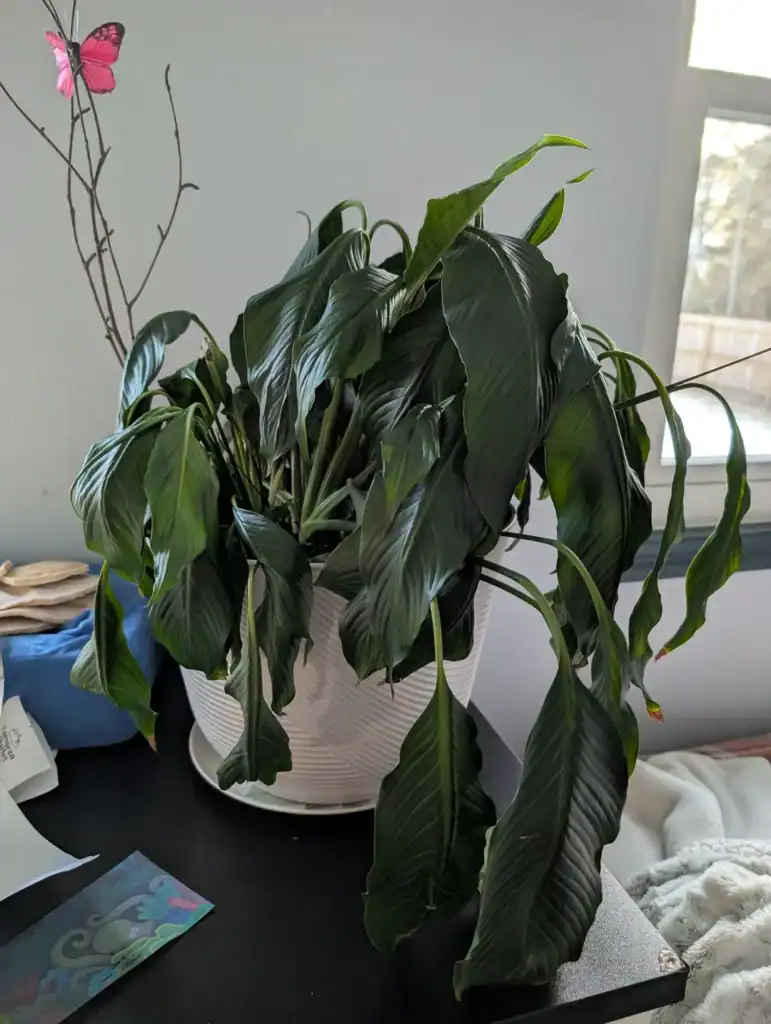
Drooping is when your peace lily’s leaves and stems bend downward instead of standing upright.
Sometimes it happens fast—like, overnight—thanks to simple stuff like thirst. Other times, it creeps up slowly from problems with light, soil, or even pests.
What Drooping Really Means
When I see a peace lily drooping, it’s a clear sign something’s off with water or growing conditions. Drooping means the cells inside the leaves and stems have lost their firmness, usually because there’s not enough water pressure inside the plant.
The leaves might start drooping at the edges, or sometimes the whole plant just collapses out of nowhere. Sometimes only a few leaves droop while the rest stay upright—that often means there’s a root issue or uneven watering going on.
Quick Tip: A fully drooped peace lily isn’t necessarily a goner—most bounce back within a day once you fix what’s wrong.
Peace lilies are honestly pretty dramatic when they’re unhappy, which actually makes them easier to read than a lot of other houseplants. Those bendy stems mean you’ll notice problems fast.
Short-Term Vs. Chronic Drooping
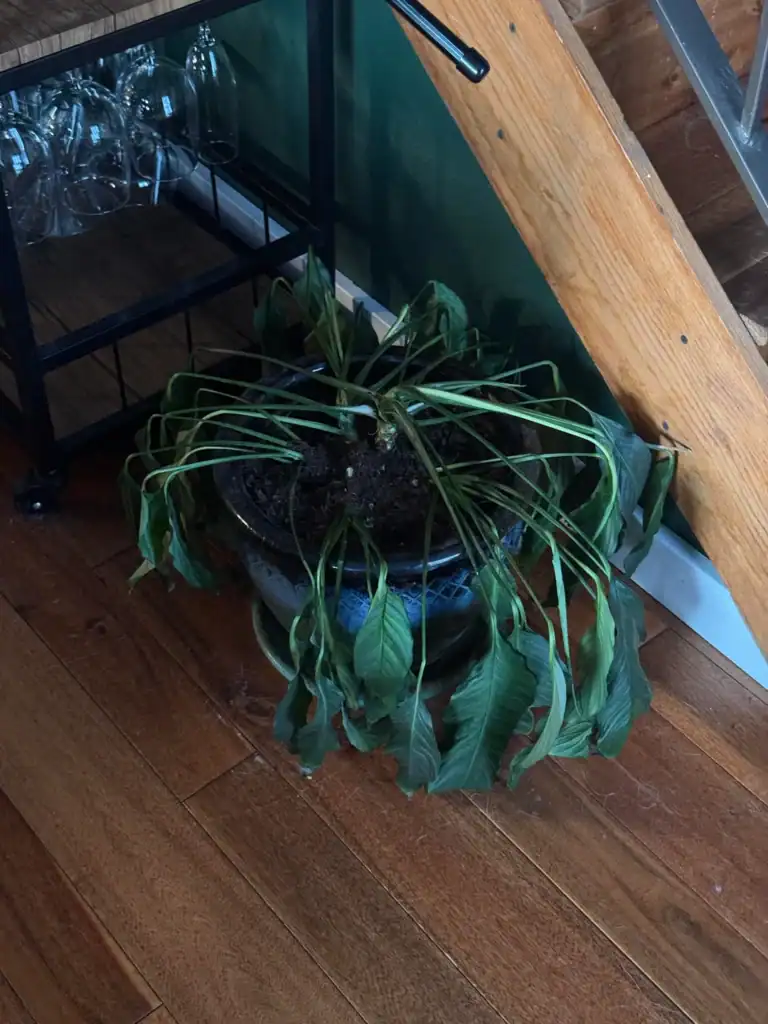
Short-term drooping comes on suddenly, sometimes in just a few hours. I usually see this when the soil dries out completely or right after moving the plant. The good news? A little water or a quick tweak to its spot and the plant perks back up.
Chronic drooping, though, is a whole other story. It develops over days or weeks and doesn’t really get better after watering. The leaves might lift a bit after a drink but start sagging again the next day. That tells me something deeper is wrong—maybe root rot, pests, or soil that’s just worn out.
Quick Tip: If your peace lily droops every few days even though you’re watering it, check the roots for mushiness or any bad smells.
I’ve learned that short-term drooping is usually nothing to panic about, but chronic issues mean it’s time to take a closer look, maybe even repot.
Impacts of Drooping on Plant Health
Drooping puts stress on your peace lily and slows its growth way down. When leaves hang, they can’t catch light for photosynthesis, so the plant makes less energy for new leaves or blooms.
Repeated drooping weakens the plant’s structure over time. Stems can get permanent bends or creases where they folded, and those spots can become entry points for disease. I’ve noticed that peace lilies that droop a lot also stop flowering and might start dropping old leaves.
Quick Tip: If your peace lily is drooping more than once a week, there’s probably a root issue or your watering habits are way off.
Severe or long-lasting drooping can mess up the roots, too. When roots can’t get what they need, they start to die back, which just makes the drooping worse. That’s why I always try to catch and fix drooping ASAP.
Watering Problems: The Top Reasons for Drooping
Most of the time, drooping is a watering mistake. Too much or too little water will both make the leaves wilt, but there are some pretty clear warning signs for each.
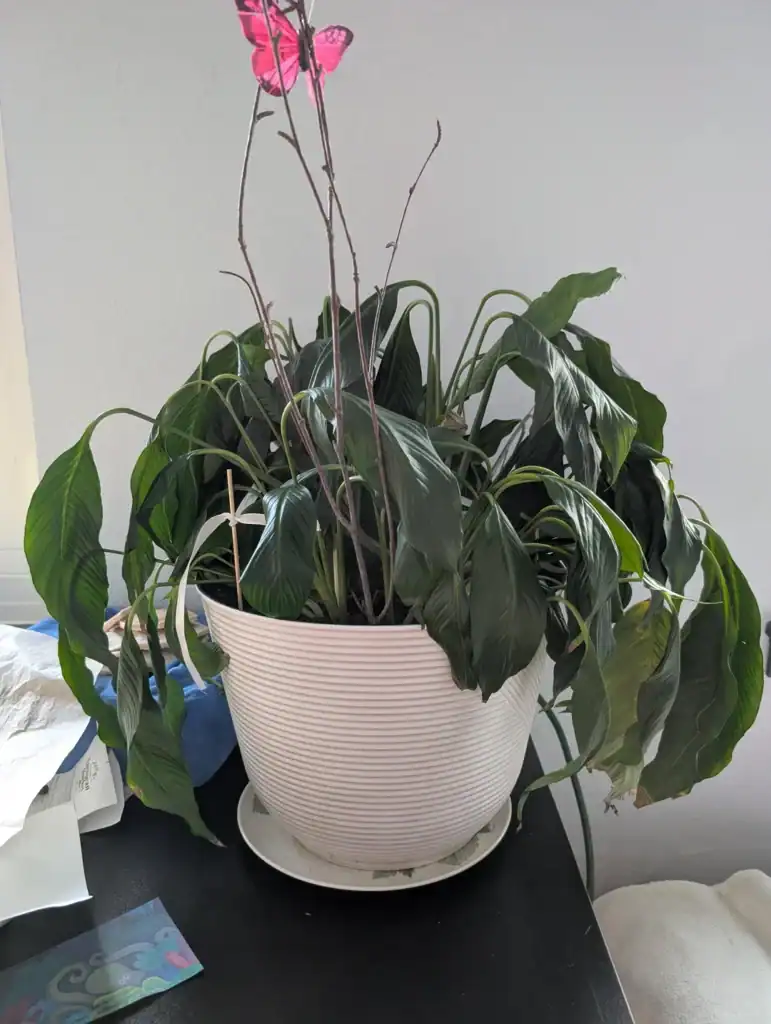
Overwatering Symptoms
When I overwater my peace lily, the leaves droop and look weak. The soil stays wet and soggy for days. Sometimes there’s a musty or rotten smell coming from the pot.
The lower leaves often turn yellow, and brown tips show up even though the soil is damp. If you check under the soil, black or mushy roots are a big red flag.
Overwatering usually leads to root rot. Roots can’t get oxygen in soggy soil, so the plant can’t take up nutrients or water properly—which makes everything droop.
Quick Tip: Stick your finger about two inches into the soil before watering. If it still feels damp, wait a few more days.
Underwatering Signs
An underwatered peace lily droops in a really dramatic way. Leaves hang down like they’re exhausted. The whole plant just looks sad and limp.
The soil pulls away from the pot edges and feels dry and dusty. Brown, crispy tips often show up on the leaves.
The pot feels surprisingly light when you pick it up. The upside? Underwatered peace lilies bounce back fast—usually perking up within a few hours after a solid drink.
Quick Tip: If your peace lily is bone dry, water it thoroughly until you see water come out the drainage holes.
How to Water Peace Lilies Properly
I water my peace lily when the top inch of soil feels dry. Usually that’s about once a week, but it really depends on the temperature and humidity in my place. In winter, I water less often since the plant isn’t growing as much.
I always use room temperature water and pour slowly until it drains out the bottom. Then I empty the saucer so the roots don’t sit in water. Cold water can shock the roots and cause drooping, too.
Peace lilies like their soil consistently moist but never soggy. I check the soil with my finger instead of sticking to a fixed watering schedule. Bright, warm spots dry out faster than cool, shady ones.
Quick Tip: Let your tap water sit out overnight before using it—chlorine will evaporate and your peace lily will thank you.
Lighting Issues and Their Effects
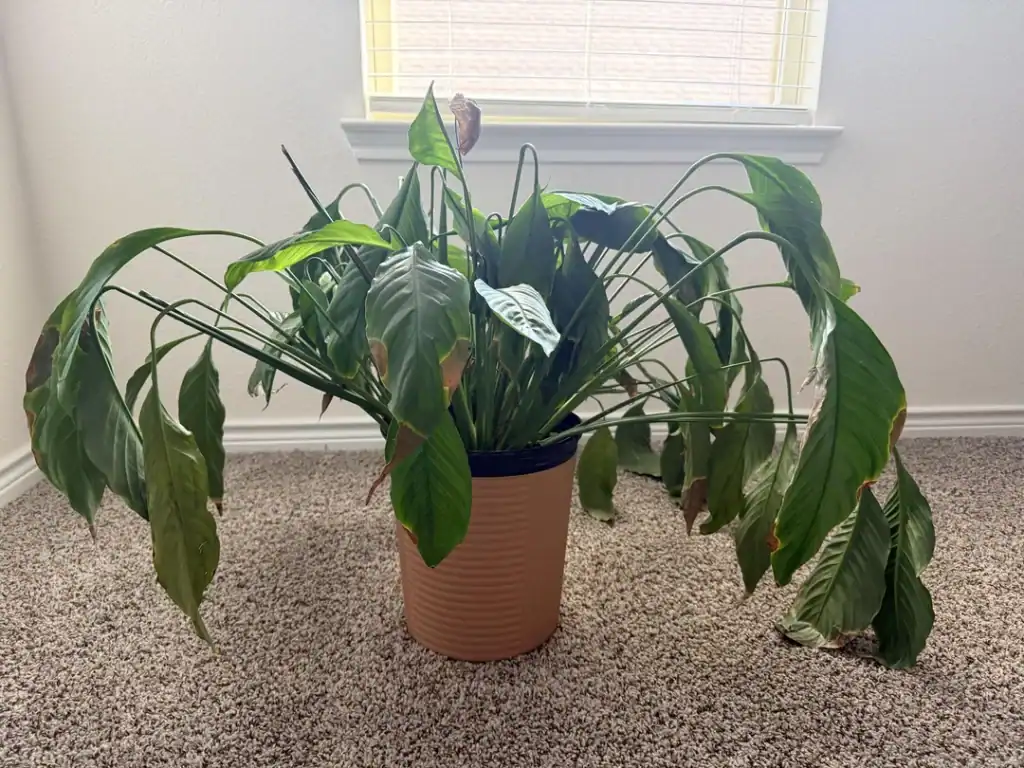
Peace lilies need just the right amount of light to stay perky. Too much or too little, and you’ll start to see drooping. Finding that sweet spot between dark corners and harsh sun is key.
Insufficient Light
I’ve seen peace lilies get all sad and droopy when they don’t get enough light. These plants come from forest floors where they get filtered light through trees. They really need bright, indirect light to keep their stems sturdy and leaves upright.
If my peace lily isn’t getting enough light, the stems go weak and can’t hold up the leaves. The plant starts to slump over and look tired. The leaves might also fade to a lighter green.
Quick Tip: Set your peace lily near a window with a sheer curtain or about 5-8 feet away from a bright window.
The leaves will reach toward any light they can find, making the plant look lopsided. Growth slows down a lot, and you probably won’t see those pretty white flowers. If your peace lily is stuck in a dim corner or a windowless room, that’s probably why it’s drooping.
Exposure to Direct Sunlight
Direct sunlight can be just as bad as not enough light for peace lilies. I learned this the hard way when I put mine on a sunny windowsill—leaves got brown, crispy edges and started drooping in no time.
The strong rays burn the delicate leaves, causing them to wilt and droop as a stress response. You’ll see brown or yellow scorched spots where the sun hit. The soil also dries out way faster in direct sun, which only adds to the problem.
Quick Tip: If you see leaf scorch, move your plant right away and trim off damaged leaves with clean scissors.
South-facing windows get the most intense light, especially during summer. West-facing windows can be too bright in the afternoon, too. My peace lily looked stressed and wilted even though I was watering it—the real problem was its spot, not my watering.
Adjusting Peace Lily Placement
Finding the right spot for your peace lily takes a little trial and error. I like to start mine in bright, indirect light and just watch how it does for a week or two.
East-facing windows are great because they get gentle morning sun. North-facing windows give steady, moderate light all day. If all you have are south or west windows, try placing the plant several feet back or use a sheer curtain.
Quick Tip: Rotate your plant a quarter turn every week so all sides get some light and it grows nice and even.
Let the leaves be your guide. If they’re drooping and pale, move it closer to the light. If they’re drooping with brown edges, pull it back from the sun. When the lighting is right, the leaves should be a rich green and stand up straight.
Soil Conditions and Root Health
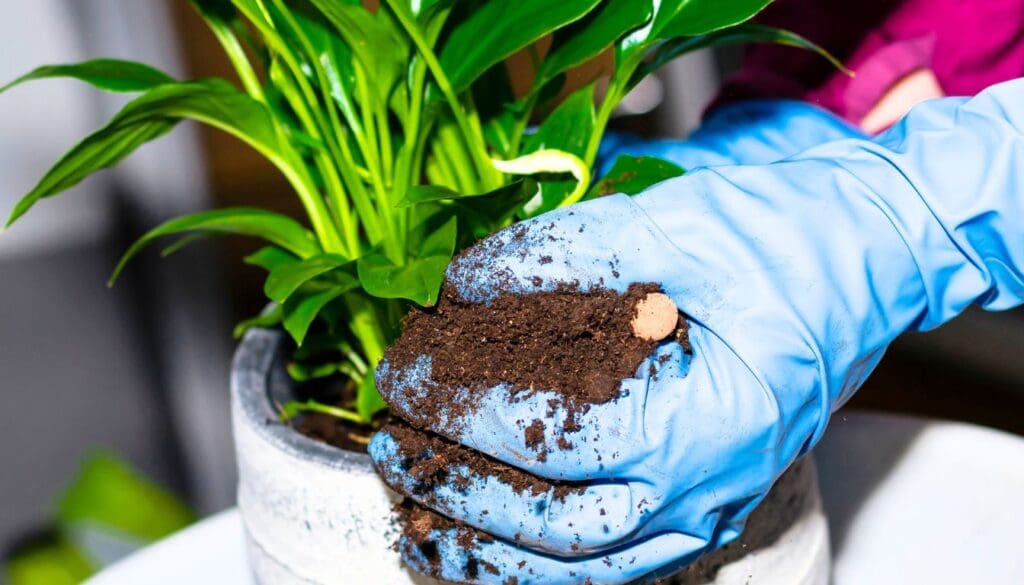
The soil your peace lily lives in makes a huge difference for root health. Problems like poor drainage, root rot, or compacted soil all stress the roots and lead to droopy leaves.
Poor Drainage
Peace lilies need soil that holds some moisture but doesn’t trap water. If water just sits in the pot, roots can’t get enough oxygen and start to suffocate. That leads to drooping, fast.
I always double-check that my pots have drainage holes. Cute pots without holes? Not worth it. Water will just pool at the bottom and create a swampy mess.
You can test drainage by watering your plant and seeing how fast the water runs through. It should soak in within a few minutes and drain out the bottom. If water sits on top for more than five minutes, the mix is too heavy.
Quick Tip: Mix in some perlite or orchid bark to your potting mix for better drainage and happier roots.
Root Rot Causes
Root rot is what happens when roots stay wet too long and fungus or bacteria take over. Roots turn brown or black, get mushy, and smell bad. Once it starts, root rot spreads fast and can kill your peace lily.
Overwatering is the main culprit. Peace lilies like to dry out a bit between waterings. If you water on autopilot instead of checking the soil, you might be drowning your plant.
Old, broken-down soil can also cause trouble. Over time, potting mix gets dense and loses its structure. It holds too much water and doesn’t let air get to the roots.
Signs of Compacted Soil
Compacted soil feels hard and packed down. Water just runs off the surface instead of soaking in. Sometimes the soil pulls away from the pot edges, leaving gaps.
When soil gets like this, roots can’t spread or absorb water right. The plant droops, even if you’re watering it. I’ve seen this with peace lilies that haven’t been repotted in years.
To fix it, gently loosen the top inch of soil with a fork. If the whole pot feels like a brick, it’s time to repot with fresh, airy mix. Peace lilies usually need new soil every 18 to 24 months to stay healthy.
Environmental Stress Factors
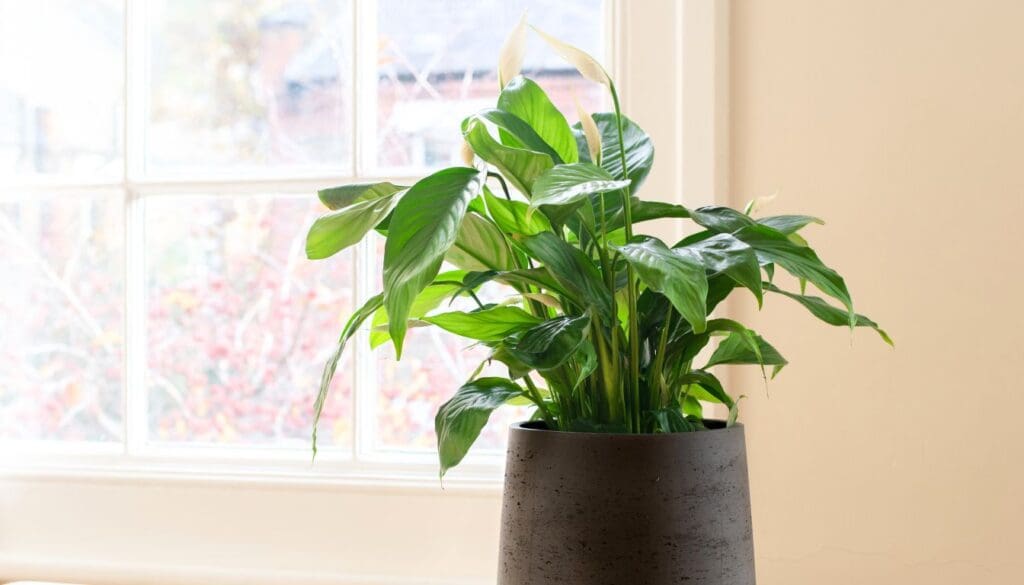
Peace lilies are tropical at heart, and they get cranky if their environment feels off. Temperature swings, cold drafts, and dry air can all make the leaves droop—even if your watering game is on point.
Sudden Temperature Changes
Peace lilies really like steady temps—somewhere between 65 and 80°F is their sweet spot. If I move mine from a cozy room to a chilly hallway, or if the thermostat tanks overnight, I’ll notice the leaves drooping fast—sometimes in just a few hours.
It’s wild, but the plant’s cells can’t regulate water when temperatures swing suddenly. That’s when stems start to flop and lose their structure.
Heating vents blasting in winter and cranked-up AC in summer? Both are troublemakers. I’ve seen leaves droop just from a plant sitting near a window where the temp drops 15 or 20 degrees after sunset.
Quick Tip: Keep your peace lily far from exterior doors, garages, and windows that get opened a lot.
If you need to move your plant, try to do it gradually. Dropping it from a 75°F living room into a 60°F basement? That’s a shock it won’t appreciate.
Drafts and Fluctuations
Cold drafts sneak in from windows, doors, or AC vents—even if the room feels fine to you. I usually see drooping on the side of the plant that’s facing the draft.
All that moving air dries leaves out faster than the roots can keep up. That imbalance shows up as wilting, plain and simple.
Try holding your hand near your plant at different times of day. You might catch a chill you never noticed. Ceiling fans on high can also mess with your plant, especially in the winter.
Quick Tip: Give your plant at least 3 feet of space from heating vents, AC units, and busy doorways.
Low Humidity Impact

Peace lilies are used to rainforest humidity—think 50-60%. My house? Usually 30-40%. That’s when I see brown leaf edges and, sure enough, drooping.
When air is dry, water escapes from the leaves way faster than the roots can replace it. That’s why the plant can’t keep its leaves perky.
If your soil feels moist but the leaves still look tired, it’s probably low humidity. Heating systems in winter make this even worse by sucking moisture from the air.
I like to group my peace lily with other plants to boost humidity around them. Setting the pot on a pebble tray with water (just don’t let the pot sit in the water) adds a bit of moisture to the air nearby.
Quick Tip: Mist your peace lily a couple times a week, or run a humidifier if your home drops below 40% humidity.
Nutrient Deficiencies and Fertilizer Issues
Peace lilies need a decent balance of nutrients to look their best. Not enough fertilizer? They get weak and droopy. Too much? Roots get damaged, and you’ll see wilting anyway.
Recognizing Nutrient Imbalances
I’ve noticed that when peace lilies are missing nutrients, it’s not just drooping—older leaves turn yellow, and stems start to lose their firmness. New leaves come in smaller and paler, which is always a red flag for me.
Nitrogen deficiency usually means yellowing all over and floppy stems. Phosphorus issues? Sometimes you’ll see dark green or purplish leaves that eventually droop.
Iron deficiency is a bit sneaky—the newest leaves turn yellow, but the veins stay green. That tells me it’s not a general fertilizer problem, but something more specific.
Quick Tip: Flip the leaves over and check for yellowing patterns—that’ll help you figure out which nutrient is missing.
Fertilizer Burn
Honestly, I’ve seen more peace lilies hurt by too much fertilizer than too little. When fertilizer salts collect in the soil, they actually pull water away from the roots. First, the leaf tips go brown and crispy, then the whole plant starts to sag.
If you spot white crusty stuff on the soil, that’s salt buildup. The roots get burned and can’t absorb water, even if the soil is wet.
If I think fertilizer burn is happening, I flush the soil with room-temp water for a few minutes to wash out the salts. Then I hold off on fertilizer for at least a month.
Quick Tip: Go easy—dilute your fertilizer to half strength. Peace lilies really don’t need much.
Developing a Consistent Feeding Schedule

I feed mine every 6 to 8 weeks during spring and summer, when they’re actually growing. Once fall hits, I stop fertilizing because the plant just isn’t hungry then.
A balanced liquid fertilizer works great—something like 20-20-20, but always diluted. I like to feed right after watering, so the nutrients don’t shock dry roots.
If the plant looks stressed or I’ve just repotted it, I skip the fertilizer. Fresh potting mix usually has enough nutrients for a while anyway.
Quick Tip: Mark your calendar after each feeding so you don’t accidentally double up or forget a dose.
Pot Size and Crowding
Peace lilies like a bit of a snug fit, but they still need some room to grow. When roots run out of space or the plant gets too crowded, drooping leaves are usually the first thing I notice.
Outgrowing the Pot
They can handle being a little root-bound, honestly. But if roots start circling the bottom or poking out of drainage holes, it’s a problem.
Once the roots take over, water just runs through the pot without soaking in. You end up watering more, but the plant still looks thirsty and sags.
If you see roots on the surface or coming out the bottom, or if you lift the plant and it’s mostly roots with barely any soil, it’s time for a bigger pot.
Quick Tip: Only go up one pot size—maybe 2 inches wider. Too much extra soil can hold water and lead to rot.
Rootbound Plant Symptoms
When mine is rootbound, it droops even right after watering. Sometimes it grows slower or puts out smaller leaves, and yellowing may show up too.
Water drains super fast, but the roots aren’t really getting hydrated. If you tip the plant out and see a tight spiral of roots, that’s your sign. The root ball will hold the shape of the pot even after you take it out.
If drooping doesn’t improve with watering and the soil dries out really fast, repotting is probably overdue.
Pest and Disease Infestations
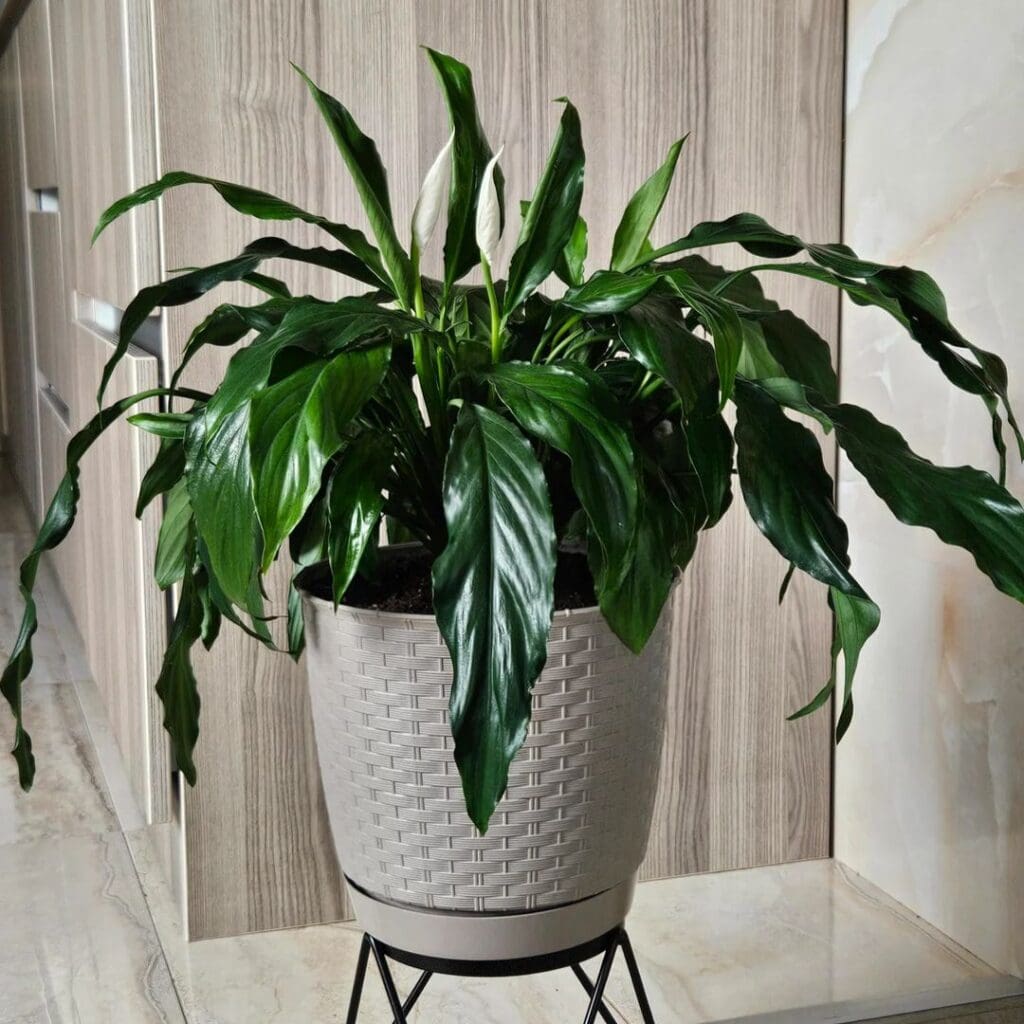
Bugs and diseases can really drag down a peace lily, making the leaves droop. Here’s what I look for and how I try to catch problems early.
Common Pests in Peace Lilies
Spider mites are tiny and leave behind fine webbing on the underside of leaves, plus yellow speckles. They love dry air, so I always check with a flashlight under the leaves.
Mealybugs show up as white, cottony clumps in leaf joints and along stems. They suck sap and weaken leaves. I just dab them off with a cotton swab dipped in rubbing alcohol.
Aphids are small, green or black, and love new growth. They drain nutrients and leave sticky honeydew that attracts mold.
Quick Tip: Spray leaves with water and a drop or two of dish soap, then rinse after 15 minutes.
Scale insects look like little brown bumps stuck to stems or leaves. They’re tough to remove, but I scrape them off gently with a fingernail or old toothbrush.
Identifying Fungal Infections
Root rot is a big one—if the soil stays wet, roots turn brown and mushy. The whole plant droops, even with moist soil. I always check by gently pulling the plant out of its pot for a look.
Leaf spot disease shows up as brown or black spots with yellow edges. It spreads fast in humid, stuffy rooms. I snip off affected leaves and move the plant somewhere with better airflow.
Powdery mildew? That’s the white, dusty coating on leaves and stems. It usually pops up in warm, dry rooms with high nighttime humidity.
Quick Tip: Water in the morning so leaves dry out during the day, and give your plants a little space for air movement.
If I catch a fungal issue early, I’ll use a houseplant-safe fungicide spray. Sick plants get isolated from the rest to keep things from spreading.
Water Quality Concerns
The water you use really does matter. Tap water often has chemicals and minerals that can slowly stress your peace lily.
Effects of Chlorinated Water
Most tap water has chlorine to kill bacteria, but peace lilies aren’t fans. Chlorine can burn leaf tips and make them droop over time.
I’ve seen peace lilies bounce back after switching from straight tap water. Chlorine won’t kill the plant overnight, but it definitely wears it down.
Quick Tip: Let tap water sit out for a day before using it—the chlorine will just evaporate.
Filtered water or rainwater works, too. Always use room temperature water—cold water can shock the roots.
If your peace lily’s leaves are droopy even with moist soil, chlorine might be to blame. Browning leaf tips are another clue.
Hard Water Build-Up
Hard water has lots of calcium and magnesium, which leave white crusty deposits on the soil and pot rim.
Mineral buildup messes with the plant’s ability to absorb nutrients. Leaves droop because roots just can’t do their job, even if the soil isn’t dry.
I check for white residue every few weeks. If I spot it, I flush the soil with distilled water to rinse away the minerals.
Quick Tip: Use distilled or filtered water if your tap water is super hard.
Repotting with fresh soil once a year helps keep minerals from piling up. Leaves usually perk up within days once you fix the water issue.
Repotting Mistakes and Transplant Shock
Repotting can stress a peace lily, especially if roots get roughed up or the soil is way different than before.
Signs of Transplant Shock

After repotting, don’t be surprised if your peace lily looks sad for a week or two. Leaves often hang down, even when the soil feels damp.
Some leaves might get yellow or brown tips, and growth can slow down or stop for a bit. Sometimes a few leaves drop, too—just the plant’s way of conserving energy.
The drooping usually happens because roots were disturbed. Even small damage makes it harder for the plant to drink water.
Quick Tip: Don’t fertilize a stressed peace lily—give it time to bounce back first.
Let your plant settle in for a few weeks. Keep it out of direct sun and water just enough to keep the soil evenly moist, not soggy.
Best Practices for Repotting
I only repot when roots are poking out of the drainage holes or if I’m watering every day and the soil dries out fast. Spring is best since the plant is actively growing then.
Pick a pot just 1-2 inches wider than the old one. Too much new soil can hold extra moisture and cause root rot.
Use fresh, well-draining potting mix for houseplants. I gently loosen the root ball with my fingers, but I’m careful not to tear roots apart.
After repotting, I water thoroughly to settle everything in. Then I put the plant back in its usual spot and skip fertilizer for at least a month.
Quick Tip: If you have to repot in winter, keep your plant extra warm—over 65°F is best for recovery.
Aging and Natural Lifespan Changes
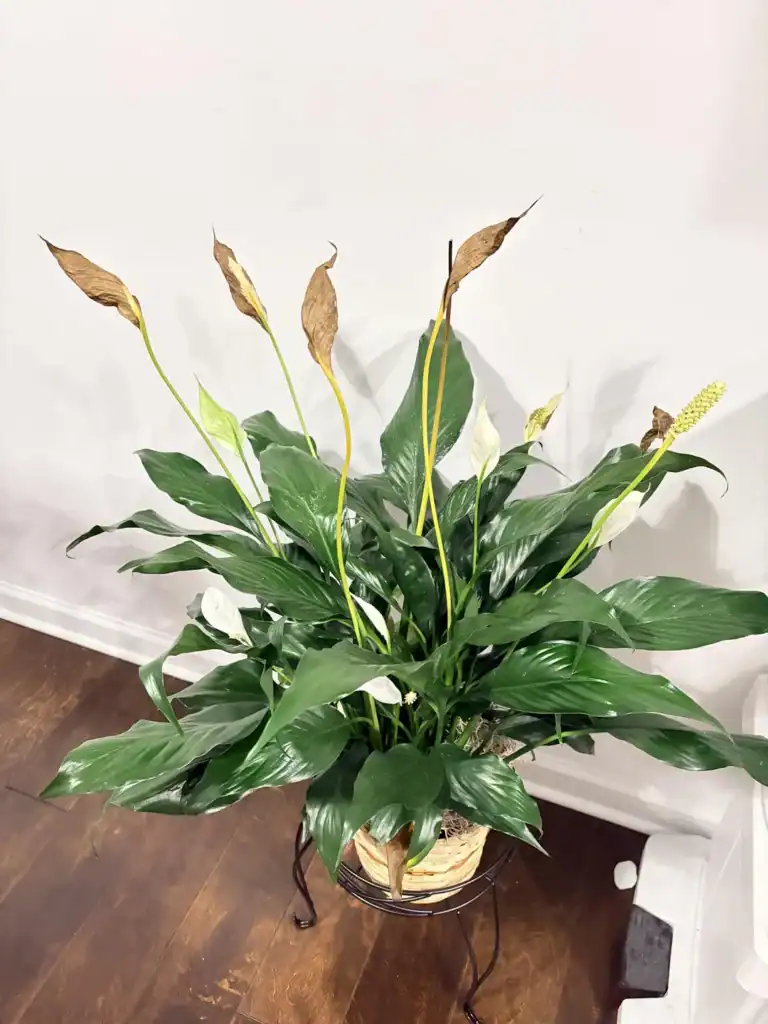
Peace lilies aren’t immortal—older plants just start showing their age. I’ve noticed that as mine get up there, the leaves droop more, even if everything else seems okay.
When your peace lily gets older, those lower leaves will yellow and droop before falling off. It’s nothing to stress over. The plant is just shifting its energy to the fresh growth up top.
Quick Tip: Once a leaf turns fully yellow, just trim it at the base. Makes the whole plant look neater.
Older peace lilies might not bloom as much, and you’ll probably see thinner stems struggling to hold up the leaves. If your plant is looking tired after a few years, dividing it can really help. I usually split mine every three or four years.
Dividing an older plant gives each section more space for roots and new leaves. Drooping usually gets better after a couple of weeks—sometimes faster.
Even healthy older plants need a bit more TLC. Their roots get crowded, stems go a little wobbly, and if you’ve checked for watering, light, and pests, well, maybe it’s just old age.
How to Revive a Drooping Peace Lily
Getting a droopy peace lily to perk up means figuring out what’s wrong and then giving it some proper care. I’ll walk you through how I handle it and a few tips I’ve picked up along the way.
Step-by-Step Recovery Guide

First thing, I check the soil by sticking my finger about an inch in. If it’s bone dry, it’s time to water—like, right now. I water thoroughly until it runs out the bottom, then let the extra drain off.
If the soil’s soggy, I hold off on watering. Sometimes, if root rot’s a possibility, I’ll gently pull the plant out and check the roots. Healthy roots are white or tan; mushy brown ones are bad news.
If there’s root rot, I snip off the gross roots with clean scissors and repot in fresh, well-draining soil. Always use a pot with drainage holes—trust me, it’s worth it.
Quick Tip: After a good drink, a thirsty peace lily usually perks up in a few hours—sometimes it’s kind of magical.
Next, I look at the light. These plants want bright, indirect light. If mine’s in the sun, I’ll scoot it back from the window or find a spot with filtered light.
Temperature matters, too. I keep my peace lily away from chilly drafts and blasting heat. They seem happiest between 65-80°F—anything outside that, and they sulk.
Ongoing Care Tips
I water when the top inch of soil is dry. That’s usually about once a week, but it really depends on how warm and humid it is. Honestly, the plant droops a bit when it’s thirsty, so I use that as my reminder.
Quick Tip: Drooping is just the plant’s way of saying, “Hey, I need something!” No need to panic.
For feeding, I use a balanced liquid fertilizer at half strength, once a month in spring and summer. I don’t bother in fall and winter—growth slows down, so why push it?
Humidity is a big deal for peace lilies. I mist the leaves every few days or set the pot on a tray with pebbles and some water (but not touching the pot). It bumps up the moisture around the plant.
Every month or so, I wipe down the leaves with a damp cloth. Dusty leaves just don’t look as good or work as well. If I spot brown tips, I trim them off with scissors—no harm done.
Frequently Asked Questions
Peace lilies can be a bit finicky, and I get a lot of questions about drooping and how to fix it. Usually, it’s about watering, light, or temperature swings—those seem to be the main issues people run into.
How often should I water my peace lily to keep it from drooping?
I water when the top inch of soil feels dry. For me, that’s about once a week, but your mileage may vary depending on your home’s humidity and temperature.
In winter, I cut back since the plant isn’t growing much. If you’re in a dry climate, you might need to water more than someone in a humid place.
Quick Tip: Always check the soil with your finger before watering. If it’s still damp, wait a bit longer.
What lighting conditions are best to prevent my peace lily from drooping?
I keep mine in bright, indirect light—think near a north or east window. Direct sun burns the leaves and makes them droopy.
Not enough light, and it’ll droop too. I’ve found that about 5-8 feet from a sunny window is a sweet spot.
Quick Tip: If your plant leans toward the light, just rotate it every week or so for even growth.
Could overfertilization be the reason my peace lily is drooping?
Yep, too much fertilizer can build up salts in the soil and hurt the roots. I only fertilize every 6-8 weeks during the growing season.
In fall and winter, I skip it. If you notice brown tips or drooping after feeding, flush the soil with water to clear out the excess.
Quick Tip: Use fertilizer at half strength to avoid burning the roots. Less is more here.
How can I tell if my peace lily is drooping due to root rot?
I check by gently taking the plant out of its pot and inspecting the roots. Healthy roots are white or tan; rotted ones are brown, black, and mushy.
Sometimes, you’ll notice a nasty smell from the soil too. If I spot rot, I cut away the bad roots and repot in fresh soil.
Quick Tip: Overwatering is usually the culprit, so always use pots with drainage holes.
What are the signs of underwatering or overwatering in a peace lily?
Underwatered ones droop hard, and the leaves go dry and crispy at the edges. The soil even pulls away from the pot sides.
With overwatering, you get drooping plus yellow leaves and soggy soil. I’ll lift the pot—heavy means it’s wet, so I hold off on more water.
Quick Tip: Peace lilies bounce back fast from being too dry, but not so much from too much water. I’d rather let mine dry out a little than risk root rot.
How does temperature affect my peace lily’s health and can it cause drooping?
Peace lilies really seem to thrive when the temperature sits somewhere between 65 and 80°F. If it gets too cold, you’ll probably notice your plant starting to droop a bit.
I always try to keep mine away from drafty windows or right next to the AC vents—those spots just never work out well for it.
If the temperature dips below 60°F, your peace lily is going to feel stressed, and the leaves might start to sag. On the flip side, if things heat up past 90°F, even if you’re watering regularly, you might see it wilt anyway.
Quick Tip: If your place tends to get chilly at night, it’s honestly a good idea to move your peace lily away from windows where cold air might sneak in.
Note: Some images in the articles are sourced from Reddit and Other Platforms For Reference Purpose.