9 Reasons Why Your Monstera Leaves Are Turning Yellow (+Easy Fix)
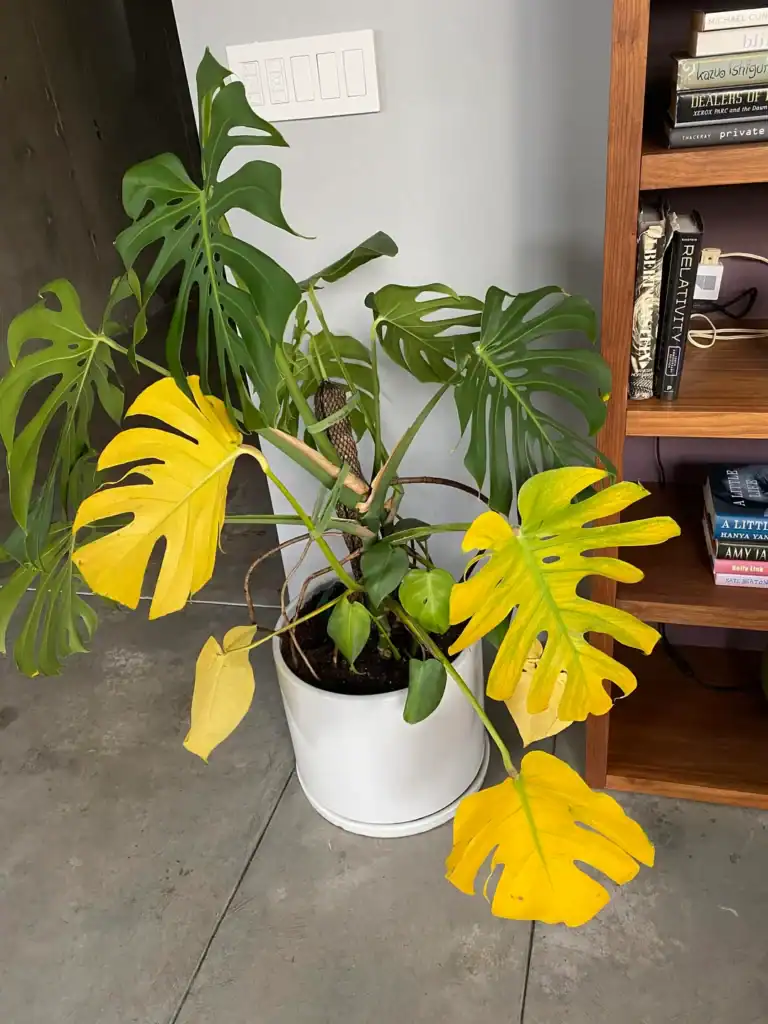
Yellow leaves on your Monstera can feel like a personal betrayal, especially when you’ve been doing your best to keep it happy. I’ve definitely been there—staring at those golden edges, wondering what on earth went wrong.
The good news? Yellowing leaves almost always point to specific care issues like overwatering, poor drainage, lack of nutrients, or lighting problems. Most of the time, you can fix it once you figure out what’s causing the trouble.
The tricky part is figuring out which issue is actually bothering your plant. Sometimes it’s too much water, not enough light, or just old age sneaking up on a leaf or two.
Pests can hide under the leaves, and sometimes the soil just isn’t up to par. It’s a bit of a detective game, honestly.
I’ll walk you through the nine most common reasons your Monstera leaves are turning yellow, how to spot each problem, and what you can do about it.
By the time you’re done reading, you’ll know how to diagnose your plant and (hopefully) get those leaves back to their glossy green selves.
Please note: Simplify Plants is reader-supported. As an Amazon Associate, I earn from qualifying purchases made by our readers with no extra cost added to you all! Some links in the post are affiliate links and I get a commission from purchases made through links in the post.
Common Causes of Yellowing in Monstera Leaves
Water issues top the list when it comes to yellow Monstera leaves. Too much water, too little, or poor drainage all put stress on the plant in their own ways.
Overwatering
Honestly, overwatering is the most common mistake I see with Monsteras—and I’ve been guilty of it myself. When I give my plant too much water, the roots end up sitting in soggy soil and can’t breathe.
The roots start to rot in these wet conditions. Once rot sets in, the plant can’t absorb nutrients, even if they’re right there in the soil.
Yellow leaves that feel soft or mushy are a big red flag. If you stick your finger about two inches into the soil and it still feels damp, just wait a bit longer before watering.
Overwatered Monsteras often have yellow leaves with brown spots, and the soil might smell sour or a little funky. Sometimes the stems near the base feel soft instead of firm.
I try to check my Monstera once a week, but I only water when the top couple inches of soil are dry. In winter, it barely needs any water at all.
Underwatering
If I forget to water my Monstera for too long, the leaves start turning yellow from the edges inward. The yellowing is different from overwatering—the leaves feel dry and crispy, not soft.
Underwatered plants can’t move nutrients up to the leaves. Usually, the lower leaves go yellow first, since the plant is trying to save energy for new growth.
I set a phone reminder to check the soil every 5–7 days, just so I don’t forget. Sometimes the leaves curl or droop before they even start yellowing.
When it’s been dry too long, the soil pulls away from the sides of the pot, and the whole thing feels super light when I pick it up. In summer or in a warm house, my Monstera drinks a lot more, so I keep an eye on it.
Poor Drainage
Even with perfect watering habits, my Monstera’s leaves will turn yellow if the pot doesn’t drain well. Heavy, compacted soil or pots without drainage holes just trap water around the roots.
I like to mix in perlite, orchid bark, or coco coir to keep the soil light and airy. If water pools on the surface or takes more than a few seconds to soak in, it’s time to improve drainage.
Pots really need drainage holes at the bottom. I learned that the hard way after a beautiful ceramic pot (with no holes) turned my Monstera’s leaves yellow in just a few weeks.
Dense, old soil from years without repotting can also cause problems. I try to refresh my Monstera’s soil every year or two to keep things flowing.
Nutritional Deficiencies

Monsteras need some key nutrients to keep their leaves green and healthy. When the soil runs low, yellowing leaves are usually the first sign.
Nitrogen Deficiency
Nitrogen is what keeps Monstera leaves that rich, deep green. When there’s not enough, older leaves at the bottom start turning yellow, while new growth usually stays green.
This tends to happen with plants that haven’t been fed in months or have been in the same soil for ages. The yellowing often starts at the tips and edges, then spreads inward.
Growth slows down and new leaves might be smaller too. I like to use a balanced liquid fertilizer (something like 20-20-20) once a month during spring and summer.
If you start fertilizing regularly, you should see greener new leaves within a few weeks. Just don’t go crazy with the fertilizer—too much can burn the leaves and leave brown, crispy edges.
Lack of Micronutrients
Micronutrients like iron, magnesium, and manganese might sound minor, but they’re absolutely essential for healthy leaves. Iron deficiency shows up as yellowing between the veins, while the veins themselves stay green.
Magnesium deficiency looks kind of similar, but usually hits older leaves first, starting at the edges and moving inward. I use a complete fertilizer with micronutrients, or sometimes a liquid seaweed supplement every now and then.
These deficiencies often pop up when the soil pH is off, blocking nutrient absorption. If you’re fertilizing regularly but still seeing weird yellow patterns, it might be your water—hard or alkaline tap water can mess with soil pH over time.
Light and Temperature Factors

Monsteras need just the right balance of light and warmth to keep their leaves green. Too much sun, too little light, or temperature swings can all cause yellowing.
Insufficient Sunlight
Monsteras come from tropical forests where they get bright, indirect light. Indoors, if they don’t get enough light, the leaves start turning yellow because they can’t make enough chlorophyll.
I’ve noticed that Monsteras stuck in dark corners or rooms with only north-facing windows tend to develop pale, yellowing leaves. The lower leaves usually go first, since the plant is trying to keep new growth alive.
It’s usually a slow process—yellowing creeps in over weeks or months. Moving your Monstera closer to a window where it gets several hours of filtered light can make a big difference.
I find east or west-facing windows work best. Just keep it within a few feet of the glass for the best results.
Excessive Direct Light
Monsteras love light, but direct sun can be brutal. I’ve seen too many leaves scorched yellow or brown from sitting on a sunny windowsill.
The damage is usually patchy—bleached or crispy spots, mostly on the side facing the window. South-facing windows are especially harsh, especially in summer.
If your Monstera gets more than an hour or two of direct sun, it’s probably too much. A sheer curtain or moving the plant back a bit can help.
Temperature Stress
Monsteras are happiest between 65-85°F. When it gets colder than 60°F or hotter than 90°F, the plant gets stressed and leaves can turn yellow.
Cold drafts from air conditioners or windows are a sneaky problem in a lot of homes. Heat stress happens too, especially near radiators or vents.
Sudden temperature changes are rough on Monsteras. I try to keep mine away from drafty doors and windows, especially in winter.
A cheap thermometer near your plant can tell you if the temperature is actually what you think it is.
Root Health Issues
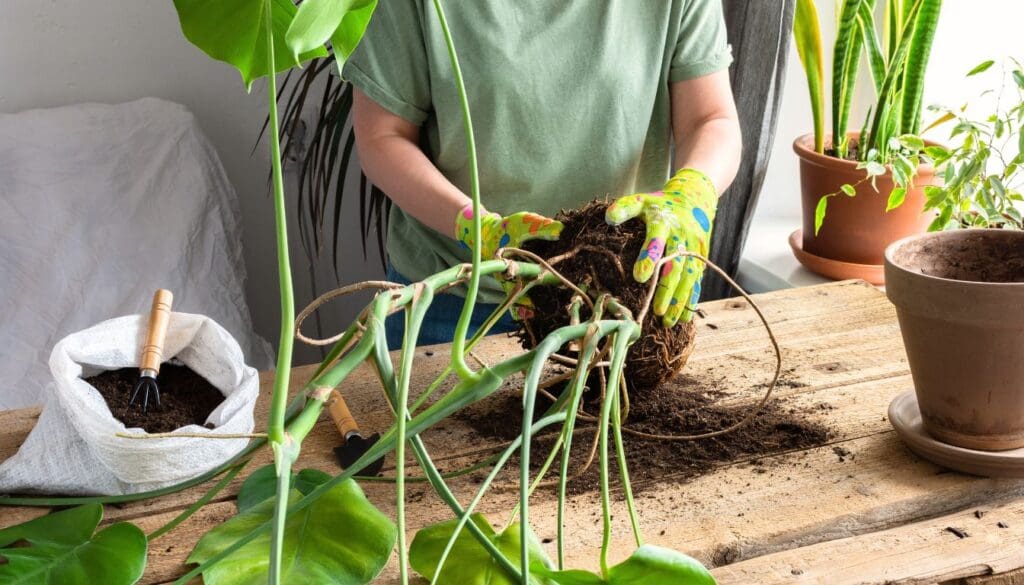
Unhealthy roots are a major reason Monstera leaves turn yellow, and the trouble usually starts out of sight. Root rot and overcrowded roots both block water and nutrients from reaching the leaves.
Root Rot
Root rot is nasty—it happens when roots sit in water too long and start breaking down. I’ve seen beautiful Monsteras go downhill fast because their roots suffocated and died.
Overwatering is usually the culprit. When soil stays wet, oxygen can’t get to the roots, and fungi or bacteria move in.
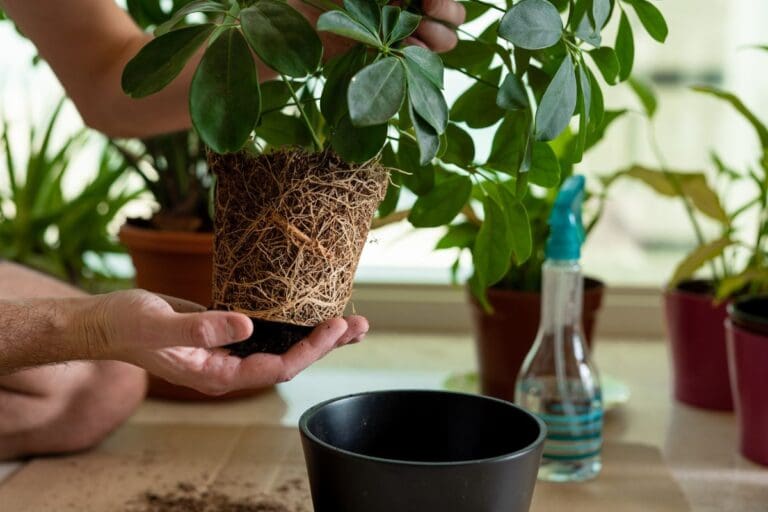
If water sits in the saucer for hours after watering, that’s a sign you’re probably overdoing it. Healthy roots are white or light tan and firm—rotted roots are brown or black, mushy, and smell awful.
Yellow leaves show up because damaged roots can’t absorb nutrients. If you catch root rot early, trim off the bad roots, repot in fresh, well-draining soil, and ease up on the watering.
Pot Bound Roots
When roots run out of space, they start circling the inside of the pot and get tangled. I call this being pot bound, and it really slows down growth.
Roots can’t spread out to absorb water and nutrients, so you’ll see yellowing leaves and sometimes water just runs straight through the pot.
If roots are poking out of the drainage holes or circling the surface, it’s time for a bigger pot. I usually go up about two inches in pot size and gently loosen the root ball before repotting.
Pest and Disease Problems
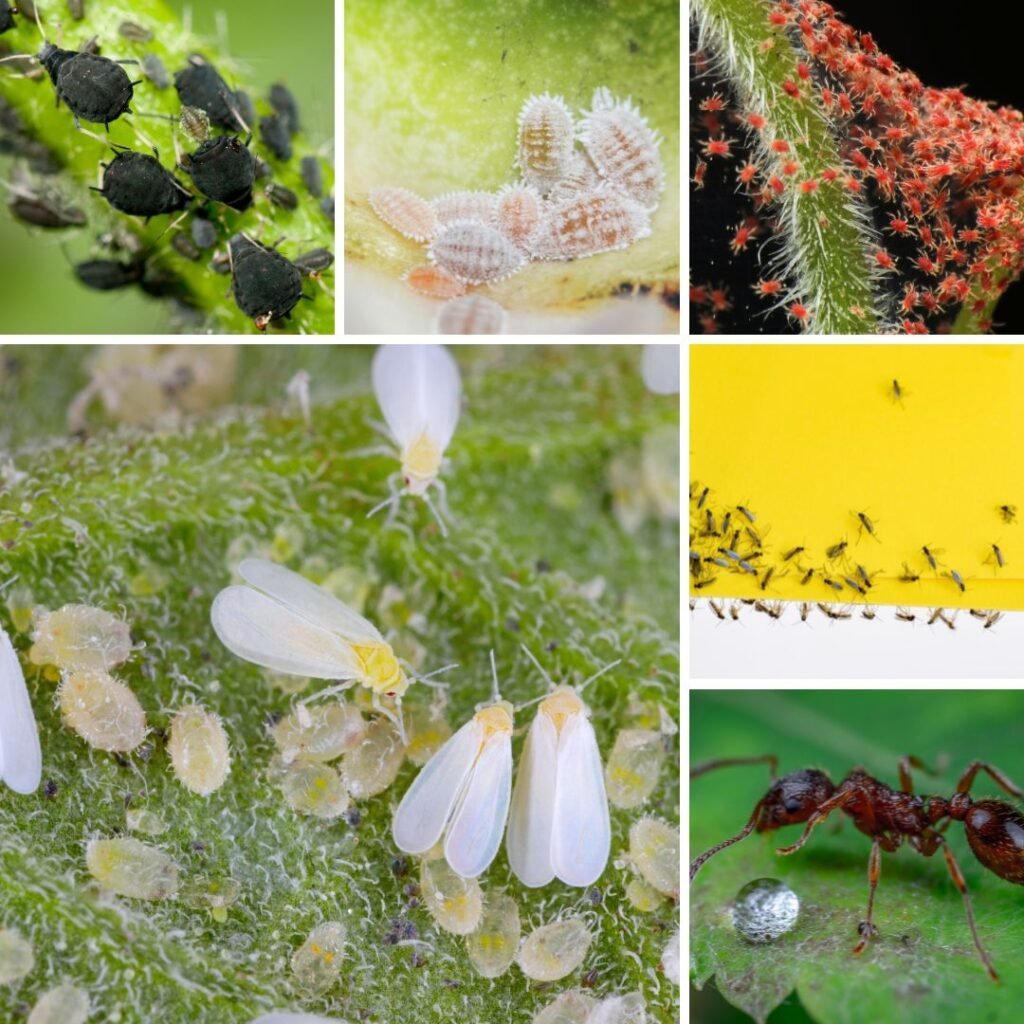
Pests and fungal issues can stress your Monstera and trigger yellowing leaves. Both weaken the plant and mess with its ability to take up nutrients.
Fungal Infections
Fungal infections tend to show up when my Monstera sits in too much moisture. Root rot is the main issue—when roots stay waterlogged, they start to decay.
Leaves turn yellow from the bottom up when root rot sets in. Sometimes the stems feel mushy near the soil line, and there might be a sour smell.
If you pull the plant out, healthy roots are white or tan, while rotted ones are black and slimy. If I catch it early, I trim away the damaged roots and repot in fresh soil.
Occasionally, leaf spot fungi cause yellow patches with brown edges, especially in humid rooms with poor airflow. I try to space out watering and make sure there’s decent air movement around the plant.
Common Pests
Spider mites, aphids, and mealybugs all love Monstera leaves. They suck out sap, which weakens the plant and causes yellowing.
Spider mites leave tiny yellow speckles and fine webbing. Mealybugs look like little white cotton balls in leaf joints. Aphids are tiny green or black bugs that cluster on new growth.
I wipe leaves with a damp cloth every week or so to catch pests before they get out of hand. If I spot an infestation, I spray with insecticidal soap or neem oil.
Sometimes I mix a few drops of dish soap in water and spray that on the bugs. It usually takes a few treatments, spaced a week apart, to really get rid of them.
Environmental and Care Mistakes
Sometimes your Monstera turns yellow because the air’s too dry, there are cold drafts, or you just repotted it. These environmental factors can sneak up on you even if everything else seems perfect.
Improper Humidity
Monsteras come from rainforests where humidity is usually 60–80%. Most homes are much drier, especially in winter with heaters running.
When the air’s too dry, Monsteras lose moisture through their leaves faster than the roots can keep up. Older leaves turn yellow first, since the plant sacrifices them to protect new growth.
Yellow leaf edges with brown, crispy tips are a classic sign of low humidity. Sometimes the leaves curl inward, trying to hang onto what little moisture they can.
A humidifier near your Monstera or grouping it with other plants can help create a humid microclimate. Pebble trays work too—just keep the pot above the waterline.
I’ve found misting doesn’t do much, since the humidity boost only lasts a few minutes.
Cold Drafts
Monsteras really don’t like sudden temperature drops. Cold drafts from ACs, open windows, or doors can shock the plant and cause yellowing.
I always check if my Monstera is near a vent or drafty window. Even a few hours of cold air can cause problems, and yellowing usually shows up on the side facing the draft.
I try to keep my Monstera at least three feet from AC vents, doors, and single-pane windows in winter. Sometimes you don’t notice a cold spot unless you really look for it, but your plant sure feels it.
Yellow leaves are its way of letting you know something’s up.
Transplant Shock
Moving your monstera to a new pot can really throw its root system for a loop, even if you think you’re being extra careful. Some yellowing after repotting? Totally normal while the plant gets used to its new digs.
The roots need a bit of time to stretch out into that fresh soil and get their water uptake back on track. During this stretch, don’t be surprised if a few older leaves call it quits.
I usually notice this within a couple of weeks after repotting, maybe three if the plant’s feeling dramatic.
Quick Tip: Wait until you see roots poking through the drainage holes before repotting, and just go up one pot size—not more. It really helps minimize shock.
Skip the fertilizer right after transplanting. The new potting mix has plenty of nutrients, and adding extra can actually burn those stressed roots.
Keep the soil lightly moist, but don’t drown it. Give your monstera a few weeks to settle before expecting any exciting new growth.
Age and Natural Leaf Shedding

I’ll admit, I sometimes panic at the sight of a yellow leaf on my Monstera. But honestly, plants age just like we do.
Older leaves turning yellow and dropping off is just part of the normal growth cycle.
Quick Tip: If it’s only the bottom-most leaves yellowing and the rest of your plant looks happy, you’re probably fine.
My Monstera always seems to put its energy into fresh growth at the top, leaving the older leaves at the bottom to fend for themselves. The plant basically decides those old leaves aren’t worth the effort anymore.
It’ll pull nutrients out of them to feed the new growth, and that’s what causes the yellowing.
This is totally normal—nothing to worry about. I usually see a lower leaf or two turn yellow every few months on a healthy plant.
The pattern is what matters. If it’s just one leaf here and there near the base, that’s natural shedding.
But if you notice several leaves yellowing at once, or new leaves getting hit, then there’s probably something else up.
You can gently pull off a yellow leaf once it’s mostly dried out, or just let it fall when it’s ready. I like to tidy them up myself—it keeps things neat and helps avoid any pest or rot issues.
Don’t confuse this with a real problem. Natural leaf loss is slow, only affects the oldest leaves, and you’ll still see fresh new ones popping up.
How to Revive Monstera Leaves Turning Yellow
First thing I do? Figure out what’s causing the yellowing. Once I have a clue, fixing it gets a lot easier.
If I’ve been overwatering, I let the soil dry out before watering again. I’ll stick my finger about two inches into the soil—if it’s wet, I wait.
Sometimes, if the roots are sitting in a soggy mess, I’ll go ahead and repot into fresh, well-draining soil.
Quick Tip: Always dump out any water that’s pooled in the saucer under your pot.
If I’ve slacked on watering, I give my Monstera a thorough drink until water drains from the bottom. Then I set a reminder on my phone so I don’t forget again.
If the lighting’s off, I move my plant. Too much direct sun? I scoot it back from the window. Not enough light? I hunt for a brighter spot with indirect sun most of the day.
| Problem | What I Do |
|---|---|
| Overwatering | Let soil dry, improve drainage |
| Underwatering | Water thoroughly, create schedule |
| Poor light | Move to bright, indirect spot |
| Nutrient issue | Feed during growing season |
| Temperature stress | Keep between 65-85°F |
If my plant needs nutrients, I’ll use a balanced liquid fertilizer during spring and summer. I stick to the package directions and never feed in winter.
Yellow leaves won’t bounce back, so I snip them off with clean scissors. This lets my Monstera focus on healthy growth instead.
Preventing Yellow Leaves in the Future

Honestly, keeping Monstera leaves green is all about building decent habits. It’s about finding a rhythm that works for you and your plant.
Check the soil before you water. I stick my finger a couple inches into the potting mix—if it’s dry, time to water. If it’s still damp, I wait a few more days.
Quick Tip: Set a phone reminder to check your Monstera weekly, but don’t just water on a schedule. Let the soil guide you.
Every time I water, I rotate my plant a quarter turn. It helps all sides get their fair share of light and keeps it from growing lopsided.
Monsteras love bright, indirect light, but direct sun can scorch those leaves.
Pay attention to the signals. New leaves should unfurl looking healthy and green. Yellowing often shows up weeks after a problem starts, so catching issues early is a game changer.
Keep a simple care log—I just jot down when I water and any weirdness I notice. It helps me spot patterns before things get out of hand.
Make sure your pot has drainage holes. Sitting in water is a fast track to yellow leaves. I dust the leaves every couple of weeks too—helps them breathe and soak up light.
Feed your Monstera in spring and summer when it’s growing. I use a balanced liquid fertilizer at half strength once a month, then lay off in fall and winter.
Frequently Asked Questions
Yellow leaves on Monsteras usually mean something’s off with watering, nutrients, lighting, or maybe pests. Here are the questions I get asked most.
What could be causing my Monstera’s leaves to turn yellow?
There are a few things that can make Monstera leaves go yellow. Overwatering is the usual suspect, but underwatering can do it too.
Nutrient deficiencies—especially not enough nitrogen or iron—can also cause yellowing. Poor light will slowly pale the leaves. Sometimes, pests like spider mites or fungus gnats stress the plant enough to cause yellowing.
Quick Tip: Check the soil moisture first—most yellowing starts there.
How can I tell if overwatering is the reason for the yellow leaves on my Monstera plant?
Overwatered Monsteras get yellow leaves that feel soft and mushy. The lower, older leaves usually go first.
Stick your finger a couple inches into the soil—if it’s wet or soggy, you’re watering too much. The pot might feel heavy, and sometimes there’s a musty smell.
Yellow leaves from overwatering often turn brown and drop off pretty fast. Root rot is a real risk if the roots stay wet too long.
Quick Tip: Let the top 2-3 inches of soil dry out before watering again.
Are there any specific nutrient deficiencies that lead to yellowing leaves in Monsteras?
Nitrogen deficiency makes older leaves turn completely yellow, but new growth stays green. The yellowing spreads across the whole leaf.
Iron deficiency looks different—new leaves turn yellow, but the veins stay green, so you get a striped look.
Magnesium deficiency starts with yellowing between the veins on older leaves. I recommend using a balanced houseplant fertilizer once a month in spring and summer to prevent this.
Quick Tip: Feed your Monstera with diluted liquid fertilizer at half strength to avoid burning the roots.
Could poor lighting be affecting the color of my Monstera’s foliage?
Low light can definitely cause yellow leaves on Monsteras. If it’s too dim, the plant can’t make enough chlorophyll, so the leaves fade to pale yellow.
Monsteras want bright, indirect light. An east or west-facing window is usually perfect. North-facing windows often don’t cut it, especially in winter.
Too much direct sun is bad news too—leaves will turn yellow and get crispy brown edges if they’re sunburned.
Quick Tip: Put your Monstera where it gets filtered sunlight, maybe through a sheer curtain, or a few feet back from a bright window.
Is it possible that pests or diseases are responsible for my Monstera’s yellow leaves?
Pests can absolutely cause yellow leaves. Spider mites suck sap from leaves, and you’ll see tiny yellow spots that eventually merge.
Fungus gnats don’t hurt leaves directly, but their larvae feed on roots, which can lead to yellowing if the roots are damaged.
Check under the leaves and along the stems for bugs or webbing. Sticky residue could mean scale insects or mealybugs.
Sometimes, bacterial or fungal infections cause yellow spots with brown or black centers. These usually look water-soaked.
Quick Tip: Wipe leaves with a damp cloth every week or so. It’s the best way to catch pests early, before they cause real trouble.
How should I adjust my Monstera’s care routine if I notice the leaves turning yellow?
First, I usually check the soil to see if it feels too wet or too dry. If the top couple inches are dry, then it’s probably time to water, but I try not to overdo it.
If the light’s off—maybe it’s too intense or way too dim—I’ll move the plant somewhere with bright, indirect light. That seems to keep those leaves looking their best.
Once a leaf is mostly yellow, I just snip it off. There’s really no point waiting for it to bounce back, and it lets the plant put energy into new growth.
If I haven’t been fertilizing, I’ll start feeding it about once a month during the growing season. I go for a balanced liquid fertilizer, but I always dilute it to half-strength—no need to go overboard.
I also take a close look for pests. If I spot anything crawling around, I’ll grab some insecticidal soap or neem oil and give the leaves a gentle spray.
Quick Tip: Only change one thing at a time—otherwise, how are you supposed to know what actually helped?
Note: Some images in the articles are sourced from Reddit and Other Platforms For Reference Purpose.