How to Care for Bunny Ear Cactus?
How to Care for Bunny Ear Cactus: Tips for Thriving Prickly Plants
Bunny ear cactus, with its cute pads and minimal maintenance, is a favorite for both beginners and experienced plant lovers.
These little plants are easy to care for, but they do have some specific needs.
Ensuring your bunny ear cactus gets enough sunlight and proper watering is key to keeping it healthy.
Isn’t it satisfying when your plant thrives and looks its best? 🌵😊
For those new to this cactus, it might look tricky, but it’s easier than you think.
The bunny ear cactus doesn’t like too much water, which is great news for anyone who tends to forget regular watering.
Who hasn’t neglected a plant once or twice?
Just make sure they have good drainage, and they’ll reward you with their charming presence.
By giving your bunny ear cactus the right environment, you can enjoy its unique look year-round.
What else could make your home feel more like a desert oasis? 😉
Plus, it’s always fun to have a plant that starts a conversation every time you have guests.
Please note: Simplify Plants is reader-supported. As an Amazon Associate, I earn from qualifying purchases made by our readers with no extra cost added to you all! Some links in the post are affiliate links and I get a commission from purchases made through links in the post.
What Is a Bunny Ear Cactus?
The Bunny Ear Cactus is a charming plant known for its cute appearance that mimics its namesake. It’s loved by plant enthusiasts for both its unique look and easy care routine.
Identifying Opuntia Microdasys
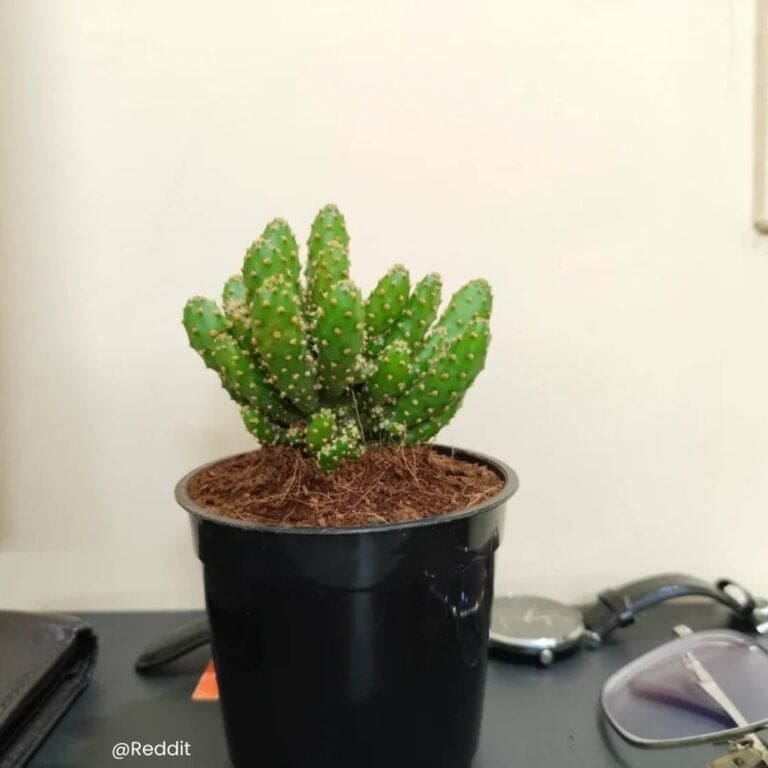
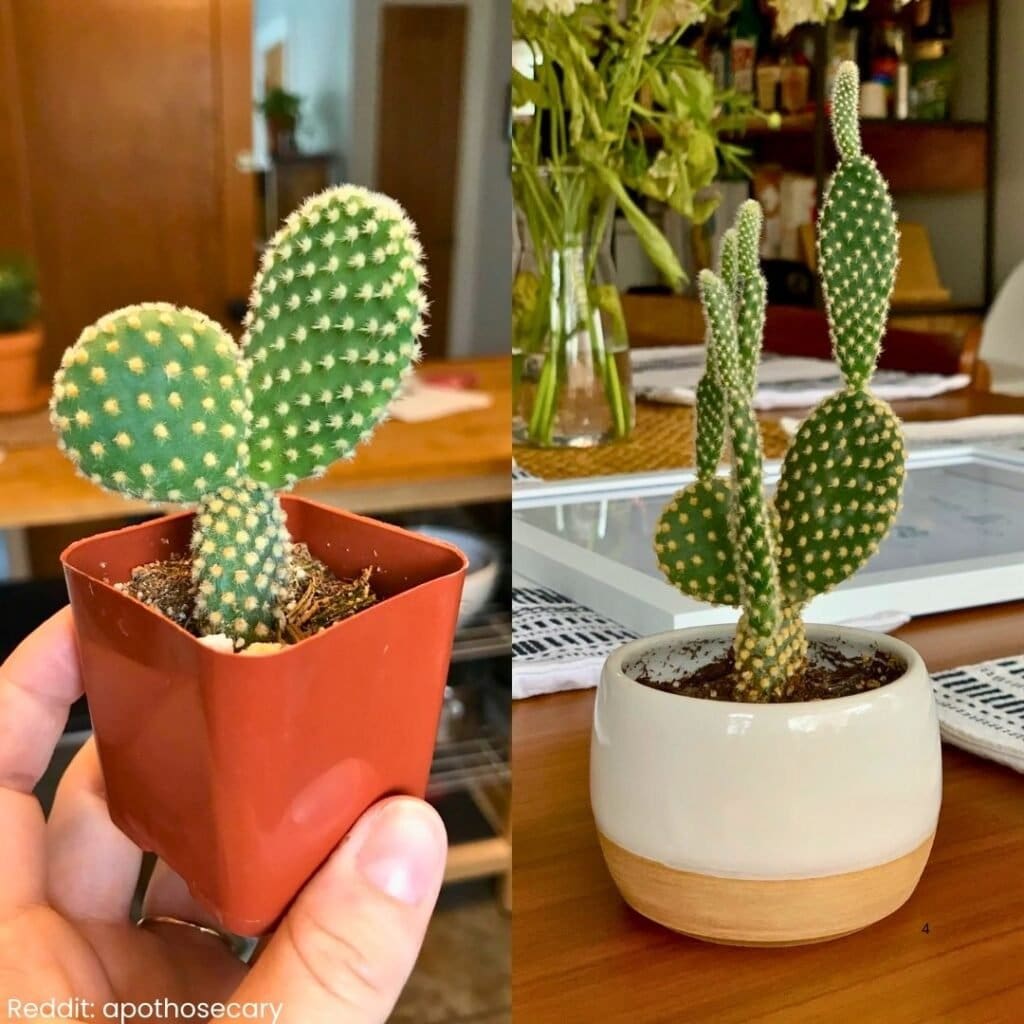
The Bunny Ear Cactus, scientifically known as Opuntia Microdasys, earns its name due to its distinctive shape.
Each pad looks like rabbit ears, which are covered in tiny, soft-looking spikes called glochids. Despite their softness, these glochids can be prickly.
Imagine having a tiny nature-inspired artwork in your living room! ☀️
In terms of color, it usually appears in a vibrant green, with glochids sporting shades of yellow or white.
Such a striking pattern makes it stand out among other cacti. When it blooms, it can surprise with small, yellow flowers which later develop into purplish-red fruits.
Now, don’t get too carried away; it may look cute, but handling it with bare hands is not recommended unless you want to spend some time picking out those tiny, pesky spikes.
Native Habitat and Growth Habits
This cactus hails from the warm and sunny deserts of Mexico.
With such origins, it craves the sun and thrives in bright, indirect light.
If he or she wants their Bunny Ears to be happy, make sure it gets plenty of sunshine in a cozy spot. ☀️
In its natural habitat, the Bunny Ear Cactus can grow about 2 to 3 feet tall.
It has an impressive ability to adapt, storing water in those thick pads for dry spells.
While it enjoys dry conditions, too much water can lead to rot, so a drainage-friendly potting mix is a must.
Curiosity about this cactus? It doesn’t just survive in tough conditions; it thrives!
Could they be considering adding this to their plant collection? 🪴

Planting Your Bunny Ear Cactus
When planting a bunny ear cactus, choosing the right soil, selecting the best pot, and following initial steps are very important. These steps help your cactus grow healthy and strong 🌵.

Choosing the Right Soil
The bunny ear cactus needs soil that drains well. Using a cactus mix can work wonders.
Why? Because it prevents water from staying too long, which can cause rot. Mixing in some sand or perlite increases the drainage.
Quick Tip: Avoid heavy garden soil. It holds too much water. Water-logged soil is a cactus’s worst nightmare!
Think your bunny ear cactus can handle more mulch? That’s a prickly mistake! Always stick to the right mix for the best results.
Remember, a cactus’s roots need air too! Aren’t plant roots amazing?
Selecting a Pot
Choosing the right pot is key. The pot should be slightly bigger than the root ball. This gives the cactus space to grow.
What about drainage holes? Essential! They help water escape, keeping roots dry and happy 😊. A pot without holes is a cactus no-go!
Prefer clay or plastic? Clay pots help the soil dry faster, while plastic holds moisture longer.
Choose based on how often you water. If you’re a forgetful waterer, plastic might be your best buddy!
So, what pot do you think she should choose?
Initial Planting Steps
Start by placing gravel at the bottom of the pot to improve drainage. Fill it halfway with your chosen soil mix.
Carefully place the cactus in the pot. Handle with care — those spikes aren’t just for show!🪴😊
Add more soil around the cactus, pressing lightly. Water sparingly after planting.
Remember, too much love (or water) can drown it!
Isn’t planting the bunny ear cactus exciting?
With these steps, she’s well on her way to a thriving plant buddy! Are you ready to show off your grown-up green thumb? Happy planting! 🎉
Daily Care and Maintenance
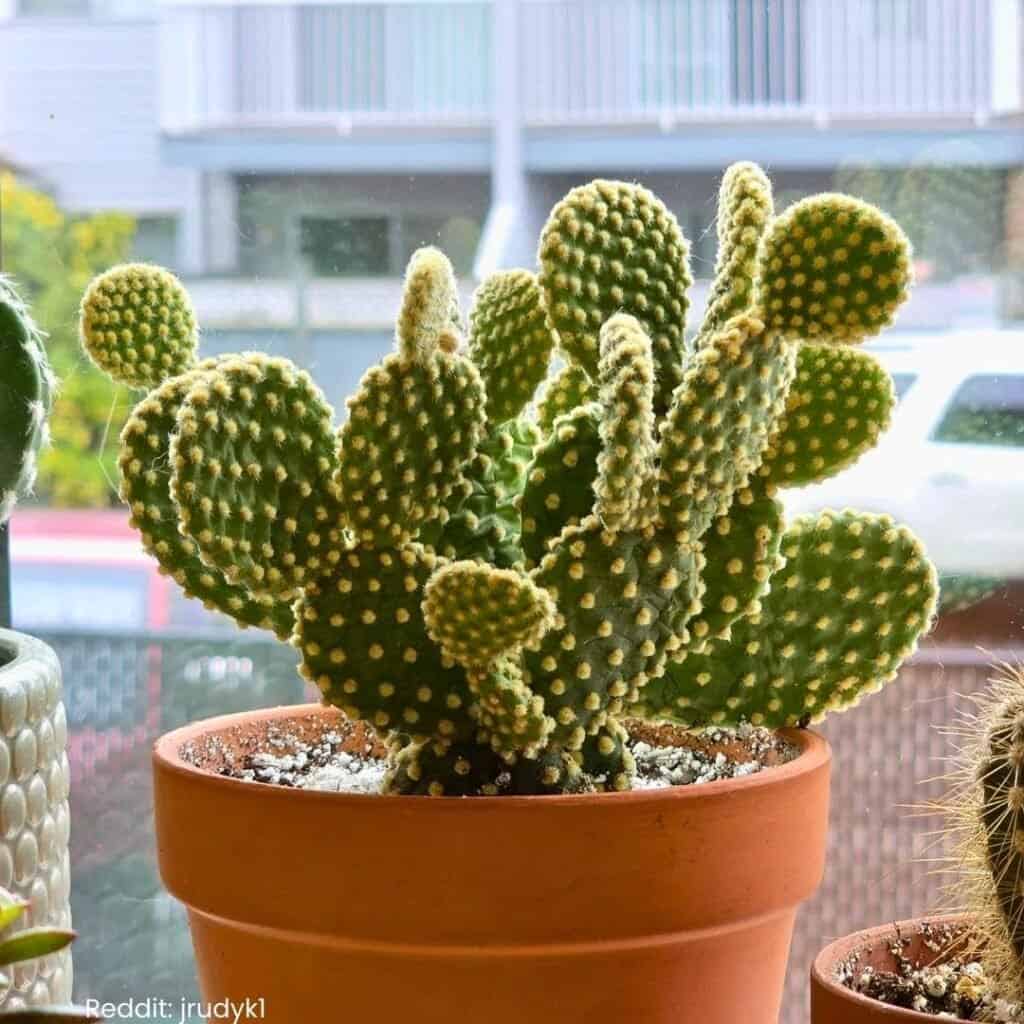
Bunny ear cacti need just the right amount of sunlight, water, and the ideal temperature to thrive.
These cacti are not as tricky to care for as they seem, and with some attention, they will stay healthy and happy. 🌵
Let’s dive into the daily care routine to keep your bunny ear cactus in top shape.
Sunlight Requirements
Bunny ear cacti love bright, indirect sunlight. They do best when placed by a south-facing window.
Direct sunlight can be too harsh, causing a sunburn on their leaves.
If they start looking tall and stretched, they might need more light. Consider using sheer curtains as a filter.
Moving them outdoors during the summer? Make sure they get shade and avoid midday sun.☀️
Watering Routine
Overwatering can be a cactus’s biggest downfall. These cacti prefer their soil to dry out between waterings. Using the “soak and dry” method works best.
Test with your finger one to two inches deep into the soil. If it feels dry, water it thoroughly, letting excess drain out.
In winter, they need less water, so adjust accordingly.
Who knew watering could be this easy, right?
Temperature and Humidity
These cacti love warmth and do well in temperatures between 70°F to 100°F.
When winter rolls around, they prefer it cooler, but not under 50°F.
Avoid cold drafts, as they don’t appreciate sudden temperature changes.
While they are pretty adaptable to different humidity levels, keeping them away from humid locations like bathrooms is wise.
No need for a sauna day for these cacti! 🌡️
With proper attention to these daily care steps, your bunny ear cactus will thrive, adding a cute touch to your living space! 🌿
Feeding Your Cactus
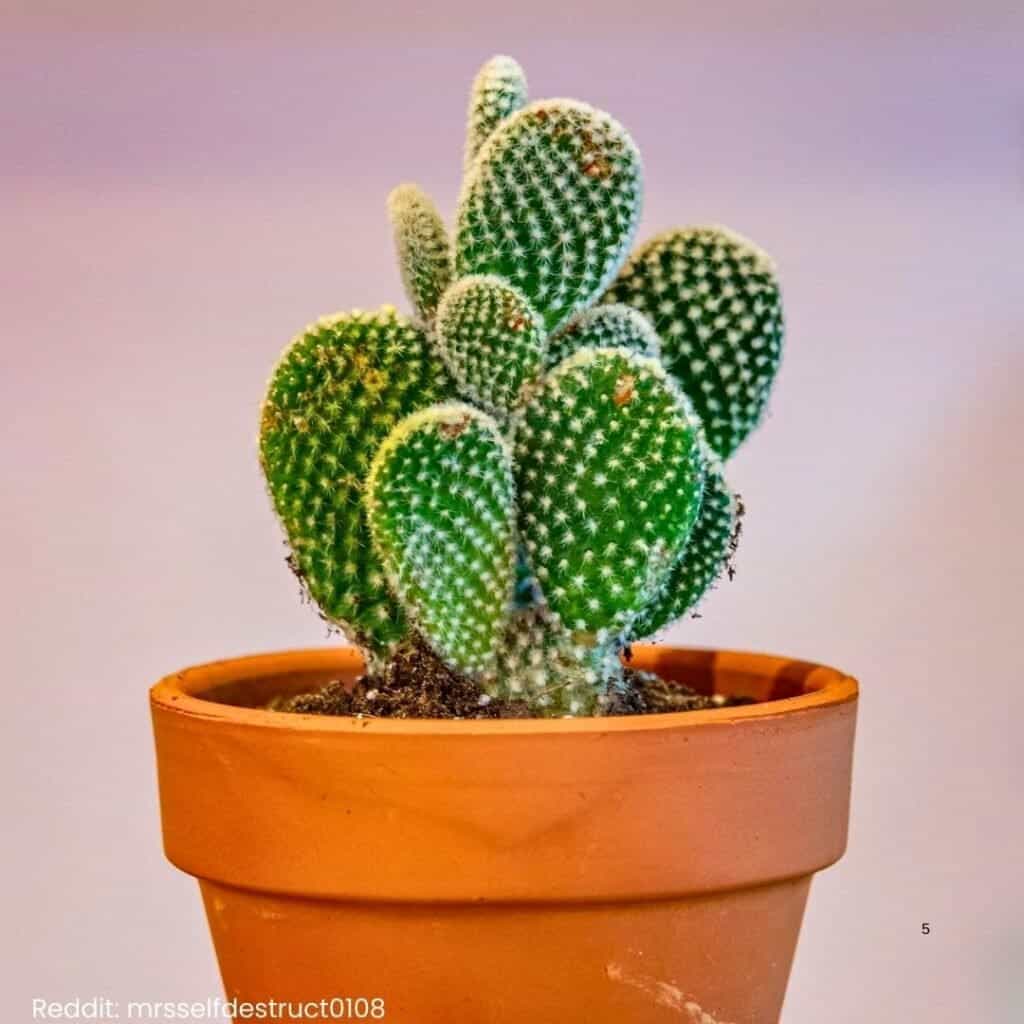
A bunny ear cactus doesn’t need a lot of food, but feeding it right helps it grow strong and healthy.
Learn when to give plant food and what kind to use for the best results. 🌵
Fertilizing Schedule
Cacti are low-maintenance when it comes to feeding. He or she only needs plant food during the growing season, usually spring and summer.
Once a month is a good rule of thumb. In the fall and winter, they hardly need any because they’re resting.
It’s like giving a tiny power boost when the cactus is most active.
Watch out though—too much can lead to a weak cactus. So, stick to the schedule for a happy and strong plant.
Types of Fertilizer
For bunny ear cacti, a balanced, water-soluble fertilizer works best.
Think of a 10-10-10 or 20-20-20 mix. These numbers tell you how much nitrogen, phosphorus, and potassium are inside.
If that sounds like too much, don’t worry! Using a fertilizer made for cacti takes out the guesswork.
Also, make sure to dilute it to half strength, like a refreshing drink for the cactus 🍹.
That way, the cactus enjoys the food without getting overwhelmed.
Got any funky cactus tales? Share them below! 😄🌵
Pruning and Propagation
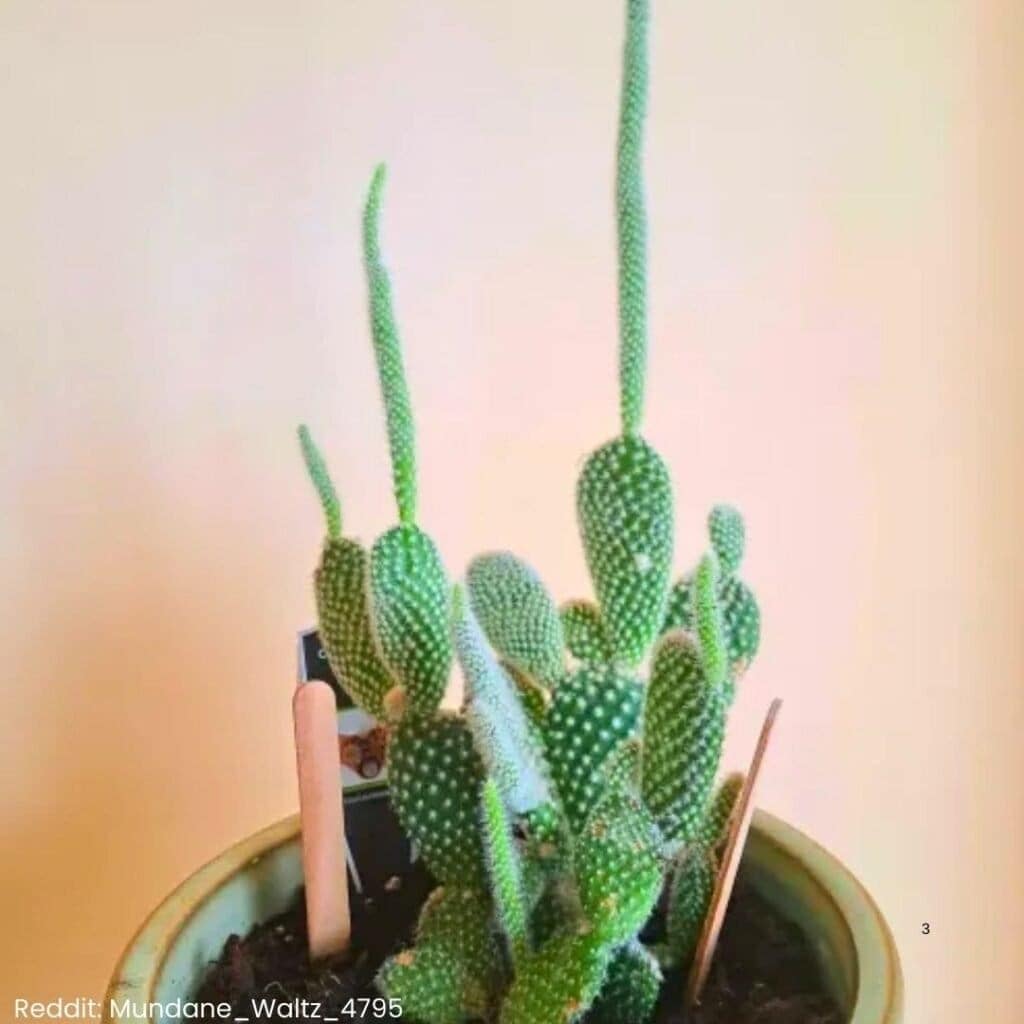
Caring for a bunny ear cactus involves knowing how to trim it effectively and multiply your plant through propagation.
Pruning keeps your cactus looking sharp and healthy. On the other hand, propagation lets you share the joy of this quirky plant with others.
Pruning Techniques
Pruning a bunny ear cactus may sound intimidating, but it’s quite simple! 😊
Start by checking for any damaged or unhealthy pads.
Using clean, sharp scissors or pruning shears, carefully remove these pads. Cutting too close to the main stem can harm the plant, so always leave a little nub.
Wear gloves! These pads have tiny spikes that can surprise you.
Regular pruning also helps the cactus grow more evenly. Who doesn’t love a nicely shaped cactus? It also encourages blooming, making it a win all around.
Keep an eye out for any overcrowded or tangled pads.
Pruning these away helps each part get enough sunlight and airflow. Plus, your cactus will look less like a wild bush and more like a tidy desert star. 🌵
How to Propagate
Want more bunny ear cacti? Propagating is your friend!
Start by choosing a healthy pad from your cactus. Twisting it gently off the parent plant works well—trust the twist!
Let the pad dry out for a couple of days until it forms a callus.
Plant the callused pad into a pot of cactus soil.
Cover the pad’s lower part with soil, leaving the top exposed.
It’s important to water sparingly once it’s planted because too much water can damage it. Just a spritz for beginners, please! 💦
Place the pot in a sunny space.
As it grows, you’ll see tiny roots forming.
This is a great time to try asking friends, “Want a cactus buddy?” Propagating bunny ear cacti is not only easy but also a fun way to share the love! 🌵❤️
Pest and Disease Management

Bunny ear cactus, like other plants, can face problems from pests and diseases.
Knowing what to look for and how to prevent these issues is key to keeping your cactus healthy and happy. 🌵
Let’s dive into some tips to keep those bunnies hopping strong.
Common Pests
Bunny ear cactus may encounter pests like mealybugs and spider mites.
These tiny invaders love to munch on the cactus, leaving it stressed and weakened. 🐜
If you spot white, cotton-like clumps or tiny webs, it’s time to take action.
Removing pests by gently wiping the cactus with a cotton swab dipped in alcohol can help.
Insecticidal soap is also effective for more stubborn cases.
Keep the environment dry, as high humidity can attract these pests. Regular checks and cleaning can prevent their return.
Disease Prevention
Cacti are pretty tough, but they can suffer from diseases, especially root rot.
Over-watering is the top culprit here.
Make sure the cactus is planted in well-draining soil and avoid waterlogging. 🔄
Letting the soil dry out between waterings is essential.
Fungal infections can also occur, showing as spots on pads.
Removing infected areas and using a fungicide can help. Good airflow around the cactus keeps most diseases at bay.
Regular inspection and prompt action are the best defense against diseases.
Got a cactus story to share? 🌍 Let others in on your green thumb tips in the comments below! ✨
Seasonal Care Tips
Bunny Ear Cactus needs different care depending on the time of year.
Get ready for cooler temperatures in winter and make sure it has what it needs in the hot summer months.
Wondering how to keep it happy all year round? Read on! 🌵
Winter Care
During winter, Bunny Ear Cactus enters dormancy and needs less water.
It’s best to water it once a month or when the soil is completely dry.
Keep it in a warm spot, away from drafts and cold windows, because it doesn’t like the chilly air. ❄️
Use a thermometer to ensure the temperature stays between 50-65°F.
This plant enjoys sunlight even in winter. If indoors, place it near a window where it can soak up the sun.
Short on sunny days? Consider a grow light to keep it cheerful and growing well! 🌞
Resist the urge to fertilize in winter. This gives the cactus a chance to rest and get ready for a new burst of growth in spring.
Isn’t it interesting how nature takes a break?
Summer Tips
In summer, Bunny Ear Cactus thrives in bright, indirect light.
Too much direct sun can scorch its pads, so keep it in lightly shaded areas.
Remember to increase watering, but only when the top inch of soil feels dry to the touch.
Overwatering can lead to root rot, and nobody wants that! 💧
Folks who like to move their cactus outdoors in the summer should pick a sheltered spot to protect it from wind and heavy rain.
Also, a light application of cactus fertilizer, once a month, keeps it healthy and energetic.
Do you notice it growing faster in summer? That’s a good sign! 🌞
Shield it from pests by checking occasionally for signs of bugs.
A quick shower with water or a gentle spray can help keep those pesky insects away.
Your Bunny Ear might even dance a little when it feels that breeze! 😄
Troubleshooting Issues

Bunny ear cactus can run into a few common problems, like being overwatered or getting too much sun, which can cause wilting or sunburn marks.
Knowing what to look for and how to fix these issues can help keep the cactus healthy and growing strong. 🌵
Signs of Overwatering
If the bunny ear cactus looks droopy or the pads become mushy, it might be getting too much water.
Overwatering can lead to root rot, which is a serious problem. Check if the soil feels wet even after a week. It’s a sign to cut back on watering.
To fix it, let the soil dry out completely before watering again.
Use well-draining soil and a pot with drainage holes.
If the roots are already rotting, gently remove the cactus from its pot, cut away rotted roots, and repot in fresh soil.
Keep an eye on those pads! If they start to look better and firm up, you’re on the right track.
Remember, less is more when it comes to watering a cactus. 💧
Dealing With Sunburn
Has your cactus been catching too many rays? While bunny ear cacti love sunlight, too much can cause brown, crispy spots known as sunburn.
If it looks like it’s had a bit too much beach time, it might be sunburned.
To help the cactus recover, move it to a spot with bright, indirect light.
Avoid direct sunlight during the hottest part of the day. Think of it like taking a sun break under an umbrella. 🌞
Consider using a sheer curtain if they’re on a windowsill that gets lots of sun.
Over time, the damaged areas won’t heal, but new growth should be healthy.
Watch for improvement and adjust the light exposure as needed to keep the plant happy and thriving. 😊
Repotting Your Cactus
Caring for a bunny ear cactus means knowing when to repot it and how to do it carefully.
Special attention is paid to timing and technique to ensure that the cactus thrives in its new home. 🌵✨
When to Repot
The bunny ear cactus prefers repotting every couple of years.
Spring is the best time for this because the cactus is beginning its growing season. 🐇🌿
Look out for signs like roots poking out of the drainage holes or a noticeable slow-down in growth.
If the soil doesn’t dry out as quickly as it used to, it’s another hint that repotting might be necessary.
The plant could be crying out for more space! 😂 Ensure to choose a pot slightly larger than the current one.
Step-by-Step Repotting
- Prepare the New Pot: Choose a pot with proper drainage holes. Fill the bottom with a layer of small rocks or broken pottery. This helps with drainage.
- Remove the Cactus: Gently loosen the soil around the cactus. Wear gloves or use tongs to avoid the spines. Carefully lift the plant from its pot.
- Place in New Pot: Shake off old soil and inspect the roots. Place the cactus in the center of the new pot. Add soil around it, keeping the base of the plant above the soil line.
- Water Lightly: Water sparingly once placed to settle the soil. Too much water can be harmful.
Repotting can sound scary, but anyone can do it! Take it step by step and give the cactus a comfortable new home. 🏡🌵
Frequently Asked Questions
Caring for a bunny ear cactus involves understanding its water and light needs, encouraging blooms, and dealing with common problems.
With the right tips, anyone can keep their cactus healthy and thriving. 🌵
What’s the best way to water a bunny ear cactus?
Watering should be infrequent. He should let the soil dry out completely before watering again.
Overwatering can harm the cactus, so during winter, water even less.
Use a spray bottle to mimic natural dew—just enough to keep the cactus happy! 💦
What kind of light conditions are ideal for a bunny ear cactus?
She should place her cactus in bright, indirect light.
Direct sunlight can scorch it, while too little light may stunt growth.
A sunny windowsill with filtered sunlight works great. ☀️
How can I encourage my bunny ear cactus to bloom?
To promote blooming, he needs to provide a dormancy period in winter with reduced watering and cooler temperatures. In spring, increase the sunlight and water gradually.
What should I do if my bunny ear cactus starts drooping?
If it droops, it may be due to overwatering or lack of sunlight.
She should check the roots for rot and adjust watering habits. Make sure it’s getting enough light, too.
Can you explain how to properly care for bunny ear cactus during the winter?
During winter, they should reduce watering to once a month.
Keep the cactus in a spot with indirect, bright light. Avoid cold drafts and keep temperatures around 50-65°F.
What are some common issues with bunny ear cactus, and how can I address them?
Common issues include rot from overwatering or pests like spider mites.
He can fix these by reducing watering, using pest control solutions, and ensuring good air circulation.
Looking after the soil and giving the cactus enough space can prevent problems. 🛡️
Note: Some images in the articles are sourced from Reddit and Other Platforms For Reference Purpose.