
How Not to Overwater or Underwater Your Succulents?
I’ve been there—falling for the charm of succulents, but then wondering why they’re not looking their best. The secret sauce of succulent care? Knowing how much and when to water them! It sounds simple, right? Well, not quite.
These little plants have their own quirky demands. 🌵
Picture this: You’ve just got the cutest little echeveria, and it deserves all your love. But love doesn’t mean drowning it. Overwatering can be as harmful as not watering at all.
You’ll find that checking how dry the soil is before reaching for the watering can is super important.
Feel the soil—if it’s dry, it might be time for a drink.
Ever wondered if your succulent is trying to send you signals? Leaves can be a big clue!
If they’re plump and firm, they’re probably A-okay. If they’re yellow or shriveling, you might need to rethink your watering schedule.
So, what’s the watering sweet spot? Let’s figure it out together! 😊

Please note: Simplify Plants is reader-supported. As an Amazon Associate, I earn from qualifying purchases made by our readers with no extra cost added to you all! Some links in the post are affiliate links and I get a commission from purchases made through links in the post.
Understanding Your Succulents’ Needs
I love succulents! They’re low-maintenance, but they do have a few needs. Getting the right amount of water, soil, and light is key to keeping them happy. Let’s dive into how to give them exactly what they need. 🌵
Water Requirements
Watering succulents can be tricky. They store water in their leaves (which is amazing!), so they don’t need to be watered as often as other plants.
Rule of Thumb: Let the soil dry out before you water again.
Stick your finger about an inch into the soil. If it feels dry, it’s time to water.
Overwatering can lead to root rot. 😟 Nobody wants that.
So remember, it’s often better to underwater than to overwater.
When you do water, soak the soil thoroughly. The leaves will tell you if they’re thirsty— look for shriveling or soft leaves.
Soil Preferences
The right soil makes all the difference. Succulents are desert plants, so they don’t like to sit in wet dirt.
Tip: Use a well-draining soil mix, like cactus soil. This helps prevent soggy roots.
Adding sand, perlite, or gravel can improve drainage.
I like to use a mix that’s about two-thirds potting soil and one-third sand. Anyone else have a go-to mix?
A pot with a drainage hole is a must. 📥 It ensures excess water can escape, keeping the roots nice and dry.
Light Exposure
Light is another thing succulents love— just not too much.
They do best in bright, indirect light. A cactus sunburn is no joke! This can happen if they’re kept in direct sunlight for too long.
If your succulent is stretching out, reaching for the light, it needs more! Move it to a brighter spot if that happens.
Do you have a window that gets nice morning sun? That’s a perfect spot for them.
Just be careful about intense afternoon rays. How do you keep your succulents out of the harsh sun?
Finding the perfect spot for your succulents may take some time. Experiment to see where they thrive best in your home. 🌞

Signs of Overwatering
When we give our succulents too much water, they start to show clear signs of distress. It’s like they’re yelling, “Stop drowning me!” 🌿 Learn to recognize these early signs to keep your plants happy and thriving.
Leaf Discoloration
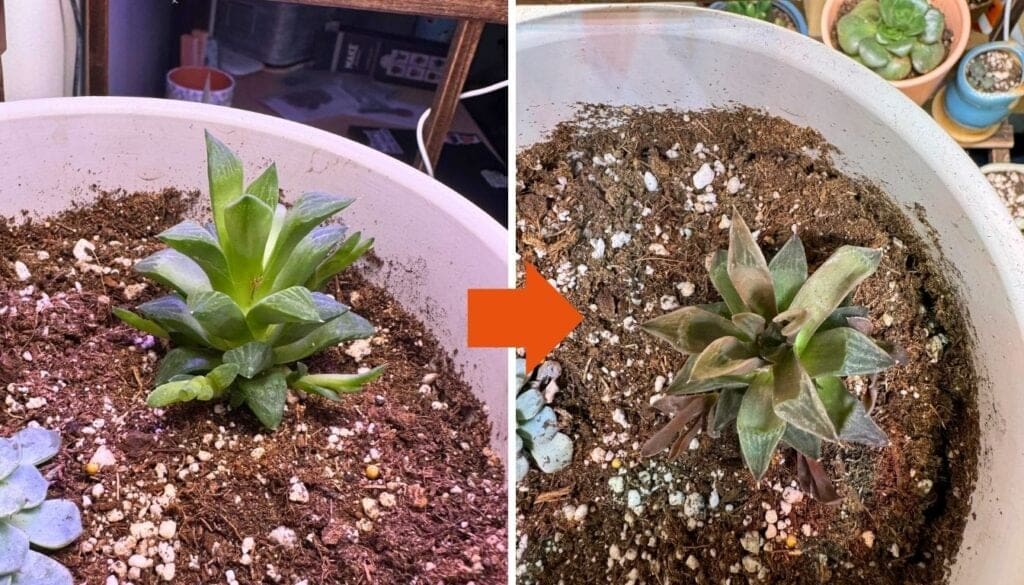
One of the first things I notice is that the leaves turn yellow or an unusual color. If you’ve ever seen leaves losing their vibrant green, it might be a cry for help. This color change tells us they’re getting too much water.
Sometimes I even spot brown, mushy spots, and that’s a red flag.
These spots remind me of bruises. Leaves should be firm but not mushy. If they become translucent, it’s time to cut back on watering.
Soggy or Swollen Leaves
Have you ever touched a leaf that felt squishy or bloated? That’s a sign of overwatering.
This happens because the plant is absorbing more water than it can handle. Leaves can look puffy and too full.
When I notice leaves fall off easily, I know there’s a problem. Healthy leaves should stay on the plant. A quick jiggle of the plant can show me if it’s overwatered because loose leaves are a big hint.
Root Rot Symptoms
Root rot is like a sneaky enemy lurking beneath the surface. The roots get mushy and give off a bad smell.
Sometimes I can smell the rot even before I see it. 😮 Healthy roots should feel firm—not slimy or dark.
If I’m not sure, I gently wiggle the plant out of its pot and check. This gives me a real look at how the roots are doing.
If they’re struggling, it’s time to let the soil dry out and give those roots a breath of fresh air.
Signs of Underwatering
When it comes to succulents, underwatering can cause some common symptoms. These signs can help me to know when my plant needs more water to stay healthy. Let’s explore what to look out for!
Dry and Wrinkled Leaves
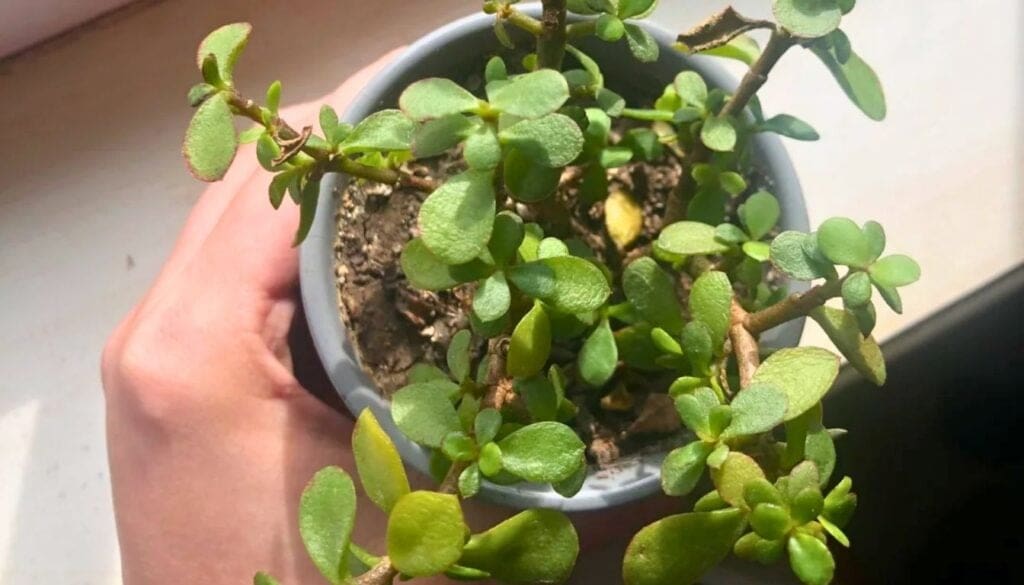
I always start by checking for dry and wrinkled leaves. This is a big hint that my succulent is thirsty.
When leaves don’t get enough water, they lose their plumpness and start to wrinkle. It’s like seeing my hands get wrinkly after spending too much time in the pool… but in a drier way! 🌵
If I notice this, I try giving my plant a drink. But I’m careful not to overdo it!
The top inch of soil should dry out before the next watering. Using my finger to test the soil is a great trick! It’s simple and saves my plant from getting too much or too little water.
Slow Growth or Dormancy
Is my succulent having a lazy day? Slow growth or seeming dormancy can be another clue.
When they’re not getting enough water, my succulents might start acting like they’re on a break. I do love a good nap myself, but I know my plant shouldn’t be napping all the time!
This doesn’t mean they’re unhappy, just a bit under-hydrated.
I might notice fewer new leaves forming or my plant looking like it’s taking a vacation. Giving a gentle, consistent watering routine can solve this.
Leaf Shriveling and Drop
Oops! If I see leaves shriveling up or falling off, it’s definitely time to pay attention.
It’s almost like a crunchy fall day… but that’s not what my succulent needs. Leaves can become brittle and drop if thirsty for too long.
To fix this, it’s best to hydrate the plant gradually, avoiding a flood.
I make sure there’s good drainage, so the roots aren’t sitting in water. A mindfully watered succulent is a happier succulent.
Who knew they could be so picky, just like me when I’m craving the right snack?! 🍂

Watering Techniques for Success
Keeping succulents happy can be simple with the right watering techniques. It’s all about soaking and drying at the right times and adjusting with the seasons. 🌵💧
The Soak and Dry Method
I love the Soak and Dry Method because it’s super effective for succulents. 🌱
This means soaking the soil completely and then letting it dry out before watering again. It’s like giving your plant a good, hearty meal and then letting it digest.
Succulents appreciate the chance to dry out. Keeping them soggy can lead to root rot, and no one wants that, right?
I always ensure the pot has good drainage holes. This way, water escapes easily, preventing the dreaded overwatering.
Remember, a dry succulent is better than a soggy one!
Frequency and Scheduling
When it comes to frequency, it’s essential to listen to your plants. Drench once, dry fully.
How often depends on several factors like climate and pot size.
In hot, dry places, you might water every 1-2 weeks. In cooler spots, every 3-4 weeks might be enough.
I often use a finger test: if the top inch of soil feels dry, it’s time to water.
Keep the timing consistent and don’t let your succulents sit in water! You’re not running a spa. 😄
Keeping a schedule helps in remembering and maintaining consistency.
Seasonal Adjustments
With seasons changing, your watering routine should adjust too!
In summer, when succulents grow more, they’ll need more water.
I watch closely for signs like wilting or wrinkled leaves—my plants’ way of saying they’re thirsty. 🌞
In winter, less is more! Reduce watering since succulents enter a dormant phase and need less hydration.
Respond to their needs, and you’ll see them thrive through the year.
Keep an eye on light changes too, as it affects their growth and watering needs.
Choosing the Right Tools

When it comes to watering succulents, having the right tools makes a big difference. Using a good watering can or moisture meter can help keep your plants just right—neither too wet nor too dry. Let’s dive into some tools that can help us!
Watering Cans and Bottles
I used to think any old watering can would do for my succulents. Boy, was I wrong!
Getting one with a narrow spout is super important. It helps me aim the water right at the base without splashing the leaves. Ever noticed how those big cans just flood everything? Yeah, that’s a no-go!
Additionally, squeezable bottles are my secret weapon. They’re perfect for controlling how much water goes where.
You don’t need to get fancy; even a simple recycled bottle works!
Find tools that offer good control and precision. I like using a mix of cans and bottles to cover all my watering needs.🌱
What’s your favorite watering tool? Let me know!
Moisture Meters
Ever stuck your finger in the soil and thought, “Is it dry or just cool?” It’s tricky, right?
That’s where moisture meters come to the rescue! They’re those handy gadgets you stick in the soil, and boom—they tell you if it’s time to water or not.
Getting a meter with clear readings makes life so much easier.
Some meters have an easy-to-read scale, and others light up. Either way, they help me avoid the guesswork.
I always feel like a plant whisperer with these!
If you’re like me and have tons of plants, it’s a game-changer. Just stick it in, and you’re good to go! 🌵
Anyone else use a moisture meter, or am I the only one nerding out over this?
Pot Selection and Drainage
Picking the right pot for my succulents can feel like choosing a home. It needs to be just right! 🌿
A pot with a drainage hole is a must-have. Without it, water gets trapped, which isn’t great for my plants.
I like to use terracotta pots. They breathe pretty well, allowing moisture to escape faster.
This helps avoid overwatering.
Plastic pots can work too, but I have to be extra careful not to water them too much since they hold moisture longer.
Got a cute pot without a hole? No worries! I drill one myself or double-pot.
I place a smaller pot with drainage inside the decorative one. Sneaky, right? 😄
The size of the pot matters. My succulents don’t enjoy swimming in large containers. A snug fit keeps the soil from staying too wet.
If in doubt, I go for a pot just a bit bigger than the root ball.
When it comes to soil, I stick with a well-draining mix. Regular potting mix can be too heavy.
I prefer adding perlite or pumice. It improves drainage and keeps my succulents happy.
Ever wonder about using rock layers at the bottom? I used to think they help with drainage.
It turns out, they don’t do much. Stick with a hole, and I’m good to go. 😊
How about you? What pots have you used for your succulents?
Troubleshooting Common Watering Mistakes

Oops! Did I just drown my succulent, or did I forget to water it all month? 🌵
Let’s dive into some common watering blunders because we’ve all been there.
Wilting Leaves: If your succulent’s leaves are wilting, it might be begging for water. Give it a good drink, waiting until the soil is completely dry before watering again.
Too often? Maybe it’s getting waterlogged! 😬
Mushy Stems: Oh no, mushy stems can mean too much love!
If I’ve overwatered, I’ll let the soil dry out. I might even need to repot in dry soil if it’s really soggy.
Leaf Drop: When leaves drop dramatically, it might be due to stress.
Check the soil moisture. Too wet, and leaves fall; too dry, and leaves still fall. It’s about balance!
Brown Tips: Brown, crispy tips can mean they’re thirsty or getting a bit of sunburn.
I’ll try adjusting how often I water and maybe move them to a shadier spot. ☀️
I always try to remember the golden rule: water only when needed.
Want to know my trick? I gently touch the soil. If it’s still damp, I wait a few more days.
With some patience and a splash of care, we can keep our leafy pals happy.
Ready to tackle these mistakes and watch your succulents thrive? 😄
Adapting to Your Environment
When it comes to succulents, location is key! 🌵
Do you live somewhere sunny or a bit more shady? Your succulent care should change depending on your environment.
If you’re in a sunny spot, your succulents will probably love it! They thrive with lots of light, just keep an eye out for any signs of sunburn like brown spots.
In a cloudier or cooler place, you might need to get creative.
Move them closer to windows or use artificial grow lights. This gives them the boost they need without inviting a heat wave.
Temperature also affects watering. In warmer places, succulents might need a bit more water.
Just a bit—don’t drown them! 💧
If it’s cooler, they like less. Think of it like a virtual sip of water.
Soil drainage is crucial. Would you want to stand in soaking wet shoes all day? I didn’t think so!
Use soil that drains well. If not sure, ask at your local garden center!
When it comes to humidity, these plants like it dry.
If you’re in a humid climate, try a small fan to keep the air moving.
Do you have any tricks to manage humidity?
Remember to keep an eye on your succulents. Watch their leaves for clues.
Soft or mushy? You might be overwatering. Dry and crispy? It’s time to give them some love.
Every environment is unique, just like our beloved succulents. 🌿
Adapt your care to keep them happy and thriving!
Maintaining Healthy Succulents

I love the unique beauty of succulents, but keeping them healthy can sometimes be tricky! 🌵
It’s super important to balance watering since that keeps them alive and thriving. Too little water and they wrinkle. Too much? They get mushy! So, let’s keep them happy.
Soil is important. You gotta have soil that drains well. Regular potting soil won’t work.
Try using a cactus mix or adding sand to your soil. This will help avoid soggy roots.
A key thing is light. My succulents love bright spots but not too much direct sunlight.
That means they can sit near a window, but let’s avoid crispy leaves, right?
Check these signs:
- Wrinkly leaves? They’re thirsty.
- Mushy leaves? Too much water.
- Pale color? They need more sun.
When it comes to containers, I like using pots with drainage holes.
It’s like an escape route for extra water! 🌧️
My favorite tip is to use clay pots because they absorb some of the moisture too.
Are you giving your succulents any TLC?
Sometimes, just a small fertilizer boost during their growing season works wonders.
Remember, they don’t need much. Keep the food light so they can digest it easily.
Let’s keep the conversation going. What’s your best tip for keeping succulents happy? Drop it below! 💬
Frequently Asked Questions
Taking care of succulents isn’t too tricky, but knowing when and how much to water can make a big difference.
I’ve answered some common questions you might have about keeping your succulents happy and healthy 🌵😊.
How can I identify if my succulent has been overwatered?
You can spot an overwatered succulent if the leaves look mushy or they start to fall off easily.
Also, a change in leaf color to yellow or translucent is a bad sign. 🙁
What are the signs of an underwatered succulent?
If your succulent’s leaves are shriveled and feel dry to the touch, it might be thirsty.
They can become crispy or start to curl. It’s like they’re begging for a little drink! 💧
How often should I be watering my succulents?
Generally, I water my succulents about every two weeks.
It’s better to wait until the soil is completely dry before watering again.
Remember, they like it dry, not soggy!
Can you show me what an overwatered succulent looks like through pictures?
Pictures can really help! While I can’t show images directly here, try searching online or on social media.
Search for ‘overwatered succulent’ and you’ll find lots of examples. 📸
What steps should I take to revive a succulent that’s been overwatered?
First, stop watering it. Remove it from the wet soil and let it dry out for a few days.
After that, repot it with fresh, dry soil. It’s like giving your plant a fresh start.
Is there a simple method to ensure I’m neither overwatering nor underwatering my succulents?
Here’s a simple trick: Stick a wooden skewer or chopstick into the soil. If it comes out dry, it’s time to water. If it’s damp, wait a bit longer.
Easy, right? Test it out! 😊
Note: Some images in the articles are sourced from Reddit and Other Platforms For Reference Purpose.


