
Best Fertilizer For Spider Plants: How Much, How Often, What Type & More!
Spider plants are among the easiest houseplants to care for, but even the tough ones need a little help sometimes.
If your spider plant’s looking a bit pale, growing slower than usual, or just not making those cute baby plantlets, it’s probably hungry for nutrients.
The best fertilizer for spider plants is a balanced, water-soluble houseplant fertilizer with an NPK ratio like 10-10-10 or 20-20-20, applied at half strength once a month during spring and summer.
That’s the quick answer, but there’s a lot more to the story—like when to skip feeding, which mistakes can really mess things up, and how to tell if you’re actually doing it right.
In this guide, I’ll show you how to pick the right fertilizer, dodge the most common pitfalls, and keep your spider plant’s roots safe.
You’ll also see how watering, light, and even repotting team up with feeding to keep those iconic striped leaves looking their best.
Please note: Simplify Plants is reader-supported. As an Amazon Associate, I earn from qualifying purchases made by our readers with no extra cost added to you all! Some links in the post are affiliate links and I get a commission from purchases made through links in the post.
Why Fertilizing Spider Plants Matters
Spider plants can get by without fertilizer, sure, but they won’t really shine. Giving them the right nutrients keeps their leaves bright green, helps them grow faster, and encourages those fun little baby plantlets.
Benefits of Fertilizing Spider Plants (And What Happens When You Do It Right)
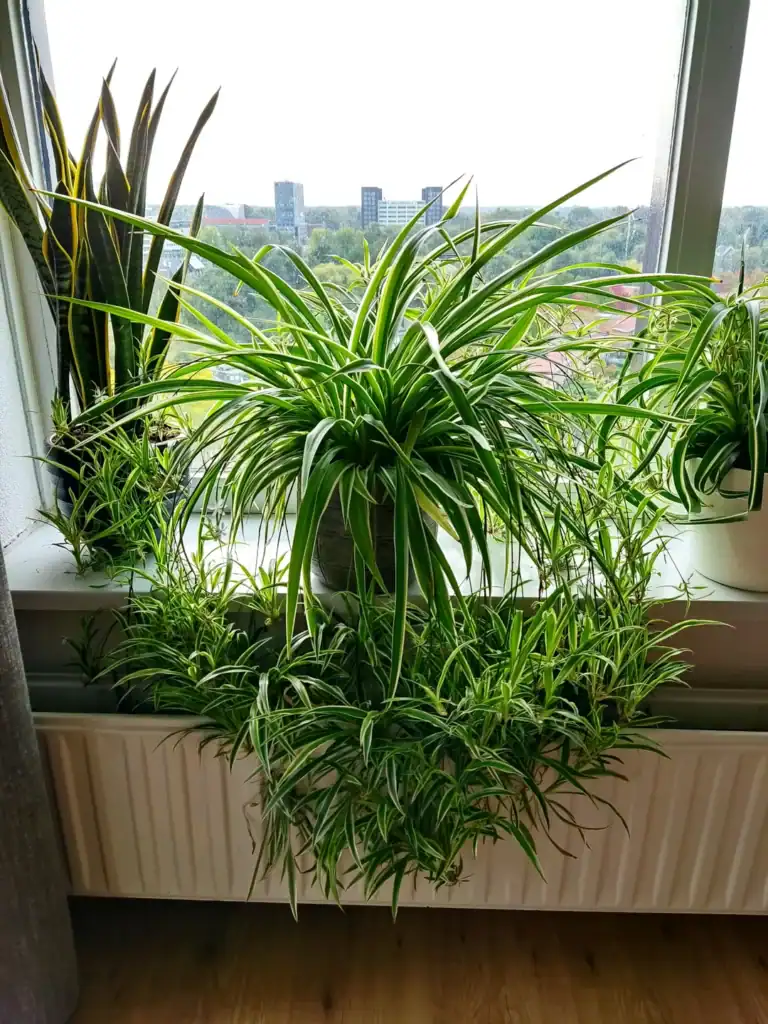
Whenever I fertilize spider plants regularly, I notice they perk up and just look better overall. The leaves stay a deep, lively green instead of fading to yellow or pale shades.
Well-fed spider plants also tend to crank out more offshoots—perfect for sharing with friends or growing your collection. Fertilizer for spider plants strengthens their roots too, so they soak up water better and stay anchored in the pot.
You’ll see fuller, thicker growth instead of those thin, straggly leaves. Plus, plants with enough nutrients just handle stress better. They bounce back faster if they dry out or catch a cold draft.
Quick Tip: If your spider plant’s sending out long stems with lots of baby plants, that’s a good sign your fertilizing routine’s on point.
Nutrient Needs and Deficiency Signs (What Your Plant Is Trying To Tell You)
Spider plants mainly need three nutrients: nitrogen for leaf growth, phosphorus for roots, and potassium for all-around health. They also want a bit of iron, magnesium, and other small stuff.
If you don’t fertilize spider plant enough, older leaves start turning yellow or brown at the tips. The whole plant can look washed out, and it’ll just stop making new offshoots.
Sometimes brown leaf tips mean you’ve overdone it—salt from too much fertilizer can build up, so it’s all about balance. Burnt or crispy edges? That’s usually a sign you’re pushing it too far.
Quick Tip: Yellowing leaves near the bottom often mean your plant is robbing nutrients from old growth because it’s not getting enough from the soil.
How Plants Use Fertilizer (The Simple Science Behind Feeding)
When I add fertilizer for spider plants, it dissolves in the soil, and the roots soak up those nutrients with water. The plant moves them up to where they’re needed most—usually the new growth up top.
Nitrogen heads straight to the leaves, helping build proteins and chlorophyll. That’s what keeps them green and able to make food. Phosphorus is more about the roots and those baby plantlets.
Fertilizing spider plants in spring and summer gives them a boost when they’re growing fast. They slow down in fall and winter, so they don’t need much extra food then.
Nutrients don’t hang around forever. Plants use them up or they get washed out when you water, which is why you’ve got to feed them regularly.
What Is the Best Fertilizer for Spider Plants?
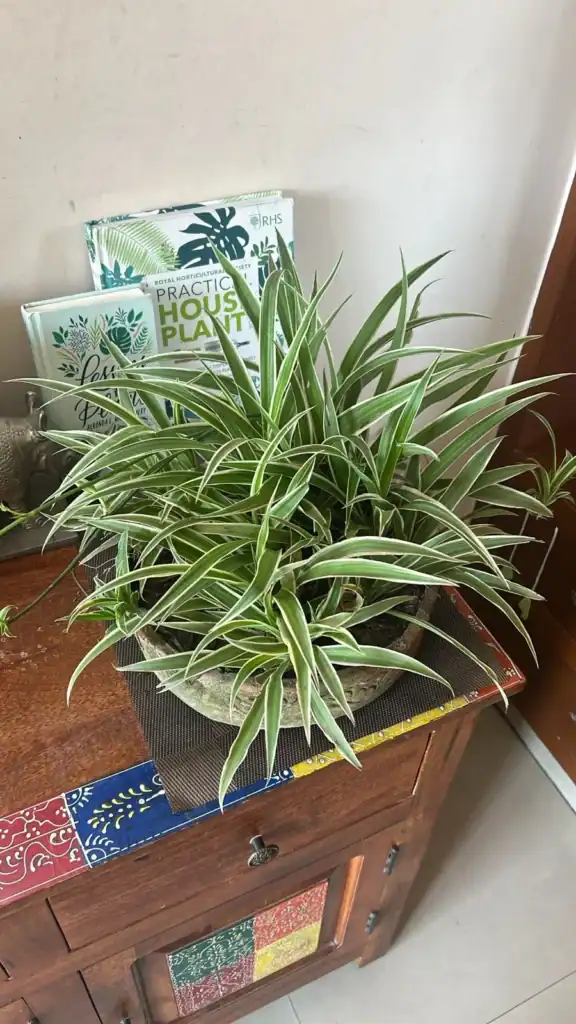
Spider plants aren’t heavy feeders, but the right fertilizer keeps their leaves bright and helps new growth along. A balanced or slightly higher nitrogen formula works well, and you can pick liquid, granular, or slow-release types depending on what fits your style.
Understanding NPK Ratios for Spider Plants (And Why They Actually Matter)
NPK ratio tells you the percentage of nitrogen (N), phosphorus (P), and potassium (K) in any fertilizer. For spider plants, I stick with a balanced ratio like 10-10-10 or 20-20-20. Equal parts of each nutrient support healthy leaves without going overboard.
Nitrogen gives you lush, green foliage. Phosphorus helps with roots—handy if you’re propagating babies or repotting. Potassium keeps the plant strong and helps it handle stress.
Sometimes I’ll use a slightly higher nitrogen formula, like 3-1-2, to push more energy into leaf growth. Just don’t use anything loaded with phosphorus—these plants rarely flower indoors anyway.
Quick Tip: Avoid high-nitrogen lawn fertilizers—they can really burn spider plant roots.
Top Store-Bought and Organic Fertilizer Options (That Won’t Break the Bank)

My favorite store-bought picks are Miracle-Gro Indoor Plant Food (1-1-1) and Jack’s Classic All Purpose (20-20-20). They dissolve easily and work great at half strength every 2-4 weeks in spring and summer.
For organic options, fish emulsion, worm castings, and compost tea are solid choices. Fish emulsion smells a bit funky, but it’s gentle and won’t shock your plant. Worm castings can go right into the soil or get brewed as a tea—they feed slowly and improve the soil too.
Some folks swear by diluted liquid kelp for trace minerals. I’ve had decent luck mixing it with fish emulsion for a more complete organic feed.
Quick Tip: Organic fertilizers are milder, so you might need to apply them a bit more often than synthetics.
Liquid vs. Granular and Slow-Release Fertilizers (Choosing What Fits Your Style)
Liquid fertilizers are my go-to for spider plants. You just dilute them in water and use them during normal watering—gives you lots of control over strength and timing. They work fast, and you’ll usually see results in a few weeks.
Granular fertilizers sit on the soil or get mixed in. They release nutrients as you water, but they’re harder to dose right for potted plants. I don’t use them much for spider plants since it’s easy to overdo it.
Slow-release pellets like Osmocote stick around for 3-6 months, which is handy if you travel or forget to fertilize. Just push a few into the soil and water as usual. They’re convenient, but you can’t really adjust if your plant starts showing signs of overfeeding.
Quick Tip: In winter, spider plants take a break—stop fertilizing from November through February to avoid salt buildup.
How to Fertilize Spider Plants
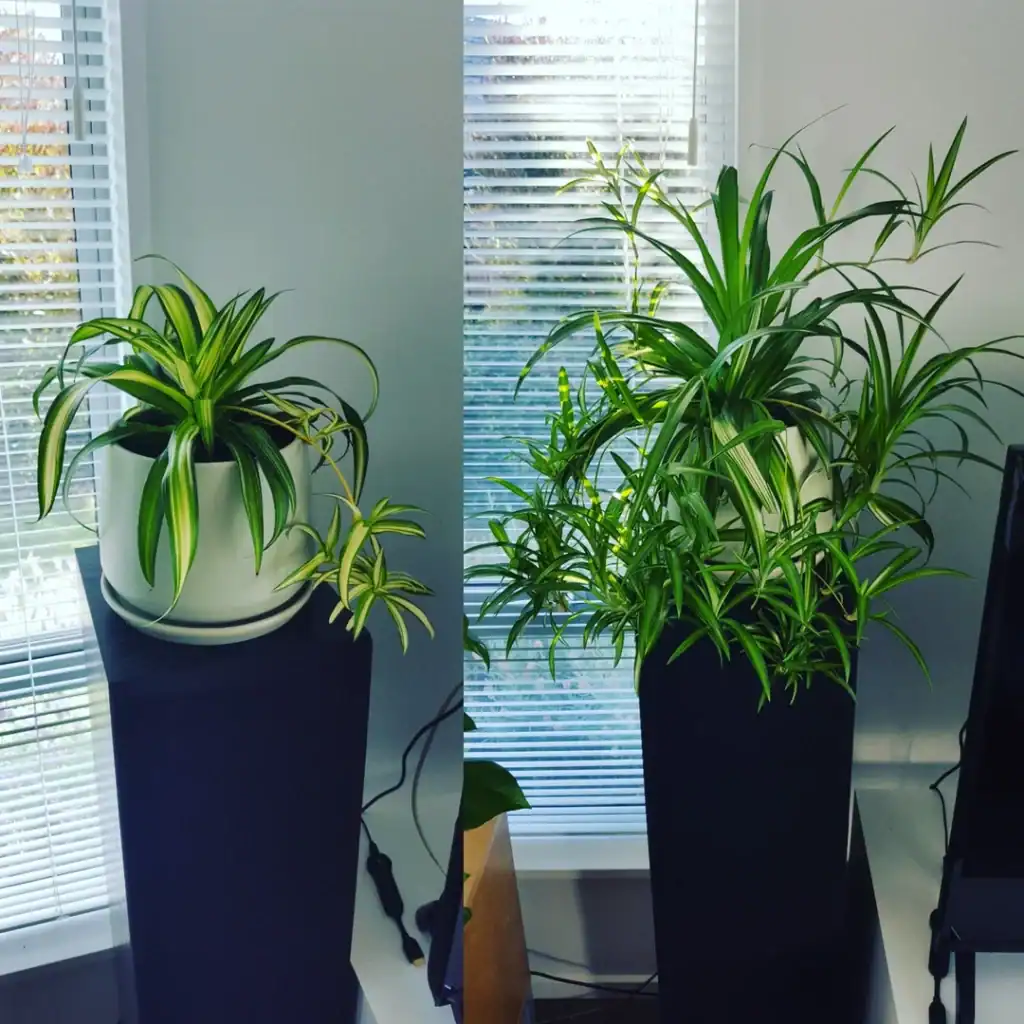
Getting the dilution right and using a good method will keep your spider plant happy without risking root damage or burned leaves.
Diluting Fertilizer Correctly: Why Half-Strength Is Your Best Friend
I always go with half the strength listed on the fertilizer package. Spider plants just don’t need a ton of food, and full-strength stuff can build up salts in the soil that hurt roots over time.
Mix the diluted fertilizer in a watering can before you use it. If the label says one teaspoon per gallon, I’ll use half a teaspoon. It gives steady nutrition without overwhelming things.
Quick Tip: Room-temperature water’s best for mixing—cold water can shock the roots.
For liquids, I shake the bottle, measure carefully, and stir it well. With granular types, I make sure to dissolve them completely before watering—any leftover particles can burn the roots.
Application Methods and Tips: Liquid Versus Granular Options
Liquid fertilizer’s easier to control and spreads evenly. I pour the diluted mix right onto the soil until water drains from the bottom.
Try not to get fertilizer on the leaves or in the crown. If I splash some by accident, I just wipe it off with a damp cloth.
Granular fertilizers release nutrients more slowly. I’ll sprinkle a small amount on the soil and water thoroughly to help it soak in. This way takes longer to show results, honestly.
Quick Tip: Fertilize after regular watering so nutrients reach moist roots—it’s safer for the plant.
I stick to fertilizing spider plants during their main growing season—spring through early fall. In winter, I just let them rest.
How to Avoid Fertilizer Burn: Spotting the Warning Signs Early
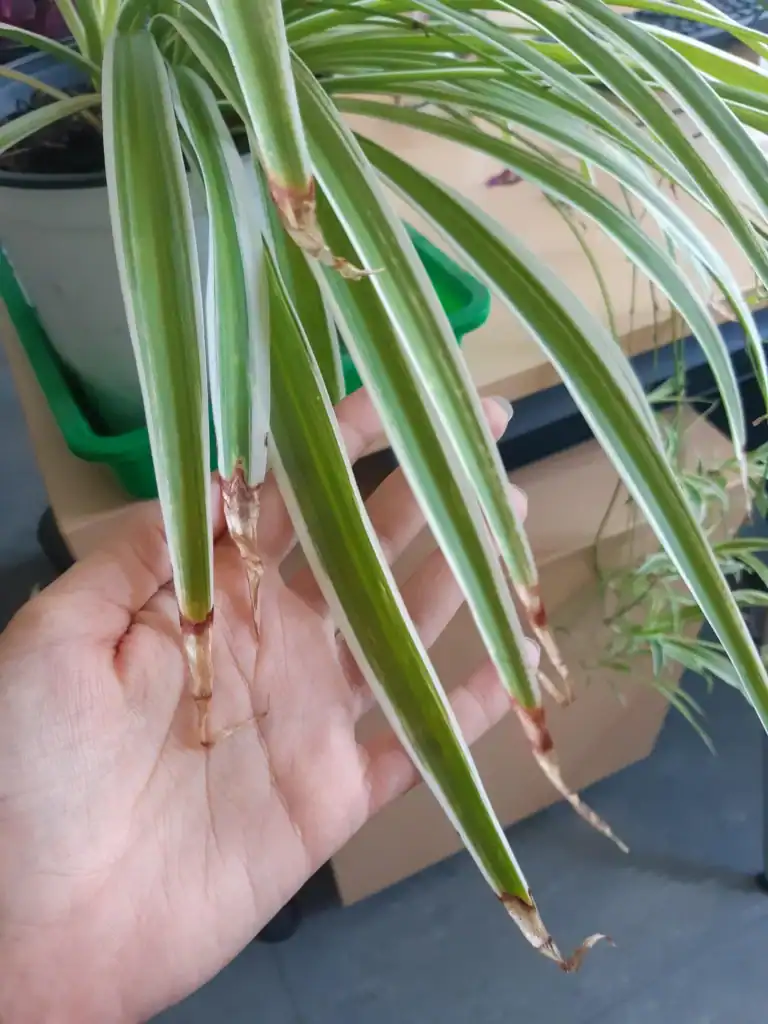
Fertilizer burn looks like brown, crispy tips or edges on the leaves. It happens when salt from fertilizer builds up and pulls moisture away from the roots.
If I spot this, I stop fertilizing right away and flush the soil. I’ll run plain water through the pot for several minutes to wash out extra salts. Make sure the water drains out the bottom.
Quick Tip: Water your spider plant the day before you fertilize—hydrated roots handle nutrients much better.
I keep an eye out for yellowing leaves or stunted growth too. Those can mean too much fertilizer or a buildup problem. Flushing the soil every few months helps, especially if you use tap water.
Never fertilize a spider plant that’s stressed, freshly repotted, or sick. Wait until it’s bounced back and showing new growth.
How Much and How Often to Fertilize
Spider plants don’t need tons of food, but they do appreciate regular, light meals during their active growth periods. I’ve found that half-strength fertilizer once a month in spring and summer works best, while backing off in fall and winter keeps roots healthy.
Recommended Fertilizer Dosage (Less Is Actually More for Happy Roots)

I always go with half the amount listed on the label. Spider plants are pretty sensitive to mineral salts, and full-strength fertilizer can cause those annoying brown tips.
For liquid fertilizers, if it says 1 tablespoon per gallon, I just use half a tablespoon. Balanced formulas like 10-10-10 or 20-20-20 work well.
With granular types, I sprinkle about half the recommended amount on the soil and water it in really well.
Quick Tip: If you’re unsure, feed less—you can always add more next month, but you can’t take it back once it’s in the soil.
Fertilizing Schedule by Season (Your Plant’s Appetite Changes Throughout the Year)
Spring and summer are when spider plants grow the most and make the most babies. I fertilize mine every 3-4 weeks from March through August.
Once fall hits and growth slows, I cut back to every 6-8 weeks from September to November.
In winter, I stop fertilizing completely from December through February. The plants are basically dormant and don’t need the extra nutrients.
Quick Tip: Set a reminder on your phone or calendar so you don’t accidentally feed during winter.
Adjusting Frequency for Growth and Dormancy (Watch Your Plant, Not Just the Calendar)
I like to watch what my spider plant’s actually doing. If it’s putting out lots of new leaves and spiderettes, I stick to every 3-4 weeks.
If growth slows—even during growing season—I stretch feedings to every 5-6 weeks. Less light means slower growth and less need for nutrients.
Plants in bright, indirect light near a window grow faster, so they can handle regular feeding. Ones in shadier spots don’t need it as often.
If I notice brown or crispy tips, I’ll flush the soil with plain water and skip the next feeding. That helps get rid of built-up salts from fertilizer.
Common Fertilizing Mistakes and How to Avoid Them
Spider plants are pretty forgiving, but even they have limits when it comes to feeding. Too much fertilizer can burn their roots, while too little leaves them pale and stunted.
Over-Fertilization Symptoms (And Why Your Spider Plant Is Crying for Help)
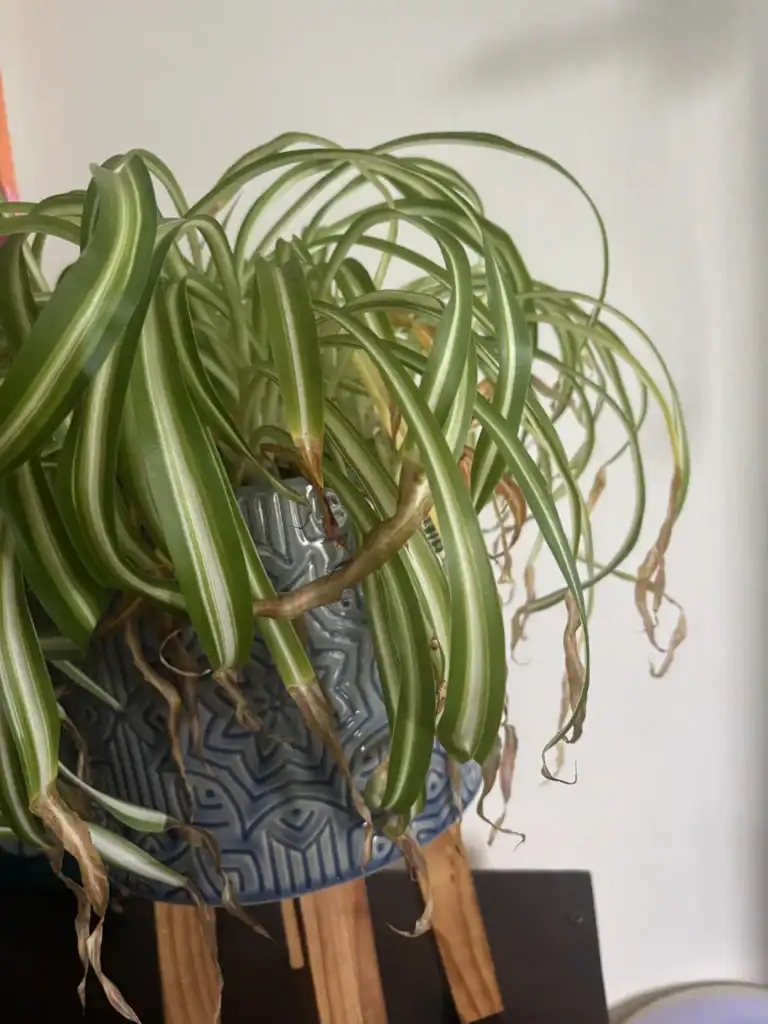
I’ve seen a lot of spider plants suffer from overzealous feeding. The most obvious sign? Brown, crispy leaf tips that creep down the blade.
Sometimes you’ll notice a white, crusty buildup on the soil surface—that’s salt from excess fertilizer. The roots can turn brown or black and feel kind of mushy if you check them.
Leaves might look darker green than usual, but growth just… stops. Some spider plants even refuse to make babies when they’re overfed, which is honestly kind of a bummer.
Quick Tip: If you spot these symptoms, flush the soil with plain water three times, letting it drain completely between each rinse.
Cut back your fertilizing schedule to once every 6-8 weeks instead of monthly. I always dilute my fertilizer to half strength for spider plants—they really don’t need much.
If the damage is severe, go ahead and repot in fresh soil. Skip the fertilizer for at least two months to let your plant recover.
Dealing with Under-Fertilization (When Your Plant Looks a Little Too Pale)
Under-fertilized spider plants just look tired. The leaves turn pale green or even yellowish, especially on the newer growth.
You’ll notice slower growth overall, with smaller leaves than you’d expect. Sometimes the plant stops making those adorable plantlets altogether.
Older leaves might yellow and drop off more quickly. The whole plant just looks a bit weak and lacks that lively, healthy vibe.
Quick Tip: Start with a diluted liquid fertilizer at quarter strength and work up to half strength over a month.
Feed every 2-3 weeks during spring and summer when your spider plant is actively growing. I like balanced liquid fertilizers that mix easily with water.
Watch for improvement within 3-4 weeks—you should see richer leaf color and new growth perking up.
Spider Plant Care Beyond Fertilizing
Spider plants need the right water, light, and occasional trimming to stay healthy and keep producing those cute baby plantlets.
Watering and Soil Tips: Getting Moisture Levels Just Right
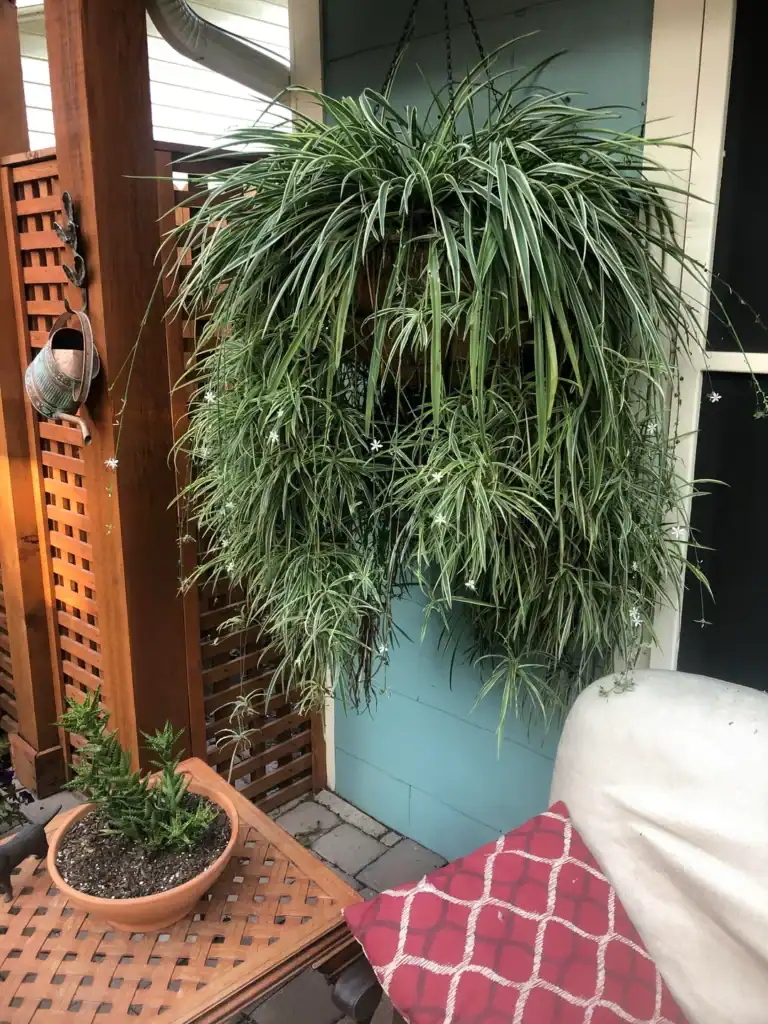
I water my spider plants when the top inch of soil feels dry to the touch. These plants really don’t like sitting in wet soil, so drainage holes are a must.
Overwatering is a common culprit for brown tips and root rot. I stick my finger in the soil first—if it’s still moist, I wait another day or two.
The best soil mix drains well but still holds some moisture. I usually use a standard potting mix or add in a bit of perlite for extra drainage.
Spider plants have thick, tuberous roots that store water, so honestly, they handle a missed watering way better than soggy conditions.
Quick Tip: If your tap water has fluoride or chlorine, let it sit out overnight before watering—spider plants can get brown leaf tips from these chemicals.
Light and Temperature Preferences: Finding the Sweet Spot for Growth
Spider plants thrive in bright, indirect light. I keep mine a few feet from an east or west-facing window so they get plenty of light without the harsh sun.
They can handle lower light, but then growth slows and you get fewer babies. Direct afternoon sun can scorch the leaves and turn them pale or brown, so watch out for that.
Room temperature between 60-75°F is perfect for spider plants. They don’t appreciate cold drafts or temps below 50°F—those can really stunt growth and damage leaves.
Quick Tip: Variegated spider plants (the ones with white stripes) need a bit more light than the all-green types if you want to keep those stripes bright.
Repotting and Pruning Basics: When and How to Give Your Plant a Refresh
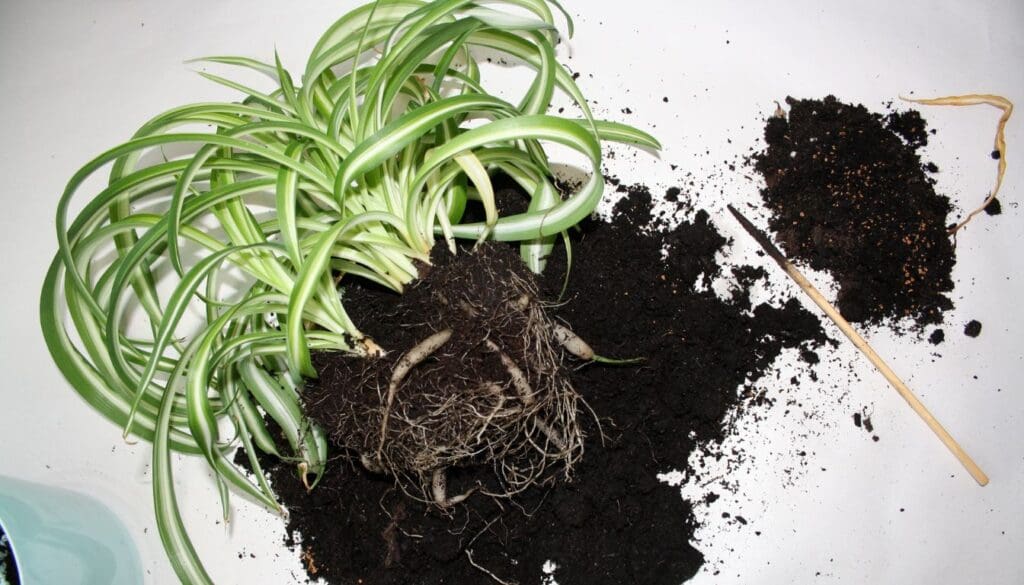
I repot my spider plants every 1-2 years or when roots start poking through the drainage holes. They actually like being a little root-bound, so I only move up one pot size.
Spring is the best time to repot. I gently loosen the roots, trim any dead or mushy ones, and set the plant in fresh soil at the same depth it was growing before.
Brown leaf tips are normal and easy to trim with clean scissors. I cut at an angle to match the leaf shape. If a whole leaf turns brown or yellow, I just pull it out gently from the base.
The baby plantlets (spiderettes) can stay attached or be snipped off for propagating new plants. I wait until they’ve got some little root nubs before removing them.
Quick Tip: If your spider plant gets too big and bushy, divide it during repotting by gently pulling apart sections with roots attached—you’ll end up with multiple plants.
Tips to keep in mind while fertilizing your spider plant
Always water your spider plant before you fertilize it. Dry soil can burn the roots, and that’s how you end up with brown tips and sad leaves.
I recommend diluting liquid fertilizer to half the strength shown on the bottle. Spider plants don’t need much food, and too much causes more harm than good.
Quick Tip: If you see white crust on the soil surface, flush the pot with plain water to remove built-up salts from fertilizer.
Skip fertilizing during the winter months when your plant slows down. Spider plants take a natural break when there’s less light, so extra nutrients aren’t needed. I usually stop feeding mine from November through February.
Watch for signs that you’re feeding too much—brown tips, yellowing leaves, or leaves that look dull instead of bright green. When I see this, I skip a few feedings and just use water.
Room temperature water works best for mixing fertilizer. Cold water can shock the roots, especially if it’s warm out.
Keep track of when you last fertilized. I mark it on my calendar because, honestly, it’s easy to forget and accidentally overfeed. Most spider plants do just fine with feeding every 4-6 weeks during their growing season.
If your plant sits in lower light, feed it less often. Plants in bright, indirect light use more nutrients than those in dimmer spots.
Frequently Asked Questions
Spider plants need balanced nutrition during their active growing months, and most people wonder about fertilizer types, application rates, and whether stuff like coffee grounds actually helps or just messes things up.
What kind of fertilizer helps spider plants grow best indoors?
I recommend using a balanced liquid fertilizer for indoor spider plants. These dissolve in water and spread evenly through the soil, so the roots can actually use the nutrients.
All-purpose houseplant fertilizers are great for spider plants. Look for something labeled 10-10-10 or 20-20-20, which means equal parts nitrogen, phosphorus, and potassium.
Liquid fertilizers are easier to control than granular ones in pots. Slow-release granules can create “hot spots” in small containers, which might damage the roots.
Quick Tip: Dilute liquid fertilizer to half the recommended strength to prevent those classic brown leaf tips spider plants are so prone to.
What NPK ratio should I look for when choosing a fertilizer for a spider plant?
A balanced NPK ratio like 10-10-10 or 20-20-20 works best for spider plants. Those numbers just mean nitrogen, phosphorus, and potassium in equal parts.
Spider plants don’t need fancy specialty blends. Equal nutrients support healthy leaves, strong roots, and plenty of baby plantlets.
You can also use fertilizers with a bit more nitrogen, like 3-1-2 ratios. Just don’t go too heavy on the nitrogen or you’ll get weak growth and fewer spider babies.
Quick Tip: Stick with balanced formulas unless your plant shows specific deficiency symptoms like yellowing leaves or stunted growth.
How often should I fertilize a spider plant during the growing season?
I fertilize my spider plants once every two to four weeks during spring and summer. That’s when they’re actively growing and can actually use the extra nutrients.
Start fertilizing in early spring as soon as you see new growth. Keep going through late summer, then taper off or stop in fall and winter.
Some people fertilize monthly with full-strength fertilizer, but honestly, I prefer every two weeks at half-strength. It’s gentler and helps avoid salt buildup.
Quick Tip: Skip fertilizing entirely from late fall through winter when spider plants naturally slow down their growth.
How much fertilizer should I use for a spider plant in a pot to avoid burning it?
I always dilute liquid fertilizer to half the package instructions for spider plants. If the label says one teaspoon per gallon, I use half a teaspoon instead.
Spider plants are sensitive to fertilizer salts, which cause those annoying brown tips and edges. Less is definitely more here.
For a typical six-inch pot, I mix about one-quarter teaspoon of fertilizer in a gallon of water. Smaller pots need even less concentrated solutions.
Quick Tip: Water your spider plant with plain water between fertilizer applications to flush out any salt buildup from the soil.
Are coffee grounds a good fertilizer for spider plants, or can they cause problems?
Coffee grounds can actually cause more problems than benefits for spider plants. Fresh grounds are too acidic and can lower the soil pH too much, which spider plants really don’t like.
Spider plants prefer slightly acidic to neutral soil, around 6.0 to 7.0 pH. Adding coffee grounds regularly can push the pH down to 5.0 or lower, blocking nutrient absorption.
Used coffee grounds also stay wet for a long time and can attract fungus gnats. They don’t break down quickly in pots, so you end up with drainage issues.
If you want to use coffee grounds, add only a thin layer of fully composted grounds once every few months. Even then, I’d rather stick with proper fertilizer that won’t mess with the soil chemistry.
Quick Tip: Save coffee grounds for outdoor garden beds instead of using them on houseplants in containers.
Can I use a homemade or natural fertilizer on spider plants, and which options are safest?
Absolutely, you can use natural fertilizers on spider plants—I’ve done it myself and honestly, they’ve thrived. Diluted compost tea and worm casting tea are both pretty safe bets, and I’ve seen great results with them.
If you’re curious about compost tea, it’s pretty straightforward. I just steep a handful of finished compost in about a gallon of water for a day, then strain it out.
This gives you a gentle liquid fertilizer that’s unlikely to burn your spider plant’s roots. It’s mild, which is kind of reassuring if you’re worried about overdoing it.
Worm castings are another favorite of mine; they’re even gentler and packed with those good microbes. You can just mix a tablespoon straight into the top inch of soil, or make a tea out of them the same way as compost.
Some folks swear by diluted fish emulsion, though I have to say, the smell is not for the faint of heart—especially indoors. If you go this route, I’d recommend using it at about a quarter of the suggested strength.
Quick Tip: No matter which natural fertilizer you pick, it’s smart to start at half strength. Just see how your plant reacts before you get too enthusiastic with the amount.
Note: Some images in the articles are sourced from Reddit and Other Platforms For Reference Purpose.


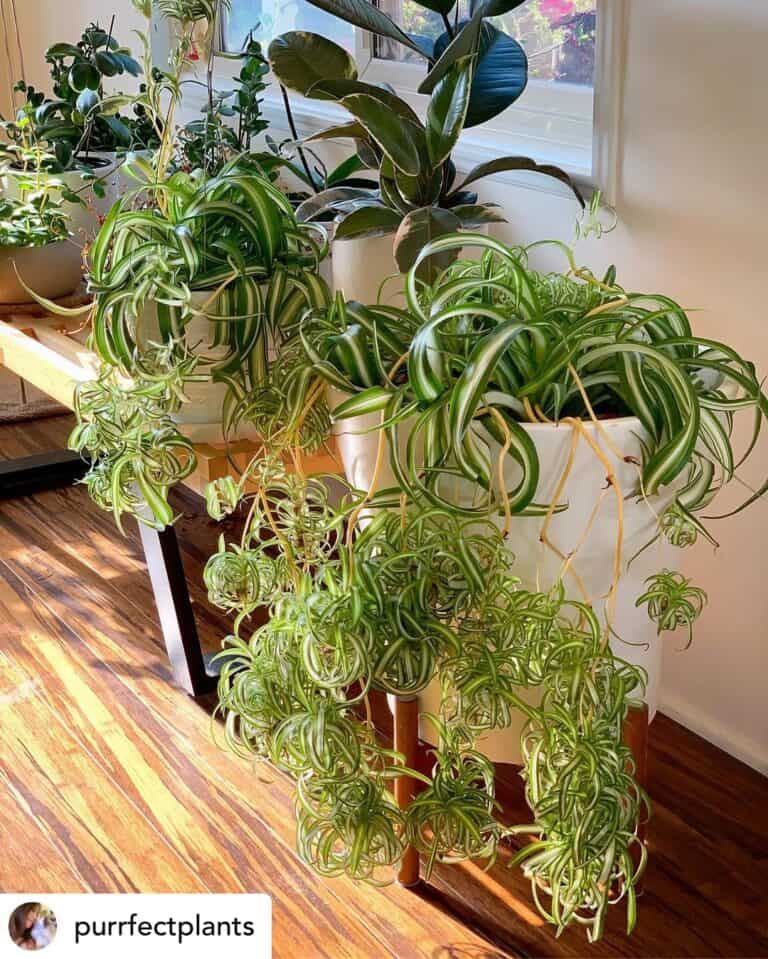



My Spider plant is large and mature and has LOTS of “babies”(?) Should I remove some and plant in new pots ?
Absolutely! You can gently remove the “babies” (also called spiderettes) and pot them up separately. It’s a great way to grow new plants and keep your main plant healthy. Happy gardening!