13 Best Statement-Making Houseplants With Big Leaves
There’s just something about big-leaf houseplants that totally transforms a space, right? They bring in this lush, lively vibe that makes any room feel more inviting and fresh.
Pick the right plant with those dramatic, oversized leaves and suddenly you’ve got a natural focal point that draws everyone’s eye.
In this guide, I’ll walk you through some of my absolute favorite statement-making plants. I’ll also share where they fit best and how to help them thrive, plus a few design ideas to really let your greenery shine.
Please note: Simplify Plants is reader-supported. As an Amazon Associate, I earn from qualifying purchases made by our readers with no extra cost added to you all! Some links in the post are affiliate links and I get a commission from purchases made through links in the post.
1) Monstera Deliciosa

The Monstera Deliciosa just oozes tropical style. Those huge, glossy leaves with their funky natural holes? You can’t miss them. They somehow feel both modern and wild, and honestly, they work with almost any decor.
I always put mine in bright, indirect light—direct sun is a no-go since it can scorch the leaves, but too little light and it just sits there sulking. I let the top inch of soil dry out before watering again, just to keep the roots happy.
Warmth and humidity are its best friends. Sometimes I’ll mist it or set up a humidifier, especially in winter. If it starts reaching for the sky, I’ll add a moss pole so it can climb.
Watching new leaves unfurl is honestly one of my favorite things. Each one comes out with its own little quirks—those splits and holes are always a surprise.
If you want a plant that makes a statement but doesn’t demand too much attention, the Monstera Deliciosa is a winner. It’s bold, pretty easygoing, and just makes a space feel more alive.
2) Fiddle Leaf Fig

The Fiddle Leaf Fig is a showstopper, plain and simple. Those big, shiny leaves with that deep green color? They grab your attention the second you walk into the room.
I keep mine near a window with sheer curtains—bright, indirect light is the sweet spot. Too much sun and the leaves can get crispy, so I try to avoid that.
Getting the watering routine right took me a while. I wait until the top inch of soil dries before watering. Overdo it and you’ll see yellow leaves; underwater and they droop. It’s a balancing act, but worth it.
This plant isn’t a fan of sudden changes. Drafts or moving it around too much can stress it out, so I pick a spot and let it settle in.
What I really love is how it adds instant height and drama, even without a lot of extra decor. A single tall fiddle leaf in a plain pot can make a room look so put together.
If the leaves get dusty, I just wipe them down with a damp cloth. It’s a small thing, but it really brings out that deep green shine.
For anyone starting out, I’d go for a young plant with a few solid leaves. Give it some space and patience—it’ll reward you with that signature vertical growth. Even just one can make a small room feel fresh and lively.
3) Bird of Paradise

The Bird of Paradise brings a burst of the tropics indoors. Its big, paddle-shaped leaves fan out in a way that just demands attention, even if it never blooms.
I put mine by a bright window to keep the leaves glossy and growing. It loves lots of indirect sunlight, but too much direct light can burn the edges. I try to keep the soil lightly moist, never soggy, and stick to a consistent watering routine.
This plant thrives with humidity and warmth, so it’s perfect for a sunny living room or even a bright bathroom. If you’re lucky, it might send up those wild bird-like blooms—but honestly, the leaves are enough.
I make a habit of wiping the leaves to keep them looking fresh. A quick rotation every few weeks helps it grow straight.
The Bird of Paradise can get pretty tall, so I give it space to spread out. Its bold, upright shape is always a conversation starter.
If you want a plant that’s both easygoing and dramatic, this is a great pick. It just brings a clean, modern vibe to any spot.
4) Alocasia Polly

Alocasia Polly is such a head-turner. Those arrow-shaped leaves with deep green color and white veins look almost sculpted—definitely brings a modern edge to any space.
It wants bright, indirect light. Too much sun and the leaves burn, but not enough and it starts to droop. I keep mine close to a window with sheer curtains.
This plant loves warmth and humidity, so I mist the leaves or run a humidifier nearby. Dry air can brown the edges, so I watch for that. I water when the top of the soil dries out.
Consistency is key—it doesn’t like being moved or having its routine changed. But when it’s happy, it rewards me with new leaves that look like little works of art.
It’s perfect for desks or small spaces that need a pop of green. Despite the fancy look, it’s not fussy—just wants a bit of attention and the right spot.
5) Rubber Plant
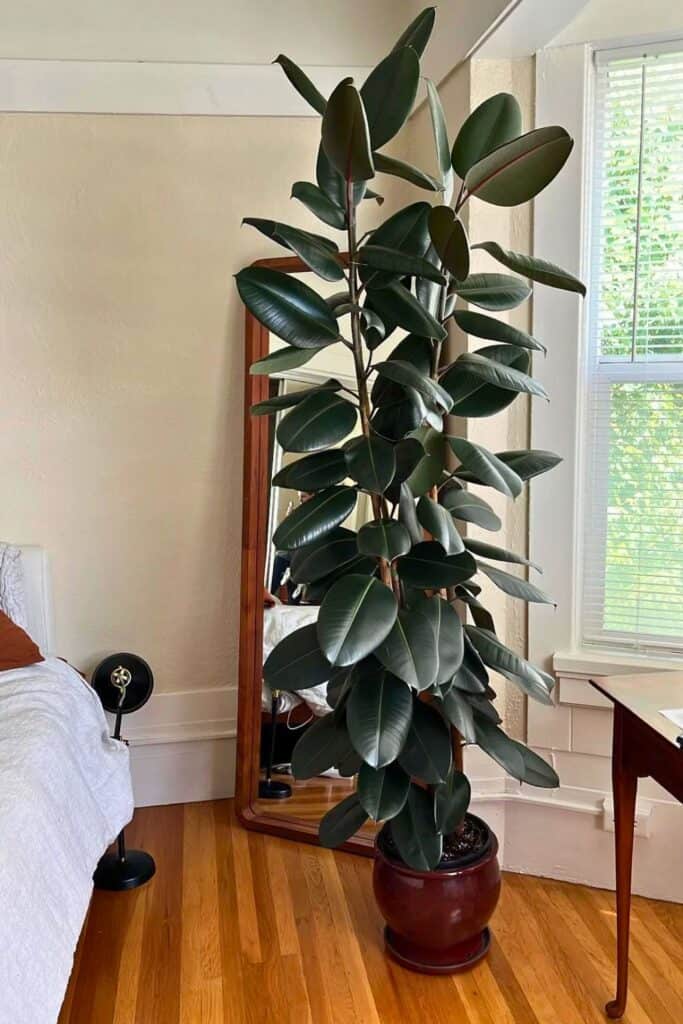
The Rubber Plant is a classic for a reason. Its big, shiny leaves add color and style without much fuss. I love the deep green and burgundy shades—they really pop against lighter walls.
It likes bright, indirect light but can handle a little less if it has to. I usually give it a turn every few weeks to keep it growing straight.
Watering is simple: I wait until the top inch of soil dries before adding more. Overwatering leads to yellow leaves, so I try not to go overboard. Good drainage is a must.
Wiping the leaves keeps them shiny and helps the plant look fresh. If it gets too tall, I’ll trim the top for a bushier shape.
It’s also a solid air purifier, which is a nice bonus. Whether your style is modern or more traditional, the Rubber Plant just fits in. Sometimes I think a single one can totally finish off a room.
6) Elephant Ear (Alocasia Macrorrhiza)

Elephant Ear plants just scream “tropical.” The huge, glossy leaves can completely take over a corner in the best way.
I set mine near a bright window with filtered light so it gets what it needs without burning. It likes moist soil, but I never let it sit in water—good drainage is non-negotiable.
It’s wild how fast it grows when it’s happy. With enough room, Alocasia Macrorrhiza can get seriously big. I like putting it in living rooms or sunrooms where it can really spread out.
Dust can dull those giant leaves, so I wipe them down every so often. Clean leaves just look so much better.
Humidity is important, too. I’ll mist it or use a humidity tray, especially in winter. If the air’s too dry, the leaf tips can brown, so I keep an eye on that.
Once you know its routine, caring for an Elephant Ear isn’t hard. It’s a slow-but-steady grower that adds instant drama and a calm, natural vibe.
7) Banana Plant
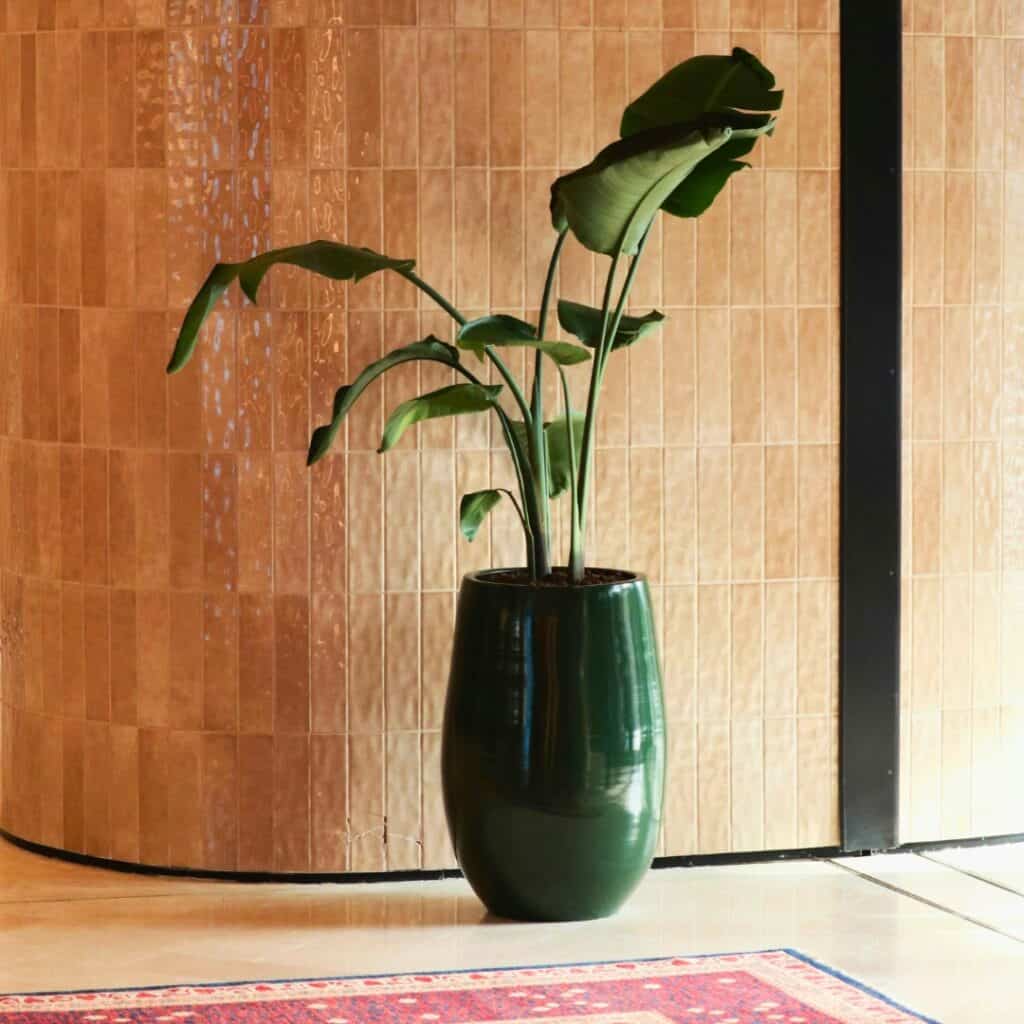
I’m a big fan of banana plants for that bold, tropical look. The huge, paddle-shaped leaves make any room feel warmer and more alive.
A spot by a bright window helps it thrive. These guys love bright, indirect light and need regular watering to keep those leaves looking their best. I keep the soil barely moist—not soggy—since too much water spells trouble for the roots.
What’s great is how a banana plant can totally transform a boring corner. I sometimes move mine around just for fun, and it always makes a room feel new.
They’re happiest in warm, humid spots, so bathrooms or sunny kitchens work well. If the air feels dry, I’ll mist the leaves. Watching new leaves unfurl is always a little thrill and makes me feel like I’m doing something right.
Bigger pots help these plants grow strong since the roots like space. A simple pot with good drainage is all it needs. I also dust the leaves so they can soak up more light.
Once you get the hang of it, caring for a banana plant is a breeze. In return, you get a little slice of the tropics right at home.
8) Philodendron Selloum
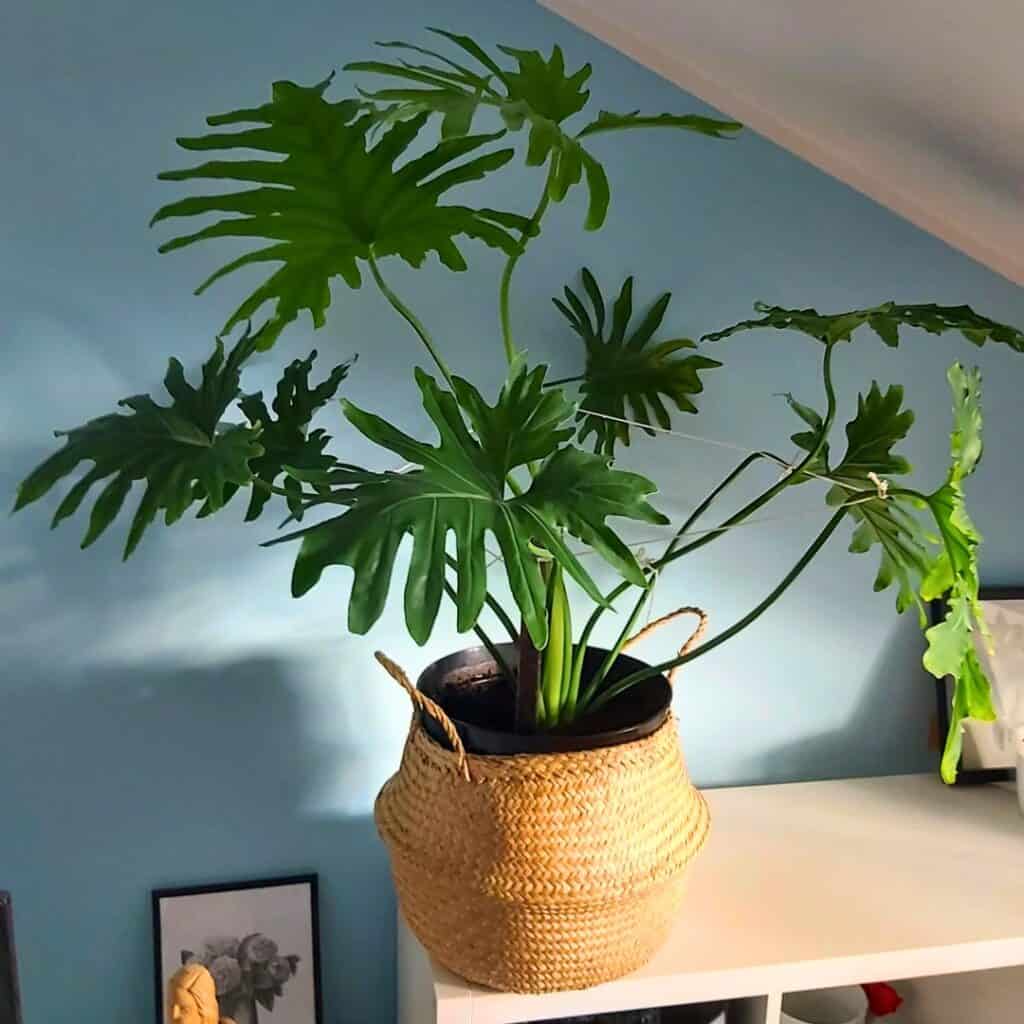
I’m a big fan of Philodendron Selloum—it just has those massive, deeply cut leaves that instantly make a space feel lush. Some leaves can get over two feet long, which is pretty wild for a houseplant and gives off a bold, tropical vibe, even if your room is on the smaller side.
It’s one of those plants that grabs your attention, but somehow still manages to look chill and elegant. I’ve noticed it does best in bright, indirect light, but honestly, it’s more forgiving than most big-leaf plants if the light isn’t perfect.
I keep mine by a window with filtered sunlight and it seems happy all year. Too much direct sun has burned my plant before, so now I just move it if things get too intense.
Philodendron Selloum likes its soil moist but not soggy. I usually water when the top inch dries out—root rot is no joke, so drainage is key. Every so often I’ll wipe the leaves to keep them shiny and help them breathe.
What I really like is how it just fits anywhere. Those dramatic leaves fill up an empty corner, soften sharp lines, and add texture that works with just about any decor.
Whether it’s in the living room or the office, it brings a calm, green vibe you can’t really miss. If you’re after a hardy, statement plant that doesn’t need constant fuss, Philodendron Selloum is a great choice. It’s such a simple way to bring the outdoors in and add some depth to your space.
9) Calathea Orbifolia
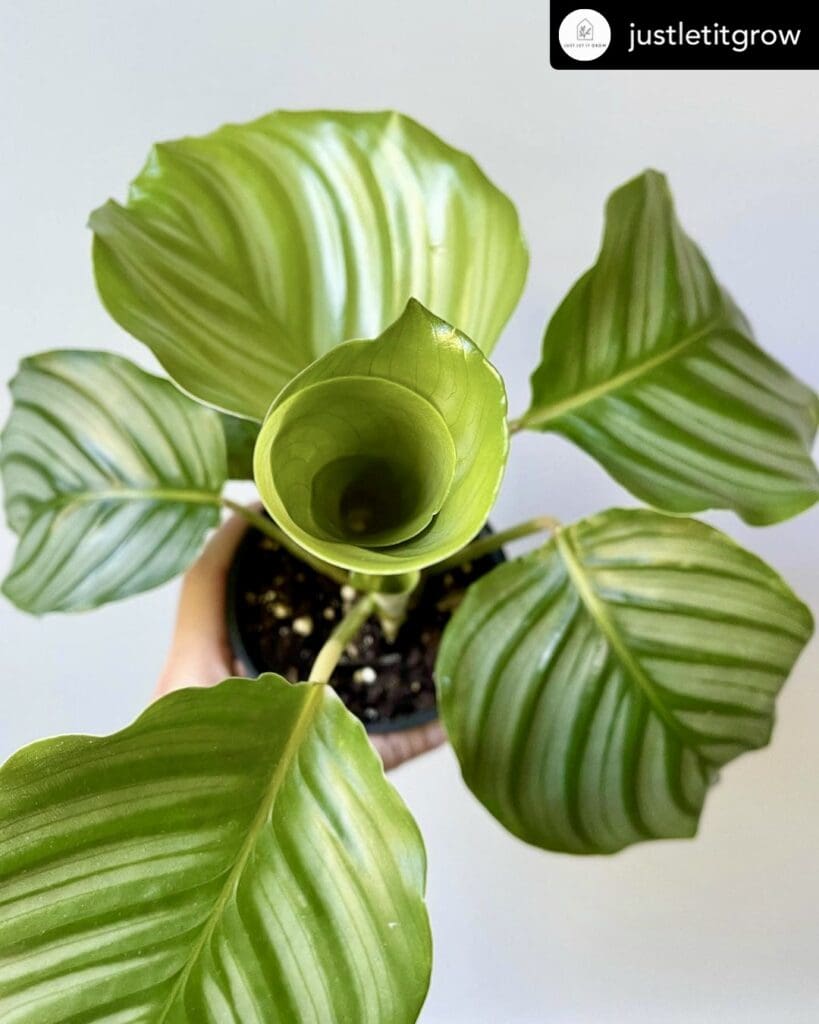
There’s something about Calathea Orbifolia that just lights up a room. Those big, round leaves with bold silver stripes look like something out of an art book.
Even a single plant can really fill a corner with color and texture. It does best in indirect light, so I keep mine a few feet from a sunny window.
Direct sun fades the stripes, so I always make sure the light is soft. The Calathea likes moist soil, but it’s not a fan of soggy roots.
I water when the top inch dries out and always use room-temperature water—cold water just seems to annoy it. High humidity is a must, which can be a little tricky inside.
I’ll mist the leaves a few times a week or run a small humidifier nearby. If the air gets too dry, the leaf edges go brown, so I keep an eye out for that.
It’s a beautiful plant, but honestly, a bit sensitive. It lets me know when it’s unhappy—curling leaves mean it’s thirsty, and droopy ones usually mean too much water.
Learning its signals has made caring for it way easier. Even though it needs a bit of attention, it’s worth it. Those leaves always catch my eye and make the space feel alive. This plant just brings a calm, fresh style to any room.
10) Anthurium Clarinervium
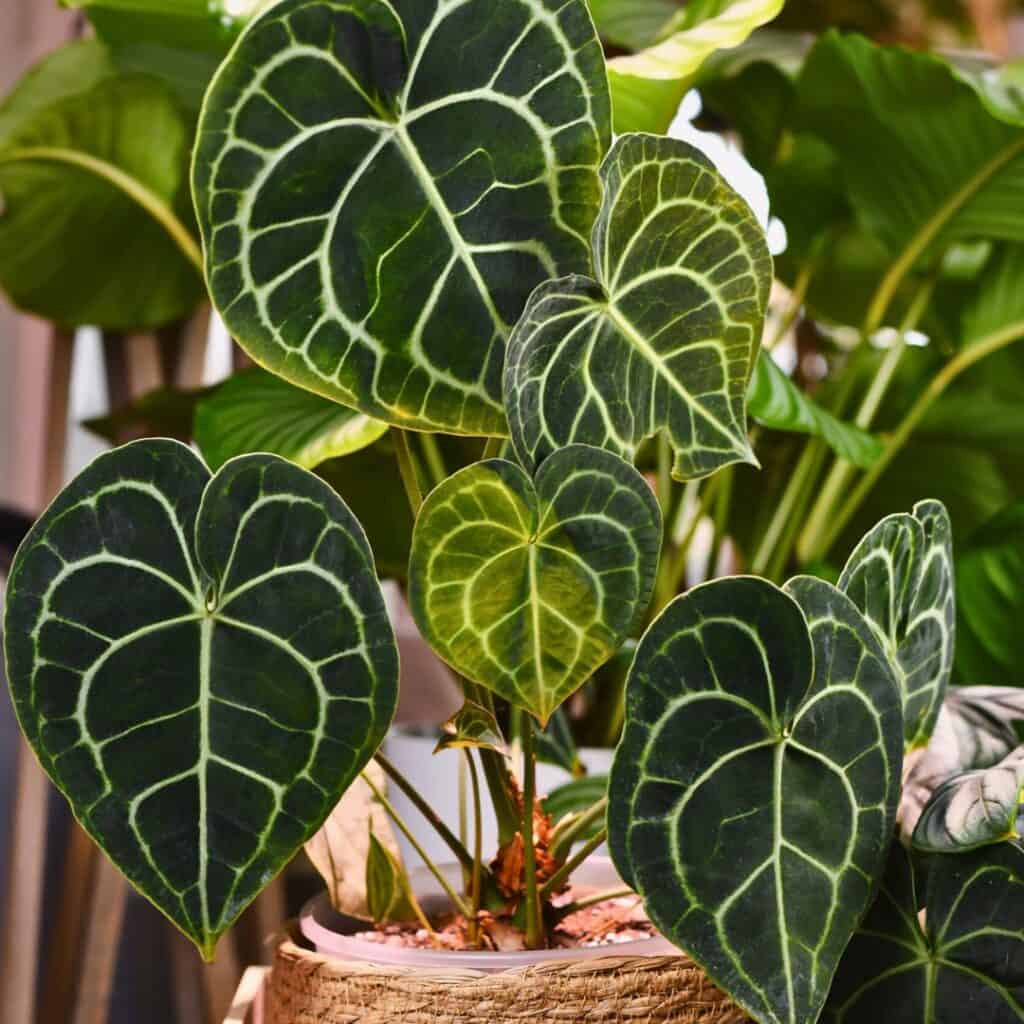
I’m always impressed by how Anthurium Clarinervium stands out. The big, heart-shaped leaves with those striking white veins look almost unreal.
The velvety texture gives it an elegant vibe, but it’s not fussy. This one likes bright, indirect light—I’ve got mine near a window with filtered sun, and it’s thriving.
Too much direct sun can scorch the leaves, so I keep an eye on that. I only water when the top inch of soil feels dry.
Soggy roots are a no-go, so good drainage is a must. I use a chunky mix with a bit of orchid bark for airflow, and it definitely appreciates a little extra humidity.
What’s fun about this plant is how it manages to feel both exotic and easygoing. It’s not the fastest grower, but every new leaf is unique and pretty stunning.
Each leaf lasts for months, so the plant always looks full. I’ve found it really shines in a home office or living room, especially against white walls or wood furniture.
Even one Anthurium Clarinervium can make a simple room feel more designed.
11) Ctenanthe Setosa
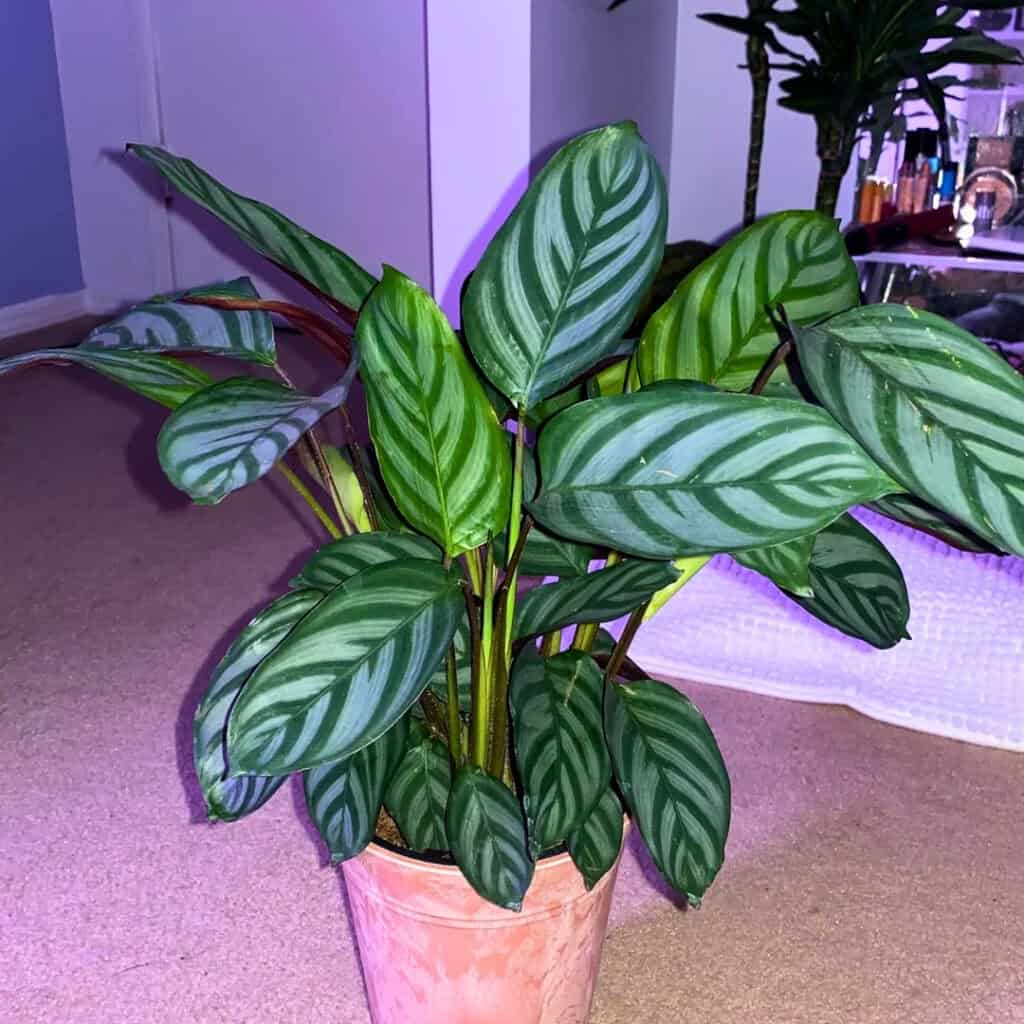
There’s something special about Ctenanthe Setosa, or the Never-Never Plant. The large, oval leaves have bold silver stripes on top and a deep purple underneath—such a cool contrast, especially when the light catches them right.
I keep mine in bright, indirect light near a window with sheer curtains. Too much direct sun fades the patterns, but low light makes the colors dull.
Getting the balance right keeps it healthy and vibrant. This plant also loves high humidity and evenly moist soil.
I’ll mist it a few times a week or set it near a humidifier. Dry air turns the leaf edges brown, so I try to stay ahead of that.
Room temperature between 65°F and 80°F seems to work best. It’s a bit sensitive to cold drafts, so I don’t put it near doors or vents.
Regular watering and a little attention keep it thriving. With those large, patterned leaves, Ctenanthe Setosa makes a subtle but bold statement in my living room.
Even on quiet days, it brings energy and style without being overwhelming.
12) Xanthosoma Roseum
I can’t help but love how Xanthosoma Roseum stands out with those large, soft green leaves and bright pink veins. The color combo is so tropical and instantly cheers up a space.
Every leaf has a heart-like shape that feels elegant but not too flashy. The first time I saw this plant, I was surprised by how quickly it grew once it got enough light.
It likes bright, indirect sunlight and a warm, humid environment—kind of like a greenhouse or steamy bathroom.
Too much direct sun can burn the leaves, but too little and the colors fade. I keep the soil moist but not soggy, watering when the top inch dries out.
It loves a light misting, especially in dry air. Good drainage is a must to keep the roots happy and avoid rot.
This plant can get pretty big, so I give it space to spread. Sometimes I rotate the pot so all sides get light and it keeps a nice shape.
Its lush leaves create an instant focal point—no extra decor needed. With regular care, Xanthosoma Roseum stays vibrant all year.
People always ask about it. I just love how it adds texture and color without taking over the whole room.
13) Schefflera

There’s something about the Schefflera that just brightens a room. The big, glossy green leaves form clusters like an umbrella, making it look really full and lively.
It makes any corner feel fresh and inviting, and honestly, it doesn’t ask for much. This plant does best in bright, indirect light, but it’ll put up with less if it has to.
I try to keep mine near a window with filtered sun. Too much direct sunlight can scorch the leaves, so I stick with gentle light.
I water when the top inch of soil dries out—overwatering is a quick way to trouble, so I make sure the pot drains well.
A regular routine keeps the foliage shiny and strong. The Schefflera can grow pretty tall indoors, adding a nice vertical touch to a space.
I like how it fills empty spots without looking messy. With a little pruning, I can shape it to fit any style.
It also helps freshen the air, which just makes the space feel better. This plant stays lush with minimal care, and honestly, that’s what I love most.
A healthy Schefflera brings simple, natural beauty wherever it grows.
How to Care for Big Leaf Houseplants
I keep my big leaf plants happy by really paying attention to light, water, and humidity. Each one makes a difference in how bold and healthy the leaves look.
When I get the balance right, my plants stay lush and stand out, no matter the room.
Light and Placement Tips
I always try to put my large leaf plants where they’ll get bright, indirect light. Direct sun can scorch the leaves, leaving brown spots that just never really go away.
East or north-facing windows are usually my go-to—they give steady light without being too harsh. If a plant starts looking pale or leans toward the window, it probably needs more light.
But yellowing leaves usually mean too much sun. I use sheer curtains to soften direct light and turn the pot every week so all sides get a shot at the sun.
For darker rooms, I’ll use LED grow lights about 12–18 inches above the plant. A timer is handy to keep things consistent. Good placement and lighting really help those big leaves stay bold and even.
Watering Requirements
I don’t stick to a schedule—I check the soil before watering. Overwatering is probably the most common mistake with big leaf plants since their roots hold a lot of moisture.
I just stick my finger an inch or two into the soil; if it feels dry, it’s time for water. When I water, I pour slowly until some drains out the bottom.
Standing water in trays is a no for me, so I always empty them out. Room-temperature water is best—cold water just seems to shock the roots.
Most large houseplants, like Monstera and Fiddle Leaf Fig, like their soil slightly moist but never soggy. Sometimes I’ll mist the soil lightly between waterings to keep things balanced.
Humidity and Temperature Control
Big leaf plants love moderate to high humidity, usually between 50% and 60%. Dry air can make leaf edges brown or curl, which is always a little sad.
I use a humidifier near my plant cluster or put bowls of water nearby to bump up the humidity. Keeping plants away from drafts, heating vents, and air conditioners is important—they hate sudden temperature swings.
Warm, steady rooms between 65°F and 80°F are best. If the air is dry, I’ll mist my plants in the morning so the leaves dry before night.
Grouping plants together also helps keep humidity up. Consistent humidity and warmth are what keep those big, glossy leaves looking fresh.
Styling Ideas for Statement-Making Foliage
I love using big-leaf plants to set the mood in a room. Where I put them, what I pair them with, even the planter I use—it all changes how bold or relaxed the space feels.
Sometimes, just a simple styling tweak is all it takes for the plant to become a natural focal point.
Arranging in Living Spaces
I usually start by putting the biggest plants somewhere they’ll catch your eye, but not block the sunlight or get in the way. Corners, near windows, or right beside the couch—those spots just seem to work.
Grouping plants of different heights? That’s my go-to for adding some depth. But I always leave enough space so things don’t get messy or crowded.
A tall plant, like a fiddle-leaf fig, can really anchor a room. I’ll cluster smaller ones nearby to keep it balanced.
Honestly, sometimes I just move plants around until the space feels right. It’s a quick way to freshen things up if you’re bored with the layout.
Tip: Make sure each plant gets the light and humidity it needs. Bright corners are perfect for tropicals. Low-light areas? That’s where I put heartleaf philodendrons or pothos (see more here).
Pairing With Other Decor
I love mixing bold leaves with textures and materials that echo their vibe. Soft fabrics, natural wood, and plain walls really let the greenery pop.
If there’s too much pattern in the background, it just fights with the leaves, so I usually keep it simple.
On shelves or tables, I’ll pair a broad-leaf plant with something skinny, like a lamp or a piece of framed art. Contrast makes both stand out.
Sometimes I play with color too—dark green leaves look amazing next to pale neutrals or even a hint of gold.
Lighting’s a big deal. A floor lamp behind a big plant throws cool shadows at night and really shows off the leaf shapes.
Even string lights can make a space feel cozy and warm, if you’re into that.
Choosing Decorative Planters
The right planter gives a plant some personality. I usually go for clean, simple designs—white ceramics, neutral clay pots, or woven baskets. They work with just about any style.
If I want a little more contrast, I’ll pick a textured or colored planter that matches something else in the room, like a pillow or a picture frame. It just ties everything together.
Here’s a quick table showing how planter materials change the feel of a room:
| Planter Material | Style Effect | Best Room Types |
|---|---|---|
| Terracotta | Warm, rustic | Living rooms, patios |
| Ceramic (white) | Clean, modern | Kitchens, bathrooms |
| Wicker or Rattan | Natural, relaxed | Bedrooms, sunrooms |
I always check for drainage holes—no one wants root rot. A good-looking plant deserves a healthy spot to grow.
Frequently Asked Questions
Big, bold leaves do more than just look good—they give a room energy. Some of them need lots of sunlight, others are fine in shadier spots, and a few are even safe for pets. Handy, right?
What are some low-maintenance houseplants with large leaves?
I like Monstera Deliciosa because it grows fast and doesn’t need much fuss. Bird of Paradise is another favorite—just keep the soil a bit moist and give it bright light.
Both look big and fresh without a ton of daily work.
Which big-leaf plants are best for brightening up a living room?
Fiddle Leaf Fig and Swiss Cheese Plant are my top picks. Their tall stems and wide leaves make any space feel more open and lively.
I usually put them near a window so they get plenty of sun.
Can you suggest houseplants with big leaves that are safe for pets?
I stick with Calathea orbifolia and Parlor Palm for my pet-friendly corners. Both have gorgeous leaves and are totally safe for cats or dogs.
What are the top houseplants that can thrive in low light conditions?
Philodendron and Cast Iron Plant are my go-tos for dim rooms. I’ve had them in spaces with almost no sunlight and they still look great.
Their broad leaves stay green even without much sun.
How do I properly care for indoor plants with large foliage?
I wipe the leaves every few weeks to keep dust off. Consistent watering is important, but I make sure the soil never gets soggy.
Most big-leaf plants seem to prefer indirect light instead of direct sun. Just a little attention goes a long way.
What are some exotic, large-leaf plants I can grow indoors?
I’ve really enjoyed growing Alocasia Polly—its dark leaves and those bold veins just stand out. It’s honestly hard not to stare at it sometimes.
Then there’s the Elephant Ear plant, which brings a whole different level of drama to the room. Both plants give my space that tropical, vibrant feel I crave, and I don’t even have to step outside.
Note: Some images in the articles are sourced from Reddit and Other Platforms For Reference Purpose.