9 Ways To Keep Root Rot Away During Winter
I know how stressful it gets when plants start looking a bit sad in the cold months. Winter brings all sorts of extra challenges, and root rot? That’s one of the biggest headaches.
Let’s look at some simple ways to keep your plants healthy and safe from this annoying issue.
I’ve realized that even tiny tweaks in how I water, prep soil, or just pay attention can make a world of difference.
You’ll see—it’s not rocket science. A few easy steps can really protect those roots, stop disease in its tracks, and keep your green friends strong all winter.

Please note: Simplify Plants is reader-supported. As an Amazon Associate, I earn from qualifying purchases made by our readers with no extra cost added to you all! Some links in the post are affiliate links and I get a commission from purchases made through links in the post.
1) Improve soil drainage by adding sand or perlite
I always check that my plants have well-draining soil before winter hits. Poor drainage just keeps water hanging around the roots, which is a recipe for rot.
Mixing in sand or perlite gives the soil more room for water to move through. Perlite is my go-to because it’s so lightweight and blends easily into potting soil.
It creates these tiny air pockets, so roots can actually breathe. I’ve noticed my plants just look better when the soil isn’t soggy all the time.
Adding coarse sand works, too—especially for outdoor beds. It loosens up heavy soil and keeps water from sitting in puddles.
I usually mix sand in with compost, just to balance things out. When I prep my soil like this, I don’t stress as much about overwatering in winter.
The extra drainage really gives me peace of mind and keeps my plants happier.
2) Avoid overwatering; water only when soil is dry

I always check the soil before watering. If the top inch feels dry, then I water. If it’s still damp, I just wait a bit.
In winter, plants slow down and use way less water. So, there’s no need to keep things wet all the time—too much water is a fast track to root rot.
I use my finger to test the soil, or sometimes a basic moisture meter if I’m feeling fancy. Both ways save me from guessing.
Whenever I do water, I make sure the pot drains well. I never let water just sit at the bottom of the saucer—roots sitting in water is just asking for trouble.
Waiting until the soil dries out keeps my plants healthier. It’s a small habit, but honestly, it makes a huge difference in winter.
3) Use raised beds to prevent waterlogging
I like using raised beds in my garden because they keep the soil from getting too soggy. When soil sits lower, water tends to pool, making it hard for roots to breathe.
Raised beds let me control drainage better. By lifting the soil above ground, I can stop waterlogging during those heavy winter rains.
This keeps roots drier and less likely to rot. Plus, no more standing water messing up my plants.
I also find it easier to tweak soil quality in raised beds. I can add compost, sand, or whatever I need to improve drainage.
Raised beds warm up faster when it’s cold, so plants don’t have to sit in chilly, wet soil for long. I swear they just look stronger and have fewer issues.
And honestly, raised beds make it so much easier to reach and check on my plants. I can check soil moisture more often and water only when it’s actually needed.
For me, raised beds just take a lot of the stress out of winter gardening.
4) Apply a fungicide like Thiophanate-methyl if needed

I only reach for fungicide if I spot root rot and watering tweaks aren’t cutting it. It’s not my first move, but sometimes it’s necessary when roots get soft or leaves go yellow.
Thiophanate-methyl is one I’ve used—it targets soil fungi. I always follow the label instructions, since too much can backfire and hurt the plant.
When I apply it, I make sure the soil is moist (not soaked). That helps the fungicide spread without drowning the roots.
Gloves on, hands washed after—safety first, right? If the plant still struggles after treatment, I go back and double-check drainage and watering before reaching for the fungicide again.
5) Ensure pots have drainage holes

I always check that my pots have drainage holes before planting anything. No holes means water just collects at the bottom, which is a surefire way to get root rot.
When I buy a new pot, I flip it over right away. If there aren’t any holes, I’ll drill some myself or just use it as a decorative cover. Water needs an escape route so roots don’t drown.
Plants in pots with good drainage just do better, especially in winter. The soil dries out more evenly, and I don’t have to worry about hidden water building up.
If I really love a pot with no holes, I’ll put a smaller plastic pot (with drainage) inside. That way, the plant gets what it needs, and I still get the look I want.
Good drainage is honestly one of the easiest ways to protect roots. It doesn’t take much, but it goes a long way during the colder months.
6) Mulch with straw to keep soil dry
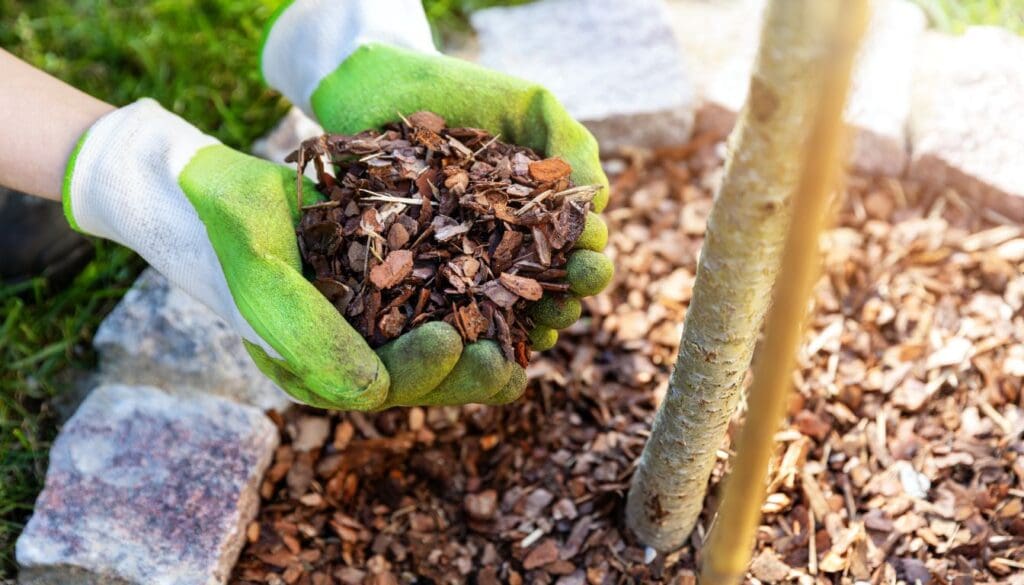
I like to use straw mulch in winter because it helps keep soil from staying too wet. Wet soil is a root rot magnet, so this step really helps.
When I spread a thin layer of straw around my plants, it acts as a little barrier. It helps the soil drain better and stops water from pooling near the roots.
Straw also gives the soil some airflow, which cuts down on fungus. I’m careful not to pile it up against the stems, so the base gets some air.
Plus, straw mulch keeps mud from splashing up on the plants during rain. That keeps lower leaves cleaner and less likely to get sick.
Using straw just feels like a simple, cheap way to protect my plants in winter. It barely takes any time, but it really helps keep the soil balanced and healthier.
7) Remove and discard infected plant parts promptly

When I see soft, brown, or mushy roots, I snip them off right away. Leaving them just spreads the problem.
I always use clean scissors or pruning shears to cut off damaged leaves, stems, or roots. Dirty tools? Not worth the risk—they can spread disease from plant to plant.
After trimming, I toss the infected parts in the trash, not the compost. Composting them can just let the rot come back later.
I wipe down my tools with rubbing alcohol after each cut, just to be safe.
Catching the problem early makes things so much easier. The faster I get rid of the bad parts, the better my plant’s chances through winter.
8) Use resistant plant varieties such as ‘Dragon’s Blood’ succulents
I like picking plants that can handle rougher conditions, especially in winter. ‘Dragon’s Blood’ succulents are just more resistant to root rot than a lot of other types, which makes them a smart choice.
These succulents grow low and spread out, and I’ve noticed they barely need any water. Less water, less rot—simple as that.
They also seem to adapt to different soils pretty well. As long as the soil drains, they stay happy with almost no effort.
When I plant ‘Dragon’s Blood’ succulents, I don’t worry as much about overwatering. Their built-in resistance means my garden still looks good even when the weather’s cold and wet.
Choosing resistant plants like these just saves me time and stress. It’s honestly one of the easiest ways I keep root rot away in winter.
9) Water early in the day to allow soil to dry

I always water my plants in the morning instead of later. That way, the soil has time to dry out before the cold night sets in.
Wet soil overnight just stays damp too long, which is bad news for roots. When I water early, the soil surface dries faster, and the roots stay healthier.
Letting things dry out between waterings is key in winter, when plants are barely drinking.
I also find it easier to check soil moisture in the morning. If it’s still damp, I just wait until the next day.
Avoiding extra water is a big deal for root health. Making morning watering a habit gives my plants a better shot at staying strong through winter.
It’s such a simple step, but it really helps prevent soggy soil and root rot.
Understanding Root Rot in Winter
I’ve noticed root rot gets worse in winter because the soil just stays wet longer, and plants slow down. The problem starts in the roots, but honestly, I usually spot it through changes in the leaves and stems first.
How Cold Weather Affects Soil Moisture
In winter, cold soil drains more slowly. If I water my plants like it’s still summer, the extra moisture just hangs around. That dampness is perfect for fungi to grow and attack the roots.
Reduced sunlight and cooler air mean plants use less water. Roots aren’t absorbing as much, so the soil stays wet way longer.
That’s why I check the soil before watering, instead of sticking to some rigid schedule. One little trick I use is the finger test: stick my finger an inch into the soil. If it feels damp, I hold off on watering.
I always make sure containers have good drainage holes so excess water can escape. Sometimes I even switch to lighter soil mixes in winter—they hold less water and dry out faster, which keeps rot away.
Common Signs of Root Rot
When root rot sets in, roots turn brown or black instead of staying firm and white. I can’t always see the roots right away, so I look for warning signs above the soil.
The most common things I notice?
- Yellowing leaves that drop off easily
- Soft or mushy stems near the base
- Wilting plants even though the soil is wet
There’s usually a smell, too. A sour or rotten odor coming from the soil is a big red flag for root trouble.
If I catch these signs early, I’ll trim damaged roots and repot the plant in fresh, dry soil.
Best Practices for Winter Plant Care
I try to keep soil conditions steady and make sure water doesn’t just sit in the pot.
Honestly, just tweaking how I water and choosing the right pots makes a surprising difference in plant health during winter.
Adjusting Watering Schedules
I water less often in winter, since plants slow down and don’t need as much moisture. Overwatering is the main cause of root rot, so I always check the soil before reaching for the watering can.
If the top inch feels dry, then it’s time to water.
Here’s my basic routine:
- Check soil moisture with my finger or a moisture meter.
- Water thoroughly but let the extra drain out.
- Skip watering if the soil still feels damp.
I don’t stick to a calendar for watering.
Instead, I let the plants tell me what they need.
This keeps the soil from staying soggy, which matters a lot when there’s less sunlight and the air inside is cooler.
Improving Drainage for Indoor Plants
I always make sure pots have drainage holes so water can escape.
If a cute decorative pot doesn’t have holes, I just slip a smaller nursery pot with holes inside it.
I also use a well-draining soil mix—stuff like perlite, sand, or bark.
These create little air pockets so roots can breathe.
Here’s a quick reference I keep in mind:
| Material | Benefit |
|---|---|
| Perlite | Keeps soil light, prevents compaction |
| Sand | Improves water flow |
| Bark | Adds structure and air spaces |
Mixing good soil with the right pots gives water a clear path out.
It’s a simple thing, but it really keeps roots safe all winter.
Frequently Asked Questions
I pay attention to watering habits, soil care, drainage, and spotting problems early.
I also keep in mind how indoor heating can mess with plant needs in winter.
What are the best practices for watering plants in winter to prevent root rot?
I always water less often in winter since soil dries out slower.
I check the top inch of soil and only water if it’s dry—this keeps roots from sitting in too much moisture.
Can you suggest any soil amendments that help avoid root rot during colder months?
I mix in perlite or sand for better drainage.
These keep the soil loose and stop water from pooling around the roots.
How does indoor heating affect plant health and how can I mitigate any risks?
Indoor heat makes the air dry, which can be tough on plants.
I use a humidifier or a pebble tray to add some moisture back into the air.
Are there specific signs of root rot to look out for in winter?
I watch for yellowing leaves, soft stems, and a musty smell from the soil.
If the roots look dark or mushy, that’s a pretty clear warning sign.
Could you provide tips on proper drainage for houseplants in the winter season?
I make sure every pot has drainage holes so water can get out.
I also use a well-draining mix and never let pots sit in saucers of water.
How often should I check my plants for root rot symptoms when it’s cold outside?
Honestly, I take a look at my plants about once a week during winter.
It just feels easier to spot any issues early that way, especially before things get out of hand with the roots.
Note: Some images in the articles are sourced from Reddit and Other Platforms For Reference Purpose.