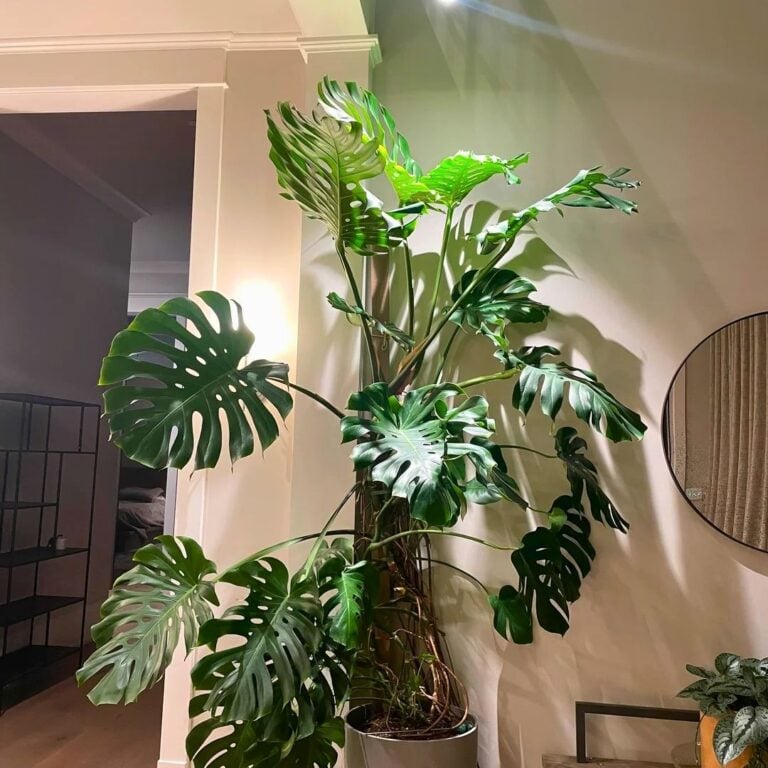
9 Reasons Your Monstera Leaves Aren’t Fenestrating (+Simple Solutions)
Monsteras are famous for their dramatic split leaves, but what if yours just keeps putting out solid, boring ones? Yeah, it can be a little disappointing. If your Monstera’s new leaves are coming in smooth, trust me—you’re not the only one dealing with this.
The good news? Leaves without fenestrations usually signal that something in your plant’s setup needs tweaking. Light, water, and a few other details make a huge difference in whether your Monstera gets those gorgeous holes and splits.
I’ll go over the most common reasons Monsteras won’t fenestrate and share fixes I’ve actually seen work. Lighting, pot size, you name it—these tips should help you get your plant looking its best.
Please note: Simplify Plants is reader-supported. As an Amazon Associate, I earn from qualifying purchases made by our readers with no extra cost added to you all! Some links in the post are affiliate links and I get a commission from purchases made through links in the post.
1) Insufficient Light – Move Your Monstera to a Brighter Spot
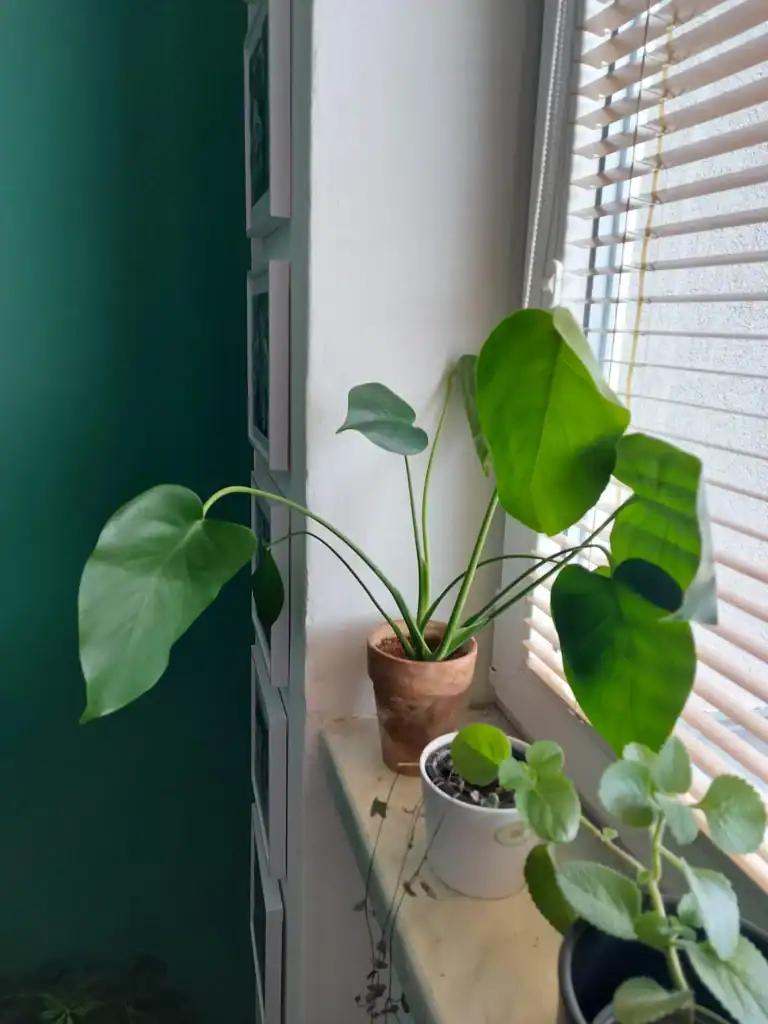
Monsteras need plenty of bright, indirect light to show off those splits and holes. If the light’s too low, your plant will just focus on surviving, not making fancy leaves.
I’ve seen so many Monsteras languishing in dark corners, pushing out plain leaves. They just don’t get enough juice from photosynthesis to bother with fenestrations.
Try moving your Monstera a few feet from an east or west window. A south-facing window with a sheer curtain can work too, but watch for crispy brown spots—that’s a sign of too much sun.
Quick Tip: If you notice new leaves coming in without splits, always check your light first. It’s usually the root of the problem.
Give it some time—new leaves after the move should start to show splits if your plant’s mature enough and the lighting’s right.
2) Too Much Direct Sunlight – Provide Filtered Light Instead
It sounds weird, but too much direct sun can actually stop splits from forming. Monsteras in the wild grow under thick jungle canopies, so they’re used to bright but filtered light.
If harsh sun blasts the leaves for hours, your Monstera will just try to protect itself. You’ll see yellowing or brown, crispy edges instead of pretty fenestrations.
Pull your plant back from south or west windows that get intense afternoon sun. I usually keep mine a few feet from the window or hang a sheer curtain to soften things up. East-facing windows are nice since they get gentle morning rays.
Quick Tip: If you can read by your plant during the day without turning on a light, you’re probably good on brightness.
Keep an eye on new growth—healthy leaves should be deep green, not pale or washed out.
3) Underwatering – Stick to a Consistent Watering Schedule
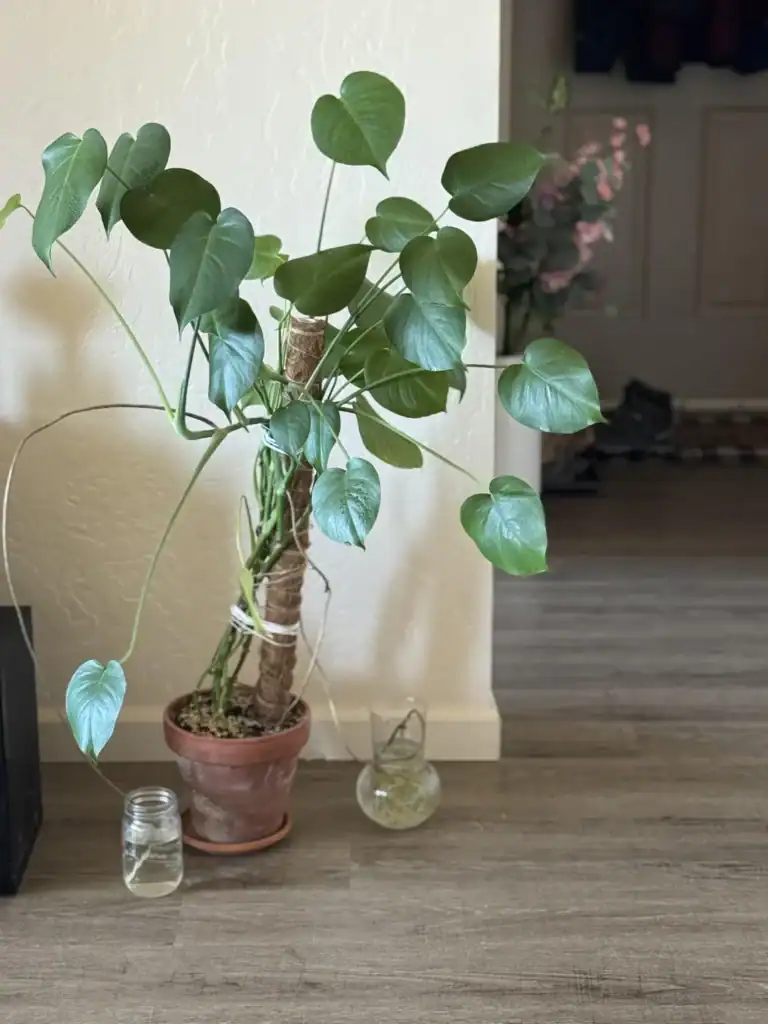
If I forget to water my Monstera, it goes straight into survival mode and puts splits on the back burner. These plants need steady moisture to crank out those big, dramatic leaves.
I poke my finger into the top two inches of soil—if it’s dry, I water until it drains out the bottom. In the summer, that’s usually once a week. Winter? Maybe every two weeks.
Underwatered Monsteras get crispy, curled leaves and the soil pulls away from the pot. When I let the soil go bone-dry, it’s like pressing pause on fenestration.
Quick Tip: Set a weekly phone reminder to check the soil. Don’t just water on autopilot.
I kept a written schedule at first until I figured out my plant’s rhythm. Temperature and humidity can throw things off, so I adjust as needed.
4) Overwatering – Let Soil Dry Between Watering
Too much water is another big reason Monsteras stop splitting their leaves. Soggy soil suffocates the roots, stressing the plant and halting those cool splits.
I always check the top two inches of soil before watering. If it’s still damp, I wait a few days. Monsteras like their soil to dry out a bit—especially in winter when they slow down.
Yellow leaves, mushy stems, or a funky smell from the pot mean you’re watering too much. Ease up and make sure your pot has drainage holes.
Quick Tip: Stick your finger in the soil—if it comes out dry past the first knuckle, go ahead and water.
In less sunny spots or cooler months, water less. Listen to your soil, not the calendar.
5) Low Humidity – Use a Humidifier or Pebble Tray
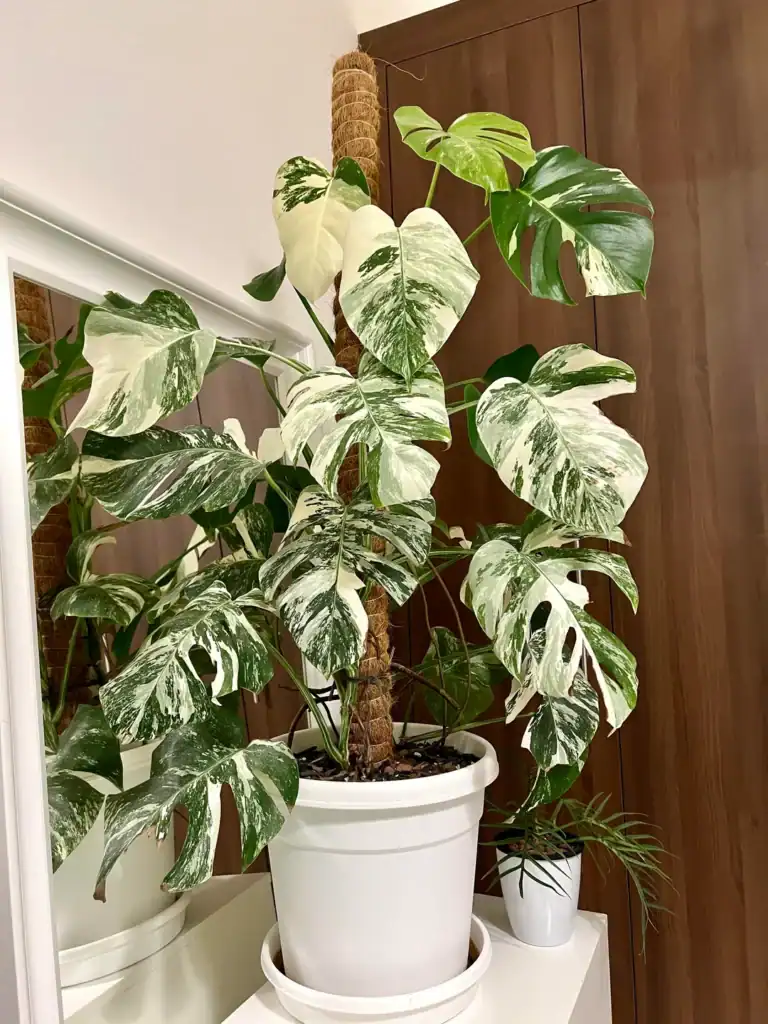
Monsteras come from rainforests where the air is thick and humid. When humidity drops below 40%, your plant just tries to get by instead of making those awesome splits.
Honestly, I’ve seen Monsteras do okay in regular homes, but dry air makes fenestration less likely. If you use heat in winter or live somewhere dry, your plant may need extra humidity.
A humidifier near your Monstera really helps. Or set the pot on a pebble tray filled with water—but keep the pot above the waterline.
Quick Tip: Grouping plants together boosts humidity too—they all release moisture through their leaves.
Crispy brown edges? That’s usually a sign the air’s too dry. Aim for 50-60% humidity if you want those splits, but don’t stress if you’re a bit under.
6) Wrong Pot Size – Repot to a Larger Container
If my Monstera gets root-bound, splits just stop. The roots run out of room and the plant focuses on survival instead of flashy leaves.
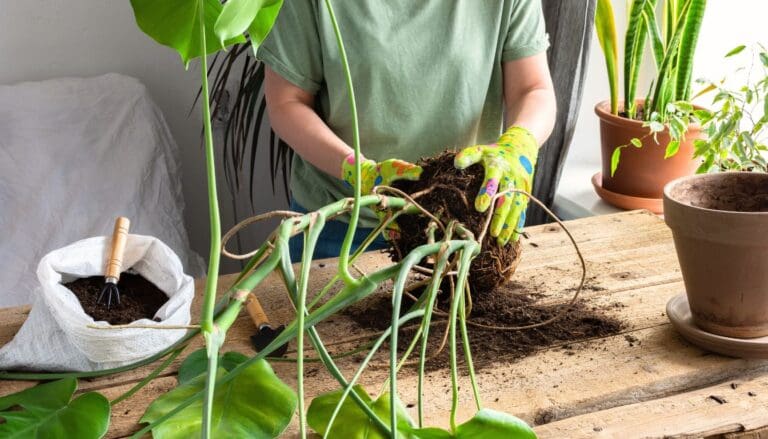
I check by gently lifting the plant out—if roots circle the bottom or poke through the holes, it’s time to size up. Go for a pot about 2 inches wider.
Quick Tip: Spring is the best time to repot, but if roots are crazy cramped, do it anytime.
Make sure the new pot has drainage holes. I always use fresh potting mix, since old soil gets compacted and loses nutrients. After repotting, water well and let your Monstera chill in its usual spot while it settles in.
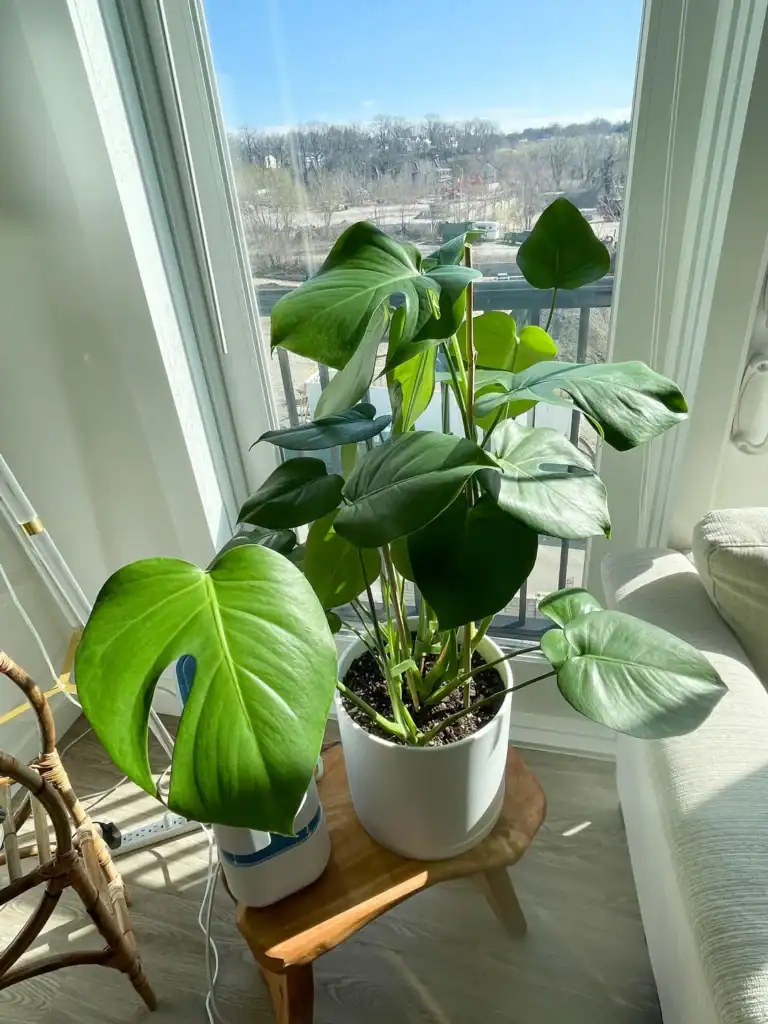
7) Older Leaves Naturally Fenestrate Less – Focus on New Growth
Older Monstera leaves won’t suddenly sprout more splits. Once a leaf unfurls, its pattern is set for good.
The upside? Newer leaves get better fenestration as the plant matures. I stopped worrying about the old stuff and started watching the top growth.
If you make care changes, you won’t see changes in old leaves. The real test is the next leaf or two that pops out.
Quick Tip: Mark the date when you tweak your care, then wait for a couple new leaves to see if it worked.
Patience is key here—each new leaf takes weeks to grow and unfurl.
8) Nutrient Deficiency – Fertilize with Balanced Houseplant Food

If your Monstera isn’t getting enough nutrients, it won’t bother making splits. The plant needs energy to pull off those fenestrations, and without food, it just coasts along.
I use a balanced liquid fertilizer for houseplants—something like 20-20-20 or 10-10-10 is fine.
Feed once a month in spring and summer when it’s actually growing. Skip fertilizer in fall and winter since growth slows down anyway.
Quick Tip: Dilute fertilizer to half the strength on the label to avoid burning the roots.
If you’ve never fertilized or it’s been ages, nutrient deficiency might be the culprit. You’ll probably see better fenestration in new leaves after a couple of growth cycles with regular feeding.
9) Lack of Space – Give Your Plant Room to Expand
When my Monstera gets root-bound, it stops putting energy into split leaves. It’s just trying to survive at that point.
I check the drainage holes every few months. Roots poking out or circling the pot’s edge? Time to size up by two inches or so.
Root-bound plants can’t take up water and nutrients well. That stress shows up as smaller, plain leaves without splits.
Quick Tip: Repot in spring when your Monstera’s actively growing, and use fresh soil with good drainage.
I also make sure there’s enough space around the plant itself. Monsteras get big and bushy. If yours is crammed against a wall or other plants, the leaves just stay small. Give it a foot of space on all sides so air can move and leaves can stretch.
10) Temperature Stress – Keep Between 65-80°F (18-27°C)
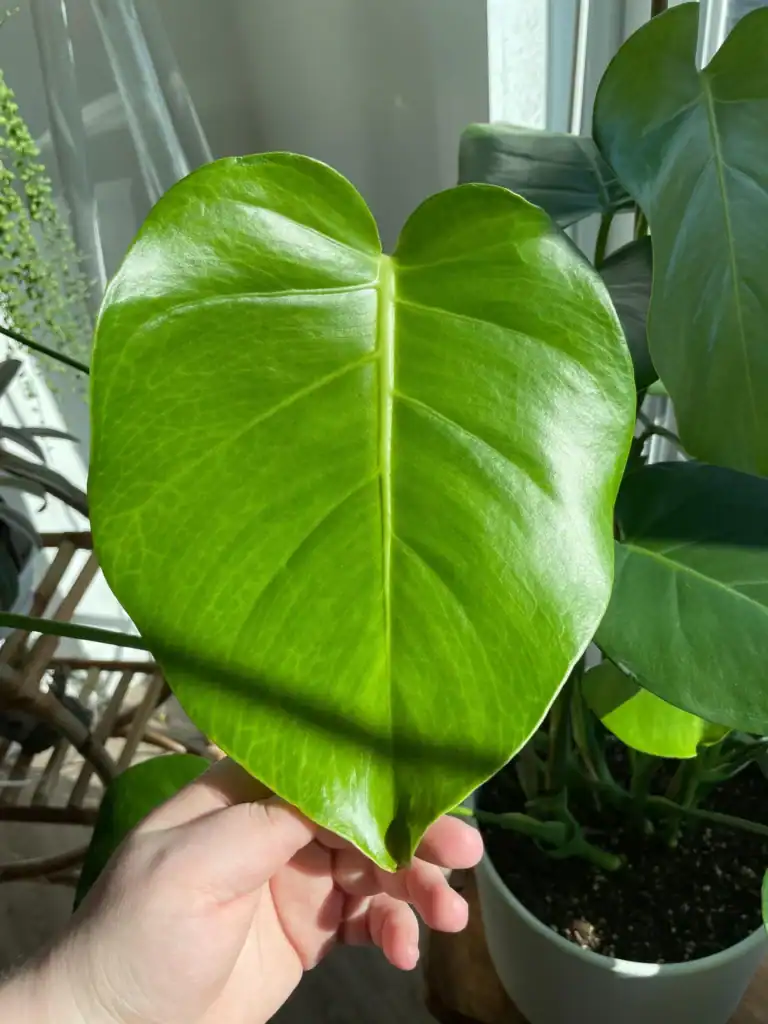
Cold or hot temps really mess with your Monstera’s ability to make fenestrated leaves. Below 65°F, the plant pretty much stops growing and just focuses on surviving.
Heat above 80°F isn’t great either. The plant gets stressed and puts energy into cooling down instead of splitting leaves.
I keep mine away from drafty windows in winter and AC vents in summer. Even a few hours of weird temps can slow down new leaves for weeks.
Quick Tip: Stick a cheap thermometer near your plant to see if temps stay steady during the day.
If you live somewhere with wild temperature swings, move your Monstera to a more stable room. Bathrooms or interior spaces usually work better than those near outside walls or sunny windows.
Frequently Asked Questions
Monstera owners run into the same fenestration headaches—lighting, water, soil, and pot choices can all mess with leaf development.
What could be stopping my Monstera leaves from developing those iconic splits and holes?
The most common issue I see is poor lighting. Monsteras need bright, indirect light for those splits and holes. Without enough light, they just focus on surviving.
If your plant’s young—under a year or still small—it may just need more time to mature before it starts fenestrating.
Other stuff like inconsistent watering, low humidity, or being root-bound can also stall splits. These plants like steady conditions to show off their best leaf patterns.
How can I encourage my Monstera to start fenestrating as it matures?
I always try to find the brightest spot in my place that doesn’t get harsh sun. A few feet back from an east or west window usually works.
Humidity helps a lot too. I aim for 60% or higher, using a humidifier or pebble tray. Monsteras are from the tropics—they love that extra moisture.
Give your plant something to climb, like a moss pole or trellis. In nature, Monsteras climb trees, and that triggers more mature growth with better splits.
Quick Tip: Feed your Monstera with balanced fertilizer once a month during spring and summer for healthy new growth.
What are some common pitfalls to avoid that might prevent fenestration in Monsteras?
Moving your plant around too much stresses it out. I pick a good spot and just leave it so my Monstera can settle in and focus on growing.
Overwatering is a huge problem. I always let the top couple inches of soil dry out before watering again. Root rot will kill fenestration fast.
And don’t go crazy with pot size. A pot that’s way too big keeps the soil wet for too long—which circles back to overwatering issues.
Could improper lighting conditions be affecting the fenestration of my Monstera leaves?
Honestly, lighting is probably the number one reason Monsteras don’t fenestrate like you’d hope. If there’s not enough light, your plant just won’t have the energy for those cool splits and holes.
I’ve seen Monsteras crammed into dim corners—they only manage to put out small, solid leaves. They end up stretching toward whatever light they can find, looking a bit leggy instead of lush and full of holes.
Too much direct sunlight brings its own headaches. The leaves get scorched, and the plant gets stressed out, which also messes with fenestration. I tend to drape a sheer curtain to soften that harsh light.
Quick Tip: If you can’t comfortably read a book where your Monstera sits, it’s probably not bright enough.
Are there specific watering practices that promote healthier fenestration in Monstera plants?
I try to keep things pretty consistent, but I always go by how the soil feels. When the top inch or two is dry, that’s my cue to water thoroughly until it drains out the bottom.
It’s all about balance, really. If you underwater, your Monstera will just focus on surviving, not making those fancy leaves. But if you go overboard and soak it too much, you’ll rot the roots and the whole thing just stalls.
I’ll check every few days, just sticking my finger in the soil to see what’s up. In the summer, I usually end up watering about once a week, but in winter? Sometimes it’s every couple of weeks—growth just slows down then.
Room temperature water is my go-to. Cold water? That can really shock the roots, and nobody wants that.
How does the pot size and type of soil impact Monstera leaf fenestration?
The right pot size gives roots space to grow, but you don’t want them sitting in soggy soil. I usually go for a pot that’s around 2 inches wider than the root ball—any bigger, and honestly, it just holds way too much water.
Good drainage holes? Non-negotiable. If water collects at the bottom, root rot creeps in, even if you’re careful with watering.
Soil’s a big deal too. I like a chunky mix—think perlite, orchid bark, plus some peat or coco coir. That way, it drains fast but doesn’t dry out in five minutes.
Quick Tip: If you notice water just sitting on the surface or draining at a snail’s pace, your mix is probably too dense. Toss in more chunky bits and see if that helps.
Note: Some images in the articles are sourced from Reddit and Other Platforms For Reference Purpose.