9 Natural Ways to Raise Humidity in Your Home
Dry air can make my home feel uncomfortable. Sometimes, it even leaves me with dry skin, a scratchy throat, or those annoying static shocks.
I’m always looking for simple ways to bring things back into balance without shelling out for expensive gadgets or stressing myself out.
Turns out, I can raise humidity at home using everyday tricks that slip right into my routine.
In this article, I’ll share practical ideas that use stuff I already have—plants, water, even steam from cooking.
These changes might feel small, but honestly, they make the air comfier and healthier, and the place just feels more inviting.
Please note: Simplify Plants is reader-supported. As an Amazon Associate, I earn from qualifying purchases made by our readers with no extra cost added to you all! Some links in the post are affiliate links and I get a commission from purchases made through links in the post.
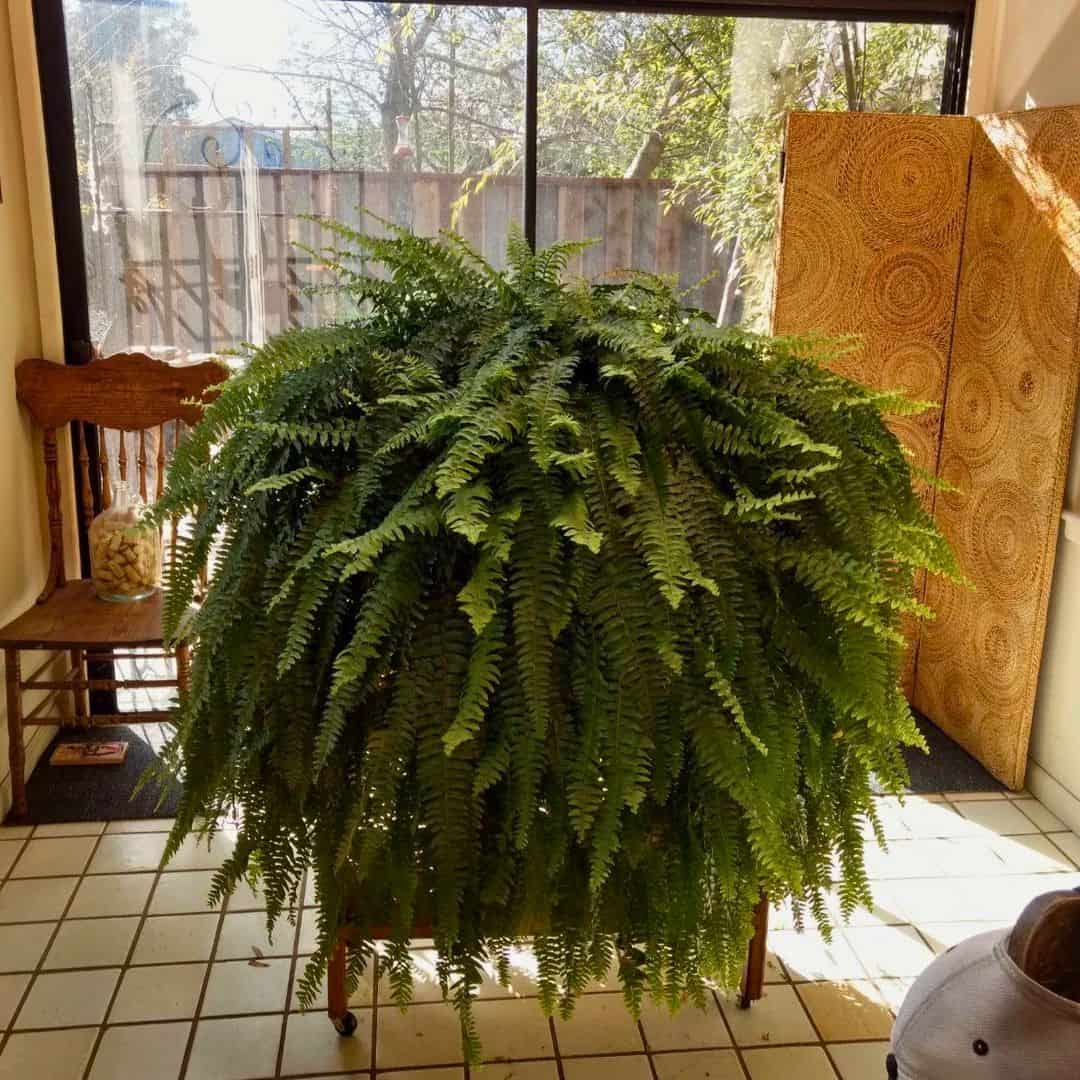
1) Place indoor plants like Boston ferns
I like keeping indoor plants around because they look fresh and help with humidity. Plants release moisture through transpiration, which makes the air less dry.
One of my favorites has to be the Boston fern. It’s got feathery leaves and is great at putting water back into the air.
I notice the room feels more comfortable when I keep one nearby. Grouping a few plants together seems to make an even bigger difference.
When several plants are releasing moisture at once, the air isn’t so harsh on my skin or throat. To keep them happy, I make sure they get enough light and water.
A well-watered fern looks better and gives off more humidity. For me, adding plants is just the easiest, most natural way to help the air without plugging in another device.
Plus, the green just cheers up the space.
2) Use a pebble tray with water under plants
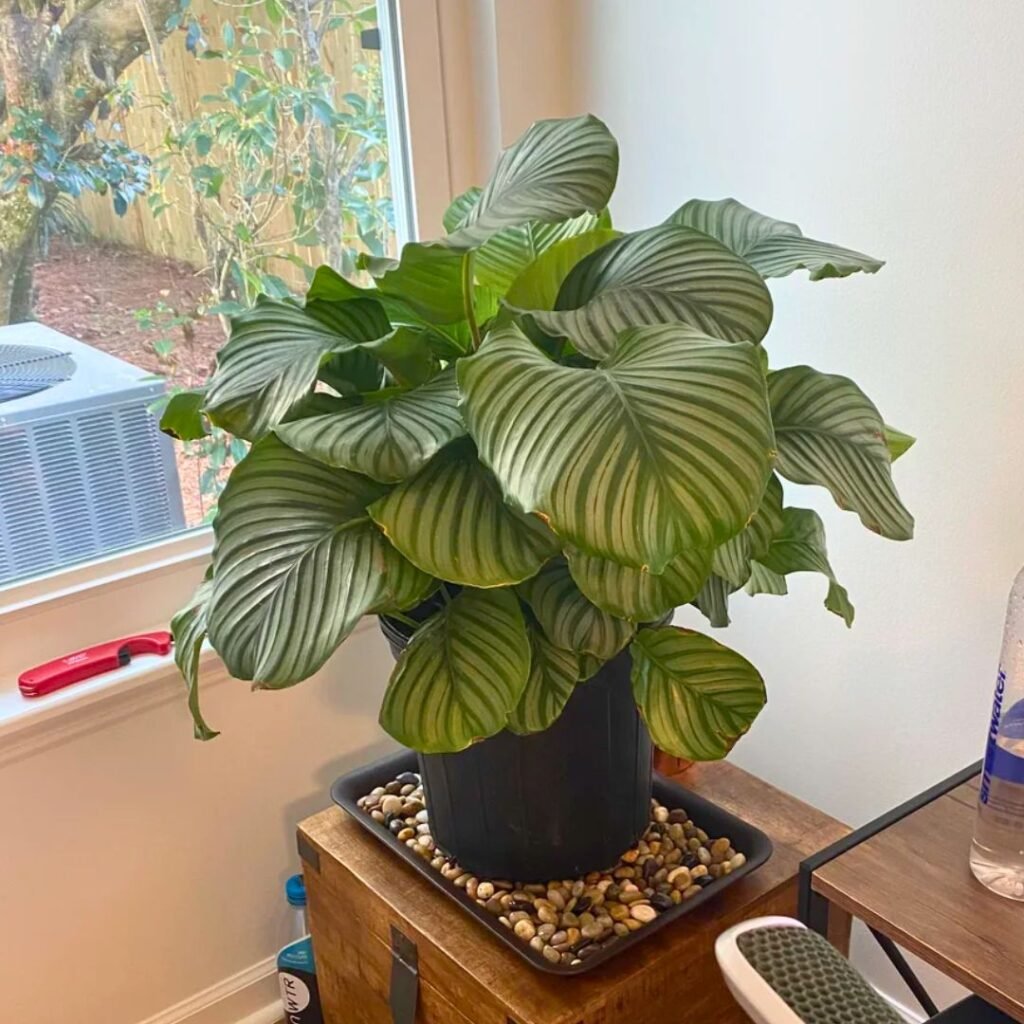
I like to set my plants on a pebble tray filled with water. As the water evaporates, it adds extra moisture right around the plants.
I make sure the pots sit on the pebbles, not straight in the water—no soggy roots, thank you. The tray is easy to refill, and I can swap out pebbles for ones that match my style.
Honestly, the pebbles add a nice touch, and it feels like a little upgrade for both the plants and the room. This works best if I keep the tray somewhere warm—warm air speeds up evaporation, which means more humidity for everyone.
It’s low-cost, low-effort, and just works.
3) Boil water on the stove to release steam
If the air feels dry, sometimes I just boil water on the stove. As it heats up, steam drifts through the kitchen and makes the room less harsh.
Letting a pot of water simmer for a bit is surprisingly effective, and I always stay close by for safety. Sometimes I toss in cinnamon sticks or lemon slices—the steam adds moisture and makes the house smell amazing.
Even boiling water for tea or cooking helps. The steam from those quick tasks still does its thing, even if the pot isn’t on for long.
I find this works best in the kitchen, but the steam sometimes wanders into other rooms too. It’s a quick, natural, and budget-friendly fix.
4) Set out bowls of water near heat sources

I like putting bowls of water near heaters or radiators. As the heat warms the water, it slowly turns to vapor and boosts humidity.
I usually go for ceramic or glass bowls—they hold heat well and look decent in the room. A shallow, wide bowl lets more water evaporate, so I don’t have to refill as often.
Sometimes I set bowls on sunny windowsills too. Sunlight does a decent job at helping the water evaporate throughout the day.
This method is low-cost and easy. I just move the bowls wherever I need them, and the air feels a bit less dry.
5) Hang damp towels or clothes to dry indoors

Hanging damp towels or clothes inside is a classic move when I need more moisture. As they dry, they slowly release water and make the room feel less harsh.
I usually use a drying rack or drape things over a chair, especially in the rooms where I spend the most time. The difference is noticeable after a while.
I try not to overdo it, though. Too many wet things can make a room feel stuffy, so I stick to a few pieces at a time to raise humidity safely.
This also helps me save energy since I’m not running the dryer. Letting laundry air dry makes the air better and my clothes last longer.
In the winter, this trick is a lifesaver for dry air. The space feels more balanced and easier to breathe in.
6) Use a spray bottle to mist air regularly

I keep a spray bottle filled with clean water close at hand. A quick mist into the air adds a light layer of moisture—easy, fast, and no fancy gear required.
I usually spray in the driest rooms, like the living room or bedroom. The fine mist evaporates quickly and gives the space a little boost.
I avoid spraying furniture or electronics. Instead, I aim up so the mist floats down and spreads out.
Using a spray bottle lets me control how much water I add. If the air is super dry, I mist more often.
On humid days, I just skip it. Misting near plants works nicely, too—the plants love it, and the air feels better.
7) Keep aquarium water exposed to air

My aquarium actually helps with humidity, too. When the water surface is left open to the room, it slowly evaporates and adds moisture.
I keep the water level safe for the fish, but I avoid covering the top completely. An uncovered surface lets more water escape as vapor and helps balance out dry air.
If dust is a worry, I use a partial cover—enough to keep things clean but still allow evaporation. The bigger the exposed surface, the more effect it has.
Placing the aquarium in a main living area makes a noticeable difference. As long as I keep the water clean and the tank maintained, everyone wins.
8) Create a DIY humidifier with a sponge and bowl

Sometimes I just grab a sponge and a bowl of water for a quick DIY humidifier. It’s honestly as simple as it sounds.
I put a clean sponge in a bowl, pour in enough water to soak it, and let it slowly release moisture into the room as it dries out.
A wide, shallow bowl works best—more surface area means more evaporation. I keep the sponge damp by adding water when needed.
To avoid any weird smells, I rinse the sponge often and swap it out when it starts looking rough. A fresh sponge keeps the air clean, too.
This isn’t as powerful as an electric humidifier, but for a small room or desk area, it’s a handy, budget-friendly fix.
9) Open bathroom door after hot showers
After a hot shower, I like to leave the bathroom door open. The steam drifts out and gives the rest of my home a quick humidity boost.
It’s a nice way to use steam that would otherwise just disappear through the vent. Instead, it spreads into nearby rooms.
I notice this works best when the air feels extra dry. The steam doesn’t last long, but it’s a quick fix.
Sometimes I crack the bathroom window if I don’t want too much moisture in one spot. That way, things stay balanced.
In winter, this tip is especially handy. It’s easy and doesn’t cost a thing.
Why Indoor Humidity Matters
I really do notice a difference when the air has the right amount of moisture. It affects how I feel and even how my home holds up.
Health Benefits of Proper Humidity
When the air’s too dry, I can feel it in my skin, throat, and eyes. Dry air can cause itchy skin, cracked lips, and irritated sinuses.
It also makes colds and allergies worse—my nose and throat dry out, and that’s just unpleasant. With balanced humidity, my body feels more comfortable.
Moist air helps keep my airways clear and reduces the chance of nosebleeds. I sleep better, too, since I’m not waking up with a dry mouth or scratchy throat.
I’ve noticed that viruses spread more easily in really dry air. Keeping humidity in a healthy range can help keep me from getting sick.
Impact on Home Comfort and Structure
Humidity isn’t just about comfort—it affects my home, too. Dry air makes wood floors, furniture, and doors crack or warp.
Paint can peel, and wallpaper sometimes loosens up if things get too dry. On the flip side, too much humidity brings on mold, mildew, and musty smells.
Balance is honestly the key here. I try to keep indoor humidity between 30% and 50% for the best results.
The right level also makes my home feel warmer in winter and cooler in summer. Moist air holds heat better, so I can stay comfortable without cranking up the heat.
That helps me save on energy bills, and my home stays in better shape, too.
Common Challenges When Raising Humidity
Honestly, raising humidity at home isn’t as straightforward as it sounds. It’s easy to miss the signs of dry air or accidentally go overboard and end up with a damp, musty space.
Recognizing Signs of Low Humidity
Whenever the air’s too dry, I get those annoying static shocks—especially when I touch metal or certain fabrics. My skin feels itchy, and my lips chap way more than usual.
Sometimes it’s the plants and furniture that tip me off. If I see leaves curling or turning brown at the edges, I know something’s up. Wooden furniture even starts to crack or warp when the air’s lacking moisture.
Respiratory discomfort is another big clue. Dry throat, irritated sinuses, and nosebleeds seem to pop up more in winter, especially when the heat’s blasting.
When I’m not sure, I grab a hygrometer and check the numbers. It’s just easier than guessing, and I’d rather catch issues early than deal with bigger problems later.
Avoiding Excess Moisture Problems
Of course, too much moisture is its own headache. I’ve noticed condensation on windows when humidity climbs, and that’s just asking for mold around the frames.
Stuff starts smelling musty, too. Fabrics—clothes, carpets, bedding—hold onto that dampness, making things feel uncomfortable and sometimes triggering allergies.
I try to keep the humidity somewhere between 30% and 50%. It’s a sweet spot that feels good and helps keep mold and dust mites at bay.
If things get too damp, I’ll crack open a window or turn on a dehumidifier. Regular cleaning and making sure there’s good airflow help keep everything balanced, though I’m careful not to dry the place out completely.
Frequently Asked Questions
Honestly, it’s the little tweaks in daily habits that really make a difference. Using plants, water, and just paying attention to routines can keep things way more comfortable at home.
What are some inexpensive methods to increase indoor humidity?
I’ll set bowls of water near heaters or hang damp towels indoors—both help add moisture. Boiling water on the stove is another trick that barely costs anything.
Can houseplants significantly improve the humidity levels in my home?
Absolutely, plants like Boston ferns give off moisture through their leaves. When I keep a bunch of them together, I definitely notice a small but consistent bump in humidity.
How does leaving water out help with raising the humidity?
If I place bowls of water next to heat sources, the water just slowly evaporates. It’s a low-effort way to keep the air from feeling bone-dry.
What daily activities contribute to higher humidity in living spaces?
Cooking, boiling water, and air-drying laundry indoors all add moisture to the air. Even taking a hot shower with the bathroom door open gives the nearby rooms a little humidity boost.
Are there any DIY solutions for boosting humidity without using a humidifier?
I like using a pebble tray with water under my plants—the water evaporates and helps the air. Hanging wet laundry inside works, too, and it’s about as simple as it gets.
What are the best practices for maintaining a healthy humidity level during dry seasons?
Honestly, I like to keep things simple—having a few plants around, setting out bowls of water, or even letting laundry air-dry inside.
It’s surprising how much those little tricks can help.
I also use a small humidity monitor to keep tabs on things, just to make sure the air doesn’t get uncomfortably dry or, you know, weirdly damp.
Note: Some images in the articles are sourced from Reddit and Other Platforms For Reference Purpose.