8 Winter Pest Control Tricks For Houseplants
There’s just something about healthy houseplants in winter—they make the whole place feel brighter.
But, wow, pests can show up out of nowhere and turn things upside down. Keeping plants safe from winter pests helps them stay strong and thriving all season long.
Honestly, I’ve found that a few thoughtful habits can really keep those bugs at bay.
With some simple tricks, I can stop pests before they take over and keep my indoor jungle looking fresh all winter.
Please note: Simplify Plants is reader-supported. As an Amazon Associate, I earn from qualifying purchases made by our readers with no extra cost added to you all! Some links in the post are affiliate links and I get a commission from purchases made through links in the post.
1) Inspect plants regularly for spider mites

I make it a point to check my plants closely at least once a week during winter. Spider mites are so tiny, and they love to lurk under leaves where you’d never think to look.
I’m always on the lookout for small specks, webbing, or yellow spots. These are usually the first signs that mites might be around.
If I spot anything odd, I’ll gently wipe the leaves with a damp cloth. It’s a quick way to clear things up—and sometimes, it catches a few pests right away.
Sometimes I’ll grab a magnifying glass, just to be sure. Catching spider mites early really does make a difference.
Plants near heaters or vents get extra attention. Warm, dry air is basically a spa day for spider mites.
A few minutes of inspecting each plant saves me a lot of trouble later. Regular checks keep my plants happier and less stressed.
2) Use neem oil spray weekly

I like to use neem oil spray once a week on my houseplants during winter. It keeps pests like spider mites, aphids, and whiteflies from getting comfortable.
I just mix a bit of neem oil with water and a drop of mild soap, shake it up, and spray both sides of the leaves.
Consistency matters. If I forget a week, pests seem to notice and come right back.
I like that neem oil is gentle and doesn’t stink up my house. It fits right into my routine.
If I see early signs of pests, I don’t wait—I spray right away. That usually keeps things from getting out of hand.
3) Keep humidity levels above 40%

Dry winter air is tough on plants. Dry air makes it easier for pests like spider mites to spread. Keeping humidity above 40% helps my plants stay healthy and less attractive to bugs.
I keep a humidifier running near my plants and use a cheap humidity meter to check the level. If it dips below 40%, the humidifier goes back on.
Grouping plants together is another trick I use. They release moisture into the air, and clustering them keeps things cozier.
A tray of water nearby helps a bit, too. As it evaporates, it bumps up the humidity—even if just a little.
When the air isn’t bone-dry, I see way fewer pest issues. Healthy humidity means stronger plants and fewer bugs.
4) Remove dead leaves promptly
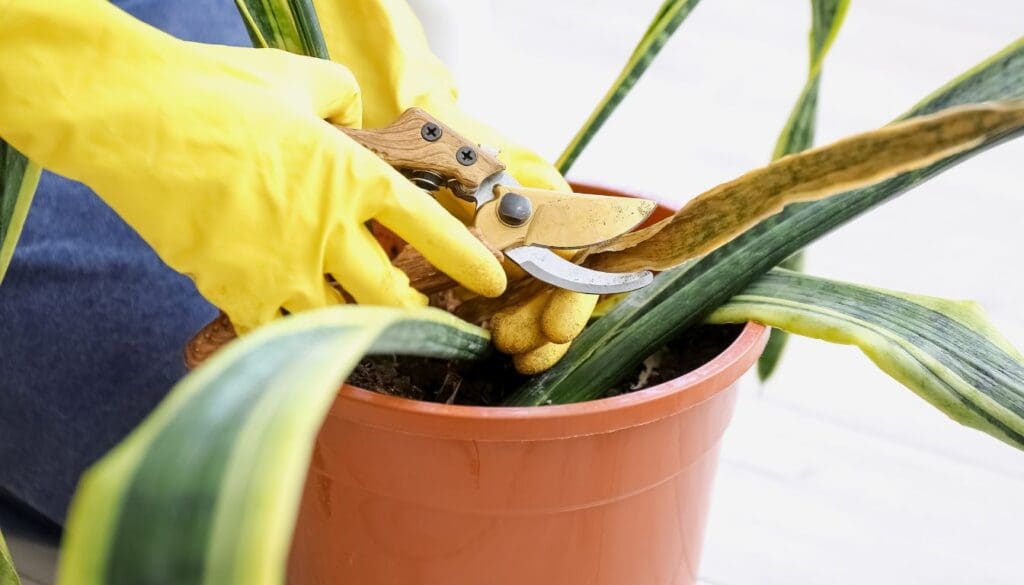
I always try to remove dead leaves as soon as I spot them. Dead leaves just sit there, holding moisture and giving pests a place to hide.
If I notice a yellow or brown leaf, I’ll pull it off or snip it with clean scissors. Leaving them too long can attract fungus gnats or mold.
I check under the pot, too, since leaves can fall and get stuck down there. Even one forgotten leaf can be a problem if it stays damp.
It’s a quick habit, but it keeps my plants looking and feeling better. Honestly, they just stay fresher when I don’t let old leaves pile up.
5) Quarantine new plants before introducing

Whenever I bring home a new plant, I always keep it away from my other plants at first. It’s an easy way to avoid spreading pests that might be hitching a ride.
I usually put the new one in a separate room for about two weeks. That gives me time to check for bugs or weird spots on the leaves and soil.
If I spot anything, I treat it before letting the plant join the rest. Catching issues early is way less stressful.
I like to wipe the leaves and use a flashlight to peek underneath. Pests love hiding in those sneaky spots.
A little patience here saves my collection from a lot of headaches down the road.
6) Place yellow sticky traps nearby

I’m a fan of yellow sticky traps for catching flying pests before they get out of control. The color draws in fungus gnats and whiteflies, and once they land, they’re stuck.
They’re tiny and don’t get in the way, so I just tuck one in the soil or hang it near the leaves. It’s an easy way to see what’s happening.
Sticky traps aren’t a cure-all, but they’re a great way to monitor what’s going on. They let me know if I need to act fast.
They’re cheap and easy to swap out when they fill up. I just toss the old one and pop in a new trap.
Having a few traps around gives me peace of mind. I’ll spot pest issues before they explode.
7) Water plants in the morning

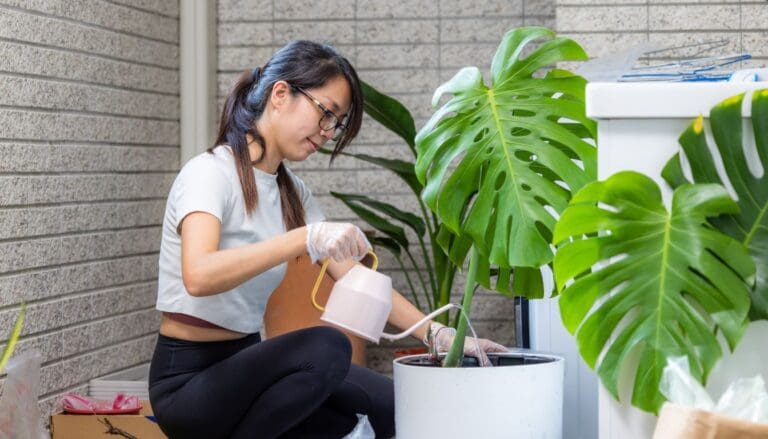
I always water my plants in the morning. That way, the soil has time to dry out, and pests that love dampness don’t get a chance.
Watering early also means the leaves dry before it gets dark. Dry leaves are less likely to attract fungus gnats or mold, which seem to show up more in winter.
I pay attention to how much water each plant needs. If I see water sitting for too long, I know to back off next time.
Watering late in the day just keeps the soil wet overnight. That’s when pests really start to party.
A simple morning routine keeps my plants healthier—and honestly, it’s a nice way to start the day.
8) Use insecticidal soap on affected areas
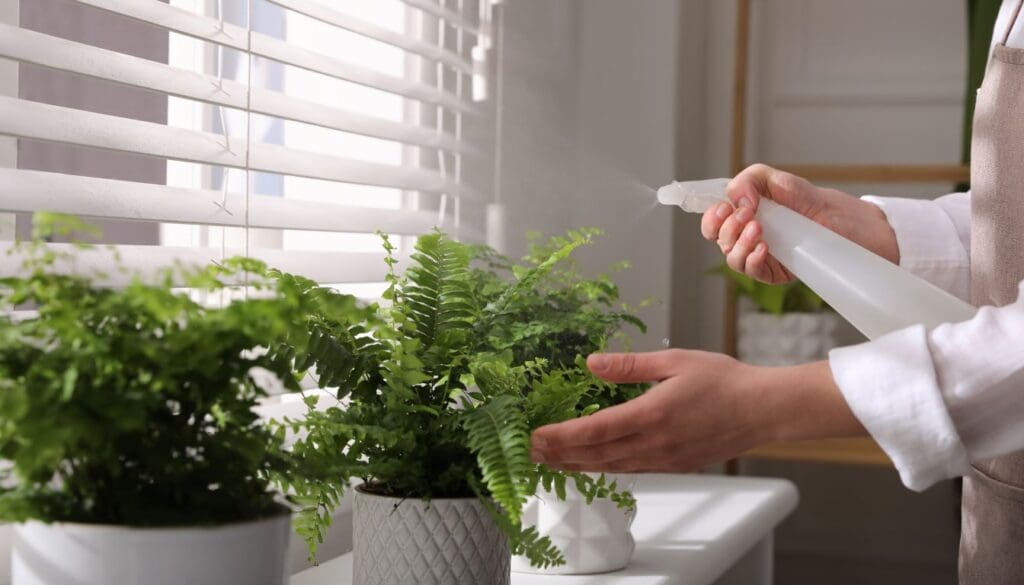
I use insecticidal soap when I notice bugs on my houseplants. It’s gentle and, when used right, doesn’t harm the plant.
I spray the soap right on the affected leaves and stems, making sure to get both sides since pests hide underneath.
I always follow the instructions—too much can stress the plant, and that’s the last thing I want.
Spraying in the morning or evening is best, so the leaves don’t get burned by the sun and soap together.
If pests come back, I repeat every few days until things are under control. Sticking with it really helps.
I check new growth, too, since bugs seem to love those tender leaves the most.
Insecticidal soap is a simple way to keep plants safe during winter, when they’re stuck indoors and more vulnerable.
Understanding Winter Pest Behavior
I’ve noticed pests don’t just vanish when it turns cold. They change up their habits, and my cozy indoor plants become their new hangout. Figuring out what attracts them—and which ones show up the most—helps me stay ahead.
Why Pests Thrive Indoors During Winter
When it’s chilly, pests hunt for warm, stable environments. My house is perfect for them, and houseplants give them food and shelter.
Dry indoor air can weaken plant leaves, making them easy targets. Stressed plants definitely seem to attract pests faster.
There’s also less sunlight, so plants grow slower and don’t bounce back from damage as quickly. That gives pests plenty of time to multiply.
Closed windows mean less airflow, which doesn’t help. Poor circulation is just what bugs like for hiding and breeding.
Common Winter Houseplant Pests
I see the same culprits every winter:
- Spider mites: tiny, web-spinning bugs that love dry air.
- Fungus gnats: little flies laying eggs in damp soil.
- Aphids: soft-bodied clusters on new growth.
- Mealybugs: white, cottony bugs on stems and leaves.
Each pest leaves its own mark. Spider mites make webs, fungus gnats hover around the soil, aphids curl leaves, and mealybugs look like fuzzy spots.
Spotting these early is key. Checking leaves, stems, and soil often is the best way to catch them before they spread.
Maintaining Healthy Houseplants in Cold Weather
I focus on two things to keep my plants happy in winter: the right amount of water and decent air movement. These small habits make a big difference for pest prevention and strong, healthy growth.
Adjusting Watering and Humidity
I water less often in winter, mostly because plants just aren’t as thirsty when it’s cold. Overwatering is the most common mistake—honestly, I’ve learned that the hard way a few times.
Before watering, I always poke my finger into the soil. If the top inch is dry, that’s my green light to water.
Dry indoor air can really stress out your plants, especially if you crank up the heat. I try to bump up humidity by grouping plants together or setting a tray of water and pebbles under their pots.
Sometimes I’ll use a little humidifier nearby, but nothing fancy. These tricks give the air a bit more moisture without turning the soil soggy.
I avoid misting leaves too much, though. Misting just makes wet spots where pests, like fungus gnats, get way too comfortable.
Instead, I aim to keep the air around the plants a touch more humid overall, rather than soaking the leaves.
Here’s a quick guide I usually go by:
| Plant Type | Watering Needs in Winter | Humidity Tips |
|---|---|---|
| Succulents | Every 3–4 weeks | No extra humidity needed |
| Tropical Plants | Every 1–2 weeks | Use pebble tray or humidifier |
| Herbs | Every 1–2 weeks | Light misting if dry air |
The Role of Air Circulation
I try to keep air moving gently around my plants. Good air circulation keeps pests and mold from spreading, which is extra important when all the windows are shut tight.
I never put plants near heating vents—hot air just dries them out in no time. Instead, I’ll set a small fan on low across the room.
The fan keeps things fresh but doesn’t blow the plants around. On milder days, I like to crack open a window for a few minutes just to swap out stale air.
Sometimes I’ll rotate the plants so nobody’s stuck in a corner for too long.
Keeping air moving really helps cut down on spider mites, mildew, and other winter annoyances. It’s a simple habit, but honestly, it makes a noticeable difference.
Frequently Asked Questions
I’m always watching for pests, using safe sprays, and just trying to keep things balanced. If I spot early warning signs, I act fast so things don’t get out of hand.
How can I prevent bugs from infesting my indoor plants during winter?
I inspect my plants regularly, especially under the leaves and around the soil line. If I bring home a new plant, I’ll keep it separate for a bit—just in case.
What are some natural remedies to keep pests away from my houseplants?
Most weeks, I use a neem oil spray to help keep bugs away. Dead leaves get tossed right away since they’re basically pest magnets.
What signs should I look for to detect early pest infestation in my houseplants?
I look for tiny webs, sticky residue, or yellowing leaves. If I spot small moving dots, I know it’s time to act—those could be spider mites or something else sneaky.
Can I use essential oils to protect my indoor plants from pests in the colder months?
Sometimes, I’ll try diluted essential oils like peppermint or rosemary. I always test on just one leaf to make sure the plant doesn’t mind.
How often should I inspect my houseplants for pests in the winter season?
I check my plants at least once a week. If something looks off—like color or growth—I’ll give them a closer look right away.
What are the safest pest control methods to use around pets and children?
Honestly, I lean toward natural sprays like neem oil rather than anything too harsh. Chemicals just make me nervous, especially with kids and pets running around.
I’ll usually wipe leaves with water and try to keep the area as tidy as possible. It’s simple, but it works—and I don’t have to stress about anyone getting into something they shouldn’t.
Note: Some images in the articles are sourced from Reddit and Other Platforms For Reference Purpose.