7 Winter Fertilizing Rules Plant Parents Should Know
I’ll admit, it can feel a bit nerve-wracking to care for plants when winter sets in.
Growth slows, the days get shorter, and honestly, it’s easy to question whether fertilizing even makes sense.
But the way you handle fertilizer in winter can really decide if your plants come out strong or struggle into spring.
I’ve realized that winter care isn’t about doing more—it’s about doing things a little smarter.
Sometimes, just switching up how you fertilize can keep roots safe and plants happy, even when they’re not exactly bursting with new growth.
Please note: Simplify Plants is reader-supported. As an Amazon Associate, I earn from qualifying purchases made by our readers with no extra cost added to you all! Some links in the post are affiliate links and I get a commission from purchases made through links in the post.
1) Understand your plant’s dormancy period
Honestly, I have to remind myself every year that winter is rest time for most plants. Just like we need a break, most of our leafy friends slow way down. This period—dormancy—lets them save up energy for when the sun comes back.
Not all plants follow the same rules, though. Some tropicals keep chugging along indoors, while others hit pause until spring. I try to pay attention to each plant’s natural rhythm instead of lumping them all together.
When a plant’s dormant, I see slower growth, fewer new leaves, or maybe nothing happening at all. That’s totally fine. It’s tempting to want to “fix” it, but usually, they just need a little peace and quiet—not more fertilizer.
Fertilizing during dormancy? I’ve learned the hard way it can actually stress the plant out. If they aren’t using those nutrients, it just builds up and can hurt the roots.
I watch my plants for signs they’re waking up—new shoots, brighter leaves, maybe a little speedier growth. That’s my cue to start easing back into feeding. Until then, I back off and let them chill.
Patience is tough, but understanding dormancy really helps me match my care to what my plants actually need.
2) Use slow-release fertilizers to avoid nutrient burn
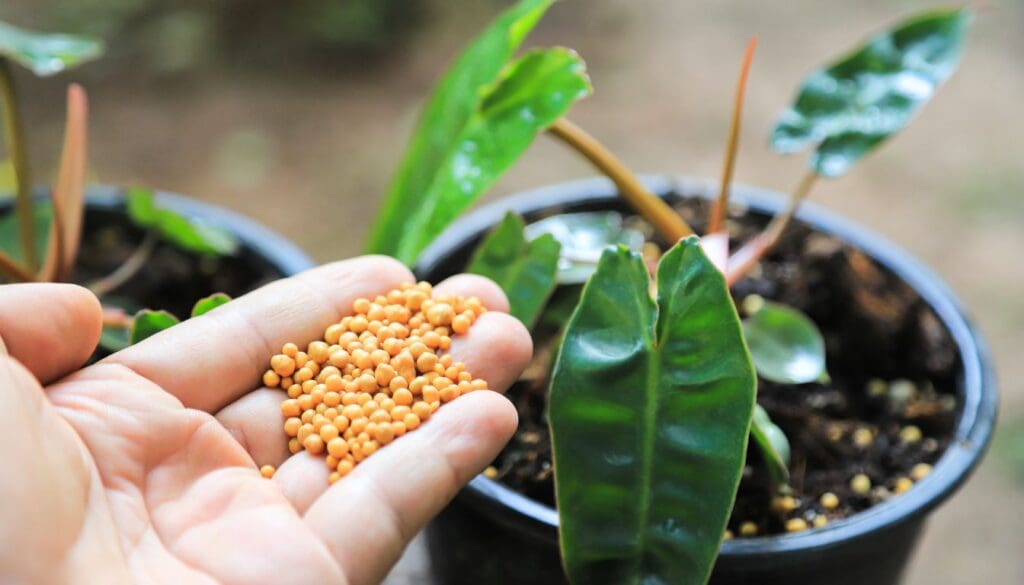
I’m a big fan of slow-release fertilizers in winter. They sort of drip-feed nutrients over time, so you don’t get those big spikes that can fry your plant’s roots.
When I’ve used fast-acting stuff, I’ve seen nutrient burn—brown tips, yellowing, just not pretty. Slow-release options make it much easier to avoid all that drama.
Plus, they’re honestly less work. I don’t have to remember to fertilize as often, which is a relief when winter makes me want to hibernate too.
I also like that these fertilizers keep things balanced in the soil. Less waste, less runoff, and my care routine feels more relaxed.
For my indoor plants, I go for pellets or coated granules. They’re easy, and I don’t have to fuss with mixing liquids all the time.
With slow-release fertilizers, my plants get steady support without me worrying about overdoing it. It’s just a safer bet when things slow down.
3) Apply fertilizer sparingly to prevent overfeeding

Winter means plants grow slower—no surprises there. That also means they need less food, so I’m careful not to overdo it with fertilizer.
I stick to smaller amounts and space out feedings more. Usually, a light dose every month or so is plenty for most of my indoor plants.
When I measure, I’ll use half the strength listed on the label. It’s just safer, and my plants handle it better.
I keep an eye out for overfeeding—yellow leaves, dry tips, or that weird white crust on the soil. If I spot those, I skip the next feeding and just give water.
Careful, light feeding means my plants can rest easy, and I’m not accidentally stressing them out.
4) Choose fertilizers high in potassium for root health
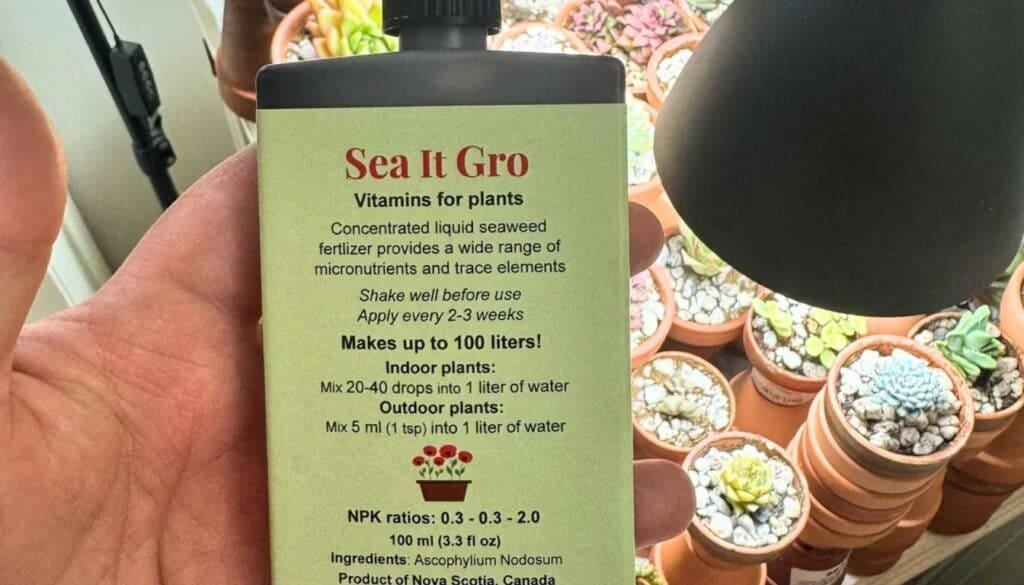
In winter, I look for fertilizers with high potassium. Potassium is great for building strong roots, which is kind of the main show when everything up top slows down.
Healthy roots help my plants handle less light and colder temps. Strong roots mean better water and nutrient uptake, even if growth is minimal.
I always check the N-P-K ratio on the label—the last number is potassium, and that’s what I want more of in winter.
I avoid too much nitrogen since it just encourages top growth my plants don’t need right now. A balanced mix with extra potassium feels just right.
Getting the fertilizer right gives me some peace of mind that my plants will be ready to wake up strong in spring.
5) Avoid high nitrogen fertilizers in winter

I have to keep reminding myself: nitrogen encourages leafy growth. That’s not what my plants need in winter, especially with weak sunlight and slower metabolism.
If I give them too much nitrogen, any new leaves turn out thin and weak—plus, they’re more likely to get pests or just look sad.
So, I stick to fertilizers with lower nitrogen and a bit more phosphorus or potassium. These support roots and overall health without forcing new, fragile growth.
Skipping high nitrogen in winter keeps my plants steadier. They don’t waste energy on leaves that won’t really last.
Balance is key for me—a gentle, well-rounded fertilizer keeps things ticking until spring, when I can ramp up feeding again.
6) Water plants before fertilizing to reduce stress

I always water my plants before adding any fertilizer. Moist soil helps the roots absorb nutrients more evenly, and it prevents fertilizer salts from building up and burning the roots.
Whenever I water first, I notice my plants seem to handle fertilizer better. The nutrients spread out instead of sitting in one spot, and the roots stay protected.
Watering before fertilizing also prevents shock. Dry roots can get stressed if you dump fertilizer on them right away, so a little moisture goes a long way.
For my indoor plants, I water until I see a bit of drainage, then wait a few minutes before fertilizing. The soil’s damp, not soggy, and that seems to work best.
This step is simple but makes a real difference. Healthy roots mean stronger plants, even when they’re taking it slow in winter.
7) Fertilize only indoor plants that actively grow
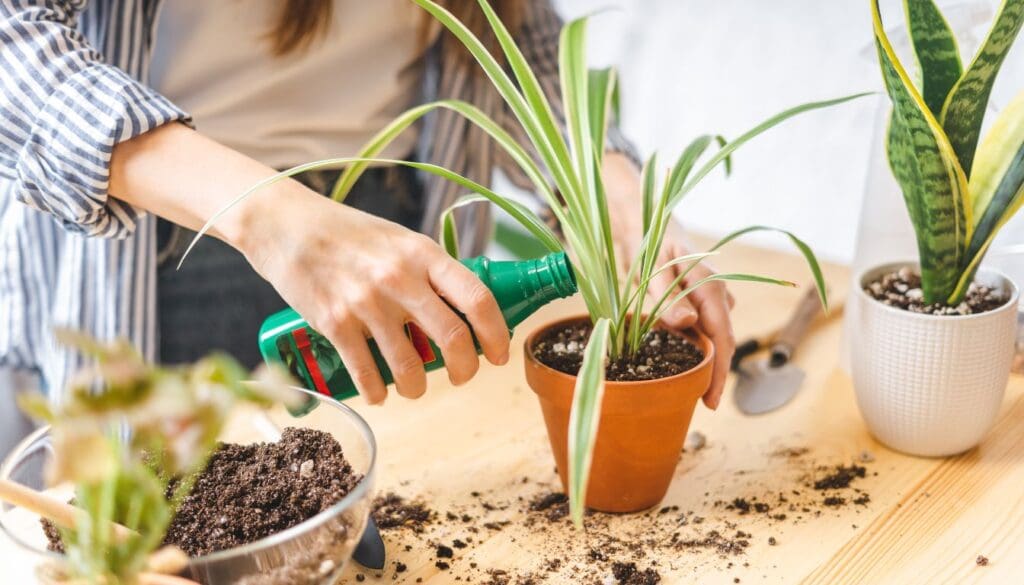
I only fertilize plants that show new growth in winter. If a plant is pushing out fresh leaves or stems, I know it’s using energy and could use a little extra help.
When there’s no new growth, I skip the fertilizer. Dormant plants don’t need extra food—feeding them can just stress the roots or cause buildup.
I check my plants every couple of weeks. If I see bright green leaves, small shoots, or any steady growth, I’ll do a light feeding. Less is better in winter, so I cut back compared to warmer months.
For active indoor plants—herbs, some tropicals—I go with a diluted liquid fertilizer. It gives a gentle boost without overwhelming them. No heavy doses, since growth is slower now.
By reading my plants’ signals, I know which ones need a nudge and which just need rest. It’s a simple habit that keeps everyone healthy through the cold season.
Understanding Winter Fertilizer Needs
I try to pay attention to how colder weather slows plant growth and changes how roots take up nutrients. I’m always on the lookout for signs that my plants might need a little extra help to stay healthy.
How Cold Weather Affects Plant Nutrition
Cold weather makes roots less active, so plants absorb nutrients from the soil more slowly. Even if there’s plenty of food in the pot, roots just aren’t pulling it in as fast, which can leave plants weaker.
I’ve noticed nitrogen uptake drops the most in winter. Since nitrogen is all about leafy growth, plants can look pale or dull when it’s missing. Potassium and phosphorus still matter, but they move slower in cold soil.
Moisture is a big deal too. Wet, compacted soil can block oxygen, making it harder for roots to work. On the flip side, dry indoor air can stress houseplants and slow down nutrient flow.
So, I go with a balanced, slow-release fertilizer in small amounts. That way, my plants get steady nutrition without overwhelming their sleepy roots.
Signs Your Plants Need Winter Fertilizer
I watch for yellowing leaves, especially on the older ones, as a hint that my plants might need nitrogen. When new leaves are smaller than usual, that’s usually a phosphorus issue.
Weak stems or drooping, even when the soil’s moist, can mean low potassium. These nutrients matter for strength, color, and steady growth.
Plants near heaters or vents seem to show stress faster. Dry tips, leaf drop, or stalled growth can mean it’s time for a light feeding. Outdoor evergreens might show fading color or thinning if they’re running low on nutrients.
Here’s my quick mental checklist:
- Leaf color changes (yellow, pale, or dull green)
- Stunted new growth
- Weak stems or drooping
- Leaf drop or dry edges
Watching for these clues helps me act before things get worse.
Tips for Safe Winter Fertilizing
I focus on picking the right fertilizer and tweaking my routine for both indoor and outdoor plants. Small changes in what and when I feed can make a big difference for root health during the colder months.
Choosing the Right Fertilizer Type
I steer clear of heavy, fast-release fertilizers in winter. Plants just aren’t growing fast enough to handle them. Instead, I use a balanced, water-soluble fertilizer with less nitrogen, so I’m not pushing new leaves that can turn out weak.
For indoor plants, diluted liquid fertilizer is my go-to. It’s easy to control the amount and helps prevent salt buildup. For outdoor plants—especially evergreens—I like a slow-release formula that feeds gently over time.
I always read the label. Something like 10-10-10 works for general feeding. If a plant has special needs (orchids, succulents, whatever), I’ll grab a product made for that type. Keeping it simple helps me avoid mistakes and keeps my plants happy.
Best Practices for Indoor and Outdoor Plants
When I fertilize my indoor plants, I always water them first. Damp soil just seems to protect the roots from burning, and honestly, it feels like the safer move.
I stick to fertilizer at half strength compared to what I’d use in spring or summer. That way, the plants get a little boost but aren’t forced into awkward growth they can’t really handle with less light.
For outdoor plants, I only bother feeding those that are still doing their thing in winter, like evergreens. Dormant plants? I leave them alone—no point in tossing nutrients at them when they’re just resting.
I always check the weather, too. Fertilizing right before a hard freeze? That’s just asking for trouble and wasted product, in my opinion.
My routine’s pretty straightforward:
- Indoor plants: light, diluted feed every 4–6 weeks.
- Outdoor evergreens: slow-release fertilizer once in late fall or early winter.
- Dormant plants: no fertilizer until spring.
Frequently Asked Questions
I tend to focus on how the timing, type, and amount of fertilizer can really affect plant health in winter. It’s easy to make mistakes, especially with overfeeding.
What’s the best time to fertilize my plants in winter?
I only apply fertilizer when my plants show some signs of active growth—not when they’re fully dormant. For most, this means waiting until late winter or maybe early spring.
How can I tell if my plants need fertilizing during the colder months?
I look for slow but steady new growth, pale leaves, or maybe weak stems. If the plant looks totally still, I just wait—it’s probably taking a break.
Are there specific fertilizers I should use for indoor plants in winter?
I usually go for slow-release fertilizers or gentle liquid formulas. Blends with more potassium seem to help with strong roots, which is pretty important.
How often should I fertilize my garden in the winter season?
Honestly, I fertilize very sparingly—maybe once a month, if that, and only for the plants that actually need it. A lot of outdoor plants don’t need anything until the soil warms up.
Can over-fertilizing harm my plants in winter, and how can I avoid it?
Absolutely, too much fertilizer can cause nutrient burn and hurt the roots. I just use smaller amounts and space out the feedings, which keeps things safe.
Should I adjust the amount of fertilizer based on the type of plant I have?
Absolutely, I tweak my approach depending on what the plant actually needs at the moment. If a plant’s dormant, like some perennials, I just skip the fertilizer altogether.
Tropical houseplants? They might appreciate a little boost, but nothing too heavy. It really comes down to paying attention to how active your plant is and what kind of vibe it’s giving off.
Note: Some images in the articles are sourced from Reddit and Other Platforms For Reference Purpose.