7 Indoor Herb Garden Ideas For Cold Months
I’ve always loved having fresh herbs around, but once winter hits, keeping them going outside is just… tricky.
So, I’ve started bringing them inside, and honestly, it’s made a big difference.
You can keep fresh herbs all winter by setting up an indoor garden that works with your space and habits.
Even little tweaks—like picking the right pots or finding a sunny spot—seem to help a ton.
With a few easy ideas, you can have basil, rosemary, mint, and more right at your fingertips, no matter how cold it gets out there.
Please note: Simplify Plants is reader-supported. As an Amazon Associate, I earn from qualifying purchases made by our readers with no extra cost added to you all! Some links in the post are affiliate links and I get a commission from purchases made through links in the post.
1) Grow basil in sunny windowsills
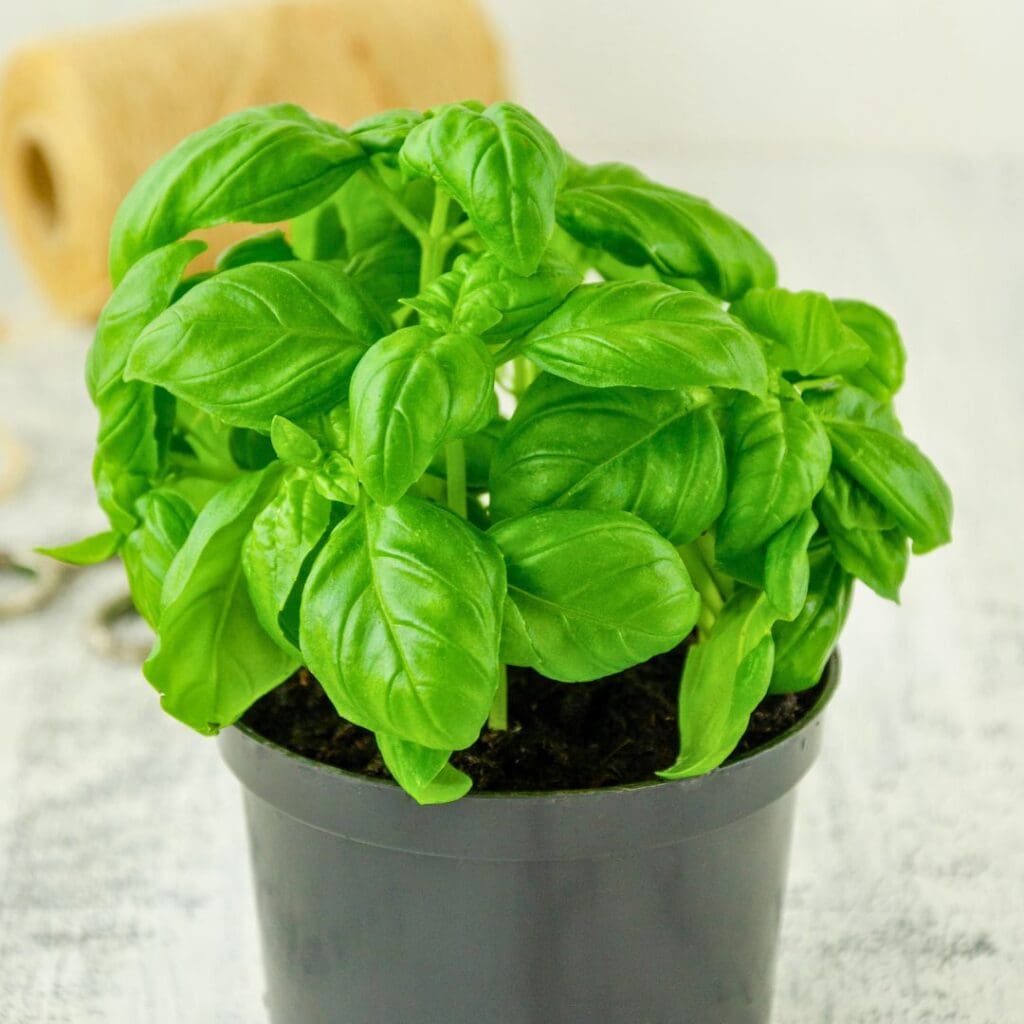
Basil is my go-to for the kitchen windowsill since it gets loads of light. It really does need at least 6 hours of sun daily—otherwise, it just gets leggy.
I try to keep the soil just barely moist, never soggy. Once the top inch feels dry, I give it a drink.
I’m always pinching off the top leaves. Regular trimming keeps basil bushy and stops it from getting spindly.
Good drainage is a must. I use a small pot with holes—nothing fancy, just enough to keep water from pooling.
Having fresh basil for pasta or sandwiches is honestly the best. I just grab a few leaves whenever I need them.
Plus, the smell? It makes the whole place feel fresh. I get a steady supply of herbs all winter without much fuss.
2) Use LED grow lights for extra warmth

I’ve started using LED grow lights when the days get short and gloomy. They give my herbs the light they crave and a bit of extra warmth, which doesn’t hurt.
These lights are super efficient, and I can keep them close to my plants without worrying about burning anything. The steady light keeps things growing, even when the weather outside is miserable.
I put mine on a timer—about 12–14 hours a day. Makes life easier and keeps the plants happy.
LEDs come in all sorts of sizes. I’ve got a small one for my windowsill and a bigger setup for a shelf. It’s nice to have options.
If the room feels cold, I just nudge my herbs closer to the lights. That gentle warmth seems to perk them up.
Honestly, since switching to grow lights, my basil, parsley, and mint look way better through the winter. It’s hard to go back.
3) Plant rosemary in clay pots

I stick my rosemary in clay pots because clay helps the soil dry out faster. Rosemary hates soggy feet, so this keeps it happier.
I keep the pot near a sunny window—at least six hours of light is ideal. If that’s not enough, I’ll add a grow light for backup.
I always check the soil before watering. If it’s dry on top, I water. Overwatering is a real risk with rosemary, so I err on the cautious side.
Clay pots are easy to move around. I’ll chase the sunlight in the morning or pull the plant back if it gets too warm.
Whenever I need rosemary for cooking, I trim a little off. It keeps the plant tidy and encourages new growth. Fresh rosemary in bread or tea? Can’t beat it.
Clay pots make it simple to keep rosemary going indoors all winter, with hardly any trouble.
4) Create a vertical herb garden with wall planters

Wall planters are kind of a game-changer. They save counter space, and my herbs look great right on the wall—plus, I can reach them so easily.
I hang them near a bright window so the herbs get enough light. If it’s a dim spot, I’ll just add a little grow light.
Basil, parsley, and mint all seem to do well in these. Having them in separate pockets makes watering less of a headache.
The kitchen stays neater, too—no pots everywhere. I just snip what I need right off the wall while I’m cooking.
Sometimes I mix up the planter sizes for variety. Bigger herbs, smaller herbs, everything fits without crowding.
Vertical planters keep my herbs organized and practical. It’s a setup that works, especially when outdoor gardening isn’t an option.
5) Try hydroponic parsley for faster growth
I’ve been experimenting with hydroponic parsley lately—no soil, just water and nutrients. It’s surprisingly simple for indoors.
Honestly, parsley grows faster in hydroponics than in soil. The constant water and nutrients really make a difference.
It doesn’t take up much space. I keep a small kit on the counter, and there’s no dirt to clean up.
Less mess, fewer pests. No soil means I dodge a lot of the usual indoor plant headaches.
I put the setup near a bright window, or sometimes under a grow light if the weather’s dreary.
When I trim the leaves, they just keep coming back. Fresh parsley for winter meals—can’t complain.
Hydroponic parsley has honestly made it way easier to keep herbs going through the cold months.
6) Use self-watering containers for convenience

Self-watering containers have saved me from a lot of watering mistakes. They’ve got a built-in reservoir, so the soil stays moist without constant attention.
I don’t stress much about overwatering or underwatering anymore. The plant just pulls what it needs, and I get to skip a few watering days.
They’re especially handy in winter, when the heat dries out pots faster than I expect. The steady moisture keeps my herbs from drying out between waterings.
There are so many styles and sizes out there. I pick ones that fit my kitchen and still look good. It’s an easy way to keep things low-maintenance.
7) Mix mint and thyme in a decorative tray
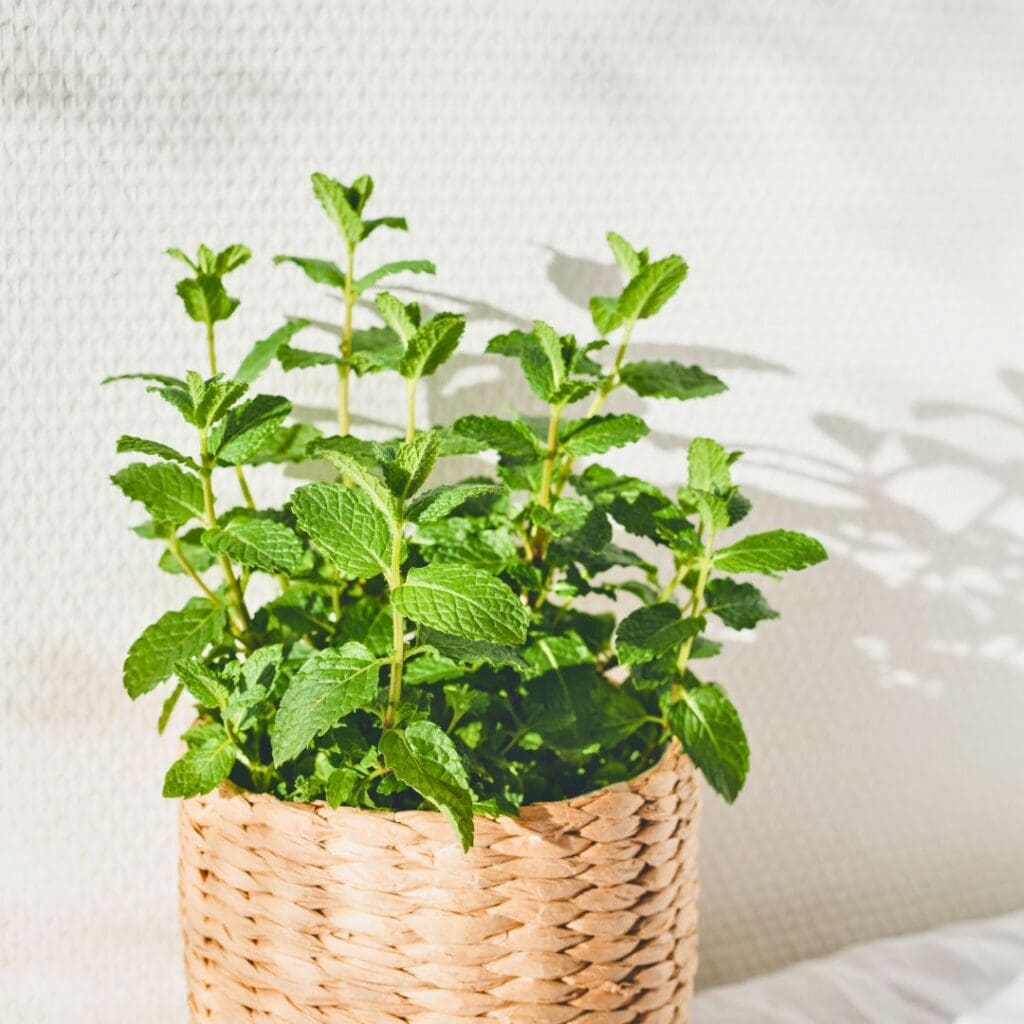
I like growing mint and thyme together in a shallow tray. They both stay compact, and the tray keeps things tidy and portable.
Mint grows quickly and smells amazing. Thyme is slower, but its tiny leaves add nice texture. The combo looks good and smells even better.
I set the tray near a sunny window, usually facing south if I can. If light’s low, I just add a grow light.
Watering is simple. I keep the soil a bit damp for mint, but let the thyme dry out more between drinks. That balance keeps both happy.
I like using a ceramic or wooden tray for style. It makes the herbs feel like decor, but I can still grab leaves for tea or recipes.
This tray setup saves space and brings some green to my kitchen. It’s easy, looks good, and gives me herbs all winter.
Essential Tips for Thriving Indoor Herb Gardens
I focus on basics to keep herbs strong indoors: picking the right containers, making sure there’s enough light and warmth, and not overdoing the watering. Sometimes it’s the little tweaks that make the difference.
Choosing the Right Containers
I always go for containers with drainage. Herbs really don’t like soggy roots, so a hole in the bottom is non-negotiable.
Personally, I like clay or terracotta pots—they let the soil breathe. Plastic works fine too, but I water less since it holds moisture longer. For tight spots, long window boxes are handy for grouping herbs.
Pot size matters more than you’d think. Six to eight inches is usually perfect. Too small, and the roots get cramped. Too big, and the soil stays wet forever.
If I reuse pots, I scrub them with warm soapy water. Skipping this step can bring pests or diseases to new plants, and who wants that?
Optimizing Light and Temperature
Herbs want 6–8 hours of light a day, minimum. I put mine near a south-facing window whenever possible. If sunlight is weak, a cheap LED grow light does the trick.
I keep lights about 6–12 inches above the plants. Too far, and the herbs stretch. Too close, and the leaves might get crispy.
Temperature’s important too. Most herbs like it between 60–70°F during the day, a bit cooler at night. I avoid putting pots near heaters or drafty windows—big swings in temp really stress the plants.
I rotate pots every few days so the plants don’t lean all one way.
Watering and Humidity Management
I check the soil with a finger before watering. If the top inch is dry, I water slowly until it drains out. I never leave pots sitting in water—learned that the hard way.
Indoor air gets dry in winter. Grouping pots together helps create a little humidity pocket. Sometimes I stick a tray of water with pebbles under the plants to keep the air moist.
I’m not big on misting—too much can cause mildew. I’d rather keep the soil evenly moist and adjust based on the herb. Rosemary likes it drier, basil likes a bit more water.
Paying attention to these basics keeps my herbs healthy and ready whenever I want to snip a few leaves.
Troubleshooting Common Indoor Herb Garden Challenges
I’ve hit plenty of bumps growing herbs indoors in winter. Pests, diseases, and slow growth seem to pop up more than I’d like.
Dealing With Pests and Diseases
Sometimes, I spot tiny bugs like aphids, spider mites, or whiteflies hanging out on my herbs. They love to hide under leaves or right around the stems, which is honestly a bit sneaky.
I try to check my plants pretty often, just to catch any trouble early. If I notice pests, I’ll usually wipe the leaves with a damp cloth or go for a gentle soap and water spray.
Harsh chemicals? I skip those since I want my herbs to stay edible and safe.
Fungal issues can pop up too, especially if the air’s a bit too damp. I watch for yellow spots, mold, or wilting—those are the usual suspects.
To deal with that, I space my plants out and make sure there’s some airflow. It’s not fancy, but it really helps.
I also try not to water too much, just whenever the top of the soil feels dry. Overwatering is basically an invitation for root rot, and nobody wants that.
A quick routine of poking the soil now and then keeps my herbs looking a lot better.
Addressing Slow Growth in Cold Months
In winter, I notice my herbs slow down thanks to less light and warmth. If they start looking pale or a bit spindly, I figure it’s time for more light.
I’ll set up a grow light for about 10–12 hours a day, which seems to perk them up.
Cold drafts from windows are another problem, so I move pots away from chilly spots. I try to keep them in a room that’s about 65–70°F—not too cold, not too warm.
Fertilizer helps, but I’m careful with it. I’ll feed my herbs a diluted liquid fertilizer every 4–6 weeks, just enough to keep them happy.
Too much fertilizer? That just makes them floppy and weak, so I go easy.
I like to trim my herbs regularly, even if I don’t actually need the leaves right then. Regular pruning encourages new growth and stops them from getting all tall and scraggly.
Frequently Asked Questions
I’ve learned that growing herbs indoors during cold months is mostly about juggling light, water, and how you use your space. Sometimes I get creative with containers, and honestly, just paying attention to the little things goes a long way.
What are some easy herbs to grow indoors during the winter?
I usually stick with basil, parsley, and rosemary. Basil’s pretty happy on a sunny windowsill, parsley grows fast in hydroponic setups, and rosemary seems to love being in a clay pot.
How can I ensure my indoor herbs get enough light in colder months?
I put my herbs near south-facing windows to soak up as much sunlight as possible. If that’s not cutting it, I’ll switch on some LED grow lights for extra light and warmth.
What’s the best way to water herbs indoors to prevent overwatering?
I always poke the top inch of soil before adding water. If it’s dry, I water; if it’s still damp, I just leave it alone for another day or so.
Pots with drainage holes make a huge difference—no soggy roots that way.
Can you recommend any space-saving solutions for an indoor herb garden?
I’m a fan of vertical wall planters since they free up counter space. Small shelves or tiered stands are handy too, letting me squeeze in more herbs without cluttering everything up.
How do I protect my indoor herb garden from common pests?
I check my plants’ leaves for tiny bugs or weird spots pretty often. If I spot anything, I’ll wipe them off with a damp cloth or use a gentle soapy water spray.
Keeping the plants healthy seems to make them less appealing to pests anyway, which is a nice bonus.
What are some creative container ideas for planting herbs indoors?
I’ve tried growing herbs in mason jars, tin cans, and even some quirky old teacups.
Clay pots work well for rosemary—something about them just feels right.
But honestly, I love tossing in unexpected containers to add a splash of personality to my kitchen.
Note: Some images in the articles are sourced from Reddit and Other Platforms For Reference Purpose.