6 Winter Care Tips To Keep Your Indoor Plants Thriving
Winter can be a challenge for both me and my plants. Cold air, short days, and dry indoor heat? Not exactly the best combo for thriving.
I’ve realized that even small tweaks in how I care for my plants can lift my own mood too. It’s funny how a few simple swaps in plant care can make a real difference, not just for the greenery but for the whole vibe at home.
These changes don’t take much effort, but wow, they help in keeping plants healthy and making my space feel calmer and more balanced.
Please note: Simplify Plants is reader-supported. As an Amazon Associate, I earn from qualifying purchases made by our readers with no extra cost added to you all! Some links in the post are affiliate links and I get a commission from purchases made through links in the post.
1) Switch to LED grow lights for indoor plants
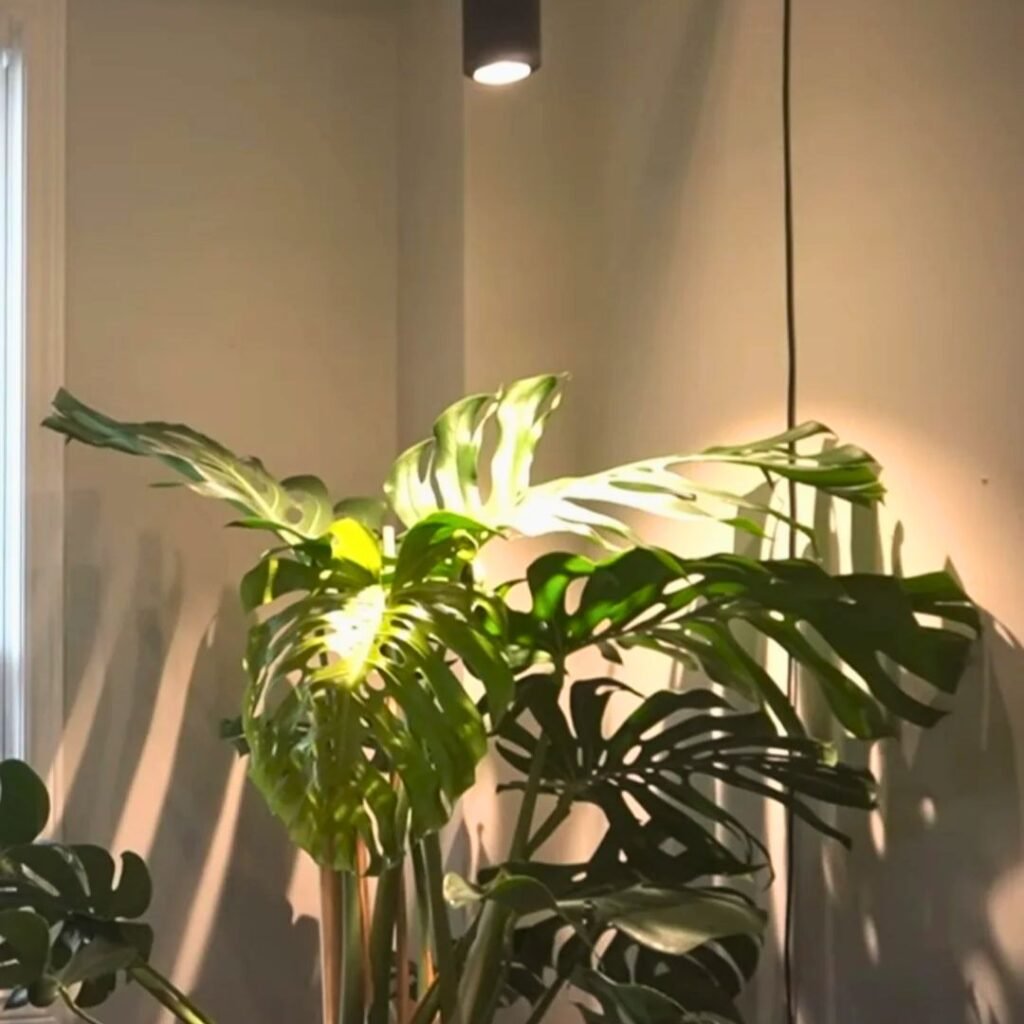
When the days get short, my plants definitely miss the sunlight. LED grow lights have been a lifesaver for keeping them happy indoors.
I like LEDs because they use less energy and don’t get hot. That means I don’t have to worry about crispy leaves or dried-out soil.
Setting them up is easy. I just pop a light above a shelf or next to a window—no fancy skills required.
LEDs come in all sorts of sizes and colors, so I can pick what works for my plant family. Some of them need that extra brightness, while others are fine with something softer.
Plus, they last forever. Well, not literally, but I hardly ever have to replace them, so that’s one less thing on my winter to-do list.
Honestly, switching to LED grow lights takes the stress out of caring for my indoor plants. They keep growing even when the sun barely shows up.
2) Use a humidifier to maintain moisture levels
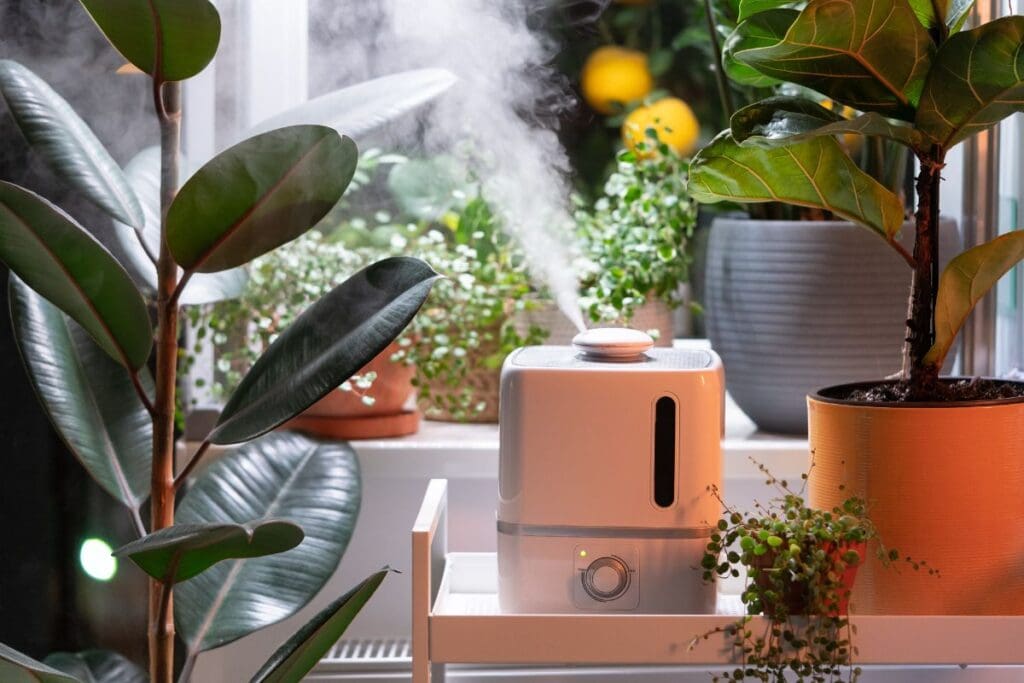
The air gets crazy dry in winter, and my plants notice it right away. A humidifier is my go-to for adding moisture back into the air.
When I run a humidifier, leaves stay fresh instead of curling or browning at the edges. Honestly, it helps me too—dry air is rough on my skin and throat.
I usually set the humidifier near a cluster of plants. That way, they all get a little humidity boost together.
I keep an eye on the water level and give the machine a regular clean, just to keep things safe and fresh. Clean water is key—nobody wants funky smells.
Even if I only run it for a few hours a day, my plants seem so much happier.
3) Replace regular potting soil with coco coir mix

In winter, I like to swap out regular potting soil for a coco coir mix. Coco coir, made from coconut husks, holds water nicely but doesn’t get soggy.
My plants seem to stay hydrated longer, which is great when the air is dry. Plus, coco coir improves drainage and lets roots breathe, so I don’t stress about root rot.
It feels lighter than most bagged soils, so it’s easier for me to handle. And, it’s a renewable material, which makes me feel better about my choices.
I usually mix in a bit of perlite or compost. That way, my plants get the right balance of nutrients, moisture, and air.
This swap just makes winter plant care easier. I don’t have to worry as much about overwatering, and a coco coir mix keeps things steady when indoor conditions are all over the place.
4) Add crushed eggshells for natural calcium
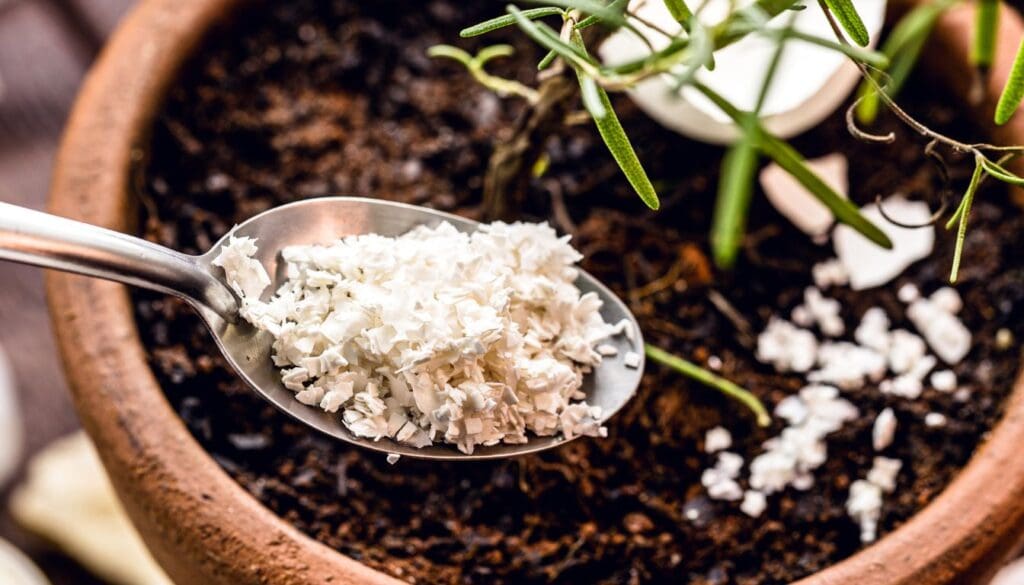
Instead of tossing my eggshells, I rinse, dry, and crush them up. Free calcium for my plants—why not?
Calcium strengthens plant cell walls, so when I add shells to the soil, they slowly release minerals for healthy growth. I’ve noticed sturdier stems and fewer weak leaves.
Sometimes I grind the shells into powder for quicker breakdown, but just sprinkling the pieces in works too. They blend right into the potting mix.
I’ll also toss them into my compost. Over time, they break down and enrich the compost, making my soil mix even better.
Using eggshells is simple and feels good—less waste, more nutrients. It’s such an easy swap to help plants stay strong through winter.
5) Swap plastic pots for terracotta ones

I prefer terracotta pots in winter because they let the soil breathe. Plastic just holds in too much water, and that’s risky when it’s cold.
Terracotta’s porous surface lets air flow to the roots, making root rot less likely. The soil dries more evenly, so I don’t end up with soggy messes.
If I overwater, terracotta helps balance it out by letting extra moisture evaporate. Gives me a bit of a safety net, honestly.
They’re heavier than plastic, so my taller plants don’t tip over as easily. That’s especially helpful near windows or in high-traffic spots.
I love the cozy, earthy vibe terracotta adds. The warm color just feels right in winter, and it makes my plant corner look inviting.
Sure, they can break if I’m not careful, but I think the benefits are totally worth it.
6) Use organic compost tea for winter feeding
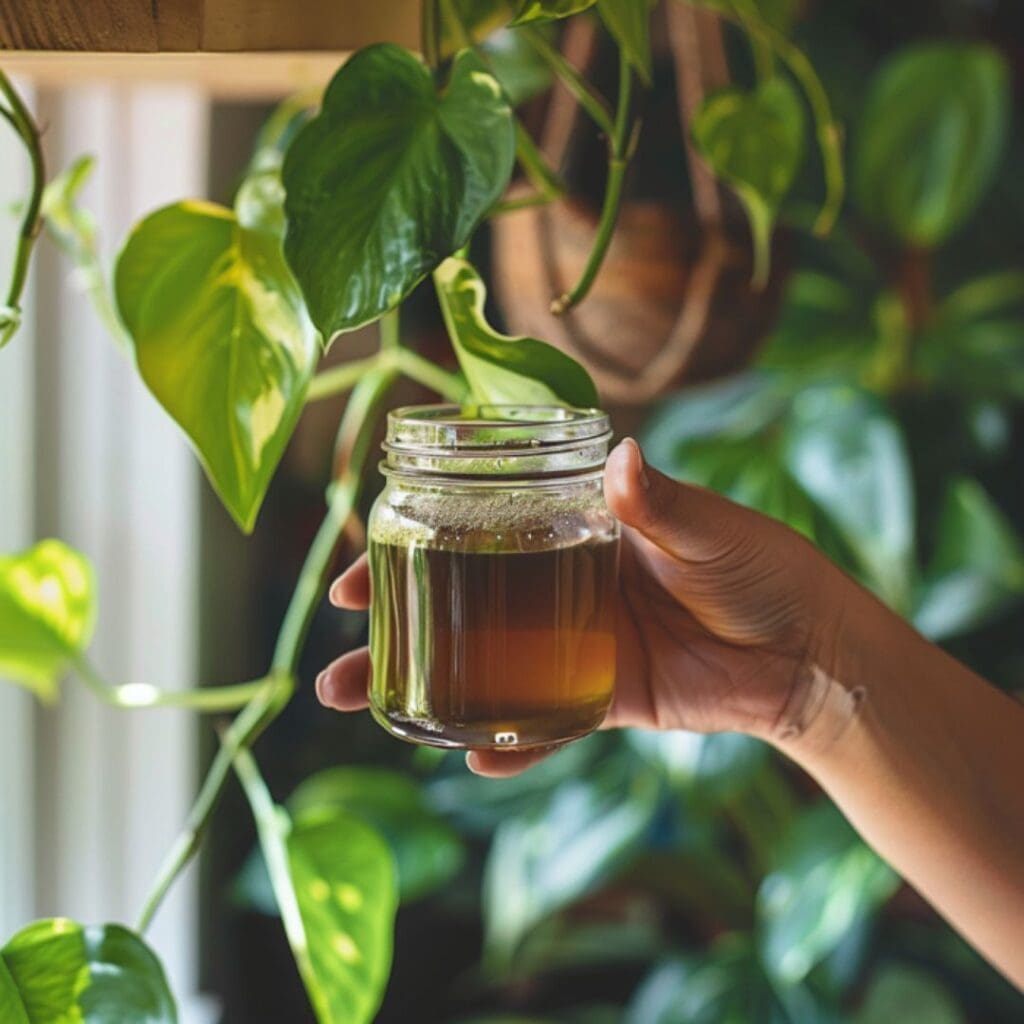
I like to treat my plants to organic compost tea in winter. It’s mild, natural, and super easy to make at home.
I just soak a bit of finished compost in water for a day or two, strain it, and use the liquid to water my plants. It gives them a gentle feeding that supports growth without overwhelming the roots.
Since plants don’t need much fertilizer in winter, compost tea is a safe option. I use it every few weeks instead of chemical stuff.
I’ve noticed it helps keep the soil healthy too. Compost tea adds good microbes that help roots absorb nutrients.
I like knowing exactly what’s in my fertilizer. No harsh chemicals—just a simple, organic boost for my plants.
How Winter Impacts Indoor Plants
My plants definitely act different in winter. Shorter days, cooler air, and the dry heat indoors all change what they need from me.
Changes in Light and Temperature
Winter means short days and a sun that’s barely there. My plants get less light, and it just isn’t as strong. Growth slows down, and sometimes leaves look a bit dull.
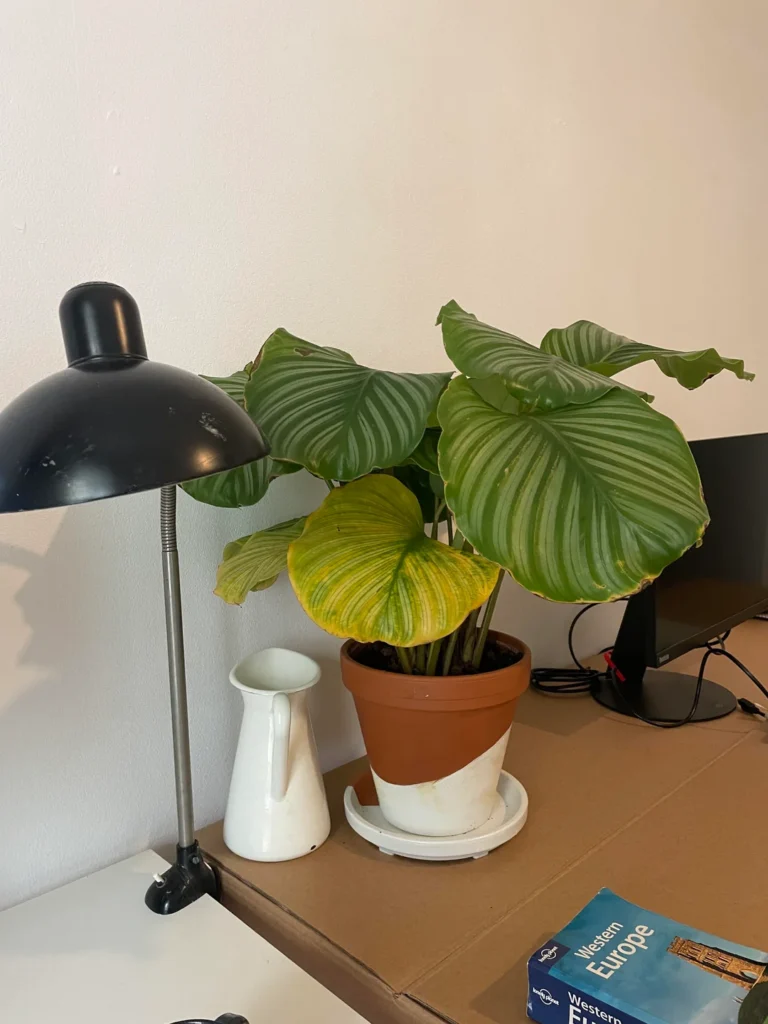
I move my plants closer to south- or west-facing windows for more light. For the darker corners, I rely on grow lights to keep them going.
Temperature swings are another thing. Cold drafts from windows can shock tropical plants, while heaters create hot, dry spots. I try to keep the room between 65–75°F and avoid sudden temperature changes.
Common Winter Plant Stressors
Dry air is probably the biggest headache. Heaters zap the humidity, and I see crispy leaf edges or brown tips more often.
To help, I group plants together or run a humidifier. It really does make a difference.
Overwatering is a sneaky problem. Plants just don’t drink as much in winter, so soggy soil can quickly lead to root rot. I check the top inch of soil before watering—no more automatic schedules.
Pests seem to love stressed plants. Spider mites, fungus gnats, and scale show up more when it’s dry. I check leaves every week and wipe them down, or use gentle treatments if I spot bugs.
Staying on top of these things helps me adjust my care and keep my plants steady through the season.
Supporting Your Well-Being with Plant Care
Honestly, taking care of plants in winter helps me slow down and stay grounded. Tending to greenery just lifts my mood, especially when the days are short and cold.
Mindfulness Through Winter Plant Rituals
I like to start my mornings by checking the soil and leaves. That little habit helps me focus and notice things I might otherwise miss.
Paying attention to small changes keeps me present. It’s a nice break from rushing around.
Watering less often gives me a reason to pause. I take the time to trim dead leaves, wipe off dust, and move pots for better light. These simple steps become a calming routine.
Here’s my go-to checklist:
- Check moisture with my finger before watering
- Rotate pots for even light
- Wipe leaves to keep them healthy
These mindful rituals remind me to slow down and care for myself, too.
Boosting Mood with Greenery
When it’s gray outside, my plants add a little brightness to my space. Green leaves and pops of color just make me feel better on those long indoor days.
I keep plants where I spend the most time—by my desk or in the kitchen. Seeing new growth, even a tiny leaf, feels like progress in a season that can feel pretty still.
Grouping plants together makes the room feel warmer and more inviting. When I sit near them, I feel both calmer and a bit more energized.
Even just a small succulent on the windowsill makes a difference in my mood through winter.
Frequently Asked Questions
I focus on keeping my plants healthy with the right light, water, and soil tweaks. I also look for easy ways to support my own health—plants and plant-based foods are a big help during the colder months.
What indoor plants are best for improving air quality in winter?
Honestly, I’m a big fan of snake plants, pothos, and peace lilies. They don’t seem to mind the gloomier days, and they keep the air feeling a bit fresher, which is something I really appreciate in winter.
These guys aren’t fussy either—perfect for when you’re not in the mood for complicated care routines.
How can I ensure my houseplants thrive during the colder months?
I usually run a humidifier nearby since the air gets so dry.
And since sunlight isn’t exactly generous in winter, I’ll flip on some LED grow lights to give my plants a little boost.
I’ve learned to water less, too—plants just aren’t as thirsty when it’s cold.
Are there any plant-based remedies to boost immunity in the winter?
Ginger, garlic, and turmeric are my go-tos in the kitchen when I’m trying to stay healthy.
And, well, I love a good cup of herbal tea—echinacea or chamomile, especially, seem to help me stay balanced.
What are some tips for adjusting plant care routines as the seasons change?
When the seasons shift, I’ll scoot my plants closer to the windows for whatever sunlight I can get.
I like switching to a coco coir mix for the soil since it drains better, and I’ll toss in some crushed eggshells for a bit of extra calcium.
Can you suggest ways to incorporate more plant-based foods into my winter diet for better health?
I’m all about hearty vegetable soups and stews with beans and lentils—so satisfying when it’s chilly.
Roasting root veggies like carrots and sweet potatoes is another favorite; it’s easy, and honestly, it just tastes like comfort food.
What are the best practices for indoor gardening in low-light winter conditions?
Honestly, winter can be rough on indoor plants, especially when sunlight is scarce. I’ve found that setting up LED grow lights really makes a difference—they’re not too expensive, and my plants seem happier with the extra boost.
I like using terracotta pots because they let the soil breathe a bit more. Soggy roots are the worst, and these pots help keep things balanced.
Note: Some images in the articles are sourced from Reddit and Other Platforms For Reference Purpose.