6 Tricks To Prevent Overwatering In Cold Months
When winter rolls in, I always notice my plants just don’t need as much water as they do in the heat.
Figuring out what’s “enough” without going overboard is honestly a little tricky. Overwatering in winter can be just as rough on plants as underwatering.
I’ve realized that even small tweaks in my watering routine can make a huge difference.
By paying attention to timing, tools, and a few easy habits, I can avoid common mistakes and keep my plants happy through the cold months.
Please note: Simplify Plants is reader-supported. As an Amazon Associate, I earn from qualifying purchases made by our readers with no extra cost added to you all! Some links in the post are affiliate links and I get a commission from purchases made through links in the post.
1) Check soil moisture with a moisture meter before watering

I always use a moisture meter before watering in winter. It gives me a quick read on whether the soil’s actually dry or just looks that way on top.
This tool saves me from guessing. Sometimes the surface seems dry, but dig a bit and it’s still damp underneath.
I just stick the probe a few inches down and wait a moment. The dial or screen tells me if the soil’s dry, moist, or wet.
So, I only water when the reading says the plant truly needs it. It’s a simple way to dodge soggy roots and cut down on rot risk.
Plus, I end up saving water since I only use it when the plants are actually thirsty. I’ve found this especially handy for houseplants in winter, since their growth slows and they don’t drink as much.
2) Water plants early in the morning to reduce evaporation

I prefer to water my plants early in the morning. The soil gets a chance to soak it up before the sun gets too intense.
When I water later, the soil dries out quicker. Morning watering keeps things moist longer, so I’m not tempted to overwater.
It also helps keep the leaves dry during the day. Wet leaves overnight? That’s just asking for mold or mildew.
Watering in the morning lowers that risk and just keeps the plants looking healthier overall. Sticking to a morning routine saves me time and water, honestly.
3) Use self-watering pots to control water intake
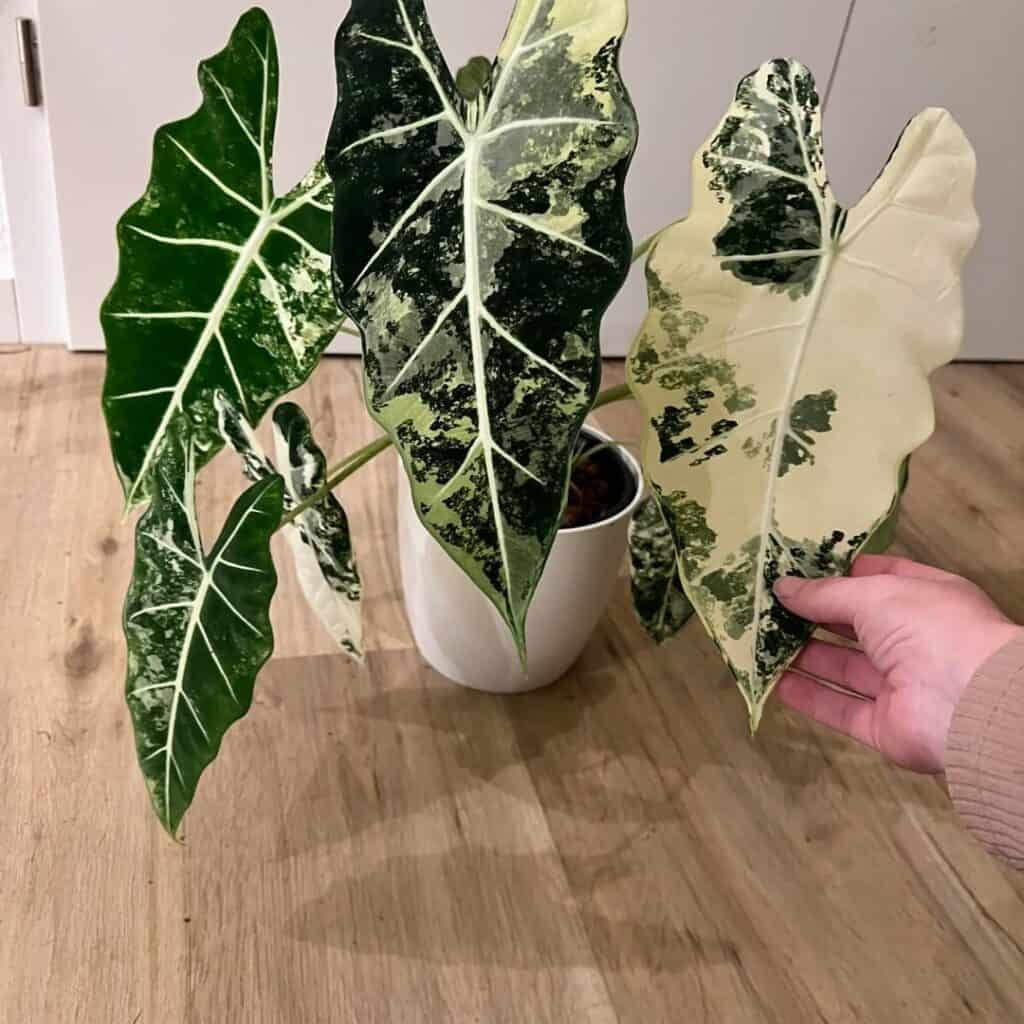
I’ve started using self-watering pots because they make it so much easier to give my plants just what they need. These pots have a built-in reservoir so the soil can pull in moisture as needed—no more guesswork.
In winter, plants drink way less. Self-watering pots let the soil take what it wants, and I just refill the reservoir when it’s low.
I also notice that self-watering pots reduce root rot since the roots aren’t sitting in puddles. That’s super helpful when it’s cold and evaporation slows down.
Most of these pots have an indicator or a little opening so I can check the water level. No need to dig around in the dirt.
Even with these pots, I still check the soil to make sure it’s not staying soggy—especially if my place is cool and damp. Letting the top layer dry out a bit before refilling works best for me.
For me, self-watering pots save time and help me avoid overwatering. My plants get steady moisture without me stressing about it.
4) Add mulch around plants to retain soil moisture
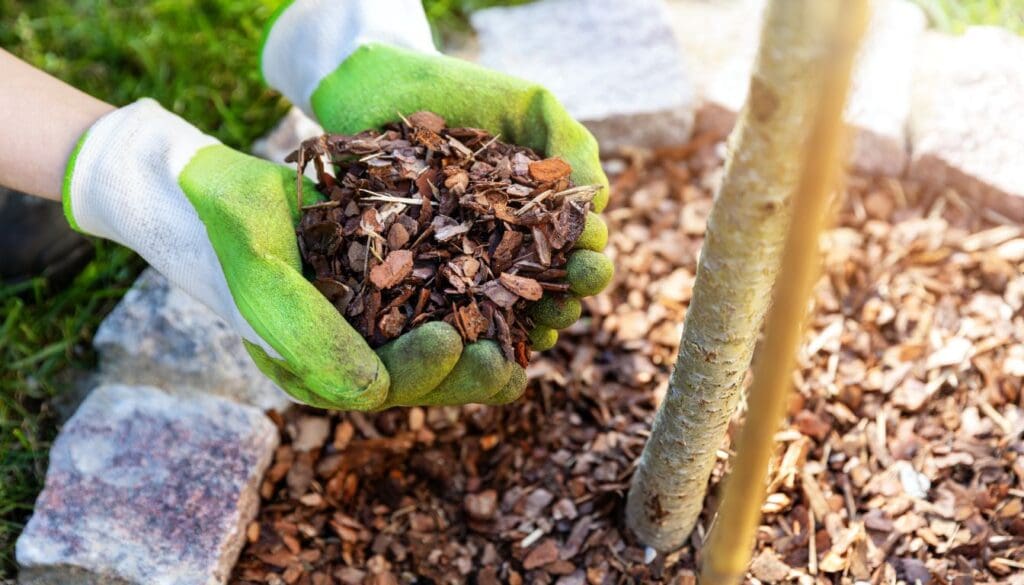
I like using mulch because it helps the soil hold onto water, so I don’t have to water as much. This is a real bonus in winter when the soil dries out slower.
Throwing a protective layer of mulch on top slows down evaporation. The ground stays moist longer, so I’m not tempted to overdo it.
I usually use leaves, straw, or wood chips—whatever’s around. They break down slowly and make the soil better over time.
Mulch also keeps the soil temperature more stable, which helps protect roots from sudden cold snaps. That’s a lifesaver in fall and winter.
Honestly, it’s so simple. I just add a couple inches of mulch and let it do its thing. Less watering, healthier roots, and steady moisture—it’s a game-changer in the cold months.
5) Reduce watering frequency gradually as temperatures drop

I notice my plants need less water as soon as the weather cools off. Plants slow down in the cold, so they just don’t use as much moisture.
If I keep watering like it’s summer, the soil stays wet way too long. I like to cut back on watering slowly instead of stopping all at once.
For example, I might water every five days in late summer, then stretch it to every seven or eight as fall kicks in. I always check the soil before watering—if the top inch is dry, I’ll give a bit; if it’s damp, I wait.
Some plants, like succulents, need even less water when it’s chilly. Others might still want a drink now and then, but never as much as during the hot months.
By easing up on watering, I keep my plants comfortable and dodge root rot. It’s really about matching watering to the season.
6) Ensure pots have proper drainage holes

I always check the bottom of my pots before planting anything. No holes? That’s just asking for soggy soil.
When soil stays wet too long, roots can’t breathe. That leads to root rot and sad, weak plants.
Every pot I use has at least one drainage hole—more for bigger pots, so water can escape evenly.
If I fall for a pot with no holes, I’ll just grab a drill and add some. Not a big deal, and it really helps.
I also pop pots onto saucers or trays to catch extra water. Keeps my shelves dry and still lets the soil drain.
Good drainage gives me peace of mind. I know the soil will dry out steadily, even when it’s cold.
Understanding Plant Water Needs in Cold Weather
I notice my plants drink less when it’s cold out. Cooler air and shorter days really change how soil holds moisture and how quickly plants use it.
How Temperature Affects Soil Moisture
Cold weather slows down evaporation from the soil. In summer, I might water every few days, but in winter, the soil can stay damp for ages.
So, I check the soil before watering—no more sticking to a strict schedule. Sometimes the top looks dry, but lower down it’s still wet.
I use my finger or a moisture meter to check deeper in the pot. Different pot materials also make a difference.
| Container Material | Water Retention | Notes |
|---|---|---|
| Plastic | High | Stays wet longer |
| Clay/Terracotta | Low | Dries faster, even in cold |
| Ceramic (glazed) | Medium | Holds water but not as much as plastic |
Paying attention to these details helps me avoid soggy roots and keep my plants healthier.
Recognizing Seasonal Growth Patterns
In colder months, lots of plants slow down or even stop growing for a while. I see fewer new leaves and just less activity overall.
Dormant plants barely use any water. If I water them like it’s summer, I’m just asking for trouble. My snake plant and ZZ plant, for example, can go weeks without water during winter.
Some plants, like herbs or certain tropicals, might keep growing if they get enough light inside. I watch for new leaves—if I see growth, I’ll give a bit more water.
Matching my watering to the plant’s growth stage keeps them stress-free and prevents soggy roots.
Common Signs of Overwatering During Winter
I’ve noticed plants show stress fast if they get too much water in the cold. The first signs usually show up in the leaves, roots, or even right on the soil.
Yellowing Leaves and Root Rot
If I spot yellowing leaves, it’s usually a sign the roots have been sitting in water too long. Cold soil drains slower, so moisture lingers and suffocates the roots.
Without enough oxygen, plants just can’t take up nutrients, and leaves start to fade. I also watch for root rot—it smells bad and turns roots brown or black instead of firm and white.
To check, I’ll gently pop the plant out and look at the roots. Healthy roots are firm; rotting ones feel mushy.
Quick tip: I always let the top inch of soil dry before watering again in winter. It’s a tiny habit that really helps avoid root damage.
Mold and Fungal Growth
Another sign I watch for is mold on the soil surface—it often looks like a thin white layer. That happens when soil stays damp too long in the cold.
I sometimes spot fungal growth on leaves or stems—powdery spots or dark patches. These love damp, stale air and can spread fast.
To fix it, I boost airflow around the plant and snip off any affected leaves. I also cut back on watering and double-check drainage.
Key reminder: If I see mold or fungus, that’s my cue to rethink my watering routine.
Frequently Asked Questions
Honestly, I keep an eye on soil moisture, pick tools that actually make sense, and tweak how often I water as the weather shifts. Even little changes in timing or soil care can really help plants get through the colder months without a fuss.
How can I tell if my plants are being overwatered during winter?
Yellowing leaves? That’s usually my first clue. Sometimes I’ll notice soft stems or that the soil feels soggy for days.
If the pot feels oddly heavy and the soil just won’t dry out, it’s probably time to cut back on water.
What are the best practices for watering indoor plants in colder weather?
I grab a moisture meter before I even think about watering. I’m a fan of watering in the morning—seems to give the soil a chance to dry out by evening.
Can you suggest a watering schedule suitable for the chilly season?
Honestly, I don’t stick to a rigid schedule. I just water less often, and only when the top inch of soil feels dry to the touch.
That’s worked out way better for me than trying to follow a calendar.
What signs should I look for to adjust my watering routine as temperatures drop?
When plants slow down and just sort of hang out instead of growing, I know they don’t need as much water. If the soil stays damp way longer than it used to, I take it as a sign to ease up on watering.
Are there any tools or gadgets that help prevent overwatering in cold months?
I’m a big fan of moisture meters—they’re simple and get the job done. Self-watering pots can be handy too, since they drip out water slowly and help me avoid going overboard.
How does the soil type affect watering needs in lower temperatures?
From what I’ve noticed, clay soil tends to hang onto moisture for quite a while. So, I usually don’t have to water it as often.
On the flip side, sandy soil just lets water run right through, even when it’s chilly out. That means I end up reaching for the watering can a bit more often than I’d expect.
Note: Some images in the articles are sourced from Reddit and Other Platforms For Reference Purpose.