6 Summer Care Mistakes That Are Wilting Your Plants
Taking care of my plants during summer can be tricky. With longer days and hotter weather, many common mistakes can pop up and harm even the healthiest plants.
I want to help my plants not just survive, but thrive in the summer heat.
By learning about simple summer care errors, I can avoid problems that make my plants droop or lose their leaves.
Paying attention to how I care for them helps my plants stay strong and green all season.
Please note: Simplify Plants is reader-supported. As an Amazon Associate, I earn from qualifying purchases made by our readers with no extra cost added to you all! Some links in the post are affiliate links and I get a commission from purchases made through links in the post.
1) Overwatering during hot days

I used to think my plants needed extra water when the sun was blazing. But I learned that too much water can actually hurt them.
When I water too often on hot days, the soil stays wet and the roots can’t breathe.
Wet soil can cause root rot, which makes my plants wilt or even die.
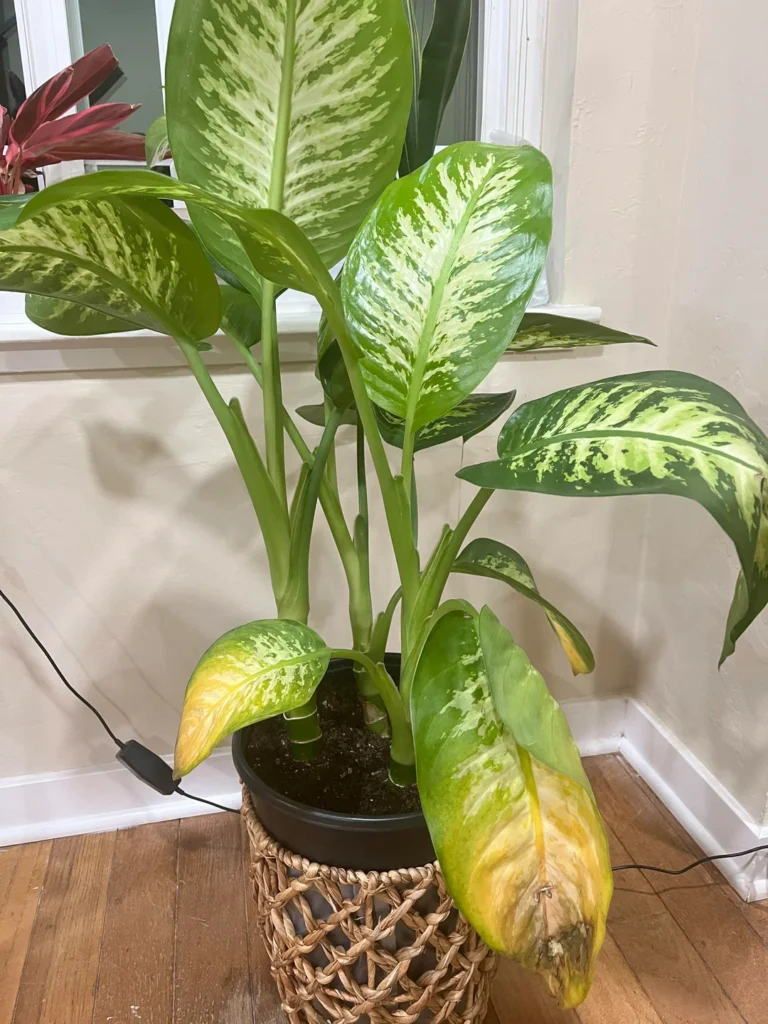
I noticed some leaves were turning yellow and droopy. At first, I thought it was because they were thirsty, so I added more water.
This just made things worse.
Plants need a chance for the soil to dry out between waterings.
Letting the top inch of soil dry out first really helps my plants stay healthy in the heat.
Now, I always check the soil before I water. If it feels dry an inch below the surface, I water slowly and deeply.
This keeps my plants happy without drowning them.
Using pots with drainage holes also makes a big difference. The extra water can flow out, so my plants don’t sit in soggy soil.
If I’m ever unsure, I use a moisture meter or just stick my finger into the dirt.
This simple step saves me a lot of trouble.
By paying close attention, I avoid the common mistake of overwatering during hot summer days.
2) Ignoring soil moisture checks

It’s easy to forget to check the soil when life gets busy, but I’ve learned how important it is.
Dry or soggy soil can seriously hurt my plants.
I never just guess by looking at the top—plants need more than that. I stick my finger about an inch into the soil to check for moisture.
If it feels dry, it’s usually time to water.
If it’s still damp, I wait a little longer before watering again.
Sometimes, the surface looks dry but underneath, the soil is still wet. That’s why I never rely only on what I see.
Checking deeper helps me avoid overwatering or underwatering.
I also use a simple moisture meter when I’m not sure. This tool is easy to use and helps me make better watering choices.
By staying on top of soil checks, I keep my plants happy and healthy.
3) Not mulching to retain water

One big mistake I often make in the summer is skipping mulch around my plants.
Mulch acts like a shield, trapping moisture in the soil and keeping my plants from drying out too fast.
When I forget to mulch, the sun bakes the ground, and water slips away quicker than I expect. I notice my plants get thirstier without mulch.
I end up having to water them more often, which sometimes isn’t enough.
The soil also gets hard, making it tough for roots to take in water and nutrients.
This can stress my plants and lead to dull, droopy leaves.
Adding a layer of mulch is simple. I use old leaves, straw, or wood chips.
A two- or three-inch layer is usually enough to protect the soil and keep in the water.
Mulch also helps keep weeds down, so my plants don’t have to fight for resources.
Since I started mulching, my garden stays moist longer, and I don’t feel as rushed to water every day.
The plants seem stronger and handle hot days much better.
Remembering to mulch is a small step that makes a big difference in summer plant care.
4) Using harsh chemical fertilizers

I’ve learned that using strong chemical fertilizers can actually do more harm than good, especially in summer.
These fertilizers often promise quick growth, but the chemicals can burn my plant roots.
I notice my leaves turning brown at the edges or looking wilted, even if I water them.
High levels of chemicals also upset the soil. They can wash away good bacteria that my plants need.
Sometimes, I see fewer worms in the dirt after using them too much.
During hot weather, plants are already stressed. Using harsh products just makes things worse.
I realized that my plants grow better when I use gentle, balanced food.
Now, I prefer organic fertilizers or compost.
These break down slowly and are less likely to burn my plants. My flowers and veggies seem happier, and I feel better knowing I’m not hurting the environment.
If I must use any fertilizer, I always read the instructions and use less than the label suggests.
It’s better to feed a little than too much.
My plants thank me by staying green and healthy through the summer.
5) Neglecting pest signs early
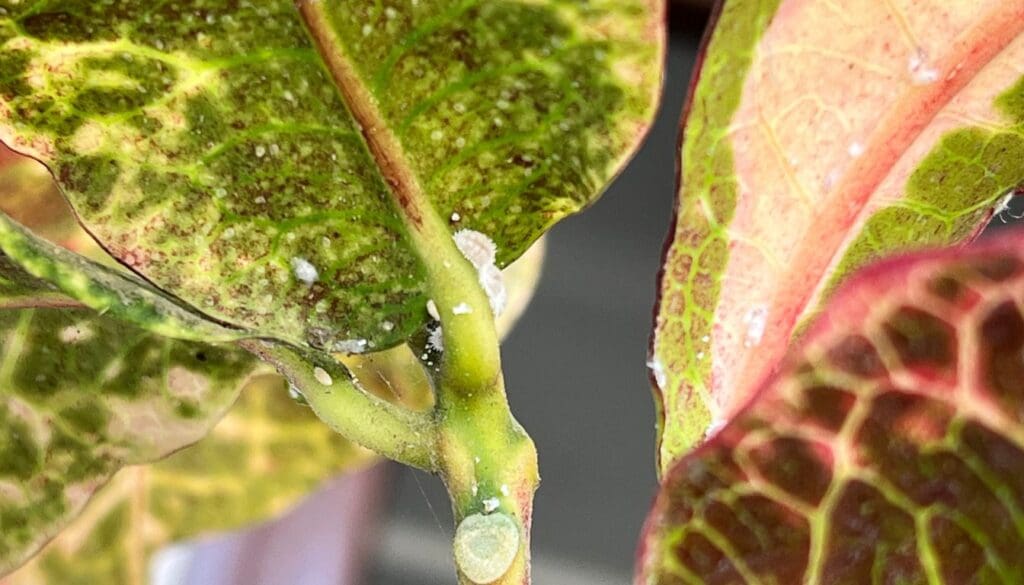
I’ve learned that catching pest problems early can save my plants from serious damage.
If I let bugs or pests go unnoticed, they can multiply fast in the heat of summer.
I always look for small holes in leaves, white spots, or sticky residue.
These tiny clues can mean there are aphids, spider mites, or other bugs around.
I don’t ignore discolored or curled leaves either. That can point to bigger pest problems under the surface.
Checking my plants a few times a week is a simple habit.
I look under the leaves and around the soil, since pests like to hide.
If I spot anything odd, I act quickly.
Sometimes I wipe away bugs with a damp cloth or use a gentle insecticidal soap.
Treating pests right away is much easier than dealing with a plant full of bugs.
It also helps keep my other plants safe.
I always make sure to use safe methods, especially if my plants are edible.
I want my garden to be healthy for everyone, including me.
Taking a few minutes to inspect my plants can make a big difference.
6) Failing to prune dead leaves
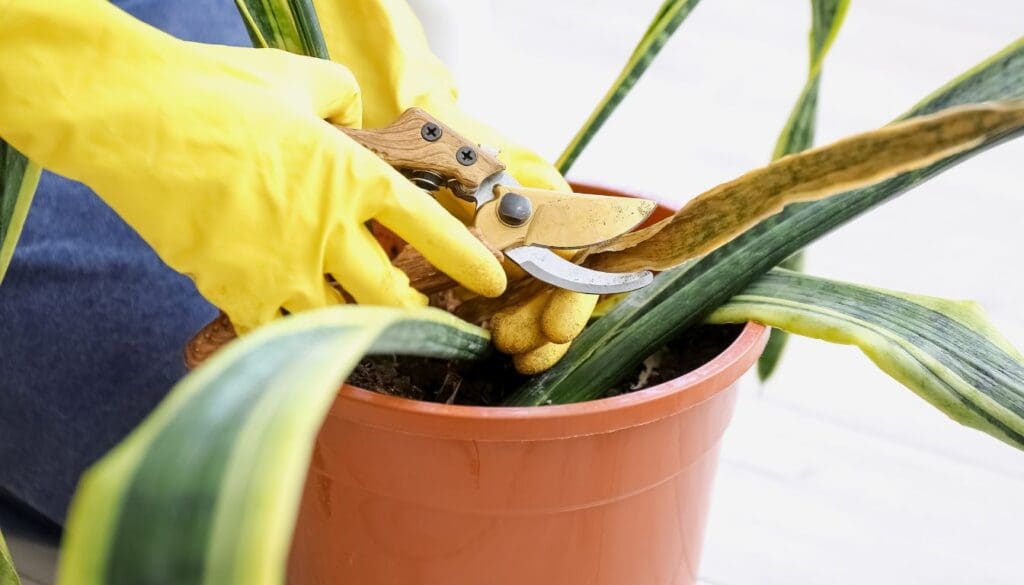
I always check my plants for dead or yellow leaves during summer.
Leaving these on the plant can slow growth and attract pests.
Dead leaves also block sunlight from healthy parts of the plant.
When I remove dead or damaged leaves, my plants look fresher.
It helps new leaves get more light and air.
I just use clean scissors and snip leaves close to the stem.
I try to check my plants once a week. That way, I don’t miss any leaves that need to go.
Even a few extra minutes can make a real difference.
I’ve noticed that plants often perk up after pruning.
New growth seems to come in sooner, and the whole plant looks tidier.
It’s a simple step that keeps my garden looking its best.
I avoid pulling or tearing leaves by hand because that can harm the plant. I use gentle, careful cuts so I don’t hurt healthy stems or branches.
If I’m not sure which leaves to cut, I look for ones that are brown, yellow, or dry.
Healthy leaves are green and firm, so those always stay.
Pruning is quick and easy, but it makes a big impact.
It helps my plants stay healthy during the hottest months.
How Summer Heat Affects Your Plants
I notice high temperatures can cause my plants to wilt, brown, or even stop growing.
Giving them the right amount of water and spotting problems early helps prevent lasting damage.
Recognizing Signs of Heat Stress
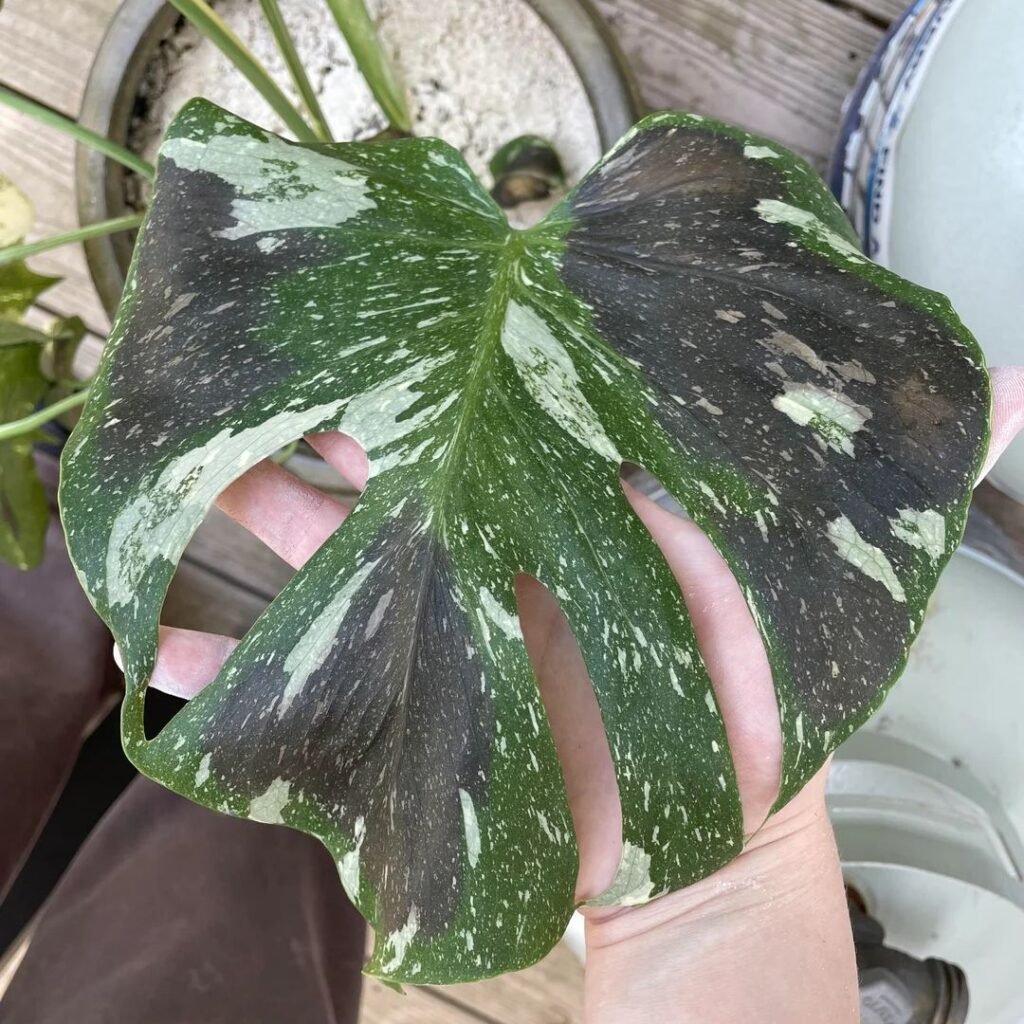
When it’s hot, I see my plants struggle.
The most common signs of heat stress are wilted leaves, leaf edges turning brown, and flowers dropping early.
Sometimes the leaves turn yellow or look scorched, especially in the hottest part of the day.
Droopy leaves usually mean my plants are losing water faster than they can take it in.
I also check for leaves curling or looking thin, which is another sign the sun is too strong.
Some plants, like tomatoes or lettuce, show stress faster than others.
I watch these closely for brown patches or crispy edges.
Spotting these problems early helps me act before my plants get too weak or die back.
Understanding Water Needs in Warm Weather
During hot months, plants lose water quickly through their leaves.
I make sure the soil stays moist but not soggy.
If the top inch of soil feels dry when I touch it, I know it’s time to water.
I often water in the early morning so my plants can drink before it gets hot.
Deep watering works better than light sprinkles, so I let the water soak in several inches below the surface.
Clay soils hold water longer, while sandy soils dry out fast.
I adjust how much and how often I water depending on the soil type.
Container plants need water more often than plants in the ground because they dry out faster in the sun.
Adapting Your Plant Care Routine for Summer
I always have to adjust my plant care when the weather is hot.
High sunlight and summer heat mean my plants need me to be more careful with their water and shade.
Timing Your Watering for Maximum Absorption

I’ve learned that watering early in the morning is best during summer.
This lets the roots absorb water before it can evaporate from the heat. If I water in the middle of the day, most of the water disappears before it gets to the roots.
I check the soil first by sticking my finger in about an inch deep.
If it feels dry, that’s my sign to water. I always avoid getting the leaves wet because that can cause sunburn or disease.
Evening watering is better than midday, but it can sometimes lead to fungus if the leaves stay wet overnight.
I stick to the early hours for the healthiest plants.
Here’s a quick list of my watering routine:
- Water early morning
- Check soil moisture before watering
- Avoid wetting the leaves
Best Practices for Shading and Placement
I move my sensitive plants to spots with partial shade once summer starts.
For plants I can’t move, I use shade cloths or even an umbrella to block some of the intense sunlight.
Direct afternoon sun can easily scorch the leaves and make plants wilt.
If I have plants indoors near windows, I move them back a little or use a sheer curtain.
This keeps the light bright but less harsh.
Here’s what works well for me:
- Move pots to shadier areas if possible
- Use shade cloths for garden beds
- Hang a white sheet or curtain on very sunny days
I always pay attention to which plants are getting crispy edges or yellow leaves.
That usually tells me they need more protection from the sun.
Frequently Asked Questions
I often find that simple changes can help plants thrive.
I watch for signs like dry leaves, pests, and slow growth to catch problems early and keep my plants healthy.
What are the common watering errors I should avoid for my indoor plants?
Overwatering is the biggest mistake I see.
I make sure my plant’s soil feels dry an inch down before I water.
I avoid using cold or hot water, as it can shock the roots.
I never let plants sit in standing water in saucers, since soggy roots can rot quickly.
How can I tell if my houseplant is infested with pests?
I check the leaves, stems, and soil each week.
Sticky residue, tiny webs, or small holes are usually signs of pests.
If I see tiny bugs crawling or flying near my plants, it usually means there’s a problem.
Could you give tips on maintaining plant health indoors?
I always give each plant the right amount of sunlight for its type.
I use mulch on the soil to lock in water.
I check soil moisture with my finger and avoid harsh chemical fertilizers, as they can burn roots.
Why are my plant’s leaves turning brown and feeling crispy?
Brown, crispy leaves usually mean too much sun, under-watering, or dry indoor air.
I move the plant out of direct sunlight and mist the leaves gently.
I also check the soil to make sure it’s not too dry.
Can you suggest a routine for watering plants inside the house?
I water my plants in the morning so the soil has time to dry out during the day.
Every Monday and Thursday, I stick my finger in the soil to check if it’s dry.
If it feels dry down to my first knuckle, I water gently so the soil is moist but not soaked.
What are some beginner mistakes to evade when starting a garden?
One mistake I made early on was not checking the soil before watering. That led to overwatered roots—definitely not ideal.
I also ignored pest signs and didn’t use mulch. My plants dried up faster than I expected.
Now, I try to use natural fertilizers. I keep an eye out for bugs, and I always poke the soil to check moisture before watering.
Note: Some images in the articles are sourced from Reddit and Other Platforms For Reference Purpose.