5 Signs Your Houseplant Is Struggling This Winter And How To Help
Keeping houseplants happy in winter? Honestly, it’s a challenge.
Shorter days, dry air, and low light can make even the toughest plants look a bit sad. Spotting the early signs of trouble can really help you jump in before things get worse.
I’ve noticed that little changes—like a shift in color, slower growth, or even the way the soil feels—can tell you a lot about your plant’s mood.
Once you know what to watch for, it’s way easier to tweak your care and keep your leafy friends thriving through the cold months.
Please note: Simplify Plants is reader-supported. As an Amazon Associate, I earn from qualifying purchases made by our readers with no extra cost added to you all! Some links in the post are affiliate links and I get a commission from purchases made through links in the post.
1) Leaves turning yellow or brown

I see yellow or brown leaves pop up most often in winter. The light just isn’t as strong, so plants slow down and sometimes lose their color.
If I’m not careful, overwatering can cause this too. Soggy roots can’t breathe, and the leaves show it.
Letting the soil get too dry for too long? That’s when I start seeing crispy, brown edges. Dry soil is just as rough on them.
The heat inside dries out the air, which my tropical plants really don’t appreciate. I’ll sometimes put a dish of water nearby or fire up a humidifier to help out.
Cold drafts from windows or doors are another sneaky culprit. If I move my plant away from chilly spots, I usually notice the leaves perk up.
If older leaves at the bottom turn yellow, I try not to panic. Plants shed old leaves in winter sometimes to save energy. But if the new leaves start changing color, that’s when I know I need to take a closer look at light, water, and temperature.
2) Wilting despite regular watering

It’s always weird when my plant looks droopy even though I’ve watered it on schedule. Usually, that means the roots aren’t doing their job.
Sometimes the soil just hangs onto too much moisture in winter. Cold, damp soil isn’t great for roots, and the plant wilts.
I always check for good drainage. If water is pooling at the bottom, roots end up soggy and unhappy.
Dry air from heaters can make leaves lose water faster, so even if I’m watering regularly, the plant can still look thirsty.
Before I water again, I poke the soil. If it feels wet but the plant still looks limp, I know dryness isn’t the problem.
If I ever pull the plant out of its pot or peek through the drainage holes, I check the roots. Healthy roots are firm and white—if they’re brown or mushy, that’s not good.
By paying attention to both the soil and the air, I can usually figure out why my plant is wilting and adjust what I’m doing.
3) Slow or stunted growth
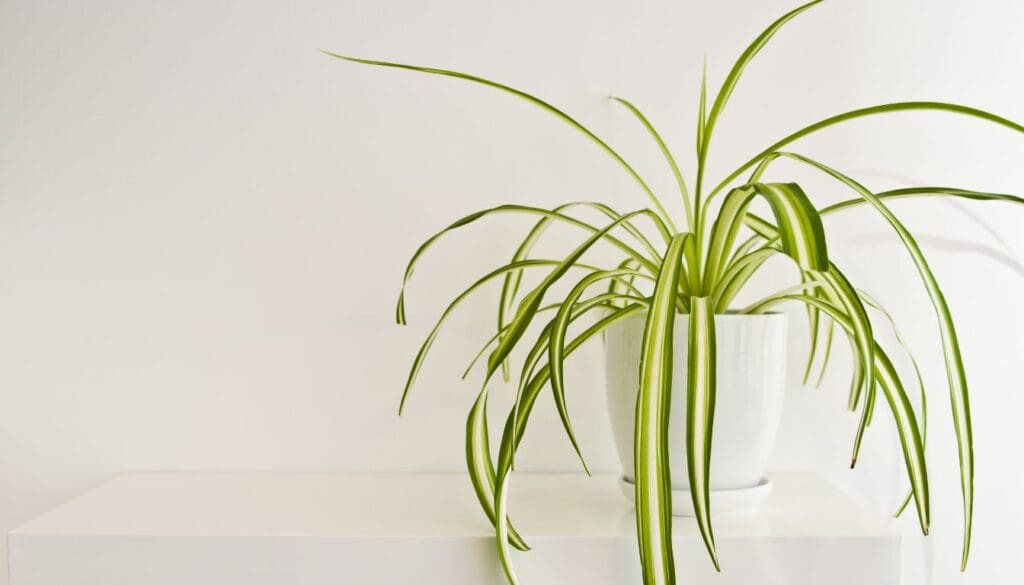
In winter, my plants just kind of hit pause—slow or stunted growth is super common. With less sunlight, they don’t make as much energy.
If my plant sits still for weeks, I try not to stress. Most houseplants just take it easy when it’s cold.
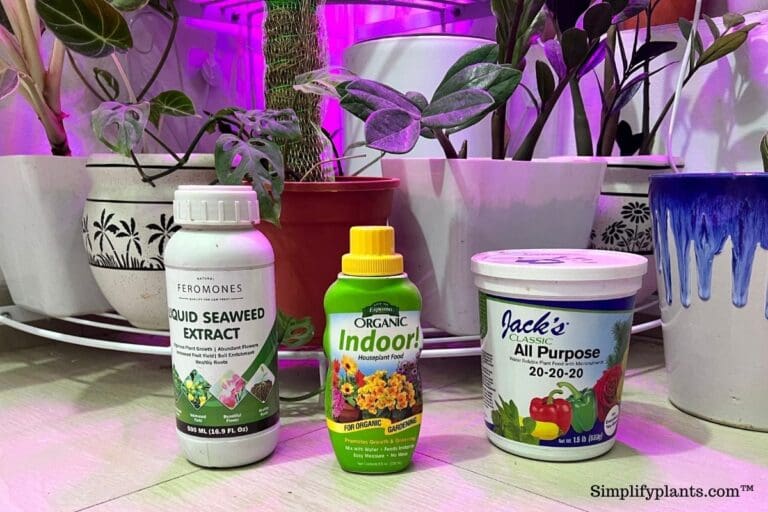
I avoid overdoing fertilizer. Feeding a plant that’s not growing much can actually make things worse.
If growth seems weaker than usual, I move the plant closer to a window or try a grow light. Sometimes that’s all it needs.
I also double-check the room temperature. If it’s dipping too low, that can slow growth even more.
4) Dropping leaves unexpectedly

When my plant suddenly starts dropping leaves, I know something’s off. Cold drafts, dry air, or a quick change in light can all cause this.
If I see leaves falling, the first thing I check is watering. Too much or too little can both make a plant shed leaves to save energy.
Temperature is another thing I watch for. Plants near windows or doors can get shocked by cold air, so I move them somewhere more stable when I can.
Dry air from heaters? That’s a big one. I’ll set up a humidifier or put a tray of water nearby to help out.
A little attention to these details usually stops the leaf drop before it gets out of hand.
5) Soil staying soggy for too long

If the soil feels wet for days after watering, that’s a red flag. Healthy soil should dry out a bit between waterings, especially since plants grow slower in winter.
I’ve learned that constant moisture can cause root rot. Roots need air, and sitting in waterlogged soil just suffocates them.
I press the top of the soil to check. If it still feels damp after several days, I wait longer before watering again.
Drainage holes are a must. If my pots don’t have them, water has nowhere to go, and the soil stays wet for ages. I also empty any saucers under the pot after watering.
When I spot soggy soil, sometimes I’ll move the plant to a brighter spot to help it dry out faster. If the soil feels heavy or compact, I’ll repot using a mix that drains better.
Why Winter Is Challenging for Houseplants
My plants always seem to react to winter. Less light, drier air, and slow growth—it’s a tough combo for them indoors.
Light and Temperature Changes
Days get so short in winter, and my plants get less sunlight. A lot of houseplants want 6–8 hours of good light, but windows just don’t cut it this time of year. Even when the sun’s out, it’s weaker and lower.
Cold drafts from windows or doors can stress plants, while heaters make the air warm and dry. This mix of temperature swings can really throw them off.
I try to keep my plants somewhere with steady temps—ideally 65–75°F. If natural light isn’t enough, I’ll use a grow light to help them out.
Humidity Levels in Winter
Turning up the heat dries out the air fast. Most of my houseplants, especially the tropical ones, want humidity around 40–60%, but inside it can drop below 20%.
Dry air means brown leaf tips and crispy edges. My ferns and calatheas are always the first to show it.
I group plants together to boost humidity, or set up a humidifier. Even a shallow tray of water near the plants can help. Misting works a little, but honestly, the effect doesn’t last long.
Dormancy and Growth Cycles
Most of my plants slow down or stop growing in winter. That’s dormancy, and it’s totally normal.
During dormancy, they need less water and no fertilizer. If I keep up my summer routine, I risk overwatering or root rot.
I water less and skip the fertilizer until spring. Letting them rest keeps them healthy for when the growing season comes back.
How to Support Your Houseplants Through Winter
I focus on water, light, and humidity to keep my plants happy. Small tweaks in these areas can make a huge difference as the days get colder and shorter.
Adjusting Watering Routines
I water less in winter—plants just don’t need as much. Overwatering is probably the easiest mistake to make, since soil dries out slower when it’s cold. I always poke the top inch of soil with my finger. If it’s dry, I water; if not, I wait.
Pots with drainage holes are a must for me. That way, any extra water can escape and roots don’t sit in a puddle. My routine is pretty simple:
- Check soil once a week
- Water only when dry
- Empty saucers under pots so water doesn’t pool up
This keeps roots healthy and helps me avoid rot, which is a pain to fix once it starts.
Improving Indoor Lighting
Winter means less light, so I move my plants closer to the sunniest windows—south or east-facing are best. Dirty windows block light, so I try to remember to wipe them down.
If sunlight isn’t cutting it, I’ll set up a grow light for 10–12 hours a day. I keep it about 6–12 inches above the plants so they get good coverage but don’t burn.
Rotating the pots every week helps too. It keeps the plant from leaning and makes growth more even.
Boosting Humidity Safely
Indoor heat makes the air dry, and plants notice. I raise humidity by grouping plants together, or I’ll set a tray with water and pebbles under some pots.
I skip misting most of the time—it doesn’t keep humidity high for long and can sometimes cause spots or mold. A small humidifier works way better. Aiming for 40–50% humidity seems to keep most of my plants content.
A digital hygrometer helps me keep tabs on humidity, so I know when to run the humidifier or just leave things as they are.
Frequently Asked Questions
Most of my winter plant issues come down to light, temperature, water, dry air, pests, and nutrients. If I pay attention to the leaves, soil, and how the plant is growing, the signs are pretty clear.
How can I tell if my houseplant is getting enough light during the shorter winter days?
I look for yellowing leaves, leggy stems, or slow growth. If my plant leans toward a window or stretches tall and thin, it usually means it needs more light.
What are the indicators that my houseplant is too cold?
I usually spot drooping leaves, brown edges, or sudden leaf drop when my plant gets too chilly. If the pot’s parked near a drafty window or a door that lets in cold air, it can really stress the plant out fast.
What are the common signs of overwatering in houseplants during winter?
I watch out for soggy soil, yellow leaves, and wilting even when the soil is wet. If the pot feels heavy for days, that’s a pretty good hint I’ve gone overboard with watering.
How do I know if the dry winter air is affecting my indoor plants?
I notice crispy leaf tips, curling edges, or leaves falling off when my place gets too dry. The ones sitting closest to heaters or vents? Yeah, they always show these issues first.
What should I look for to determine if my houseplant has a pest problem in the winter?
I check for tiny webs, sticky residue, or small spots on leaves. Sometimes I’ll spot bugs crawling on the soil or hiding under the leaves—never a great sign.
Can you give tips on how to spot nutrient deficiencies in houseplants during the colder months?
I usually watch for pale leaves, weak or floppy stems, and sluggish growth.
If I notice older leaves going yellow but the new ones are still tiny, that’s a pretty clear sign my plant’s hungry for more nutrients.
Note: Some images in the articles are sourced from Reddit and Other Platforms For Reference Purpose.