5 Genius Ways to Avoid Houseplant Sunburn Indoors
Houseplants make my space feel cozy and alive. But bright sunlight can sometimes hurt their leaves.
Sunburn spots can be a real headache, even for indoor plants.
I want to keep my indoor plants healthy and safe from the sun’s harsh rays.
Learning simple ways to protect them helps my favorite greens look their best all year. It’s honestly worth the little extra effort.
Please note: Simplify Plants is reader-supported. As an Amazon Associate, I earn from qualifying purchases made by our readers with no extra cost added to you all! Some links in the post are affiliate links and I get a commission from purchases made through links in the post.
1) Use sheer white curtains to filter sunlight
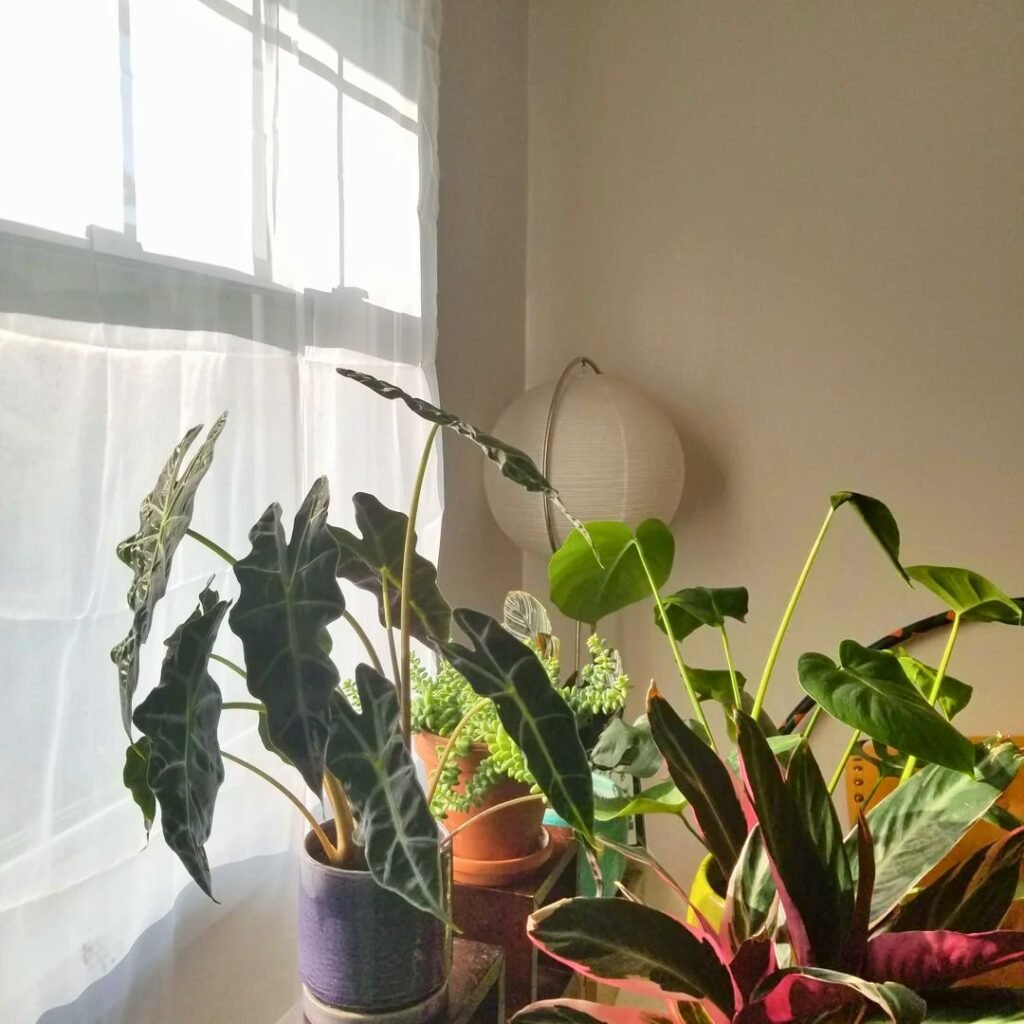
I always use sheer white curtains to protect my houseplants from too much sunlight. Bright light can be helpful, but direct rays can sometimes burn leaves.
By hanging these curtains, I make sure my plants get what they need without harm. Sheer white curtains let in a gentle, filtered light.
This way, plants don’t get shocked by sudden sun or overheat during the day. I noticed that the soft light keeps the colors of my plants fresh and their leaves healthy.
I find them easy to use. I just pull the curtains closed during the brightest part of the day.
It takes only a few seconds, and my plants still get plenty of sun. These curtains are also affordable and simple to find at most stores.
Some are even adjustable, so I can control how much light comes through. I like that I can keep my room looking bright while keeping my plants safe.
Adding sheer white curtains is one of the easiest tricks I’ve tried. My plants look less stressed and rarely get brown patches.
Plus, the room feels cozy and calm with the soft light. If you have a sunny window, I suggest giving this a try.
Your houseplants will appreciate the extra care!
2) Place plants on north-facing windowsills

I always try to use north-facing windowsills for my houseplants. These spots get gentle sunlight throughout the day, which helps prevent leaves from getting burned.
Since the light is softer, my plants don’t have to deal with strong, direct rays. This is perfect for sensitive plants, like ferns and peace lilies, that get damaged easily.
When I moved my plants away from the south or west windows, I noticed fewer brown or scorched spots. North-facing windows help my plants grow well without the risk of sunburn.
I check that all my pots get some light but not too much. If the window seems a bit too dim, I move the plants a little closer to the glass.
This spot works well for most indoor plants. It keeps my collection green, happy, and thriving.
Sometimes, I even rotate the pots to make sure each side gets enough light. If you’re worried about sunburn on your houseplants, try the north side of your home.
It’s an easy way to protect your favorite greens from too much sun.
3) Rotate plants regularly to avoid uneven sunburn

I’ve noticed that sunlight doesn’t always hit my plants evenly. When one side gets all the light, it can lead to brown patches or faded spots.
These are signs of sunburn, and they often show up on the side facing the window. To help my plants grow evenly, I give their pots a little turn every week.
Rotating houseplants ensures all sides get equal sunlight. This keeps leaves from burning or getting too pale on just one side.
Every time I water, I use that as my reminder to turn the pot. Even a small twist can make a big difference over time.
Some plants will even lean toward the light if I leave them in one spot for too long. By rotating them, I keep their stems straight and strong.
This prevents weak growth and unattractive tilting. If I have bigger plants that are hard to move, I try to gently adjust their position or rotate just the container.
For smaller pots, I turn them 90 degrees at a time. Consistent rotation makes sure no one side gets too much sun or burns.
This simple habit can protect my plants and help them grow evenly indoors.
4) Introduce a DIY shade using mesh fabric

I found that using mesh fabric is a simple way to protect my houseplants from too much sun. Mesh is easy to find and usually not expensive.
I cut the mesh fabric to fit my window or the area above my plants. Then, I hang it using tape, hooks, or a tension rod.
This lets in light but blocks some of the sun’s harsh rays. The mesh works like a soft filter, giving my plants just the right amount of brightness.
It’s great because I don’t have to move my plants every time the sun shifts. If I notice my plants are still getting too much sun, I double the mesh layer.
If they need more light, I remove a layer or use a thinner fabric. Using mesh fabric is quick, flexible, and lets me protect my plants without spending a lot of money.
I can also choose a color that matches my room for a tidy look. This DIY shade has helped me most during hot summer days.
My plants look healthier and have fewer brown leaf spots since I started using mesh.
5) Use reflective surfaces to redirect light

I discovered that reflective surfaces can help my plants get just the right amount of sunlight. Shiny objects like mirrors or even white poster boards work well.
They bounce sunlight toward plants in darker corners, so the light spreads out more evenly. I like to place a small mirror at an angle near my sunnier window.
This lets me redirect extra sunlight away from plants that are getting too much. At the same time, it gives plants in the shade a bit more light.
I’ve also found that aluminum foil works if I tape it to a wall or use it under pots. It’s a simple, affordable way to share light without spending money on fancy gadgets.
I make sure not to put reflective surfaces too close, because too much light can still cause problems. Bright, white walls are another trick I use.
They reflect sunlight gently, reducing the risk of sunburn on plant leaves near windows. Sometimes I move my plants around until I find the spot with the perfect amount of light bounce.
Using these surfaces gives me more control. I can quickly adjust how much light my plants get without moving them all day.
It helps me keep all my indoor plants healthy, even if my windows face different ways.
Understanding Houseplant Sunburn

Sunburn is a real risk for indoor plants, just like it is for people. If I want my plants to thrive, understanding what causes sunburn and how to spot the signs is important.
Why Indoor Plants Get Sunburnt
Even indoors, plants can get too much direct sunlight. Most houseplants are adapted to low or filtered light, especially those that come from tropical forests.
When I place them close to a sunny window, the intense light can damage their leaves. Window glass can actually magnify sunlight, making it stronger.
Plastic and glass can also block some rays but let in more heat. This sudden change stresses my plants, especially if they’ve been moved from a shady spot to a bright one.
Some plants, like ferns and pothos, are especially sensitive. Humidity also plays a role.
Dry indoor air can make leaves lose water faster, making them prone to sunburn. Keeping an eye on how much light and heat my plants get helps prevent damage.
Recognizing Signs of Sun Damage
Catching sunburn early helps me save my plants. The most common sign is discolored or pale patches on top leaves.
These often look white, tan, or yellow and can have crisp, dry edges. Sometimes, leaves may curl up, wilt, or even fall off.
The damage usually appears on the side facing the window or light source. Here’s a quick checklist I use:
| Sign | What It Looks Like |
|---|---|
| White/Milky Spots | Patches that turn brittle or dry |
| Yellow/Brown Edges | Leaf tips or sides look burnt |
| Leaf Curling | Edges roll inward or look shriveled |
| Dropping Leaves | Affected leaves drop early |
If I notice these, I move my plant to a spot with filtered light right away. Quick action makes a big difference.
Best Practices for Light Management

I always make sure my houseplants get just enough sunlight without burning. I pay close attention to where I place them and how I filter the light coming into my home.
Small changes in these areas make a big difference for plant health.
How to Choose the Right Window
Finding the best window for my plants really depends on how much sun they’re into. South-facing windows get the most light and are often best for sun-loving plants.
North-facing windows give the least light, which is good for plants that like shade.
East-facing windows get gentle morning sun, making them safer for most houseplants.
West-facing windows can be harsh in the afternoon, so I always check if the leaves are turning brown.
Tips I use:
- Check if sunlight is direct or filtered
- Use a compass app to find out window direction
- Move plants away from glass if I see leaf scorch
Using Sheer Curtains and Blinds for Protection
Sheer curtains and blinds help me block strong rays. I use sheer white curtains to soften bright sunlight while letting enough light in for healthy growth.
If the sun is too intense, I close the blinds during peak hours. I also try adjustable blinds for more control.
Blinds make it easy for me to adjust the angle and reduce glare.
For plants that need less light, I double up with both blinds and sheer curtains.
Here’s a quick table I follow:
| Sunlight | Best Solution |
|---|---|
| Direct sun | Sheers + blinds |
| Filtered sun | Sheers only |
| Low light | No window cover needed |
I check the leaves often to make sure they’re not getting too much sun through the glass.
Frequently Asked Questions
I’ve learned a lot about protecting my plants from harsh sunlight, treating leaf damage, and helping sensitive species thrive indoors.
Below are answers to the most common problems I encounter when caring for houseplants.
How can I identify and treat sunburned leaves on my indoor plants?
I notice sunburned leaves by their dry brown or white patches. These spots usually show up on the side facing the window.
I gently trim away the damaged leaves with clean scissors and move my plant to a less sunny spot.
What preventive measures can I take to protect my houseplants from sunburn?
I use sheer white curtains to filter strong rays and place my plants on north-facing windowsills for soft light.
Every few days, I rotate my pots so all sides get even exposure. For extra sunny rooms, I also set up a simple DIY shade with mesh fabric.
Are there any specific plants that are more susceptible to sunburn indoors?
Succulents, ferns, and thin-leaved plants like peace lilies get sunburned more easily. I keep a closer eye on them, especially near windows.
My darker-leaved and tropical plants also need more gentle light compared to others.
What are the best practices for keeping indoor plants moist to prevent sunburn?
I check the top inch of soil with my finger to see if it’s dry. If it is, I water, but I don’t overwater.
Keeping the air humid with a tray of water or a small humidifier helps my plants stay hydrated and less likely to scorch.
Can sunburned houseplants recover, and how can I help them heal?
Most of my sunburned plants bounce back if I act early. I remove badly burned leaves, move them to gentler light, and keep the soil slightly moist.
With patience and good care, I often see new healthy leaves appear.
What are some winter care tips to prevent sunburn in houseplants during the colder months?
In winter, sunlight can sneak in pretty harsh through windows—way more than you’d expect. I still use sheer curtains and keep an eye out for those sneaky cold drafts.
I try to keep my plants away from heaters or radiators, since that dry air isn’t doing them any favors. Every so often, I’ll rotate my plants for more even light, though sometimes I forget.
Reflective surfaces nearby can actually redirect light and help my plants get a more balanced dose of sunshine. It’s a bit of trial and error, honestly, but it keeps things interesting.
Note: Some images in the articles are sourced from Reddit and Other Platforms For Reference Purpose.