5 Fall Houseplant Maintenance Tasks to Do This Weekend
With fall just around the corner, I can tell my houseplants are craving a bit of extra care.
Now feels like the perfect moment to get my indoor plants set for the cooler months.
A few simple weekend steps can really help my plants stay happy and looking good all season.
I want those leaves bright and that growth steady, even as the weather shifts.
Please note: Simplify Plants is reader-supported. As an Amazon Associate, I earn from qualifying purchases made by our readers with no extra cost added to you all! Some links in the post are affiliate links and I get a commission from purchases made through links in the post.
1) Check soil moisture and water only if dry

First thing in the fall, I always check my houseplants’ soil moisture. I never just guess or stick to a rigid schedule.
Fall usually means less sunlight and cooler temps, so my plants drink less. I poke my finger about an inch into the soil—if it’s dry, then it’s watering time. If it’s still damp, I just wait a bit longer.
Overwatering in fall is a recipe for root rot, so I’m careful to water only when the soil feels dry. It’s honestly better for the plant.
Some pots hang on to moisture longer when it’s cooler inside. I don’t assume—each plant gets checked. They’re all a little different.
If I start second-guessing, I grab a moisture meter. It’s a lifesaver for avoiding watering mistakes.
When I do water, I make sure it drains out the bottom. Good drainage is everything for healthy roots.
Checking before watering keeps my houseplants happier all season. Less water in fall helps them rest and stay strong.
2) Prune yellowing or dead leaves to encourage growth
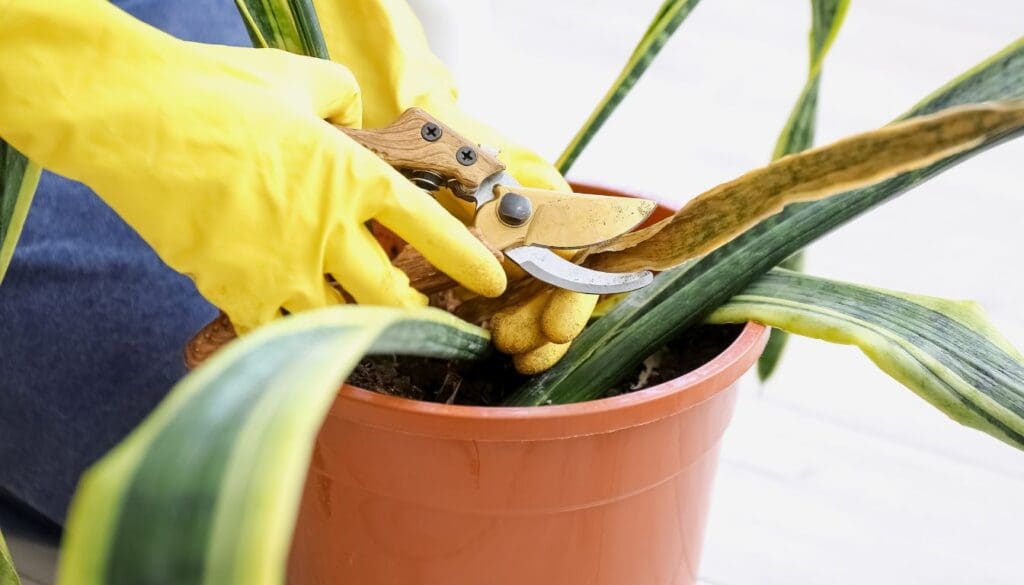
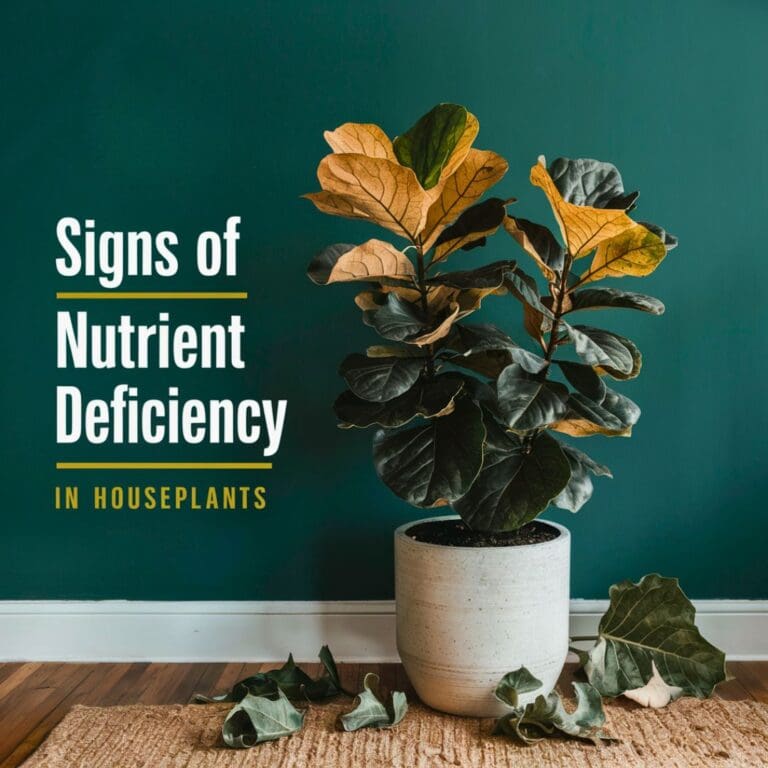
Whenever I see yellowing or dead leaves on my houseplants, I know it’s time to prune. These sad leaves just sap energy from the rest of the plant. Snipping them off helps the plant focus on new growth.
I stick with clean, sharp scissors or pruning shears. Tearing leaves by hand is a no-go—it can hurt the plant. Wiping the blades before and after pruning keeps diseases from spreading.
I look for leaves that are totally yellow, brown, or wilted. If there are mushy stems, I trim those off too.
Sometimes a leaf just has a few brown tips but is otherwise fine. In that case, I’ll only snip the brown part and leave the rest. It keeps things neat without overdoing it.
After pruning, my plants usually perk up in a few days. Regular pruning helps keep pests away and just makes everything look better.
I try to check my plants weekly in the fall. That way, dying leaves don’t get a chance to cause bigger issues.
3) Move houseplants away from drafty windows
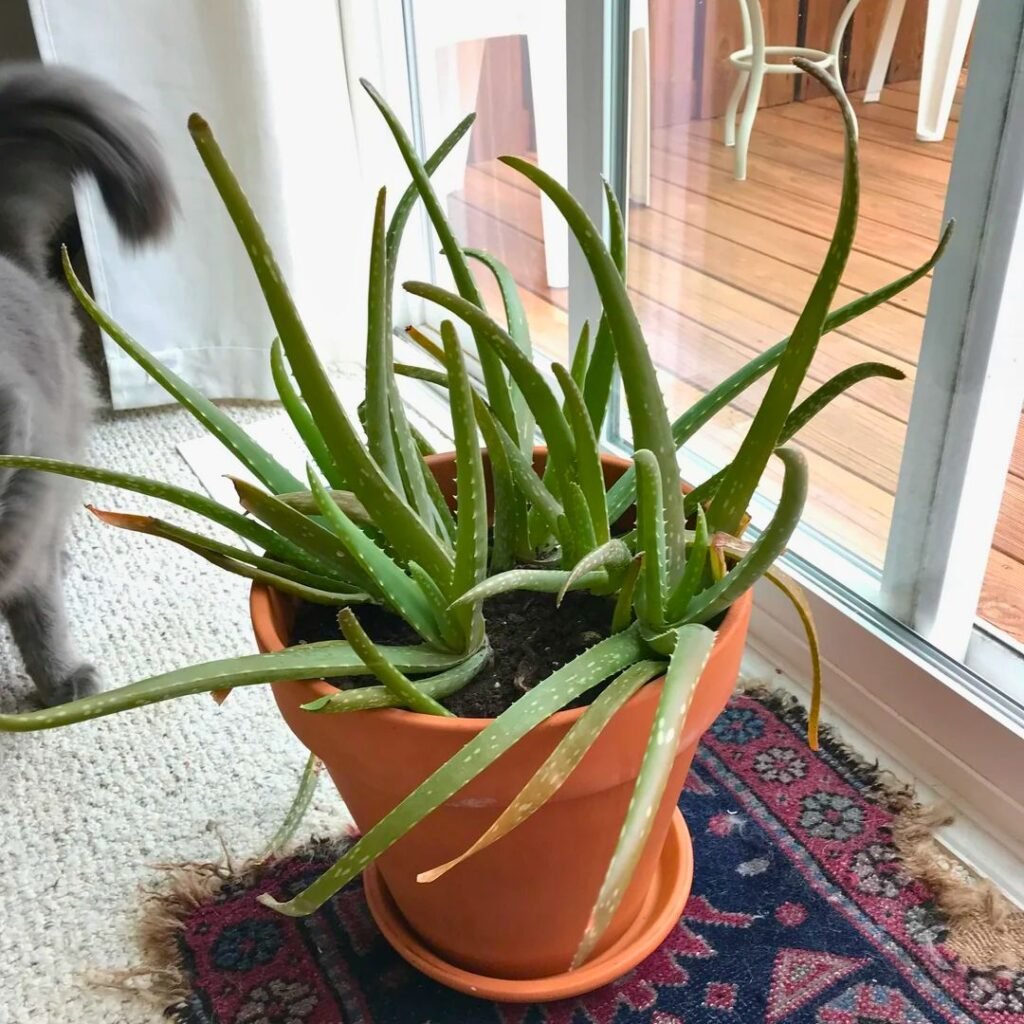
When fall hits, I always check my windows for drafts. Cold air can really stress out houseplants, especially if they’re right up against a chilly window. To protect my plants, I move them a few feet away from spots where cold air sneaks in.
Drafty windows let in chilly breezes that most houseplants hate. Even tough plants can suffer if the temperature keeps bouncing around.
Leaves might turn yellow or drop if they get too cold. I find that keeping plants near interior walls works better—those areas are usually warmer.
If a plant has to stay by a window, I’ll use thick curtains or even cardboard to block drafts. Checking for drafts is easy: on a windy day, I just feel around the window edges for cold spots.
If I notice any, it’s time to move the plant. I also avoid putting houseplants near doors that get opened a lot—sudden blasts of cold air can be a shock.
The goal is a steady, warm spot for each plant. It only takes a few minutes to check, but it’s made a big difference for my plants.
4) Clean leaves gently with a damp cloth

I always notice how much dust piles up on my houseplant leaves in the fall. Dust blocks sunlight and slows growth. That’s why I wipe the leaves with a damp cloth every so often.
I use a soft, clean cloth, dip it in room-temp water, and wring it out so it’s just damp. I support each leaf from below to avoid bending or snapping it.
Gently wiping both the top and bottom of the leaves gets rid of dust and dirt. If a leaf is really grimy, I rinse the cloth and go over it again. I skip soap or cleaners unless I know for sure they’re plant-safe.
Cleaning each leaf gives me a chance to spot pests or damaged spots early. It’s oddly satisfying to see shiny, healthy leaves after just a few minutes.
While I’m at it, I check stems and soil too. Wiping leaves regularly just keeps my houseplants happier and looking sharp.
5) Reduce fertilizer frequency as growth slows
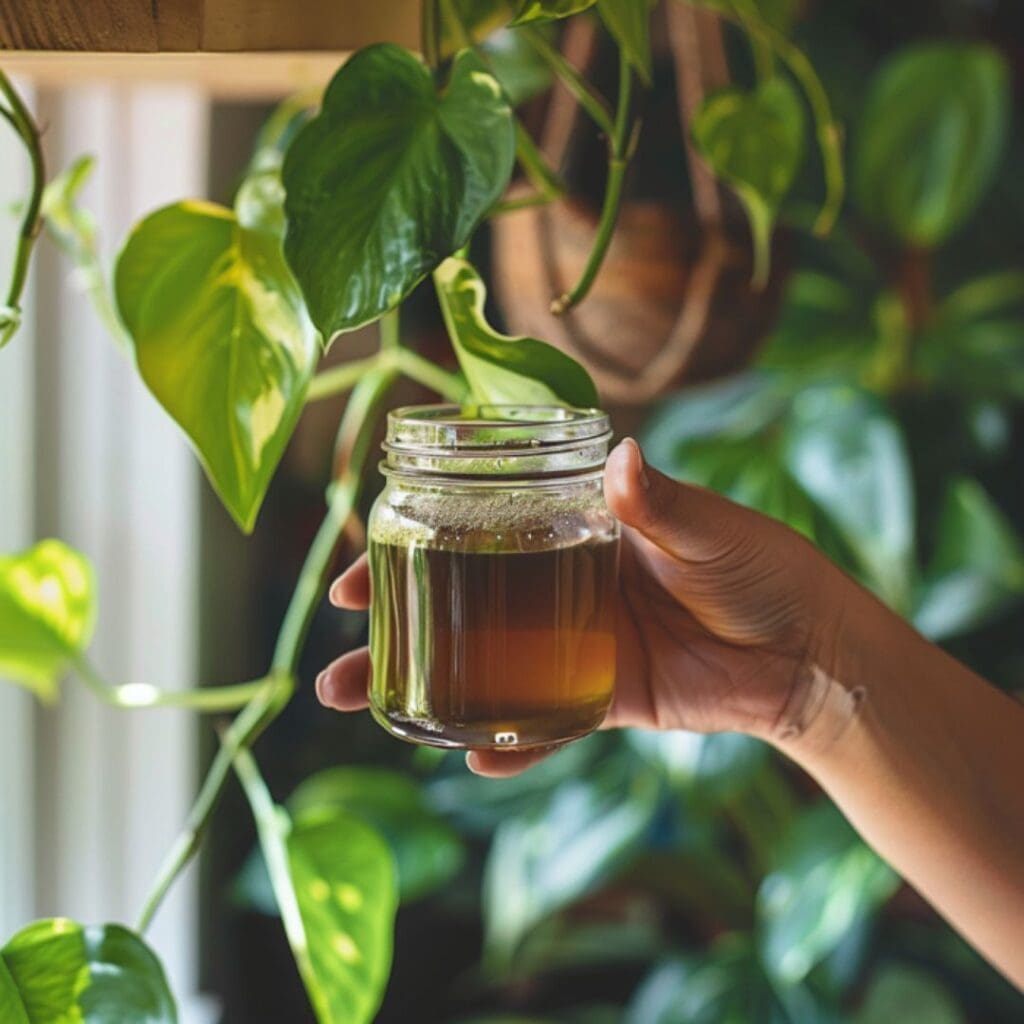
In fall, my houseplants slow down—not much new growth, and the sunlight’s weaker. That means they don’t need as much food.
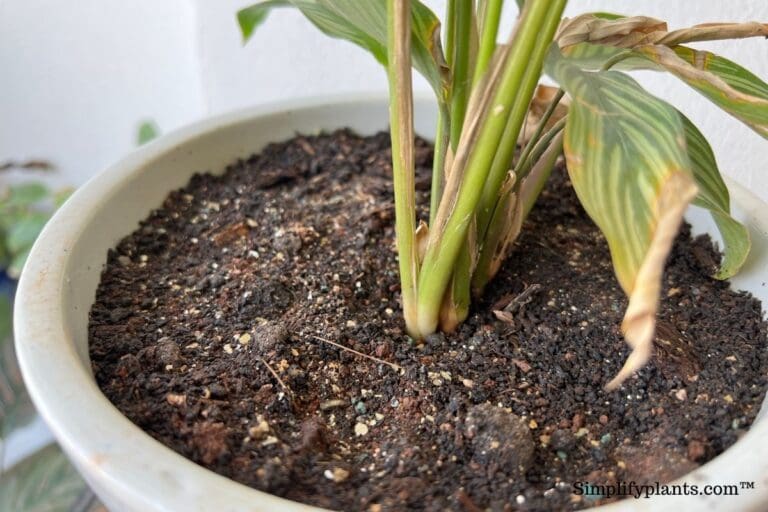
I usually cut back on fertilizing now. Instead of every two weeks, I might feed once a month, or sometimes even less. If I keep fertilizing like it’s still summer, I could actually harm my plants.
When growth stalls, plants can’t use the extra fertilizer. Too much can burn roots or make them weak. I check the care tag for each plant, but most of mine do best with little or no fertilizer in fall and winter.
If I spot new growth, I’ll give a very light feeding, but only if the plant really seems to need it. Less is definitely more when things slow down.
Every month or two, I flush the soil with water to wash out old fertilizer. This stops salt build-up, which can hurt roots and stunt growth. If I see a white crust on the soil, that’s my cue to rinse it out.
Most plants—pothos, peace lilies, spider plants—do great when I ease up on feeding in fall. Adjusting my routine keeps them healthy and stress-free.
I double-check any special plants, like orchids or succulents, since they sometimes want different care. A quick search usually clears things up.
By slowing down on fertilizer now, I help my plants rest and store energy for a strong comeback in spring.
Common Fall Houseplant Challenges

When fall rolls in, things definitely change for my houseplants. Less light, cooler air, and shifting water needs can cause problems if I’m not paying attention.
Adjusting to Seasonal Changes
Days get shorter, so my plants get less natural sunlight. I move them closer to windows to soak up as much daylight as possible.
If a room is gloomy, I’ll turn on a grow light for a few hours. Temperature drops at night can also stress my plants, so I keep them away from drafty windows and doors.
Sometimes I notice leaves yellowing or dropping. Usually, it’s just the plant adapting to the new season, not a sign of disaster.
If I need a quick reminder, I check this table:
| Challenge | Simple Solution |
|---|---|
| Less sunlight | Move plants to brighter spots or use grow lights |
| Cold drafts | Keep plants away from windows and doors |
Preventing Overwatering and Root Rot
Most houseplants need less water in fall. Growth slows, so I let the soil dry a bit more before watering.
I stick my finger about an inch into the soil—if it’s dry, then I water. Overwatering is a common fall mistake.
Wet soil can cause root rot, which can kill a plant. I always use pots with drainage holes and empty saucers after watering.
If I see wilting leaves but the soil is damp, I check roots for rot. Brown, mushy roots mean I need to cut away damaged areas and use fresh soil.
A simple checklist:
- Water less often
- Always check soil before watering
- Use pots with drainage
Careful watering helps my plants stay healthy as the seasons change.
Benefits of Fall Houseplant Maintenance
When I look after my houseplants in fall, I’m helping them stay strong for the months ahead. Good fall maintenance means fewer issues and happier plants.
Encouraging Healthy Growth
Regular fall care helps my houseplants bounce back from summer stress. Cooler weather slows growth, so I trim dead leaves and thin crowded stems to open the plant to light and air.
I check roots for rot and repot if needed. Sometimes a bit of fresh soil gives them a boost before winter.
I cut back on watering because less sunlight means they don’t need as much. A gentle fertilizer in early fall can help build up energy for spring, but I keep it light.
Cleaning leaves lets them breathe and just look better. With these steps, my houseplants are ready for the colder months.
Reducing Pest Problems
Fall is when insects or mites might try to hide on my plants. If I inspect each plant now, I can catch problems early.
When I spot tiny webs, sticky spots, or bugs under the leaves, I remove them right away.
I’ll use mild soap spray or wipe leaves with a damp cloth. Before bringing plants indoors, I check the pots and soil for ants or gnats.
Signs of pests to watch for:
- Holes in leaves
- Sticky residue
- Webbing on stems
Catching issues in fall means fewer problems in winter, when plants are weaker and pests are tougher to deal with.
Frequently Asked Questions
I always keep an eye out for dryness, drafts, or yellow leaves in the fall. Taking care as the seasons change helps my plants make it through to spring.
What are the essential maintenance tasks for indoor plants during the fall season?
I always check soil moisture and only water if it’s dry. I prune yellow or dead leaves and gently clean dust from the leaves with a damp cloth. It’s also important to move plants away from drafty windows.
Can you share some tips for preparing houseplants for the colder months?
I keep my plants away from cold, drafty spots, especially windows and doors. Watering gets cut back, since most plants need less when it’s chilly. I also reduce how often I fertilize, because growth slows down.
How can I tell if my houseplants need extra care as the weather turns cooler?
I watch for wilting, yellow leaves, dry soil, or sticky residue. These are signs my plants might need more attention. If I spot these, I’ll adjust watering or move the plant somewhere better.
What is the best way to keep indoor plants healthy through the winter?
I usually check on my plants about once a week to see if they’re thirsty, but honestly, I try not to go overboard with the watering. It’s easy to get carried away, right?
I keep the rooms cozy—definitely not too hot, though. And I steer clear of putting any plants right next to heaters or those drafty, cold windows.
Every so often, I’ll gently wipe the leaves to get rid of dust. It just helps them soak up the light a bit better.
Are there specific fertilizing techniques for houseplants in the fall?
In the fall, I mostly cut back on feeding my plants since they’re not really in growth mode. If I do give them a little fertilizer, it’s super diluted—maybe once a month, or even less.
Honestly, I just don’t think they need much when the days are short and they’re kind of taking it easy.
How do I adjust my home’s environment to cater to my houseplants during the fall?
I usually move my plants to the brightest spots I can find, especially as the days get shorter. Cold drafts? I try to keep them far, far away.
If my place starts feeling a bit dry, I’ll turn on the humidifier for a while. Maintaining the right temperature and humidity keeps my plants happy.
Note: Some images in the articles are sourced from Reddit and Other Platforms For Reference Purpose.