5 Types Of Dracaena That Does Well In Low Light
I love filling my home with plants, but honestly, not every corner gets much sunlight. That used to make me think I couldn’t grow much indoors at all.
Turns out, some Dracaenas actually do just fine in lower light. That makes them perfect for those spots away from the windows.
Let me share a few types of Dracaenas that can handle less sun and still look great.
I’ll also chat a bit about what low light really means, how to keep these plants healthy, and some easy tips I’ve picked up along the way.
Please note: Simplify Plants is reader-supported. As an Amazon Associate, I earn from qualifying purchases made by our readers with no extra cost added to you all! Some links in the post are affiliate links and I get a commission from purchases made through links in the post.
1) Dracaena fragrans (Corn Plant)
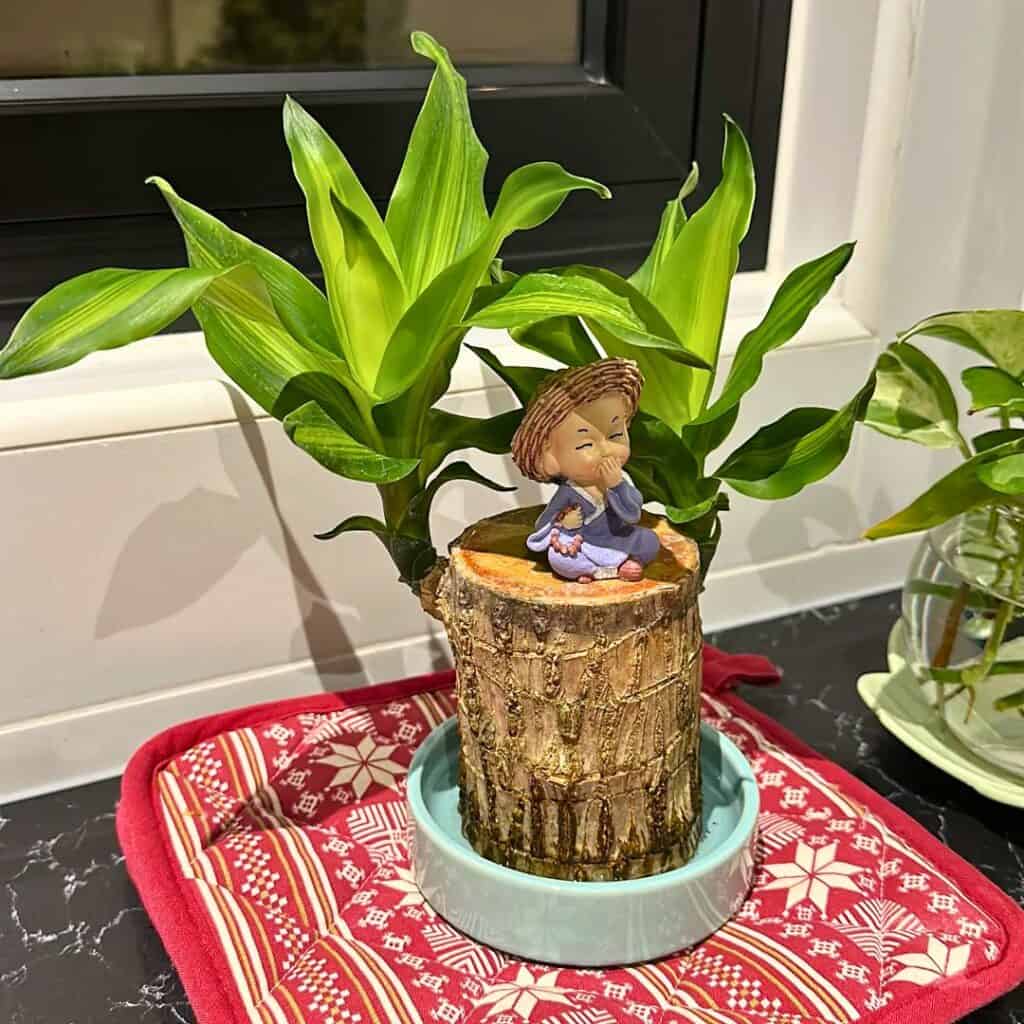
I’ve got a soft spot for the Corn Plant—it’s honestly one of the easiest dracaenas to care for. Those long green leaves with light yellow or white stripes really pop, no matter where you put it.
It does well in low to medium light, so I don’t stress about finding the sunniest spot. Actually, too much direct sun can burn the leaves, so I keep it out of harsh light.
The Corn Plant grows slowly, which is a relief because I’m not great at trimming. I water it when the top inch of soil feels dry—overwatering can cause root problems, so I always check first.
It can get tall over time, but it stays neat and upright, which I like. If it gets a bit wild, trimming the stems usually brings out new shoots.
Honestly, it makes my space feel fresh and green without much fuss. If you want a plant that looks good but doesn’t demand constant attention, this one’s a winner.
2) Dracaena deremensis ‘Janet Craig’
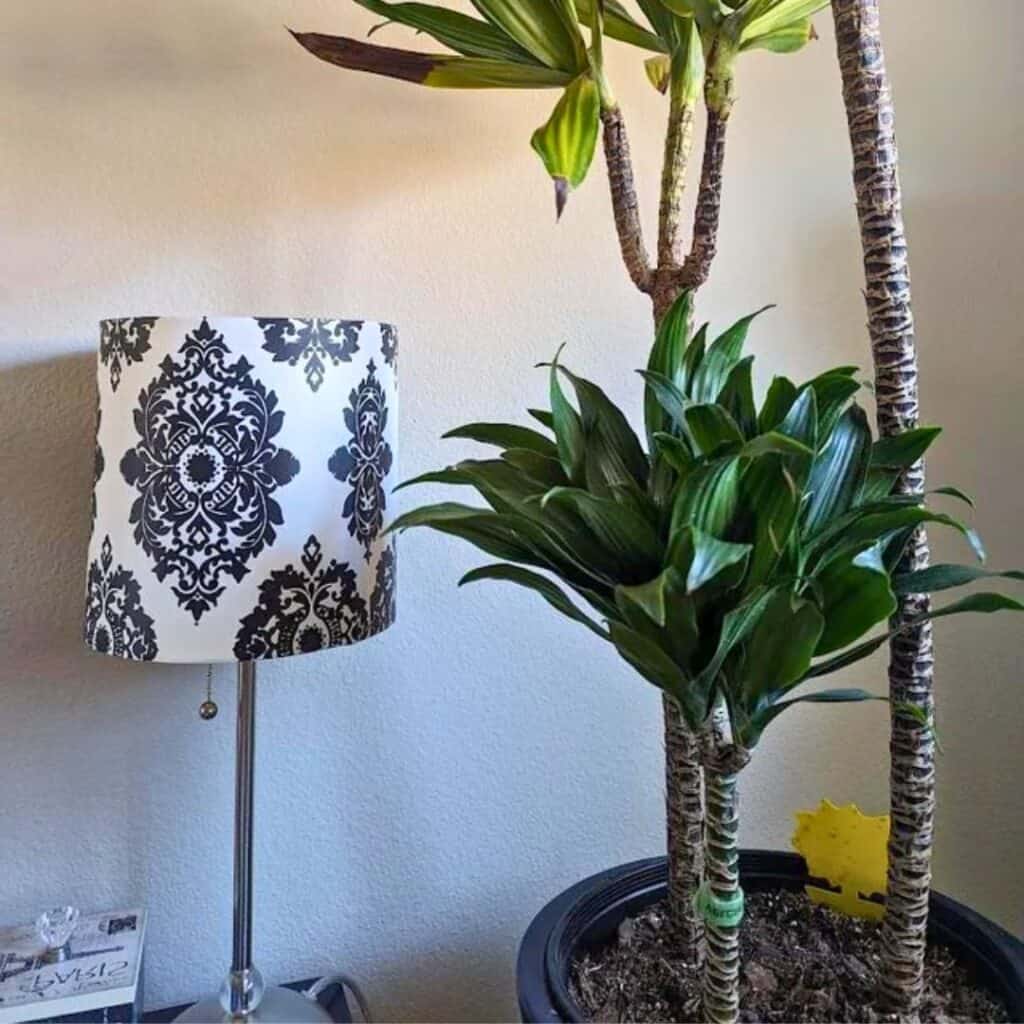
The ‘Janet Craig‘ Dracaena has these deep green, glossy leaves that always look fresh, even without much sunlight. I think the wide leaves make it stand out in any room.
This plant does well in low to medium light, so I don’t have to put it right by a window. It grows slowly but stays healthy with just a bit of steady care.
I water mine when the top inch of soil feels dry, and I’m careful not to overdo it. Letting the pot drain well is key.
It keeps my space looking neat since it doesn’t drop many leaves. It’s compact and tidy, which is great for small apartments or offices.
I’ve seen it survive under office lights or in shaded corners at home. That adaptability is probably what I like most about it.
3) Dracaena marginata

Dracaena marginata is a favorite of mine because of its tall, thin stems and those narrow green leaves with red edges. The look is simple but pretty stylish, honestly.
It fits well in small spaces and doesn’t take up much room. I can tuck it into a corner or next to my desk.
It’s fine with low to medium light, so I don’t worry about putting it right by a window. Bright, indirect light is nice, but not a must.
I only water when the top of the soil feels dry. Too much water can hurt the roots, so I always make sure the pot drains well.
Dracaena marginata is a low-maintenance plant, which is perfect for when life gets busy. Its slim shape works in all sorts of spots—corners, hallways, you name it.
It’s easy to move around if I want to change things up. With simple care and a neat look, this plant adds greenery without any real hassle.
4) Dracaena reflexa (Song of India)

The Dracaena reflexa, or Song of India, is hard not to love. The striking green leaves edged with yellow always catch my eye.
The leaves grow in clusters, making the plant look full and lively. It adds a splash of color to a room without much effort.
It grows well in low to medium light, so I don’t have to stress about placing it by a sunny window. Even when the light isn’t strong, the leaf edges stay bright.
I water it when the top inch of soil feels dry. Too much water is a no-go, so I let the soil dry out between waterings.
The Song of India doesn’t grow too quickly, which is perfect for smaller spaces. If it gets too tall, I just trim it and it keeps its neat shape.
Its bright leaves really stand out against plain walls or simple furniture. For me, it’s an easy way to bring a bit of nature inside without a lot of work.
5) Dracaena sanderiana
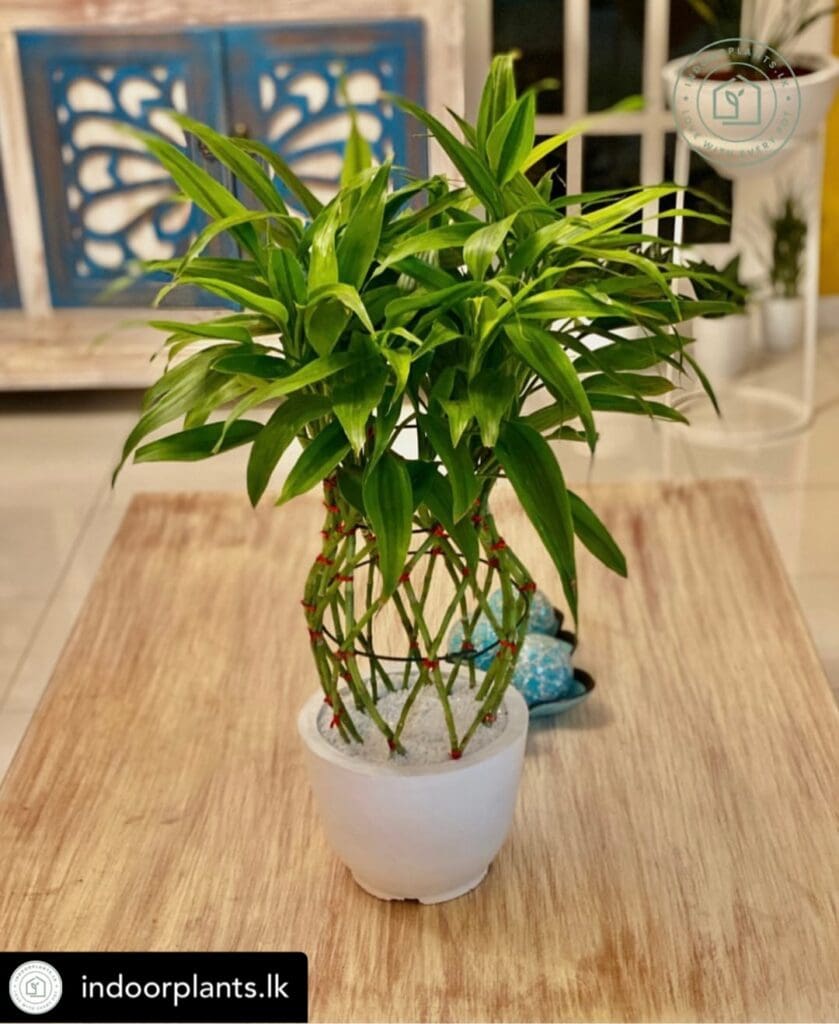
Dracaena sanderiana is probably best known as Lucky Bamboo, even though it’s not actually bamboo. I like how simple it is to keep indoors.
It grows well in low to medium light. I’ve had mine in spots with only indirect light, and it’s still healthy.
You can grow it in soil or water, which is pretty flexible. If it’s in water, I change it every week or two to keep things fresh.
The stems come in straight or spiral shapes, so they’re fun to display. I like arranging them in glass containers or with other plants.
It prefers moderate watering. If it’s in soil, I let the top layer dry out a bit before watering again.
Fertilizer isn’t a big deal—just a light feed every month or two during the growing season does the trick.
One of my favorite things is how easy it is to share. I can cut a stem and root it in water, then give it to a friend. It’s a nice way to spread a plant I enjoy.
Understanding Low-Light Needs
Some plants just do better in dim spaces than others. Dracaenas are great at staying healthy without direct sunlight, but they still need a bit of balance to really thrive.
What Counts as Low Light?
When I say low light, I don’t mean absolutely no light. A room with a north-facing window, a spot a few feet from a window, or even an office with fluorescent lights all count as low light to me.
I avoid putting my dracaena in a room with zero windows, though. Even plants that tolerate shade need some natural or artificial light.
If I can read a book in the room without turning on a lamp, that’s usually enough light for my dracaenas.
Here’s a quick cheat sheet I use:
- Bright indirect light: within 3–5 feet of a sunny window
- Medium light: 6–10 feet away
- Low light: more than 10 feet away, or in shaded corners with some artificial light
They won’t do well in pitch darkness, but they’re much tougher than most houseplants when it comes to low light.
How Dracaenas Adapt to Less Sunlight
Dracaenas use their broad, sturdy leaves to soak up as much light as possible. The darker green leaves help them absorb light efficiently.
They grow more slowly in dim light, which is fine by me. I don’t expect a growth spurt, but I like that they stay healthy and keep their shape.
Slower growth means they need less water, which helps avoid root rot. Some types even change their leaf color if they’re not getting enough light—if the leaves lose variegation, it’s usually a sign they want more light.
Watching for these changes helps me know when it’s time to move them closer to a window or add a lamp. Their flexibility makes them a smart choice for apartments, offices, or any spot with limited sunlight.
Tips for Thriving Dracaenas Indoors
I keep my dracaenas happy by paying attention to watering and watching for changes in the leaves. Even small tweaks can make a big difference in how well they adapt to indoor spaces with less sun.
Watering and Humidity for Low-Light Dracaenas
I’ve learned that overwatering is the biggest mistake with dracaenas. Their roots really don’t like soggy soil.
I let the top inch of soil dry before watering again. The old finger test works every time.
Pots with drainage holes are a must for me. If water pools in the saucer, I empty it right away to keep the roots healthy.
Dracaenas like moderate humidity, but they’re usually fine with normal room air. If things get dry, I’ll mist the leaves lightly or set out a small tray of water with pebbles.
In winter, I water less since growth slows down. I also keep them away from heating vents—hot, dry air can turn the leaf tips brown, and nobody wants that.
Common Signs of Light Stress
I always keep an eye on the leaves—they’re like the plant’s way of talking to me about what it needs. Yellowing leaves usually mean my dracaena isn’t getting enough light, so I’ll nudge it a little closer to a window, but I’m careful not to put it right in direct sun.
If the leaves start looking pale or washed out, that’s another hint it’s craving more light. But if I spot brown patches or those crispy edges, it’s probably getting blasted by too much sun.
Sometimes the stems just grow long and skinny, with big gaps between the leaves—classic leggy growth. That’s the plant stretching out for more light, so I’ll rotate the pot every now and then to give all sides a fair shot.
Frequently Asked Questions
Honestly, I’ve noticed some dracaenas are just better at dealing with shade than others. They don’t really ask for much—just a few basic care steps and they’ll hang in there indoors, even without tons of sun.
What are some low-light tolerant dracaena varieties?
I’ve had good luck with Dracaena fragrans (Corn Plant) and Dracaena deremensis ‘Janet Craig’ in spots that barely get any sun. Dracaena marginata and Dracaena reflexa (Song of India) seem to adapt pretty well, too.
How do I care for dracaenas in low-light conditions?
I make sure the soil’s draining well and try not to overwater. Every so often, I’ll wipe the dust off their leaves so they can soak up whatever light’s around.
Can dracaenas thrive in rooms without direct sunlight?
Yep, a lot of dracaenas do just fine in bright, indirect light—or even under fluorescent lights. I just keep them away from those pitch-dark corners.
What are the watering requirements for dracaenas in shaded areas?
I let the top inch of soil dry out before watering again. In low light, overwatering is a real risk since it can cause root rot.
Are there any dracaena species that are particularly good for indoor spaces with limited light?
Honestly, Dracaena braunii (Lucky Bamboo) and ‘Janet Craig’ have been super reliable for me in rooms with not much natural light.
How often should I fertilize my dracaena when it’s not receiving much sunlight?
I fertilize lightly every 6–8 weeks during the growing season.
If my dracaena’s stuck in low light, I’ll cut back on fertilizer since it’s not exactly racing to grow.
Note: Some images in the articles are sourced from Reddit and Other Platforms For Reference Purpose.