3 DIY Banana Peel Fertilizer Recipes Your Plants
I’ve learned that banana peels are way too useful to toss out—they’re actually a secret weapon for plant growth.
You don’t need fancy gadgets or pricey fertilizers to see real results. Let me show you some easy ways to turn those everyday banana peels into powerful plant food.
These DIY tricks use stuff you probably already have lying around. Each recipe helps your plants soak up the nutrients they crave and cuts down on kitchen waste at the same time.
Please note: Simplify Plants is reader-supported. As an Amazon Associate, I earn from qualifying purchases made by our readers with no extra cost added to you all! Some links in the post are affiliate links and I get a commission from purchases made through links in the post.
1) Simple Banana Peel Tea Fertilizer
Honestly, this is my go-to because it’s just so quick. Banana peels are packed with potassium, calcium, and magnesium—all good stuff for strong roots and lush leaves. Brewing a simple tea from the peels is a gentle way to feed houseplants or garden flowers.
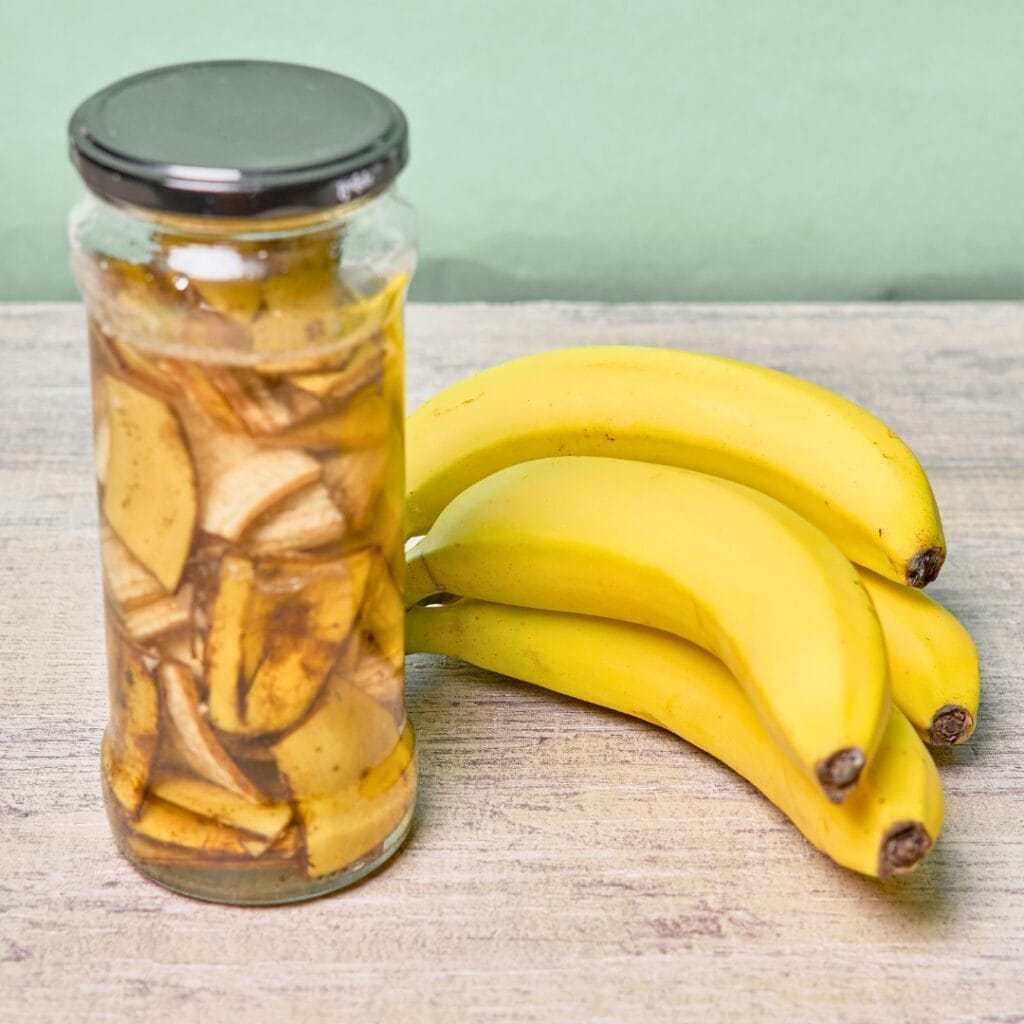
I usually slice up a couple of banana peels into little pieces. Then I toss them in a jar, fill it with water, and let it sit for about two to three days so the nutrients can seep into the water.
After that, I strain out the peels and keep the liquid—it’ll look a bit cloudy. This is your natural fertilizer. I use it to water my plants once every week or two, and it gives them a nice nutrient boost without being too intense.
Sometimes I just toss the leftover banana bits into the compost pile. They break down fast and add a little extra goodness to the compost.
I usually use this tea on indoor plants, herbs, and flowers that need a pick-me-up. It’s gentle, super simple, and I always have what I need in the kitchen.
2) Banana Peel and Eggshell Plant Nutrient
This mix is a favorite because it’s easy, cheap, and loaded with minerals. Banana peels bring potassium and phosphorus, and eggshells add calcium for stronger stems and roots. Together, they make a nice, balanced treat for most garden plants.
I grab a few banana peels and rinse out some eggshells, then let both dry out for a day or two. Once they’re dry, I crush the eggshells and cut the banana peels into little squares. Smaller bits seem to break down quicker in the dirt.
Everything goes in the blender with a splash of water until it turns into a paste. I just pour the mix around plant bases or stir in a spoonful to my compost. Once it’s mixed into the soil, the smell fades and nutrients start releasing.
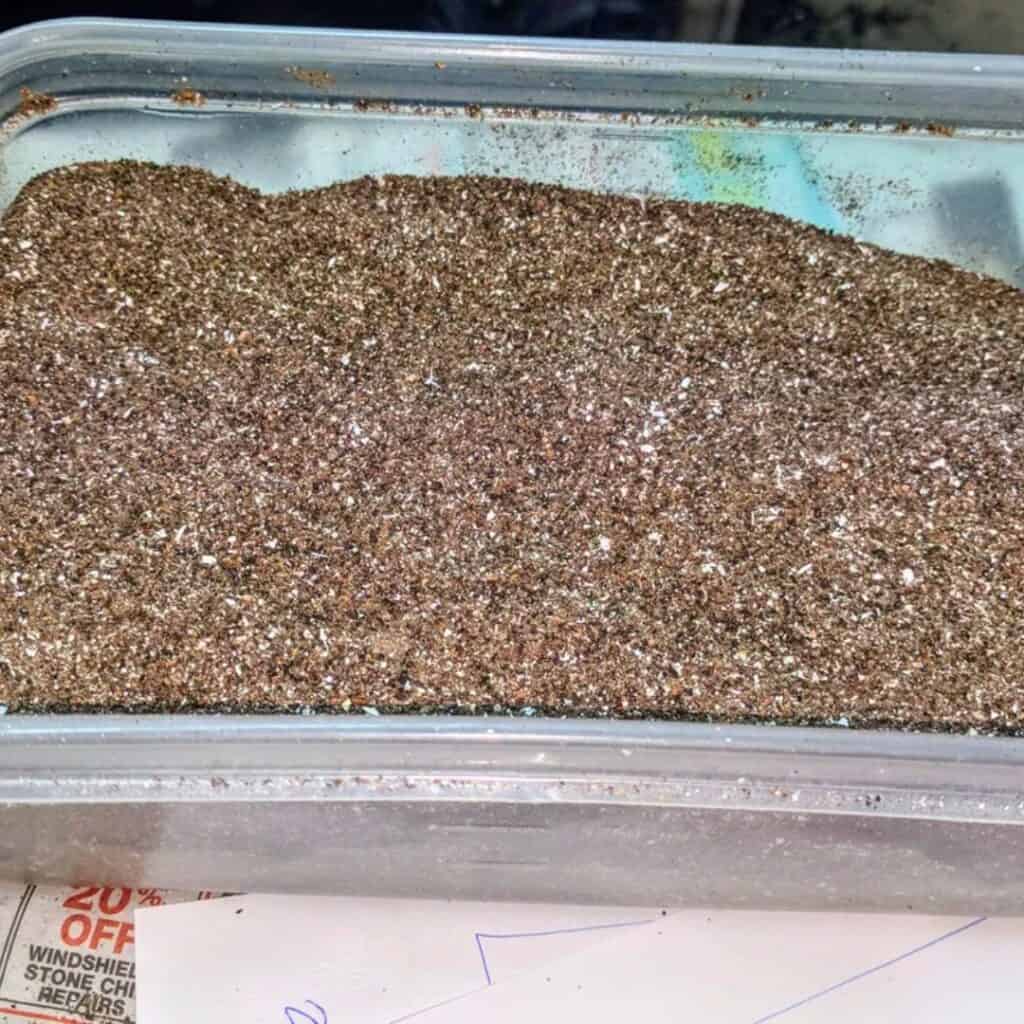
If I’m not in the mood to blend, sometimes I bake the peels and shells until they’re crisp and grind them into powder. This version is handy to sprinkle on houseplant soil or mix into potting soil, and it stores well in a jar.
I swear my plants look greener and the soil gets richer when I use this every few weeks. It’s a simple, natural way to use up food scraps instead of tossing them. Plus, I like knowing my garden’s getting a boost without any chemicals.
3) Banana Peel Vinegar Fertilizer

This recipe is almost too easy—not much needed except what’s already in the kitchen. Banana peel vinegar fertilizer gives plants nutrients and helps adjust soil pH. It’s especially good for things like tomatoes and roses that like their soil a bit acidic.
I chop up some banana peels and drop them in a glass jar, then cover with water. I add a tablespoon of apple cider vinegar or just plain white vinegar, which helps the peels break down faster.
Then I let it sit for about a week in a warm spot and give it a stir once a day. If it smells too strong, I’ll add a bit more water. The liquid gets darker as nutrients release.
When it’s ready, I strain out the peels and save the liquid. Before using, I dilute one cup of the banana vinegar with four cups of water. I pour it around plant bases or use it as a foliar spray. The gentle acidity helps the soil take up minerals a bit easier.
This stuff is mild but effective. I notice stronger leaves and better growth, especially in my flowering plants. It’s a pretty simple, eco-friendly way to reuse kitchen scraps and keep the garden happy.
Why Banana Peel Fertilizer Benefits Your Plants
Honestly, I like using banana peels in the garden because they’re packed with nutrients and help me waste less. They feed the soil and create a healthy home for all sorts of plants.
Key Nutrients in Banana Peels
Banana peels have potassium (K), phosphorus (P), calcium (Ca), and magnesium (Mg). These are pretty much the essentials for strong stems, healthy leaves, and good flowers and fruit.
Here’s a quick breakdown:
| Nutrient | Benefit to Plants |
|---|---|
| Potassium | Helps with water regulation and disease resistance |
| Phosphorus | Encourages root growth and blooming |
| Calcium | Strengthens cell walls and prevents leaf curl |
| Magnesium | Supports chlorophyll production for greener leaves |
When I use banana peel fertilizer, my plants just look sturdier and their colors get deeper. The natural nutrients release slowly, feeding the soil over time.
They also work nicely with compost or as a soil soak, giving plants steady nutrients without being too harsh.
Environmental Advantages of Homemade Fertilizers
Making fertilizer from banana peels means less food waste and no more buying plastic-wrapped products from the store. I like that I can reuse something I’d usually toss out.
Homemade fertilizers also help avoid chemical runoff into soil and water. That keeps groundwater cleaner and makes life easier for good bugs and worms.
It saves me money, too. No need for commercial mixes when I can just use kitchen scraps. Using natural stuff keeps my gardening routine simple, eco-friendly, and honestly, it just feels good.
Tips for Using Banana Peel Fertilizers Safely
I always want my banana peel fertilizers to help, not hurt. Getting the amount, timing, and method right really matters for plant health.
Best Practices for Application
I stick with fully decomposed banana peels or well-blended liquid fertilizer to avoid mold or bugs. Raw pieces can attract fruit flies, so I dry or compost peels first. When I use them, I mix into the top few inches of soil instead of leaving them on top.
I fertilize no more than once every two to three weeks for indoor plants, and weekly for garden beds, depending on the plant. Here’s a quick cheat sheet:
| Plant Type | Frequency | Application Method |
|---|---|---|
| Indoor Pots | Every 2–3 weeks | Mix into soil or water down |
| Outdoor Beds | Weekly | Compost or liquid mix |
| Seedlings | Monthly | Diluted liquid only |
I always water after applying to help nutrients soak in. Avoid using banana peel fertilizer near young or weak plants—it can be a bit much if not broken down enough.
Signs of Over-Fertilizing to Watch For
I keep an eye on my plants after feeding. Yellowing leaves, wilting, or a white crust on the soil usually means I went overboard. If that happens, I flush the soil with water to wash out the extra.
If leaves get burnt or growth stalls, I pause fertilizing for a couple of weeks. Any sour or rotten smell is a red flag that the peels are breaking down too fast.
Keeping fertilizer amounts small and steady helps plants grow strong. Watching closely saves me from mistakes that are tough to fix.
Frequently Asked Questions
People always seem curious about why banana peels help plants, how to make easy fertilizers from them, and how to use them without causing problems. Here are some quick answers that cover what they do, how to store them, and when they work best.
What are the benefits of using banana peels as fertilizer for plants?
I use banana peels because they’re loaded with potassium, phosphorus, and calcium—all great for strong stems and healthy roots. They break down easily and add organic matter to the soil, which helps balance moisture and nutrients without harsh chemicals.
How can I make a simple banana peel fertilizer at home?
My favorite is banana peel tea—just soak chopped peels in water for a few days, then pour the liquid around your plants. It’s quick, natural, and gives a gentle boost.
Are there any specific types of plants that thrive with banana peel fertilizer?
I’ve seen flowering and fruiting plants respond best. Roses, tomatoes, and peppers love the extra potassium. Leafy greens can benefit too, but I use less to avoid overfeeding.
How often should I apply banana peel fertilizer to my plants?
Usually, I go with every two to four weeks, depending on the plant. Outdoor plants might want it more often during their busy season, while indoor plants can wait longer between feedings.
Can banana peel fertilizer replace commercial fertilizers entirely?
I wouldn’t count on it alone. Banana peel fertilizers work best as a supplement, not a total replacement. They add natural nutrients but might not cover everything your plants need for the long haul.
What is the best way to store homemade banana peel fertilizer?
I usually stash mine in a sealed container somewhere cool—nobody wants their house smelling weird, right?
If it’s a liquid batch, I’ll pop it in the fridge and try to use it up within a week or so.
For dry or powdered banana peel fertilizer, airtight jars work best and honestly, they seem to last ages that way.
Note: Some images in the articles are sourced from Reddit and Other Platforms For Reference Purpose.