21 Gorgeous Flowers For Spring Window Boxes
I just love how window boxes can transform a plain exterior into something bright and inviting. Spring really is the perfect time to splash some color and life right up to your windows.
You can easily create a gorgeous display that makes your home stand out all season long.
In this article, I’ll toss out some beautiful flower ideas, care tips, and design inspiration to help you get started. Whether you’re into bold colors or soft pastels, there’s a flower out there that’ll fit your style.
Please note: Simplify Plants is reader-supported. As an Amazon Associate, I earn from qualifying purchases made by our readers with no extra cost added to you all! Some links in the post are affiliate links and I get a commission from purchases made through links in the post.
1) Geraniums

I’m a fan of geraniums because they add instant color to any window box. Their bright blooms just pop and make a home look cheerful from the street.
These flowers come in all sorts of shades—red, pink, white, purple—so matching them with other plants is easy. Geraniums really do best in full sun, but they’ll tolerate a bit of light shade too.
I always make sure the soil drains well since soggy roots are a no-go. Watering regularly helps, though I let the top of the soil dry out before watering again.
What’s great is how low-maintenance they are. I don’t need to fuss over them every day.
I usually pinch off the faded flowers to help new ones grow, and that keeps the plants looking tidy and healthy. Mixing geraniums with trailing vines or smaller blooms gives my window boxes a balanced look.
When a breeze comes by, the flowers sway and bring a little life to the window area. With their long blooming season and bold colors, geraniums just make my windows look welcoming all spring and summer.
2) Petunias
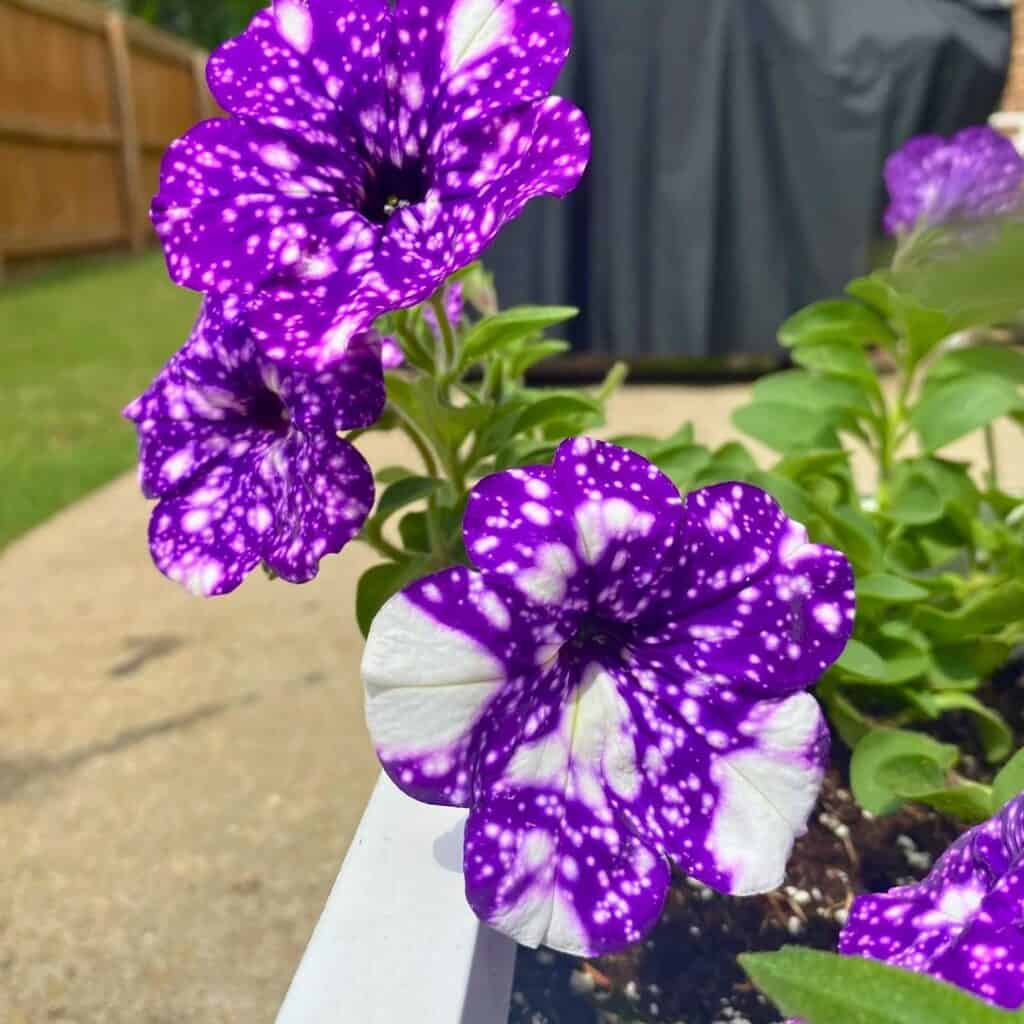
I’m always happy planting petunias because they fill my window boxes with color that lasts. They come in so many shades—pink, purple, white, red, yellow—so it’s easy to find something that works with my house.
The blooms open wide and look cheerful from early spring through fall, as long as I care for them. These guys love full sun. I make sure they get at least six hours of sunlight a day, or they just don’t bloom as much.
I water them often, but I keep the soil just a little dry between waterings. Too much water and the roots rot, so I always use a potting mix that drains well.
To keep them blooming, I remove faded flowers every few days. This really encourages new buds. I also use a balanced fertilizer once a week, which keeps the plants looking full and bright.
Petunias can trail or stay compact, depending on the type. I like putting upright ones in the center and trailing ones on the edges—it makes the boxes look layered and lively.
Even with minimal care, petunias reward me with color and charm. They’re honestly one of the easiest flowers to grow, and they make any window look inviting. For a bright, low-stress display, I always add petunias first.
3) Begonias

I use begonias in my spring window boxes for steady color that lasts. Their rounded leaves and bright blooms make any small space pop.
You’ll find begonias in pink, red, white, and yellow. I like mixing a few shades for a cheerful look, but even a single color can stand out.
Begonias grow well in partial shade, which is perfect if my windows don’t get sun all day. They like moist but not soggy soil, so I check them often and water when the top feels dry.
A little balanced fertilizer every couple of weeks keeps new flowers coming. Deadheading old blooms helps too.
For a fuller effect, I’ll combine begonias with ivy or ferns that hang over the sides. The mix of shapes draws the eye but keeps things balanced.
Begonias are reliable and low-maintenance, which is why I always save a spot for them. If the weather warms early, they handle it and keep their petals looking good.
4) Impatiens
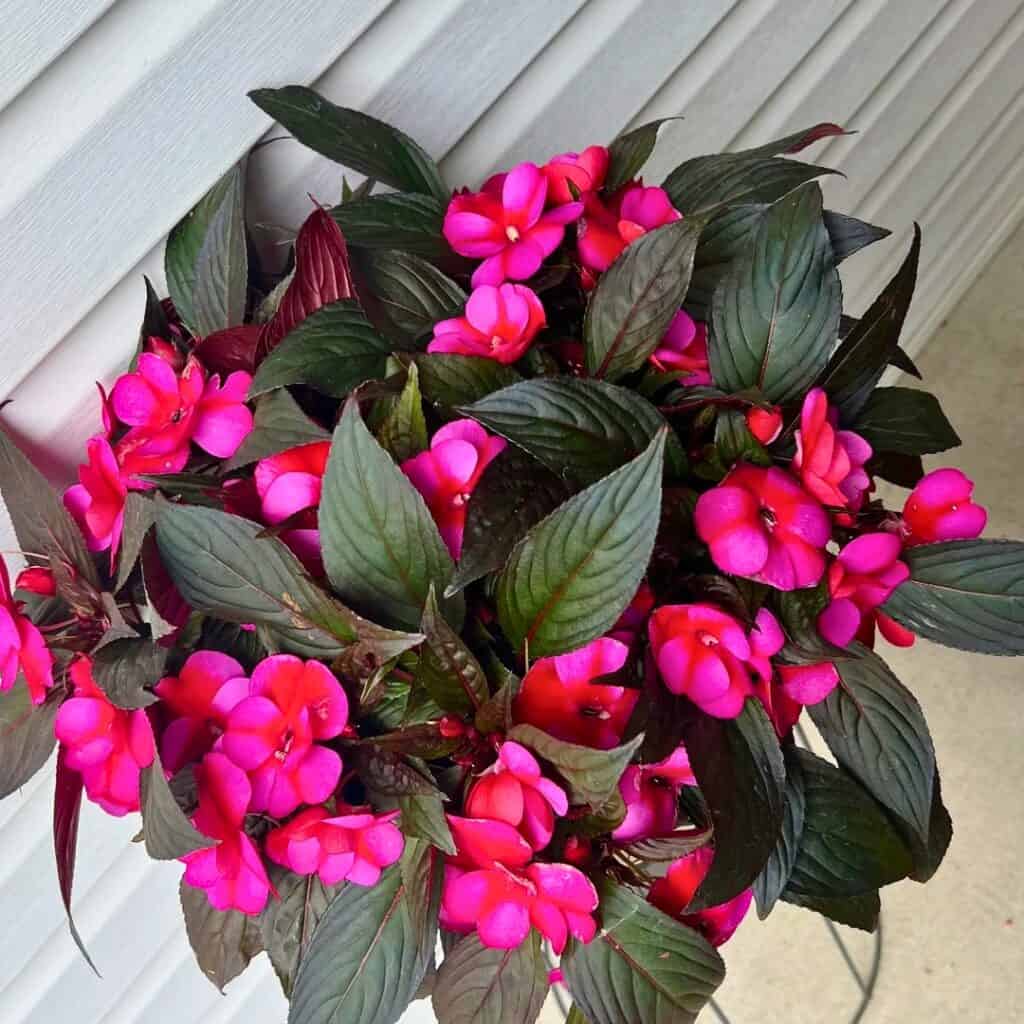
I’m a big fan of Impatiens for window boxes, especially when I want color without much effort. They thrive in shade and keep blooming all season.
Their soft petals come in pink, red, white, purple, even orange. Sometimes I mix colors for a cheerful look, but a single color is nice too.
The plants fill in fast, making the box look lush in just a few weeks. Impatiens need regular watering because they don’t like dry soil.
I check mine often, especially when it’s hot. Pinching off faded blooms keeps them bushy.
They do best in well-drained, moist soil with organic matter. I’ll add a balanced fertilizer every couple weeks to keep blooms strong. In mild climates, they’ll stay pretty until frost.
If I see wilt or leaf spots, I make sure there’s good air flow. Too much moisture can cause rot or mildew, so I don’t crowd them.
I like how easily they fit into different window box styles. Alone or with foliage like ferns or coleus, Impatiens always brighten the space. Their soft look just makes any window feel welcoming.
5) Lobelia

I like planting Lobelia in my window boxes for a splash of cool color in spring. The flowers come in vivid blue, purple, pink, and white, and they really stand out next to green leaves.
Their small, delicate blooms fill empty spots and make any box look lively. Lobelia thrives in mild weather, so I wait until frost is gone before planting.
It prefers moist, well-drained soil and does well in partial sun or light shade. Keeping the soil evenly damp helps the plants look fresh for months.
I use Lobelia as a trailing plant to soften the edges of my window boxes. It pairs well with petunias, alyssum, or ivy, and mixing a few colors adds depth.
To keep it blooming, I’ll trim back leggy stems in midsummer. This brings new growth and more flowers. Regular feeding helps too.
Lobelia is honestly one of the easiest annuals for brightening small spaces. With just a little attention, it brings steady color all spring.
6) Sweet Alyssum

I like adding Sweet Alyssum to my spring window boxes for its soft, elegant look. It forms tiny clusters of white, pink, or purple blooms that spill gently over the edges.
The flowers are small, but they create a charming blanket of color that lasts for weeks. Sweet Alyssum is super easy to grow.
I plant it in well-drained soil and put it where it gets full sun most of the day. It also does well in partial shade, so it works for different windows.
What I really enjoy is the fragrance—there’s a light, sweet scent that drifts in when I open the window. It’s not overpowering, just enough to make the space feel fresh.
Sweet Alyssum also attracts pollinators like bees and butterflies. Watching them visit the blooms is a nice bonus.
The plants help fill gaps between larger flowers, making the whole display look fuller. To keep them blooming, I trim them lightly after the first flowers fade.
A bit of water during dry spells keeps them happy. With so little effort, I get a continuous show of color all season.
If you want a reliable, low-maintenance flower that brings fragrance and beauty, Sweet Alyssum is a great pick. It’s small, but it makes a big difference in how cheerful your window box looks.
7) Calibrachoa
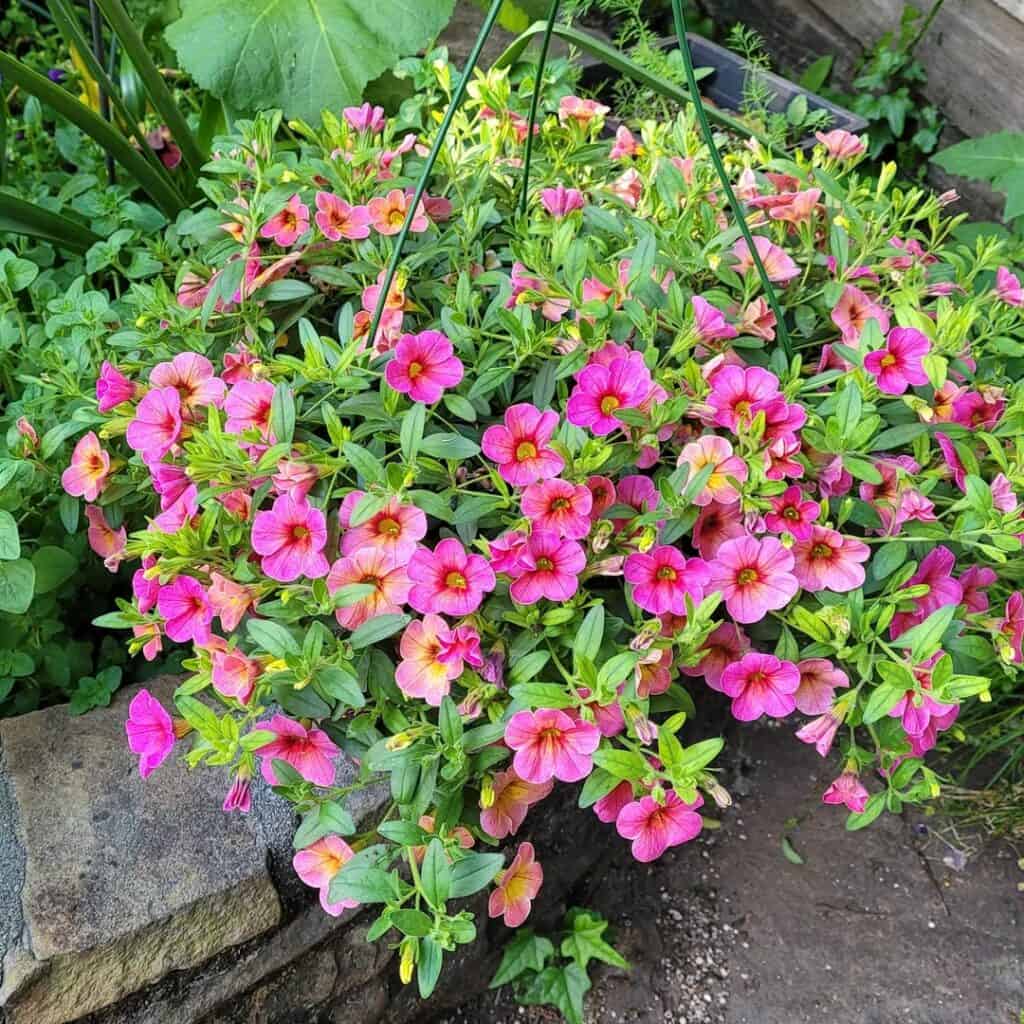
I like adding Calibrachoa to my spring window boxes for a soft, trailing look that feels full and colorful. These small flowers, often called “million bells,” bloom generously and just keep going through the season.
Their compact shape is perfect for tight spaces where I still want a lush display. Calibrachoa comes in so many bright colors—yellow, purple, pink, red.
This variety makes matching any color theme easy. Even mixed with other plants, they stay bright and don’t fade much in the sun.
Calibrachoa likes plenty of sunlight and well-drained soil. It hates soggy roots, so I make sure my containers have good drainage.
When it’s warm, I water regularly but let the soil’s top dry out before watering again. Feeding them often keeps them blooming longer.
I use a balanced, water-soluble fertilizer every couple of weeks. The flowers respond quickly, staying strong and colorful.
I’ll pinch back stems when they get too long. That keeps the plant neat and encourages more blooms. The new growth fills out my window boxes for that rounded look.
Calibrachoa handles light rain and wind better than many delicate flowers, which makes it a dependable choice for changing weather.
When I mix them with petunias or ivy, they create a nice layered effect. The blooms spill over the edge, and the little trumpet flowers add charm without taking over.
Every time I look out my window, their steady color just makes me smile.
8) Fuchsia

Adding fuchsias to my spring window boxes gives instant color and charm. Their drooping flowers look like tiny lanterns, and they really brighten up a window.
I think they stand out best when mixed with simple green foliage. These plants like cooler temperatures and partial shade.
I always make sure they get bright light but skip harsh afternoon sun, which can wilt the blooms. With regular watering and good drainage, fuchsias keep blooming for months.
I like to pinch back the stems early in the season for a fuller plant and more flowers. A light plant food every two weeks while the flowers are forming keeps the leaves green and growth steady.
Fuchsias come in pink, purple, white, and red shades. Mixing a few varieties together makes for a playful color pattern.
Their hanging blossoms pair well with trailing ivy or lobelia for a balanced look. They grow gently and don’t spread too fast, so keeping them tidy is easy.
A quick trim now and then keeps the box neat. Their delicate blooms make even small spaces feel fresh and full of life.
9) Pansies

I just love adding pansies to my spring window boxes. After winter, their bright colors feel like a little celebration.
Their cheerful faces come in shades of purple, yellow, blue, white, and orange—pretty hard to resist, honestly. Any window looks more lively with a few pansies peeking out.
Since pansies thrive in cool weather, I get them in early. They handle light frost better than most, so the blooms stick around longer than you’d expect.
I make sure they get rich, well-drained soil and water them regularly. Too much water isn’t great, but they do like a consistent drink.
When I want lasting color, I mix up the varieties. Some are all one color, others have fun patterns. The combo feels a bit wild, in a good way.
I often tuck in some ivy or sweet alyssum for texture. The trailing plants soften the edges, while pansies stay upright and full in the middle.
To keep blooms coming, I snip off faded flowers every few days. This deadheading thing really works—more buds show up, and the plants look tidier.
They need about six hours of sunlight each day. If the weather heats up, I shift them into partial shade so they don’t wilt. They seem to bounce back fast after a break from the afternoon sun.
Even though pansies are small, they make a big impact. Their vivid colors and tidy size help me design window boxes that look fresh and joyful all season.
10) Snapdragons
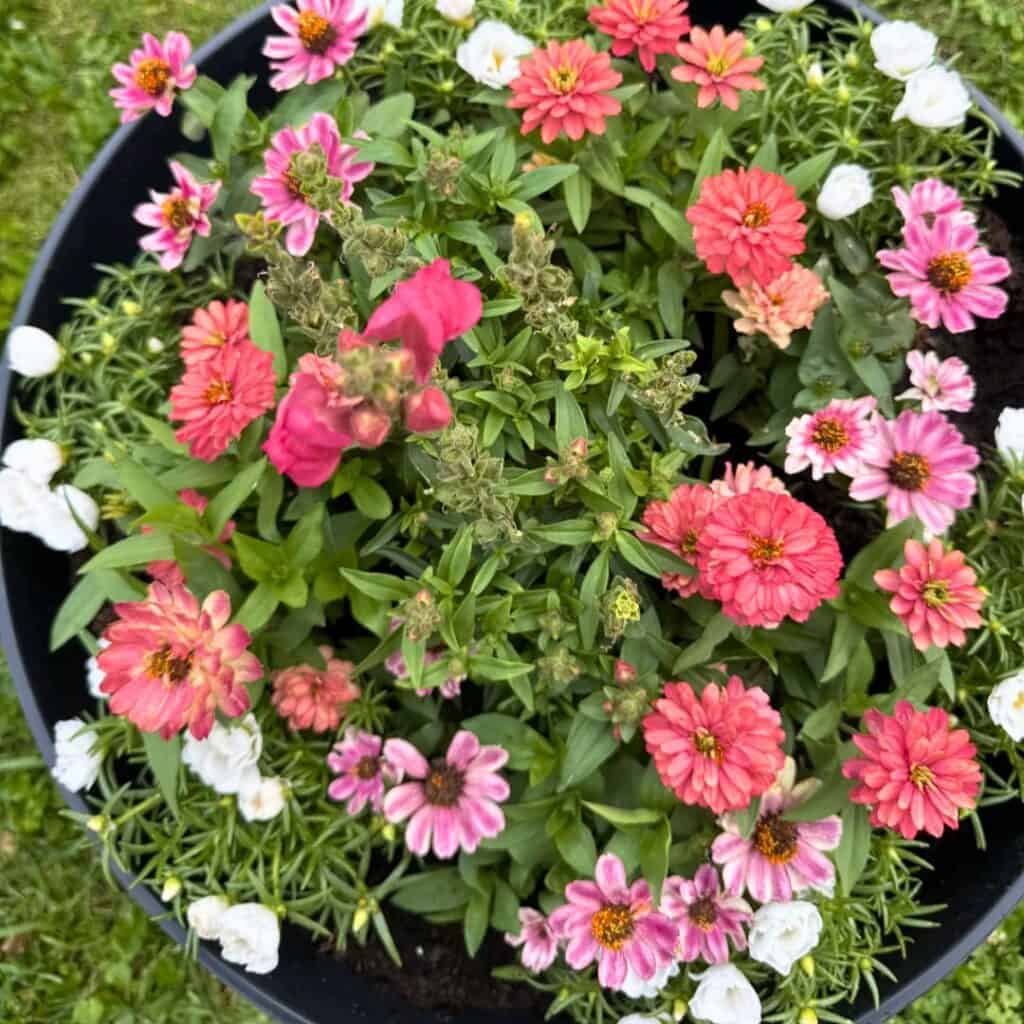
I’m a big fan of snapdragons for spring window boxes. They bring bright color and those quirky, fun shapes—what’s not to like?
Their tall spikes look striking next to lower flowers. I usually grab a mix of pink, yellow, white, and red blooms for a lively display.
Snapdragons thrive in cool spring weather and handle light frost, so they last longer than some others. I plant them in well-draining soil and make sure they get at least six hours of sun each day.
When they get enough sunlight, their colors really pop. It’s worth finding a sunny spot.
Compact varieties fit neatly in window boxes and don’t crowd out neighbors. Dwarf snapdragons stay tidy and upright, which makes them easy to manage.
I sometimes put them toward the back so their tall blooms rise above shorter plants. The layers look nice.
Snapdragons need regular watering, but soggy soil is a no-go. I check the top inch of soil before watering again.
A little balanced fertilizer every few weeks keeps them blooming.
I pinch off faded flowers to encourage new ones. It’s a simple step but really helps them stay full and colorful deep into spring.
Their cheerful look and long bloom time always make my window boxes stand out.
11) Violas

I always plant violas for a burst of color that lasts through cool spring days. These blooms look delicate, but honestly, they’re tougher than they seem.
They handle unpredictable weather better than a lot of flowers. Plus, they bring a soft fragrance and a bit of cheerful charm to my window boxes.
Violas come in so many shades—purple, yellow, white, blue, you name it. Some even have those cute little faces in the center.
Their small size makes them easy to mix with pansies or alyssum. I like to pair them with trailing ivy for a balanced look.
These flowers prefer cool temperatures and partial sun. I keep the soil moist but not soggy.
Violas keep blooming longer if I remove faded flowers. It’s just a few minutes each week, and it keeps everything neat and healthy.
Because they’re small and compact, I can fit several in each box. That helps fill empty spaces and makes the display look fuller.
I love that they start blooming early, even before some other plants wake up.
Violas also attract bees and butterflies, which adds gentle movement and life around my window. Their soft colors blend with almost any home style, from rustic to modern.
They really make the view outside feel lively and welcoming.
If I want to refresh the look later in the season, I move tired violas to a shady garden spot and swap in heat-lovers.
They often return when the weather cools, which makes them a reliable spring favorite for me.
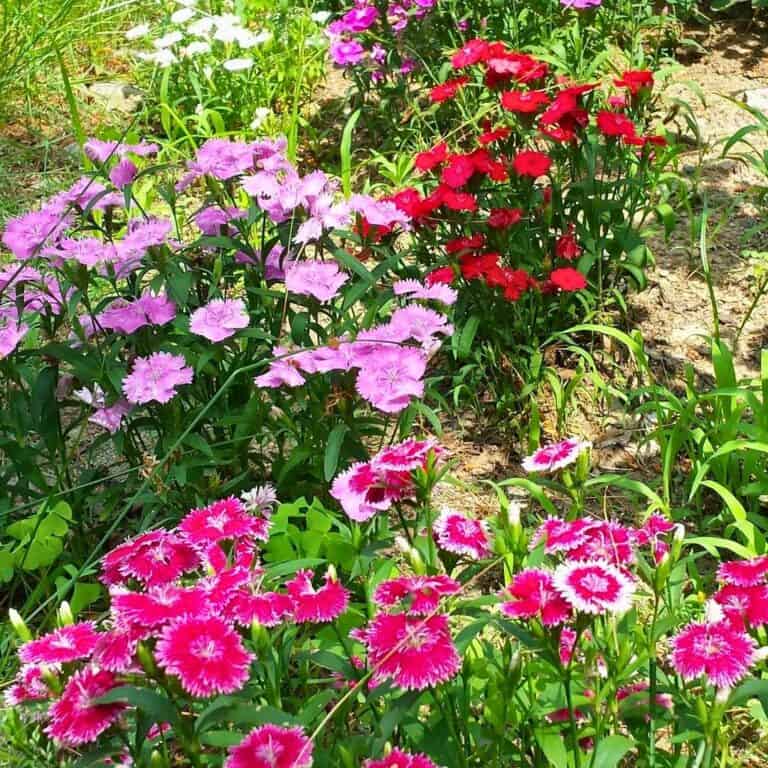
12) Dianthus
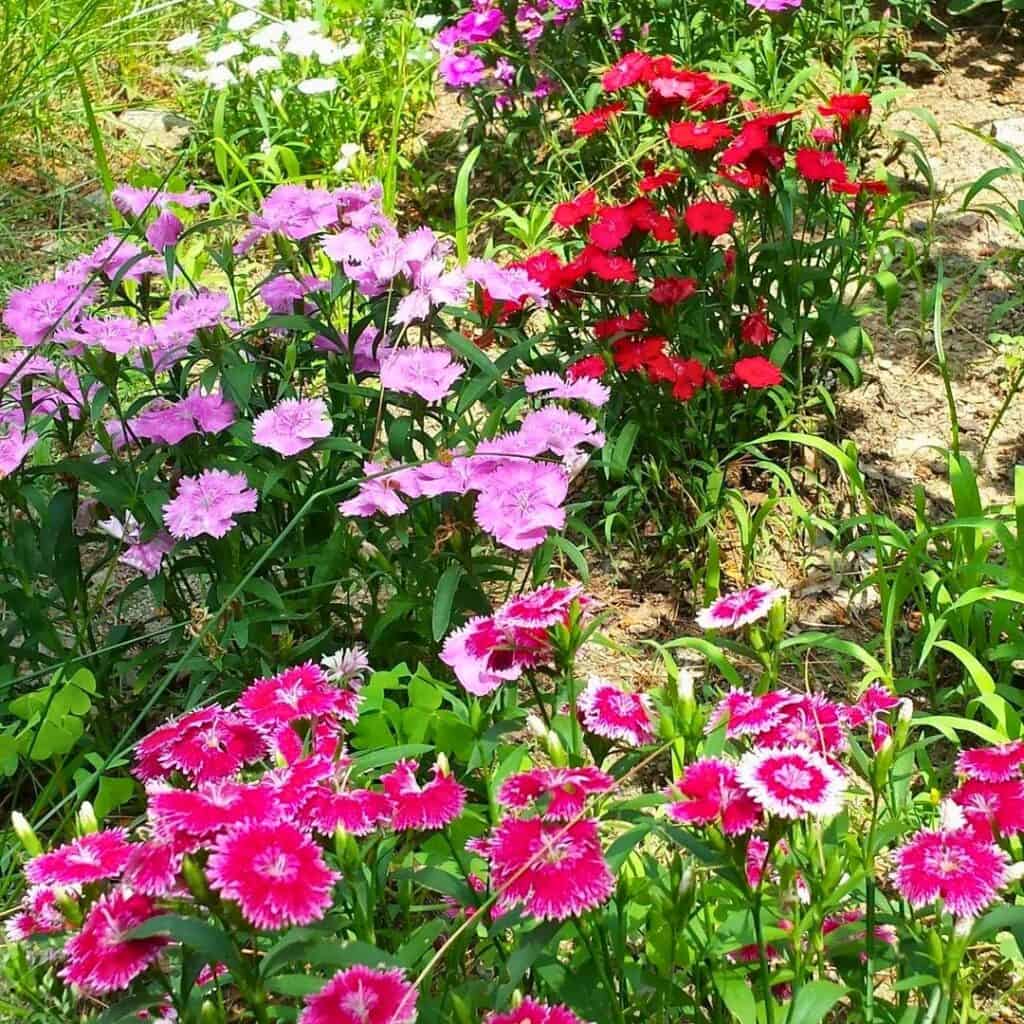
Dianthus is one of those cheerful pops of color I love in a spring window box. The blooms come in pink, red, and white, and they have this light, spicy scent that’s a little unexpected.
Their small, frilled petals add a soft, pretty look that fits easily with other spring flowers.
These plants like full sun and well-drained soil. I always make sure my window box has good drainage—wet roots will make them wilt fast.
I water them regularly but let the soil dry a bit in between. That balance seems to keep them healthy and blooming longer.
Dianthus is easy to care for, honestly. They keep flowering if I deadhead the old blooms.
It only takes a few minutes, and new buds start to form pretty quickly. When I stay on top of it, I get more color through late spring and sometimes into early summer.
Their compact size makes them perfect for small boxes or mixed plantings. I like to pair them with alyssum or violas for a layered, colorful look.
Their neat form also fills gaps between taller flowers.
Some varieties have gray-green leaves that look nice even when not in bloom. I like the texture and contrast—nothing flashy, just a simple touch that keeps everything tidy.
For me, Dianthus brings lasting charm and easy upkeep.
With bright colors, a gentle scent, and little effort, they make a window box feel fresh all season long.
13) Nemesia

I can’t help but love Nemesia in my spring window boxes. These little blooms bring instant cheer, and their snapdragon-like flowers come in pink, purple, white, and yellow.
They’re neat and compact, so it’s easy to fit them in a small space.
Nemesia grows best in cool spring weather. I plant them after the last frost, when the days feel mild.
They like well-draining soil and regular watering, but soggy soil is a no. A bit of morning sun with afternoon shade keeps them fresh and colorful.
What I really like is how long they bloom. With steady care, Nemesia can flower from early spring through early summer.
When I remove faded blooms, new ones keep popping up. This quick step helps my window boxes stay bright for weeks.
I often mix Nemesia with violas or lobelias. Their colors blend nicely and fill gaps with soft, cheerful texture.
The flowers also give off a light, sweet scent—I notice it every time I open the window.
Since Nemesia only gets about 8 to 12 inches tall, it doesn’t take over. It adds a nice balance of height and fullness without crowding the space.
Even just one or two pots are enough to make a window box look lively and finished.
14) Marigolds

I always end up planting marigolds in my spring window boxes. They just brighten up any space with those bold colors—gold, orange, and yellow that pop against green leaves.
You can spot them from across the yard, honestly.
These flowers are low-maintenance and love full sunlight, which is perfect for my sometimes forgetful days.
I make sure the soil drains well and water when the top feels dry. They reward me with steady blooms all season.
Marigolds also help keep pests away. Their scent seems to bug some insects, so my herbs and veggies get a little protection.
I often mix French and African marigolds for variety. French types stay compact and neat, while African marigolds get taller and make a strong focal point.
Together, they create a balanced look that’s hard to beat.
To get more flowers, I remove faded blooms regularly. It’s a quick job, and the results keep my window boxes looking fresh.
Marigolds handle heat well, but I check on them in very dry spells. A little care goes a long way.
With their lasting color and cheerful look, marigolds make my window boxes glow from spring into early fall.
15) Verbena
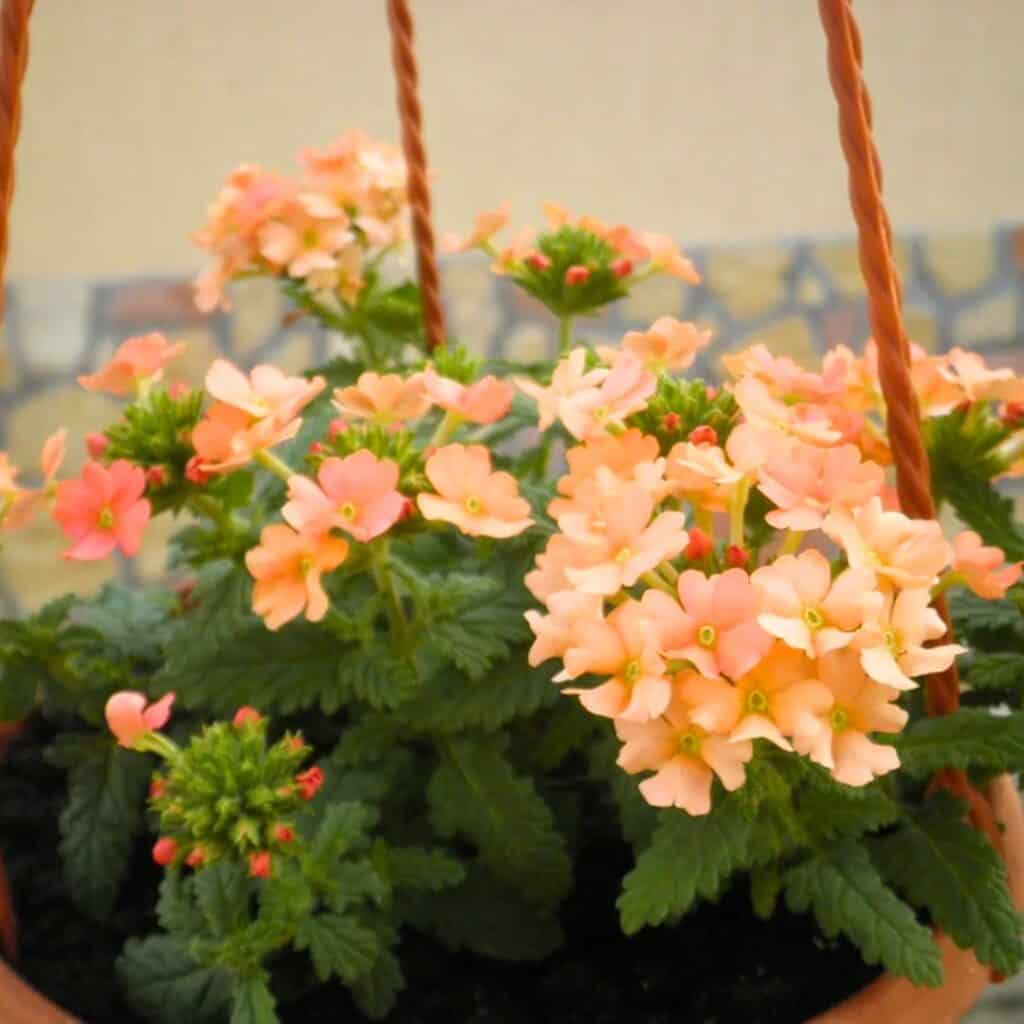
I really enjoy adding Verbena to my spring window boxes. It brings a cheerful burst of color that’s hard to ignore.
The small clusters of blooms look delicate up close, but the plant itself is pretty tough and easy to care for.
It keeps flowering for ages, which is great if you don’t want to fuss too much.
Verbena loves sunlight, so I always put these boxes where they get at least six hours of direct light. The more sun, the better the blooms.
I make sure the soil drains well because too much water is a recipe for root rot.
When I water Verbena, I let the top layer of soil dry out first. That keeps the plant healthy and helps avoid disease.
Every few weeks, I use a light fertilizer to keep the flowers bright and growing strong.
I like how Verbena comes in so many colors, from soft pastels to deep reds and purples. Mixing a few shades together makes a lively display that stands out from the street.
The blooms also attract bees and butterflies, which adds extra life to my window boxes.
To keep Verbena looking tidy, I sometimes trim back wilted flowers. This encourages new blooms and keeps the plant full.
It’s easy work with great results—just what I want in my spring garden setup.
16) Dusty Miller

I always add Dusty Miller to my spring window boxes. It pairs so well with colorful flowers, and those silvery-gray leaves bring a soft, cool contrast that makes the bright colors really pop.
The foliage stays neat and fresh all season, even when other plants start to fade.
Dusty Miller stays compact, so it’s a great filler or border plant. I find it easy to fit between petunias, geraniums, or violas without crowding them.
Its tidy shape helps the window boxes look balanced and clean.
Dusty Miller likes full sun but can handle a bit of shade too. I water it regularly but let the soil dry a bit between waterings—soggy roots aren’t its thing.
The leaves hold up well in warm weather, and the plant can take a bit of wind.
One thing I really appreciate is how low-maintenance it is. I rarely need to trim it, and pests almost never bother it.
The soft, fuzzy leaves add texture that looks great up close.
When I mix Dusty Miller with pink, purple, or blue flowers, the contrast is bright and cheerful. The silver tones highlight other plants and create a calm, cohesive look.
If you like a simple but stylish design, this plant is a great pick.
17) Iberis

Iberis, or candytuft, is one of my favorites for a clean, snowy look in spring window boxes. Its low, spreading shape makes it easy to tuck around taller plants and keeps the display soft and balanced.
It blooms with clusters of white or light pink flowers that last for weeks. I’ve noticed the flowers stay bright even after a few spring rains, which is a nice surprise.
The thick, dark green leaves stay neat and don’t crowd other plants.
Iberis thrives in sunny spots and likes soil that drains well. I usually plant it near the edge of the box where water doesn’t collect.
A little trimming after flowering helps it stay compact and brings on new blooms.
I also like that Iberis attracts pollinators like bees. It supports local wildlife without any extra work from me.
When paired with colorful blooms like violas or tulips, it gives the mix a crisp, polished look.
Since it’s easy to grow and maintain, Iberis is one I come back to often. It brings subtle charm without overpowering bolder flowers.
For me, it’s a simple way to make spring displays look tidy and full of life.
18) Bacopa

I really enjoy planting Bacopa in my window boxes. It brings a soft, trailing touch that just feels so fresh and full.
The tiny blooms cover the stems like little stars, and somehow, the whole box looks instantly brighter and more cheerful. It’s the kind of flower that makes any display seem effortless—even if I know it took some work.
Bacopa comes in several colors—white, pink, and purple. I usually lean toward white because it lights up the space and goes with almost anything.
When I mix it with bold colors, it helps the whole arrangement pop without stealing the spotlight. That balance is hard to beat.
I’ve found that Bacopa thrives in cooler spring weather and loves sunlight. Its shallow roots dry out quickly, so it needs regular watering.
If I keep the soil moist (but not soggy), the plant stays lush and happy all season. That’s a little detail I’ve learned the hard way.
One of the best things is just how easy Bacopa is to maintain. I barely need to trim it; as long as I water and feed it, the blooms keep coming.
Sometimes I’ll pinch the stems back to make it grow thicker, and it spreads so nicely along the box edges. It’s a simple trick that makes a big difference.
Since Bacopa trails so well, I plant it along the front or sides of my arrangements. It flows down gently and softens the box’s edges, blending all the flowers together.
This trailing habit makes it a perfect companion for upright plants like geraniums or violas. The mix just feels right.
With the right light, Bacopa creates a calm, balanced look that works with almost any style. I love how simple it is, yet it always makes my window box feel pulled together.
It’s one of my go-to choices for spring decorating.
19) Nasturtiums
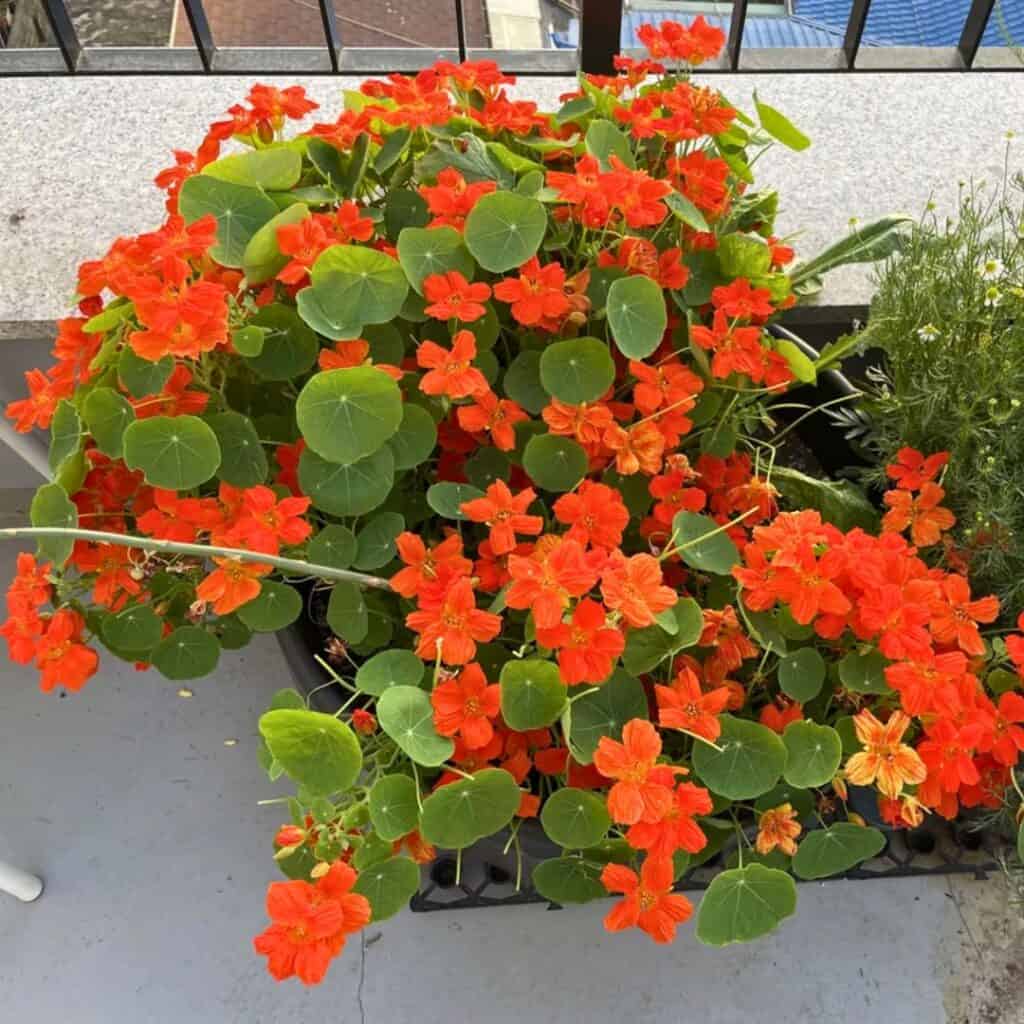
I’m a big fan of Nasturtiums because they add instant cheer to any window box. Their bright orange, red, and yellow blooms really pop against the green leaves.
They’re easy to care for and grow quickly once the weather warms up. That’s a win in my book.
I usually pick trailing types since they cascade beautifully over the edge of the box. The rounded leaves remind me of little lily pads, and the plants always look soft and full.
Whether I plant them alone or with other flowers, they always bring a lively, fresh vibe. It’s hard not to smile when you see them.
These flowers love full sun but can handle a bit of shade too. Oddly enough, they prefer soil that isn’t too rich—it helps them bloom more instead of just growing leaves.
They do well with regular watering but don’t want soggy soil. I try to keep it just moist enough.
One of my favorite things about Nasturtiums is that they’re edible. The flowers and leaves have a peppery kick, sort of like watercress.
Sometimes I toss them in salads for a splash of color and a little bite. It’s a fun way to use what I grow.
I also love that they attract bees, butterflies, and hummingbirds. At the same time, they help keep pests like aphids away from other plants.
This makes them both pretty and practical, which is exactly what I want in a small space.
If I start them from seed, they usually sprout in about a week. Once mature, they bloom all season until it gets cold.
Their long-lasting flowers make them a smart pick for anyone wanting easy, reliable color through spring and summer.
20) Portulaca

I always enjoy planting Portulaca, or moss rose, because it loves full sun and dry soil. Its tiny, succulent leaves store water, so missing a day of watering isn’t a big deal.
The flowers open wide in the sunlight and close up at night, which adds a bit of fun to the daily routine.
This plant puts out bright, cheerful blooms in pink, yellow, orange, red, and white. The flowers look like mini roses, which brings a fresh, colorful feel to my window boxes.
I like mixing a few shades together for a fuller, more playful look. It never feels boring.
Portulaca grows well in shallow containers, so it’s perfect for window boxes. It doesn’t mind the heat—in fact, it prefers it—so it thrives in sunny spots that might be too harsh for other plants.
Its spreading habit lets it spill gently over the edges, softening all the lines.
I use well-drained soil and make sure my containers have good drainage holes. Too much water isn’t great—just a little goes a long way, since too much can cause root rot.
Once it’s established, it’s one of the easiest flowers to care for. I barely have to think about it.
Walking by my window boxes and seeing these bright blooms always makes me smile. Portulaca’s resilience and charm are a simple way to get lasting color all spring and summer.
21) Kalanchoe

I love how Kalanchoe brings bright color and texture to a spring window box. The shiny green leaves and clusters of small blooms look so fresh, even in a small space.
Kalanchoe blooms in many colors—red, orange, pink, yellow, and white. I’m always impressed by how long the flowers last, often sticking around for weeks.
That makes it a great choice if you want lasting color without a ton of effort. I know I do.
Kalanchoe is pretty easy to grow since it doesn’t need constant watering. It stores moisture in its thick leaves, so I only water when the top soil feels dry.
Good drainage is important, though, to avoid overwatering.
Bright but indirect sunlight keeps it looking its best. I put mine near a sunny window where it gets morning light and some afternoon shade.
Too much direct sun can scorch the leaves, so I try to keep an eye on that.
To keep it blooming, I snip off faded flowers and feed it lightly during the growing season. A little care goes a long way—the plant rewards me with fresh blooms and new growth.
When I pair it with other small spring plants, Kalanchoe adds a lively touch that really draws attention. It blends nicely with trailing ivy, dusty miller, or even pansies.
I like how it brings structure and color to the mix. Kalanchoe’s compact size makes it perfect for small boxes or ledges.
I can fit several colors together for a bright, balanced display. Each plant keeps its shape pretty well, so everything stays neat.
Even after the first bloom, I can keep my Kalanchoe growing indoors. With light and a little patience, it puts out new flower clusters again.
That’s why it’s one of my favorite low‑maintenance spring flowers for window boxes.
How to Care for Spring Window Box Flowers
I keep my spring window boxes looking bright and healthy by sticking to a few simple habits that focus on watering, fertilizing, and pest control. These steps really help the flowers stay colorful and strong as the weather warms up.
Watering Tips for Vibrant Blooms
I water my window box flowers often since small containers dry out faster than garden beds. Most flowers want consistent moisture, but not soggy soil.
I just stick my finger about an inch into the soil—if it feels dry, I water. It’s not fancy, but it works.
When it gets warmer, I usually water once a day, especially for sun-loving flowers like petunias and geraniums. Morning watering is my go-to; it lets plants dry before night, which helps prevent fungal problems.
I use a watering can with a small spout to reach under the leaves and aim for the soil, not the flowers. That helps avoid leaf spots and mildew.
For deeper containers, I make sure there are drainage holes so extra water doesn’t collect and cause root rot.
Fertilizing for Healthy Growth
Flowers in window boxes need regular feeding since water can wash nutrients away. I use a balanced liquid fertilizer like 10-10-10 every couple of weeks during peak blooming season.
Mixing it into my watering routine keeps things easy. Some slow-release fertilizers work nicely too—I add them at the start of the season and top up halfway through spring.
This keeps the soil rich without overdoing it. I watch for yellow leaves or weak stems since those usually mean it’s time to fertilize again.
To avoid salt buildup, I flush the soil with plain water once a month. That keeps the roots happy.
Dealing With Common Pests
A few bugs can ruin a window box fast, so I check plants every few days. Aphids, spider mites, and whiteflies love to hang out on new growth and the undersides of leaves.
When I spot them early, they’re much easier to stop. I spray affected spots with insecticidal soap or a mild dish soap and water mix.
It’s gentle but works well. Sometimes I’ll use neem oil for stubborn pests, always following the directions.
To keep bugs away, I remove dead leaves and avoid overwatering, since soggy soil attracts gnats. Healthy, dry leaves and clean boxes make it harder for pests to move in.
Checking often keeps my flowers thriving all season.
Design Ideas for Stunning Spring Window Boxes
I like to mix colors that catch the eye and arrange plants so the window box looks full and balanced. Picking the right shades and placement makes each plant stand out, but the design still feels simple and fresh.
Color Combinations That Pop
I usually start with one main color and add two accent colors for contrast. That way, the box never feels too busy.
A table helps me match tones:
| Main Color | Accent Colors | Effect |
|---|---|---|
| Pink | White, Purple | Soft and romantic |
| Yellow | Blue, White | Cheerful and bright |
| Red | White, Green | Bold and classic |
Bright yellows with cool blues always feel sunny and fresh. Soft pinks with lavender give a calm, charming look.
I think about how the box matches the house, too. Pastels look great on white walls, while deep reds and purples pop against brick.
Mixing textures—like velvety pansies with trailing lobelia—adds more interest. It’s a little detail that makes a big difference.
Layering Techniques for Fullness
I always plant in three layers: tall in the back, medium in the middle, trailing at the front. That way, the box looks deeper and more natural.
Tall plants like tulips or snapdragons add height. Mid-level flowers such as petunias or geraniums fill out the middle.
I use trailing plants—ivy or sweet alyssum—to soften the front edge.
For the best look, I give each plant a bit of room to grow, letting them touch as they fill in. I tuck smaller blooms into empty spots to avoid gaps.
Mixing upright and trailing growth helps my window boxes stay lush through spring.
Frequently Asked Questions
People often ask about picking the right flowers, keeping them healthy, and making window boxes look their best. I’ve found that small things—like good drainage, smart spacing, and regular care—make all the difference.
What are the best flowers to plant in a spring window box?
I like using Geraniums, Petunias, Begonias, Impatiens, and Lobelia for spring. They handle mild weather and keep their color for weeks.
They also come in lots of shapes, which adds nice texture to any box.
How do I ensure proper drainage for my window box flowers?
I make sure my box has drainage holes so extra water can escape. I use a light potting mix (not garden soil), and sometimes add a thin layer of gravel at the bottom to help water flow out.
Can you recommend some colorful flowers that will thrive in a window box environment?
I love bright Petunias for bold color, Lobelia for blue accents, and Begonias for warm reds and oranges. Mixing them creates a lively blend that stands out from the street.
What kind of maintenance do spring window box flowers require?
I water the plants when the soil feels dry. I pinch off spent blooms to keep new ones coming and add liquid fertilizer every few weeks to support growth.
Are there any fragrant flowers suitable for planting in window boxes during spring?
Absolutely! I love adding Alyssum, Lavender, or even Sweet Peas to my window boxes.
Their scent isn’t overpowering, but when a breeze drifts in, you’ll definitely notice it. There’s just something so inviting about that fresh, floral aroma wafting through an open window.
What are some tips for arranging flowers in a window box to create an attractive display?
Honestly, I usually start by tucking taller plants like Geraniums toward the back. You want something with a bit of height there, right?
For the front, I love trailing plants—Lobelia works beautifully and spills over the edge in a way that just feels lively.
The middle can be a bit tricky, but Begonias or Impatiens are my go-to for filling in that space and keeping things balanced.
Personally, I think grouping colors with a bit of contrast makes the whole arrangement pop and look full. It’s fun to experiment until it feels just right.
Note: Some images in the articles are sourced from Reddit and Other Platforms For Reference Purpose.