21 Best Privacy Plants For Pots To Create A Cozy Outdoor Retreat
I absolutely love transforming a plain patio or balcony into a cozy, private spot. Adding plants in pots doesn’t just make the place look better—it’s also a natural, gentle way to block out the world without building walls.
With the right plants, you can create a living screen that looks great all year and fits even small areas.
When I first looked into privacy plants, I was surprised by all the container-friendly options out there. There are tall palms, dense evergreens, and all sorts of leafy choices.
These plants soften noise, add a bit of shade, and set up a sense of separation—plus, you can move them around when you want. They’re surprisingly easy to care for, too.
Please note: Simplify Plants is reader-supported. As an Amazon Associate, I earn from qualifying purchases made by our readers with no extra cost added to you all! Some links in the post are affiliate links and I get a commission from purchases made through links in the post.
1) Bamboo Palm
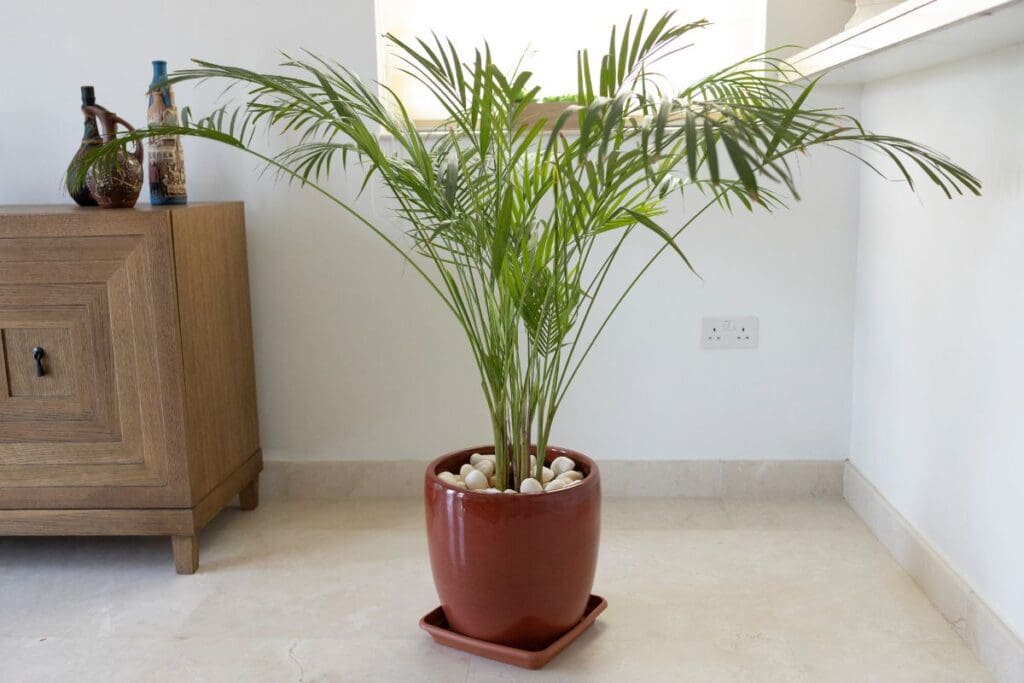
The Bamboo Palm is a favorite of mine for its calm, tropical vibe. It grows happily in pots and brings a nice green texture to patios or balconies.
Those slim stems and feathery leaves keep things feeling light and breezy. It’s not hard to care for, honestly.
I find it does best in bright, indirect light, but it’s pretty forgiving if you need to tuck it somewhere a bit darker. I water when the top inch of soil feels dry, just enough to keep things moist but never soggy.
This balance seems to keep the roots happy. The Bamboo Palm can get pretty tall, which is perfect for a natural privacy screen.
I’ll often group two or three pots together for a soft green barrier. It blocks views without making the space feel closed off.
Another bonus: it helps clean the air. Palms like this can actually help reduce some indoor pollutants, which is kind of cool.
For containers, I stick with medium pots that have good drainage holes. Loose, rich soil works best, so I mix some potting soil with perlite or sand.
Every now and then, I wipe the leaves to keep them dust-free and vibrant. If I see brown tips, I snip them with clean scissors.
It’s not a fussy plant at all, which is why it’s at the top of my list for low-maintenance privacy. Growth is steady, not wild, so I don’t have to prune all the time.
When it gets bigger, I just bump it up to a slightly larger pot. That’s about it—simple care, and it keeps thriving.
2) Ficus Lyrata (Fiddle Leaf Fig)
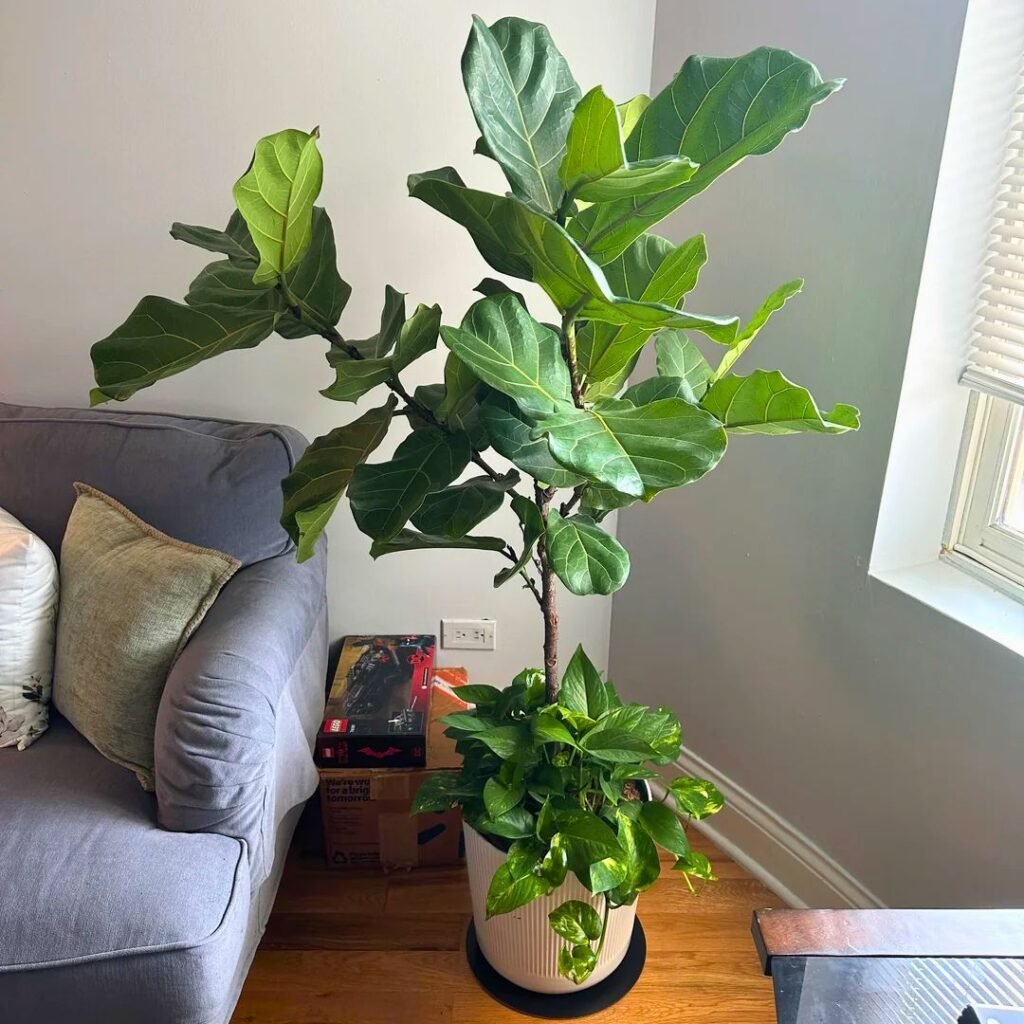
The Fiddle Leaf Fig is a showstopper—those big, violin-shaped leaves really make a statement. I love how it brings a bold, tropical feel to a patio or balcony.
Set in a pot, it’s an easy way to build a natural privacy screen without digging up the yard. I’ve noticed it thrives in bright, indirect light.
Direct sunlight can scorch the leaves, so I keep it near filtered light or a sunny window if it’s indoors. Outside, a bit of shade works just fine.
To keep it happy, I water only when the top inch of soil feels dry. It’s easy to overdo it, so good drainage is a must—always a pot with holes, and a well-draining potting mix.
With decent care, a potted Fiddle Leaf Fig can reach five to six feet tall. That’s plenty for a lush green barrier.
Pruning helps keep it at the right height and shape, which I appreciate when I want things a bit more compact. I also think it pairs really well with modern décor—the clean lines, the deep green.
Wherever I put it—balcony, window, patio edge—it gives me both privacy and style without much fuss.
3) Areca Palm
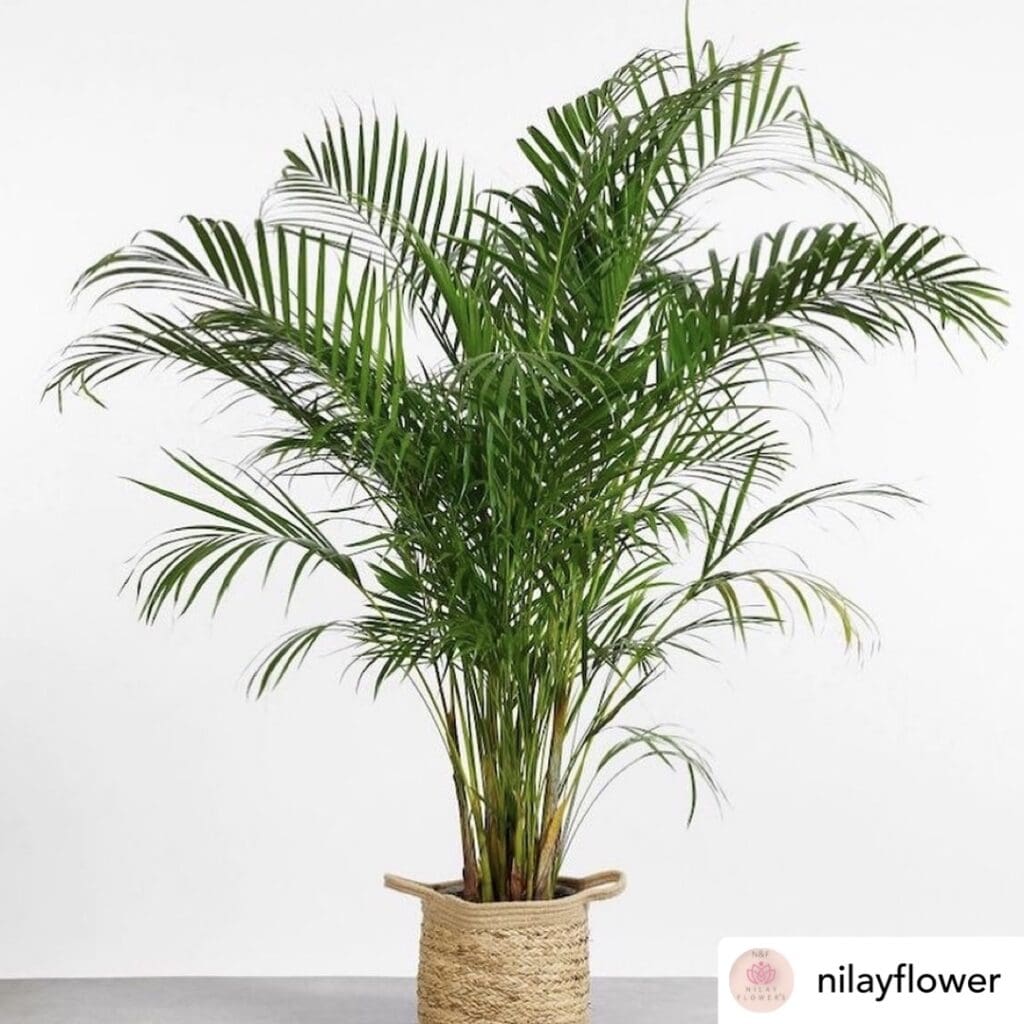
I’m a big fan of the Areca Palm for its soft, tropical look. The tall, feathery fronds grow close together, making it perfect for a little extra privacy on a patio or balcony.
It’s refreshing, and honestly, it doesn’t hog much space. I like that for smaller spots.
I usually plant my Areca Palm in a roomy pot with solid drainage. It loves bright, indirect sunlight, so I aim for a spot that’s bright but not blazing hot.
If the fronds start to yellow, I know it might want a bit more shade or a little less water. Warm, humid air helps it thrive, so I’ll mist the leaves once or twice a week, especially when it’s dry out.
When it’s happy, it can shoot up several feet and act as a solid green screen. Plus, it’s non-toxic to pets—always a relief with my cat around.
It’s also known to filter indoor air, which is a nice bonus if I bring it inside during winter. I usually feed it a balanced liquid fertilizer every few months when it’s growing.
With just a little attention, the Areca Palm stays lush and sturdy enough to be a living privacy wall.
4) Dracaena Marginata

Dracaena Marginata—or the Dragon Tree—is one of my go-tos for a clean, modern look. Those long, slender leaves in clusters give a tropical vibe without crowding the space.
It fits nicely in pots, which is great for patios, balconies, or even by the front door. I usually tuck it in a corner that gets bright, indirect light.
It can handle lower light, but I notice it grows faster and shows better color near a bright window. Watering is straightforward—let the top inch of soil dry before watering again.
Soggy soil is a no-go, so drainage holes are a must. The thin, arching leaves make it feel airy, but if you group a few pots together, it actually blocks views pretty well.
I’ll sometimes line up three or four for a stylish, light privacy setup. This plant grows slowly, so it’s easy to keep at the size I want.
If it gets too tall, I just trim the stems. The trimmings can even root in water, which is kind of fun.
Dracaena Marginata also helps clean the air, which is another reason I keep it around. It’s a solid pick for privacy that looks good and doesn’t ask for much in return.
5) English Ivy

English Ivy is a classic for quick, easy privacy in pots. It’s a fast grower and covers spaces in no time, so it’s great for small patios or balconies.
I use a sturdy container to keep it from getting out of hand. The deep green leaves make a strong visual barrier, and the vines climb walls, trellises, or fences with barely any help.
It’s a quick way to add greenery and shield your space from prying eyes. English Ivy likes partial to full shade, though it can handle some sun.
I just check the soil to make sure it’s slightly moist, not soggy. Overwatering causes problems, so I let the top layer dry a bit before adding more water.
In pots, I trim the vines often to keep things tidy. Regular pruning keeps the leaves healthy and thick.
Cutting out old or weak stems encourages new growth, so it always looks fresh. When I bring it inside, I put it near a window with bright, indirect light.
It adapts easily if I give it a little care. That flexibility is why it’s one of my top picks for privacy and year-round decoration.
6) ZZ Plant
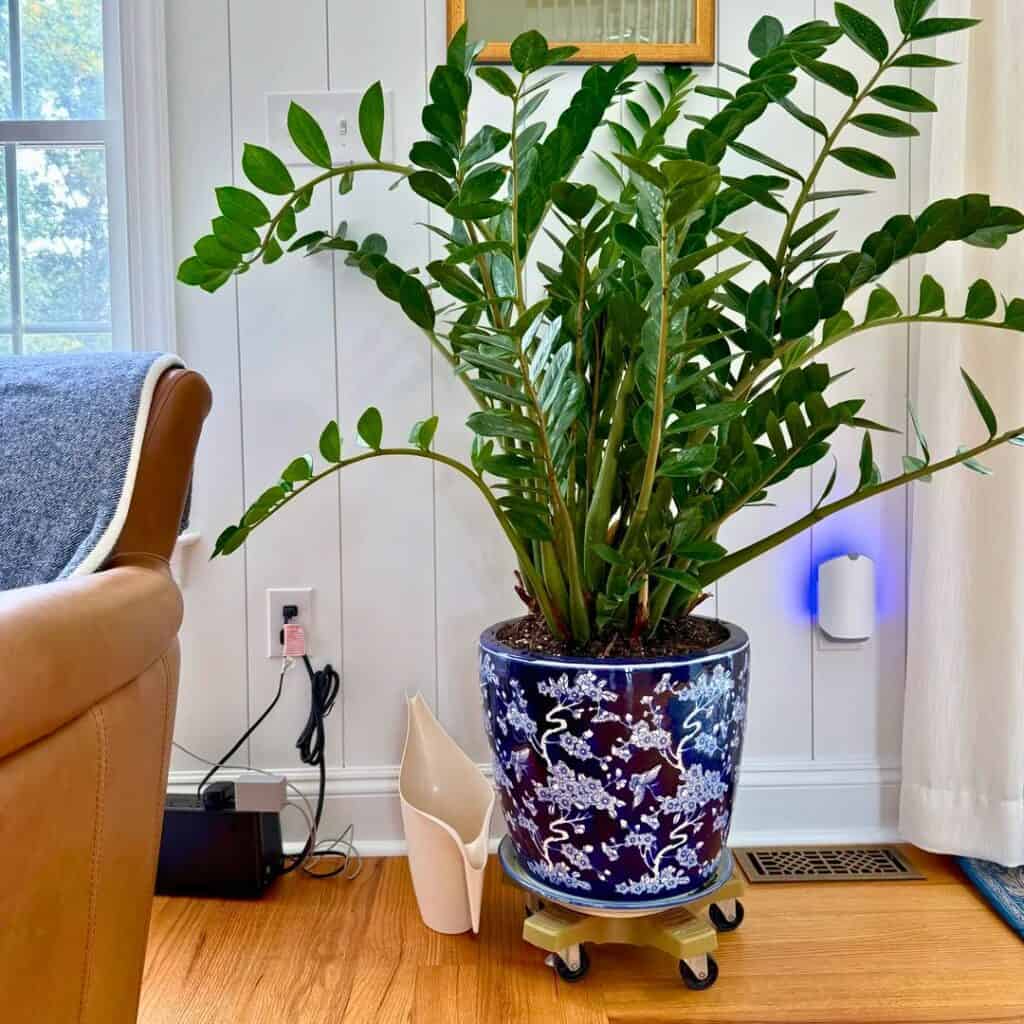
The ZZ Plant is my go-to for easy, stylish privacy in a pot. It’s neat, glossy, and those dark green leaves just make any spot feel calmer.
If you want a plant that’s low-maintenance but still looks good, it’s hard to beat. The ZZ Plant grows upright with smooth stems, so it’s perfect for a light privacy screen.
It doesn’t sprawl, but if you group a few pots, you get a nice natural barrier. I like clustering several together for more height and coverage.
It thrives in low to bright, indirect light. I’ve found it’s pretty forgiving—even if I forget to water for a week or two, it still looks good.
Those thick, waxy leaves store water, which is great if you’re busy or away a lot. I use a pot with good drainage and let the soil dry out between waterings.
Every couple of months, I wipe down the leaves to keep them shiny. That little bit of care keeps it looking vibrant.
The ZZ Plant also filters air, making the space feel fresher. It’s quiet, steady, and just adapts to wherever I put it.
Whether it’s by a window or in a corner, it always looks tidy.
7) Boxwood

Boxwood is my pick when I want a neat, timeless look. The dense, green leaves form a tight hedge, which is great for privacy in pots.
It looks just as sharp on the patio as it does by the front door. Boxwood needs regular trimming to stay crisp.
I’ll give mine a light prune a few times a year to keep it tidy. It grows slowly, so it doesn’t demand constant attention.
I put my potted boxwoods where they get partial to full sun, and as long as the soil drains well, they’re happy. I’m careful not to overwater—soggy roots are a no-go.
Boxwood stays green all year, so my outdoor areas never look bare, even in winter. I like using them in matching containers for a clean, organized vibe.
Those structured green shapes make any space feel calm and a bit elegant. When I want simple, flexible privacy, boxwood is my answer.
It works in small or big spaces and pretty much matches any style.
8) Norfolk Island Pine

The Norfolk Island Pine is my pick for a taller plant that still does well in a pot. Its soft, layered branches have a graceful look that instantly calms down a patio or balcony.
It’s not a true pine, but it has that classic shape, adding height and structure to tight spaces. This plant does best in bright, indirect light.
I keep mine near a window or outside in partial shade. Too much sun can brown the needles, but it still needs plenty of light.
I water only when the top inch of soil feels dry. It likes moisture, but soggy roots are a problem, so drainage is key.
During warmer months, I’ll bring it outdoors so it can enjoy the fresh air. When it gets chilly, I bring it back inside since it prefers temperatures above 50°F (10°C).
The Norfolk Island Pine is great for vertical privacy in spots where big trees just wouldn’t fit. A few pots lined up make a soft, natural screen.
It’s especially nice on apartment balconies or smaller patios. And in winter, it adds a holiday feel—I’ve seen people decorate it with lights or tiny ornaments.
It’s elegant without taking up too much space, which is why I keep coming back to it.
9) Schefflera

I’m a big fan of Schefflera, or the umbrella plant, when I want some quick, easy greenery for privacy. Those bold, glossy leaves really do look like little umbrellas, and they spread out to make a thick, lush barrier that works wonders on patios or balconies.
It grows happily in pots, which is great if you’re short on space. I’ve noticed it thrives best in bright, indirect light, but honestly, it can put up with a little shade if needed.
The leaves stay nice and full as long as I keep it somewhere with steady light and moderate warmth. I just water mine when the top inch of soil feels dry—no need to overdo it.
Overwatering can cause root problems, so I always double-check that the pot drains well. I give it a bit of fertilizer once a month in spring and summer to keep it going strong.
For privacy, I like to group two or three Scheffleras in big containers. Their upright growth and thick foliage make a natural screen that feels fresh and calming.
If it starts getting too tall, I snip the top off to keep it dense and neat. Schefflera works inside or outside if you’re somewhere warm, but I bring mine indoors when it gets chilly.
It stays green all year, so it’s a reliable, good-looking choice for patios or even a quiet indoor nook where you want a bit of privacy.
10) Holly

I really enjoy growing Holly in pots for a strong, evergreen barrier. The shiny leaves and bright red berries pop, especially during winter, and add a cheerful spot of color when everything else looks a bit drab.
Holly does well in containers if I use a sturdy pot and rich, well-drained soil. I keep the soil just slightly moist—never soggy.
This plant likes full sun, but it’s surprisingly flexible and can handle some shade. That makes it easy to fit almost anywhere.
There are lots of varieties, but I lean toward compact ones like ‘Blue Princess’ or ‘Little Rascal’ since they stay neat and don’t get unruly. If I’m after berries, I always make sure there’s both a male and female plant nearby.
The berries look great and attract birds, which is a nice bonus. I trim Holly once or twice a year to keep it tidy and dense.
Pruning shapes it into a tall screen or a rounded hedge, depending on what I’m going for. With its tough leaves, Holly provides good privacy and stays green all year.
Even when it gets cold, my potted Holly holds up well. I’ll move the pot somewhere sheltered if there’s a hard frost, just to be safe.
Over time, it turns into a hardy, classic screen that’s both practical and attractive for small spaces.
11) Japanese Pittosporum

I’m always impressed by how Japanese Pittosporum brings instant charm and structure to patios or balconies. This evergreen shrub grows dense, glossy leaves that somehow always look tidy.
It’s perfect when I want privacy without putting up a tall fence. I can grow it in a large pot and shape it easily with a bit of light pruning.
It handles trimming well, so I can keep it neat or let it form a more natural hedge. The leaves are a soft green with lighter edges, which really brightens up small areas.
This plant enjoys full sun to partial shade and isn’t too picky about well-drained soils. I water it regularly, but I make sure the roots don’t sit in water.
Once it’s settled in, it tolerates short dry spells without fuss. The Japanese Pittosporum grows at a moderate rate, so it’s not a handful to maintain.
In spring, it puts out small white flowers with a sweet scent—not showy, but they add a nice touch when I’m outside. I like that it’s versatile enough for both modern and traditional spaces.
I’ll mix it with other pots or line up a few for a green screen effect. Its tidy shape and year-round color make it one of my go-to picks for privacy in pots.
12) Arborvitae

I always reach for Arborvitae when I want quick, natural privacy in pots. These evergreen trees stay lush through every season and grow in such neat, upright shapes—perfect for patios and balconies.
The dense foliage is great for blocking out unwanted views and bringing a bit of green to tight spaces. I usually go for dwarf or compact types like ‘Emerald Green’ or ‘North Pole’ when planting in containers.
They stay narrow but still give solid coverage. I use big pots with good drainage to keep roots happy.
Arborvitae likes full sun, though a little light shade is fine. I water them regularly, especially when it’s hot, since pots dry out faster than garden beds.
A slow-release fertilizer in spring keeps them looking vibrant. For shaping, I just trim lightly once a year to keep things tidy.
The natural form is already pretty neat, so there’s not much pruning needed. I steer clear of cutting into old wood—it doesn’t bounce back well.
When I group potted Arborvitae together, they make a living wall that’s both stylish and practical.
Pairing them with shorter plants or flowers at the base softens the look and makes my outdoor space feel private without being boxed in.
It’s a simple, low-maintenance way to keep things green and give yourself a little sanctuary.
13) Cherry Laurel
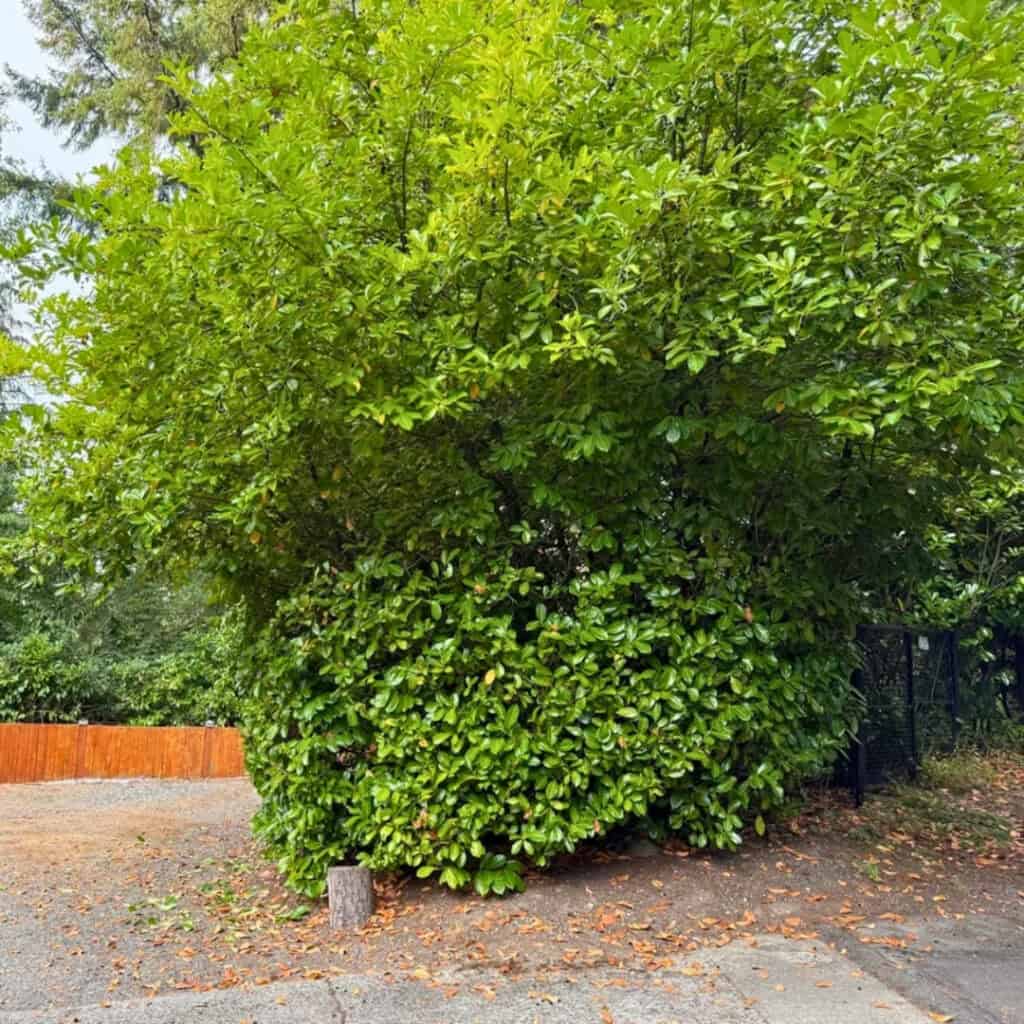
I like Cherry Laurel because it grows fast and fills in space before you know it. The leaves are dense and glossy, so it’s perfect for privacy in pots.
The evergreen foliage keeps my patio or balcony green all year. When I plant Cherry Laurel in containers, I go for big pots to give the roots plenty of room.
It prefers moist, well-drained soil and can handle both sun and partial shade. I make sure to water it regularly, especially if the weather is dry.
I trim it a few times a year to keep the shape compact and neat. Pruning encourages thicker growth, which makes for a better screen.
The shiny, deep green leaves always make my outdoor area feel calm and fresh. In spring, Cherry Laurel puts out small white flowers that attract bees and other pollinators.
Later on, you get dark berries that birds seem to love. I appreciate how this plant supports wildlife while still giving me the privacy I’m after.
It’s pretty tough and handles different climates well. Even in cold weather, mine stays vibrant.
If you want a low-maintenance privacy plant, Cherry Laurel is an easy, reliable pick.
14) Yucca

I’m a huge fan of yucca plants for adding height and structure to my patio. Those tall, sword-like leaves create a bold look that still feels tidy and doesn’t hog space.
That makes them perfect for small patios or balconies. Yucca just loves bright sunlight.
I put mine where it’ll get full sun most of the day. It’s tough—handles heat and drought like a champ, so I don’t stress if I forget to water it now and then.
When I grow yucca in pots, I always use well-draining soil and a container with drainage holes. These plants hate soggy roots.
A sandy mix or cactus soil keeps them happy. I water only when the top inch of soil dries out.
For privacy, I’ll group a few pots together in a line or corner. The tall leaves make a great screen, but still let in some light.
I love how yucca’s structure looks next to softer plants like ferns or grasses. Some varieties, like Yucca elephantipes, get pretty tall—great for bigger patios.
Others stay compact, which is perfect near seating areas. Mixing different sizes adds depth and texture, which I find more interesting.
Yucca works indoors too if you’ve got enough light. Sometimes I move mine inside for the winter, and it keeps looking strong.
Just make sure to give it space—those pointed leaves need room, and you don’t want to brush up against them too often.
Because yucca is so durable and sculptural, it always brings character to my potted garden. It’s one of those plants that looks modern without you having to try too hard.
Plus, it just keeps going year after year with barely any fuss.
15) Dwarf Alberta Spruce

I really like how the Dwarf Alberta Spruce adds a tidy, structured vibe to my patio. Its compact, cone shape is perfect for small spaces.
Pop it in a pot and you’ve got instant green charm. This evergreen grows slowly, so there’s not much trimming needed.
If you’re looking for low-maintenance privacy, it’s a great pick. The dense needles stay green all year, creating a screen that looks neat no matter the season.
I’ll set two or three pots side by side to make a natural divider. They grow tall enough to block views, but never get out of hand.
Since they’re so narrow, they fit nicely on decks, patios, and balconies. The Dwarf Alberta Spruce prefers full sun and well-drained soil.
I water regularly, but I’m careful not to overdo it—root rot is no joke. In really hot or dry spots, a bit of afternoon shade helps keep the needles from browning.
I also like using these as accents near seating areas or doorways. With a little snow or some simple lights, they look beautiful all year.
Their tidy shape and easy care make them one of my top choices for privacy in pots.
16) Euonymus

I like Euonymus because it’s just so reliable and easygoing. It grows well in pots and adapts to different light—full sun, partial shade, whatever you’ve got.
The leaves stay colorful all year, which keeps my patio looking lively. There are several types, but Euonymus japonicus is my go-to for privacy.
It forms dense foliage and creates a nice barrier without much pruning. I can shape it into a tidy hedge, or let it grow naturally for a softer look.
I’ve noticed Euonymus handles urban conditions well—wind, pollution, dry air, you name it. It’s great for balconies or small patios.
When I water regularly and feed it once or twice a year, it stays lush and full. The variegated leaves add extra interest.
Some have golden edges, others creamy white borders. I like placing a few pots next to each other for color and coverage.
It also mixes beautifully with other potted shrubs. Occasionally, pests like scale insects might show up, but I just check my plants often and clean the leaves.
Keeping the soil well-drained and not overwatering helps avoid root problems, too. If I want a low-maintenance privacy plant that stays attractive all year, Euonymus is a strong choice.
It brings structure and greenery with hardly any effort.
17) Camellia
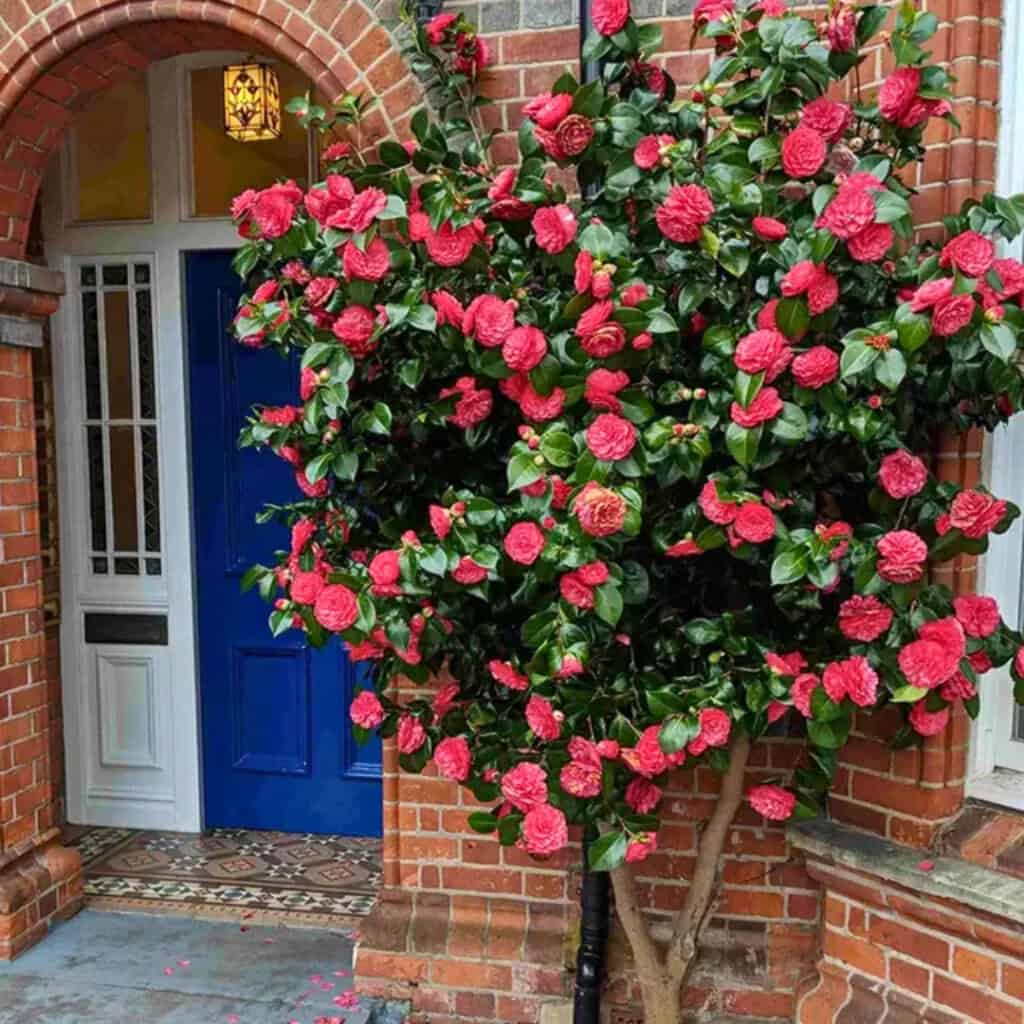
You know, Camellias really bring a special charm to small spaces. Their glossy green leaves look good even when the plant isn’t flowering, so they’re a solid pick for potted privacy screens.
When the blooms show up, it’s like an instant mood lift for a patio or balcony. The colors just pop.
These plants do best in partial shade, which is handy if your spot doesn’t get sun all day. I’ve noticed they like slightly acidic, well-draining soil—roots should stay moist, not waterlogged.
Heavy, wet soil is a no-go, so I always double-check that my pots drain well. It’s a simple step but makes a big difference.
A little light pruning goes a long way with Camellias. I can shape them to fit my space, keeping things neat and compact.
Over time, they get dense enough to block out unwanted views. It’s a surprisingly effective way to carve out a private corner.
There are so many varieties out there. Some bloom in winter, others in spring, so you can actually get color at different times of the year.
The blooms range from white and pink to deep red—plenty of options to match with other plants or whatever vibe you’re going for.
For containers, I always go for larger pots so the roots aren’t cramped. If you take care of them, Camellias will thrive in pots for years.
Regular watering, a bit of food, and gentle pruning—nothing too complicated. They’ll reward you with year-round good looks.
If you’re after privacy plus a bit of class, Camellia really is a reliable and elegant choice. It’s greenery and seasonal flowers, all in one tidy package.
18) Loropetalum

I’m a big fan of Loropetalum for adding color and texture without eating up patio space. Those deep purple leaves are eye-catching year-round, and the pink, fringed flowers in spring are just plain fun.
It’s a plant that gives you privacy without sacrificing style.
I keep mine in a large pot with good drainage—the roots seem happier that way. Full sun to partial shade works well, and I water enough to keep the soil moist but not soggy.
In spring, a slow-release fertilizer keeps the leaves looking vibrant. It’s a quick task with a big payoff.
What’s great is how low-maintenance Loropetalum is. I only prune a couple times a year, just to shape it or keep it from getting too tall.
It rarely has pest problems and grows fast enough to fill in bare spots before you know it.
Sometimes I group a few pots together for a colorful privacy screen on my balcony. The bold leaves look awesome next to green or variegated plants.
For me, Loropetalum is practical and pretty. It brings privacy, color, and easy care—what more could you want? If I’m picking a potted plant for year-round good looks, this one makes my shortlist every time.
19) Photinia
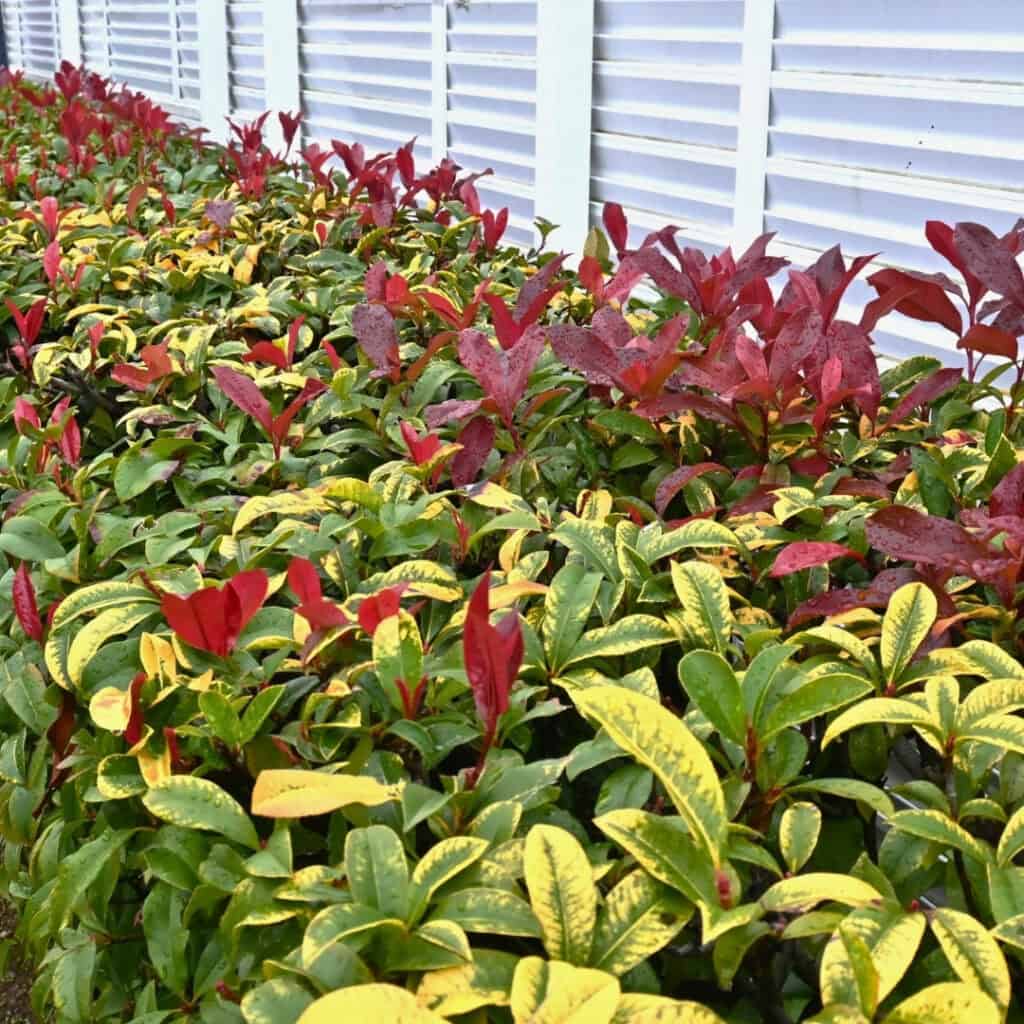
Photinia is one of those plants that gives you both privacy and a splash of color. The glossy green leaves turn bright red on new growth, and it just makes my patio feel upbeat.
It’s happy in pots or containers, so I can move it around when I get the urge to rearrange. I keep the soil moist (but not too wet), and regular trimming seems to keep it in good shape.
Pruning brings out those fresh red leaves fast, so the plant stays looking dense and lively—great for blocking out nosy neighbors.
Photinia grows fast, which is a huge plus if you want privacy without waiting forever.
It likes full sun to partial shade. If you put it somewhere too shady, the red color fades, so I always aim for a sunny spot. It can handle cooler temps, but honestly, it does best when things are mild.
I give mine a slow-release fertilizer in spring to encourage strong new growth. A quick check for pests and a tidy-up of dead leaves keeps it looking sharp.
A few pots lined up make a colorful living barrier that looks good all year. It’s definitely one of my go-to plants for easy, attractive privacy.
20) Climbing Fig

When I need fast coverage in a tight spot, Climbing Fig is my secret weapon. It’ll cling to almost any surface and quickly forms a thick wall of heart-shaped leaves.
It’s surprisingly adaptable to pots, so I can move it or train it however I want.
I keep mine in bright, indirect light. It’ll take some shade, but if you go too dark, it just slows down. Water when the top inch of soil is dry—pretty straightforward.
This plant stays green all year in warm places, so it keeps things lively even in winter. I trim it regularly to keep it tidy and encourage it to grow thicker for better privacy.
Climbing Fig is perfect for balconies, patios, or fences. Its quick growth and fuss-free nature make it a winner for renters or anyone short on space.
With just a little care, it’ll turn any wall or trellis into a lush green screen.
21) Ming Aralia

Ming Aralia is one of my favorites for adding both style and privacy. The finely cut leaves create a soft green screen that feels a lot more elegant than a basic hedge.
A few in pots can make any patio feel secluded and a bit fancy, honestly.
It thrives in bright, indirect light and likes warm, humid air. I keep it away from cold drafts because it’s not a fan of sudden temperature swings.
A steady spot helps it grow strong and leafy.
I only water when the top inch of soil is dry—too much water is a recipe for root trouble. Good drainage is a must.
A light trim every now and then keeps it neat and encourages fresh growth. Once you get the hang of its rhythm, it’s a breeze to care for.
It grows slowly but stays full and lush all year. The upright stems give it a tropical vibe, which I love for balconies or near entryways.
Group a few together and you’ve got a natural privacy barrier that doesn’t eat up space. The texture and shape make it interesting, even up close.
It’s a simple, stylish way to bring greenery and seclusion to any small outdoor spot.
How Privacy Plants Transform Small Spaces
It’s amazing how the right plants can totally change the feel of a small balcony or patio. Using pots gives me the freedom to create privacy without blocking out all the light or making things feel cramped.
Benefits of Using Pots for Privacy
I like potted plants because I can move them around and build my green screens wherever I need them. If the sun shifts or the seasons change, I just reposition pots to keep things shady or cover up gaps.
This flexibility makes it easy to get both privacy and style in even the tiniest spaces.
Big, deep pots help roots grow strong while keeping things contained. I pick materials like fiberglass, terracotta, or recycled plastic depending on what looks good and handles my local weather.
Fiberglass is light and tough, while terracotta gives that classic, earthy vibe.
To keep plants happy, I use good-quality soil, make sure drainage holes are clear, and add mulch to lock in moisture. That keeps things low-stress for both me and the plants.
For small patios, I like medium shrubs in tall pots—it layers things nicely without making the space feel cluttered.
Creative Container Placement Ideas
I’ve realized that arranging pots at different heights adds instant interest. Mixing short herbs with tall bamboo or grasses helps me build a visual barrier that doesn’t feel boxed in.
Sometimes I stack containers on benches or shelves to lift smaller plants up where you can actually see them.
Grouping pots in odd numbers—three or five—just looks better to my eye. I place them diagonally across corners instead of lining them up, which blocks views more effectively.
On apartments or rooftops, I make use of railings, ledges, or narrow walls for slim vertical planters. Hanging pots or half-barrel containers near seating softens hard edges and brings privacy right where people gather.
Caring for Potted Privacy Plants
Keeping my potted privacy plants looking good comes down to three things—regular attention, healthy soil, and balancing light and water. It’s not rocket science, but it makes a big difference.
Essential Maintenance Tips
I check my pots weekly to make sure everything’s healthy. Trimming old or damaged leaves keeps things tidy and encourages new growth.
If a plant gets too tall or the roots start circling, I’ll prune or repot to keep it happy.
I always clear away fallen leaves from the soil surface to cut down on pests and mold. Wiping the leaves with a damp cloth helps them soak up more sunlight.
Fertilizing is key. I use a balanced, slow‑release fertilizer every few months. Fast growers like bamboo or ficus get a little extra to keep them going strong.
Pests can pop up, so if I spot aphids or mites, I deal with them quickly—usually with a mild soap spray or neem oil.
Selecting the Right Potting Mix
Getting the potting mix right is huge for healthy plants. I never use garden soil in pots—it just compacts and suffocates the roots.
Instead, I mix high‑quality potting soil with things that boost drainage.
Here’s a basic mix I like:
| Component | Purpose |
|---|---|
| Peat or coco coir | Holds moisture without turning soggy |
| Perlite or pumice | Improves drainage and airflow |
| Compost | Gives a natural nutrient boost |
For privacy plants like conifers or tall grasses, I’ll go with a slightly heavier mix to keep them stable. If a plant likes drier roots—think lavender or rosemary—I make sure the soil drains fast.
Good drainage holes are a must. Standing water is a quick way to lose a plant, especially when it’s cool out.
Managing Sunlight and Water
Plants need the right amount of light—too much or too little and they struggle. I put mine where they get bright, indirect sunlight for most of the day.
If they’re indoors, I rotate the pots every few weeks so all sides get their turn.
I water only when the top inch of soil feels dry. Overwatering suffocates roots, and underwatering makes leaves droop. Consistent moisture keeps things healthy.
Sometimes I judge by weight—if the pot feels light, it’s probably thirsty. I’ll add a layer of mulch or pebbles to slow down evaporation and keep soil cooler in summer.
When winter hits, I cut back on watering and move pots somewhere sheltered to protect them from frost.
Frequently Asked Questions
Honestly, potted plants are my favorite way to add privacy—they liven up small spaces and block out unwanted views. The right mix of evergreen, fast-growing, and low-maintenance plants can make any patio or balcony feel like your own little hideaway.
What are some low-maintenance plants that are great for privacy in containers?
I usually go for Bamboo Palm or Dracaena Marginata if I want something easy. Both need very little pruning and do well in indirect light. They’re also pretty forgiving when it comes to dry air.
Can you recommend any fast-growing plants for creating a secluded space on my balcony?
Areca Palm is a winner for quick coverage—it fills out fast with feathery leaves. I also like English Ivy since it grows quickly and climbs trellises or spills over tall pots, giving you a green screen in no time.
What evergreen plants are suitable for potting and providing year-round privacy?
Ficus Lyrata (Fiddle Leaf Fig) keeps its big, lush leaves all year, so you always have coverage. Compact bamboo varieties in pots also stay green through every season.
Are there any flowering plants that also offer a good level of privacy when potted?
Hibiscus and Camellia in big pots are my favorites. They bloom beautifully and still grow thick enough to block views. Both bring a nice mix of color and privacy to the space.
How can I ensure my privacy plants in pots remain healthy and thrive in all seasons?
I keep an eye on how the light shifts throughout the year and move my plants around as needed. Sometimes it’s a bit of trial and error, honestly.
Staying on top of watering is key, though I try not to overdo it. When the plants are actively growing, I like to give them a boost with some fertilizer.
A little trimming here and there keeps them looking lush. It can be a bit of work, but seeing them full and happy makes it worth it.
What should I consider when choosing pots for my privacy plants?
Honestly, I go for deep, sturdy pots with good drainage—roots need room to breathe and stretch out, right?
It helps if the pots are heavy enough to not tip over in the wind.
I also try to pick ones big enough so the plants have space to really grow.
Note: Some images in the articles are sourced from Reddit and Other Platforms For Reference Purpose.