21 Beautiful Flowers For Small Balcony Gardens
I love turning small spaces into calm, colorful spots full of life. A tiny balcony can become a peaceful escape with the right mix of plants.
You can grow beautiful flowers even in a small space and make it feel vibrant all year.
In this article, I’ll show how easy it is to choose and care for flowers that thrive in limited sunlight, space, and containers.
I’ll share blooms that bring color, fragrance, and texture to compact balconies, plus simple tips to keep them healthy and bright.
Please note: Simplify Plants is reader-supported. As an Amazon Associate, I earn from qualifying purchases made by our readers with no extra cost added to you all! Some links in the post are affiliate links and I get a commission from purchases made through links in the post.
1) Lavender
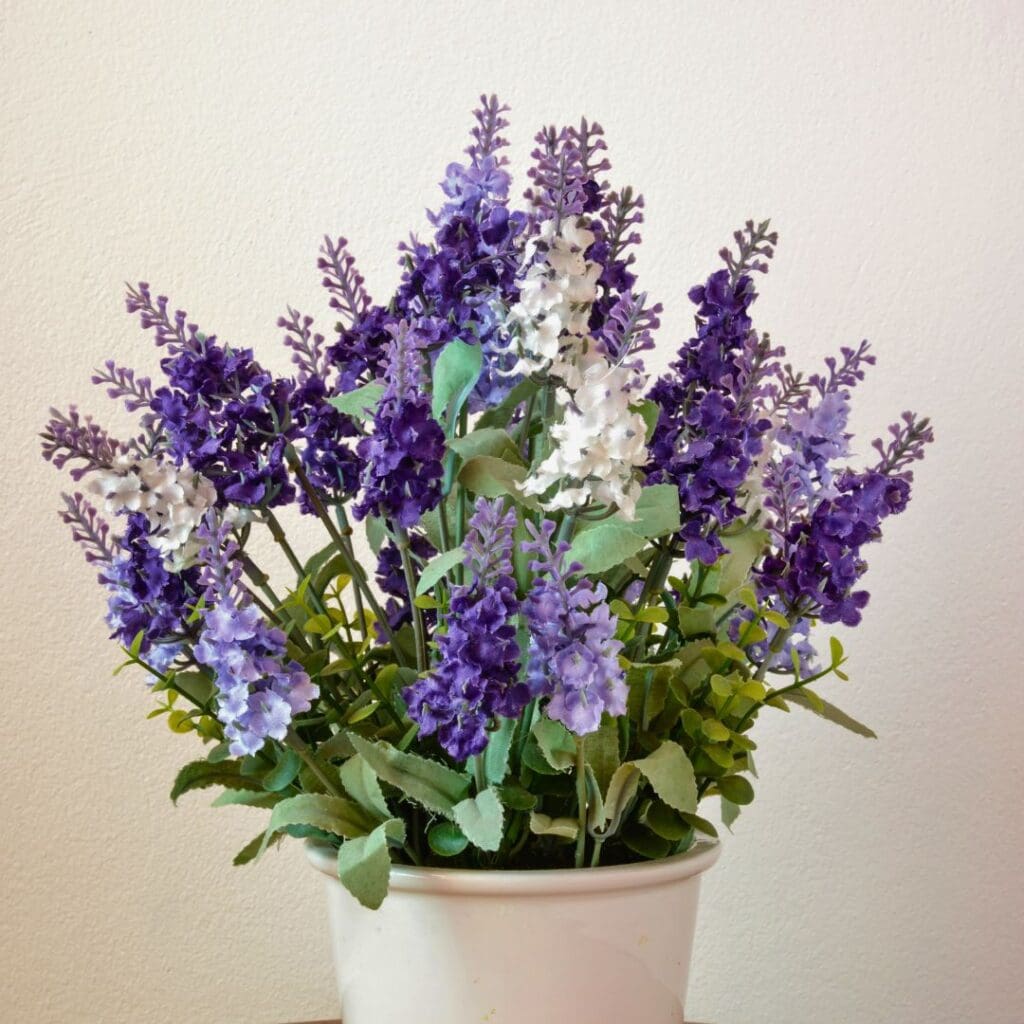
I love growing lavender because it adds color, scent, and calm to my small balcony. The purple flowers look beautiful against green leaves, and the plant attracts helpful pollinators like bees.
Lavender grows best in sunny spots with good air flow. I keep mine in a pot so the soil drains well.
This plant dislikes too much water, so I let the soil dry a bit before watering again. Compact varieties like ‘Munstead’ or ‘Hidcote’ fit perfectly in small spaces.
They stay neat and don’t need much trimming. I clip faded blooms now and then to keep new flowers coming.
The fragrance of lavender makes sitting outside more relaxing. Sometimes I rub a flower between my fingers to release more scent.
It also helps keep pesky insects away. I use dried lavender from my pots for simple crafts or to freshen drawers.
It’s easy to dry by hanging small bunches upside down. Even after the blooms fade, the green-gray leaves stay attractive.
For a small balcony, lavender gives plenty of reward with little work. It thrives with sun, fresh air, and moderate care, bringing both beauty and comfort to my space.
2) Petunias
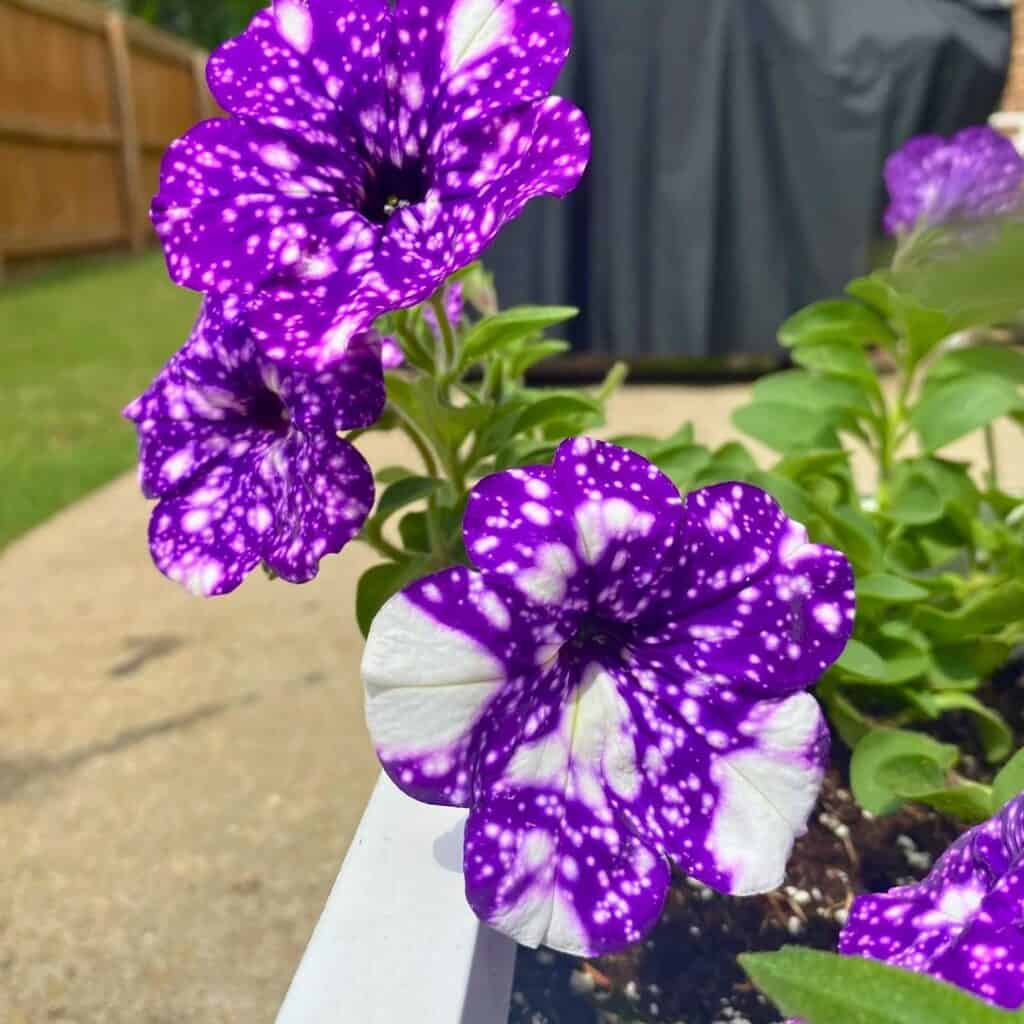
I love planting petunias because they bring instant color to my balcony. Their bright blooms make small spaces feel cheerful and inviting.
These flowers bloom in shades of pink, purple, white, and red, so it’s easy to match them with my favorite garden theme. Petunias grow well in containers, which makes them perfect for balconies with limited space.
I like to use hanging baskets or window boxes since the flowers trail beautifully over the edges. When I place them where they get at least six hours of sunlight, they reward me with steady blooms all season.
I water my petunias regularly but let the soil dry slightly between waterings. Too much water can make the roots rot, so I make sure the container drains well.
A balanced liquid fertilizer every couple of weeks helps them stay strong and full of flowers. One thing I enjoy about petunias is how low-maintenance they are.
I just remove the faded blooms to encourage more growth. Deadheading keeps the plant looking neat and helps it produce new flowers faster.
There are many types to choose from, including grandiflora, multiflora, and trailing varieties. I usually mix a few types in the same pot for different shapes and textures.
The result feels lush but still fits in a small space. Even when the weather gets warm, my petunias keep blooming as long as I care for them.
Their soft scent adds a gentle sweetness to the air. For me, these flowers turn any balcony into a colorful and relaxing spot.
3) Begonias

I love begonias because they add bright color and interesting texture to small balcony spaces. They come in many shapes and sizes, from tiny wax begonias to larger tuberous types.
Their vibrant blooms and attractive leaves make them stand out even in limited space. Begonias grow well in pots, boxes, or hanging baskets.
I like that they don’t need full sun since they thrive in partial shade. This makes them perfect for balconies that don’t get direct sunlight all day.
I usually place mine where they get gentle morning light. One of my favorite things about begonias is how low-maintenance they are.
I water them regularly but make sure the soil drains well because soggy roots can cause problems. When I use light, airy potting soil and let the surface dry between waterings, they stay healthy.
Their leaves can be as eye-catching as the flowers, especially in varieties like Rex begonias. Some leaves look almost painted, with patterns of green, silver, and red.
I like mixing a few types together for more variety and color without taking up extra room. I also find that begonias bloom for many months, especially if I remove old flowers now and then.
A bit of liquid fertilizer every few weeks keeps the plants full and lively. When the weather gets cooler, I can move their containers indoors to protect them from frost.
They adjust well to indoor light and keep adding color inside. Begonias make any small balcony—or even a windowsill—feel more inviting and bright.
4) Pansies

I love adding pansies to my balcony garden because they bring instant color and cheer. These hardy flowers come in a wide range of shades, from deep purple to bright yellow.
Their small size makes them perfect for containers and window boxes. Pansies grow best in cool weather, so I like planting them in early spring or fall.
They can handle light frost, which helps them last longer than many other blooms. When the weather gets too hot, I move the pots to a spot with some shade to keep them healthy.
I find that pansies don’t need much space to thrive. A few plants can fill a small pot and still look full and lively.
I make sure the soil drains well and stays slightly moist. Overwatering can harm their roots, so I water carefully and often check the soil first.
The best part about pansies is how easy they are to care for. If I remove faded flowers regularly, they keep blooming for weeks.
I sometimes mix them with herbs or small greenery for extra variety. Their bright faces always make my balcony feel warm and welcoming.
Even on cloudy days, pansies keep their color and charm. They give my small garden a fresh look without needing much effort.
For anyone with a limited space, pansies are a simple and rewarding choice.
5) Geraniums

I love growing geraniums on my balcony because they handle small spaces really well. Their colorful blooms bring instant cheer, and I find that they keep flowering through much of the warm season.
Geraniums come in many shades, from pink and red to white and purple. I like mixing a few colors in one pot for a lively look.
The rich green leaves make the bright flowers stand out even more. I enjoy how easy they are to care for.
They only need moderate watering and plenty of sunshine. When I pinch off old blooms, new ones grow fast, keeping my plants healthy and full.
Another reason I grow them is their pleasant scent. Some varieties have leaves that smell like lemon or rose when touched.
It adds a fresh smell to my balcony, especially in the mornings. Geraniums also do well in containers or hanging baskets, which is perfect for limited balcony space.
I often move them around to catch the best sunlight or create a brighter corner. Because they don’t need fancy soil or equipment, I find them a great choice for beginners.
A little care goes a long way, and seeing them bloom always makes me feel proud of my small garden.
6) Impatiens
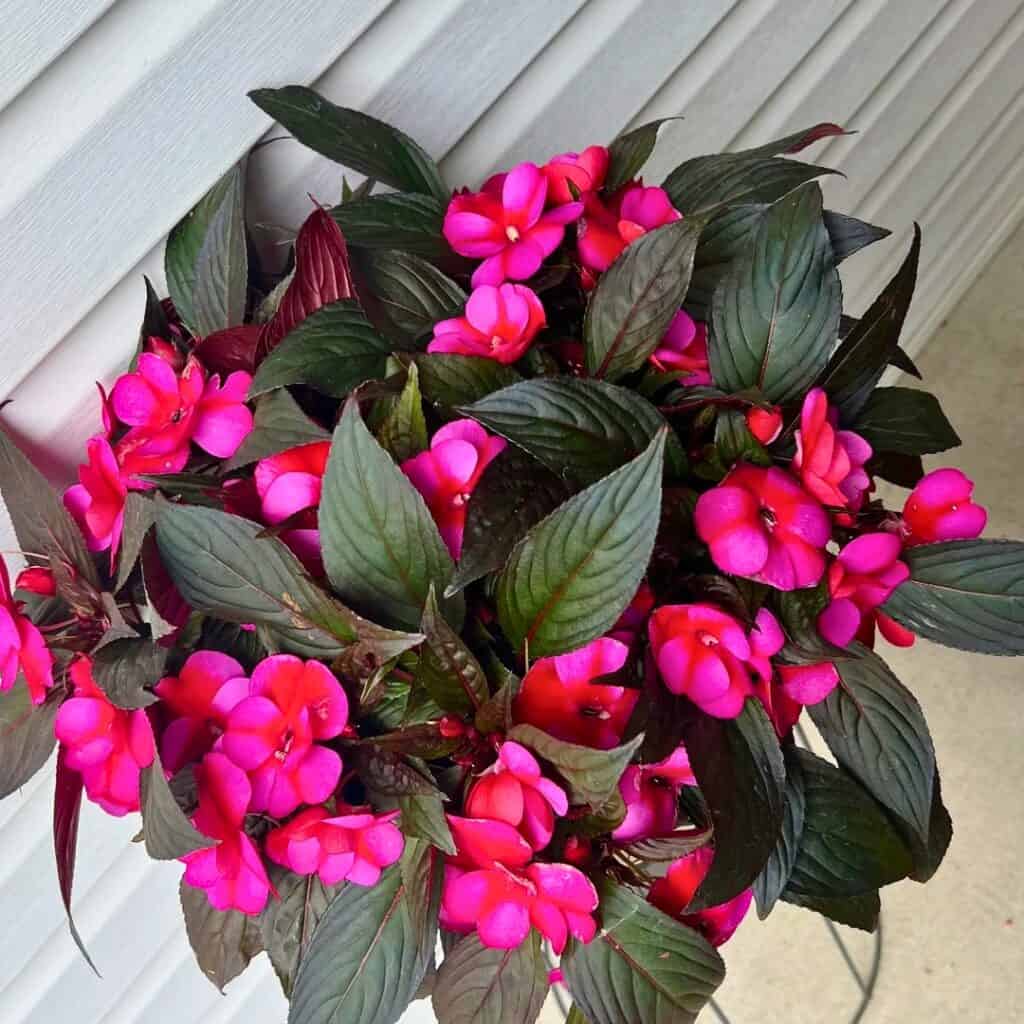
I love growing impatiens on my balcony because they add instant color with very little effort. These cheerful flowers bloom in shades of pink, red, white, purple, and orange, and they keep going all summer long.
They do best in partial shade, which makes them perfect for balconies that don’t get full sun all day. I usually plant my impatiens in small pots or hanging baskets so they can spill over the edges and create a soft, full look.
I make sure the soil stays moist but not soggy since they don’t like to dry out. When I water them regularly, they reward me with nonstop blooms.
What I like most is that impatiens grow well in tight spaces. They don’t need deep soil or large containers to thrive.
If I have a corner that looks dull or a shady spot that other flowers don’t like, impatiens fill that gap perfectly. I also use a balanced liquid fertilizer every few weeks to keep them healthy.
This helps the plants stay full of blooms through the season. Removing any wilted flowers keeps them looking neat and encourages more growth.
For a simple, colorful display, I mix different impatiens colors in one container. It’s easy to match their shades with my outdoor furniture or other plants.
Their bright colors make my small balcony feel warm and welcoming without taking up much space.
7) Marigolds

I love growing marigolds because they bring bright color and cheer to my balcony. Their golden-yellow and orange blooms stand out in sunlight, and they grow fast with little effort.
I find them perfect for small spaces and container gardening. Marigolds thrive in full sun and need well-drained soil.
I water them when the top layer of soil feels dry, but I avoid letting them sit in water. They bloom best when I remove old flowers, which also keeps the plants looking neat.
I like how marigolds help keep pests away from my other plants. Their scent can discourage mosquitoes and some insects, which makes spending time on my balcony more pleasant.
I often place them near herbs or vegetables for that reason. These flowers come in many sizes, from small compact types to taller ones.
For my balcony, I usually pick dwarf varieties because they fit neatly in small pots and window boxes. Their bushy shape makes the display look fuller.
Marigolds usually last through the warm months and keep blooming until cooler weather arrives. When I collect seeds from dried flowers, I can plant them again next year.
It’s an easy and affordable way to keep my garden colorful. With their bright blooms and simple care, marigolds always add life to my balcony garden.
They make me smile every time I see them open in the sunshine.
8) Sweet Alyssum

I love growing Sweet Alyssum because it adds a soft touch to my small balcony garden. The tiny, delicate blooms create gentle clusters that look like pillows of white, pink, or purple.
They make the space feel fresh and calm without taking up much room. This flower has a light, sweet scent that reminds me of honey.
I like placing it near my seating area so I can enjoy the fragrance when I step outside. It also attracts butterflies and bees, which bring a bit of life and movement to the balcony.
Sweet Alyssum grows low and wide, making it perfect for hanging baskets or the edges of containers. I often use it to fill empty spots between taller plants.
It helps blend my garden together and adds texture without crowding anything. I find it easy to grow because it tolerates both sun and partial shade.
I water it often but make sure the soil drains well. Too much water can cause the roots to rot.
Regular trimming keeps it neat and encourages new blooms. Sometimes I start new plants from seed, but small trays from the garden center work just as well.
The flowers appear quickly and last through most of the season. When it gets too hot, I move the pots into a slightly shaded corner to keep the blooms healthy.
I appreciate how low-maintenance this plant is. It doesn’t need fancy soil or constant care.
With just a little attention, it rewards me with continuous color and a pleasant scent all season long.
9) Fuchsias

There’s just something about Fuchsias—their hanging, bell-shaped blooms instantly brighten up a small balcony. I love that they come in so many shades: pink, purple, red, and white. That makes it easy to fit them into whatever garden color scheme’s going on.
Their drooping flowers look especially pretty in hanging baskets or tall pots. I always find myself moving them around to catch the best angles of their blooms.
Fuchsias do best in partial shade, at least in my experience. Morning sun is great, but I try to shield them from the harsh afternoon rays since too much direct light can make their leaves look tired or even brown at the edges.
A spot with dappled shade and some airflow seems to keep them happy. I’ve learned that stagnant air can make them a bit fussy.
They like moist but well-drained soil. I water mine often, but I’m careful not to let the roots sit in soggy soil. Feeding them every couple of weeks with a balanced liquid fertilizer during the growing season really helps.
When the soil’s rich, the plants reward me with even more flowers. It’s a nice trade-off, honestly.
To keep Fuchsias looking neat, I pinch back spent blooms and trim any straggly stems. This encourages new growth and makes the plant bushier.
It’s become a habit—snipping here and there—and it really does help extend the flowering season.
Watching hummingbirds visit my Fuchsias is one of my favorite things about balcony gardening. The bright blooms attract pollinators, which adds a little energy to the space.
For a small balcony, Fuchsias offer a big burst of color without hogging all the room.
10) Dianthus
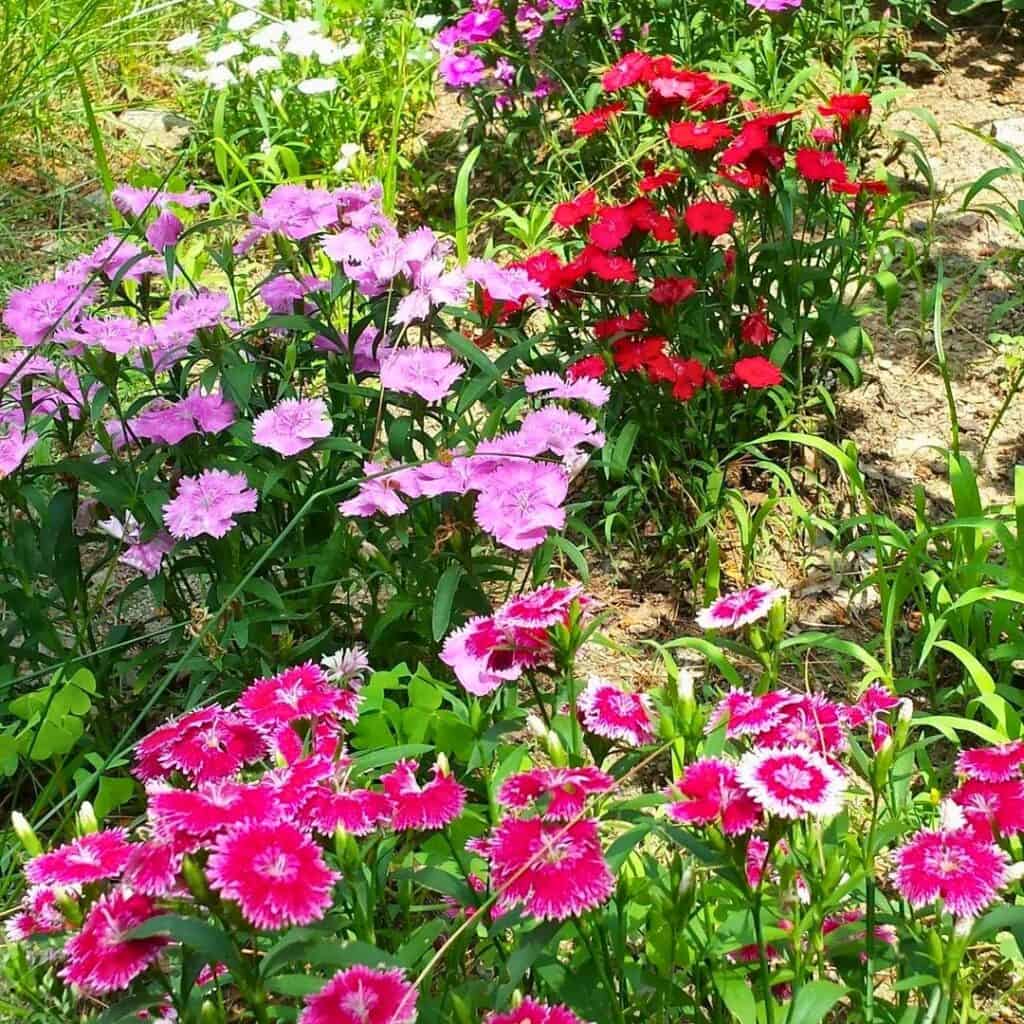
There’s something special about Dianthus—the bright colors and soft scent always lift my mood. The small, frilly blooms come in shades of pink, red, white, and purple, and they look great in pots or railing planters.
These flowers bring a cheerful touch without taking up much space. I think that’s why I keep coming back to them.
Dianthus is easy to care for, which is a lifesaver for small gardens. It likes well-drained soil and full sun, so I make sure mine gets at least a few hours of sunlight every day.
When I water, I wait until the top of the soil dries out a bit. That seems to keep the roots happy and prevents any sogginess.
The blooms stick around for ages, especially if I deadhead the spent flowers regularly. Keeping up with this makes the plant neater and encourages new blossoms to appear.
I also trim the stems every now and then to help it stay compact and tidy. It’s a quick task, and honestly, it makes a difference.
Some varieties stay green all year, and a few keep blooming into late fall. That makes Dianthus a dependable choice for a low-maintenance balcony garden—I appreciate that kind of reliability.
If I’m in the mood for a change, I’ll pair Dianthus with small herbs or trailing plants. The mix of textures makes my balcony feel fuller and more inviting.
Even just one pot of Dianthus can make a big impact in a small space. Sometimes, that’s all you need.
11) Violas

Growing violas on my balcony always feels rewarding—they pack so much color into such a small area. These cheerful flowers bloom in purple, yellow, white, and blue.
Their little faces are friendly, and I love how they add charm to planters, railing boxes, and hanging baskets.
Violas thrive in cool weather, so I reach for them in early spring and fall. I try to find them a spot with partial sunlight.
Too much heat can make them stop blooming, so I move them to a shadier corner when the afternoons get hot. That helps them last longer.
They don’t need much space, which is perfect for a small balcony. I usually plant them about six inches apart.
A light, well-draining soil mix keeps their roots healthy, and regular watering keeps them looking fresh.
Every few weeks, I feed my violas with a balanced, water-soluble fertilizer. That seems to keep them blooming and the growth strong.
Deadheading old flowers is key—I make a habit of pinching off faded blooms so new buds can open.
Violas handle cool nights pretty well, which is a relief. When it gets too warm, I just move them out of direct sun and they bounce back.
They mix nicely with other small plants like alyssum or lobelia for an easy, colorful display.
Since they don’t grow tall, violas fit neatly along balcony edges and don’t block sunlight from other plants. Their gentle scent adds a bit of sweetness to the air, especially in the mornings.
These little flowers always make my balcony feel calm and welcoming. They’re simple to grow, easy to care for, and full of charm—I can’t recommend them enough for small-space gardeners.
12) Snapdragons
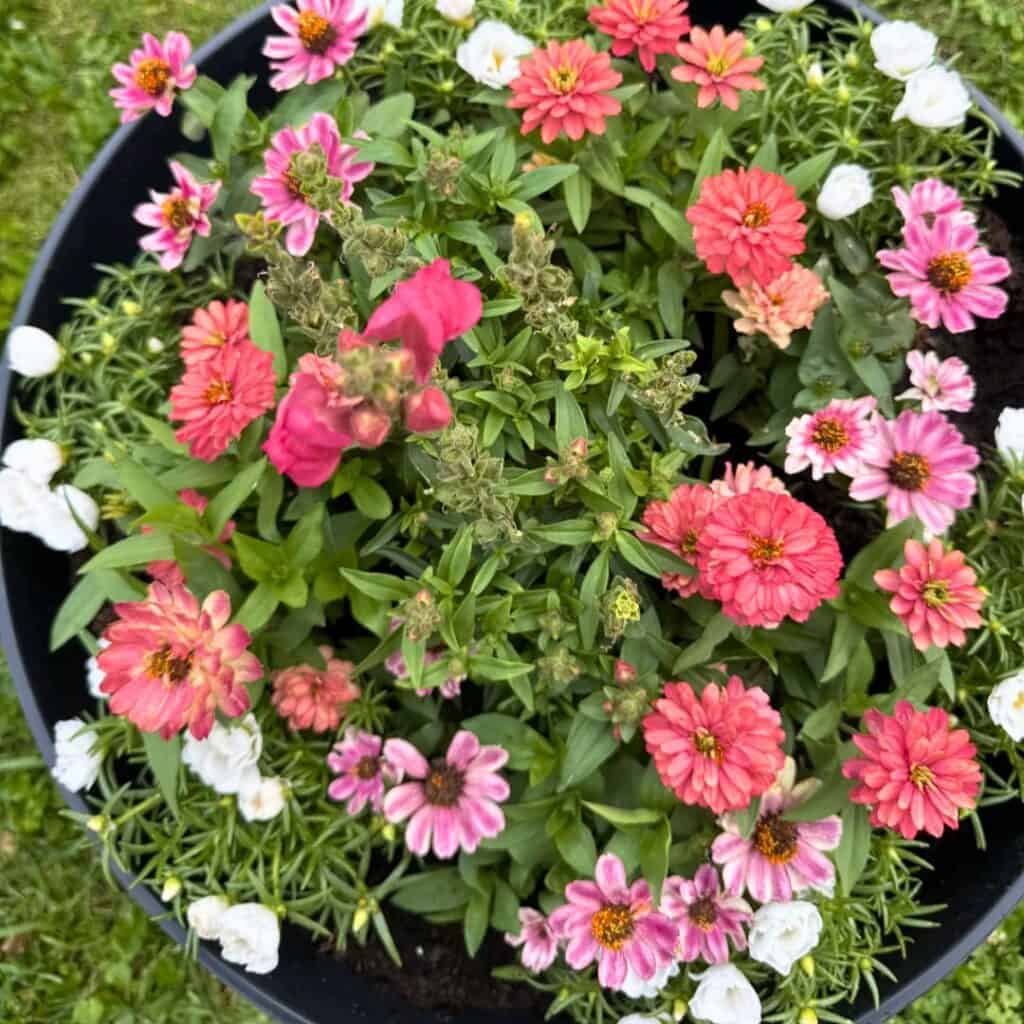
I get a kick out of adding snapdragons to my balcony garden. They bring such bright color and a lively look to the space.
Their tall, upright stems fit perfectly in small containers, so they don’t hog all the room. The flowers show up in pink, yellow, red, white, and orange—plenty of options for mixing and matching.
Snapdragons really shine in cool weather and full sun. I usually plant them in early spring or fall for the best blooms.
They need regular watering, but I let the soil dry out a bit between waterings to avoid root rot. It’s a balancing act, but not a hard one.
Deadheading old blooms always seems to help new flowers appear quicker. It keeps the plant looking tidy and encourages more color throughout the season.
I also pinch back the stems when they’re young to help the plant grow fuller and less leggy.
Since my balcony gets a lot of sun, snapdragons usually thrive in pots or planter boxes. I stick with a well-draining potting mix and make sure the container has good drainage holes.
They don’t need heavy feeding—just a light fertilizer every few weeks and they’re good to go.
I love how snapdragons attract bees and butterflies. There’s always a bit of movement and life out there, and their dragon-shaped blooms are a conversation starter when friends visit.
They look delicate, but honestly, they hold up well to light wind and cooler temperatures. When the weather gets too hot, the flowers slow down, but I trim them back and wait for cooler days.
They usually come back with another flush of color, which makes them a year-round favorite for me.
For anyone wanting easy color and cheerful blooms, I always suggest snapdragons. They’re simple to grow, look great even in small spaces, and bring that classic garden feel to any balcony.
13) Calibrachoa
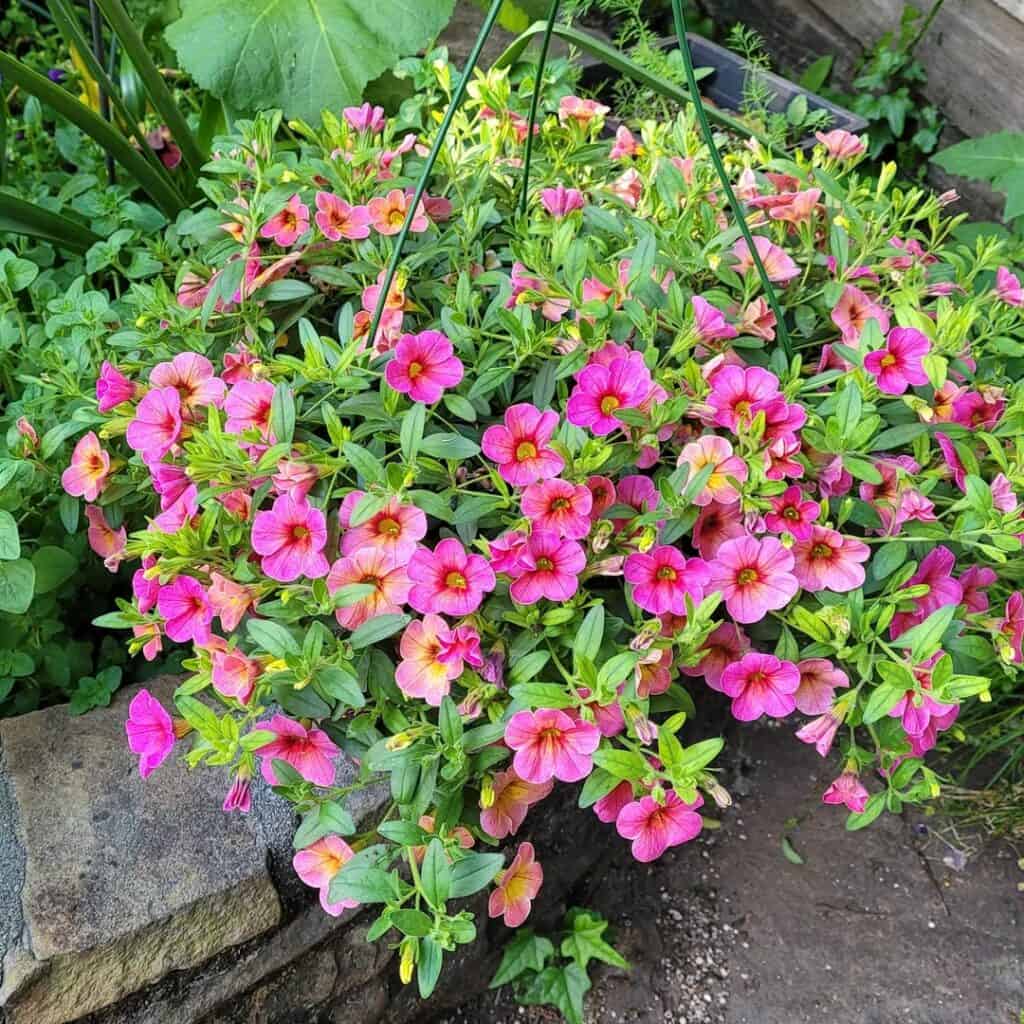
There’s something about Calibrachoa, or Million Bells, that just makes a small space pop. These tiny trumpet-shaped flowers remind me of mini petunias, but they’re way less fussy.
They bloom for months and bring a bright, cheerful look to any balcony. I usually plant them in hanging baskets or window boxes so their trailing stems can spill over the edges.
They mix well with other flowers, but honestly, they’re showy enough to stand alone. I try to give them at least five or six hours of sun each day.
These plants stay compact, which is perfect for tight spots. With so many colors—pink, purple, yellow, red, white—I can always match them to my balcony’s vibe.
I’ve noticed they attract bees and butterflies too, which keeps things lively out there. To keep them blooming, I feed them with a liquid fertilizer every couple of weeks.
Watering is regular, but I make sure the soil drains well. Calibrachoa hates soggy roots, so a light, airy potting mix does the trick.
When flowers fade, I snip the stems a bit to encourage new growth. It keeps the plant tidy and blooming strong.
If I want a plant that looks amazing with almost no effort, I always end up with Calibrachoa. It fits my small balcony perfectly and never fails to brighten my mood.
14) Verbena
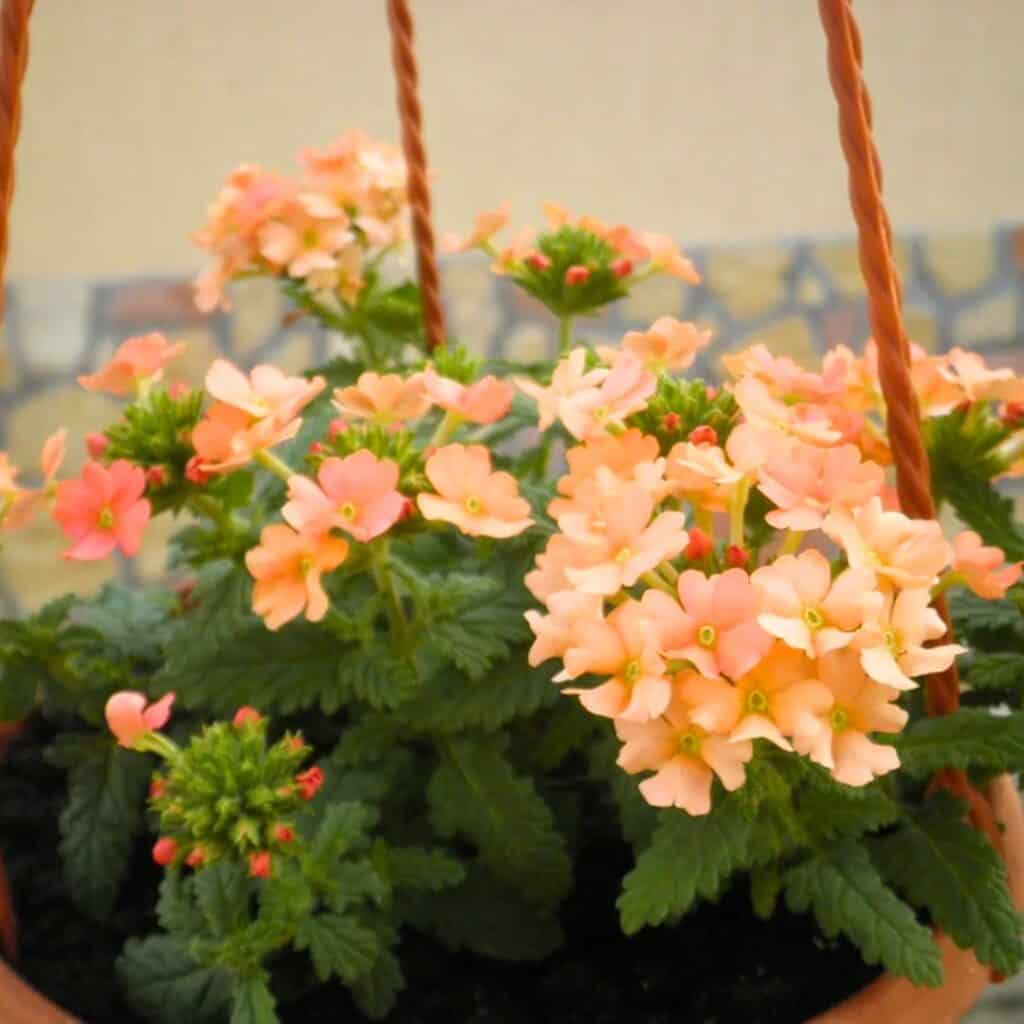
Verbena is one of those plants that just brings a jolt of color and cheer to small spaces. The tiny clusters of blooms create a soft but lively look that’s perfect for balcony gardens.
It grows well in containers or hanging baskets, so it’s easy to tuck into a small area. I keep mine near the balcony edge so the flowers can spill gently over the side.
Verbena likes full sun and well-drained soil. I water it regularly but stay on top of drainage—soggy roots are a no-go.
When I remove faded blooms, new flowers seem to pop up almost right away, so it stays colorful for ages.
It comes in lots of shades: purple, pink, red, and white. Mixing a few colors together gives a bright, fun look without taking up much space.
I like pairing Verbena with other sun-lovers for a more interesting display. Because it attracts butterflies and bees, even a small pot can help out these pollinators.
I find Verbena super easy to care for, and it keeps blooming through most of the warm months. With barely any fuss, I get a steady burst of color that always lifts my mood when I step outside.
15) Dusty Miller

Dusty Miller is one of those plants I keep coming back to because its silver-gray leaves really stand out. The soft, velvety texture catches the light beautifully, especially in the morning.
It gives my space a calm, tidy look without much work. This plant does best in full sun, but it’ll tolerate a bit of light shade.
I keep mine in a small pot with well-draining soil—soggy roots are a definite no. A little watering is all it needs since it doesn’t like too much moisture.
Dusty Miller is super low-maintenance, which is perfect for me when life gets busy. I just trim it back when it looks overgrown, and it fills right out again.
Its silvery color pairs nicely with bright flowers like petunias or geraniums. Even though it’s mainly grown for its foliage, it can produce small yellow flowers in warm weather.
Sometimes I snip the flowers off to keep the focus on the leaves, but leaving a few adds a nice contrast.
This plant stays compact, so it’s great for small balconies or window boxes. I use it to frame colorful plants or fill empty corners, and it just makes everything look more balanced.
Adding Dusty Miller gives my balcony a neat, polished feel all year. It’s such a simple way to bring texture and color without using up much space.
16) Coleus

Growing Coleus on my balcony is always a treat because of its wild, colorful leaves. The mix of green, red, pink, and yellow patterns makes any corner look lively.
It’s one of those rare plants that looks amazing even without flowers. I usually keep my Coleus in partial shade, where it gets some morning light but stays out of the harsh afternoon sun.
Too much direct sunlight can fade the colors or just stress the plant. With regular watering, the leaves stay soft and vibrant.
Coleus does really well in containers, and I find it easy to shape. When the stems get long, I just pinch off the top leaves to make the plant bushier.
That little bit of maintenance keeps it neat and helps new leaves grow faster. One thing I love is how many varieties there are.
Some have large, velvety leaves, others are small and bright. Mixing a few types together makes my balcony look more dynamic and cheerful.
In warm seasons, Coleus grows fast. When it gets cool, I move it indoors near a sunny window, and it seems to adapt just fine.
With a little care, Coleus stays healthy and colorful almost all year. It’s a real mood booster.
17) Zinnias
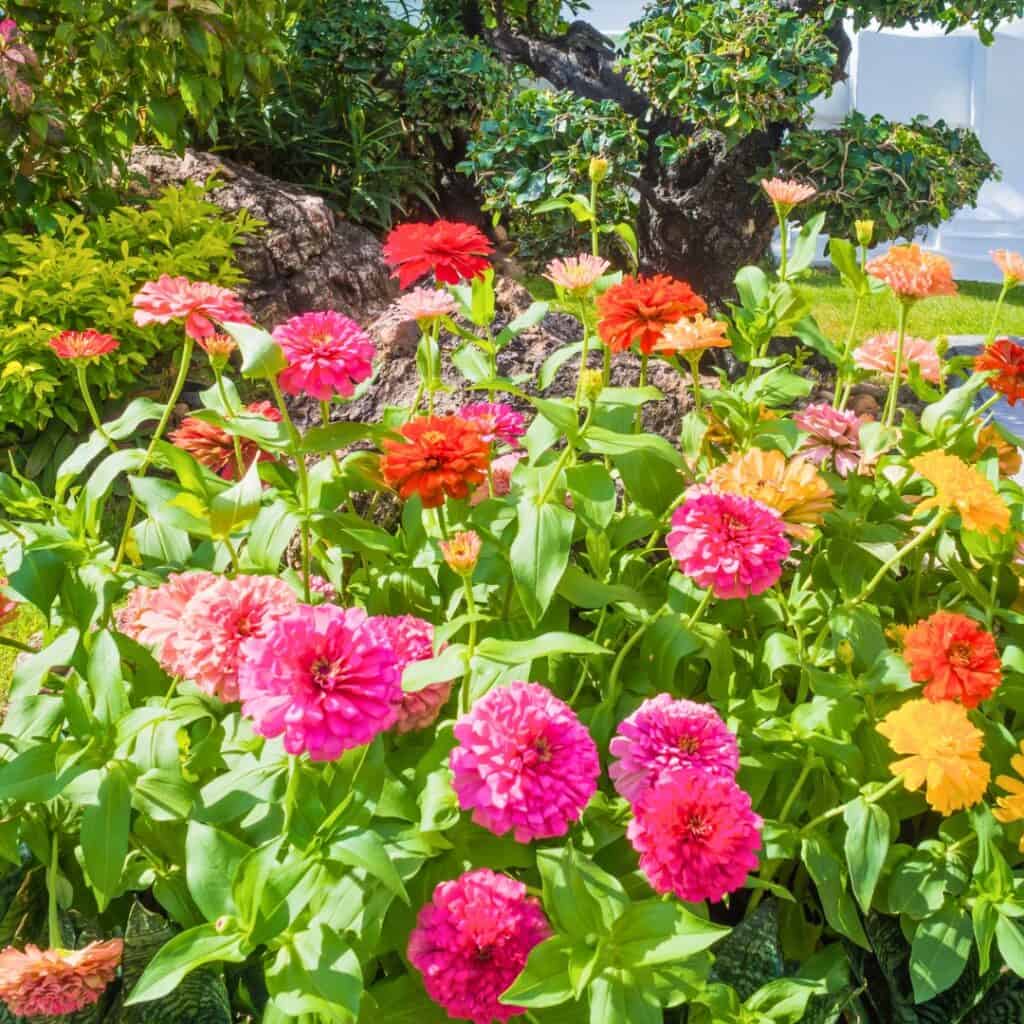
Zinnias are my go-to for adding bold color to small spaces with almost no hassle. They come in so many shades—red, pink, yellow, orange, purple—that I never get bored.
Their neat, layered petals make them look cheerful and full. Zinnias thrive in full sun, so they’re perfect for a sunny balcony.
I plant them in containers with well-drained soil, and they grow fast. Just a few weeks after planting, they start blooming, which is always a nice surprise.
One of my favorite things about zinnias is how easily they attract butterflies and bees. It makes my little garden feel alive.
I usually group a few pots together to create a bright spot that stands out. Zinnias don’t need much attention—just water when the top of the soil feels dry and remove faded blooms to help new ones grow.
When space is tight, I pick compact or dwarf zinnia varieties. They stay short and fit perfectly on narrow railings or small shelves.
Despite their size, the blooms are just as vibrant as the taller types. Zinnias can last a long time if I keep them out of strong wind and give them steady sunlight.
Their lasting blooms and easy care make them one of my favorite flowers for balcony gardening.
18) Nemesia

There’s just something about Nemesia—it instantly brightens up a tiny balcony. These compact flowers come in pink, purple, yellow, and white. They look so cheerful without crowding your space.
I usually tuck Nemesia into small pots or hanging baskets and let them trail a bit over the sides. They really seem to love cooler weather and do best with full sun or partial shade. I try to keep their soil moist but not soggy since they’ll just stop blooming if things dry out.
The best part? They flower for ages if you keep up with watering and a little deadheading. The scent is light, almost sweet, and it’s especially nice in the early hours.
Sometimes I’ll pair Nemesia with lobelia or alyssum just for a bit of contrast. Their small size is perfect for window boxes or any awkward corners. Bright petals and compact growth—honestly, they’re hard not to love for balcony gardening.
When summer heats up, I give them a trim to keep things tidy and encourage fresh growth. If the hot weather gets to them, I’ll plant a new batch in early fall for another pop of color.
Nemesia shows that even tiny spaces can feel lively with the right flowers. They don’t ask for much—just regular care and a bit of attention to watering and sun. For me, they’re a must-have to make a balcony feel warm and welcoming.
19) Lobelia

I’m a big fan of Lobelia for the way it brings a cool splash of color to my little balcony garden. The blooms are usually blue, purple, or white, and they look fantastic spilling over pots or baskets.
Lobelia likes well-draining soil and plenty of sunlight, though it’ll still do well in partial shade. I water it often, especially when the weather warms up, since it prefers moist soil.
One thing I appreciate is how compact Lobelia stays. It doesn’t get tall, so it won’t crowd your other plants. I always put it near the edges so it can trail down and soften the look of containers.
The flowers stick around most of the summer, and trimming off faded blooms keeps things fresh. Every few weeks, I use a balanced liquid fertilizer to keep the color strong.
Mixing Lobelia with petunias or alyssum really makes the blue stand out. Lobelia gives a calm but lively look without taking over the whole space.
It’s a delicate plant, but honestly, it’s easy to grow if you keep an eye on watering. I love how it fills my garden boxes with a soft splash of color that always lifts my mood.
20) Cyclamen
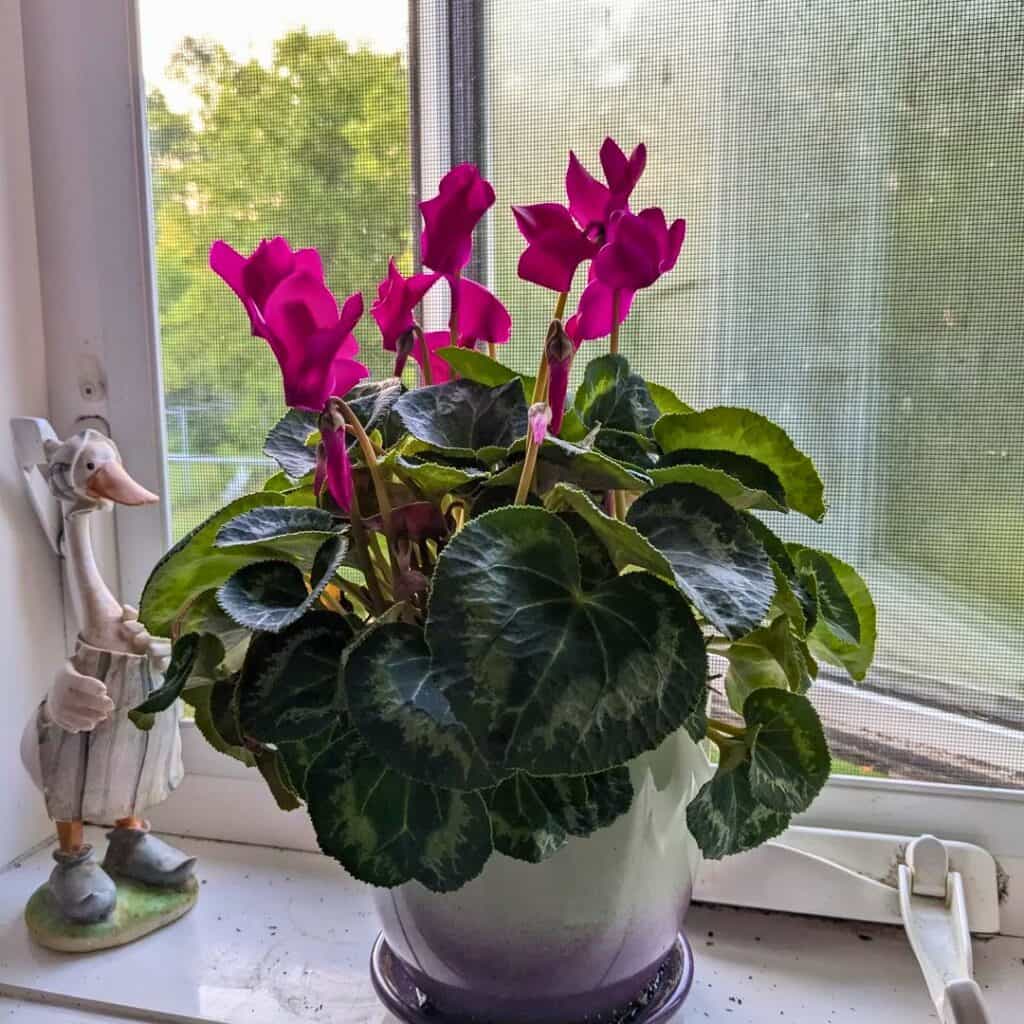
I can’t get enough of Cyclamen—their blooms are so bright, especially when it’s cold out. The heart-shaped leaves with silver patterns are a bonus and really show off on a small balcony.
They do best in cool, shady spots, so if you don’t have strong sun, these are a great pick. I keep them out of direct sunlight, and they reward me with long-lasting flowers in pink, red, or white.
Cyclamen are happy in small pots or railing planters—no need for much space at all. I use a light, well-draining mix so the roots don’t stay wet.
Overwatering can be a problem, so I always check that the top of the soil feels dry before adding more water. Once you get into the routine, they’re surprisingly easy to care for.
After their blooming spell, Cyclamen go into a resting phase and the leaves might die back. I just snip off the dead stuff, cut back on watering, and wait for them to wake up again. It’s kind of nice knowing they’ll be back.
For a splash of color and a bit of charm, Cyclamen are perfect. Even on gray days, they bring a bit of joy to the balcony and don’t need much fuss to stay looking good.
21) Sweet Pea
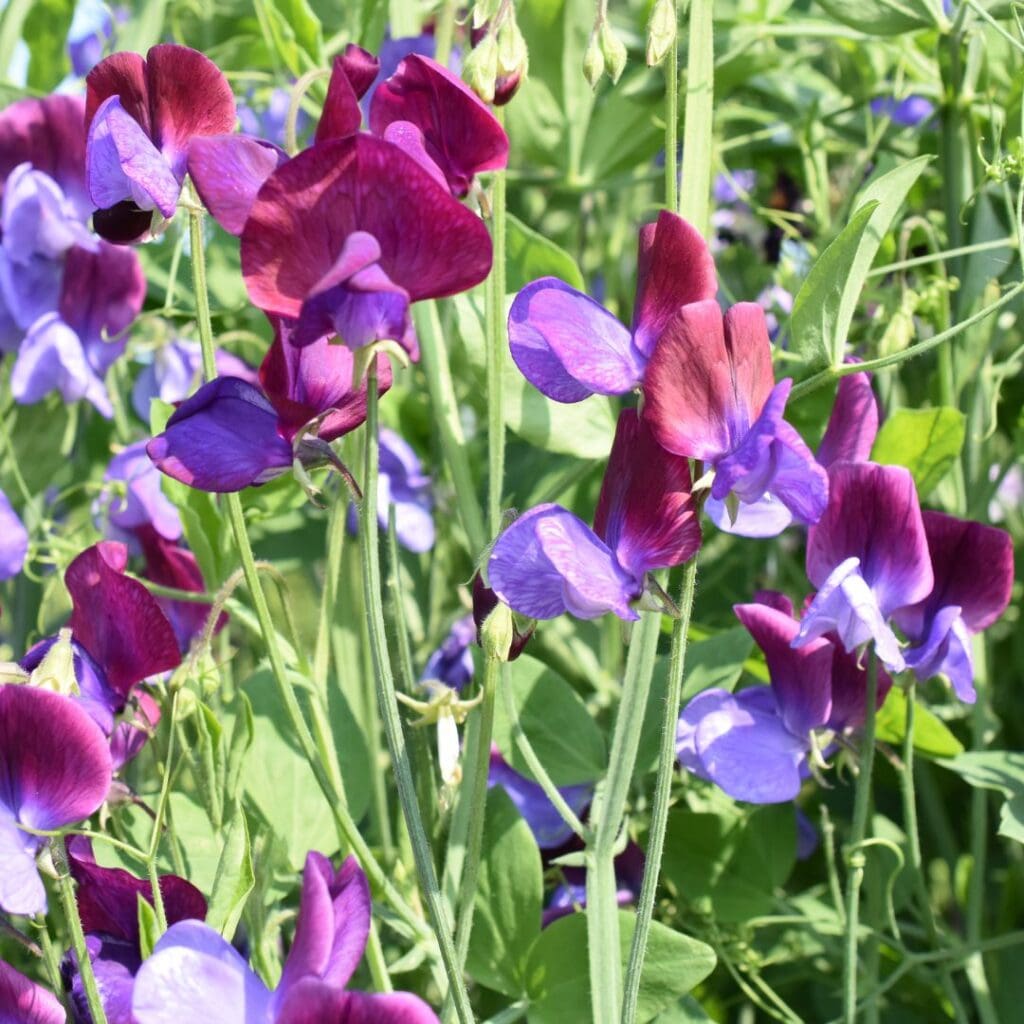
I have a soft spot for Sweet Peas—they give my balcony a romantic vibe with barely any effort. The flowers come in pink, purple, white, and red, so it’s easy to mix and match.
They like cool weather and a sunny spot with good air flow. I water them regularly but never soak the soil. If they dry out too much, the flowers just don’t last.
A deep container or hanging basket works best, giving their roots room to stretch. I always add a trellis or support so the vines can climb and the flowers hang where I can enjoy them.
Their sweet scent is honestly one of my favorite things. Every time I step outside, it reminds me why I planted them. Cutting a few blooms for a vase also keeps new flowers coming.
I start Sweet Peas from seeds in early spring or grab young plants if I’m in a hurry. They don’t love being moved, so I plant them right where they’ll stay. With a little care, they’ll reward you with colorful, fragrant blossoms that make any balcony feel special.
Caring for Balcony Flowers
For healthy balcony flowers, I mostly focus on three things: steady watering and drainage, the right fertilizer routine, and keeping a good light balance. Sticking to these basics keeps my blooms going strong, even in a tight space.
Watering and Drainage Essentials
I water my flowers early in the morning, when it’s still cool outside. That way, they get a good drink before the sun dries things out. I check the top inch of soil—if it’s dry, it’s watering time.
Good drainage is just as important as watering. I always use pots with holes and set trays underneath to catch extra water. Standing water is a quick way to get root rot.
Sometimes I’ll add perlite or small gravel to my potting mix so water flows through better. On balconies, especially if they’re windy or sunny, containers dry out fast, so I end up watering more often than I expect.
One trick I like: a self-watering container helps keep things even and saves me some hassle, especially on hot days.
Fertilizing for Healthy Blooms
I go for a balanced, slow-release fertilizer about every four to six weeks during the growing season. Something like 10-10-10 keeps the flowers bright and the stems sturdy.
If a plant starts to look pale or stops blooming, I’ll give it a little extra feed. I always check the label directions—too much fertilizer can burn the roots.
For hanging baskets or small pots, I sometimes use liquid fertilizer at half strength every couple of weeks. It’s a quick boost and seems to keep the blooms coming.
I also like to refresh the top layer of soil with compost or organic matter each season. It’s an easy way to keep the soil healthy without using harsh stuff.
Managing Sunlight and Shade
I pay close attention to where the sun lands on my balcony. Some flowers, like geraniums and petunias, want full sun, while others—think impatiens or begonias—prefer partial shade.
Knowing what each plant likes helps keep them from getting fried or drying out. If the sun’s too intense, I’ll move pots around or hang up a shade cloth for a little relief.
Reflective surfaces, like glass or metal railings, can really amp up the light. I put sun-lovers closer to those spots and keep shade lovers tucked away.
Turning my pots every week helps everything grow evenly toward the light. It’s a small step, but it keeps the balcony looking balanced and green.
Designing a Colorful Balcony Garden
When I want my balcony to feel lively, I focus on color balance and smart space planning. Mixing up hues, shapes, and textures makes even a tiny area look vibrant, and there’s still room to move around.
Combining Flower Colors and Textures
I like to choose flowers with complementary or contrasting colors for a little energy and depth. For example, purple petunias next to yellow marigolds really pop, while pink geraniums with white alyssum give a softer look.
To stop things from feeling too busy, I group plants by tone or size. Here’s a quick guide I use:
| Color Scheme | Example Flowers | Visual Effect |
|---|---|---|
| Warm tones | Marigold, zinnia, begonia | Cheerful and bright |
| Cool tones | Lavender, salvia, lobelia | Calm and airy |
| Mixed tones | Petunia, geranium, pansy | Playful and colorful |
Texture matters too. I mix smooth petals with feathery leaves for a little variety. Trailing plants like ivy or verbena soften the edges, while upright blooms (think snapdragons) give some structure.
When arranging pots, I put taller flowers at the back, medium ones in the middle, and trailing types up front. That way, every color gets its moment and nothing blocks the sun.
Creating Vertical Flower Displays
I make the most of my space by going vertical. Hanging baskets, wall planters, and stacked pots let me use every bit of wall space.
Mixing in vines like morning glory with compact flowers (pansies or impatiens) works well. The vines climb and fill gaps, while the small blooms add pops of color below.
I’ll add shelves or racks along the balcony walls for extra structure. This gives each plant its own spot in the sun and keeps things from getting crowded.
I always secure planters well so wind or rain doesn’t mess things up. Self-watering pots are a bonus—they cut down on daily chores and keep the flowers happy. Simple setups look the best and make everything easier to care for.
Frequently Asked Questions
People often ask me which flowers do best on small balconies, how to care for them, and how to make a tiny space look bright and full of life. Picking a mix of low-maintenance, colorful, and climate-friendly blooms really makes balcony gardening more enjoyable.
What are some low-maintenance flowers perfect for balcony gardens?
I’d recommend Lavender, Geraniums, and Begonias. They’re easygoing, bloom well in pots, and don’t need much more than basic watering and sunlight.
How do I choose the right flowers for my small balcony’s climate zone?
I check the USDA Plant Hardiness Zone Map to see what grows best where I live. Then I pick flowers that match my balcony’s temperature, sun, and humidity.
Could you suggest flowers that thrive in limited sunlight for my balcony?
If I’ve got a shady balcony, I go for Begonias, Impatiens, or Fuchsias. These do well in shade or partial shade and still add plenty of color.
What are the best flowering plants for adding color to a small balcony space?
For lots of color, I use Petunias, Pansies, and Geraniums. Their bright reds, purples, and yellows make even the smallest spot feel lively.
How can I arrange various flowers in a small balcony garden for visual appeal?
I like to mix taller plants like Lavender at the back and trailing flowers like Petunias in front. Using pots of different heights adds layers and helps open up the space.
What are some tips for watering and caring for balcony garden flowers?
I usually water my flowers early in the morning, when it’s still cool out. That way, the soil holds onto moisture a bit longer.
Honestly, using well-draining pots makes a big difference—no one wants soggy roots. I’ll toss in some fertilizer once or twice a month, just to keep the flowers looking bright and healthy.
Note: Some images in the articles are sourced from Reddit and Other Platforms For Reference Purpose.