17 Plants That Thrive With Epsom Salt
I’ve found that a simple household item can make a surprising difference in the garden.
Epsom salt really helps certain plants grow stronger, greener, and honestly, just look more alive. It’s natural, easy to use, and fits right into a regular care routine without much fuss.
Here, I’ll share which plants seem to love it most—from tomatoes and roses to palms and zinnias.
You’ll also get a sense of why Epsom salt works and how to use it safely, so your plants can soak up all the benefits without any trouble.
Please note: Simplify Plants is reader-supported. As an Amazon Associate, I earn from qualifying purchases made by our readers with no extra cost added to you all! Some links in the post are affiliate links and I get a commission from purchases made through links in the post.
1) Tomatoes

My tomato plants always seem to perk up when I give them a little Epsom salt. The leaves turn greener, and the plants just look sturdier. It’s honestly one of my go-to tricks for keeping them happy.
Epsom salt adds magnesium and sulfur, which tomatoes really crave. Magnesium helps with photosynthesis, and sulfur supports protein production and growth. When these run low, I’ll see yellow leaves or sluggish fruit.
To feed my tomatoes, I mix one tablespoon of Epsom salt per gallon of water. I use this about once a month, watering the base or spraying the leaves. Both seem to work—honestly, it’s hard to pick a favorite.
If I spot yellowing between the veins, I might give an extra dose. The change can be obvious within a week or so. But I’m careful—not too much, or salts can build up.
When planting new seedlings, I’ll sprinkle a tablespoon of dry Epsom salt into the hole before setting them in. It’s a quick step that helps roots take off fast.
For me, Epsom salt is just a simple, affordable way to keep tomatoes producing. No fancy fertilizers needed.
2) Roses
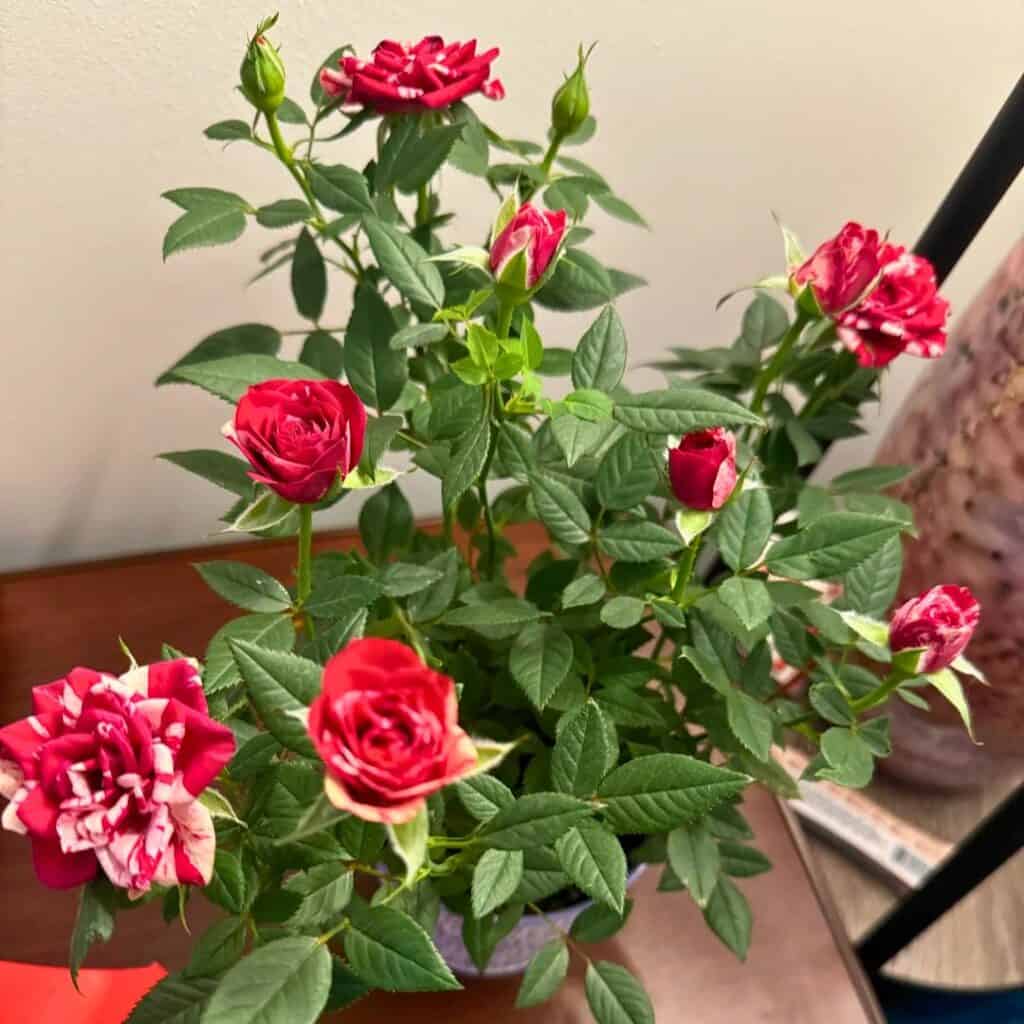
There’s something about roses that just begs for a little extra attention. I’ve found they look healthier and bloom better with a touch of Epsom salt. The stems grow sturdier and the leaves turn a lovely deep green.
When I plant new rose bushes, I toss in about 1 tablespoon of Epsom salt at the base before watering. It’s a quick boost for the roots.
For established roses, I mix 1 tablespoon per gallon of water and pour it at the base once a month during the growing season. It’s easy and fits right into my routine.
Epsom salt seems to help roses produce more blooms and makes the colors pop. Magnesium supports chlorophyll, so the plant uses sunlight better.
I’m careful not to overdo it, though. Too much can build up in the soil—a little is enough.
Whether my roses are in the ground or in pots, Epsom salt gives them that extra edge.
3) Peppers

Peppers really seem to appreciate Epsom salt. When my pepper plants start looking a bit dull or slow to flower, a magnesium boost can turn things around. Healthy leaves and better fruit—what’s not to like?
I usually mix one tablespoon of Epsom salt per gallon of water and spray it right on the leaves every two to three weeks. The change in color can be quick.
When planting new peppers, I’ll sometimes add a teaspoon of Epsom salt to the soil before setting them in. It’s a tiny step that pays off later.
If the leaves go yellow between green veins, it’s usually a magnesium issue. Epsom salt fixes that without throwing off the soil’s balance.
Healthier plants mean more peppers, and honestly, the fruits just taste better. It’s a cheap trick that works.
4) Azaleas
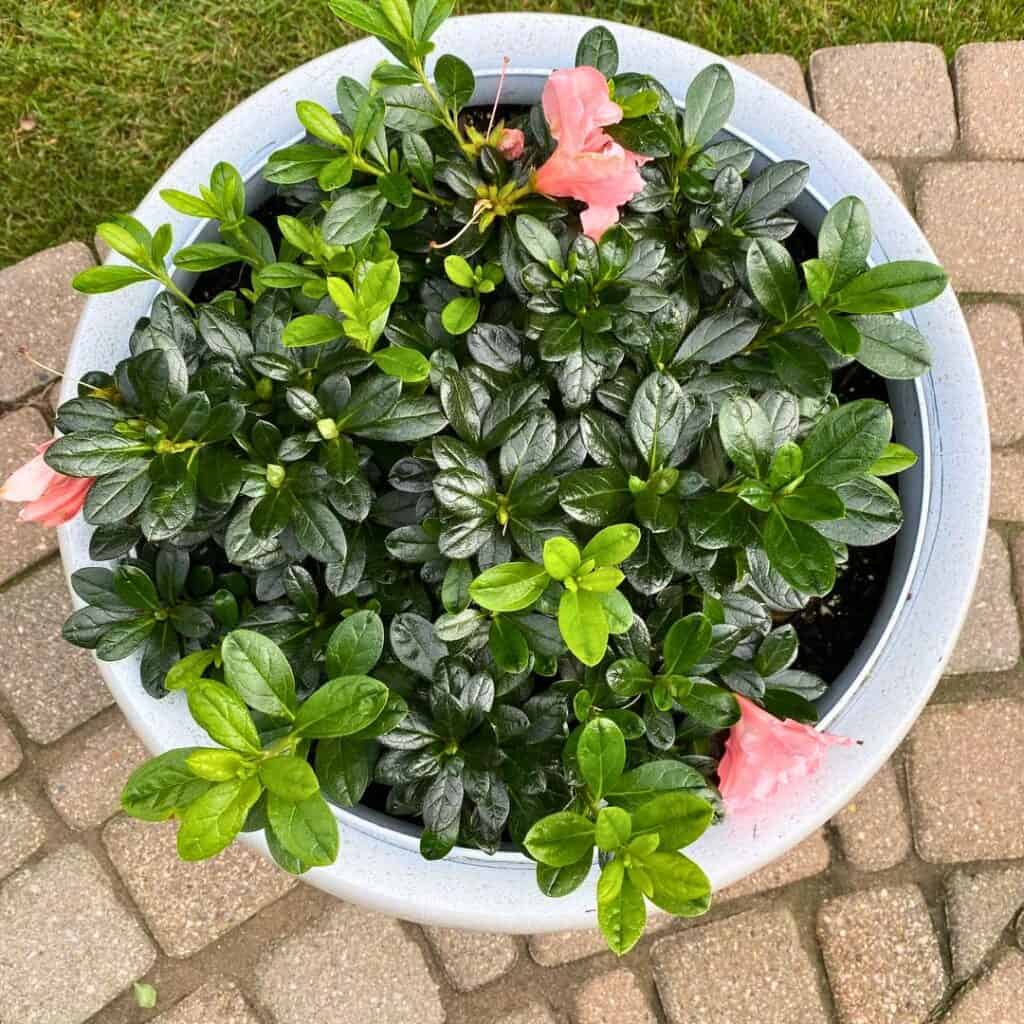
Azaleas are great for shady spots, but they can be a bit finicky. Epsom salt really helps keep them strong, especially if the leaves start turning yellow—usually a sign they want more magnesium.
I mix one tablespoon per gallon of water and pour it at the base about once a month. Always make sure the soil is moist first.
Epsom salt boosts chlorophyll, so the leaves stay green and growth is steady. The plants just look more vibrant after a few weeks.
I don’t use it too often, though. Even mild fertilizers can upset things if you overdo it. Moderate, regular doses seem best.
When my azaleas have lush leaves and steady buds, I know the routine’s working.
5) Hydrangeas
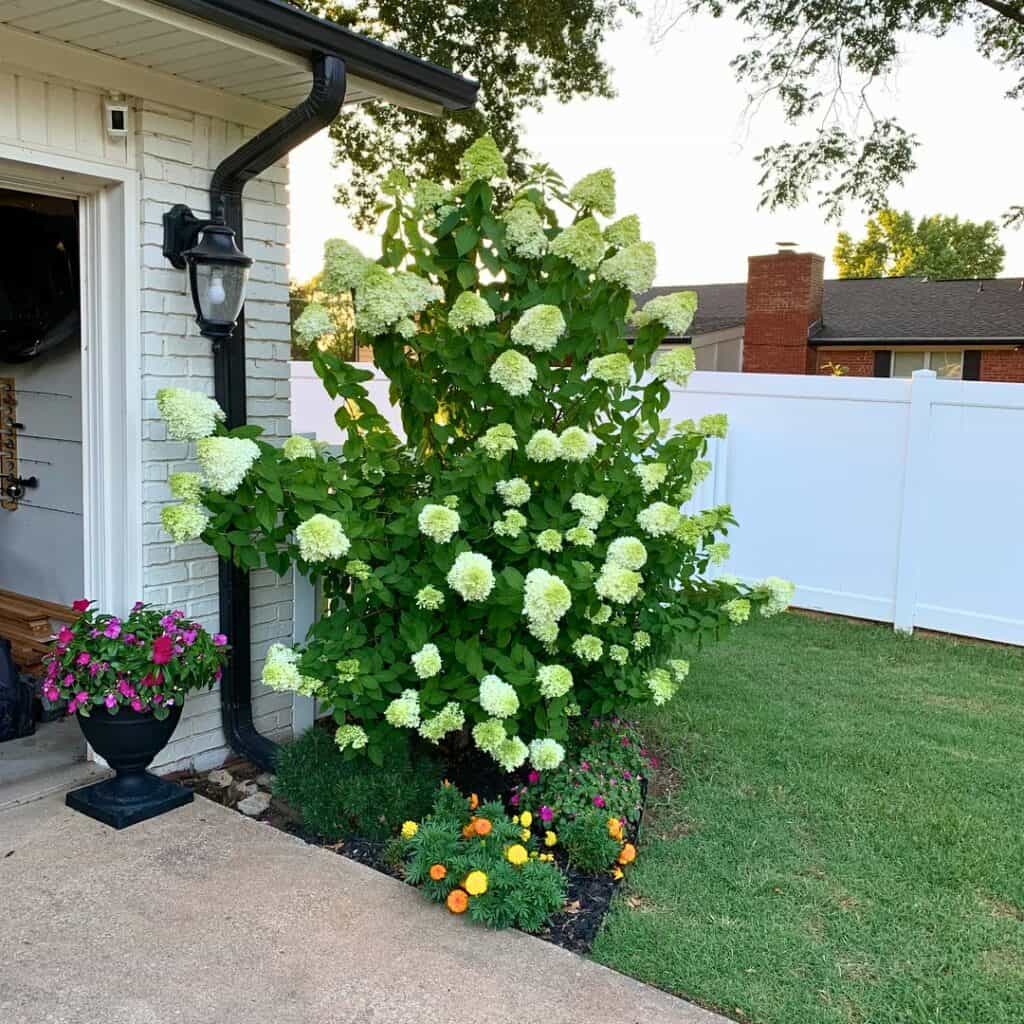
Hydrangeas are fun since they change color with the soil’s pH. When I learned Epsom salt could help them grow stronger, I figured, why not? It’s a simple step that’s easy to add.
Magnesium from Epsom salt helps hydrangeas grow sturdy stems and lush leaves. I dissolve about 1 tablespoon per gallon of water and use it monthly in the growing season.
I’m careful not to go overboard. Too much can dry out the soil or bother the roots.
Before I apply, I always water the plant first, then pour the Epsom salt mix around the base. It helps the roots soak it up without shock.
If I notice pale leaves or slow growth, Epsom salt usually perks things up within a couple of weeks. I love seeing hydrangeas look fresh and vibrant with just a little extra care.
6) Cucumbers

Growing cucumbers is always rewarding—they’re fast, and the fruit is crisp. But they do need extra nutrients sometimes. Epsom salt adds magnesium and sulfur for strong growth.
I mix 1 tablespoon per gallon of water and either spray the leaves or pour it at the base every few weeks. It helps keep the leaves green and supports flowering.
Cucumbers grow straighter and seem hardier with enough magnesium. Plus, they use soil nutrients more efficiently.
If the plants look weak or produce less, a shot of Epsom salt can make a difference. But I’m careful—not too much, or the roots might get stressed.
I usually test the soil first. If magnesium’s already high, I skip the salt. Paying attention keeps my cucumbers thriving.
7) Rhododendrons

Rhododendrons are showstoppers when they’re healthy, but they can get yellow leaves or look weak if something’s off. Epsom salt helps keep them vibrant.
Low magnesium leads to pale leaves, so that’s where magnesium sulfate (Epsom salt) comes in. It helps with chlorophyll, keeping the foliage deep green.
I mix 1 tablespoon per gallon of water and water around the base once a month during the growing season. It’s a gentle boost.
Too much salt isn’t good, so I make sure the soil drains well and rinse with plain water every few months.
Rhododendrons like slightly acidic soil, and Epsom salt doesn’t mess with the pH. If the plant looks healthy, I skip treatments—no need to fix what isn’t broken.
I combine this with good habits like mulching and proper watering. Epsom salt is just one part of the plan.
Used right, it helps rhododendrons stay lush and full of blooms. It’s a simple, visible upgrade for their color and growth.
8) Ferns

Ferns are fantastic for bringing life to shady corners. Their green fronds just make everything feel a bit fresher. I’ve noticed that a little Epsom salt can really help them stay bright and strong.
When I feed my ferns, I mix 1 tablespoon per gallon of water and use it once a month during the growing season. The magnesium encourages healthy fronds and lets the plant soak up nutrients from the soil.
If my ferns look pale or tired, a light Epsom salt feeding usually perks them up. I try not to overdo it—roots can get stressed if there’s too much.
For indoor ferns, I’ll sometimes spray the leaves with the same diluted mix. It keeps them green, especially in dry air. I only mist during daylight so the leaves dry before night.
Outdoor ferns like a soil soak in early spring. It’s a gentle boost before new fronds show up.
A little extra care makes my ferns look lush all season. Epsom salt is an easy way to support their natural beauty.
9) Lilies
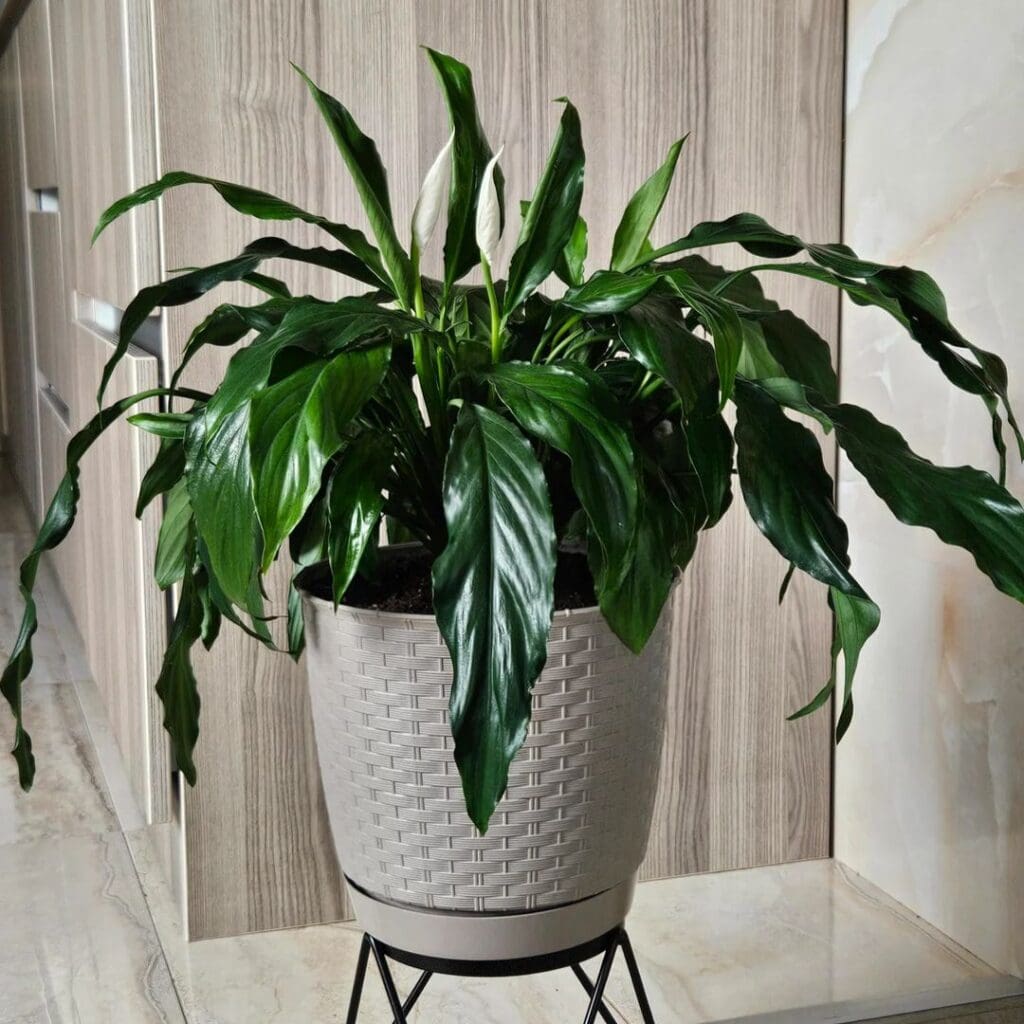
I love how lilies can instantly brighten up any garden. Their tall stems and colorful blooms just stand out, don’t they?
They’re strong plants, but even the toughest flowers appreciate a bit of extra care. That’s where Epsom salt comes into play.
Whenever I use Epsom salt, my lilies seem to grow sturdier and their flowers look a lot more vibrant. The magnesium sulfate in it really helps the plant soak up nutrients—especially nitrogen and phosphorus.
This leads to lush leaves and roots that just look healthier overall. I usually mix one tablespoon of Epsom salt per gallon of water and water my lilies with it about once a month while they’re growing.
It’s simple, and I usually see results in a few weeks—the leaves perk up, and the blooms stick around longer. For a little extra help, I’ll sometimes sprinkle a pinch of Epsom salt around the base before watering.
That way, the soil gets a steady supply of magnesium as the salt slowly dissolves. It’s a gentle approach that keeps growth steady without much fuss.
Just don’t go overboard with Epsom salt. Too much can mess with the soil or even wash nutrients away. I always test a small patch first to see how my lilies respond.
10) Strawberries

Growing strawberries is always rewarding—they’re sweet, don’t need much space, and are pretty easy to care for. I’ve found they respond really well to Epsom salt, which helps them grow stronger and sometimes even makes the berries a bit bigger.
I mix one tablespoon per gallon of water and water around the base of the plants every few weeks. I’m careful not to pour it right onto the fruit.
This mix gives them a dose of magnesium and sulfur, which helps keep the leaves green and the plants healthy overall. If I spot yellowing leaves or the plants seem slow, that’s usually my cue they need more magnesium.
A light Epsom salt feed usually perks them right up. I always make sure the soil drains well—strawberries hate soggy roots.
During flowering and fruiting, I up the frequency to about twice a month. That keeps the plants strong while they’re making berries. Healthy leaves mean better photosynthesis, and that means sweeter fruit.
Sometimes I’ll sprinkle a little dry Epsom salt around the base before watering. It dissolves slowly, so the nutrients stick around longer. I don’t use too much—just a little is enough.
These steps help my strawberry plants stay vibrant and productive. The payoff is always worth it: lush plants and juicy berries, ready for picking.
11) Corn

I like using Epsom salt with my corn because it really helps them grow stronger. Corn needs plenty of magnesium to make chlorophyll, and Epsom salt is an easy way to provide it.
I notice the leaves stay greener and the stalks look sturdier when I add it. Before planting, I mix about 1 tablespoon of Epsom salt per foot of soil into the planting area.
Once the plants start taking off, I dissolve 1 tablespoon of Epsom salt in a gallon of water and water around the roots every few weeks. If I spot yellowing between the veins, I’ll spray a foliar solution—just 1 tablespoon of Epsom salt in a gallon of water.
The plants usually perk up in a few days after that. I don’t overdo it, though—too much salt can hurt the soil.
A steady, small amount works best. It keeps my corn healthy and helps the ears fill out better during the season.
It’s not a miracle fix, but for me, it’s an easy and affordable way to get better corn without a lot of hassle.
12) Spinach

I love growing spinach because it’s fast, fresh, and works in salads or cooked dishes. Spinach is pretty tough, but sometimes the leaves go yellow or pale if the soil’s missing key nutrients.
That’s when Epsom salt steps in. I mix about 1 tablespoon of Epsom salt per gallon of water and pour it around the base every few weeks.
The magnesium helps the leaves make more chlorophyll, so they turn a deeper green. Healthier leaves just taste better and grow faster.
If my spinach starts looking droopy, a light Epsom salt spray in the morning usually perks it up. I always let the leaves dry before sunset.
I’ve noticed Epsom salt also helps the plants use other nutrients from the soil more efficiently. I try not to go overboard—too much salt can do more harm than good.
With regular care and those small doses, my spinach stays lush and vibrant. It’s a simple way to keep my garden looking green and productive.
13) Zinnias
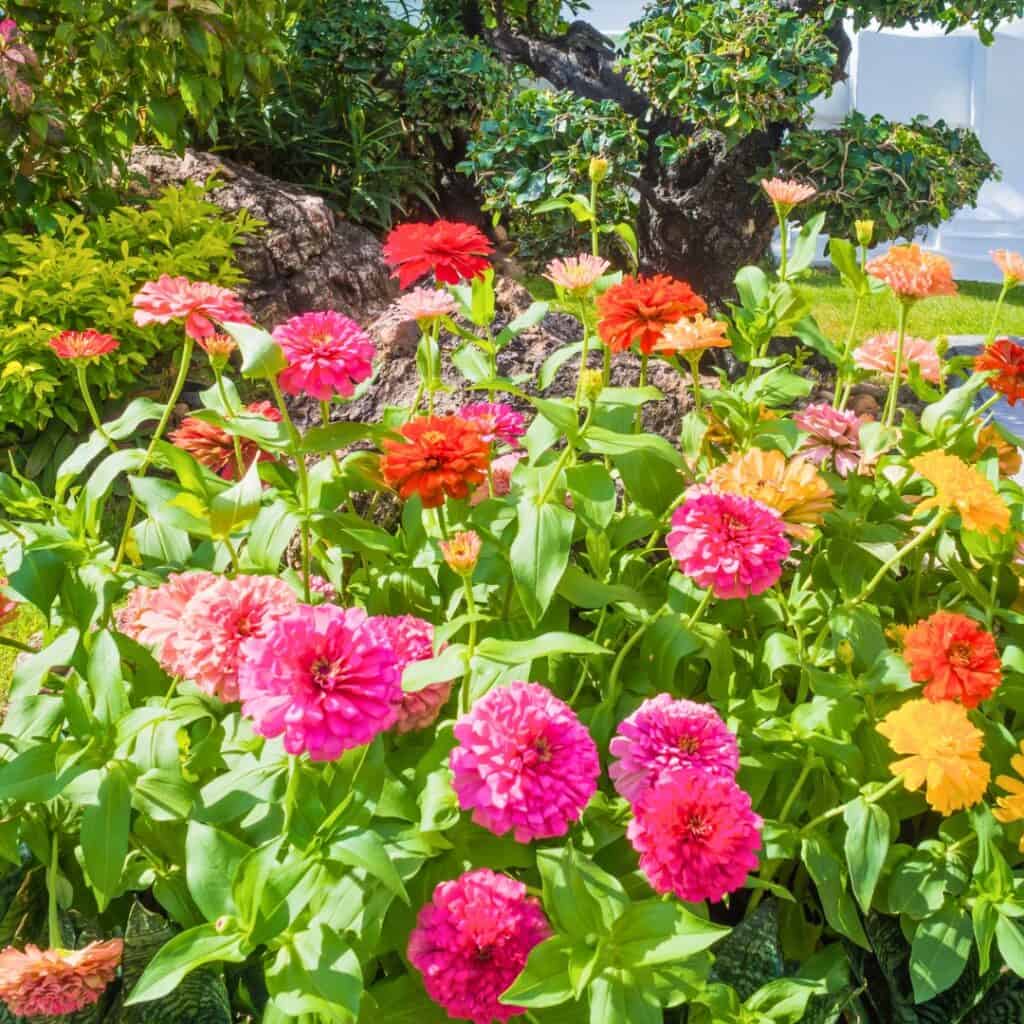
I love growing zinnias—they just bring so much color and cheer to the garden. These flowers are super easy, and a little Epsom salt makes them even better.
When I use Epsom salt, the stems get stronger and the blooms are fuller. The magnesium helps the plant make more chlorophyll, which means healthier leaves and, honestly, more flowers.
I mix about 1 tablespoon of Epsom salt per gallon of water and water the zinnias every few weeks. It’s a quick step that keeps them looking lively.
Sometimes, I’ll sprinkle a small amount of Epsom salt on the soil before watering. It gives the roots a direct shot of nutrients.
I’m careful not to overdo it, though—too much salt can harm the plants. I’ve found Epsom salt works best in well-draining soil and with plenty of sunlight.
Zinnias like warmth and steady moisture, but they really don’t like soggy soil. With the right balance, the blooms last longer and look brighter.
Watching my zinnias burst into color makes all the effort worthwhile. A light dose of Epsom salt helps me enjoy more flowers every year.
14) Marigolds

I love growing marigolds—they add a burst of color and help keep pests away. These flowers are tough, which is great if you’re just starting out.
With Epsom salt, my marigolds grow fuller and the blooms look richer. The magnesium sulfate supports healthy growth and helps the leaves stay green.
I mix one tablespoon of Epsom salt per gallon of water and water my marigolds every few weeks. Sometimes I’ll spray the solution right on the leaves, but I’m careful not to overdo it.
Too much can cause salt to build up and hurt the roots. Marigolds do best in sunny spots with well-drained soil, and Epsom salt works best when the plants already have enough sunlight and water.
It’s not a replacement for good care, but it gives a nice little boost. I also like that marigolds help repel insects like aphids and nematodes.
With the extra nutrients from Epsom salt, they stay strong and keep my garden protected all season.
15) Eggplants

I’ve found that eggplants love a little boost from Epsom salt. These plants sometimes struggle with yellow leaves or slow growth, and magnesium can really turn things around.
It helps them grow strong foliage and improves both the color and flavor of the fruit. When I grow eggplants, I like to mix one tablespoon of Epsom salt per gallon of water and use it as a foliar spray.
I spray the leaves every two to four weeks while they’re growing. This helps the plant absorb magnesium quickly and keeps the growth steady.
If you’d rather feed the soil, you can sprinkle one tablespoon of Epsom salt around the base of each plant and then water it in. That way, the nutrients release slowly and help keep the leaves from turning pale.
I always wait until after the plants start blooming to use Epsom salt. That’s when they need the most nutrients for fruit development.
Just don’t overdo it—too much can throw off the soil balance. Healthy eggplants grow glossy, deep-purple fruit when they get enough magnesium and water.
Using Epsom salt keeps them green and productive, especially in sandy or poor soil. It’s a simple trick that really helps my garden thrive.
16) Geraniums

I love how geraniums light up my garden beds and patios. Their bright blooms last for weeks, and once you get the hang of it, they’re pretty easy to keep happy.
One thing I always do is add a bit of Epsom salt to their care routine. Epsom salt provides magnesium and sulfur, both of which help geraniums grow sturdy stems and fuller leaves.
If my plants start looking a little dull or slow to bloom, I’ll mix a spoonful of Epsom salt with a gallon of water and give them a drink. Usually, I see results after a few weeks.
I also use Epsom salt as a foliar spray—about one teaspoon dissolved in a quart of water, misted on the leaves once a month. It helps prevent yellowing, especially when it’s hot out.
I’m careful not to overdo it, since too much Epsom salt can build up and mess with other nutrients. I stick to feeding my geraniums every four to six weeks during the growing season.
If you grow your geraniums in containers, Epsom salt works just as well. Container plants lose nutrients faster from watering, so a light dose really helps keep the foliage and blooms looking great.
I always make sure my pots drain well before feeding them. Healthy geraniums bounce back fast with good care.
With enough water, sunlight, and a little Epsom salt, my plants stay full and colorful all summer. It’s an easy, budget-friendly way to give them an extra lift.
17) Palm Trees
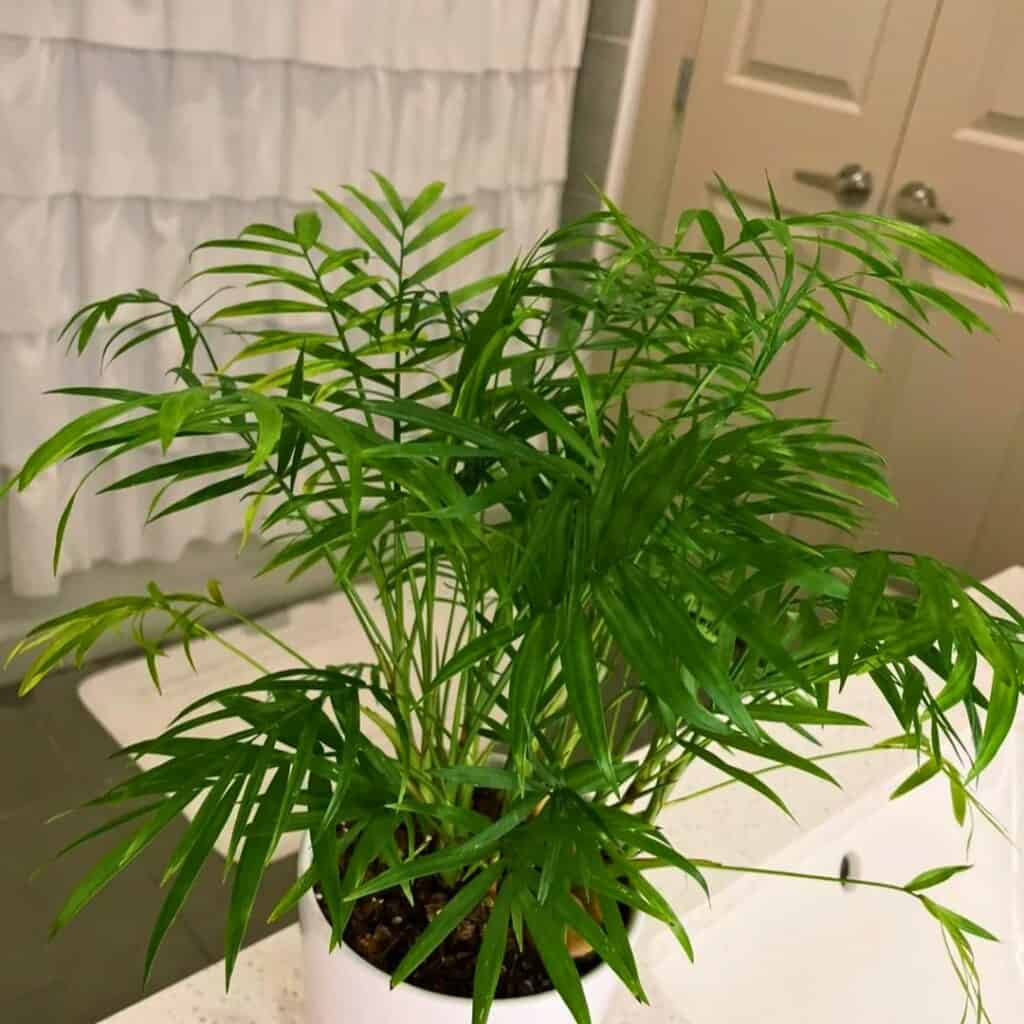
I use Epsom salt on my palm trees to keep them healthy and looking full. These tropical plants sometimes show yellowing leaves when they’re short on magnesium, and Epsom salt is a quick fix.
It’s honestly one of the easiest ways I keep my palms green and strong. I mix 1 tablespoon of Epsom salt per gallon of water and pour it around the base of each tree, usually once a month during the growing season.
The solution soaks in and helps the roots absorb nutrients better. For bigger palms, I’ll sometimes sprinkle the salt directly on the soil before watering.
Epsom salt dissolves quickly, so it doesn’t hurt the roots. I’m careful not to use too much, since that can throw the soil off balance.
Healthy palms have bright green fronds and sturdy trunks. When I started using Epsom salt, the yellow streaks faded after a few weeks.
It’s not instant, but if you stick with it, you’ll see a difference. I also like that Epsom salt is affordable and easy to find.
I use it on both outdoor palms and indoor types, like parlor palms. The key is to go light and water regularly.
Good sunlight, proper watering, and balanced feeding are still the basics. Epsom salt just gives my palms a little extra help.
It’s my go-to trick for keeping these tropical beauties healthy and happy.
Why Epsom Salt Benefits Certain Plants
I’ve noticed that Epsom salt helps plants grow stronger, greener, and produce more blooms and fruit. It works by providing essential nutrients that improve how plants take in magnesium, which supports healthy flowering and fruiting.
When plants don’t get enough of these nutrients, you can see it in their leaves and how they grow.
Epsom Salt and Magnesium Uptake
Epsom salt is basically magnesium sulfate, and it’s a super convenient way to give plants a quick magnesium boost. Magnesium’s a big deal for photosynthesis—it helps plants make chlorophyll and turn sunlight into energy.
If you’ve ever seen leaves turning pale or yellow between the veins, there’s a good chance they’re missing magnesium. I like to mix Epsom salt with water and pour it right onto the soil or spray it on leaves so the plants can absorb magnesium quickly.
This is way faster than waiting for traditional fertilizers to kick in. Most of the time, I go with 1 tablespoon per gallon of water, and I’ll use it every few weeks.
That little boost helps plants handle environmental stress like heat waves or dry spells. Plus, it makes it easier for them to take up other nutrients, like calcium and nitrogen.
Improved Flowering and Fruit Production
Plants like roses, peppers, and tomatoes seem to really perk up with Epsom salt, probably because magnesium supports flower and fruit formation. When they’ve got enough magnesium, you’ll see bigger, brighter blooms and tastier fruits.
I’ve noticed colors get richer and yields go up after a few rounds of Epsom salt. Peppers especially get that deep flavor, and flower petals look more vibrant.
To get the best results, I add Epsom salt early in the season and again just before things start blooming. It’s better to go with small, regular doses instead of dumping a bunch on all at once.
Signs Your Plants Need Epsom Salt
If your plants are dealing with yellowing leaves, dull growth, or just not flowering, they might be low on magnesium. Tomatoes and peppers, for example, can show green veins but pale patches between them—a classic sign of magnesium deficiency.
Roses might drop buds too soon or stop flowering altogether. Here’s my quick checklist:
- Yellowing leaves even when you’re watering enough
- Slow or weak growth
- Reduced blooms or fruit set
If I spot these, I’ll try a light Epsom salt spray and see if things improve. Usually, within a week or two, you’ll notice better color and some fresh new growth.
How to Use Epsom Salt Safely in the Garden
I try to measure carefully, apply thoughtfully, and time it right whenever I use Epsom salt. It’s easy to go overboard, but being mindful keeps plants happy and soil healthy.
Proper Dosage and Application Methods
For most plants, I stick to 1 to 2 tablespoons per gallon of water. It works as a foliar spray or poured right into the soil. For seedlings or small plants, I cut the dose in half—no need to stress those tiny roots.
I always make sure it’s fully dissolved before applying. If I’m spraying, I do it early in the day when it’s cool. For soil soaking, I pour it gently around the base, not over the leaves.
Every few weeks is plenty. Some plants, like tomatoes and peppers, seem to crave a bit more magnesium, but I try not to overdo it. I’ll test the soil once or twice a season just to be sure they actually need it.
| Plant Type | Suggested Mix | Frequency |
|---|---|---|
| Tomatoes | 1 tbsp/gal | Every 2 weeks |
| Roses | 1 tbsp/gal | Monthly |
| Houseplants | ½ tbsp/gal | Once a month |
Common Mistakes to Avoid
I’ve learned that too much Epsom salt can actually hurt plant roots and wash away nutrients. It’s tempting to think more is better, but that’s rarely the case. If you use it too often, you’ll end up with salt buildup, and then plants can’t absorb other minerals.
I steer clear of applying Epsom salt to newly germinated seeds or dry soil. That’s just asking for burned roots. I always give a little water first before adding any solution.
And honestly, Epsom salt isn’t a fix-all. Yellow leaves might mean a nitrogen problem, not magnesium. I try to figure out what’s really going on before adding anything new. That’s saved me a lot of headaches.
Best Times for Application
From what I’ve seen, the best time to use Epsom salt is during active growth, especially when plants are flowering or setting fruit. For tomatoes, peppers, and roses, I start once buds show up and keep it going through fruit set.
Early morning or late afternoon is my go-to—avoids sunburn on the leaves. Cooler times of day seem to help plants take up nutrients better.
I use Epsom salt more often in spring and summer when plants are growing like crazy and need more food. In fall or winter, I back off since most plants slow down anyway. It’s all about keeping a steady rhythm for healthy, year-round growth.
Frequently Asked Questions
People ask me all the time how Epsom salt works in the garden. It’s really about the magnesium and sulfur—both help with green growth, stronger blooms, and bigger yields for stuff like tomatoes, roses, and peppers.
Here are some answers to the questions I get the most about using Epsom salt, which plants like it, and how to spot when they need it.
How does Epsom salt benefit plants in the garden?
Epsom salt gives plants magnesium to help make chlorophyll, so leaves stay a nice healthy green. It also adds sulfur, which helps with nutrient absorption and seed growth.
When I use it, I notice plants look greener and just grow sturdier. Discoloration is less of a problem, too.
What are the best ways to apply Epsom salt to my plants?
I usually dissolve one to two tablespoons of Epsom salt in a gallon of water and use it as a soil soak. If I want fast results, I’ll spray it right on the leaves with a simple mist bottle.
Spraying seems to work best for roses and peppers, while soil soaks are great for tomatoes and azaleas.
Can Epsom salt be used on all types of plants, or are there specific varieties that benefit most?
No, not every plant needs it. Tomatoes, peppers, roses, hydrangeas, and azaleas are the ones I’ve seen the biggest difference with.
They need more magnesium for healthy growth and good blooms. If a plant already looks great, I usually just leave it alone.
Are there any risks associated with using Epsom salt in gardening?
There are some, yeah. Too much can mess up the soil and keep plants from getting other nutrients. I always start with a low dose and watch how the plants react.
A little really does go a long way. Overdoing it won’t kill your plants right away, but over time, the salts can build up in the soil.
How often should I be using Epsom salt for optimal plant growth?
I stick to about once a month during the growing season. For fast-growing veggies like tomatoes, every four to six weeks seems about right.
Small, regular doses keep things healthy without overloading the soil.
What signs should I look for in my plants that might indicate they need Epsom salt?
If you notice yellowing leaves that start between the veins but the rest of the leaf is still green, that’s usually a sign your plant might be craving magnesium.
Sometimes, plants just seem sluggish—slow growth, not many blooms, or fruit that just doesn’t want to develop. That could be your cue to think about adding a little Epsom salt to the mix.
Note: Some images in the articles are sourced from Reddit and Other Platforms For Reference Purpose.