17 Best Plants That Repel Deer Naturally
Keeping deer out of the garden? Honestly, sometimes it feels like a game I just can’t win. Picking the right plants, though, really does help a lot.
You can grow a beautiful garden that naturally repels deer without harsh chemicals or fences.
Let’s look at some of my favorite plants—they look good, they smell good, and for some reason, deer just don’t want anything to do with them.
You’ll see how mixing them together can fill your yard with color and keep those pesky deer at bay.
Please note: Simplify Plants is reader-supported. As an Amazon Associate, I earn from qualifying purchases made by our readers with no extra cost added to you all! Some links in the post are affiliate links and I get a commission from purchases made through links in the post.
1) Lavender

Honestly, I can’t get enough of lavender. It’s gorgeous, smells incredible, and the best part? Deer can’t stand the scent.
The same fragrance that makes me want to linger in the garden is what sends deer running the other way. That’s why I plant it along fences or borders—anywhere deer might sneak in.
Lavender grows in dense clusters, so it forms a nice barrier. I’ve noticed way fewer deer tracks where I’ve got lavender planted.
Another reason I’m a fan: lavender is easy to grow. It loves full sun and well-drained soil, and once it’s settled in, I barely have to water it.
Perfect for anyone who wants low-maintenance plants. Plus, it’s drought-tolerant, so I don’t stress when it doesn’t rain for a while.
I like pairing it with rosemary or sage—other deer-resistant plants. The combo is pretty and the scents together are even better.
Whenever I brush past lavender, the leaves release that fresh, calming scent. It’s not just for me—bees and butterflies love it, too.
For the best blooms, I give my lavender a trim every spring. That keeps it looking full and healthy all season.
With a little care, lavender can last for years and just keeps on guarding my garden.
2) Rosemary

Rosemary is another plant I wouldn’t want to garden without. It looks nice, smells amazing, and—bonus—repels deer naturally.
Deer really don’t like that sharp, piney smell or the tough, needle-like leaves. Works for me!
It’s not just for keeping deer away, though. I use rosemary in the kitchen, and I love having it close by for quick snips.
Rosemary loves sunny spots and well-drained soil, so it’s pretty chill once it’s established. I stick it along borders or near paths, and every time I brush against it, the scent gets even stronger.
That extra burst of fragrance helps keep deer at bay. Plus, it stays green all year in a lot of places, which is a nice touch when other stuff fades.
It’s tough, too—doesn’t mind a little drought. If I forget to water for a bit, rosemary doesn’t complain.
A quick trim now and then keeps it bushy and gives me more sprigs for cooking. If I’m short on space, I’ll grow it in pots near the patio.
Still keeps deer and some bugs away, and I get that fresh scent every time I step outside. Simple, sturdy, and super useful—rosemary really is one of my top picks for a deer-resistant garden.
3) Marigold

Marigolds just make me happy. They’re so bright—yellow, orange, gold—and they really light up the garden.
They’re also tough as nails. Grow them in full sun, poor soil, whatever you’ve got.
Deer usually avoid marigolds because the scent is just too strong for them. I think it’s kind of nice, but apparently deer disagree.
I like to plant them around the edges of my beds or near plants that deer usually go after. It’s a simple way to make a barrier—no ugly fencing needed.
Marigolds help out in other ways, too. They can repel insects like mosquitoes and aphids, so the rest of my garden stays healthier.
I mix them in with veggies and herbs, and everything just looks more cheerful.
Planting them is easy—seeds or young plants after the last frost, regular watering at first, and then they’re basically on their own.
They like sun and don’t need much fuss. The more marigolds I plant, the better my garden looks—and the fewer deer I see.
Their fragrance, color, and pest control skills make them a no-brainer if you want to keep deer away the natural way.
4) Sage

Sage is one of those plants I keep coming back to. It smells earthy and fresh, and it’s a quiet hero in the garden.
That strong aroma isn’t just for me—it helps keep deer away. Deer just aren’t into strong-scented plants, and sage totally fits the bill.
The leaves are fuzzy, too, which seems to bother deer. When they try to munch, they usually just move on.
I like planting sage near more delicate flowers to give them a little extra protection. There are a bunch of varieties—common sage, purple sage—so you can mix things up.
They do best in sunny, dry spots, and once they’re settled, I barely have to water. Perfect if you want a garden that doesn’t ask for much.
I plant sage along walkways or near my veggies. Anytime I brush by, the scent is released, and it’s just nice.
Plus, I use the leaves for cooking or a quick herbal tea. If you want something both useful and deer-resistant, sage is a solid choice.
It looks good, smells even better, and quietly keeps the rest of the garden safe.
5) Thyme

Thyme is another favorite. It’s pretty, it’s useful, and deer just don’t like it.
The strong scent is a turn-off for them. I’ve noticed that while some of my flowers get nibbled, the thyme is always left alone.
Thyme loves dry, sunny spots, so even if my soil isn’t great, it still does fine. I plant it along the edges of beds or paths, and it spreads out nicely.
Tiny leaves, little purple blooms—bees love it, but deer keep their distance. I use thyme in my cooking, so it’s pulling double duty as a natural repellent and a kitchen staple.
Every time I brush past, I get a whiff of that fresh, herbal smell. For the best growth, I trim it often—keeps it healthy and releases more scent, which seems to help even more with deer.
Adding thyme is easy and gives me peace of mind. I don’t worry so much about deer damage, and my garden still looks great.
6) Catnip

Catnip is ridiculously easy to grow. It’s part of the mint family, so once you plant it, it can really take off.
The best part? Deer usually avoid it. That makes catnip a smart pick for borders or spots where deer like to sneak in.
The minty scent that drives cats wild actually does the opposite for deer—they want nothing to do with it. I can always smell it if I brush the leaves.
Catnip likes full sun and well-drained soil. Once it’s going, I barely have to water it, even in dry spells.
Since it spreads fast, I usually keep it in a container or a small bed so it doesn’t take over everything else. In summer, it puts out soft gray-green leaves and little purple flowers—the bees love it.
If you want something low-maintenance and deer-resistant, catnip is a great option. Just be ready for the neighborhood cats to stop by and say hello!
7) Daffodil
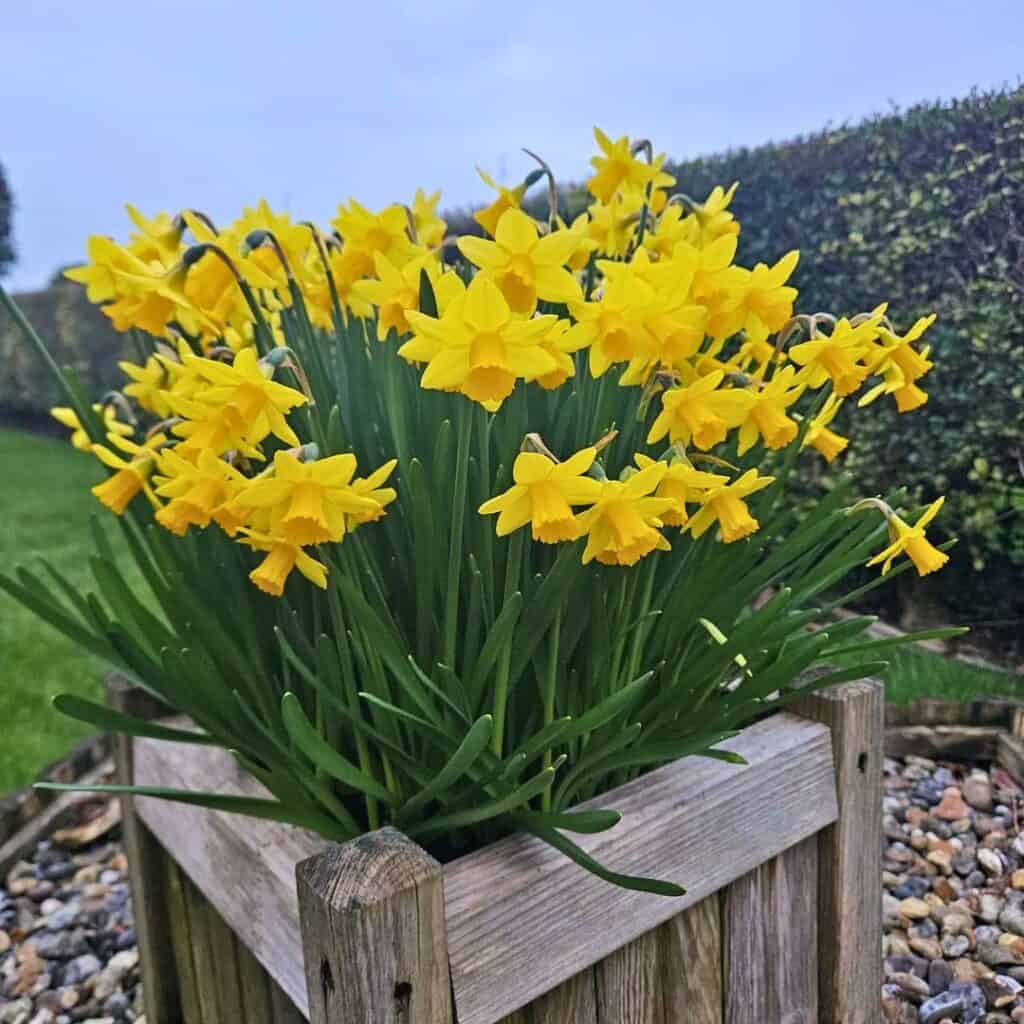
Daffodils are a must-have for me, especially near the garden edges. They’re bright, cheerful, and super easy to grow.
The real secret? They help keep deer away. Daffodils have a natural toxin that makes them unappealing to deer, rabbits, and squirrels.
I love that they’re low-maintenance. Just plant the bulbs and forget about them—they’ll come back year after year, spreading on their own.
Deer steer clear of daffodils because every part of the plant is toxic to them. I’ve definitely seen less nibbling in the beds where I plant them.
I like mixing daffodils with other spring bulbs for more color. They look great with tulips and hyacinths but have the added bonus of being a deer deterrent.
Just give them full sun and well-drained soil, and they’ll thrive. After blooming, I let the leaves die back naturally so the bulbs get strong for next year.
That little bit of patience pays off with stronger flowers every season. Plus, the green leaves add texture before the next round of blooms.
For a simple, natural way to keep deer out, daffodils do the job beautifully and make the yard feel alive.
8) Garlic
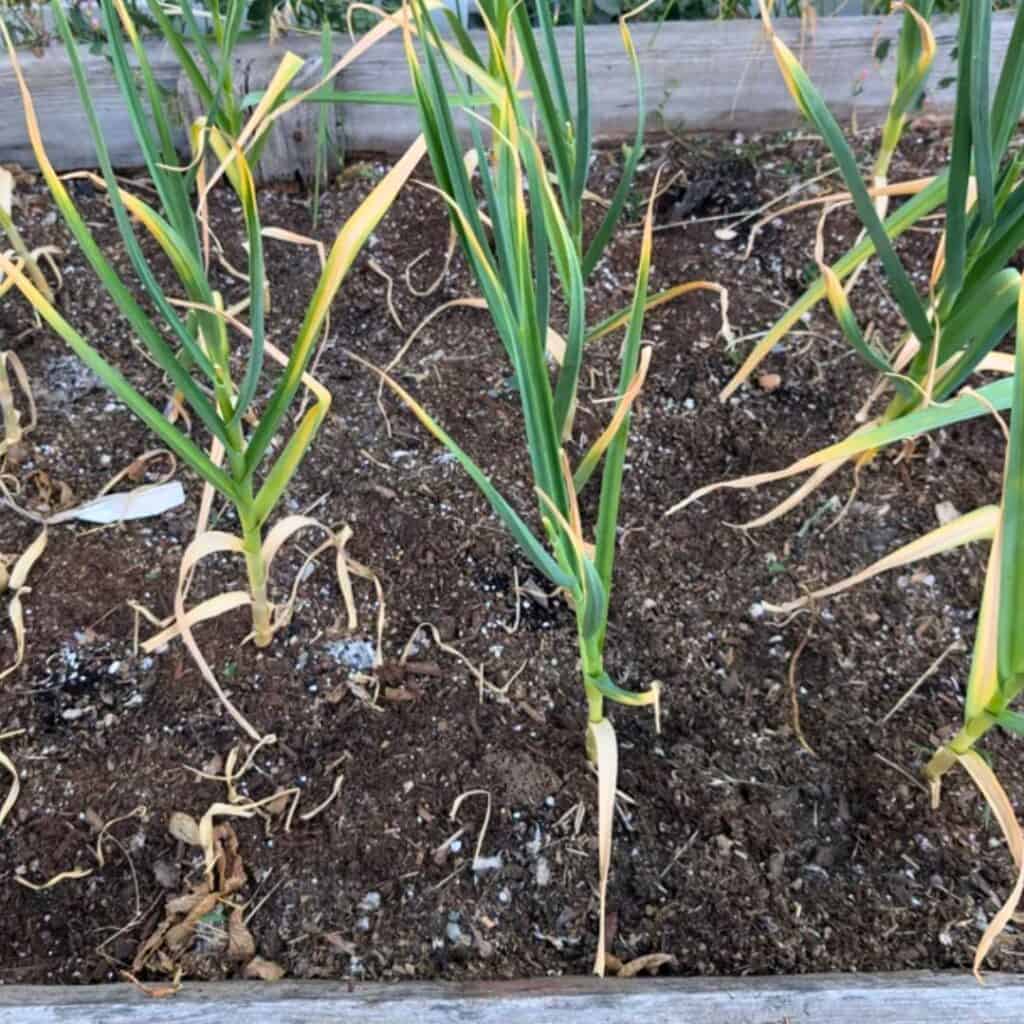
Garlic is my go-to for keeping deer away. The smell is strong, and deer just aren’t fans.
If I plant garlic near my flowers or veggies, I see way less deer activity. The scent carries and helps protect everything nearby.
The best part? Garlic is so easy to grow. Just stick a few cloves in the ground, water them, and let them do their thing.
It’s handy in the kitchen, too, so I get double use out of it. Garlic stays low to the ground and fits in just about anywhere.
Sometimes, I’ll crush a few cloves and scatter them around the garden for an extra punch. The smell is stronger that way, but it fades after a few days, so I have to reapply.
If I’m feeling lazy, I make a quick spray with crushed garlic, water, and a little soap. I spray it on leaves or along the borders, and it’s safe for the plants.
Garlic might not win any beauty contests, but it’s tough and gets the job done quietly. A few bulbs can really make a difference with deer.
9) Chrysanthemum

I really love how chrysanthemums, or mums, splash bright color into the garden when fall rolls around. There are so many shades like yellow, red, orange, and pink—honestly, it’s hard to pick a favorite.
Their full, round flowers just pop against autumn leaves. They’re definitely a standout in my yard.
The best part? Deer usually avoid them. The strong scent and that slightly bitter taste seem to keep those curious grazers away.
I’ve watched deer stroll right past my mums, barely giving them a sniff. That’s a win in my book.
Chrysanthemums are also low-maintenance. I stick them in well-drained soil with lots of sun, and they’re pretty happy.
A bit of regular deadheading helps them bloom longer and keeps things tidy. Not too complicated, which I appreciate.
They look great along borders or in decorative pots by the walkway. I like mixing them with other deer-resistant plants for a little extra color and protection.
Their bold texture actually pairs nicely with softer, leafy plants. It’s a good mix.
Another bonus? Mums attract pollinators like bees and butterflies. While deer stay away, the helpful bugs still show up.
When the blooms fade, I trim them back to about six inches. That seems to help them regrow stronger next year.
I also mulch around them before winter to give the roots a bit of extra protection from the cold. It’s a small step but makes a difference.
10) Ferns
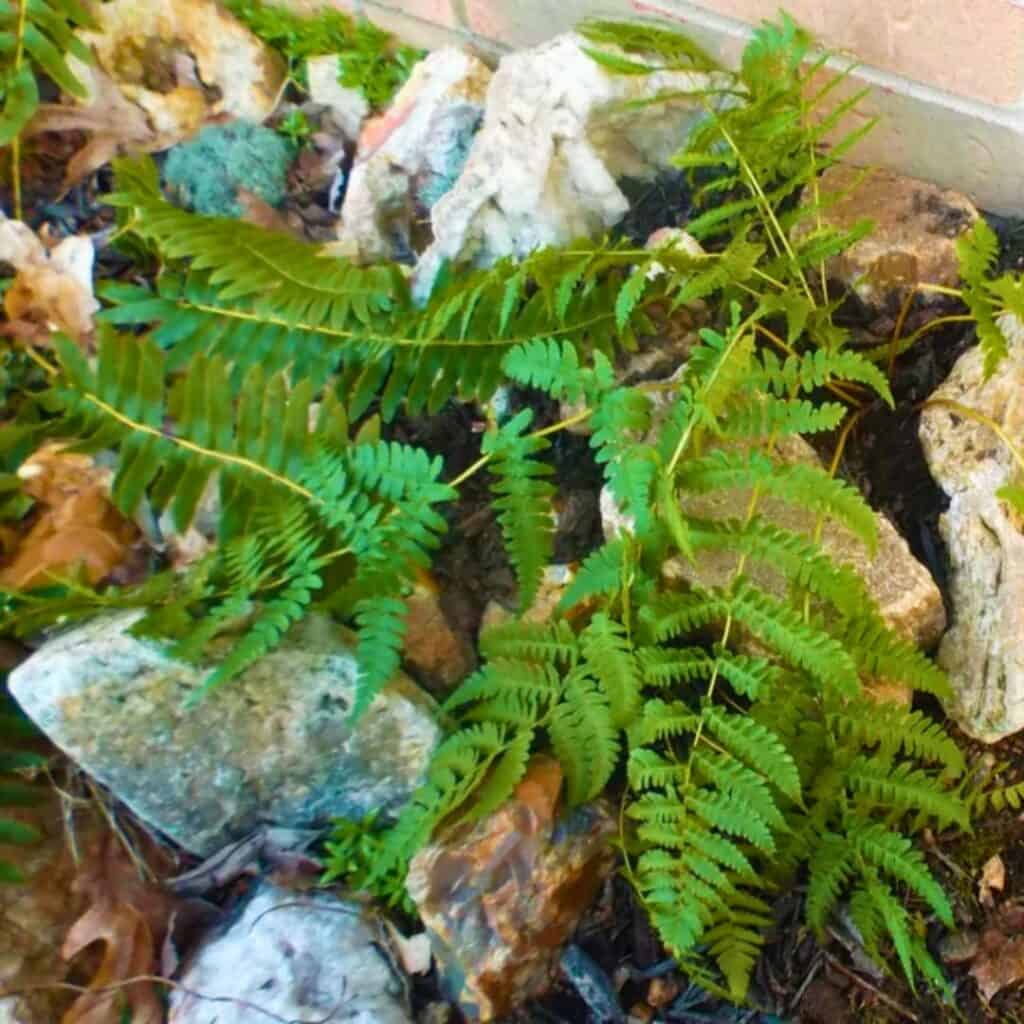
I really enjoy adding ferns to my yard—they just bring in that fresh greenery without drawing deer. Their fronds just don’t seem to interest deer at all.
That makes ferns a smart pick for those shady or wooded corners where deer like to wander. I’ve found peace of mind knowing they’ll leave these alone.
There are loads of fern varieties, but most share those deer-resistant qualities. Lady ferns, ostrich ferns, and Christmas ferns all look great under trees or along the edges of the garden.
I like to mix a few types together for a layered, natural vibe. It feels less planned, more wild.
Ferns love moist soil and partial to full shade. Once they’re settled in, they basically take care of themselves.
I just keep the soil damp and cut back old fronds in early spring. That helps new growth come in strong.
Even though no plant is totally safe from hungry deer, ferns really hold up. The texture of their fronds seems to put deer off.
Planted near paths or borders, they quietly help protect more delicate plants. They’re like silent guardians, honestly.
I also like that ferns stay green for most of the season. The garden stays calm and lush.
Their shape gives everything a soft, natural look that doesn’t overpower other plants. If you want a low-maintenance, deer-resistant pick, ferns are high on my list.
11) Foxglove

There’s something special about Foxglove—it adds instant charm to the garden. Those tall flower spikes and bell-shaped blooms are hard to miss.
The colors range from soft pinks to deep purples, which is always a treat. Even better, deer usually steer clear.
Deer avoid Foxglove since every part of the plant is toxic. The bitter taste and strong chemicals really keep animals away.
That makes Foxglove a smart choice for spots where deer wander a lot. It’s practical and pretty.
I like planting Foxglove near the edges of the garden or along paths. It brings height and color without inviting trouble.
Since it blooms from late spring to early summer, it fills those months with bright, vertical interest. It’s a nice change from low-growing flowers.
Foxglove likes partial shade and moist, well-drained soil. I leave a little space around each plant so air can move and keep them healthy.
It often reseeds itself, so new plants just show up without much effort. That’s always a happy surprise.
Even though it’s lovely, I handle Foxglove carefully. The leaves and flowers can irritate skin, so I wear gloves when working with it.
With a bit of care, Foxglove rewards me with beautiful blooms and helps protect the garden from deer.
12) Peppermint

I like growing peppermint because it’s useful and smells amazing. It’s fresh and clean, and it also helps keep deer away.
The strong scent is pleasant for me, but apparently, it’s just too much for animals that prefer milder smells.
When I brush past the leaves, that minty aroma fills the air fast. Deer dislike the sharp smell, so they usually look for food elsewhere.
I’ve noticed that planting peppermint near tender plants really makes a difference. It’s like a little protective shield.
Peppermint likes moist, partly sunny spots. It spreads quickly, so I usually keep it in pots or small beds to control it.
Even a few pots are enough to create a strong scent barrier. That’s handy for small spaces.
I trim my plants often to keep them bushy and healthy. Every time I cut the stems, more scent fills the air, which adds extra protection.
Besides repelling deer, peppermint draws in some helpful insects like bees and butterflies. That’s another reason I enjoy having it around.
It’s practical, simple, and the smell always lifts my mood.
13) Allium

I’m a big fan of Allium—it looks striking and helps keep deer away. These plants are in the same family as onions, garlic, and chives.
Their strong scent is the secret weapon that makes deer steer clear. It’s pretty effective.
Allium puts out round clusters of flowers in purple, pink, and white. They bloom in late spring or early summer, just when other plants start to slow down.
Their tall, upright stems really stand out in the garden. I always notice them first.
Deer dislike the pungent smell of Allium leaves and bulbs. Planting them near more vulnerable plants often keeps my garden safer.
It’s a straightforward, natural way to deter deer—no sprays or fences needed.
I usually plant Allium bulbs in the fall, about twice as deep as the bulb’s height. They like well-drained soil and plenty of sun.
Once they’re settled in, they don’t need much fussing over. That’s perfect for a low-maintenance garden.
Besides being deer-resistant, Allium attracts pollinators like bees and butterflies. I love seeing the garden come alive with activity.
It’s nice to have a plant that both protects and supports the ecosystem. For color, structure, and natural pest resistance, Allium is an easy choice.
14) Echinacea

I really enjoy growing Echinacea, or coneflower. It adds both color and texture to my garden.
The bright purple petals and tall stems make it stand out. Deer usually leave it alone, which is always a relief.
Deer don’t like the rough texture or strong scent of the leaves, at least from what I’ve seen. That means I can enjoy its blooms without stressing about damage.
It grows easily and doesn’t need a ton of care. That’s always a plus.
Echinacea does best in full sun and well-drained soil. I water it now and then, but not too much since it actually prefers things a little dry.
It can handle heat and small droughts, so it’s great for low-maintenance gardening. I appreciate a plant that doesn’t need babying.
Echinacea also attracts pollinators like bees and butterflies. The flowers bloom from early summer through fall, keeping the garden lively.
When the petals fade, the seed heads feed birds like goldfinches. That’s a fun bonus.
I like mixing it with other deer-resistant plants like lavender or yarrow for a colorful, easy-care look. It’s nice knowing the deer will leave it be.
15) Rue

I like rue because it’s super easy to grow and keeps deer at bay. Its strong scent and bitter taste are just too much for most deer.
Even rabbits and cats don’t seem to bother with it much. That’s a rare quality.
The plant has blue-green leaves that look soft and airy. I use rue for borders or mix it into the garden with other plants.
I usually plant it near veggies or flowers that deer love. It works as a natural barrier and doesn’t take up much space.
Rue likes full sun and well-drained soil. I don’t have to water it often, which is convenient.
Once it’s established, it handles heat and dry spells without any fuss. That’s a relief during hot summers.
Rue stays compact and neat, not sprawling all over the place. I just give it a trim in spring to keep it healthy.
Some people mention the sap can irritate skin, so I wear gloves when handling it. It’s not a big deal, just something to keep in mind.
If you need a low-care plant that helps keep deer away, rue does the trick. It adds a bit of charm with its soft color and fine texture, quietly protecting the rest of the garden.
16) Snapdragons
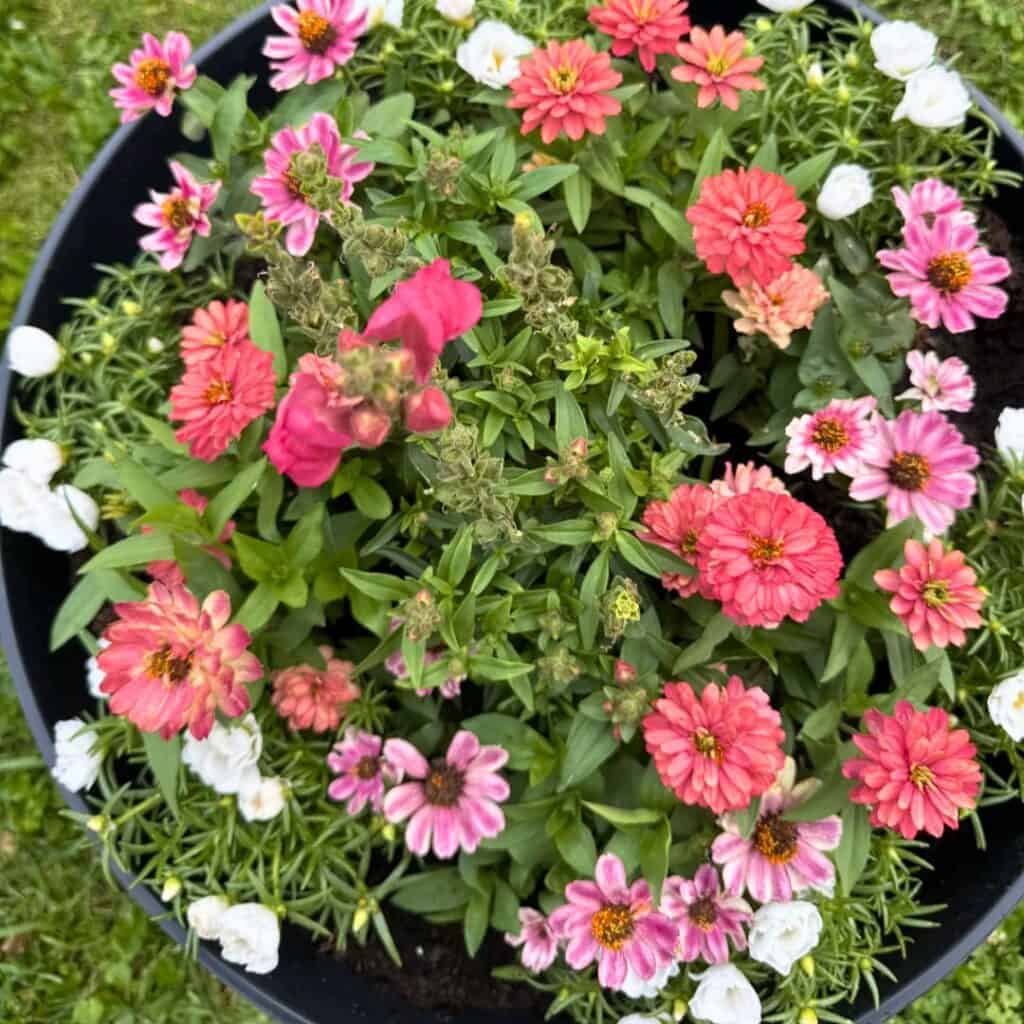
I really enjoy growing snapdragons—they bring so much color and fun shapes to the garden. The tall spikes look great in borders or containers.
You can find them in so many colors, which makes them easy to mix with other plants. They just fit in anywhere.
Deer usually avoid snapdragons because of their bitter taste and slightly fuzzy texture. I’ve noticed deer just skip right over them.
That makes snapdragons a handy pick if deer are a problem in your area. They’re dependable.
Snapdragons like full sun and well-drained soil. I plant them in early spring after frost danger is gone.
With regular watering, they bloom through the warm months. Deadheading keeps them looking fresh.
I like using snapdragons as border plants along fences or walkways. Their upright shape fits nicely between shorter flowers.
Another thing I love is how long-lasting snapdragon blooms are in cut flower arrangements. I often bring a few stems inside—they stay fresh for days.
If you want a deer-resistant plant that adds color and texture, snapdragons are an easy pick. They’re low-maintenance and always brighten things up.
17) Wormwood
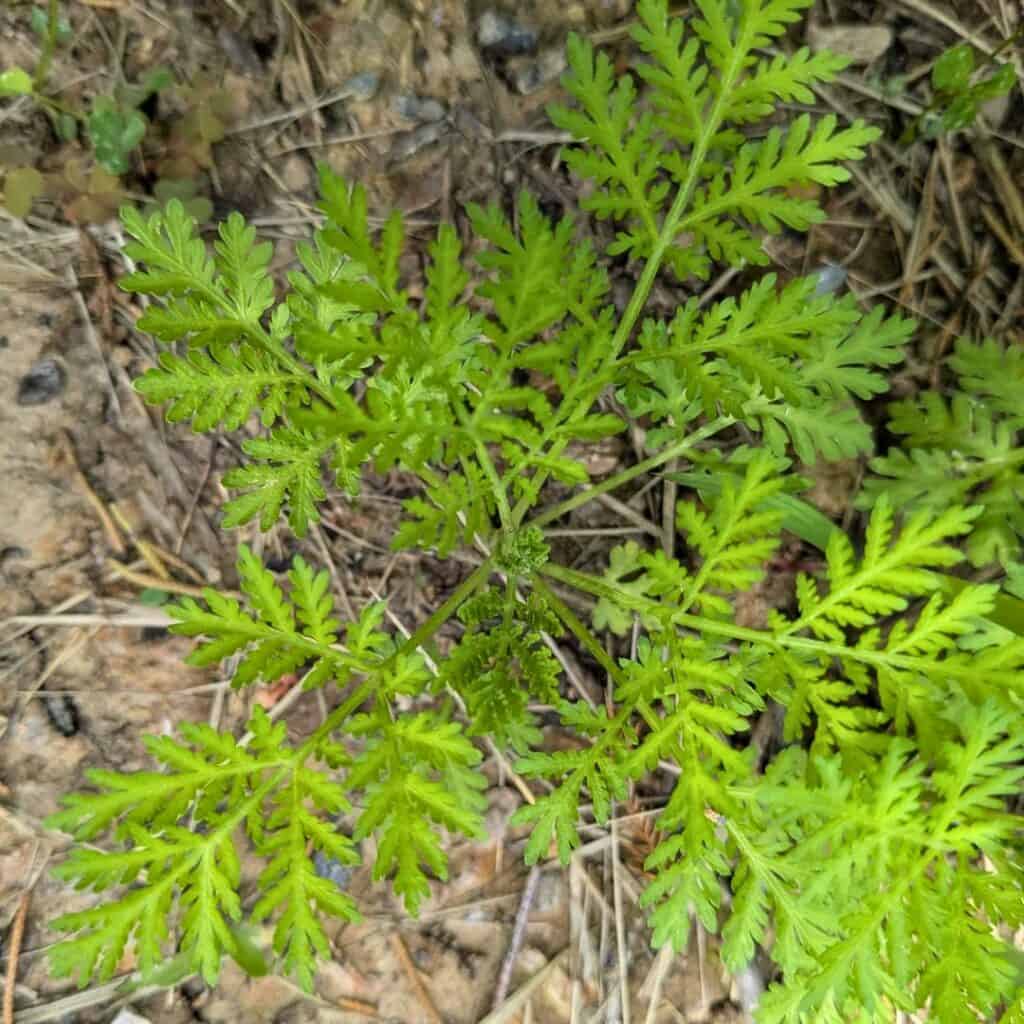
I’ve grown to appreciate wormwood for being one of the toughest plants in my garden. Its strong scent really keeps deer away, and I barely have to do anything.
The gray-green leaves add a cool contrast next to all the green. It’s a nice change of pace.
When I brush the leaves, they let off a sharp scent that deer just can’t stand. Honestly, I get why—it’s pretty intense.
That natural scent acts as a built-in repellent, so I don’t have to mess with chemical sprays. That’s a relief.
Wormwood likes dry, sunny spots and doesn’t mind poor soil. I only water it when things get really dry.
It’s easy to maintain once it’s settled. I usually plant it along garden edges as a protective border.
This helps keep deer from wandering in and munching on more delicate plants. The silvery foliage looks great next to bright flowers, too.
Wormwood can spread fast if you let it, so I prune it back in early summer. That keeps it from taking over.
Even with trimming, it fills in nicely and stays dense. It’s a good balance.
Wormwood isn’t just practical—it’s actually pretty stylish. The feathery texture and muted color make the garden look more balanced.
I like how it breaks up all the bright colors and adds a wilder feel. For a low-maintenance, deer-resistant plant, wormwood is hard to beat.
How Deer-Repellent Plants Work
I count on certain plants to keep deer out of my garden. Their smell, texture, or taste just makes deer think twice before munching.
Some plants have natural chemicals that trigger a deer’s sense of danger or discomfort, while others just feel weird or unpleasant to them. Isn’t nature clever?
Understanding Deer Behavior
I’ve noticed that deer usually go for the easiest, tastiest plants around. They seem to love soft foliage and mild scents—anything gentle on their tongues and noses.
When flowers or leaves give off strong odors or have sharp, fuzzy, or bitter textures, deer just move on.
Deer rely a lot on scent to find food and stay safe from predators. If a plant throws off their sense of smell—like with strong essential oils—they’ll usually steer clear.
That’s probably why mixing up textures and scents in your landscaping helps keep them away.
A few behavior facts help explain why some plants work better than others:
| Deer Habit | Impact on Repellent Plants |
|---|---|
| High scent sensitivity | Overpowering smells signal danger |
| Night feeding pattern | Strong scents linger and deter them |
| Preference for new growth | Tough, woody plants are less appealing |
Natural Scents That Deter Deer
Honestly, smell is one of the biggest deterrents I’ve found. Plants like lavender, rosemary, and mint release oils that overwhelm a deer’s nose.
These oils make it tough for deer to sniff out food, so they just wander off somewhere else.
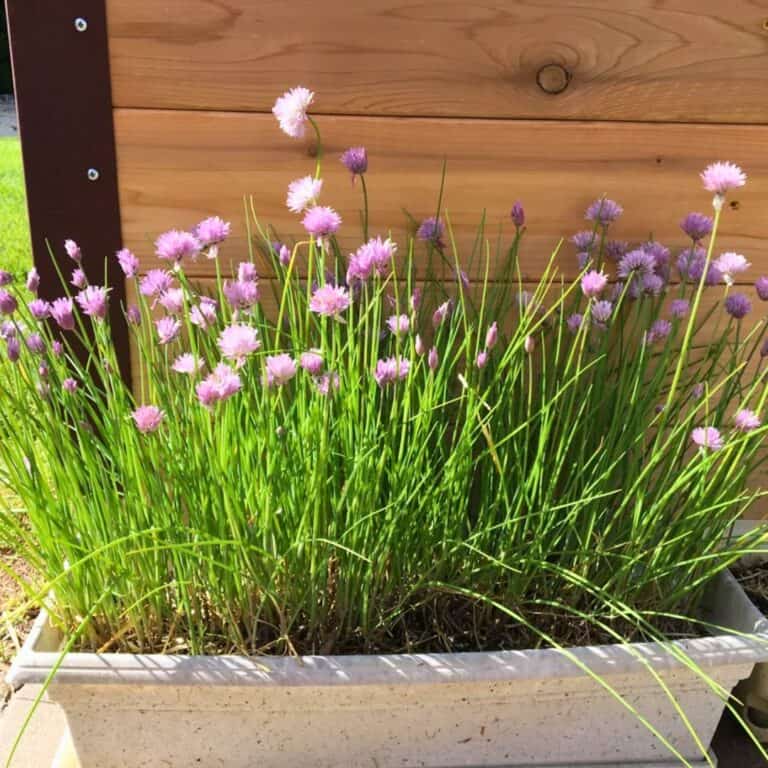
Deer really don’t like odors that are medicinal, pungent, or spicy. Sage, garlic, chives, and thyme are good examples. I like mixing these in with more appealing plants to create a natural barrier.
Some scents even act like warning signs. The sharp fragrance of marigold or onion makes deer think the area isn’t safe.
Building layers of strong-smelling plants around the yard doesn’t hurt the deer—it just encourages them to eat somewhere else.
Tips for Incorporating Deer-Resistant Plants in Your Garden
I try to keep my garden looking good while keeping deer away naturally. I’ve noticed that where and how I plant really matters, and pairing certain plants together can boost protection without sacrificing beauty.
Design Strategies for Maximum Protection
I usually start by putting the most deer-resistant plants along the garden’s edges. Lavender, sage, and Russian sage make a solid border since deer dislike their strong scents.
Inside that border, I tuck in more delicate plants, keeping them protected behind the tougher ones.
Height and texture come in handy, too. I’ll layer taller plants, like ornamental grasses, behind shorter herbs. That change in texture confuses deer and makes it harder for them to get in.
Sometimes I add paths or little fences made from thorny bushes like barberry—just makes browsing trickier for them.
Grouping deer-resistant plants together means their combined scent and texture create a stronger barrier. I try not to leave long, open stretches, since deer love easy access.
Mixing up shapes and growth patterns keeps the garden looking balanced, but not exactly inviting for hungry deer.
Companion Planting for Added Effectiveness
I’ve found that planting strong-smelling herbs near more vulnerable plants really cuts down on deer visits. For instance, I’ll put rosemary, thyme, or oregano close to roses or hostas.
The herbs’ fragrance helps mask the scent of the plants deer usually go for.
Mixing textures can help, too. Soft-leaved flowers next to prickly or fuzzy plants—like lamb’s ear or yarrow—make deer think twice before nibbling.
This way, delicate plants get some extra protection without much extra effort.
I try to set things up so deer hit unappealing scents and rough textures first. When they brush against mint or lavender, they often just turn away.
Over time, the deer seem to get the message and my flowers and shrubs stay safe and lively.
Frequently Asked Questions
People often ask how I pick plants that keep deer away but still look good. I’ve found that fragrant herbs, colorful flowers, and hardy shrubs work best since deer don’t like strong scents or tough textures.
What are some deer-resistant plants that also add beauty to my garden?
I love growing Lavender and Marigolds. They’re both vibrant, smell great, and keep deer from nibbling—plus, they add so much color to the garden.
Can you suggest aromatic plants that deter deer?
Deer usually avoid Rosemary, Thyme, and Sage. Their strong scents make the garden smell amazing and help protect nearby plants.
What perennial plants can help keep deer away year after year?
Lavender and Sage pop back up every spring and thrive in sunny spots. I like them because they’re easy to care for and I don’t have to replant every year.
Are there any flowering plants that deer usually avoid?
From what I’ve seen, deer rarely touch Marigolds or Foxgloves. These flowers really brighten up my yard and don’t need much fuss once they’re settled in.
How can I incorporate deer-repelling plants into my existing landscape?
I plant herbs and flowers with strong scents along walkways and borders. Mixing them in with other plants helps protect the whole garden without changing the look too much.
What shrubs can I plant that are known to be unappealing to deer?
Deer tend to leave Boxwood, Barberry, and Juniper alone. Honestly, I like using these as natural barriers—they keep their color all year and give my yard a bit of structure.
Note: Some images in the articles are sourced from Reddit and Other Platforms For Reference Purpose.