17 Best Bug-Repellent Plants For Your Home
I love spending time outside, but honestly, bugs can make it tough to just relax. You don’t need harsh sprays—nature’s already got you covered.
You can grow simple plants that help keep mosquitoes and other pests from bothering you, all while making your home and garden look better.
In this article, I’ll share some of my favorite herbs, flowers, and leafy plants that naturally repel insects.
You’ll also find a few tips on how these plants work and how to keep them healthy and effective all season.
Please note: Simplify Plants is reader-supported. As an Amazon Associate, I earn from qualifying purchases made by our readers with no extra cost added to you all! Some links in the post are affiliate links and I get a commission from purchases made through links in the post.
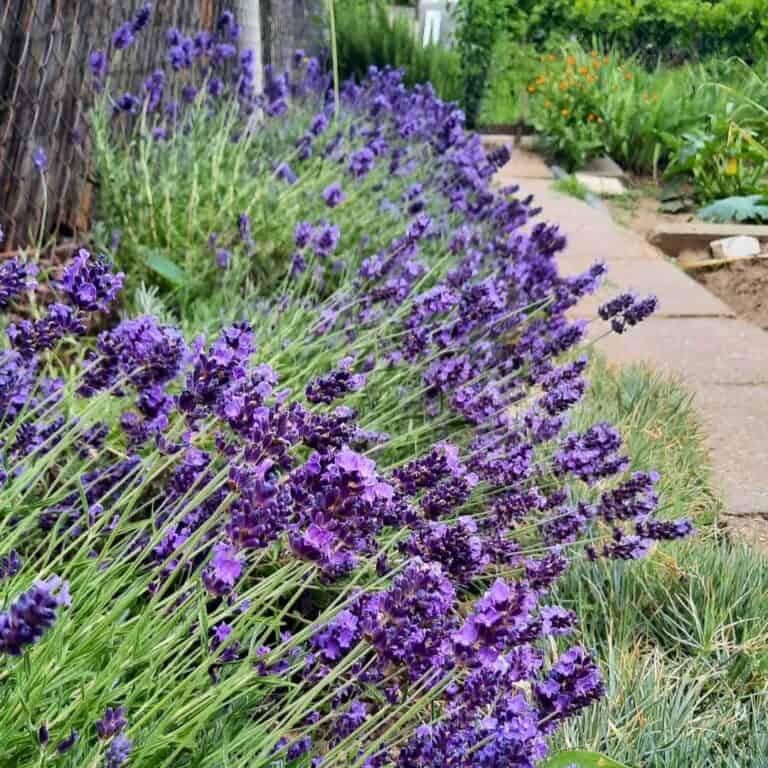
1) Lavender

I always keep lavender near my patio because it looks pretty and smells so fresh. The sweet scent fills the air, and honestly, I notice fewer bugs around when it’s blooming.
Its natural oils help keep mosquitoes, flies, and moths away. This plant loves full sun and well-drained soil. I’ve learned the hard way that too much water isn’t good, so I let the soil dry out between waterings.
It’s easy to grow in pots, which is handy if you’re working with a small space or just want something for your balcony. I like trimming my lavender to keep it neat and healthy.
The clippings can be dried and used indoors for a subtle fragrance. Sometimes I’ll toss a few dried sprigs in a bowl to keep my room smelling clean.
Bees and butterflies love lavender, so it still brings helpful pollinators to my garden even while it keeps pests away. That balance is pretty great.
When I brush against it, the scent sticks to my hands, and I totally get why so many people use lavender oil in sprays or candles. It’s simple, gentle, and just works.
2) Marigold

I love growing marigolds because they add such a bright pop of color and help keep bugs away at the same time. Their cheerful orange and yellow blooms make any space feel warmer and more inviting.
They’re easy to plant and grow fast, so if you want quick results, these are a good pick. The flowers have a distinct scent that a lot of insects dislike, especially mosquitoes and aphids.
I’ve noticed that when marigolds are near my veggies, pests just don’t seem as interested. They work well as a natural barrier when planted along borders or near doors and windows.
Marigolds are low-maintenance and can handle sunny spots and dry weather pretty well. I just water them regularly and trim off old flowers so they keep blooming.
It’s also nice that marigolds come in different sizes and shades, so I can mix them up for variety. I often plant them with tomatoes or peppers since they seem to help protect those crops.
Marigolds don’t just repel bugs; they also attract helpful insects like ladybugs and bees. That kind of balance keeps my garden healthier without me needing to reach for chemical sprays.
If I want color, simplicity, and natural protection, marigolds are always one of my top choices. They make gardening easier and more enjoyable, and keep pests in check.
3) Basil
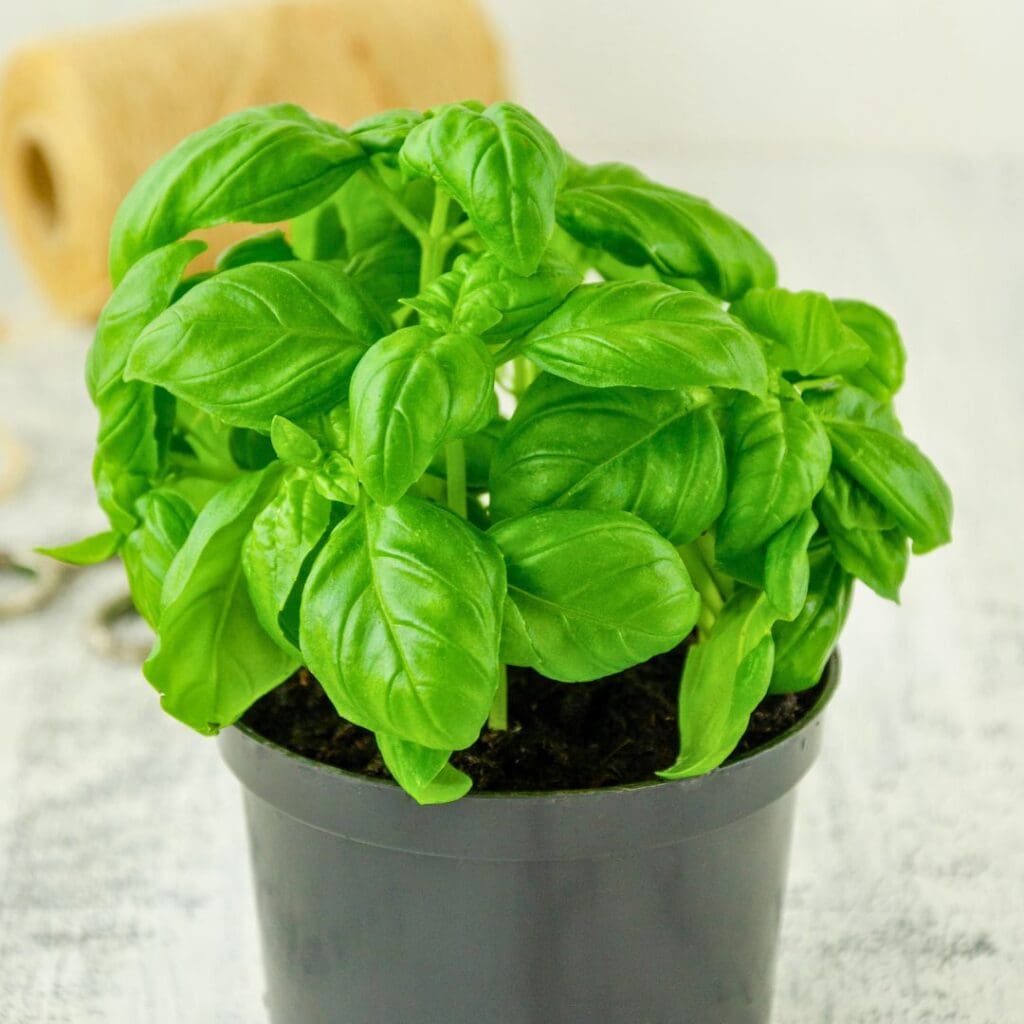
I always keep basil close to the kitchen and garden because it smells amazing and helps keep mosquitoes and flies away. Its strong scent is a solid natural repellent, especially if you give the leaves a little brush to release more aroma.
Basil grows well in sunny spots and doesn’t need much space at all. A small pot near a window or patio is enough to make a difference.
It’s one of those plants that’s both useful and easy to care for. When I plant basil around outdoor seating areas, I definitely notice fewer flying pests.
The leaves are fantastic for cooking, so I get both flavor and function from just one plant. To keep basil healthy, I water it often but avoid soaking the soil.
Regular trimming keeps it full and leafy. Fresh, healthy leaves have the strongest scent and work best against bugs.
Sometimes I’ll crush a few leaves when I’m outside in the evening. The scent on my hands helps keep mosquitoes away for a bit. It’s a simple trick, but it works.
4) Rosemary

I love growing rosemary because it looks great, smells incredible, and helps keep bugs away. Its strong, woody scent makes it tough for mosquitoes and other insects to stick around.
I find it especially useful near doors, windows, or patios where bugs like to sneak in. When I brush against the plant, the fresh scent gets even stronger.
That natural aroma acts like a gentle barrier, letting me enjoy time outside without constant buzzing. Sometimes I’ll rub a little sprig on my skin when I’m gardening—it gives a light, fresh smell and helps keep pests off.
Rosemary grows best in full sunlight and well-drained soil. I usually water it only when the top layer feels dry.
It’s hardy and doesn’t need much care once it’s established, which is perfect if you’re busy or forgetful. I keep it in pots and garden beds.
If I bring my potted rosemary indoors for winter, I put it near a sunny window so it keeps going. Besides keeping bugs away, it’s great for cooking.
I often snip a few leaves to season roasted veggies or chicken. Rosemary just adds value all around—looks tidy, smells pleasant, and supports a low-maintenance garden.
A few small plants can make a big difference in how peaceful my outdoor space feels.
5) Peppermint

I always keep peppermint in my garden because it does more than just smell good. Its strong scent helps keep bugs like mosquitoes, ants, and flies away.
When peppermint is growing nearby, I notice fewer pests in my outdoor space. Peppermint grows fast and spreads like crazy, so I usually plant it in a container to keep it under control.
It thrives in moist soil and does best with partial sun, so it’s pretty simple to care for. The leaves stay bright green and look nice in small pots or along the edges of the garden.
I often crush the leaves to release more of their natural oils when I’m outside. This helps keep bugs from landing on me or hanging around the seating area.
I also dry some leaves and put them inside near windows to help deter insects indoors. If I want a natural air freshener, peppermint is perfect.
Its clean scent makes everything smell crisp and inviting. Plus, I can use the leaves later for tea or simple home remedies, so nothing goes to waste.
6) Lemongrass

I love having lemongrass in my garden because it keeps bugs away and adds a fresh, citrusy scent. The tall, green stalks just make the space look more lively.
The smell reminds me of summer. This plant is famous for containing citronella oil, which helps repel mosquitoes and other insects.
When I plant lemongrass near doorways or patios, there are definitely fewer mosquitoes buzzing around. It’s a simple, natural way to add some protection.
Lemongrass grows best in sunny, warm spots with well-drained soil. I water it regularly but make sure the soil doesn’t stay soggy.
In cooler months, I move potted lemongrass indoors to keep it happy. I like to trim the leaves often to encourage new growth and use the stalks in cooking or homemade sprays.
The scent is clean and refreshing, perfect for both indoor and outdoor spaces. Sometimes I’ll crush a few fresh leaves and rub them on my skin.
The natural oils give off a strong aroma that helps deter bugs without chemicals. It’s quick, safe, and honestly smells great.
7) Citronella

I always think of Citronella as the classic natural mosquito repellent. It gives off a fresh, lemony scent that’s actually pretty nice, but mosquitoes can’t stand it.
I like keeping this plant near doors or patios where bugs tend to gather. What surprises me is how easy it is to grow.
Citronella thrives in warm, sunny spots and likes well-drained soil. I water it when the top of the soil feels dry, and it rewards me with healthy, tall leaves.
The plant does well in pots, which is perfect for patios or smaller spaces. Sometimes people mix up Citronella grass with scented geraniums labeled “citronella,” but I make sure to get the true grass variety since it has more of the bug-repelling oil.
It’s not a miracle cure, but when I use it along with other plants, it helps cut down on mosquitoes in my outdoor spaces. I like crushing a few leaves in my hands to release the strong citrus scent—it’s a nice touch when relaxing outside in the evening.
For me, Citronella is both useful and attractive. Its tall, arching leaves give a bit of a tropical vibe to the garden while keeping pests away.
I like mixing it with other repellent plants to create a natural barrier that makes my yard more comfortable.
8) Chrysanthemum

I love growing chrysanthemums because they’re bright, sturdy, and do a great job of keeping bugs away. The colorful blooms make my garden look cheerful and quietly help with pest control.
These plants have a natural chemical called pyrethrin, which is actually used in a lot of insect sprays. It’s known to repel mosquitoes, flies, ants, and roaches.
I usually plant chrysanthemums near doorways or sitting areas so I can enjoy the color and keep annoying insects from flying too close. They grow well in sunny spots with well-drained soil, so they’re pretty easy to care for.
When the weather gets colder, I trim the flowers back and cover the roots with mulch. With a bit of care, they come back strong the next season.
Chrysanthemums are both decorative and useful, which makes them one of my favorites for pest prevention. Their scent isn’t too strong, so they fit right in with herbs and other blooms.
9) Geranium

I love growing Geraniums because they add such bright color and help keep bugs away too. Their scent can repel mosquitoes, flies, and other small insects, so they’re perfect for patios and windowsills.
I keep a few geranium pots near my doors, and I notice fewer bugs coming inside. The fragrance is strong but pleasant, especially when you brush or crush the leaves.
Scented geraniums—the ones with lemon or rose notes—seem to work best for repelling pests. These plants like sunny spots and well-drained soil.
I water them regularly but make sure they’re not sitting in water. Too much moisture can cause the roots to rot, so I let the top inch of soil dry out before watering again.
Geraniums are easy to move indoors during colder months. I keep mine on a sunny windowsill to enjoy their blooms all year.
Trimming old leaves keeps them full and healthy. If I want natural bug control and color at the same time, geraniums are a top pick for me.
They’re simple to care for, nice to look at, and great for creating a bug-free zone around my home.
10) Sage

I really enjoy having sage in my garden. It’s not just about flavor—this herb’s strong scent naturally keeps mosquitoes, flies, and other bugs at bay.
Whenever I brush against the leaves, that distinctive smell gets even stronger. Honestly, it seems to work better the more I disturb it.
Sage is a tough little plant and does best in sunny spots with dry soil. I barely have to water it, which is always a plus for me.
The leaves hold onto their silver-green color all season, so they add a nice pop to garden beds or pots. It’s a small detail, but I appreciate it.
Sometimes, when I’m outside, I’ll burn a few dried sage leaves. The smoke drifts around and helps keep insects away during a barbecue or a chill evening outside.
It’s such a simple, natural trick, and I find it more pleasant than using sprays.
Sage brings in helpful pollinators too—bees love it. That’s a win for the rest of my plants.
I like that it helps keep a balance in the garden without any chemicals.
Whether it’s along a walkway or in a container near the patio, sage combines beauty, usefulness, and a pleasant smell.
It’s one of those plants I just always want nearby, both for cooking and for keeping bugs away.
11) Thyme

I have a soft spot for thyme—it’s handy and honestly, it’s pretty easygoing. This little Mediterranean herb gives my garden a fresh scent and helps keep insects at a distance.
Those tiny leaves pack a punch. Mosquitoes and flies really don’t like the aroma, which is great for me.
I plant thyme close to where I sit or by the door. Since it prefers full sun and well-drained soil, I pick the brightest spots.
Even when it’s dry out, thyme barely complains. It just keeps going with minimal water.
If I want more of its bug-repelling magic, I crush a few leaves. Sometimes I even rub them on my skin or toss sprigs in bowls around the patio.
The scent is pleasant for me but discouraging to pests. That’s a nice balance.
I’ve tried a few different kinds, like lemon thyme and creeping thyme. Each one smells a bit different.
Lemon thyme, for example, has this light citrus smell that’s really refreshing.
Thyme isn’t just for bugs—it’s great in the kitchen and looks good, too. I’ll trim stems for cooking and let the rest fill in like a soft, green carpet.
It doesn’t need much room, making it perfect for small gardens or balconies.
When it blooms, those tiny purple or pink flowers pull in bees and butterflies. It’s fun to watch.
So while thyme keeps pests away, it also helps pollinators. That’s why it’s one of my favorite herbs to have around.
12) Eucalyptus
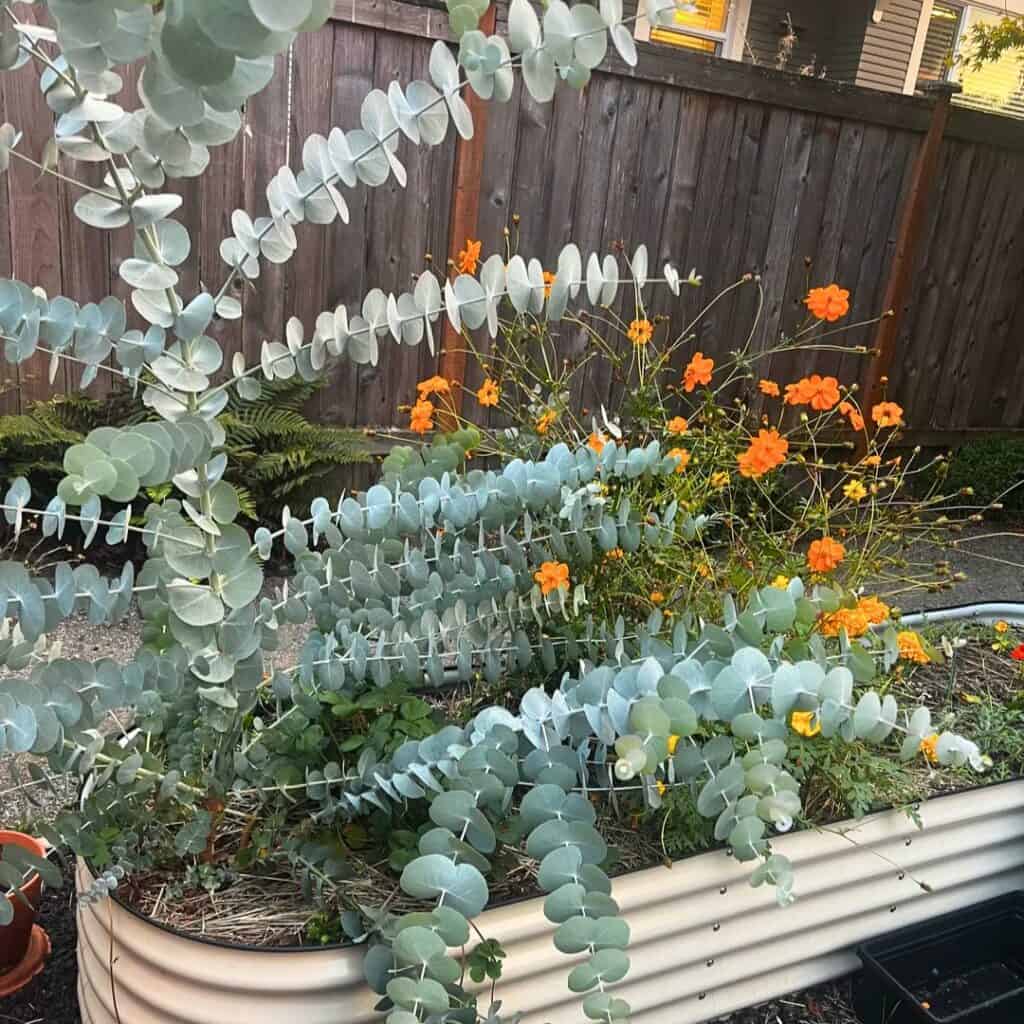
I can’t get enough of how Eucalyptus looks and smells in my garden. Those silvery-green leaves give off a clean, almost spa-like scent that just makes the space feel fresh.
A lot of people plant it near patios or windows, and I get why—the breeze spreads that aroma everywhere.
But it’s not just about looks. Eucalyptus is great for keeping bugs away. Mosquitoes really dislike the strong scent of eucalyptus oil, so it’s a natural repellent.
I’ve noticed fewer pests when I crush a couple leaves or set small branches around where I sit outside.
Eucalyptus loves full sunlight and well-drained soil. I water it more when it’s young, but once it’s settled in, it doesn’t need much.
The tree can get pretty tall, so I trim it to keep things tidy and make sure it fits my space.
If you don’t have room for a tree, there are smaller eucalyptus varieties or potted plants that work just fine.
I sometimes keep a pot by a sunny window indoors, just to enjoy the scent inside. The leaves last a long time after cutting, so I use them in bouquets or dry them for arrangements.
To make its bug-fighting power even better, I’ll combine eucalyptus with other aromatic herbs like lavender or rosemary.
They look great together and help cut down on unwanted insects. It’s a relaxed, natural way to keep my home and garden comfortable all season.
13) Catnip

Most people think of catnip as a treat for cats, but it’s actually a fantastic natural bug repellent too.
This hardy mint relative has a gentle scent, and honestly, it surprises people how well it works on mosquitoes.
Catnip contains nepetalactone, which mosquitoes can’t stand. If I crush a few leaves, the smell gets stronger and helps keep pests away.
It’s a low-maintenance, green way to cut down on bugs.
I like growing catnip in pots near doors and patios—those spots where mosquitoes tend to gather.
It grows fast and doesn’t ask for much: just sunlight and a bit of water now and then.
I do keep it trimmed, though, because it can take over if I’m not careful.
If you have cats, you’ll probably see them roll or chew on the leaves first. Cats love it.
To keep things under control, I use hanging pots or a little fence, so both the cats and the bugs stay in check.
Catnip works best fresh, so I usually crush or bruise some leaves when I’m outside.
The scent fades after a while, so I refresh it as needed.
It won’t totally replace bug spray, but it’s a simple and eco-friendly addition to any garden or home.
14) Bay Leaf
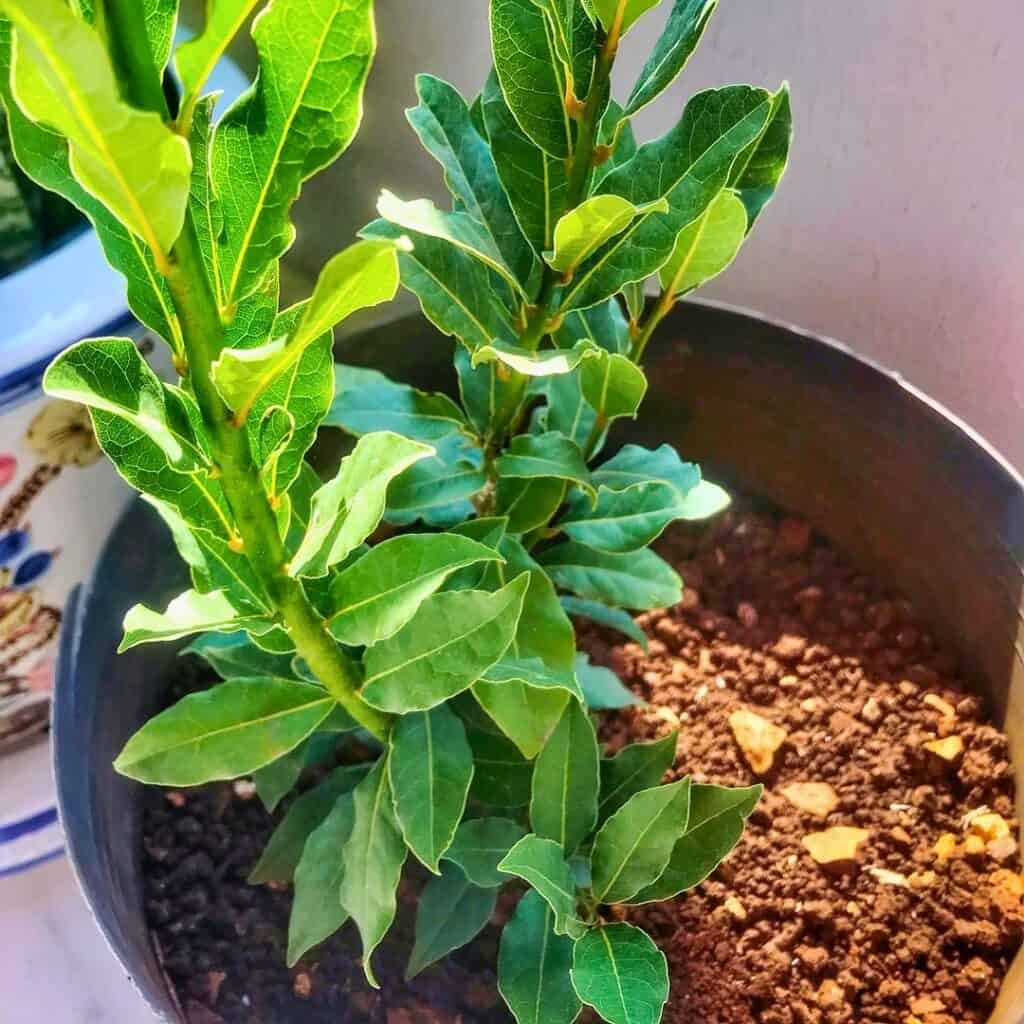
I use bay leaves in my cooking all the time, but I’ve learned they’re also a solid natural bug repellent.
The same strong scent that flavors my soups and stews can help keep flies, mosquitoes, and cockroaches away from both my home and garden.
When I crush or bruise the leaves, they release more essential oils, which really ramps up their bug-fighting ability.
Sometimes I’ll scatter fresh or dried bay leaves on kitchen shelves, by windows, or outside where I sit.
Bay leaves like warm, sunny spots with good drainage. I keep my plant in a large pot so I can bring it indoors if it gets too cold.
It’s an easy way to get a useful herb and a natural pest barrier all year.
I also tuck dried leaves into pantry containers or drawers. It helps keep small insects out of my food and adds a clean scent to the space.
Bay trees can get big, but with regular pruning, mine stays neat and compact.
That makes it perfect for patios or balconies where space is tight. A healthy plant gives me plenty of leaves for cooking and pest control.
Using bay leaves feels like a practical and natural solution instead of always reaching for sprays.
It’s a small change, but it keeps my home fresher and less attractive to bugs.
15) Rue

There’s something about rue that adds character to my garden. Its bold scent and blue-green leaves make it stand out, and I like planting it in sunny spots where it can just do its thing.
Rue is famous for keeping mosquitoes, flies, and other insects away. The oils it gives off have a strong aroma that most pests really don’t enjoy.
Since adding it to my beds, I’ve noticed fewer bugs around my patio.
I do handle rue with care because its leaves can irritate skin in bright sunlight. Gloves solve that problem easily.
It’s worth it, though—the plant is both useful and eye-catching.
Rue is pretty versatile. It handles dry soil well and doesn’t need much water once it’s settled in.
It also attracts butterflies, especially swallowtails, which adds some life to my garden.
A little rue goes a long way. I keep it near entryways, seating areas, and along the edges where it can be most effective.
Its scent really kicks in when the leaves get brushed or the wind stirs them.
In a pot, rue stays neat and compact, so it’s great for small spaces or balconies.
Sometimes I move my containers around to target different spots where bugs are a problem.
Rue adds texture, color, and a subtle fragrance to my garden. I love its old-fashioned charm and the way it quietly keeps pests at bay.
16) Allium

Growing Allium is a treat because it’s gorgeous and practical. These plants are cousins to garlic, onions, and chives, so they bring some familiar vibes to my garden.
They put up tall, round blooms that just look fantastic in borders or flower beds.
The best part? Allium helps keep bugs away. That strong scent repels aphids, mosquitoes, and carrot flies.
I like planting them by veggies and flowers that tend to attract pests—it gives those plants a little extra support.
Allium likes plenty of sunlight and well-drained soil. I usually pop the bulbs in during fall so they’re ready to go come spring.
Once they bloom, they’re low-maintenance—just a bit of water during dry spells.
Even after the flowers are done, the seed heads look cool. They add some texture and shape to the garden through summer and into early fall.
If you want a low-maintenance way to add color and keep pests in check, Allium is a smart pick.
They fit almost anywhere—as long as there’s enough sun, they’re happy in pots, raised beds, or borders.
It’s a natural way to support garden health and keep the space lively.
17) Feverfew

I love how Feverfew brings cheerful brightness to my garden with its little, daisy-like flowers.
It’s easy to grow and does well in beds or pots. The fresh scent helps keep insects away, especially mosquitoes and flies.
I find Feverfew happiest in a sunny spot with well-drained soil. It spreads fast, so I trim it often to keep it tidy.
Once it starts blooming, it adds a lovely splash of white and yellow wherever it’s planted.
What makes Feverfew stand out is that it not only helps repel bugs but also attracts pollinators like bees.
That mix is great for a healthy, busy garden.
Whenever I brush past the leaves, they give off a strong, herbal smell. That seems to keep pesky insects from hanging around.
Sometimes I cut a few stems and set them near doors or windows where mosquitoes try to sneak in.
For such a small plant, Feverfew does a lot. It looks nice, smells strong, and helps protect other plants.
I like having it around because it’s low-fuss and works hard to keep bugs away naturally.
How Bug-Repellent Plants Work
I’ve noticed that some plants are just better at keeping bugs away, and it’s all thanks to the unique chemicals they naturally make.
They release scents and oils that either confuse or drive off insects, protecting both themselves and the areas around them.
Natural Compounds That Deter Insects
A lot of bug-repellent plants give off essential oils like citronellal, linalool, limonene, and menthol.
These natural compounds mess with an insect’s ability to find food or a place to lay eggs. Take citronella grass, for example—it produces citronellal, which masks our scent and helps keep mosquitoes from finding us.
Some plants store these oils in their leaves, stems, or flowers, and they’re released when you touch them or when the sun warms them up.
If I walk by basil or lavender and brush against them, the oils get into the air. It makes a little bug-free zone without hurting anything.
Here are a few examples of these compounds and what they do:
| Compound | Found In | Commonly Repels |
|---|---|---|
| Citronellal | Citronella, Lemon Balm | Mosquitoes |
| Linalool | Lavender, Basil | Flies, Fruit Flies |
| Menthol | Peppermint | Ants, Mosquitoes |
| Limonene | Lemon Verbena | Fleas, Gnats |
These chemical defenses make the plants pleasant for me but not so much for the bugs.
Differences Between Indoors and Outdoors
Honestly, environment makes a huge difference in how well these plants actually work. Outdoors, the oils just seem to float out on the breeze, spreading around patios, doors, and the garden pretty effortlessly.
But then, there’s the weather—rain, wind, and temperature swings can zap their strength surprisingly fast.
Indoors is a different story. The scent builds up quickly in a smaller space, so even a single strong plant like lavender or mint can make a noticeable impact.
I usually keep them near windows or entryways where flies and mosquitoes try to sneak in. Good air flow helps the aroma travel, so it’s not too overwhelming.
Honestly, placement matters way more than having a ton of plants. Just a few healthy ones in the right spots keep my home protected, but too many crammed together? That’s a recipe for an overpowering scent, which isn’t fun.
Tips for Caring for Bug-Repellent Plants
I do my best to keep my bug-repellent plants happy by giving them proper light, water, and nutrients. Pruning and decent airflow make a big difference, too—they help the plants keep pumping out those bug-repelling scents.
Watering and Sunlight Needs
Every plant seems to have its own watering schedule, which took me a while to figure out. Lavender and rosemary seem to thrive in drier soil, but mint and basil want a bit more moisture.
I just poke my finger into the soil—if the top inch is dry, I water. Overwatering is a nightmare for roots, so I always use pots with good drainage.
Most of these plants are sun-lovers. I try to give them at least 6 hours of sunlight every day. Indoors, I’ll rotate them near a sunny window once a week to keep things even.
Here’s a quick table I keep handy:
| Plant Type | Sunlight | Watering Frequency |
|---|---|---|
| Lavender | Full sun | Once soil dries |
| Basil | Partial to full sun | Every 2–3 days |
| Mint | Partial sun | Keep moist |
| Rosemary | Full sun | Once weekly |
Promoting Healthy Growth
I snip off dead leaves and flowers whenever I spot them. Pruning helps with airflow and keeps the plant focused on fresh growth.
If I see yellowing leaves, I pull those off, too—no sense inviting pests.
A balanced, slow-release fertilizer once a month seems to do the trick. I’m careful not to overdo it, since too much can actually weaken the scent I’m after.
Spacing matters, too. I leave about 8–12 inches between plants to let air move around, which helps prevent mold and mildew.
If pests like aphids show up, I mix up a mild soap and water spray instead of reaching for chemicals. It keeps things natural and the plants seem happier that way.
Frequently Asked Questions
I really enjoy adding plants that naturally keep bugs away—they make the garden smell great and help cut down on pests. Lavender, marigold, basil, rosemary, and peppermint are some of my favorites for both indoors and outdoors.
What are some natural ways to repel insects in my garden?
I usually rely on plants with strong scents, like basil and marigolds, to protect my garden. Clearing standing water and keeping the soil tidy helps a lot, too.
Can you recommend plants that are effective at repelling mosquitoes?
From my experience, lavender, peppermint, and rosemary are great for keeping mosquitoes away. Their oils and bold fragrances make a real difference.
Which plants can I add to my home to keep flies away?
I put basil and mint near windows and doors—flies just can’t stand the smell. Small pots work well on counters or windowsills.
Are there any fragrant plants that also act as bug repellents?
Absolutely. Lavender and rosemary are my go-tos because they smell wonderful and keep mosquitoes and flies at bay. They freshen up the house and do double duty.
What are the best herbs to plant for keeping pests out of my vegetable garden?
For my veggie patch, I always plant basil and marigolds nearby. Basil helps with flies and mosquitoes, while marigolds seem to keep aphids and beetles from causing trouble.
How do I care for bug-repelling plants to ensure they’re effective?
I try to give them plenty of sunlight, a good drink when the soil feels dry, and decent airflow.
Pruning and trimming now and then keeps the leaves in good shape—and honestly, I think it helps those bug-repelling oils do their thing.
Note: Some images in the articles are sourced from Reddit and Other Platforms For Reference Purpose.