15 Low Maintenance Full Sun Perennials (No-Fuss Flowers)
I really enjoy having flowers that brighten up my yard without needing a ton of attention. If you want colorful blooms that thrive in full sun and don’t beg for constant care, you’re in the right spot.
You can have a beautiful, easy-care garden with perennials that just keep coming back year after year. It’s honestly so satisfying.
In this article, I’ll share some of my favorite full sun perennials that make gardening simple and actually rewarding. These no-fuss flowers stick around, attract pollinators, and honestly look good in almost any landscape.
Please note: Simplify Plants is reader-supported. As an Amazon Associate, I earn from qualifying purchases made by our readers with no extra cost added to you all! Some links in the post are affiliate links and I get a commission from purchases made through links in the post.
1) Purple Coneflower

I love how Purple Coneflowers splash bright color into my garden with barely any effort. Their pinkish-purple petals and raised centers bring in butterflies and bees all summer.
These flowers do best in full sun and, once they’re settled, they handle dry spells like champs. I barely have to water them, which is perfect for my forgetful self.
I stick them in well-drained soil and, like clockwork, they come back every year. They usually reach about 2 to 4 feet tall, so they give some nice height to my flower beds.
When the blooms fade, I leave the seed heads for the birds. They love them, and honestly, the garden looks interesting through fall and winter with those left standing.
Sometimes I’ll cut a few for vases indoors—they last ages and look bold in any arrangement. Their strong stems are a bonus.
To keep them happy, I just remove old stems in early spring before new growth kicks in. That’s pretty much all they ask for.
I’ve noticed Purple Coneflowers mix well with other easy-care plants like Black-Eyed Susans or Russian Sage. Together, they make a bright, low-effort display that thrives in the sun.
If you’re after a reliable, colorful perennial that doesn’t need babysitting, this one’s a winner. It’s tough, easygoing, and brings the garden to life year after year.
2) Blanket Flower
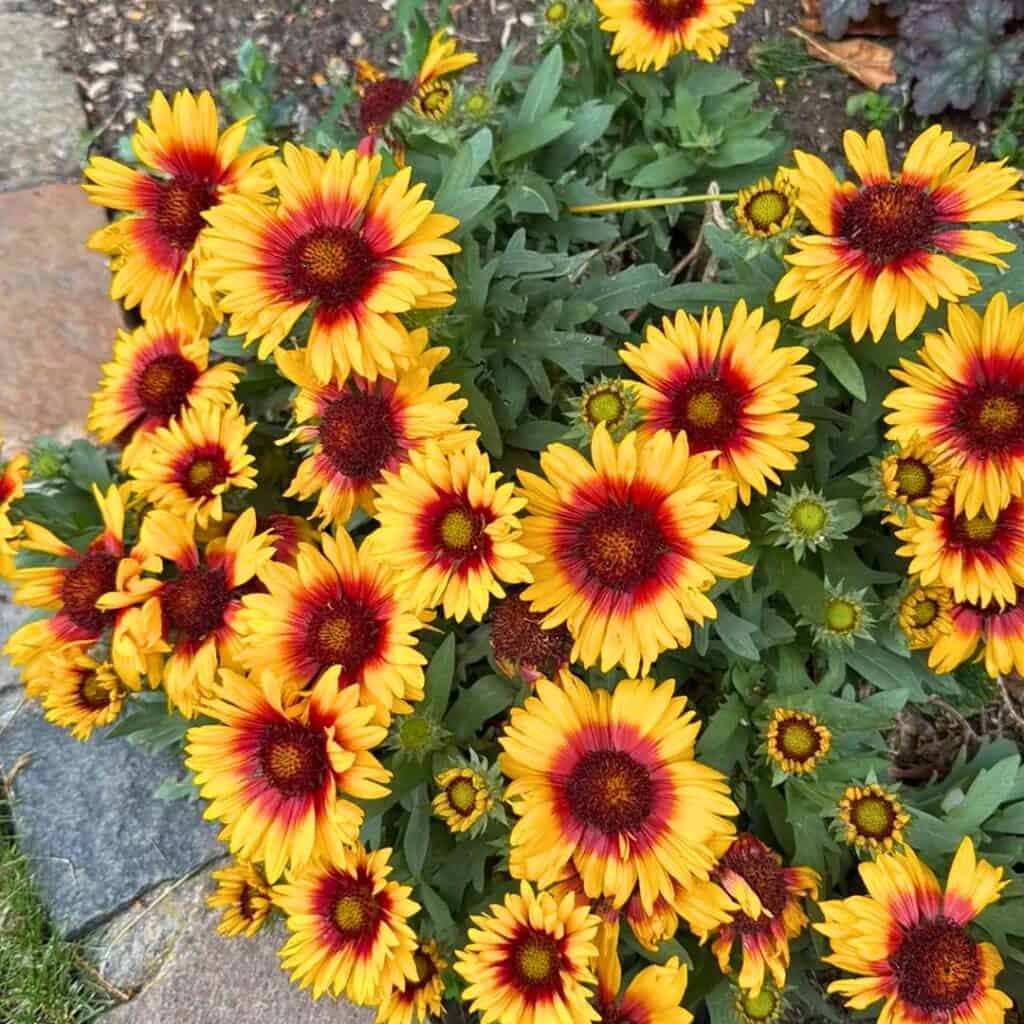
Blanket Flowers always brighten up my garden with their warm red, orange, and yellow petals. They remind me of summer sunsets and keep the color going for months.
These thrive in full sun and barely need any care. I plant them in well-drained soil and only bother watering when the weather’s super dry. They’re seriously tough when it comes to heat and drought.
I love that Blanket Flowers bloom from early summer all the way into fall. If I deadhead the spent blooms, I get even more flowers—easy win.
They grow about 12 to 24 inches tall, which is just right for borders or mixed beds. I like planting them near walkways so their colors really pop.
Blanket Flowers also bring in bees and butterflies, making the garden feel alive. It’s fun to watch all the pollinators stop by.
Since they’re hardy and low maintenance, I don’t stress about pests or diseases. I just cut them back in late fall or early spring and they bounce back every year.
If you want a no-fuss, sun-loving perennial, Blanket Flowers are a solid choice. They give you long-lasting color with almost no effort.
3) Russian Sage
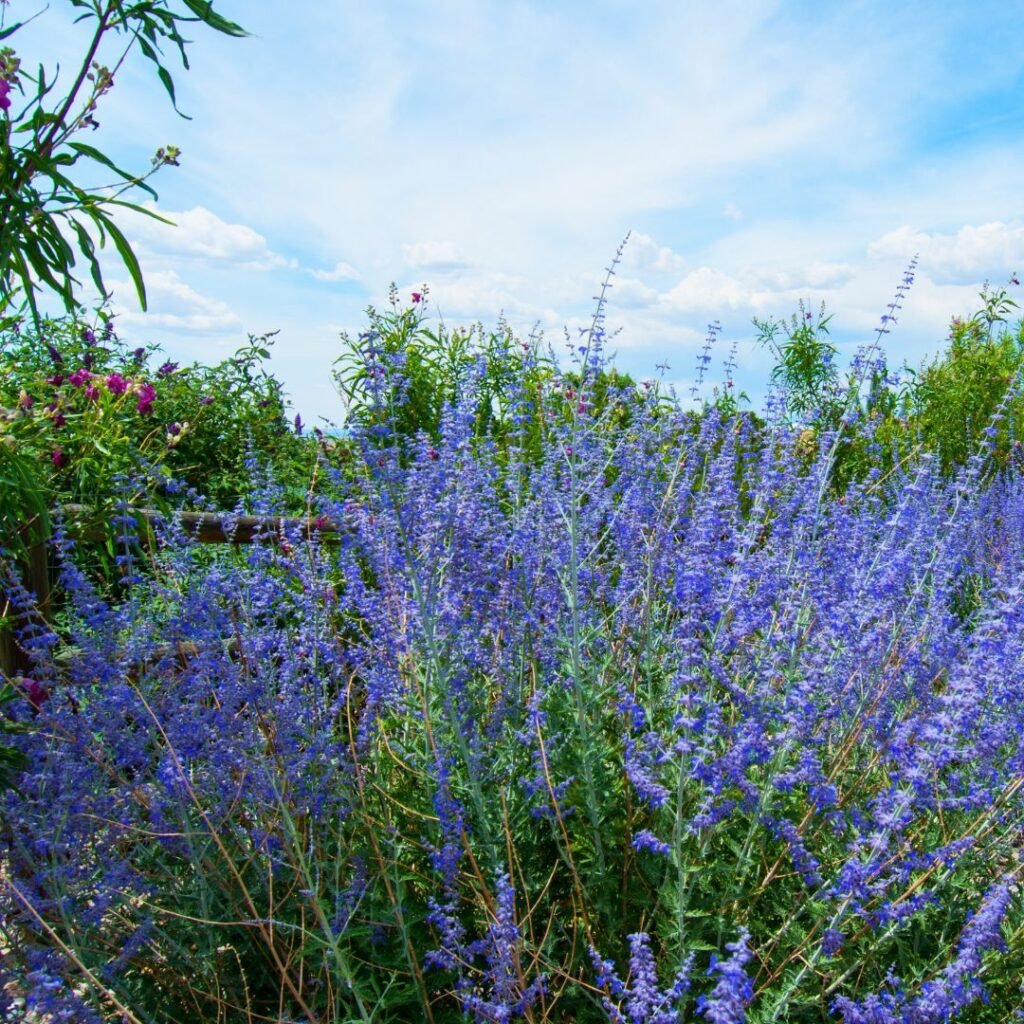
Russian Sage is honestly one of the easiest plants I’ve grown in full sun. It thrives in hot, dry spots where other plants just wilt. The tall, silvery stems and soft purple flowers bring great color and texture all summer.
This plant shrugs off drought. Once it’s settled in, I barely water it. As long as the soil drains well, it’s happy.
I give it a trim in early spring to keep things tidy and encourage new growth. By mid-summer, it’s looking fresh again.
Bees and butterflies can’t resist the blooms, which makes the garden feel lively. It’s nice knowing I’m helping out pollinators too.
Russian Sage is happiest in full sun and doesn’t care much about soil quality. No fertilizer needed, which is a relief.
I sometimes plant it near walkways or fences so the airy flowers can sway in the breeze. The silver-green leaves look cool next to darker plants.
If I want a low-maintenance garden with lots of color, Russian Sage always makes the list. It holds up through heat and even into early fall.
It’s just a dependable, hardy plant—perfect if you want beauty without the hassle.
4) Black-eyed Susan
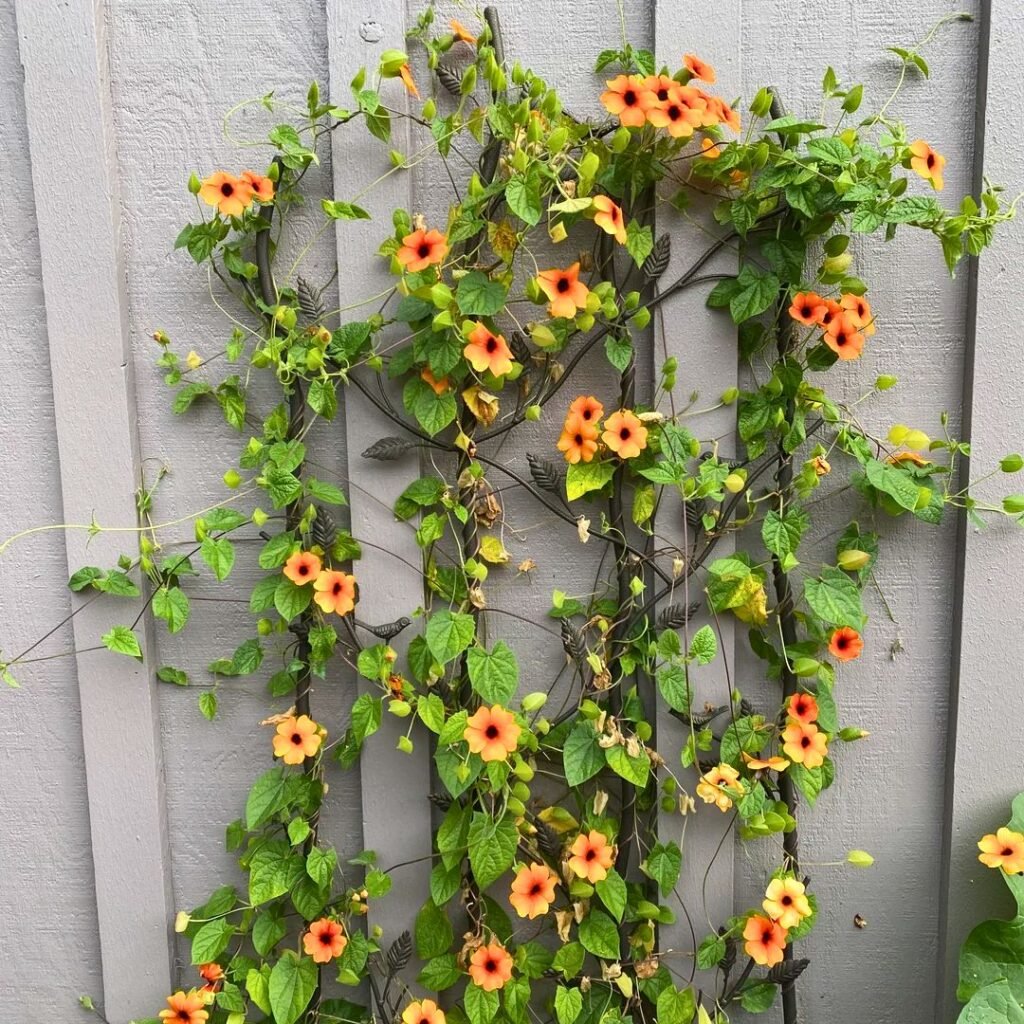
Black-eyed Susans are like little bursts of sunshine with their golden-yellow petals and dark centers. They bloom from midsummer to early fall and always brighten things up, even on cloudy days.
I find them super easy to grow. They love full sun and handle heat well. Once they’re settled, they only need a bit of water now and then, which is great for those of us who forget.
They adapt to just about any soil, even the not-so-great stuff. I like that they don’t fuss about fertilizer or special care.
These perennials attract all sorts of pollinators—bees, butterflies, you name it. It’s fun watching the garden buzz with life when they’re blooming.
I usually use Black-eyed Susans in borders or mixed beds. They look great with purple coneflowers or grasses. Their tall stems and bright color stand out without taking over.
After they’re done blooming, I leave the seed heads for the birds. They snack on them through winter, and the dried shapes add some interest when everything else is bare. In spring, I just trim them back.
They’re super low-maintenance and resist most pests and diseases. Dividing them every few years keeps them healthy and full.
If you want a sun-loving perennial that’s reliable and easy, Black-eyed Susans are hard to beat. They bring long-lasting color, attract wildlife, and really don’t ask for much.
5) Sedum Autumn Joy
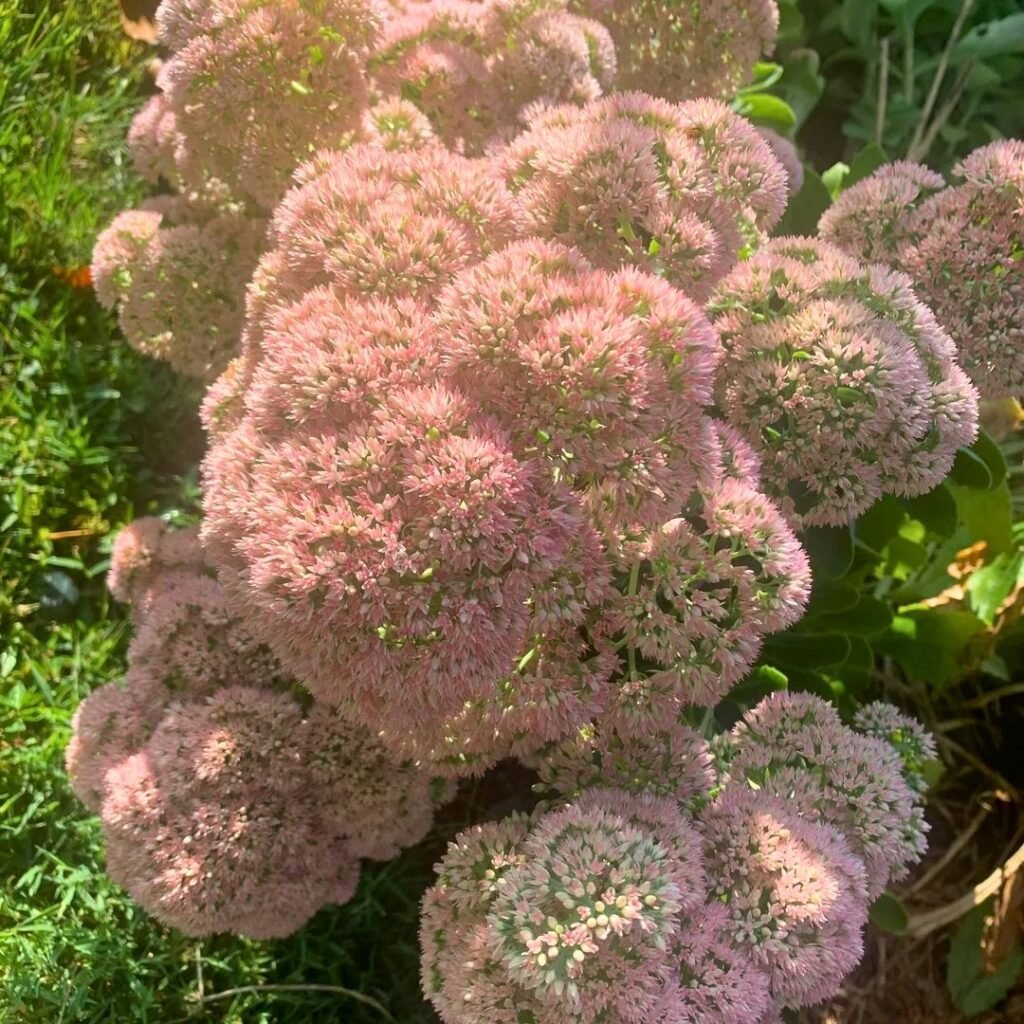
Sedum Autumn Joy is one of those plants that just does its thing with almost no help. It thrives in full sun and poor soil, which is perfect if you’re not into fussing over your garden.
The plant starts out with thick, fleshy leaves that store water, so I rarely need to water it. In late summer, clusters of pink flowers show up and slowly turn a deep rusty red as fall rolls in.
Bees and butterflies seem to love it. I enjoy sitting back and just watching the pollinators come and go.
Sedum Autumn Joy grows upright and stays pretty tidy, so I hardly ever need to prune. I just cut the stems back in early spring for new growth.
This plant laughs at heat, drought, and poor soil. Even after frost, the dried flower heads look cool and add texture through winter.
I like putting it in borders, rock gardens, or containers. It pairs nicely with grasses or other sun-lovers.
If I forget to water, it doesn’t care. That’s a big reason I think Sedum Autumn Joy is one of the easiest perennials around.
Every year, it comes back a little stronger and spreads slowly, but it never takes over. Dividing it now and then gives me more plants to share or fill in empty spots.
With its long bloom time and simple care, Sedum Autumn Joy gives lasting color without making you work for it. It’s a dependable, cheerful choice for any low-maintenance garden.
6) Daylilies
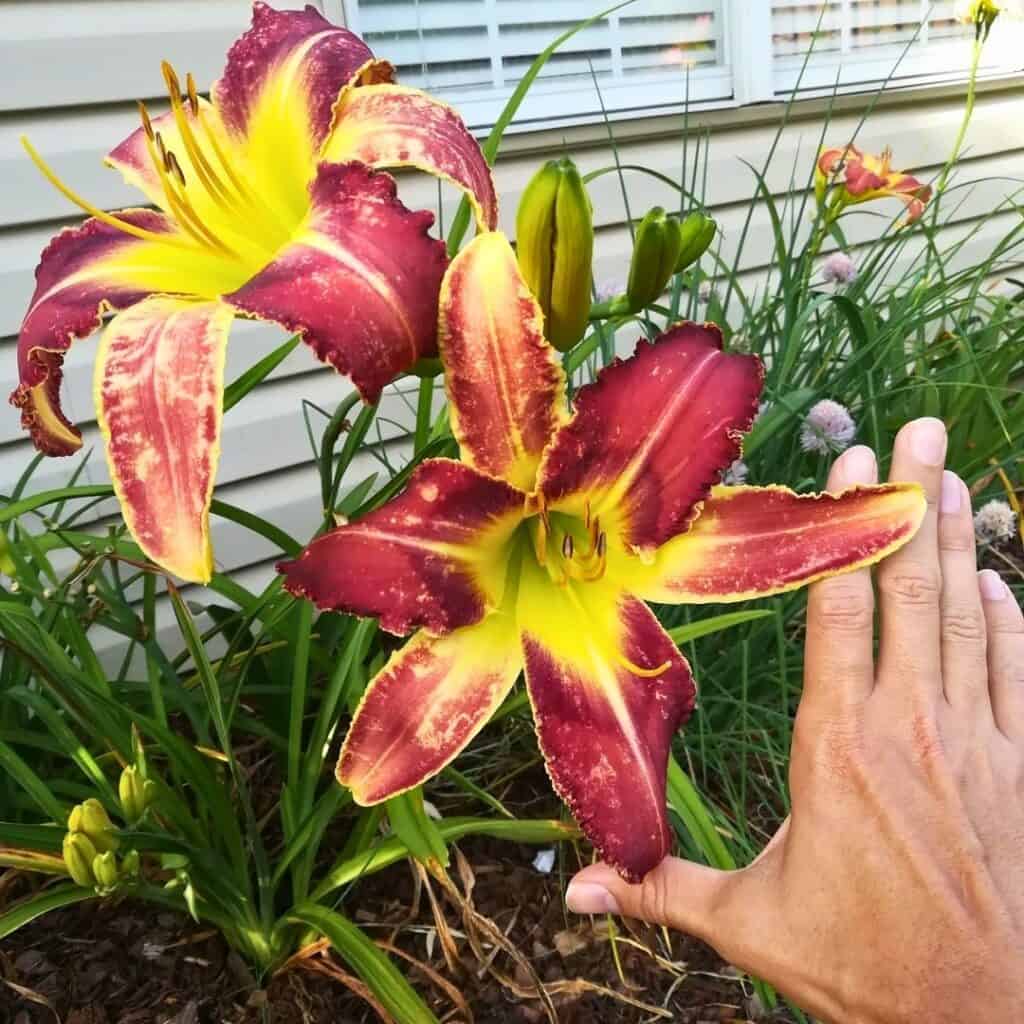
Daylilies are just so easy. They bring bright color and barely need anything from me. These tough perennials love full sun and can handle all sorts of soil.
Once they’re in, they show up every year with almost no attention. Each bloom lasts only a day, but new buds open daily, so the color keeps coming for weeks.
Even if I forget to water, they keep chugging along. They do best in well-drained soil and just need a deep drink once a week if it’s really dry. Otherwise, I mostly leave them alone.
I love how many colors and sizes there are—soft yellows, deep reds, even purples. They mix well with other perennials or make a great border.
To keep things tidy, I just remove old flower stalks and trim dead leaves. That’s about it. They rarely get pests or diseases, so they’re super reliable.
When I want to fill a big area fast, I divide my daylilies every few years. It keeps them healthy and gives me more plants for free. Expanding the garden doesn’t get much easier than that.
If you’re after a low-maintenance, sun-loving flower, daylilies are always a safe bet. They’re beautiful, tough, and really forgiving.
7) Coreopsis
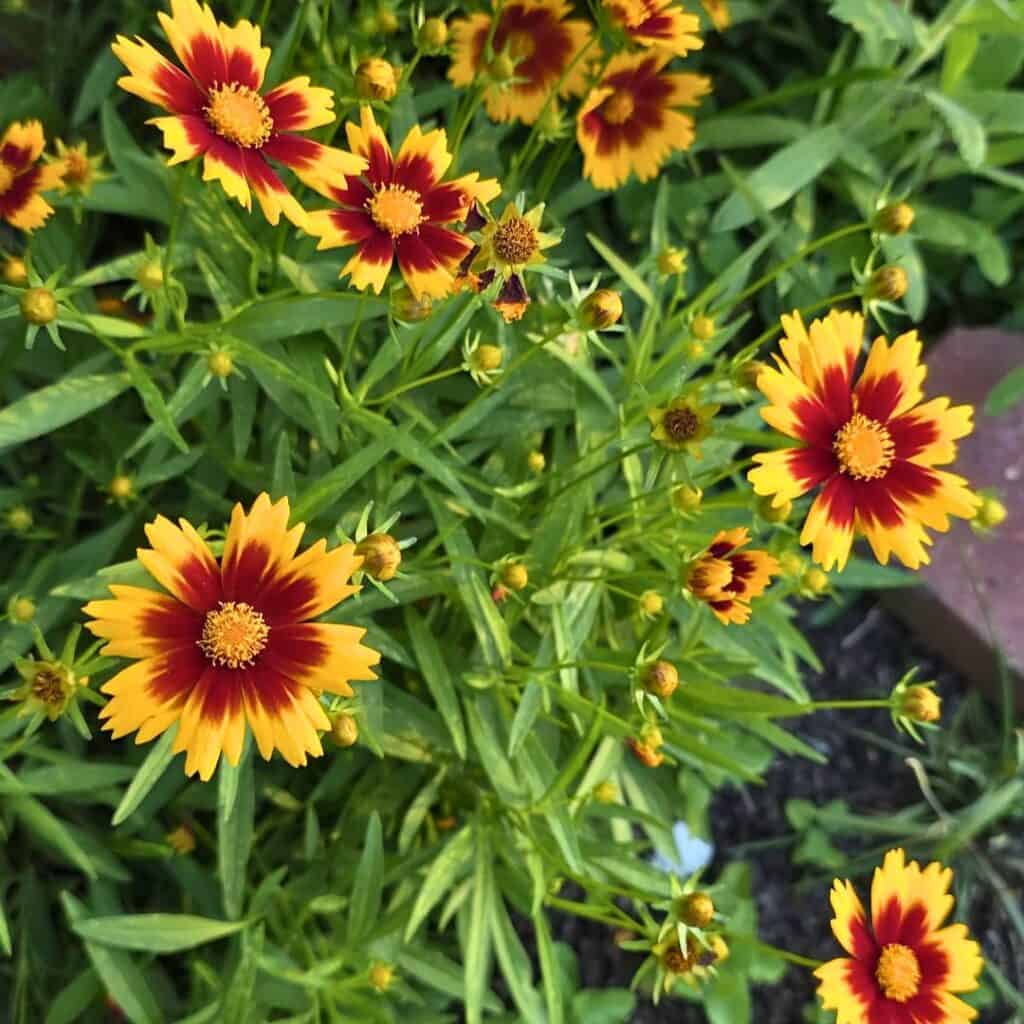
Coreopsis is honestly one of the easiest flowers I’ve grown in full sun. It blooms for ages and keeps my garden bright with yellow, pink, or red flowers.
The plants stay neat and don’t need much fuss once they’re settled. These perennials handle heat and drought like pros, making them perfect for those sunny spots that bake in summer.
I only water when the soil gets dry, and they bounce right back after hot days. They’re not picky about soil either—no need for fancy fertilizer.
I like that Coreopsis attracts bees and butterflies. The flowers bring the garden to life without extra work. When the blooms fade, I just snip off the old flowers and more keep coming.
Most varieties are about one to two feet tall, so they fit nicely in borders or containers. I like mixing them with coneflowers or black-eyed Susans for an easy, colorful combo.
In winter, I cut them back to the ground and they return strong in spring with fresh green leaves. Coreopsis is hardy and reliable, which is why it’s one of my favorites for a no-fuss garden.
8) Gaillardia
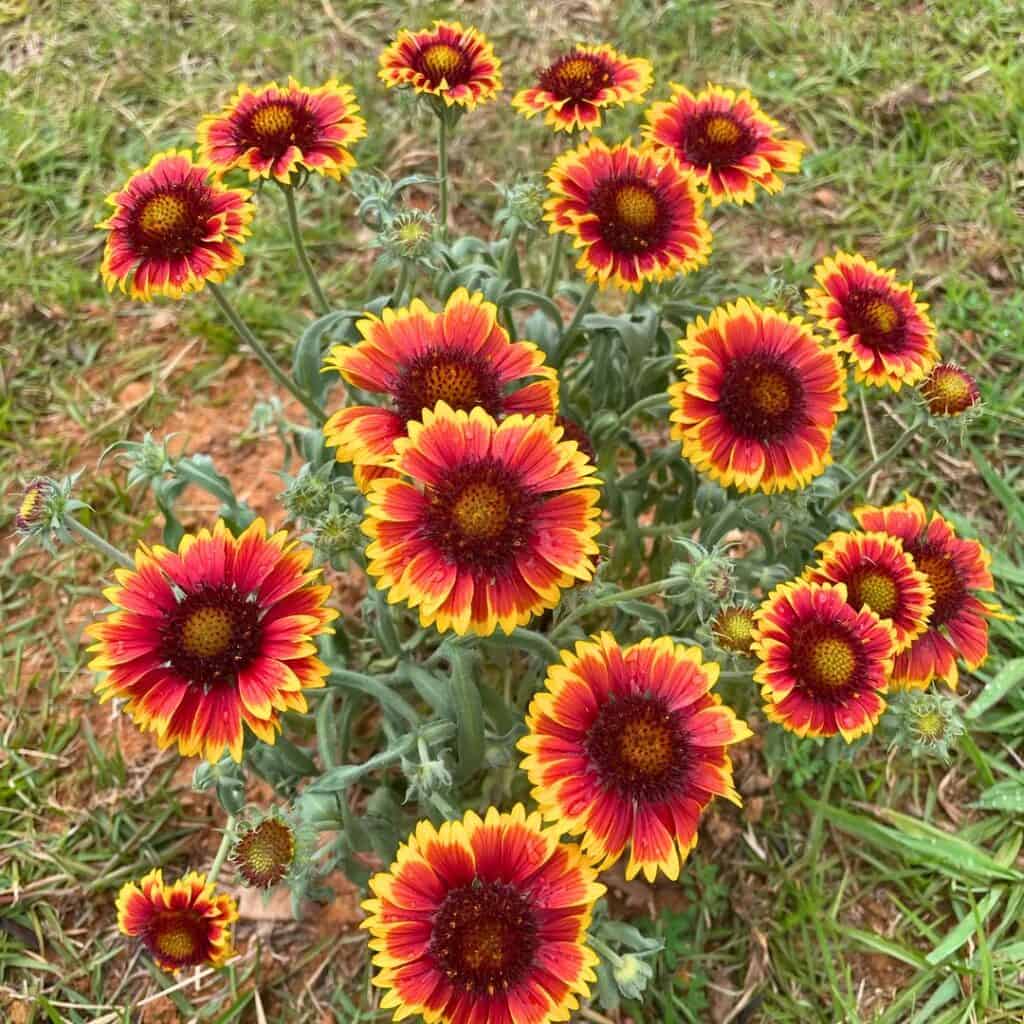
Gaillardia, or Blanket Flower, is all about bold color with zero hassle. The bright red, orange, and yellow petals look like sunshine—seriously, they pop in any garden.
It loves full sun and doesn’t care if the soil isn’t great. I’ve found it does best in well-drained ground and holds up even in dry spots where other flowers struggle.
Gaillardia keeps blooming from early summer through fall. The flowers attract bees and butterflies, so my yard is always buzzing.
Once it’s established, it barely needs watering. I only give it a drink during long dry spells. It also shrugs off most pests and diseases, so I don’t have to worry much.
I sometimes deadhead old blooms to encourage new ones, but honestly, even if I skip it, the plant still looks good. It stays neat and doesn’t go wild.
I’ve seen Gaillardia work well in borders, rock gardens, and containers. Its cheerful colors mix easily with other sun-lovers like coreopsis or coneflowers.
If I want easy color all season, I always make space for Gaillardia. It’s one of those flowers that gives a lot back for very little effort.
9) Yarrow
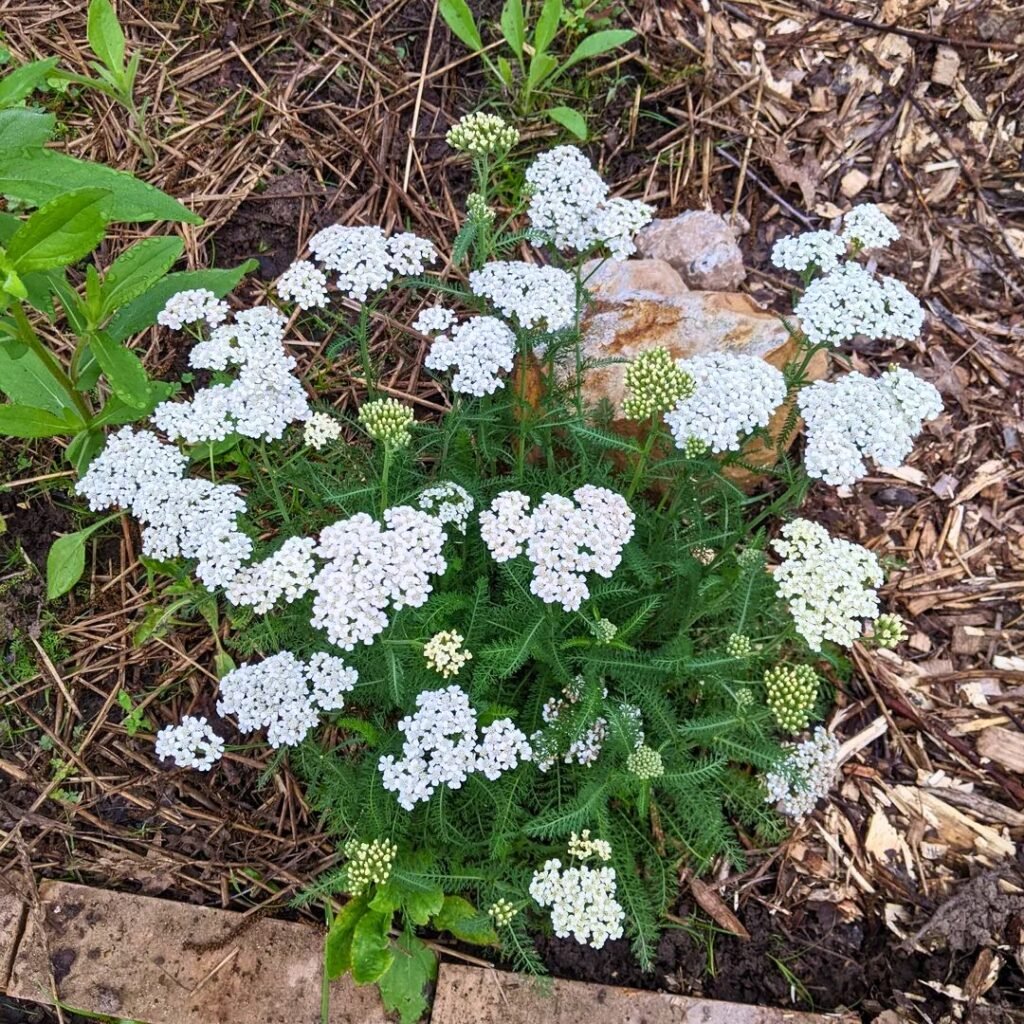
I’ve got a soft spot for Yarrow—it’s honestly one of the easiest perennials I’ve ever grown in full sun. Hot, dry spots? Yarrow doesn’t even flinch. Once it’s settled in, I barely have to water it, which is a huge plus in my book.
The plant’s got these feathery leaves and flat clusters of tiny flowers that pop up from early summer right through fall. The colors are all over the place—yellow, pink, white, red—you name it.
Butterflies and bees seem to love it, so there’s always a bit of a buzz around my garden when it’s blooming. Makes the whole place feel more alive, honestly.
Yarrow’s happiest in well-drained soil. Soggy ground? Nope, it’s not a fan. I’m careful not to overdo it with the watering, and even poor soil doesn’t faze it much. That’s perfect for me since I don’t want to fuss over finicky plants.
When the flowers start looking tired, I just snip them back. That little bit of cleanup often brings on another round of blooms later in the season. Every few years, I’ll divide the clumps—keeps things tidy and stops it from taking over.
What really wins me over is how tough and reliable Yarrow is. Deer and rabbits don’t seem interested, and drought barely slows it down. If you’re after something bright and laid-back, this is a no-brainer.
I like mixing Yarrow with other sun-lovers like Black-eyed Susans or Coreopsis. The different shapes and colors together just work. It fills those sunny spots with color and barely asks for anything in return.
10) Catmint

I’ve got a real appreciation for Catmint—it’s just so easygoing in full sun. Hot, dry patches where other flowers droop? Catmint’s thriving. Once it’s settled, I barely have to think about watering or fussing.
The soft purple-blue blooms show up from late spring through summer, and they really draw in bees and butterflies. There’s a subtle minty scent too, which is surprisingly refreshing every time I walk by.
Catmint’s got those silvery-green leaves that always look tidy, and it grows in a low, rounded mound. I like planting it along borders or paths, and it pairs up nicely with roses, coneflowers, or any sun-loving perennial, really.
To keep things looking sharp, I just trim the flowers after the first bloom. That usually gets me more blossoms later. No need for heavy feeding—just decent soil and lots of sun, and it’s happy.
Because it’s drought-tolerant and deer-resistant, I never have to worry about it getting chewed up or wilting. It’s tough but still manages to look good.
If I want a plant that keeps the color going all season and basically takes care of itself, Catmint’s at the top of my list. It’s steady, draws pollinators, and keeps my sunny spots lively—what more could you want?
11) Lantana

Lantana is just one of those plants that throws color around with zero effort. The little clusters of flowers come in yellow, orange, pink, red, and purple, sometimes all at once on the same plant. It’s like a party in the garden.
It loves full sun and hot weather. Watering? Not much of an issue once it’s established—Lantana shrugs off drought. I just stick it in well-drained soil and let it go.
One of my favorite things is how Lantana attracts butterflies and hummingbirds. There’s always some action around it, which makes the garden feel extra lively.
I’ll give it a light trim to keep it neat and encourage more blooms, but honestly, if I skip it, the plant still looks great and keeps flowering all summer and into fall.
Down south, it can stay evergreen all year. Up north, it might die back in winter, but it usually bounces right back when the weather warms up.
I like using Lantana in containers, borders, or as ground cover. It spreads just enough without getting out of hand, and the bright flowers really pop against the green foliage.
For me, Lantana is a colorful, easy pick that keeps the garden looking cheerful without demanding much time.
12) Lamb’s Ear
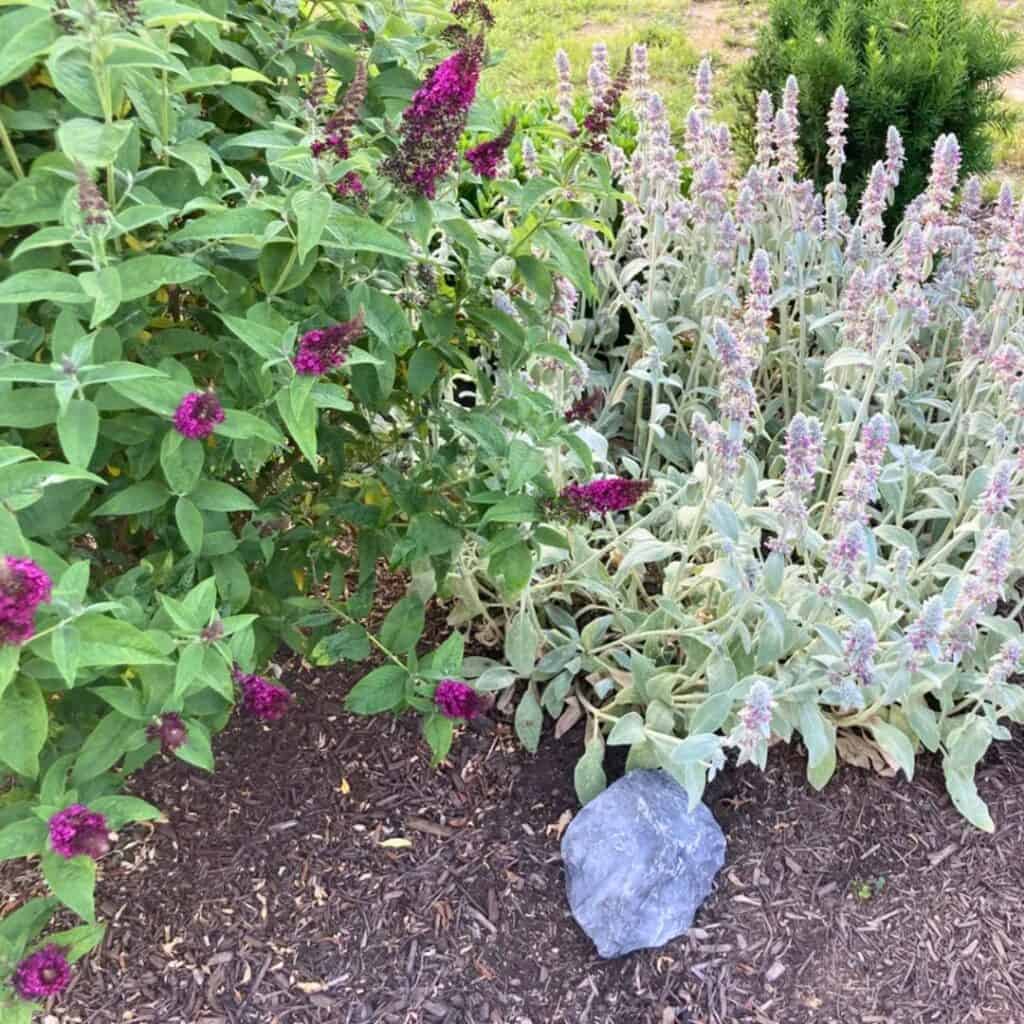
Lamb’s Ear is one of those plants that just begs to be touched—those soft, silvery leaves really do look like lamb ears. It’s a fun one to show off to visitors.
It does best in full sun and likes its soil on the dry side. I don’t water it much, since too much moisture can make the leaves rot. Letting the soil dry out between waterings seems to keep it happy.
Lamb’s Ear spreads out slowly, forming a nice, tidy ground cover. I like tucking it between taller flowers or along the edge of borders. It helps crowd out weeds and gives the garden a clean, textured look.
In the summer, it’ll send up small purple or pink flowers on tall stems. Sometimes I trim the blooms to keep the foliage looking neat, but the bees and butterflies love them, so I often just let them be.
It stays good-looking all season, even when the weather gets hot. The leaves keep their color and that soft texture, so it’s reliable for sunny spots.
If it starts to spread too much, I just dig up and split the clumps every few years. It’s easy to move around or share with friends.
Since it’s low maintenance and drought tolerant, Lamb’s Ear fits right into my easy-care garden plans. It looks great with Black-eyed Susans and Coreopsis for a bright, balanced combo.
13) Bee Balm

Bee Balm is a favorite of mine for adding bold color and a burst of pollinator activity—without much effort at all. Flowers come in reds, pinks, purples, and whites, so there’s always something eye-catching going on.
It loves full sun and does best in well-drained soil. I try to make sure it gets at least six hours of light a day, and once it’s established, it doesn’t mind a bit of drought.
Since Bee Balm is in the mint family, it spreads pretty easily. Every few years, I divide the clumps to keep things healthy and stop it from taking over. That quick job keeps the blooms coming and the plant looking tidy.
All summer long, I see bees, butterflies, and hummingbirds hanging around the flowers. Their visits really make the garden feel alive.
I remove faded blooms to encourage more flowers and help prevent mildew. Watering at the base keeps the leaves dry, which also helps with disease.
Bee Balm usually grows 2 to 4 feet tall, depending on the variety. I like planting it in the middle of beds so it stands out but doesn’t overshadow smaller plants.
Even after the blooms are done, the seed heads add some nice texture. Sometimes I leave them through fall for a more natural look and for the birds.
Bee Balm is such an easy way to bring color and wildlife to a sunny garden. If you want a perennial that keeps on giving, this one’s a solid choice.
14) Shasta Daisy

Shasta Daisies always make me smile with their crisp white petals and sunny yellow centers. There’s something classic and cheerful about them that just works in any garden.
They do best in full sun and well-drained soil. I’ve noticed they handle heat and the occasional dry spell without much fuss. Once they’re settled, they don’t need much from me.
I like planting them in groups so they create neat patches of blooms. Each plant reaches about 2 to 3 feet tall, which makes them easy to mix in with other flowers.
To keep the show going, I remove faded flowers every week or so. That little bit of upkeep brings on more buds and keeps things looking fresh.
Shasta Daisies come back strong every year in my garden. Every few years, I divide them to prevent crowding and get extra plants for free.
They’re also fantastic as cut flowers. I often snip a few stems to bring inside—they last a long time and brighten up the house.
If you’re after a low-maintenance flower for sunny spots, Shasta Daisies are a reliable pick. They keep blooming from early summer through fall with hardly any effort.
15) Salvia
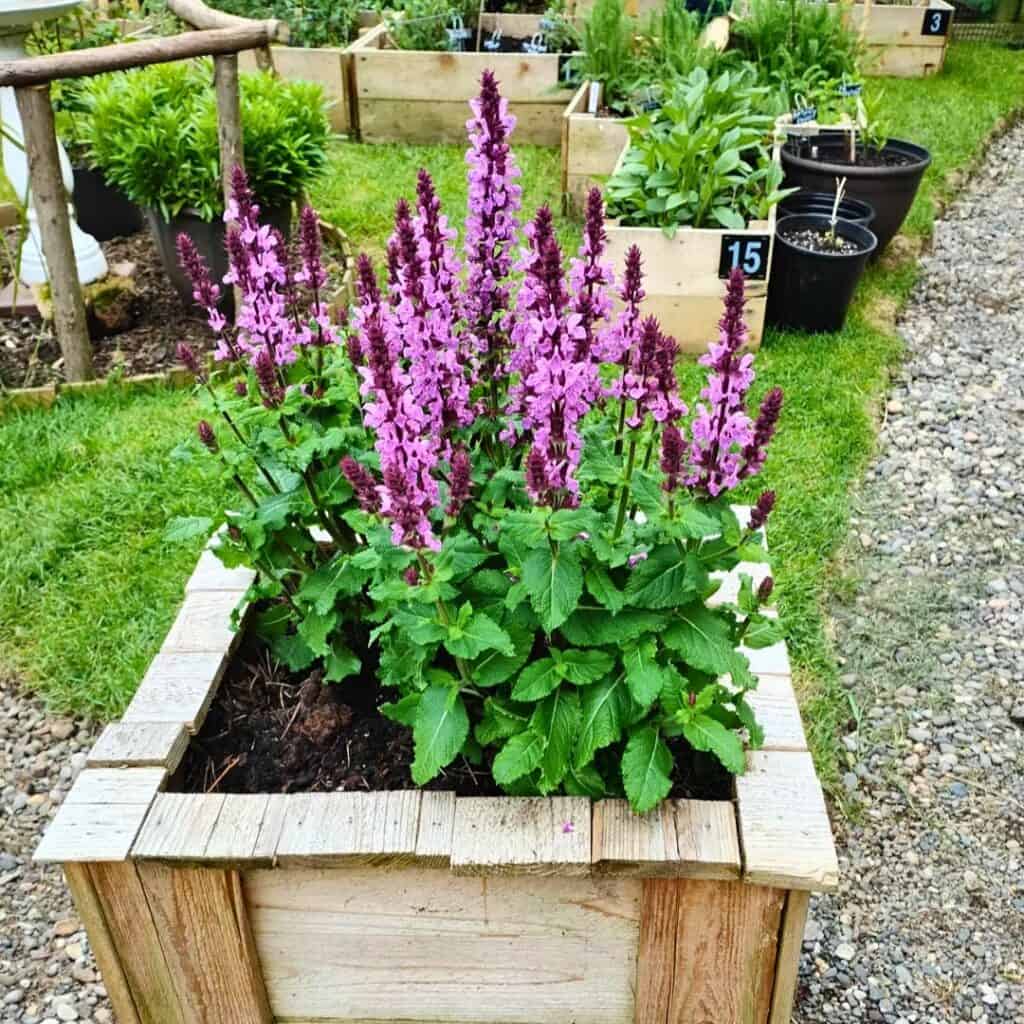
Salvia is one of those plants that just brings the color and keeps the pollinators coming—with almost no work on my end. It thrives in full sun and doesn’t mind dry soil, which is perfect if you’re not into constant watering.
Blooms come in purple, blue, red, and pink, depending on the variety. The tall flower spikes look neat in any bed, and I find they mix really well with coneflowers or black-eyed Susans.
Once it’s going, Salvia needs very little water—I only give it a drink during long dry spells. It’s also not bothered by deer or rabbits, which is a relief.
After the first round of flowers, I like to cut back the stalks. That usually brings on another flush of blooms later in the season. It’s a quick job and keeps things looking sharp.
Salvia prefers well-drained soil. I make sure the ground isn’t soggy, since too much water can cause root rot. A sunny, dry spot is ideal.
These plants can last for years with barely any care. I divide them now and then to keep them healthy and fill out other parts of the yard.
If I want a reliable, long-blooming display, I go for varieties like ‘May Night’ or ‘Caradonna’—the deep purple flowers really stand out.
Salvia brings in bees, butterflies, and hummingbirds, so there’s always something to watch. I love seeing the garden buzzing with life.
With their easy-going nature and bold color, Salvia plants are definitely one of my favorite no-fuss perennials for sunny spots.
How to Care for Low Maintenance Full Sun Perennials
To keep my sun-loving perennials happy, I stick to the basics—good watering habits, healthy soil, and a bit of trimming. These simple routines help the plants stay strong, bloom longer, and look tidy without much work.
Watering Tips for Sun-Loving Perennials
I water my perennials deeply but not too often. That encourages the roots to grow down and makes the plants more drought-tolerant. Most full sun perennials seem to do well with about 1 inch of water per week, from rain or the hose.
Before watering, I check the soil. If the top couple inches are dry, it’s time to give them a drink. I always water at the base instead of over the leaves to help prevent disease.
Early morning is the best time for watering, since it lets the plants dry off before night. I also use mulch—a 2–3 inch layer of bark or straw keeps the soil moist and the roots cool.
| Tip | Benefit |
|---|---|
| Water early in the day | Prevents leaf disease |
| Water deeply, not often | Builds strong roots |
| Use mulch | Keeps soil moist longer |
Soil Preparation and Fertilizing
I always start with well-drained soil—most sun perennials hate sitting in water. If my soil feels heavy or sticky, I mix in some compost or coarse sand to help it drain better.
Before planting, I check the soil’s pH. Most perennials do best in a pH between 6.0 and 7.0. If it’s off, I’ll adjust with garden lime or sulfur.
I go easy on the fertilizer. Too much can make plants weak and reduce blooms. I use a slow-release balanced fertilizer just once in spring. Compost or worm castings work great if you prefer organic options.
Each year, I refresh the top layer of soil with a little compost. It keeps nutrients up and the soil texture nice.
Seasonal Pruning and Deadheading
I prune my perennials to keep things tidy and encourage new growth. Deadheading—snipping off faded flowers—helps the plant keep blooming instead of going to seed.
In spring, I trim away any dead or damaged stems left from winter. During summer, if something gets tall or leggy, I’ll pinch it back to keep the shape compact.
After flowering, I cut the plants back by about a third to encourage fresh growth. In fall, I only remove what looks unhealthy and leave some stems to protect the roots through winter.
Clean, sharp tools are a must—it helps avoid spreading disease. This bit of care keeps my garden neat and my perennials coming back strong.
Landscape Design Ideas for No-Fuss Flowers
I like to keep things bright and easy by choosing plants that thrive in full sun with hardly any work. Mixing colors and textures that get along well means I can enjoy the garden without constantly tending to it.
Creating Colorful Borders
I love designing colorful borders to frame my garden and give it a polished, finished look. I tend to go for low-maintenance perennials like black-eyed Susans, coreopsis, and salvia—they bloom for ages and bring in all sorts of pollinators.
To keep things lively, I usually plant in groups of three or five because it just feels more balanced to me. Mixing warm yellows and oranges with some cool purples or blues adds a nice burst of contrast.
I play around with different plant heights—tall ones in the back, shorter ones up front—to create a bit of depth. It’s a simple trick but makes the border look way more interesting.
I use mulch to cut down on weeds and keep the soil from drying out too fast. Honestly, it saves so much time and keeps everything looking tidy.
For the edges, I like lining the border with stone or metal edging. It keeps grass from creeping in, and it just looks neat.
| Height | Example Plants | Bloom Time |
|---|---|---|
| Tall | Echinacea, Shasta Daisy | Summer |
| Medium | Coreopsis, Blanket Flower | Late Spring–Fall |
| Short | Sedum, Creeping Phlox | Spring–Summer |
Pairing With Other Sun-Loving Plants
When planning, I pair no-fuss flowers with other sun-loving plants that have similar needs. It just makes watering and pruning so much easier.
I’m a fan of mixing perennials with ornamental grasses like blue fescue or feather reed grass. The movement and texture beside the flowers is just so good.
Succulents like sedum or hens and chicks are perfect too—they shrug off heat and dry spells.
To fill in bare spots, I add ground covers such as creeping thyme. They spread out slowly, block weeds, and don’t need much fussing over.
Grouping plants with the same water and sun needs means less maintenance overall.
For a bit more structure, I’ll tuck in small shrubs like lavender or dwarf butterfly bush. They bring height and fragrance, and honestly, they’re a breeze to care for.
Frequently Asked Questions
I’m always looking for perennials that can handle full sun and don’t need much attention. These are the ones that keep my garden colorful, survive the heat, and come back year after year.
What are some popular perennials that thrive in full sun?
I usually go for Purple Coneflower, Blanket Flower, and Black-eyed Susan. They really love the sun and put on a great show all summer.
Can you suggest perennials that require minimal care?
Sedum Autumn Joy and Russian Sage are top picks. I barely have to water or trim them, yet they always look good.
Which no-fuss flowers are best for a sunny garden?
Blanket Flower and Black-eyed Susan are hard to beat for easy growth. Even if I forget to water, they just keep blooming.
Are there any drought-tolerant perennials perfect for full sun exposure?
Absolutely—Russian Sage and Sedum Autumn Joy handle dry soil like champs. I’ve watched them power through the hottest, driest summers.
What low-maintenance plants can add color to my sunny landscape year after year?
Purple Coneflower and Blanket Flower always come back and bring loads of color. I barely have to do anything, and they still look fantastic.
Which full sun perennials have the longest blooming period?
I’ve noticed Black-eyed Susan and Blanket Flower bloom for months. Their long flowering season keeps my garden lively well into fall.
Note: Some images in the articles are sourced from Reddit and Other Platforms For Reference Purpose.