15 Full-Sun Perennial Flowers That Bloom Nonstop
There’s just something about a sunny garden bursting with color that makes me happy.
When I stumble on flowers that thrive in full sun and keep blooming, it really brings my outdoor space to life.
You can fill your garden with hardy, nonstop bloomers that handle heat and sunshine with ease.
I’ll share my favorite full-sun perennials for lasting color—from classic daisies to fragrant lavender and more. You’ll also find some easy care tips and a few design ideas to make every bloom pop.
Please note: Simplify Plants is reader-supported. As an Amazon Associate, I earn from qualifying purchases made by our readers with no extra cost added to you all! Some links in the post are affiliate links and I get a commission from purchases made through links in the post.
1) Black-eyed Susan
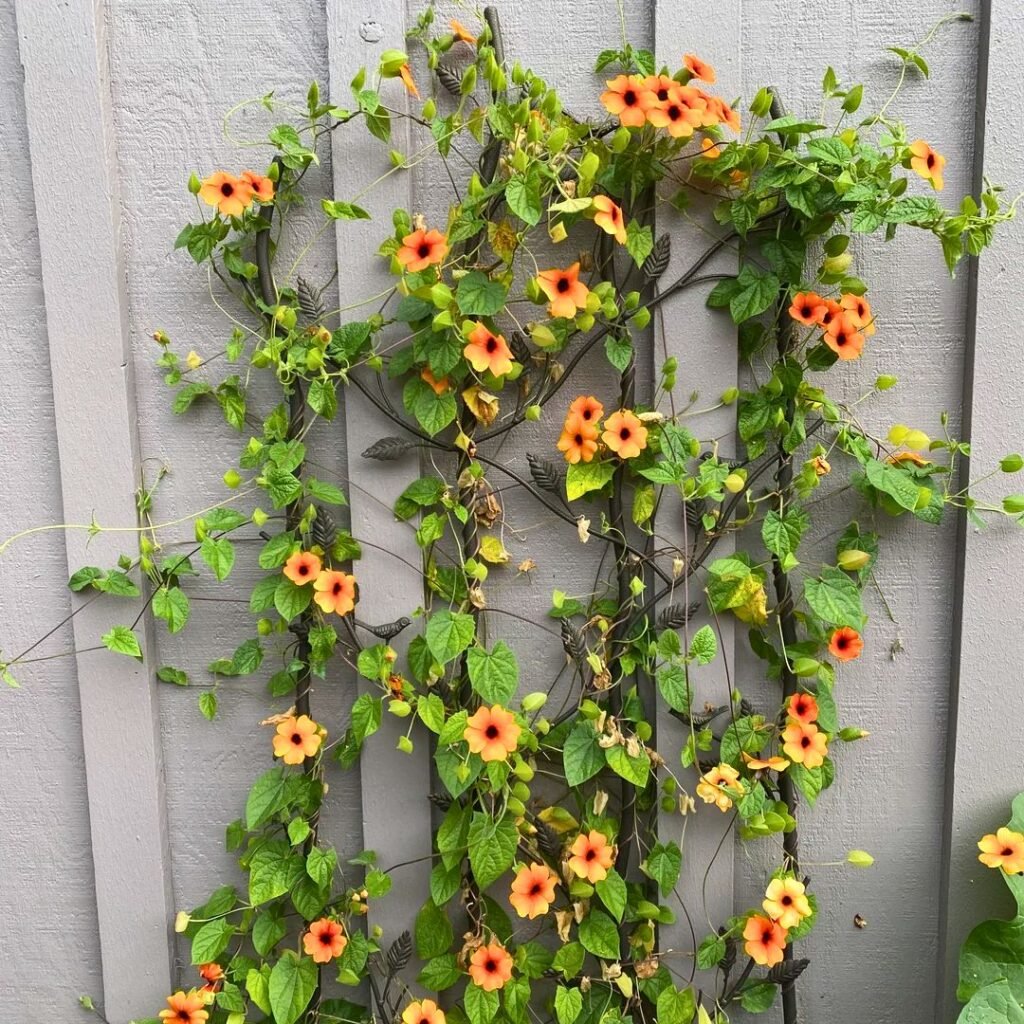
Black-eyed Susans always brighten up my garden all summer. Those bold yellow petals and dark centers? You can spot them from across the yard.
They thrive in full sun and don’t mind the heat at all. I usually give them at least six hours of sunlight, and honestly, once they’re settled in, they’re pretty low maintenance.
I’ve noticed they bring in butterflies and bees, which is a nice bonus. Their sturdy stems make them perfect for cut flower arrangements too.
They bloom from mid-summer to early fall, just when other plants start to wind down. I like pairing them with purple coneflowers or some ornamental grasses for contrast.
To keep things tidy, I snip off faded blooms every week or so. That little bit of effort seems to help them produce more flowers.
They reseed easily, so I spot new plants popping up each year. They’re tough, adaptable, and don’t fuss about poor soil, as long as it drains well.
Plus, they’re deer-resistant—which saves me a lot of headaches. I can plant them along the edge of my yard without any worries.
When fall comes, I leave a few seed heads for the birds. It adds a natural touch, and the local finches seem to appreciate the snack.
If you want a flower that’s cheerful, reliable, and doesn’t ask for much, Black-eyed Susans are always on my list.
2) Blanket Flower
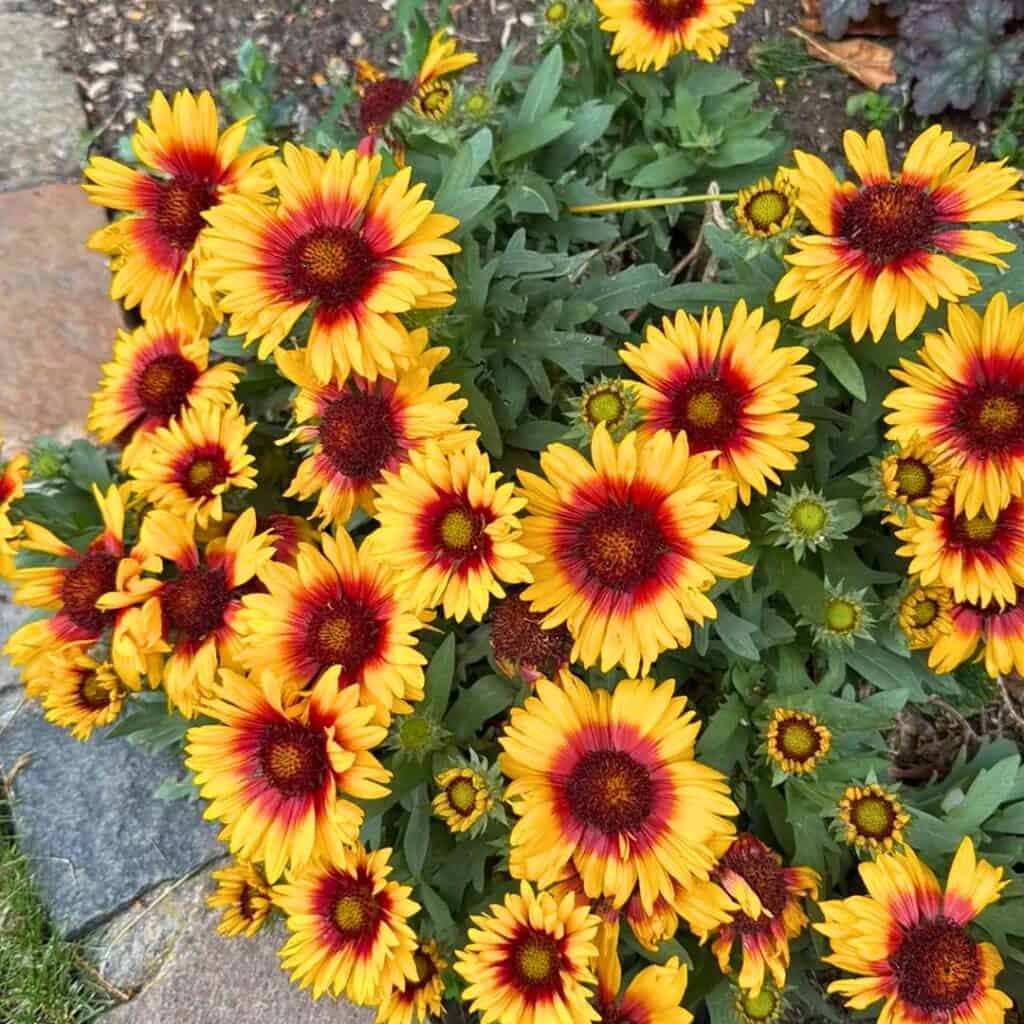
Blanket Flowers are like little bursts of sunshine in my garden. Their red, orange, and yellow petals just don’t quit, and they bloom for what feels like forever.
They love full sun and aren’t picky about dry soil or heat. I pick spots that get at least six hours of sun, and the more light, the better.
Even during those scorching midsummer days, they keep looking fresh. Bees and butterflies seem to love them as much as I do—they’re busy around these blooms all day.
They’re pretty hands-off. I water only when the soil dries out, and deadhead spent blooms to keep the flowers coming.
Blanket Flowers are happy in both garden beds and pots, as long as the soil drains well. I avoid overwatering since soggy roots are a no-go.
They’re great for cut flowers too. I love bringing a few stems indoors for a pop of color on my table.
If you want a tough, heat-loving plant with nonstop color, Blanket Flower is a solid pick.
3) Coreopsis
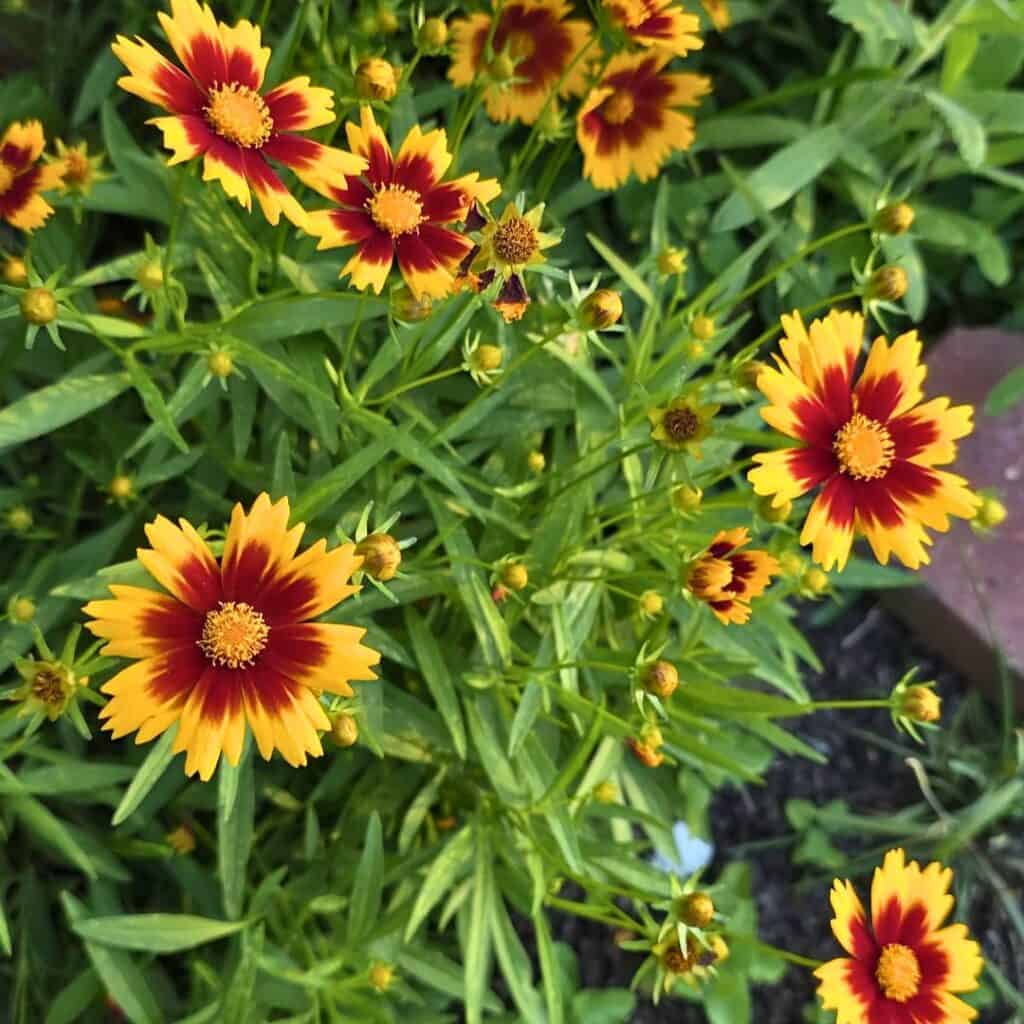
Coreopsis brings a splash of bright color to my garden all summer. The daisy-like flowers come in yellow, orange, pink, and red—so cheerful.
It really thrives in full sun and well-drained soil. I’ve found it’s more drought-tolerant than most, so I don’t have to fuss with watering much once it’s established.
I usually tuck Coreopsis into borders or mixed beds. It looks great with coneflowers, black-eyed Susans, and grasses—the tall stems give everything a light, airy vibe.
Deadheading spent blooms is worth it. A quick trim every few weeks and the color just keeps coming.
There are loads of varieties, but I’m partial to ‘Moonbeam’ for its soft yellow and ‘Zagreb’ for its neat, compact shape. Both bloom for months with minimal work.
Coreopsis makes sweet cut flowers too. I snip a few stems for a vase, and they brighten up the house for days.
They come back every year with barely any effort. I just do a quick spring cleanup and maybe add a little fertilizer.
If you’re after a low-maintenance, sun-loving flower, Coreopsis is hard to beat for steady color and pollinator appeal.
4) Gaillardia
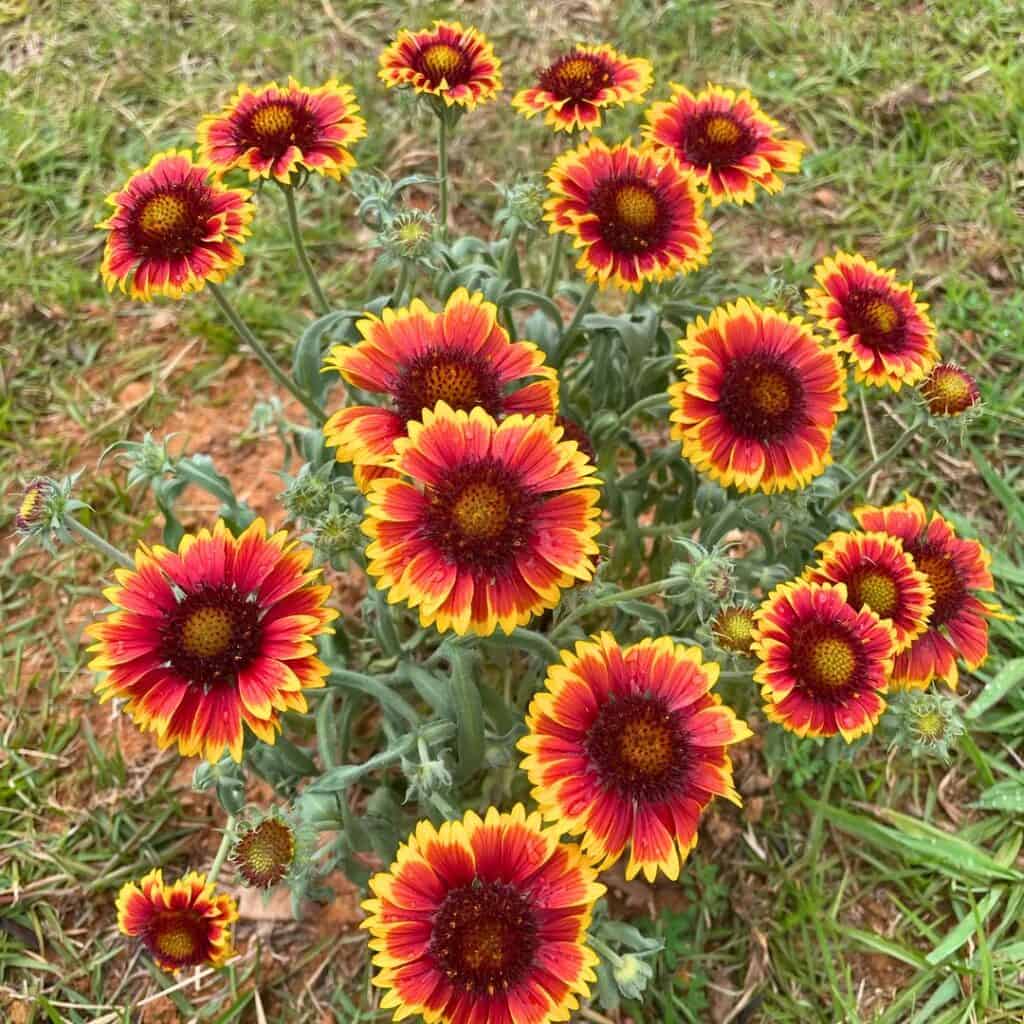
Growing Gaillardia always adds a punch of color to my garden. Those red, orange, and yellow petals look like a sunset that just won’t quit.
I plant Gaillardia in full sun, at least six hours a day. It loves well-drained soil and doesn’t ask for much water once it’s settled in.
It’s super drought-tolerant, which is a relief during dry spells. The plants stay a tidy 12 to 18 inches tall and don’t try to take over.
I use them along borders or mix them with other sun-lovers. Their bold colors make everything nearby pop.
Bees and butterflies are always visiting. I trim off faded flowers to keep new blooms coming.
Gaillardia works in containers too. I like having them on the patio to enjoy up close.
A bit of mulch helps the soil stay just moist enough, but I skip heavy watering—these roots like it dry. That’s part of why Gaillardia’s become a favorite for sunny spots.
Every year, I look forward to seeing those bright blooms return. They’re easy, colorful, and keep my garden lively all season.
5) Purple Coneflower

Purple Coneflowers are a must for me—they add bold color and draw pollinators all summer. The pinkish-purple petals with their spiky centers really stand out.
They’re happiest in full sun and well-drained soil. I’ve noticed they shrug off heat and dry spells better than most.
They bloom from early summer right through fall. The more I deadhead, the more flowers I get.
Bees and butterflies are constant visitors, and by late summer, goldfinches go for the seed heads. I leave a few stems up for the birds—it’s fun to watch them.
Purple Coneflowers grow about 2 to 4 feet tall, so they’re great for the middle or back of a bed. I like mixing them with black-eyed Susans or shasta daisies for a colorful display.
They return every year, usually bigger and better. Every few years, I divide the clumps to keep them healthy and spread them around.
If you want a no-fuss, long-blooming flower for sunny spots, Purple Coneflower is honestly one of the best.
6) Russian Sage
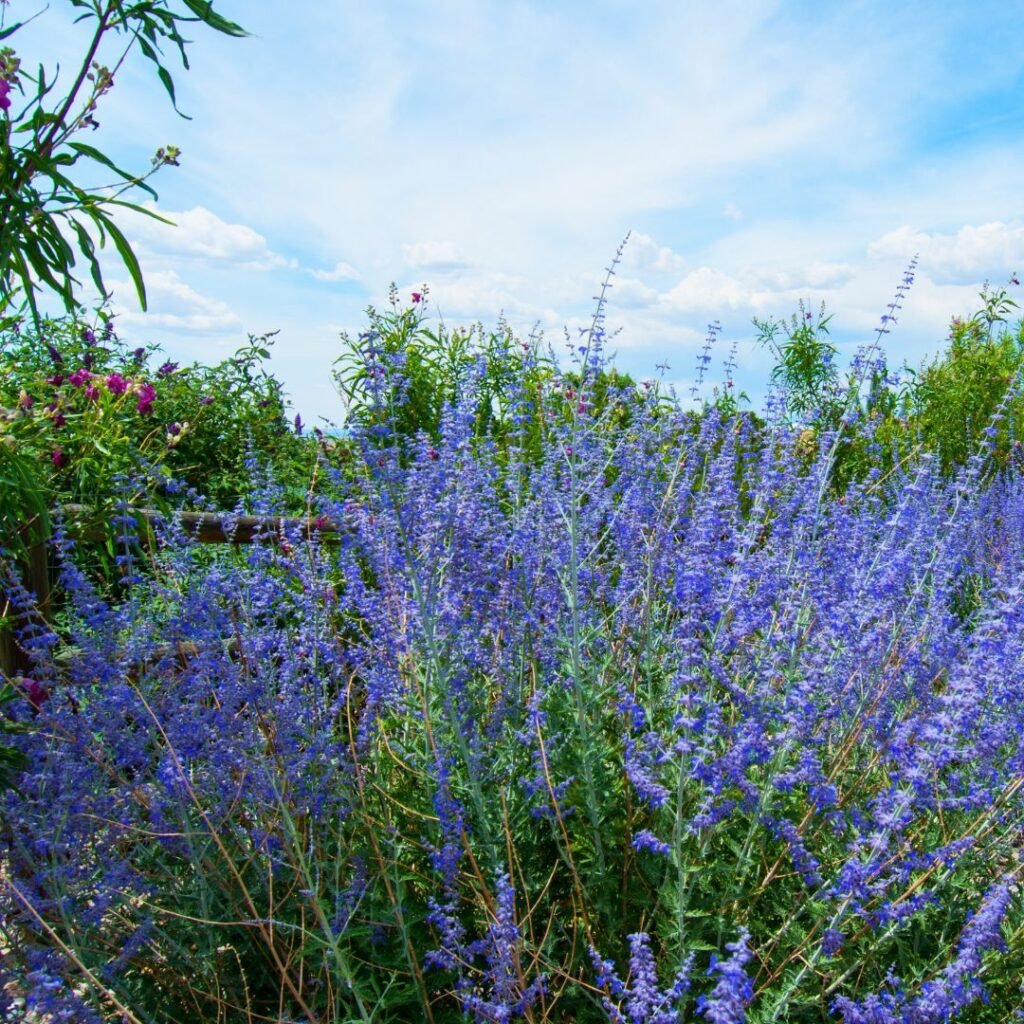
Russian Sage brings a soft, airy texture to my garden. The tall stems and silvery leaves look so pretty in full sun, and those tiny lavender-blue flowers bloom for weeks.
It thrives in hot, dry spots where other plants might give up. I plant it in well-drained soil and only water when the top inch feels dry.
It’s seriously drought-tolerant once established, so it’s a breeze during summer. I cut back the stems in early spring to keep things tidy, and the new growth fills in fast.
Bees and butterflies love the blooms, which always makes the garden feel more alive.
Russian Sage looks great with other sun-lovers like coneflowers or black-eyed Susans. The soft purple tones play nicely with yellows and pinks.
Even after the flowers are gone, the silvery foliage stays attractive. It adds interest through fall and contrasts well with greener plants.
For me, Russian Sage is one of the easiest, most rewarding perennials for full sun.
7) Sedum ‘Autumn Joy’
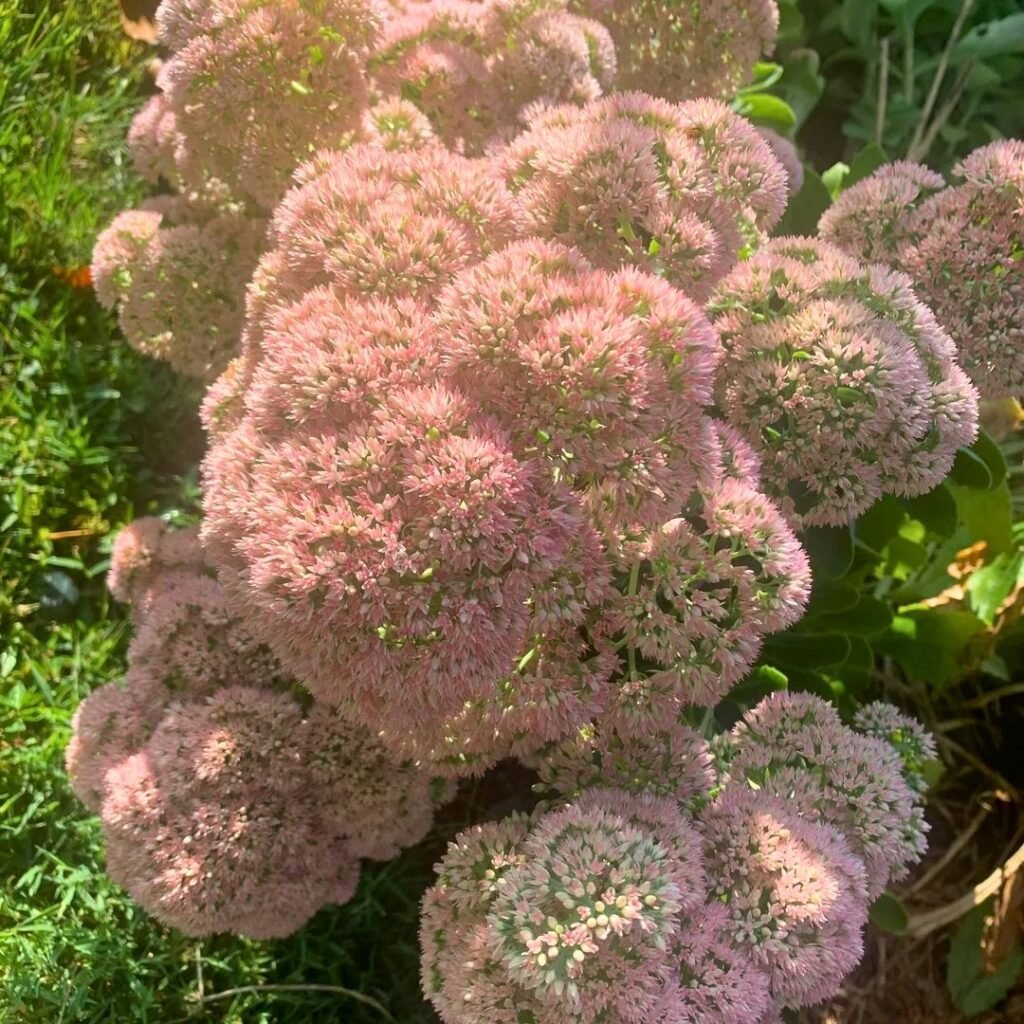
Sedum ‘Autumn Joy’ is a steady performer in my garden from summer into fall. It’s tough, thrives in full sun, and honestly doesn’t care if the soil’s a bit poor.
The thick, fleshy leaves store water, so it handles dry weather with ease. In late summer, clusters of pink flowers show up and gradually shift to a warm copper as the season changes.
Bees and butterflies are frequent visitors, which always adds a little excitement. I like planting it near walkways so I can see the pollinators up close.
Even when the blooms are done, the seed heads stick around and look good through winter. I leave them up for texture and to give the birds something to snack on.
Sedum ‘Autumn Joy’ likes well-drained soil and doesn’t want much fertilizer. Too much water or rich soil, and the stems might flop, so I keep things on the drier side.
Every few years, I divide the clumps in spring to keep them neat and get a few extras to share.
Whether it’s in a border, a rock garden, or a container, Sedum ‘Autumn Joy’ is one plant I can always count on for easy, reliable color.
8) Shasta Daisy

I just love how Shasta Daisies brighten up my garden. Their crisp white petals and sunny yellow centers always look so cheerful and fresh.
These perennials really do best in full sun and like well-drained soil. I try to plant them where they’ll soak up at least six hours of sunlight a day—any less, and they get tall and a bit floppy.
Deadheading spent blooms seems to keep them going longer through the summer. When I snip off the old flowers, new buds pop up pretty quickly, which means more blooms for me to enjoy.
Shasta Daisies usually reach about 2 to 3 feet tall, so they’re perfect for borders or right in the middle of a flower bed. Their sturdy stems help them stay upright, even when it’s windy or rainy.
Every few years, I divide my plants to keep them healthy and full. It’s also a nice way to get extra plants to spread around or give to friends.
They pair really well with coneflowers, black-eyed Susans, and lavender. That mix brings in more colors and textures, and honestly, it just keeps the garden lively all season.
One thing I really appreciate is how low-maintenance they are. Once they’re settled in, they don’t need much water or fertilizer—just decent drainage so the roots don’t rot.
Shasta Daisies attract bees and butterflies too, which helps pollinate the rest of my garden. Watching them flit around just adds another layer of life and movement.
When fall rolls in, I cut the stems back after the first frost. That helps them rest up and come back strong in the spring.
If you want a bright, reliable flower that loves the sun, I always suggest the Shasta Daisy. It’s easy to grow, always cheerful, and keeps the garden blooming for months.
9) Daylily
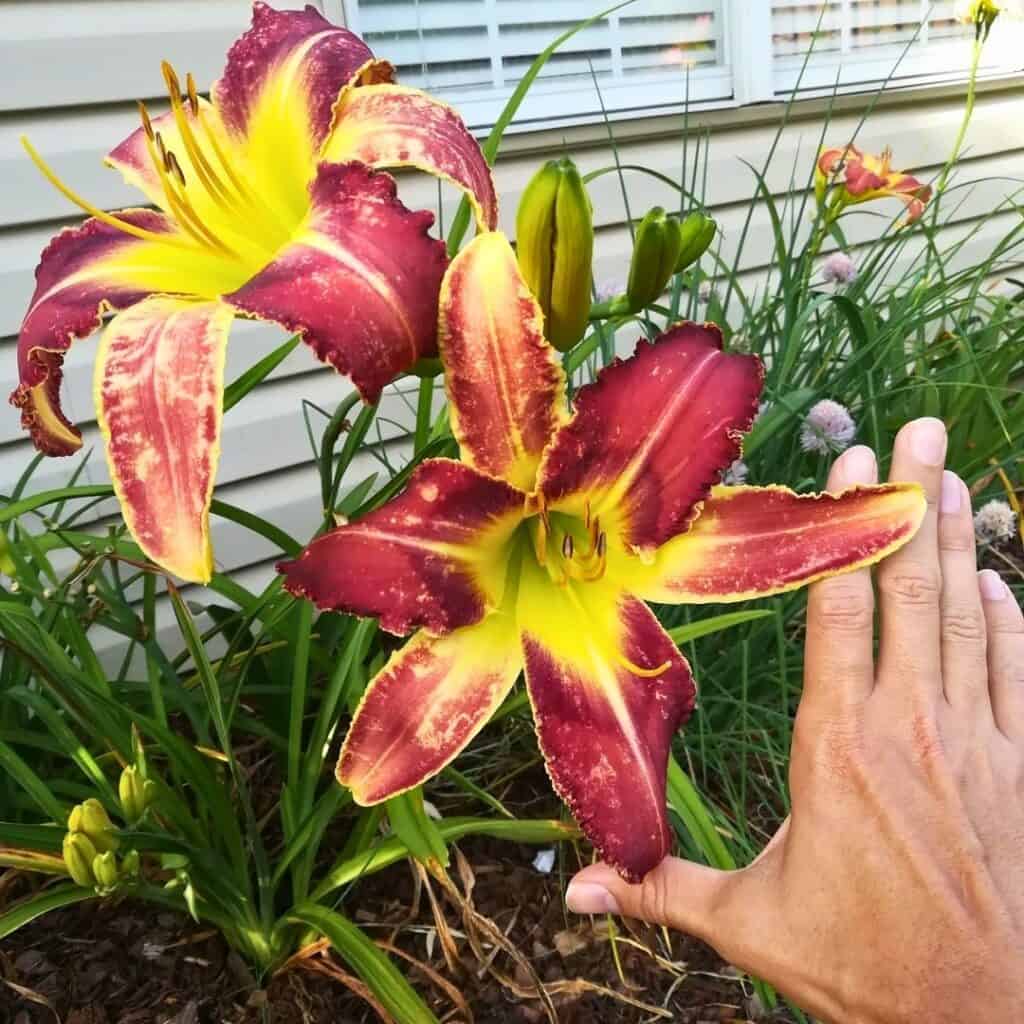
I can’t get enough of how daylilies add steady color to my garden all summer. These tough perennials thrive in full sun and handle heat, drought, and even poor soil better than a lot of other flowers.
Each bloom only lasts a day, but new buds keep opening, so there’s always fresh color. That constant rotation keeps them looking great week after week.
Daylilies come in so many colors—soft pastels, bright oranges, deep reds. I like mixing different varieties for a lively border that really pops.
They do best in well-drained soil and only need watering during long dry spells. I usually toss on a light mulch to keep the roots cool and cut down on weeds.
Every few years, I divide my daylilies to keep them blooming and healthy. It’s an easy way to get more plants for other spots in the yard.
They look great along fences, driveways, or walkways. The tall stems and arching leaves give my garden a tidy, full look with almost no effort.
I love that daylilies attract butterflies and bees. They’re perfect for a pollinator-friendly space and always seem to bring the garden to life.
Because they need so little care, I think of daylilies as my low-maintenance showpieces. They give me months of color and barely ask for anything in return.
10) Bee Balm

I grow Bee Balm mostly for its bright color and the sheer number of pollinators it attracts. The blooms come in red, pink, purple, and white, and they make my garden feel so lively all summer.
This plant loves full sun and well-drained soil. I make sure it gets at least six hours of light daily—otherwise, I’ve noticed fewer flowers and sometimes a bit of mildew on the leaves.
Bee Balm is a perennial, so it returns every year without much fuss. I trim back old stems in early spring, and dividing the clumps every few years helps keep things healthy.
I often spot bees, butterflies, and hummingbirds visiting the flowers. Watching them dart around the blooms is honestly half the fun of growing this plant.
Even when the flowers fade, the seed heads stick around and add some texture. I sometimes leave them through winter for a natural look and to feed the birds.
Depending on the variety, Bee Balm can reach 2 to 4 feet tall. I put taller ones at the back of beds and shorter ones up front—it helps balance things out.
During dry spells, I water regularly. Spacing the plants about 18 inches apart keeps the air moving and helps cut down on mildew.
If I want more Bee Balm, dividing the roots in spring or fall is super easy. It’s a quick way to fill more sunny spots with color.
The fragrant leaves are a bonus. When I brush past, they release a minty scent that always reminds me of summer.
For anyone after a colorful, pollinator-friendly flower, I always recommend Bee Balm. It’s easy, looks great, and brings a steady buzz of life all season.
11) Catmint

I really like how Catmint brings soft color and movement to my garden. The little lavender-blue flowers bloom for months when it’s in full sun, and the silvery-green leaves look fresh even after the blooms are done.
Catmint is happy in poor or dry soil, so it’s easy to keep going. I water only when the soil feels dry, and it still manages to look good. The scent even keeps deer and rabbits away, which is a huge bonus.
When I trim Catmint after its first bloom, it often flowers again later in the season. That little bit of effort keeps it neat and encourages more blossoms.
I like planting it along borders or walkways, so I can enjoy the color and fragrance up close. Bees and butterflies love Catmint, and I see pollinators visiting all day long.
Catmint grows in small clumps that slowly spread, so every few years I divide it to keep things healthy. It pairs well with sun-lovers like Coreopsis or Salvia, which makes for a balanced, colorful display.
I appreciate that Catmint stays tidy and doesn’t need much care. Even during hot summers, it keeps blooming when other plants slow down. Its long flowering season just makes it a reliable choice for any sunny spot.
12) Lavender

There’s just something about lavender—it adds color, scent, and a touch of charm to any sunny garden. The soft purple flowers and silvery leaves make it easy to spot and enjoy all summer.
This tough perennial loves full sun and well-drained soil. I’ve learned not to overwater it—too much moisture can cause root issues, so I let the soil dry out between waterings.
Lavender draws in bees and butterflies, which helps everything else bloom better too. I like planting it near veggies or other flowers that need pollinators. It’s also handy for keeping mosquitoes away naturally.
After it blooms, I give my lavender a trim to keep it neat and encourage new growth. Just a light pruning helps it stay full and healthy year after year.
The best part? Low-maintenance all the way. Once established, it handles heat and drought like a champ. I barely have to fuss over it, and it still blooms with almost no effort.
I also like cutting a few stems to dry indoors. The scent lasts for months, making my home feel fresh and relaxing. It’s a simple way to bring the garden inside.
If you’re after a plant that looks good, smells great, and keeps coming back, lavender is a perfect choice. It really does make gardening feel easy and rewarding.
13) Yarrow
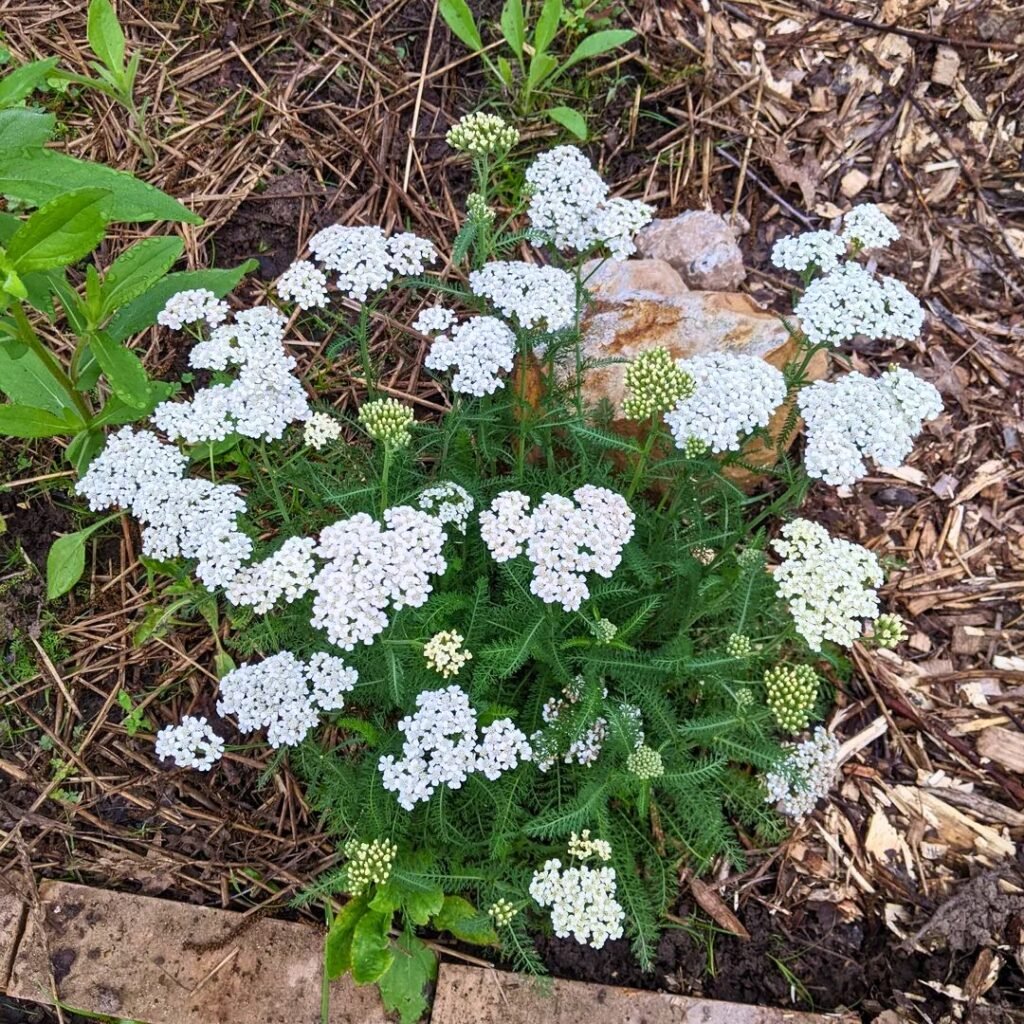
Yarrow brings both color and texture to my sunny garden, and I love that about it. This hardy perennial thrives in full sun and deals with heat and dry soil without any drama.
Its flat flower clusters come in yellow, pink, red, and white, so there’s always a splash of color through summer. I find Yarrow especially useful because it blooms for months with barely any care.
Once it’s established, I only water it now and then and give it a light trim to keep things tidy. The flowers attract bees, butterflies, and other pollinators, which keeps my garden buzzing.
I often tuck Yarrow into borders or mixed beds where I want long-lasting color. It pairs well with other drought-tolerant plants like lavender and coneflower for a soft, feathery look.
I enjoy cutting Yarrow for fresh or dried arrangements—the blooms hold their color and shape for weeks indoors. Since it spreads easily, I divide the plants every few years to keep them in check and share with friends.
For me, Yarrow is a low-maintenance, sun-loving favorite that brings steady blooms and easy charm to any bright garden spot.
14) Salvia
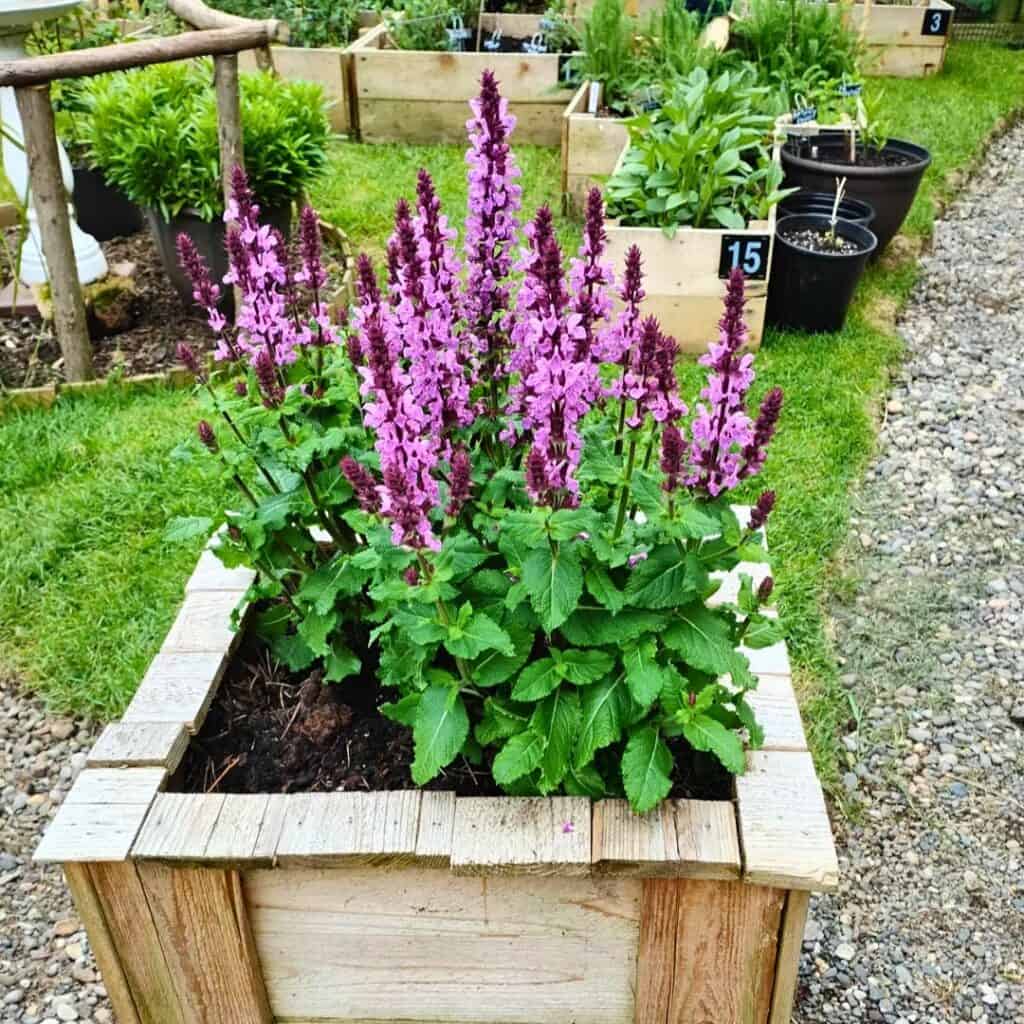
Salvia is one of my go-tos for bright color and movement in the garden. The tall spikes of flowers really stand out and draw in bees, butterflies, and hummingbirds all season.
This hardy perennial loves full sun and well-drained soil. I’ve noticed it does best when I water deeply but let the soil dry in between—too much moisture isn’t great for the roots.
Salvia blooms from late spring through fall, so there’s color for months. The flowers come in blue, purple, pink, red, and white. I like mixing a few colors together for a more vibrant display.
I usually plant Salvia near walkways or patios so I can watch the pollinators up close. The plants stay neat, usually growing about 1 to 3 feet tall depending on the type.
To keep them blooming, I remove faded flowers every few weeks. That little bit of maintenance encourages more buds. In late winter, I trim the stems back to help them bounce back in spring.
Salvia also handles heat and drought better than a lot of flowers in my yard. Once it’s established, it barely needs anything besides sunlight and the occasional drink.
I’ve found Salvia pairs nicely with coneflowers, black-eyed Susans, and coreopsis. The mix of colors and textures makes the garden look full and balanced.
If I want even more color, I plant both annual and perennial types. Annuals bloom fast, while perennials return every year. Together, they fill my garden with steady color.
Honestly, Salvia is one of the easiest ways to keep a sunny garden lively from spring through fall. It’s reliable, low-maintenance, and always buzzing with life.
15) Liatris

I really enjoy growing Liatris—some folks call it blazing star or gayfeather—because those tall spikes of color are hard to miss in a sunny garden. The blooms open from top to bottom, which is pretty unique and eye-catching.
This perennial loves full sun and prefers well-drained soil. Once it’s settled in, it handles heat and dry spells without much trouble. I only water when the soil feels dry, so it’s a pretty low-maintenance pick.
The flower spikes come in purple, pink, or white and attract butterflies and bees all summer. I’m always spotting pollinators hovering around, which just adds to the fun.
I like planting Liatris in groups for a stronger effect. The tall stems look great behind shorter flowers or along fences and borders. Plus, they make excellent cut flowers that last for ages in a vase.
In fall, I leave the seed heads on for the birds. The dried stalks add some texture to the winter garden, and in spring I trim them back to make way for new growth.
Since Liatris grows from corms, I plant them a few inches deep in early spring. They usually bloom in midsummer and keep going for weeks. Once they’re in, they come back year after year with almost no fuss.
I really appreciate how reliable and hardy this plant is. It fits in with native gardens, wildflower meadows, or regular perennial beds. With its upright shape and bright color, Liatris brings balance and height to sunny spots.
How to Care for Full-Sun Perennial Flowers
To keep my full-sun perennials healthy, I focus on the right amount of water, nutrients, and just paying attention to what they need. Good soil, a sensible feeding schedule, and regular trimming help them bloom longer and stay strong all season.
Watering and Soil Requirements
I water my perennials deeply but not too often. Giving them a good soak helps the roots reach down, which makes the plants way more drought-tolerant. Most full-sun perennials need about 1 inch of water weekly—rain helps, but sometimes I have to drag out the hose.
Before watering, I always poke my finger in the soil. If those top couple inches are dry, it’s time. I like to toss some mulch around the base to keep moisture in and the roots cool—mulch is honestly a lifesaver.
Good soil makes all the difference. I stick with well-draining soil, mixing in compost or organic matter to boost both texture and nutrients. Clay soil can get soggy, and sandy soil dries out too fast, so I adjust with compost to find that sweet spot.
| Soil Type | Adjustment | Benefit |
|---|---|---|
| Clay | Mix in compost or coarse sand | Improves drainage |
| Sandy | Add compost or peat moss | Increases moisture retention |
| Loamy | Maintain with organic matter | Keeps nutrients balanced |
Fertilizing for Continuous Blooms
I give my perennials a feeding in early spring, and sometimes again midsummer if they’re looking a little tired. Too much fertilizer just leads to tons of leaves and barely any flowers, so I stick with a balanced, slow-release type—something like 10-10-10 works for me.
I sprinkle the fertilizer around the base and water it in well. For organic options, compost tea or fish emulsion are my go-tos—they feed the plants without risking burnt roots. Here’s a link to compost tea if you’re curious.
I keep an eye on the leaves for trouble. Yellow leaves usually mean low nitrogen, while pale blooms can hint at low phosphorus. Keeping fertilizing simple and regular seems to help my flowers stay vibrant.
Pruning and Deadheading Tips
I deadhead spent blooms to encourage more flowers. Snipping off faded blooms tells the plant to put energy into new buds instead of seeds. Clean scissors or pruning shears help avoid spreading disease.
I also trim damaged or leggy stems to keep things neat. For perennials that bloom all summer, I try to deadhead weekly—sometimes I forget, but the plants forgive me.
Once frost hits, I cut back perennials to just a few inches above the ground. It helps keep pests away and lets the plant rest for next year. Regular pruning keeps my garden looking colorful and tidy, even if I miss a week here and there.
Designing a Vibrant Full-Sun Garden
When I plan my full-sun garden, I’m always thinking about bright colors and healthy growth. I like to imagine how the blooms will look together and how each plant helps its neighbors.
Color Combinations That Shine
I go for colors that really pop but still feel natural. Warm tones—reds, oranges, yellows—make the space feel lively, while purples and blues bring in some calm. Mixing both keeps things interesting season after season.
My simple rule: pick three main colors and one accent. For example:
| Main Colors | Accent | Example Plants |
|---|---|---|
| Yellow, Purple, White | Blue | Coreopsis, Salvia, Shasta Daisy, Delphinium |
I like grouping flowers with similar bloom times so there’s always color, and I repeat favorite plants around the garden to tie everything together.
Companion Planting for Healthy Growth
I match up plants that help each other out. Tall flowers like coneflowers give a little shade to shorter ones that like cooler soil. Deep-rooted plants (think black-eyed Susans) loosen up the dirt, which helps everyone’s roots breathe.
Mixing nectar-rich blooms with pest-repelling plants works wonders. Lavender, for instance, attracts bees and keeps aphids away—kind of a win-win.
Here’s a quick guide I use:
| Goal | Companion Pair | Benefit |
|---|---|---|
| Pest control | Lavender + Yarrow | Fewer aphids |
| Better soil | Coneflower + Coreopsis | Improved drainage |
| Pollinator support | Salvia + Bee Balm | More bees and butterflies |
Combining plants with purpose keeps my garden colorful and strong, even when the weather gets wild.
Frequently Asked Questions
People ask me a lot about which perennial flowers can handle full sun, bloom for months, and still stay healthy with barely any fuss. Here are some of my favorites—they keep gardens looking bright, even when it’s hot and dry.
What are some low-maintenance perennials that thrive in full sun?
Black-eyed Susan and Coreopsis are my top choices. They’re easy to grow, need almost no attention, and come back strong every year.
Can you suggest perennials that bloom all summer long in sunny areas?
Blanket Flower and Gaillardia are real champs—they keep their color from early summer right into fall. I water them regularly at first, but once they’re settled in, they just keep blooming.
Which drought-resistant flowers can I plant in a sunny garden spot?
Purple Coneflower and Blanket Flower have done really well for me in dry spells. Their deep roots help them stay healthy, even when rain is nowhere to be found.
Are there any perennials that attract pollinators and love full sun exposure?
Absolutely—Black-eyed Susan and Purple Coneflower bring in bees and butterflies all season long. Watching the garden come alive with movement is half the fun.
Could you list perennials that can handle hot climates and still bloom continuously?
Gaillardia and Coreopsis are tough in the heat and keep their flowers bright. I make sure they’re in well-drained soil so they don’t struggle when it gets really hot.
What perennial flowers are known for their long-lasting blooms in sunny conditions?
Honestly, I always end up suggesting Black-eyed Susan, Coreopsis, and Gaillardia for reliable color. Their blooms just hang around for weeks, and my garden feels so much brighter all summer long.
Note: Some images in the articles are sourced from Reddit and Other Platforms For Reference Purpose.