15 Flowering Bushes That Bloom Beautifully All Season
There’s just something about a garden that’s always bursting with color, don’t you think? I love when blooms last from spring right through to fall—makes the yard feel alive.
With the right mix of flowering bushes, you can enjoy bright blooms for months on end. These plants attract pollinators, bring steady beauty, and honestly, they just make any outdoor space feel so much more inviting.
Let’s talk about some of my favorite bushes that keep the show going all season. I’ll throw in care tips and a few design ideas too, so every corner of your garden can pop with color.
Please note: Simplify Plants is reader-supported. As an Amazon Associate, I earn from qualifying purchases made by our readers with no extra cost added to you all! Some links in the post are affiliate links and I get a commission from purchases made through links in the post.
1) Hydrangea

I have a soft spot for Hydrangeas—they really do bring months of steady color. Their big, round flower clusters are so full and bright from late spring into summer.
I usually tuck them into spots with morning sun and afternoon shade. Too much direct sun can wash out the blooms, but if they’re too shaded, you won’t get as many flowers. It’s a bit of a balancing act, but worth it.
Hydrangeas come in all sorts of colors—pink, blue, white, purple. The wild part is that the soil’s pH can actually change the bloom color. Acidic soil? You’ll get blue flowers. More alkaline? Pink. I kind of enjoy testing the soil and tweaking things to see what happens.
I like to keep the soil moist but not soggy. Consistent watering is key, especially when it’s hot out. A layer of mulch really helps keep the roots cool and the soil damp.
If you’re pruning, double check which hydrangea you’ve got. Some bloom on old wood, others on new growth—and if you snip at the wrong time, you might miss out on next year’s flowers.
Hydrangeas also look fantastic in containers on a patio. I move mine around if the sun starts getting too harsh.
These can get pretty big, so I make sure to give them room to spread. With a little care, they’ll reward you with those gorgeous, long-lasting blooms that really brighten up the yard.
2) Azalea
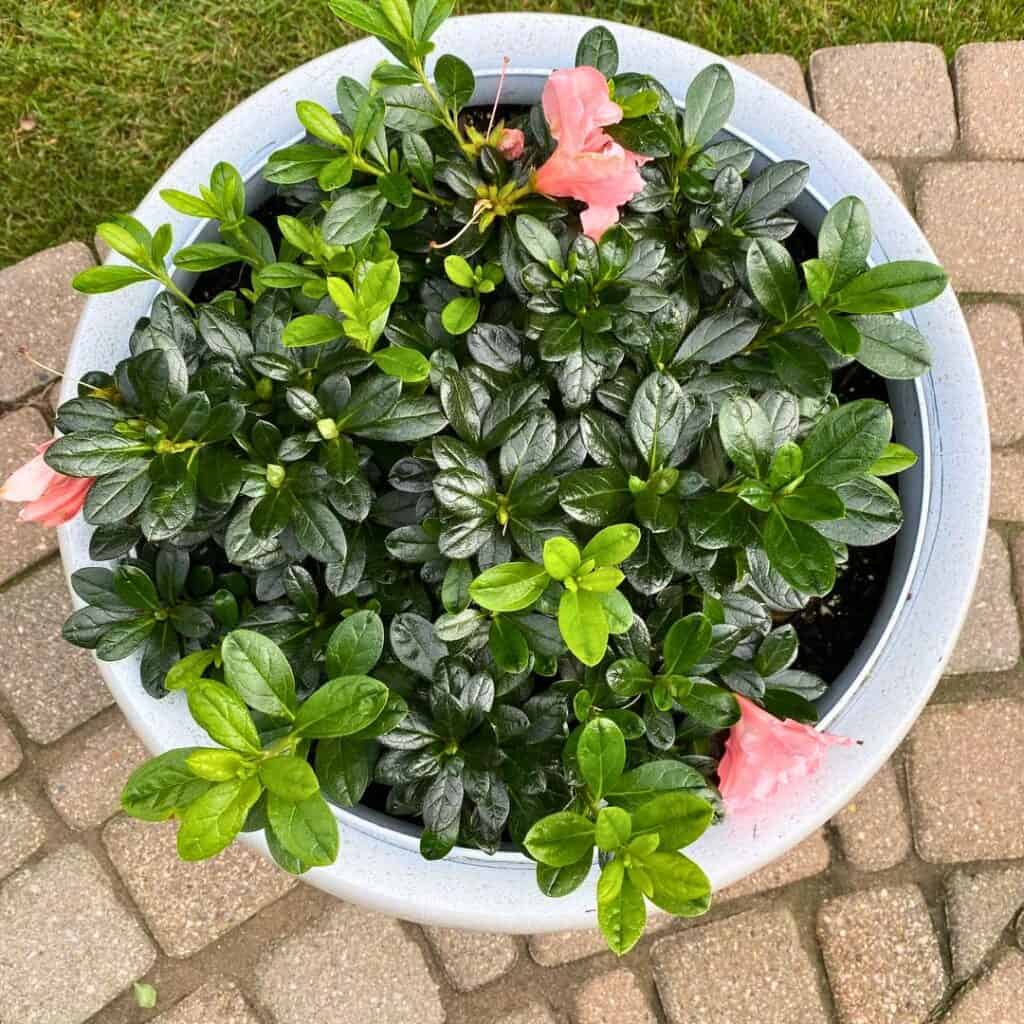
Azaleas are just so cheerful. Their blooms come in every shade—pink, red, white, purple, orange. When they’re in flower, even the shadiest garden spots feel lively.
I’ve noticed Azaleas do best in partial shade with soil that’s moist, but not soggy. Regular watering helps, especially if it’s been dry. Mulch is my friend here—it keeps the roots cool and holds off weeds.
They prefer slightly acidic soil, so I usually check the pH before planting. If it’s too alkaline, tossing in some pine needles or compost does the trick.
Pruning right after flowering keeps them tidy and encourages more blooms next time. If you wait too long, you might accidentally snip off next year’s buds.
What I really appreciate is how low-maintenance they are once they’re settled in. Just a little fertilizer in spring and they’re happy.
Azaleas look great along paths or near entryways. Their compact shape and bright flowers give a soft, welcoming vibe. Whether I put them in pots or beds, they always stand out—without needing a ton of attention.
3) Butterfly Bush
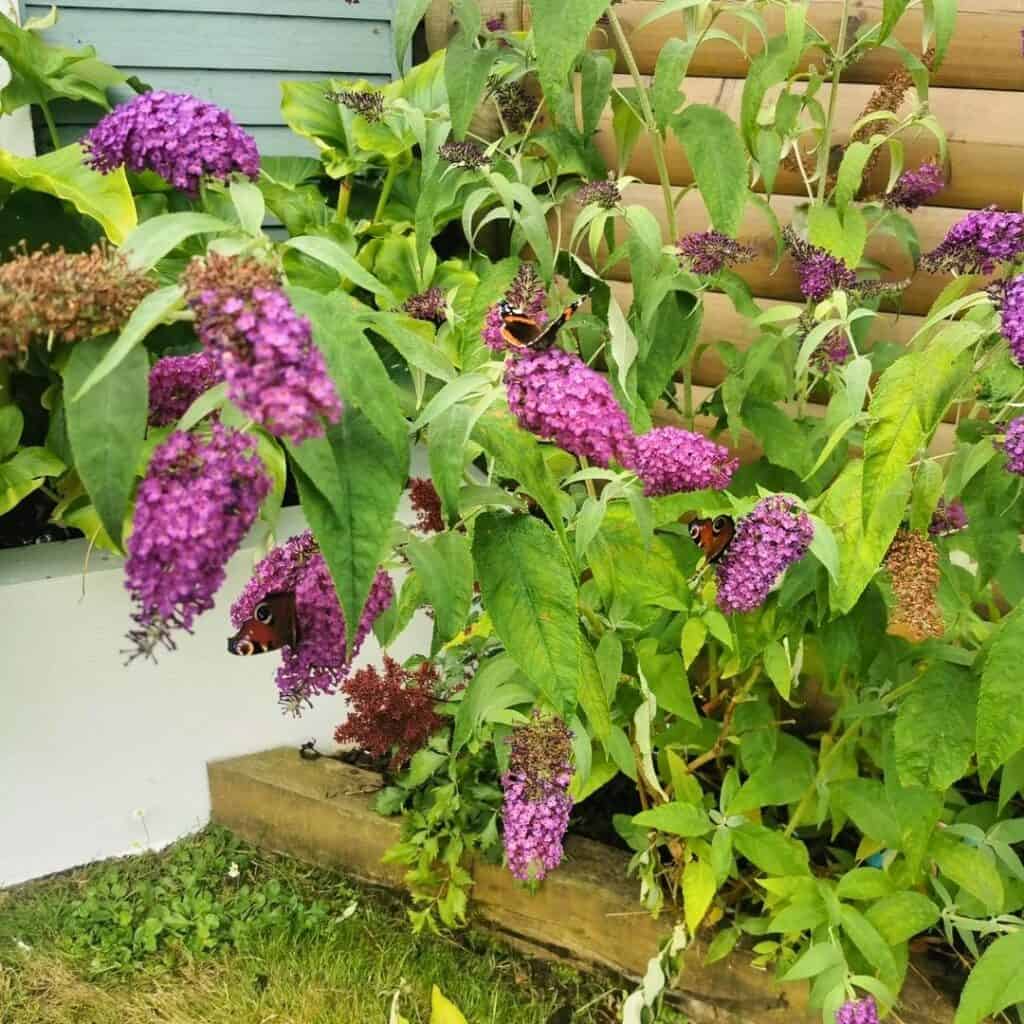
The Butterfly Bush is one of those plants that just brings everything to life. Its long flower spikes bloom from summer into fall, so the color show lasts for ages. Purple, pink, white, yellow—you name it.
I see butterflies, bees, and even hummingbirds flocking to these blooms. The scent is sweet, and it’s probably the easiest way I know to draw pollinators into the yard.
This bush grows fast and doesn’t mind the heat. It loves full sun and needs well-drained soil. Once it’s established, it’s pretty drought-tolerant, which is a relief on those busy weeks.
I like to prune it back in late winter or early spring. That keeps things tidy and encourages fresh growth and more flowers.
It fits just about anywhere—small shrub, border plant, even a big container. The flexible size makes it easy to work into different garden designs.
When I plant new Butterfly Bushes, I leave a few feet between each one. Good airflow helps keep disease at bay, and they don’t like being crowded.
Some of the newer varieties don’t spread like the old ones, which honestly makes garden maintenance so much easier. Going for a compact or sterile type means I’m not pulling up unwanted seedlings all summer.
Every year, I look forward to those bright blooms. They keep my garden colorful for months and always seem to draw in so much life.
4) Rose of Sharon

Rose of Sharon is one of those plants that just keeps going, even when everything else seems to fade. It blooms from mid-summer through early fall, showing off soft shades of pink, white, purple, and blue.
The flowers look delicate, but the plant is surprisingly tough. I’ve watched mine do fine in full sun and average soil, even when it’s dry. It’s not needy, which is perfect for those of us who forget to water sometimes.
I prune mine in late winter to keep it in check. Regular trimming means more blooms and stops it from getting too tall or scraggly.
Bees, butterflies, and hummingbirds love the blossoms. Watching them dart around adds a bit of magic to the yard.
I like planting Rose of Sharon as a hedge or a standout feature. It grows upright, doesn’t hog space, and it even works in containers if I want some color on the patio.
The long blooming season is what really sells me. Even when other plants are winding down, Rose of Sharon keeps things bright and cheerful.
5) Spirea

Spirea is just so easygoing. It’s a hardy shrub that fits just about anywhere. I plant it in full sun and get to enjoy flowers from spring through summer.
Depending on the variety, the blooms come in white, pink, or red. I love how the branches get so covered in flowers that you can barely see the leaves. And when fall comes, the leaves turn orange, red, or gold—it’s a bonus burst of color.
Spirea is pretty low-maintenance. It grows quickly and doesn’t need much pruning. If I give it a light trim after blooming, sometimes it’ll surprise me with a second round of flowers.
This shrub works well as a border or foundation plant. I’ll group a few together for a neat hedge or mix them with other flowering bushes for some contrast. The rounded shape and fine texture make it easy to blend in.
Spirea attracts bees and butterflies, which is great for the garden. I like knowing I’m helping pollinators while enjoying the color.
I plant it in well-drained soil and water during dry spells. Once it’s established, it can handle a bit of drought, so I don’t have to fuss over it.
There are so many varieties—small ones for containers, big ones for open spots. I appreciate how versatile and reliable Spirea is, no matter where I put it.
6) Weigela

Weigela is a real show-off from late spring through summer. Those trumpet-shaped flowers are magnets for bees and hummingbirds, and they come in pink, red, or white. Sometimes you’ll even get a second flush of blooms later on.
This shrub loves full sun and well-drained soil. I’ve noticed it really does best with at least six hours of sunlight. It can handle a bit of shade, but you won’t get as many flowers.
Weigela is low-maintenance too. Once it’s settled in, I only bother watering it if we’re having a dry spell. Pruning right after it flowers keeps it looking neat and encourages new growth.
There are plenty of compact varieties that fit perfectly in small gardens or along borders. I sometimes plant them in a group for a bright hedge, or mix them with other shrubs for a little variety.
The foliage is nice, too. Some have deep green leaves, others show off burgundy or gold. Even when the flowers are done, the plant still looks good.
Weigela does great in containers as well. I like having it on the patio where I can enjoy the blooms up close, and it’s easy to move if I need to.
If you want steady color with almost no effort, Weigela is a solid choice. It’s cheerful, reliable, and keeps the garden looking lively all season.
7) Lilac

Lilacs are classic, aren’t they? That sweet scent and those soft clusters of blooms make spring feel special. They burst into color in spring and last into early summer, filling the air with fragrance.
They like full sun and well-drained soil. I make sure mine get at least six hours of light or the flower show just isn’t the same.
Lilacs come in shades of purple, pink, white, and blue. I like mixing a few colors for variety. Plus, the flowers bring in butterflies and bees, which is always a win for the rest of my garden.
I prune my lilacs right after they’re done blooming. That keeps them healthy and sets them up for more flowers next year. Waiting too long can mean fewer blooms, so I try not to procrastinate.
Lilacs can stick around for decades if you treat them right. I water deeply during dry spells but try not to overdo it. Once they’re established, they’re pretty easygoing.
For smaller spaces, I go with dwarf lilac varieties. They fit nicely along borders or patios, and you still get all the fragrance and charm.
Every spring, I cut a few stems to bring inside—the scent fills the house and reminds me why I keep planting them. Lilacs just make any garden feel calm, colorful, and welcoming.
8) Camellia

I just love how Camellias splash color across my garden when everything else is still snoozing. These shrubs bloom from late winter into spring, and honestly, those soft shades of pink, red, and white feel like a gentle wake-up call.
Their glossy green leaves stick around all year, so the garden never looks dull, even in the off-season. That’s a big win in my book.
Camellias seem happiest in partial shade and soil that drains well but stays a bit acidic. Too much sun? The leaves can scorch. Not enough light? Fewer blooms. It’s a balance, and I just try to keep the soil moist—never soggy.
I always mulch around the base to lock in moisture and protect the roots from wild temperature swings. Light pruning after the flowers fade helps shape the shrub and keeps it healthy.
Some Camellias can hit 6 to 12 feet tall, depending on the type. I like them as hedges, but a single plant near the walkway is pretty charming too. Those evergreen leaves stay crisp and tidy all year.
When the first buds open, it feels like the garden is stretching after a long nap. The blooms last for weeks, and I sometimes snip a few for a vase. Camellias indoors? Always a good idea.
If you’re after a shrub that gives steady color and texture, Camellia is a fantastic pick. With a bit of care and the right spot, it really does reward you season after season.
9) Gardenia

I’m a big fan of gardenias—those creamy white flowers and that amazing scent? It just makes any space feel calm and a bit fancy. Even when the blooms are gone, the glossy leaves keep things looking sharp.
I usually tuck gardenias into a spot with bright, indirect sunlight. Too much direct sun can be harsh, but too little means fewer flowers. Morning sun with afternoon shade seems to hit the sweet spot.
They like their soil moist but well-drained. I water when the top feels dry, but I’m careful not to drown the roots. Soggy soil is a no-go.
Since gardenias love acidic soil, I’ll add peat moss or compost now and then to keep the pH down. A fertilizer for acid-loving plants helps keep the leaves lush and the flowers strong.
Warm weather really gets them blooming for months. If I’m in a colder spot, I’ll pop them in pots and bring them inside when it gets chilly. They still fill the room with that sweet scent.
After flowering, I give my gardenia a light trim to keep it tidy and encourage new shoots. Deadheading old blooms helps too.
Pests like aphids or whiteflies can show up sometimes. I just rinse the leaves or use a little insecticidal soap if needed. Keeping the plant healthy usually keeps bugs in check.
Gardenias work well as hedges, borders, or in containers. I love having them near patios or windows, just for that scent. Their classic look fits pretty much any garden style.
With a bit of attention, my gardenias bloom from late spring into early fall. The steady show of white flowers and that fragrance? It’s hard to beat.
10) Viburnum

Viburnum is one of those shrubs I keep coming back to. It brings steady color and shape, and the clusters of white or pink flowers really brighten things up. Some varieties even offer colorful berries later in the season.
I find Viburnum super easy to care for. It does well in full sun or partial shade and likes well-drained soil. Once it’s settled in, it can handle a dry spell or two.
Some varieties have a lovely fragrance when they bloom. The scent is gentle but noticeable, and it makes the garden feel extra inviting.
I often plant Viburnum as a hedge or border. The dense leaves give great privacy without feeling too stiff or formal. In autumn, the foliage sometimes shifts to red or purple, which is always a nice surprise.
After it’s done flowering, I prune to keep things tidy and encourage new growth. Mulching around the base helps the soil stay moist.
I like that Viburnum brings in birds and pollinators. Bees and butterflies love the flowers, and birds snack on the berries later. It’s a simple way to keep things lively outdoors.
There are so many types out there, so I can always find one that fits my space. Whether it’s a small variety for a tight spot or a bigger one for a border, Viburnum adds lasting beauty all season.
11) Forsythia

Forsythia is like a burst of sunshine in early spring. Those bright yellow blooms show up before almost anything else, and the branches are so covered it’s hard to see the stems.
This bush grows fast, which is great when I want quick color. I always plant it somewhere sunny—full sun really brings out the best blooms.
Right after it finishes flowering, I grab my pruners. Trimming at the right time keeps the shape tidy and encourages new growth for next year.
Forsythia can reach 6 to 10 feet tall, depending on the type. I like using it as a hedge or border since it fills in thick and handles most soils as long as they drain well.
When fall rolls around, the leaves turn a soft yellow-green before dropping. Even without flowers, the arching branches add some structure to the garden.
I water Forsythia when the soil feels dry, but honestly, it’s pretty low-maintenance once it’s established. That’s a big reason I keep planting it.
Every spring, those first yellow flowers let me know warmer days are on the way. Forsythia always feels like the garden’s wake-up call.
12) Rhododendron

Rhododendrons are a real showstopper in the garden. The big clusters of blooms come in pink, purple, red, and white—so many choices! The flowers are bold and full, and they just make everything feel more alive.
They seem to thrive in cool, partly shaded spots. Too much sun can scorch the leaves, but if it’s too shady, you’ll get fewer flowers. I usually find a spot with morning sun and afternoon shade.
Soil quality is key. Rhododendrons want acidic, well-draining soil. I mix in peat moss or pine needles when I plant to keep things just right. That helps prevent yellow leaves and keeps the roots happy.
I water deeply but not too often. The soil should be moist but never soggy. If there’s a dry spell, I’ll give them a little extra.
Once the blooms fade, I pick them off to encourage new growth. A light trim after flowering helps shape the shrub and keep it neat.
Evergreen varieties keep their leaves all year. I love seeing that green even in the dead of winter—it gives the garden some life when most things look bare.
Depending on the type, Rhododendrons can be small shrubs or big, bold bushes. I’ll pick compact ones for tight spots and taller ones for the back of a border.
They mix nicely with other shade-loving plants like ferns, hostas, and azaleas. I like grouping them together for a natural, layered look.
With a bit of attention, my Rhododendrons bloom reliably each year. Their colorful flowers and shiny leaves make them one of my top picks.
13) Abelia

I like how Abelia brings soft color and texture without taking over the garden. It stays compact, which is perfect for squeezing into small spaces or lining a walkway. The leaves are glossy green, and sometimes they pick up a bronze or reddish tint as the seasons change.
Abelia blooms for ages, usually from late spring right through fall. The small trumpet-shaped flowers attract bees and butterflies, which is great for the whole yard. Even as the blooms fade, the bush keeps looking lively.
Once it’s established, Abelia needs very little fuss. It likes full sun but can handle some shade. I water during dry spells, but it’s pretty drought-tolerant once mature.
I use it as a border or low hedge, and sometimes I just let the branches arch naturally—they look graceful even if I skip pruning.
There are a bunch of Abelia varieties out there. Some have pink or white flowers, and others show off variegated leaves. Each one adds its own twist to my garden.
When I plant Abelia, I make sure the soil drains well and throw on some mulch to keep in moisture and keep weeds down. With a little care, this bush keeps the garden looking colorful for months.
14) Crape Myrtle
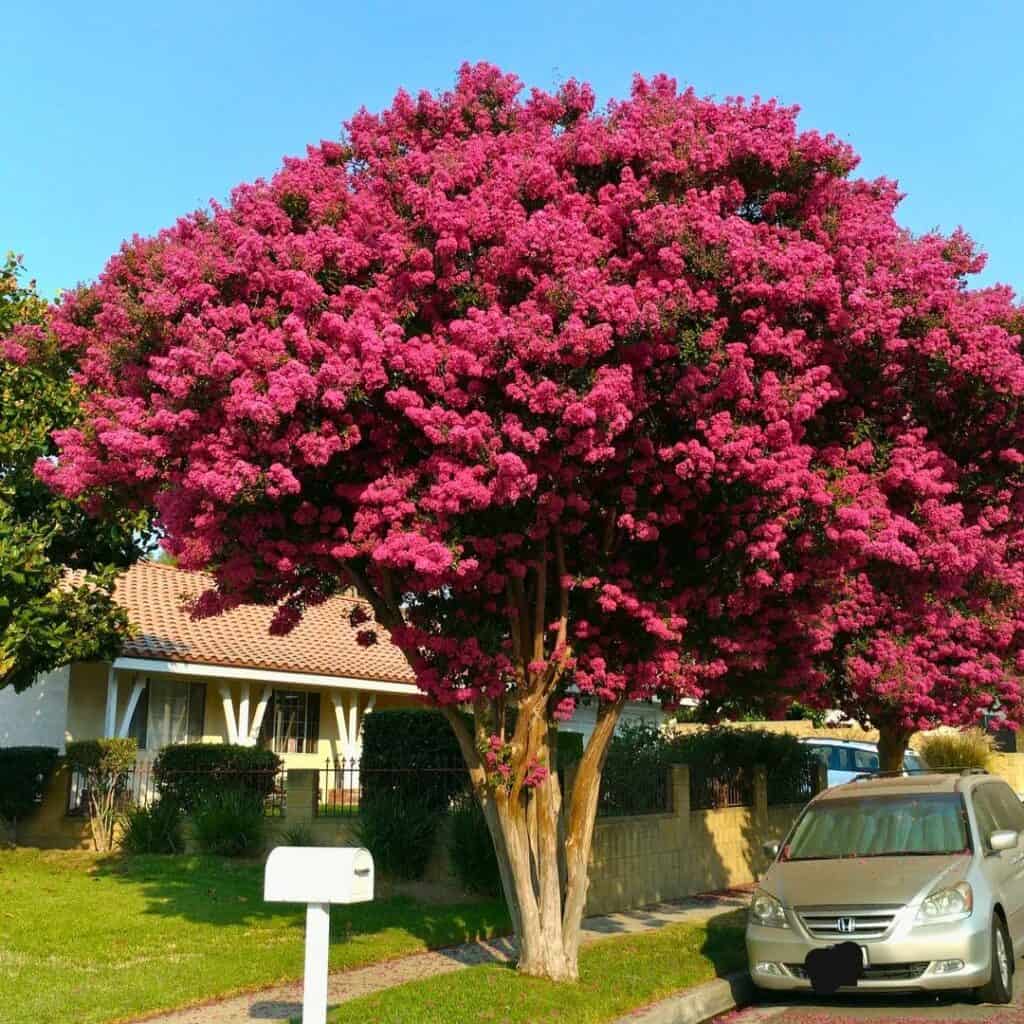
Crape Myrtle is a favorite of mine for adding color and texture, especially through the warm months. The clusters of pink, red, white, or purple flowers just keep coming, and the long blooming season is a huge plus.
Even after the flowers drop, the smooth, peeling bark gives the plant year-round interest. In winter, the bark turns tan and cinnamon—pretty nice against bare branches, honestly.
Crape Myrtle wants full sun. I make sure it gets at least six hours a day, or the flowers just don’t show up like they should.
It prefers well-drained soil and, once established, handles heat and drought like a champ. I water deeply but not too often to keep those roots strong.
Pruning is best done in late winter or early spring before new growth. That way, it stays healthy and blooms even more.
Crape Myrtle works as a standalone shrub or small tree. Sometimes I plant several together for a colorful hedge, but dwarf types are great for small yards.
I love that it attracts butterflies and bees. The bright flowers and gentle scent make it a favorite spot for pollinators.
There are so many varieties—some grow tall and tree-like, others stay compact. Each brings a burst of color that lasts from summer well into fall.
For me, Crape Myrtle is a reliable, low-fuss plant. With just a little care, it gives months of beauty, and honestly, I wouldn’t want my garden without it.
15) Mock Orange

There’s just something about Mock Orange—that fresh, citrusy scent in late spring and early summer is hard to beat. The white flowers are simple but have a sort of understated elegance, and honestly, they make any yard feel a little more peaceful.
This shrub does best in full sun and well-drained soil, at least in my experience. It can handle a bit of shade, but you’ll get more flowers if you give it plenty of sunlight.
I try to prune my Mock Orange right after it finishes blooming. Keeping up with regular pruning helps it stay tidy and bounce back with new growth the next year.
Most varieties reach about 6 to 10 feet tall. They’re great as a hedge or backdrop, but I like having mine close to a walkway or patio so I can actually enjoy that scent up close.
It’s a pretty low-maintenance shrub and surprisingly tough. You won’t need to fuss over it with fertilizer, and once it’s settled in, it even puts up with short dry spells.
The blossoms attract bees and butterflies, which is always a plus—makes the garden feel lively. Even when the flowers are gone, the green leaves stick around and look nice through summer.
If I want something smaller, I just pick one of the compact cultivars. They’re perfect for tighter spots or even containers, and you still get that amazing scent and pretty blooms.
Honestly, Mock Orange is one of my go-to shrubs when I want something classic, fragrant, and not too needy.
How to Care for Flowering Bushes
I try to keep my flowering bushes happy by paying attention to soil, sunlight, water, and a bit of pruning here and there. Each thing really does make a difference in how long they bloom and how good they look.
Soil and Sunlight Requirements
Before planting anything, I always check the soil type first. Most flowering bushes seem to prefer well-drained soil—it should hold moisture but not stay soggy.
Mixing in some compost or organic matter helps a lot with texture and nutrients. For sunlight, I make sure each bush gets at least 6 hours of direct light daily.
Some, like azaleas, want partial shade, so I stick those where they’ll catch morning sun and get a break in the afternoon. If the soil is heavy or packed down, I loosen it up with a garden fork.
I usually test the pH level with a simple kit from the hardware store. Most flowering bushes are happiest in slightly acidic soil (pH 6.0–6.5).
| Type of Bush | Ideal Sunlight | Soil Preference |
|---|---|---|
| Roses | Full sun | Loamy, well-drained |
| Hydrangeas | Partial sun | Moist, rich soil |
| Lilacs | Full sun | Neutral to alkaline |
Watering and Fertilizing Tips
I water my bushes deeply but not too often—surface-level watering doesn’t really cut it. Early mornings are best so the leaves dry out and you don’t get as many issues with disease.
When it gets hot, I just poke my finger into the soil about an inch deep. If it feels dry, that’s my cue to water. I also like to spread a 2–3 inch layer of mulch around the base; it keeps moisture in and helps cut down on weeds.
For fertilizer, I stick with a balanced fertilizer (10-10-10) in early spring and maybe once more midseason. I try not to overdo it, since too much can actually mess up the roots or cut down on blooms.
Pruning for Prolonged Blooms
When I prune, it’s mostly to remove dead or weak branches and shape things up. Timing depends on when the bush blooms.
For spring bloomers like lilacs, I always prune right after flowering—otherwise, I’d risk cutting off next year’s buds. For summer bloomers, I prune in late winter or early spring before new growth shows up.
Sharp, clean shears make a big difference for smooth cuts just above a bud. I’ll also thin out crowded stems to boost air circulation, which really helps with mildew and pests. Keeping up with pruning means more blooms and a fuller look all season.
Design Ideas for All-Season Color
I love mixing up flowering bushes to keep my garden colorful from spring right through to fall. Blending different bloom times and pairing shrubs with perennials keeps things interesting when some plants fade out.
Creating Mixed Borders
Designing mixed borders is my go-to for nonstop color. I pick shrubs that bloom at different times—azaleas in spring, hydrangeas in summer, and roses later on—so there’s always something happening.
Evergreen shrubs help give the border structure and keep it green year-round. I usually put taller bushes in the back, shorter ones in front, so everyone gets their share of sunlight and space.
To make everything look balanced, I repeat colors and shapes along the edge. Alternating pink spirea and purple butterfly bush is one way I keep things visually interesting.
I like to keep the layout simple. Here’s a quick table I use to plan borders:
| Plant Type | Bloom Time | Height | Color |
|---|---|---|---|
| Azalea | Spring | Medium | Pink |
| Hydrangea | Summer | Tall | Blue |
| Rose | Fall | Medium | Red |
Pairing with Perennials
Pairing flowering bushes with perennials fills in the color gaps. When my lilacs finish, daylilies and coneflowers step up to keep the bed lively.
I try to pick perennials that like the same light and soil as my shrubs. For sunny spots, black-eyed Susans and salvia work well. In shade, I go for hostas or astilbes for a bit of texture and color.
Layering by height keeps things from getting crowded—shrubs in the back, then medium perennials, and finally low growers like creeping phlox up front.
Mulch between plants really makes the colors pop and holds in moisture. Plus, it cuts down on weeds, which means less work for me.
Frequently Asked Questions
I really appreciate how some flowering bushes keep the garden looking bright from spring to fall. They often bring in pollinators, adapt to lots of climates, and once they’re in, you barely have to fuss with them.
What are some low-maintenance flowering bushes that bloom throughout the year?
Spirea and Butterfly Bush are super easy. They don’t need much pruning and still put out flowers for months. Hydrangeas hold their blooms for ages too if you just give them enough water and sun.
Can you recommend flowering bushes that are suitable for a variety of climates?
Rose of Sharon is pretty adaptable—does well in warm or cool areas. Azaleas can handle shade and chillier weather, while Butterfly Bush likes sun and drier spots. They’re all pretty flexible.
Which flowering bushes attract pollinators like bees and butterflies?
I always see butterflies and bees hanging around Butterfly Bush—sometimes even hummingbirds. Spirea and Azalea attract plenty of pollinators too with their bright flowers and sweet fragrance.
Are there any deer-resistant flowering bushes that have all-season blooms?
If deer are an issue, Spirea and Butterfly Bush are safe bets. Deer usually leave them alone, and both keep their color going for a big chunk of the season.
How do I care for flowering bushes to ensure they bloom all season long?
I stick to regular watering, pruning after flowering, and adding mulch to protect the roots. A little fertilizer in spring seems to help keep the flowers coming.
What are some colorful flowering bushes that can brighten up my garden year-round?
Hydrangeas really steal the show with their big, vibrant clusters that seem to stick around for ages.
Azaleas and Rose of Sharon throw in splashes of pink, purple, and white—honestly, they make any garden feel a bit more alive.
Note: Some images in the articles are sourced from Reddit and Other Platforms For Reference Purpose.