15 Best Low-Maintenance Perennials That Thrive in Shade
I’m always on the lookout for plants that make my garden look good without asking for much in return.
Shade can be a challenge, sure, but honestly, it’s also full of surprises if you pick the right plants.
You can carve out a colorful space that stays healthy with minimal fuss all season.
Let me share some of my go-to low-maintenance perennials that thrive in shade. Each one brings its own vibe—color, texture, a little charm—to those quiet corners and shadowy paths.
It’s easier than you’d think to create a relaxing garden that just keeps looking great, year after year.
Please note: Simplify Plants is reader-supported. As an Amazon Associate, I earn from qualifying purchases made by our readers with no extra cost added to you all! Some links in the post are affiliate links and I get a commission from purchases made through links in the post.
1) Hosta ‘Sum and Substance’

I can’t get enough of Hosta ‘Sum and Substance’—its big golden-green leaves just light up the shade. Even in the deepest corners, that color pops, making everything feel a bit more lively.
It’s honestly one of the lowest-maintenance perennials I’ve ever grown.
This hosta forms a wide, dense mound that keeps weeds at bay. I barely have to do anything to it, which is perfect since I don’t always have time to fuss over my plants.
The leaves are thick enough that slugs usually leave them alone, which is a relief.
Come summer, pale lavender flowers shoot up above the foliage. Bees love them, and they add a gentle contrast to all that bright green.
The blooms make the plant look fresh, and I don’t have to lift a finger.
I stick mine in moist, well-drained soil and give it a drink during dry spells. It does best in partial to full shade, though it can handle a little morning sun.
Too much direct sunlight, though, and the leaves start to look a bit faded.
Over the years, the clump just keeps getting bigger and more impressive. Every few years, I divide it—mostly to share with friends or fill in other shady spots.
It’s pretty satisfying to see new plants take off with barely any extra work.
For me, Hosta ‘Sum and Substance’ is a no-brainer for shady gardens. It brings color, texture, and a bit of structure, all without demanding attention.
2) Astilbe ‘Fanal’
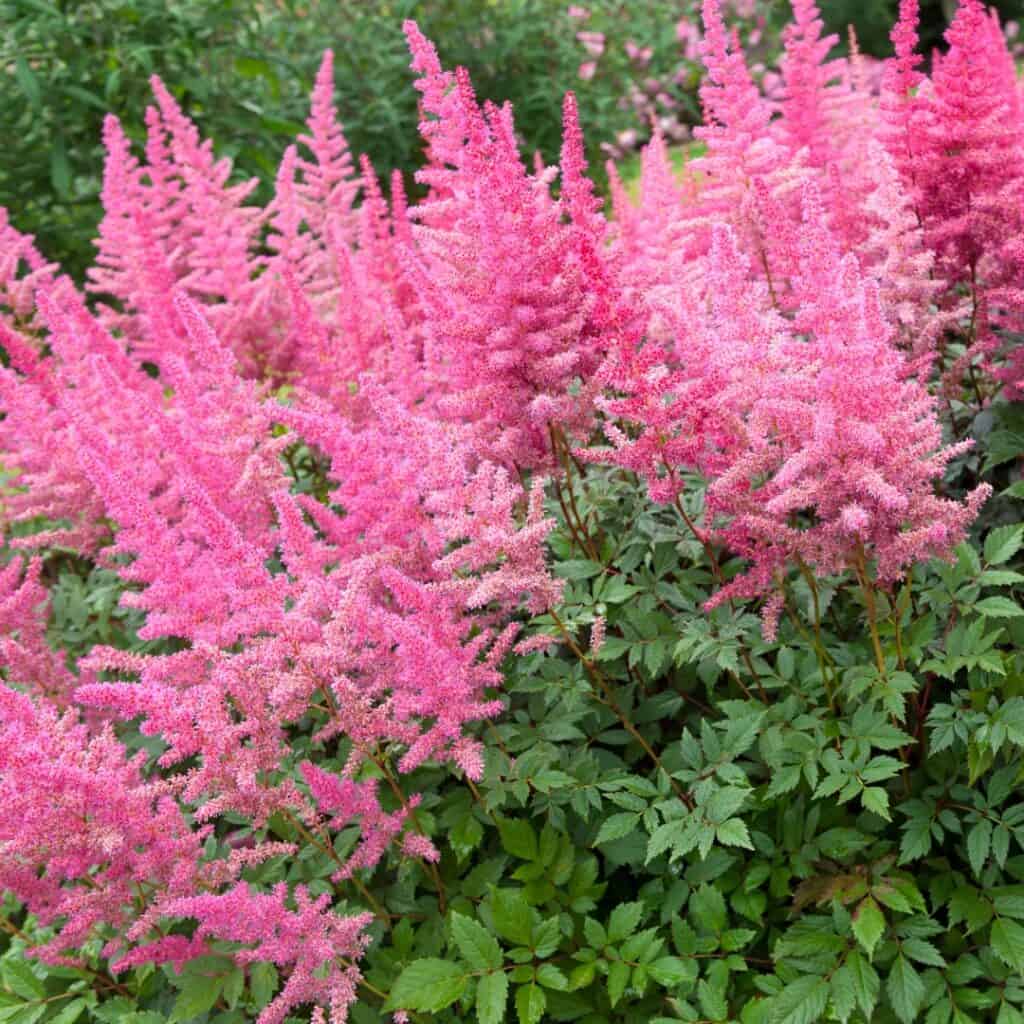
Astilbe ‘Fanal’ has this knack for lighting up shady spots with its deep red plumes. The color is so vivid against all the green, and it really stands out where other plants kind of disappear.
Those feathery flowers show up in early to midsummer and stick around for a good while.
I usually tuck it into partial to full shade and give it moist, rich soil—it’s happiest when the ground doesn’t dry out.
Mulch helps keep the roots cool and damp, which makes a big difference.
Even after the blooms are done, the foliage looks good. The dark green leaves, sometimes with a bronze hint, add texture and keep things interesting.
I’ll often plant it near ferns or hostas for a relaxed, woodland vibe.
Astilbe ‘Fanal’ tops out at about 18 to 24 inches, so it’s great for borders or tucked into shaded beds.
It even works in containers, as long as I remember to keep the soil moist.
Upkeep is pretty minimal. I snip off the old flower stalks after they’re done, just to tidy up.
In fall, I cut back the foliage when it dies down, and by spring, new shoots pop up without any help from me.
Butterflies seem to love it, but deer and rabbits don’t, which is honestly a relief.
It’s hardy in zones 4 through 9, so it handles cold winters just fine.
Whenever I need a splash of color in a shady corner, I end up reaching for Astilbe ‘Fanal’.
It’s dependable, easy, and those airy blooms always bring a little movement to the garden.
3) Heuchera ‘Palace Purple’
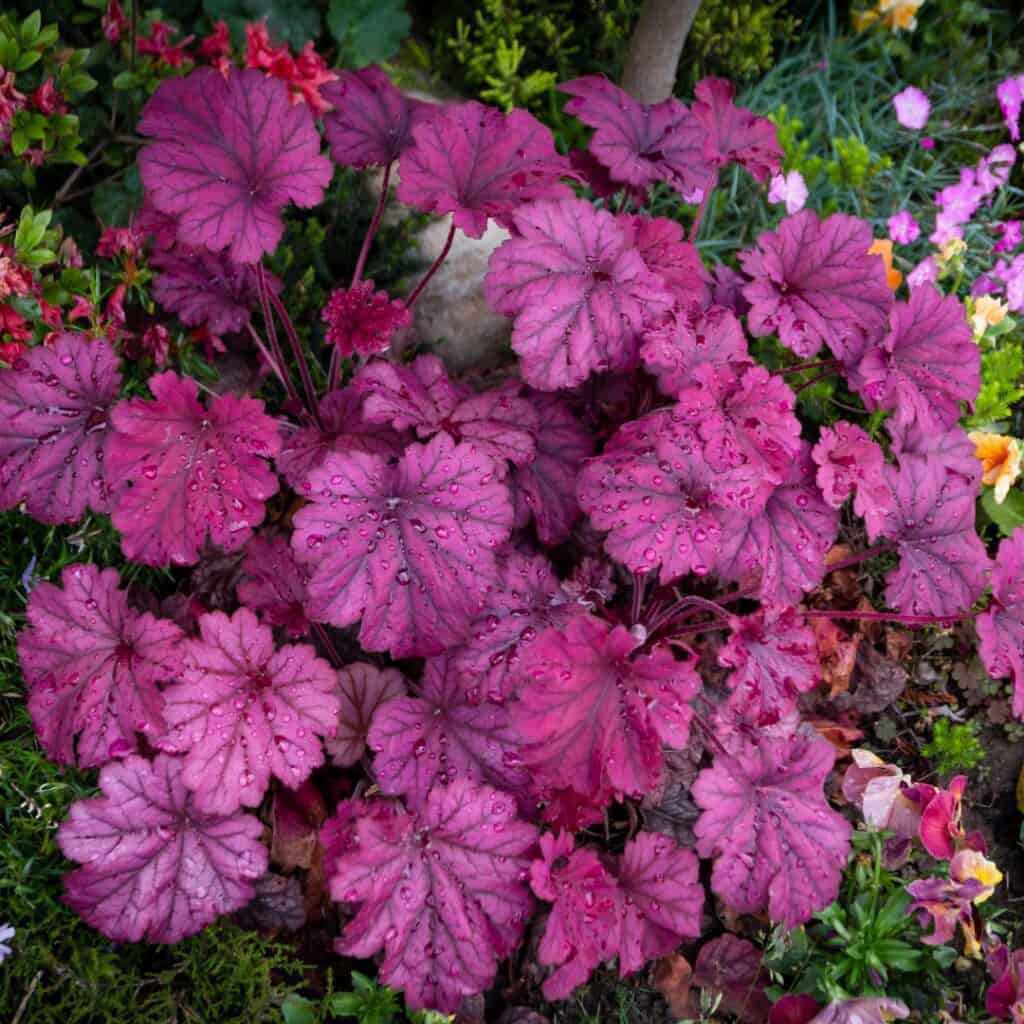
Heuchera ‘Palace Purple’ is one of those plants that just makes shady spots look rich and interesting with almost no work. The deep purple leaves really pop against all the green and keep their color for most of the year.
It’s happy in partial to full shade, so I use it in beds that rarely see direct sun or even in containers.
It’s great mixed with ferns and hostas—super easy to create a balanced, layered look.
I water it if it gets really dry, but once it’s established, it’s pretty much on autopilot.
The leaves stay tidy, and I almost never have to trim them.
In spring, it sends up tall stems with creamy-white flowers, which are a nice contrast to the dark foliage.
It’s a low-maintenance perennial that just comes back, season after season.
It’s not picky about soil, as long as it drains well.
Sometimes I toss on a bit of mulch to help keep the roots cool and happy.
Pollinators like bees and butterflies always seem to show up when it’s blooming.
It’s also deer-resistant, which is a big plus for me.
If you want to add color and texture to a shady spot without a lot of fuss, Heuchera ‘Palace Purple’ is definitely worth a try.
4) Japanese Forest Grass (Hakonechloa macra)

Japanese Forest Grass is just lovely for bringing soft movement and a little color to the shade. Its arching leaves make these relaxed, tidy mounds that sway whenever there’s a breeze.
The whole effect is calming—almost like a little woodland scene.
It likes partial to full shade and does best in moist, well-drained soil.
If it gets dry, I water it, but otherwise, it’s not needy.
Depending on the variety, the leaves can be bright green, golden yellow, or striped.
Even in low light, the color seems to glow, and in fall, it often shifts to a warm bronze before dying back.
I cut back old foliage in early spring—takes just a minute and keeps things tidy.
It spreads slowly by rhizomes, so it won’t take over your garden.
I like planting it along paths, under trees, or at the edge of shaded borders.
It pairs really well with hostas, ferns, or heucheras for a layered, textured look.
It’s low-maintenance and long-lived, which means I can pretty much plant it and forget it.
Every year, it comes back with that same bright color and graceful movement.
5) Solomon’s Seal (Polygonatum odoratum)

Solomon’s Seal is one of those plants that brings a quiet kind of beauty to the shade. Its arching stems and bell-shaped white flowers just look so graceful in spring and early summer.
The flowers dangle under the leaves and sway in the breeze—very peaceful.
It does best in partial to full shade and likes moist, well-drained soil.
I’ve had good luck with it under trees or on the north side of the house where the sun barely reaches.
Once it’s established, it barely needs any attention.
I water it during really dry spells, but that’s about it.
In fall, the leaves turn golden yellow, which adds a nice warm glow before winter sets in.
The foliage stays neat, and pests rarely bother it.
Deer and rabbits usually leave it alone, which saves me a headache.
It spreads slowly by rhizomes, filling in bare spots but never getting out of hand.
If the clump gets too thick, I just divide it in early spring.
For simple elegance and zero stress, Solomon’s Seal is hard to beat.
6) Bleeding Heart (Dicentra spectabilis)
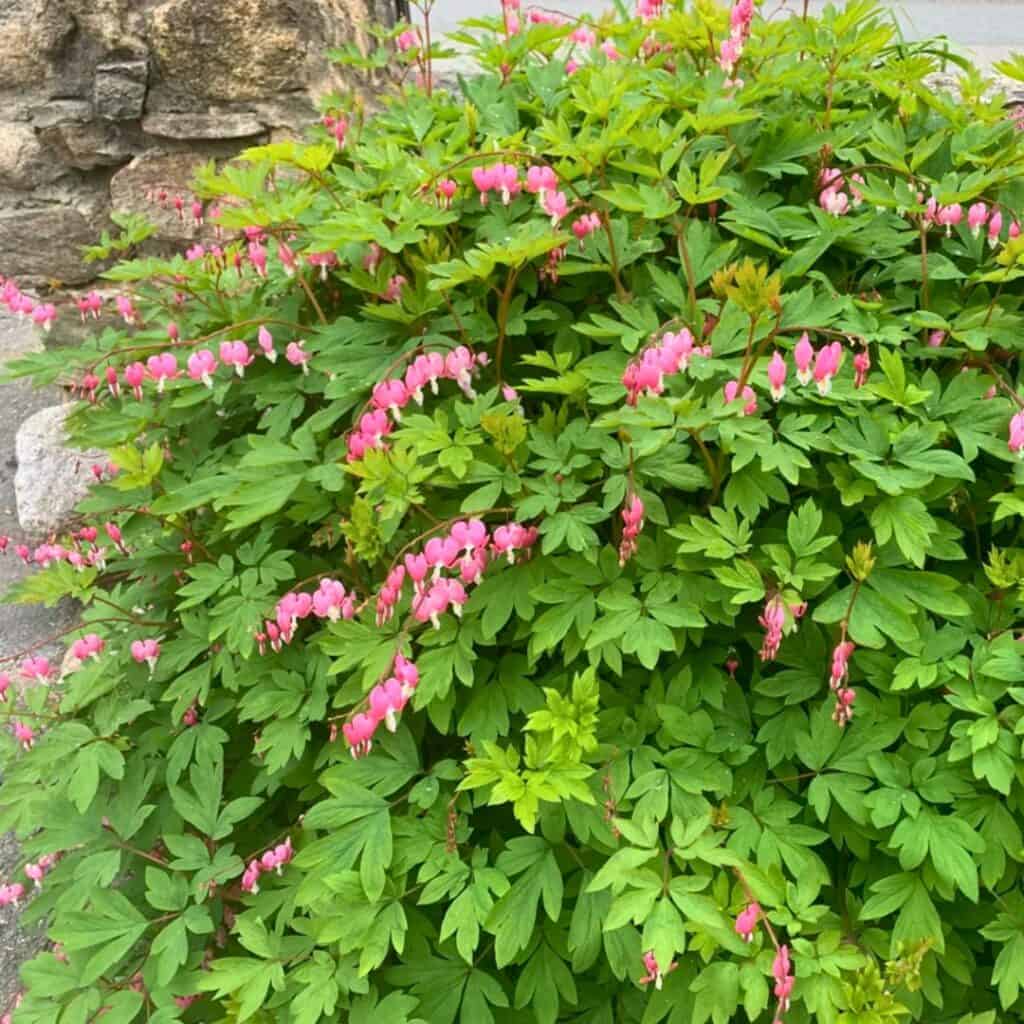
Bleeding Heart brings such a lovely, old-fashioned charm to shady garden corners. Those heart-shaped flowers dangle from arching stems and look so delicate and romantic.
The blooms show up in spring and stick around for several weeks.
It’s easy to care for—just give it cool, shaded areas and moist, well-drained soil.
Once it’s in, I mostly just water it during dry spells.
Too much sun can scorch the leaves, so I keep it out of direct light.
In summer, the foliage often fades back naturally, but that’s totally normal.
I like to plant ferns or hostas nearby to fill in after Bleeding Heart goes dormant.
Deer and rabbits usually don’t bother it, which is a bonus.
Dividing the plant every few years keeps it healthy and gives me extras for other shady spots.
For me, Bleeding Heart is a gentle way to add color and a soft shape to low-light areas—no real effort required.
7) Lungwort (Pulmonaria ‘Raspberry Splash’)

Lungwort is a favorite for shady areas that need a little color. The spotted leaves stay fresh-looking all season, and the pink-to-blue flowers brighten up early spring.
It’s easygoing—just prefers cool, moist soil and doesn’t need much once it’s settled.
I water it during dry spells, but otherwise, it’s pretty self-sufficient.
It grows well under trees or along shaded borders and spreads slowly, so it fills in without becoming a problem.
Pulmonaria ‘Raspberry Splash’ also brings in bees and pollinators early in the year, which I love.
After flowering, I trim off old leaves to keep it looking tidy.
The new foliage comes in fast and stays attractive through summer.
If you want texture and gentle color in the shade, Lungwort is a solid pick.
It’s hardy, tidy, and shows up reliably year after year.
8) Foamflower (Tiarella cordifolia)

I really enjoy growing Foamflower for its soft texture and the way it brightens up shady spots. The heart-shaped leaves make tidy clumps that look good most of the year.
In spring, it puts out delicate white or pale pink blooms that resemble tiny sprays of foam.
Care is simple. It likes moist, well-drained soil and prefers partial to full shade.
I’ll give it a drink during dry spells, but otherwise, it just keeps going.
Some varieties have leaves with dark veins or reddish tones, which adds interest even when it’s not blooming.
In fall, the foliage often takes on bronze or deep red shades—nice bonus color.
I use Foamflower as a ground cover under trees or along shaded borders.
It pairs nicely with hostas and ferns, and its low, neat growth is perfect for smaller spaces or woodland edges.
It’s rarely bothered by pests or disease, which is a relief.
After blooming, I just trim old flower stems, and that’s about it—so easy to keep the shade garden looking fresh.
9) Brunnera macrophylla ‘Jack Frost’

I just love how Brunnera macrophylla ‘Jack Frost’ lights up those shady corners in my garden. The silver leaves with green veins really catch the light and make dark spots feel a bit more alive.
Even when it’s not in bloom, the foliage keeps things looking interesting. In spring, you get these small blue flowers—they remind me a little of forget-me-nots.
The flowers float above the leaves and bring a gentle pop of color. They stick around for several weeks, which I always appreciate.
This plant does best in partial to full shade and likes moist, well-drained soil. Once it settles in, it can handle some dry spells, though I’ll still water it if things get really dry.
It’s not needy at all—just the occasional drink and that’s about it. I like how it forms tidy clumps and doesn’t try to take over the whole bed.
That makes it easy to keep things tidy without fussing. Every few years, I’ll divide the clumps to freshen things up and fill in other shady spots.
‘Jack Frost’ looks great under trees, along shaded paths, or tucked into mixed borders. I usually pair it with hostas or ferns for that soft, layered vibe.
The silver leaves really pop against deeper greens or blue foliage. It’s also pretty tough when it comes to pests and disease—one less thing to worry about.
Deer and rabbits don’t seem interested, which is a huge win in my book. I can count on it to look good year after year with barely any work.
If you want a low-maintenance, shade-loving plant that stays attractive all season, I think ‘Jack Frost’ is a no-brainer.
10) Toad Lily (Tricyrtis hirta)

I have to say, Toad Lilies are such a fun surprise in the shade. Their little orchid-like flowers show up in late summer or early fall, just as everything else is winding down.
The blooms are often speckled with purple or blue, and they look even better up close. I find them easy to grow in partial to full shade—they’re not fussy.
They like moist, well-drained soil and seem happiest when the ground stays cool. I water them during dry spells, but otherwise, they don’t ask for much.
The arching stems and lush green leaves give my shade garden a soft, layered look. I like planting Toad Lilies near ferns or hostas—they just seem to belong together.
They work nicely along shaded borders or woodland paths too. Deer and rabbits usually leave them alone, which is always a relief.
Once they’re settled in, they come back every year with hardly any effort from me. Every few years, I’ll divide the clumps to keep them healthy and encourage new growth.
For me, the Toad Lily is a quiet standout. It thrives where other flowers give up and rewards me with late-season color and texture.
Its easy-going nature makes it a solid choice for any shady garden.
11) Ferns (Dryopteris erythrosora)
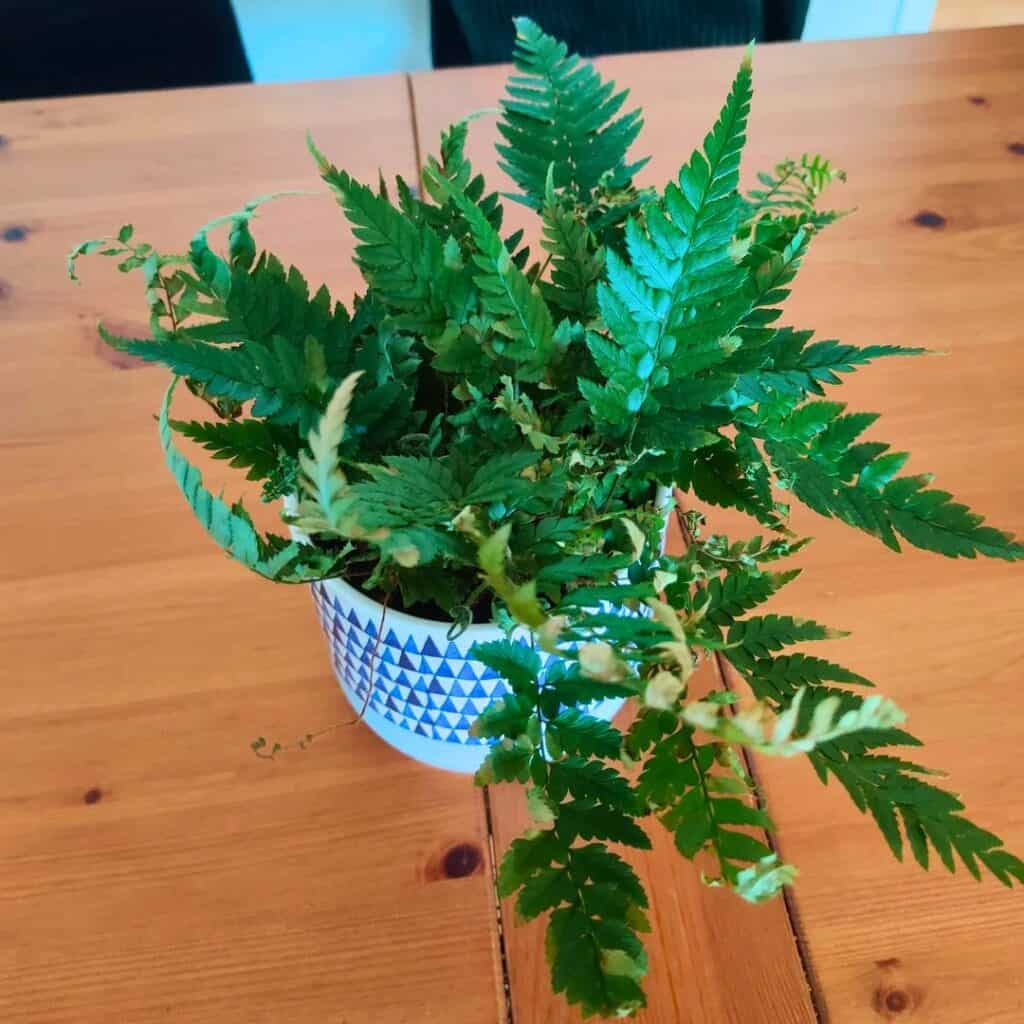
I really enjoy growing Ferns (Dryopteris erythrosora)—they add such a soft texture to shady spots. The fronds start out coppery-red in spring and slowly shift to green as they mature.
That color change always catches my eye, even in low light. They’re pretty easy to care for, thriving in moist, well-drained soil without much fuss.
I water them regularly but try not to let the soil get soggy. Once they’re established, they can handle a short dry spell.
They do best in partial to full shade, so they’re perfect for north-facing gardens or under trees. I like putting them near hostas or heucheras—the layered look is just so nice.
Their arching fronds fill in empty spaces without crowding out other plants. I don’t have to trim them much, which is a plus.
In late winter, I cut back old fronds to make room for new ones. That’s pretty much all the maintenance they need.
Deer and rabbits usually ignore them, which saves me a headache. They’re tough, coming back year after year.
For me, that makes them a reliable pick for any shady spot that needs some green.
12) Ajuga reptans ‘Black Scallop’

I can’t get enough of Ajuga reptans ‘Black Scallop’—it just brings so much rich color to the shade. The deep purple-black leaves look amazing next to anything green.
The leaves keep their glossy look for most of the year, so there’s always texture and interest. In spring, it sends up short spikes of blue flowers that bring in bees and pollinators.
The flowers aren’t huge, but they really stand out against the dark foliage. Even after the blooms are done, the plant still looks great as a dense ground cover.
This perennial grows low and wide, forming a mat that keeps weeds at bay. I like using it between stepping stones or along borders where grass just won’t grow.
It spreads on its own but is easy to keep in check with a quick trim once or twice a year. Moist, well-drained soil makes it happiest, though it’s pretty forgiving once established.
I water it lightly if it’s really dry, but otherwise, it’s hands-off. It handles partial to full shade, so it’s an easy pick for those dim corners.
I’ve noticed the color is richest in partial shade—too much sun can wash it out. I try to give it morning light and afternoon shade for the best look.
Even in small gardens, ‘Black Scallop’ fits right in. It works in containers, under trees, or as a filler around shrubs.
I like how it ties different areas together with its dark foliage. Because it stays neat and compact, it never feels messy or overgrown.
It’s just an easy way to add depth and contrast with almost no effort. For me, it’s one of those plants I never regret adding.
13) Bugleweed (Ajuga ‘Bronze Beauty’)

Bugleweed is one of those plants that just makes shade gardening easy. It’s a tough perennial that hugs the ground and spreads quickly, forming a dense carpet.
The bronze-green foliage gives the garden a cozy, warm tone, even when other plants are fading out. In spring, I get a kick out of the small blue flower spikes that pop up above the leaves.
They draw in bees and butterflies, adding a bit of life to the quieter corners. The blooms don’t last long, but the foliage keeps things looking good all season.
Ajuga ‘Bronze Beauty’ is super easy in partial to full shade. It’s not picky about soil, as long as it drains well.
Once it’s settled, I barely have to water or fuss with it at all. I use it between stepping stones, under trees, and along borders where grass struggles.
It fills bare spots fast and helps control weeds by covering the soil. If it spreads too far, I just trim it back—otherwise, it stays pretty tidy.
I also like that it stays evergreen in mild winters, so there’s always some color. Its size makes it great for small yards or even shady containers.
For me, Bugleweed is a no-fuss, reliable plant that brings steady beauty to the garden.
14) Epimedium ‘Sulphureum’

I think Epimedium ‘Sulphureum’ is a real gem for brightening shade with almost no effort. Also called Barrenwort, it thrives under trees or along shaded borders where other plants just give up.
Its delicate yellow flowers show up in spring and look lovely against the heart-shaped leaves. In fall, those leaves often turn reddish-bronze, so you get color long after the blooms are gone.
I find it easy to care for since it tolerates dry soil once it settles in. It likes partial to full shade, which is perfect for low-light gardens.
I usually plant it in well-drained soil mixed with a bit of compost. After that, I only water during really long dry spells.
It rarely needs fertilizer or pruning—another time-saver. The dense foliage helps control weeds by forming a soft ground cover.
It spreads slowly, so it won’t take over, and grows about 8 to 12 inches tall and up to 18 inches wide. That makes it perfect for edging paths or filling small shady spots.
Deer and rabbits seem to ignore it, which is a huge plus. It also resists most pests and diseases, so it just keeps going year after year.
In early spring, I trim back the old leaves so new growth can come in. That’s pretty much all the maintenance it needs.
If you want a reliable, shade-loving perennial that’s easygoing and gives a lot back, Epimedium ‘Sulphureum’ is definitely worth a try.
15) Liriope muscari

Liriope muscari, or lilyturf, is one of my go-tos for adding texture and color to shady spots. It keeps the garden looking tidy with almost no work.
This perennial grows in neat clumps with grass-like leaves that stay green most of the year. In late summer, you’ll see spikes of purple or lavender flowers that turn into little black berries later on.
I like using it along borders, walkways, or under trees where grass just won’t grow. It fills in those empty spaces and helps keep weeds down.
Liriope muscari tolerates shade and drought, making it a great choice for low-maintenance areas. Once it’s established, I only water if things get really dry.
It does well in moist, well-drained soil, but it’s not fussy if things aren’t perfect. I just trim back old leaves in early spring to keep it looking fresh.
It also works well as a ground cover. I often mix it with hostas and ferns for a layered look.
Deer and rabbits usually leave it alone, which is always nice. It stays neat through most of the year, so there’s not much to do.
For a small plant, Liriope muscari offers a lot of value. It’s simple, reliable, and keeps shady spots feeling lively with hardly any effort.
Caring for Shade-Loving Perennials
I keep my shade garden happy by focusing on good soil, steady moisture, and proper mulching. These steps help my perennials build strong roots, keep their color, and handle the ups and downs of shade.
Soil Preparation and Amendments
I start by checking my soil’s texture and drainage. Most shade perennials like loose, rich, and slightly moist soil.
If my soil feels heavy or sticky, I mix in compost, leaf mold, or peat moss to help with structure and airflow. A quick test helps me know if drainage is right: I dig a small hole, fill it with water, and watch how long it takes to drain.
If it’s gone in less than an hour, it’s too sandy. More than four hours? Too compacted. I also check the pH level—a lot of shade plants like it slightly acidic (around 6.0 to 6.5).
If I need to, I’ll add garden lime to raise pH or sulfur to lower it. I skip chemical fertilizers and go for organic matter instead—it feeds the soil slowly and keeps things healthy in the long run.
Watering Tips for Shaded Gardens
Shade gardens usually stay damp longer, but I still check soil moisture often. I just stick my finger about an inch into the soil—if it’s dry, it’s time to water.
I use soaker hoses or drip irrigation to keep leaves dry and cut down on disease. Watering early in the morning helps plants soak up moisture before it gets too warm.
I try for deep, infrequent watering instead of quick daily sprinkles—this helps roots grow deeper. I also adjust after rain, since shaded spots hold moisture longer.
Keeping a simple routine helps me avoid overwatering, which can lead to root rot.
Mulching for Moisture Retention
I usually spread a 2–3 inch layer of mulch around my perennials to help the soil stay cool and damp. My favorites are shredded bark, pine needles, or composted leaves—they break down slowly and give back a bit of nutrition as they go.
I’m careful to keep mulch a few inches away from plant stems since nobody wants rotten roots. Every spring, I check the mulch and toss on a little more if things look thin.
Mulch is great for blocking weeds, which makes my life easier. Plus, I like how tidy it makes the garden look, and it keeps the soil from drying out or getting washed away after a heavy rain.
Design Ideas for Shady Garden Spaces
Shady gardens can feel pretty lively if you mix up plant textures, leaf shapes, and colors. I like using layers and pairing perennials with annuals to keep things balanced and make the garden look full, no matter the season.
Layering with Texture and Color
When I’m working on a shaded spot, I start by layering plants by height. Tall plants like hostas or astilbes go in the back, and then I tuck medium ones like heucheras in the middle. For the front edge, I use low growers like ferns or lungwort to soften things up.
I’m always paying attention to leaf texture. Mixing smooth and feathery or rough leaves adds some depth, even when nothing’s blooming. For example, Japanese forest grass next to brunnera? That’s a combo I keep coming back to.
Color is a big deal too. I lean on foliage color more than blooms, honestly. Silver, chartreuse, and deep green leaves can really brighten up those darker corners. Here’s a simple table I use to plan:
| Foliage Color | Example Plant | Effect |
|---|---|---|
| Silver | Brunnera | Reflects light |
| Chartreuse | Hosta ‘Sum and Substance’ | Adds brightness |
| Deep Green | Ferns | Creates depth |
This mix keeps things interesting from spring through fall, and I don’t have to fuss over it all the time.
Combining Perennials with Shade-Tolerant Annuals
I like to mix in shade-loving annuals with perennials so there’s always a bit of color. Annuals like impatiens, coleus, and begonias fill in gaps and keep blooming longer than most perennials do.
Usually, I plant annuals in small clusters. It’s easy to swap them out every year, so I can change up the colors or try something new without redoing everything.
For structure, I stick with perennials like hostas and solomon’s seal. Then I tuck annuals around them for little pops of color. A few container plants in shady corners can add some height or just shake things up.
Mixing both perennials and annuals keeps the garden looking full and colorful, but still pretty low-maintenance.
Frequently Asked Questions
I’ve learned that shade gardens can be surprisingly full of color and texture if you pick the right low-maintenance perennials. A lot of these plants are tough, bloom for ages, and handle dry spells once they’re settled in.
What are some perennials that can grow well in shady areas?
I’m a fan of Hosta ‘Sum and Substance’ for its big, bright leaves—they really light up a shady spot. Astilbe ‘Fanal’ is great too, with its bold red plumes. Heuchera ‘Palace Purple’ adds a nice splash of deep color down low.
Can you recommend perennials that require minimal upkeep?
Japanese Forest Grass (Hakonechloa macra) is easy—slow-growing and barely needs trimming. Solomon’s Seal (Polygonatum odoratum) kind of takes care of itself and comes back year after year. Both are happy with just some basic watering and the occasional mulch.
What shade-loving perennials bloom for the longest period?
Astilbe ‘Fanal’ gives you weeks of color in summer, and the plumes look good even after the flowers fade. Heuchera is another favorite—its leaves stay colorful from spring to fall, and the little flowers are a bonus.
Are there any low-maintenance perennials that are also drought-resistant?
Heuchera and Japanese Forest Grass don’t mind a dry spell once their roots are settled in. I just water them deeply but not too often, and they hold up well during warm weather.
Which perennials should I choose for a shady garden if I’m a beginner gardener?
If you’re just starting out, Hosta, Heuchera, and Solomon’s Seal are solid choices. They’re simple to plant, grow reliably, and don’t need much attention. Plus, their different shapes and colors make even a small garden look pretty lush.
What are the best perennials to plant for year-round interest in a shade garden?
Hosta brings in those big, lush leaves all summer, and then—almost like a surprise—they shift to golden hues in the fall.
Heuchera is a personal favorite for many gardeners; it manages to keep its color going strong through most of the year.
Japanese Forest Grass? It’s all about the movement and texture, swaying gently even after the flowers have come and gone.
Note: Some images in the articles are sourced from Reddit and Other Platforms For Reference Purpose.