15 Best Climbing Plants for Trellises to Transform Your Garden
I love how a simple trellis can turn a boring wall or fence into something alive and interesting.
Climbing plants bring color, texture, and a bit of wildness to any outdoor space, especially where you want to use vertical spots. With the right picks, you’ll get flowers, lush greenery, or even sweet scents all season.
Here, I’m sharing 15 of the best climbing plants that look fantastic on trellises. Each one has its own charm—some are super easy, some grow like crazy, and a few just explode with blooms.
Please note: Simplify Plants is reader-supported. As an Amazon Associate, I earn from qualifying purchases made by our readers with no extra cost added to you all! Some links in the post are affiliate links and I get a commission from purchases made through links in the post.
1) Clematis
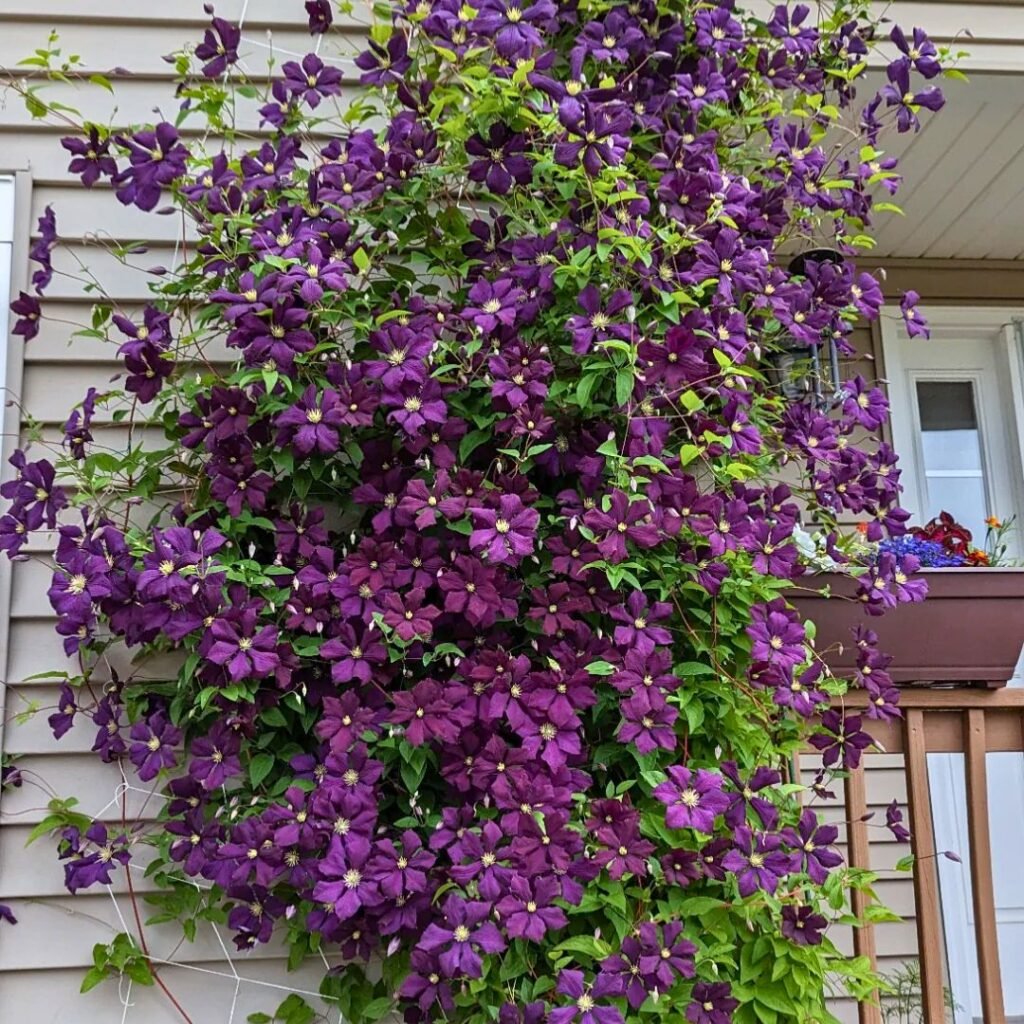
I’m a big fan of Clematis—it’s a simple way to get gorgeous color and height without much fuss. These climbers give you big, showy flowers in all kinds of shades, from deep purple to pure white. They’ll turn a plain trellis into a real focal point.
I usually plant Clematis in well-drained soil and try to keep the roots cool, either with mulch or by planting something short at the base. The top of the vine loves sunlight, which means more flowers.
Clematis needs strong support, so I gently tie the stems to the trellis as they grow. Pruning is important; it keeps the vine healthy and encourages more blooms. The timing depends on the variety—some bloom on old wood, some on new.
I water my Clematis regularly, especially when it’s dry, but I’m careful not to drown it. A steady, gentle watering routine helps avoid root rot. In spring, a bit of balanced fertilizer goes a long way for extra blooms.
If you mix different Clematis types that flower at different times, your trellis can stay colorful from spring to fall. There’s something really cheerful about watching the vines climb and bloom—it just brightens up any garden corner.
2) Wisteria

Wisteria is pure magic on a trellis. Those long, hanging clusters of purple, blue, or white flowers are just stunning, and the scent? It’s impossible to ignore when it’s in bloom.
It grows fast—sometimes a little too fast! I make a point to prune it often so it doesn’t get out of control or too heavy. The trellis needs to be strong because these vines get thick and woody over the years.
Wisteria loves full sun and well-drained soil. It really needs at least six hours of sun if you want tons of flowers. If it’s too shady, you’ll just get leaves.
I always pick a sturdy support from the start since these plants can live for decades. Once it’s settled in, Wisteria is pretty low-maintenance—just some light pruning and the occasional watering during dry spells.
Even though it’s a fast grower, I like guiding the vines along the trellis, shaping them as they go. It’s fun to watch them twist and climb, and the way they add height and color is just unbeatable.
If you’re into romantic garden vibes, Wisteria is a classic. The trailing flowers and soft fragrance bring a timeless charm to porches, fences, or archways.
3) Trumpet Vine
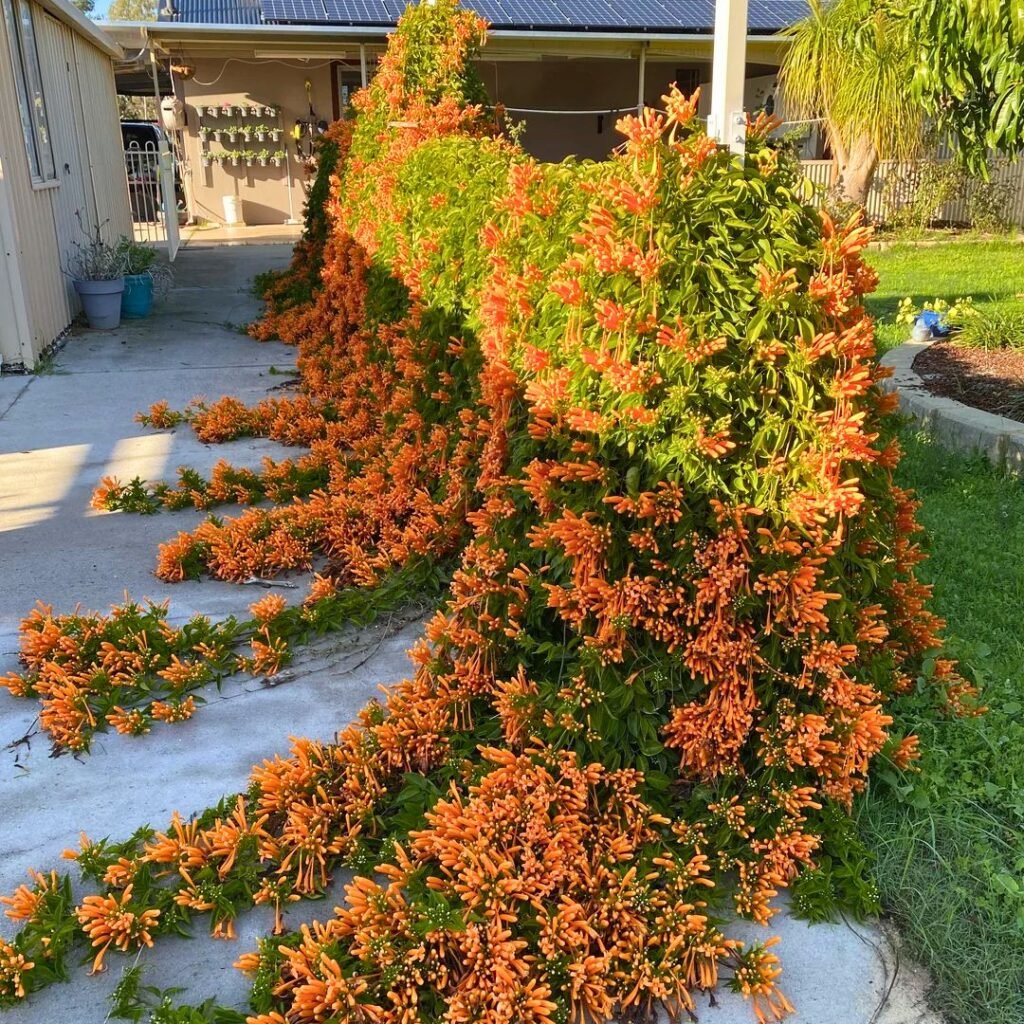
Trumpet Vine is all about bold color and energy. The orange-red flowers are like magnets for hummingbirds and bees, and the whole garden feels more alive when it’s blooming from summer into early fall.
This vine is a fast grower—it can cover a trellis or fence in a single season. The vines get thick, so you’ll want sturdy support. I trim mine every year to keep it from taking over.
What I love is how Trumpet Vine can handle heat and poor soil, so it’s great for low-maintenance gardens. It’s happiest in full sun, but it does okay in a bit of shade too. When it’s young, I water it regularly, but once it’s mature, it’s pretty drought-tolerant.
The trumpet-shaped blooms really pop against the dark green leaves. I like using it as a backdrop for smaller flowers—super easy way to add height and drama.
It can be aggressive, so I keep it in check with pruning. But honestly, when it’s climbing a trellis, it’s a vertical showstopper—bright, bold, and just a little wild.
4) Honeysuckle
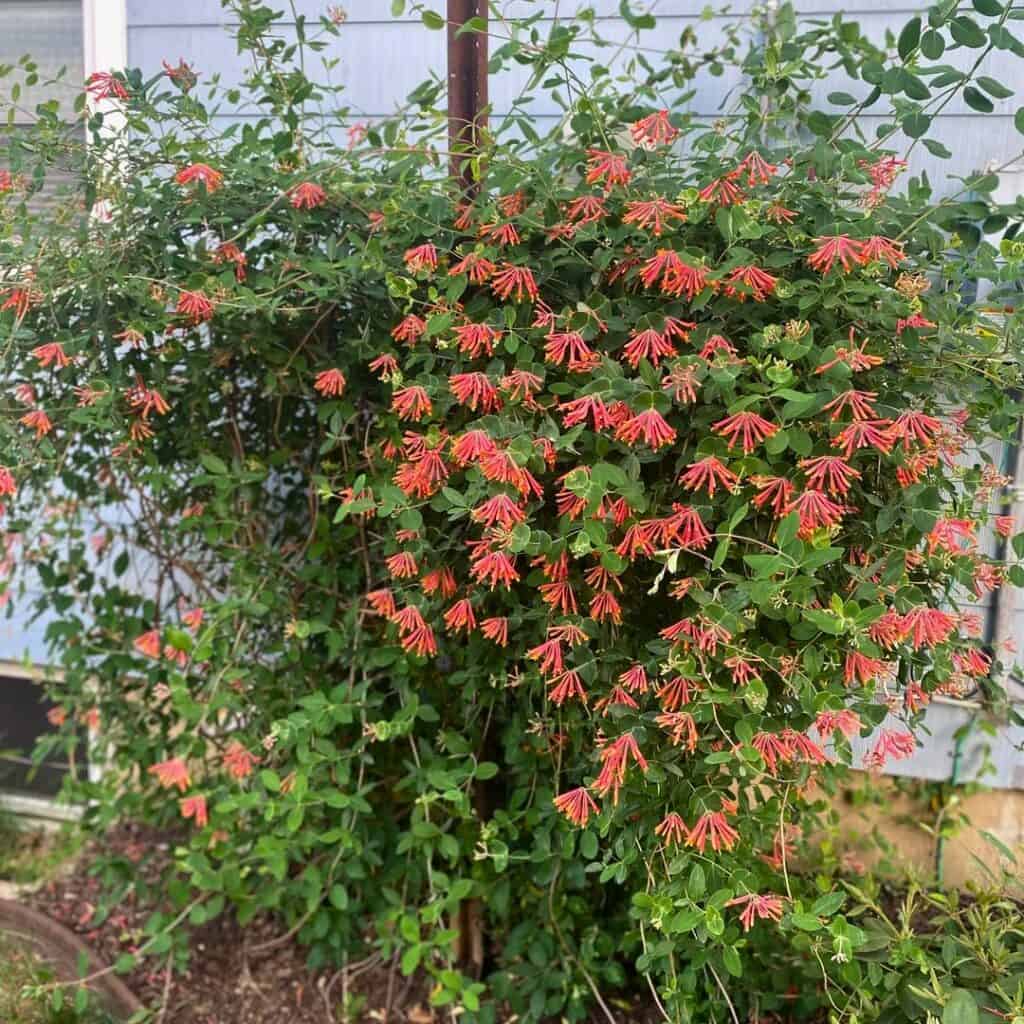
Honeysuckle is one of the easiest vines to train on a trellis, which is why I keep coming back to it. It grows quickly and fills in spaces with lush green leaves. The way it twists and climbs makes it simple to direct.
The flowers are lovely—soft tubes in shades of yellow, orange, white, or pink. I love watching bees, butterflies, and hummingbirds flock to them; the garden just feels more alive.
Honeysuckle does best in full sun, but it’ll manage in partial shade. It likes well-drained soil and needs regular watering at first. Once it’s established, it can handle a bit of dryness.
Annual pruning keeps it tidy and encourages more blooms. I usually trim mine in late winter to get rid of old stems and shape it for the new season.
Some types spread fast, so I keep an eye out for new shoots. A little maintenance goes a long way—when it’s cared for, honeysuckle turns a plain trellis into a fragrant, colorful wall.
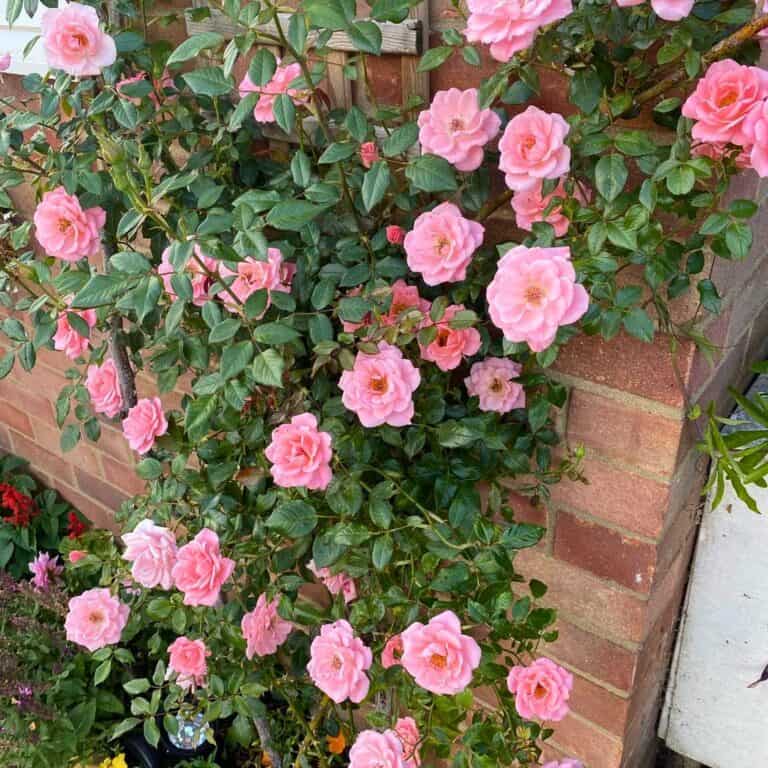
5) Climbing Rose

There’s something special about Climbing Roses—they give you both color and structure. The way they grow up a trellis, covered in dense foliage and classic blooms, is just stunning.
They need six hours of sunlight or more each day. I make sure the soil is rich and drains well, so the roots stay happy. As the stems grow, I tie them loosely to the trellis to help them climb.
Regular pruning is key. I cut away dead or weak branches in early spring, which helps the plant stay strong and bloom better.
I water deeply once or twice a week, depending on the weather. The roots like consistent moisture, but not soggy soil. Mulch helps keep the ground cool and weeds down.
If you give them steady care, climbing roses will last for years. The payoff? Bright, fragrant flowers that make any trellis the highlight of the garden each summer.
6) Jasmine

Jasmine on a trellis is just a treat for the senses. The white or yellow flowers pop against the green, and when there’s a breeze, the fragrance is just lovely.
It climbs naturally, wrapping its stems around whatever support you give it. I find it easy to train—just a bit of pruning keeps it neat, and it grows fast in warm months.
Jasmine likes full sun and soil that drains well. I water it often enough to keep the roots moist, but never soggy. It’s happiest in warm climates, but if you’re in a colder spot, you can always bring potted Jasmine indoors for winter.
There are lots of types—Star Jasmine and Pink Jasmine are two favorites, each with their own look and scent. I pick based on how much space I have and how strong I want the fragrance.
Jasmine attracts bees and butterflies, which adds even more life to the garden. When it’s blooming, the trellis is just bursting with energy. It’s an easy favorite for color and scent.
7) Bougainvillea

Bougainvillea is a total show-off, and that’s why I love it. The papery bracts come in pink, purple, orange, red, and white—when it’s blooming, the trellis is just covered in color.
It wants full sun and well-drained soil. I’ve learned not to overwater; too much and the leaves drop. Once it’s established, Bougainvillea barely needs any care, so it’s perfect if you want something bold with minimal effort.
It’s happiest in warm climates, but you can grow it in containers and bring it inside if winters get cold. It handles pruning really well, and keeping it trimmed means more flowers.
When I’m training Bougainvillea on a trellis, I use soft ties since the branches are thorny (definitely wear gloves). Over time, it creates a wall of color that brightens up any fence or patio.
I like mixing Bougainvillea with other sun-lovers like jasmine or trumpet vine. The combo makes the garden feel lush and welcoming. If you want vivid blooms and a plant that thrives on sunlight, Bougainvillea is a standout.
8) Passionflower
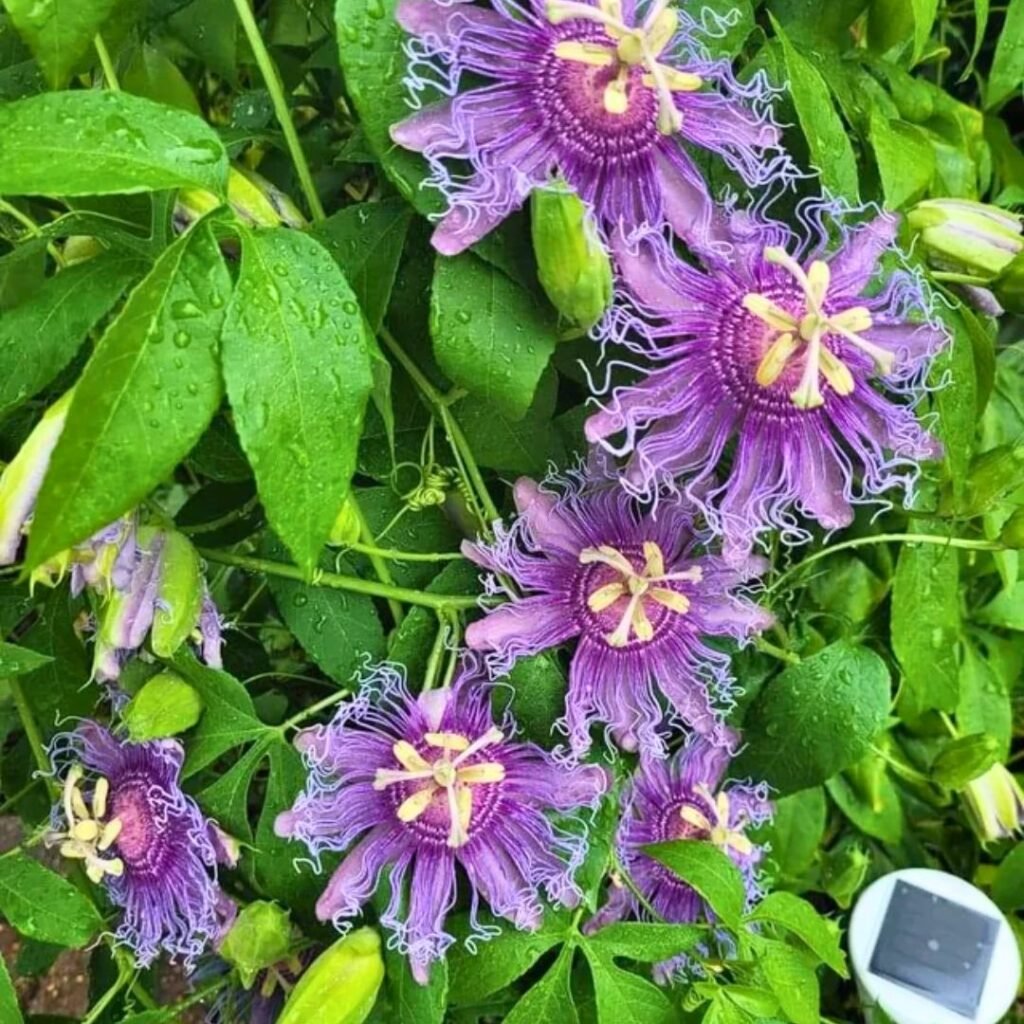
Passionflower is an instant conversation starter. The blooms are wild—bright, detailed, and nothing like your average garden flower. It gives a trellis a tropical vibe without much work.
I plant it in full sun so it gets plenty of warmth. It grows quickly, so I make sure the support is strong. In good conditions, it’ll reach 15–20 feet.
The flowers only last a day, but there’s always more coming. Each one looks like a little piece of art. Plus, it attracts butterflies and bees, which is great for pollination.
Passionflower likes well-drained soil and regular watering, especially if it’s hot. I try not to let the roots sit in water—mulch helps keep the soil just right.
In colder places, I treat it as an annual or bring pots inside before frost. If it’s in a container, I trim it back and keep it near a sunny window for winter.
Some types even produce edible fruit with a sweet, mild flavor. I’ll toss them into desserts or drinks when I get lucky. But even without fruit, the vine adds plenty of beauty.
For me, Passionflower is a mix of easy care and bold looks. It’s one of those plants that always makes my garden feel more lively and colorful.
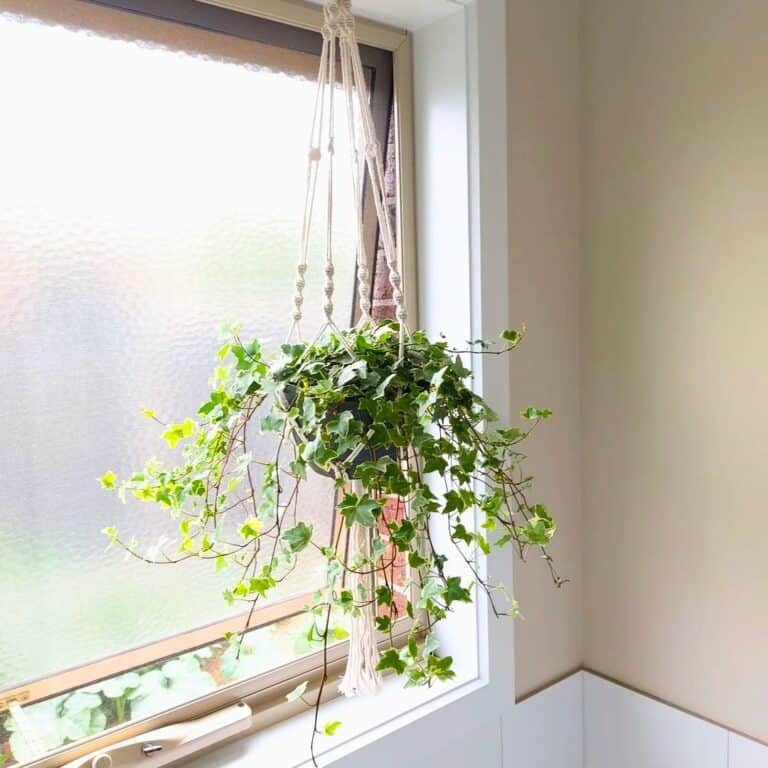
9) English Ivy

There’s something about English Ivy that just makes a trellis look instantly charming. Its dense, green leaves bring a classic feel, and I always think it makes an outdoor space feel a bit more peaceful.
I find it’s one of the easiest climbing plants to grow. It adapts to all sorts of conditions, which is honestly a relief if you’re not a perfectionist about your garden.
This ivy grows quickly once it’s settled in. I always make sure to give it a strong trellis or wall—the vines cling tightly with tiny rootlets, so they stay put even when it’s windy.
I usually plant it in partial shade, though it’ll tolerate sun if the soil doesn’t dry out. Regular watering during dry spells keeps the leaves lush and glossy.
I trim it a few times each year to shape it and keep it from taking over. When I need evergreen coverage, English Ivy always comes through.
The leaves stay green most of the year, so there’s always a bit of color. It works as a climber or a ground cover, so I can use it in all sorts of spots.
What I really like is how little maintenance it needs once it’s mature. A few snips and some water are pretty much all it asks for.
It’s a simple plant, but it gives back with year-round texture and beauty.
10) Morning Glory

Growing Morning Glory on my trellis is always a treat. It climbs fast and fills up empty spaces with a wild burst of green.
The vines can shoot up several feet in one season, so a fence or arbor gets covered in no time. Their bright, trumpet-shaped flowers open in the morning and close by afternoon, so every day brings a little surprise.
I plant the seeds after the last frost, once the soil feels warm to the touch. They sprout easily—soaking them overnight definitely helps.
Once the vines get going, they twist around supports all by themselves. I hardly ever have to tie them up; they just know what to do.
Morning Glory likes full sun and soil that drains well. I go easy on the fertilizer, since too much can mean fewer flowers.
It grows well in pots, too, as long as I give the vines something to climb. Regular watering keeps the leaves perky, especially when it’s hot.
The flowers always attract bees and butterflies, which makes the garden feel lively. I love seeing new blooms each morning—the colors can be purple, blue, pink, or white, and every vine has its own mix.
At the end of the season, I pull off the old vines before frost. The plant reseeds easily, so I usually find new sprouts the next year.
If I want to keep it from spreading everywhere, I just collect the seeds and plant them where I want. Morning Glory brings color and energy to the garden with hardly any effort.
11) Sweet Pea
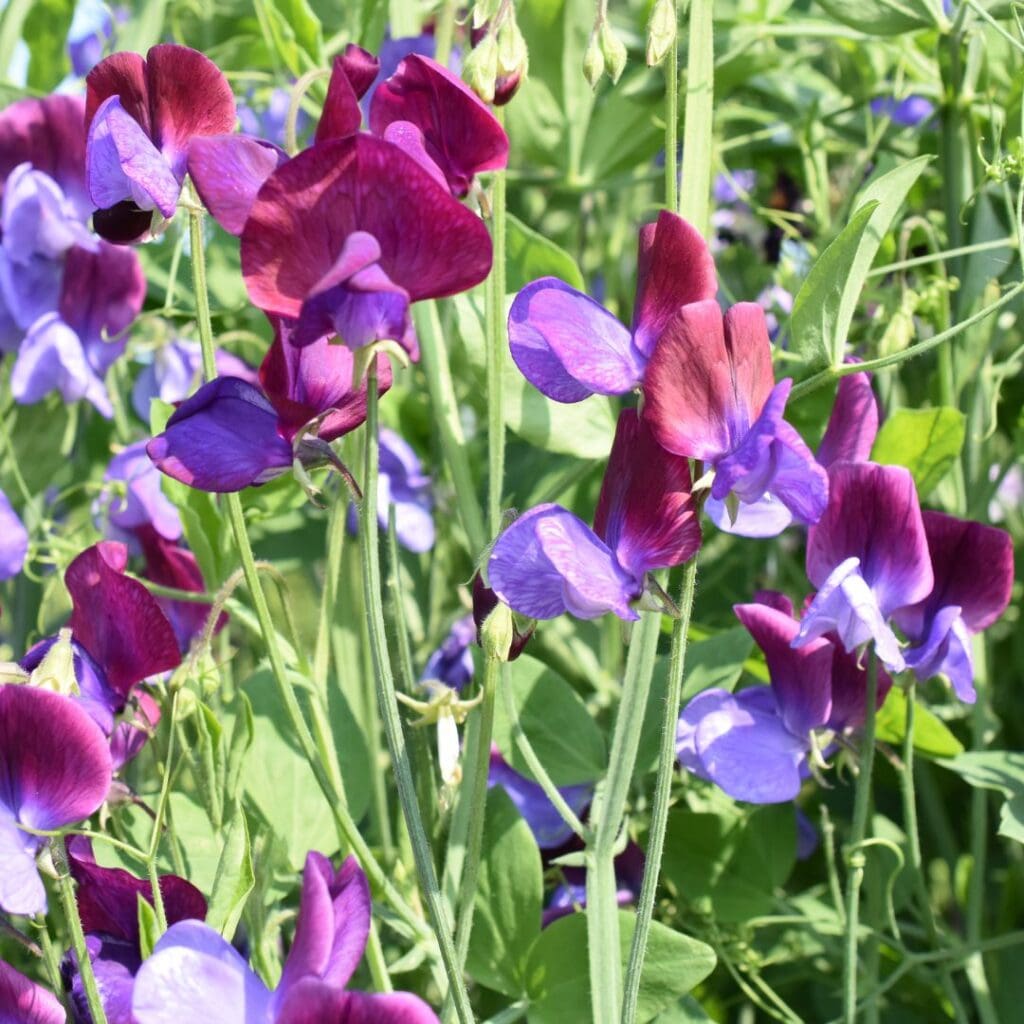
I can’t help but love Sweet Pea on my trellis. It brings both color and fragrance to the garden, and the vines climb easily, filling the space with soft pinks, purples, and whites.
Watching Sweet Pea grow is honestly pretty satisfying—it’s not fussy at all. These plants like cool weather, so I start them in early spring or fall.
I usually soak the seeds overnight to help them sprout faster. With a bit of sunshine and well-drained soil, they get going quickly and start climbing on their own.
They do need sturdy support since their tendrils grab onto anything nearby. I water regularly to keep the blooms bright, but I try not to overdo it—root problems can sneak up if the soil stays soggy.
Deadheading old flowers encourages new ones, which keeps the show going longer. One of my favorite things is the sweet scent that drifts through the air.
It makes the garden feel peaceful, and I often cut a few stems to bring inside—the fragrance fills the whole room.
Since Sweet Pea is an annual, I replant it every year. Still, the fast growth and cheerful colors make it totally worth it.
The vines can get several feet high, creating a wall of flowers that attract bees and butterflies. For me, Sweet Pea is an easy way to make a trellis look lush and charming.
It rewards simple care with beautiful results—just what I want for brightening up any outdoor space.
12) Boston Ivy

Boston Ivy has a way of transforming walls and trellises instantly. In spring, the leaves are a bright green, then they turn deep green for summer, and by fall, they shift to brilliant red or purple.
That color change is honestly one of the best parts—it keeps things interesting all year. This plant climbs with tiny suction-like pads, so no wires or ties are needed.
It spreads fast, covering a fence or wall in just a few seasons. I trim it every so often to keep it looking neat and under control.
Boston Ivy does well in full sun or partial shade, and it isn’t picky about soil. It’s hardy, so it works in a lot of climates.
I water during dry spells, but once it’s established, it can handle short droughts. I also like how Boston Ivy gives cooling shade in summer.
When the leaves fall in winter, sunlight comes through, which is a nice bonus.
The small black berries in fall attract birds and bring a bit more life to the space. If I want something low maintenance and beautiful, Boston Ivy is a great pick.
It adds color, coverage, and a natural vibe that works with brick, stone, or wood.
13) Black-eyed Susan Vine
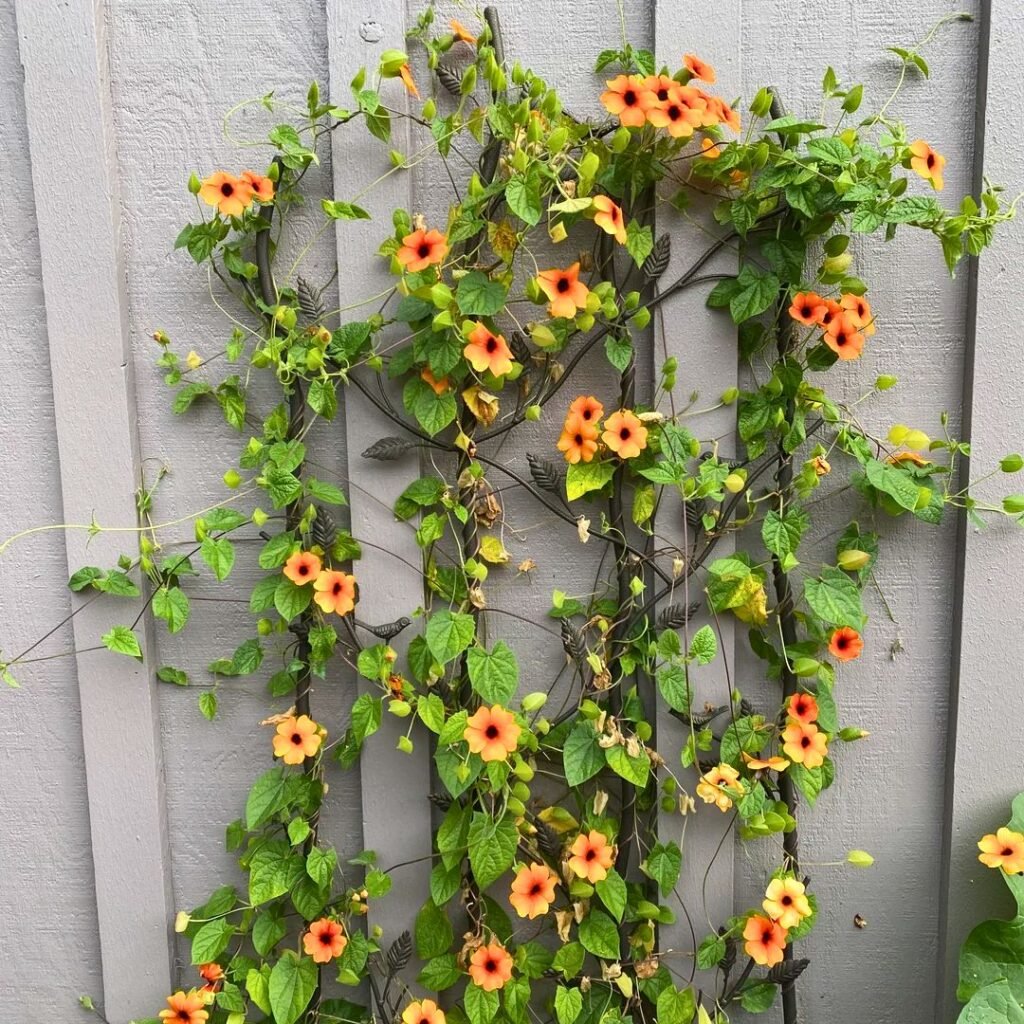
Black-eyed Susan Vine is such a cheerful addition to any garden. Its vibrant yellow, orange, or white flowers with dark centers really pop against the green leaves.
The blooms last from summer to fall, so my trellis stays lively for months. I like that it’s easy to grow, especially since it loves full sun and warm weather.
I plant it after the last frost, and once the soil is warm, it climbs fast. It usually gets about 6 to 8 feet tall, which is just right for fences or balcony railings.
This vine likes moist, well-drained soil and needs regular watering when it’s dry out. I try not to let it dry out too much, or it slows down.
A bit of fertilizer every few weeks keeps the leaves full and the flowers coming. Sometimes I start it in containers and let it trail or climb where it wants.
It wraps around trellises neatly, but I’ll guide a few stems if they wander too far. I like that it looks full but not totally out of control.
Black-eyed Susan Vine adds instant color and a soft touch to any vertical space. Whether it’s in the garden or on the patio, it always draws attention and brings a friendly feel.
14) Dutchman’s Pipe

There’s something instantly charming about Dutchman’s Pipe in the garden. Its big, heart-shaped leaves create thick, green coverage that fills in a trellis, fence, or pergola super fast.
What really stands out are the unique flowers—they look like little curved pipes. The color isn’t flashy, but the shape is so unusual that people always notice.
These blooms usually show up in late spring or early summer and can bring in butterflies and other pollinators. I find Dutchman’s Pipe likes moist, well-drained soil and partial shade.
It’ll handle full sun in cooler places, but when it’s hot, some shade is best. Keeping the soil evenly damp helps the plant stay lush.
Since it grows quickly, I make sure to prune it regularly. Trimming keeps the vine in check and stops it from swallowing everything nearby.
It can look a little wild, but honestly, that’s part of the appeal—a thick screen of green that feels private and peaceful.
I use Dutchman’s Pipe when I want fast coverage or need to block something unsightly. It’s a reliable climber that fits big and small spaces.
With a bit of care, it brings a touch of natural beauty and privacy to any outdoor spot.
15) Scarlet Runner Bean
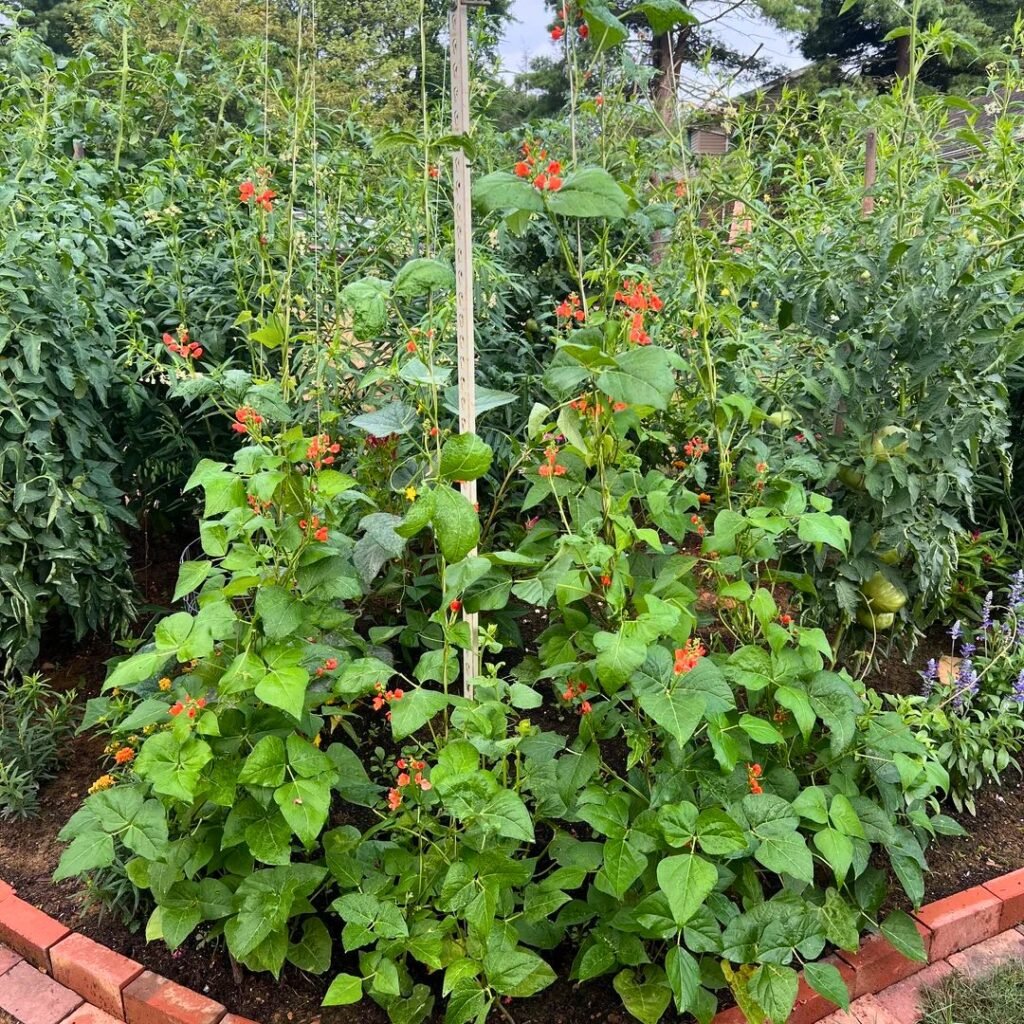
The Scarlet Runner Bean is a favorite for adding both color and life to my trellis. Its bright red blooms really stand out against the deep green leaves, making the garden feel cheerful.
This plant grows fast—vines can reach up to 10 feet in a season, so it’s great for quick coverage on fences or arches. The dense leaves offer a bit of shade, which makes the space underneath feel cooler.
I start the seeds after the last frost. They like full sun and well-drained soil, which helps them grow strong.
Regular watering keeps the soil just right, and I’ve noticed they bloom best when I pick the pods often. One thing I really enjoy is how the flowers attract hummingbirds and butterflies.
Watching them visit the blossoms adds extra life to the garden. When the pods mature, I can pick young ones for cooking or let them dry for seeds.
The Scarlet Runner Bean gives me both beauty and function. It’s a climbing cover and a source of edible pods—a win-win for any vertical space.
Tips for Growing Climbing Plants on Trellises
To keep my climbing plants happy, I focus on the right structure, enough space, and steady support. Strong frameworks, proper spacing, and a little routine training help them grow evenly and look their best.
Choosing the Right Trellis
I always try to match the trellis material to the plant’s weight. Light vines like sweet peas or morning glories are fine on plastic or bamboo.
Heavier climbers—wisteria or climbing roses, for example—really need sturdy metal or wooden frames that can handle their weight and the wind. Height matters, too.
The trellis should let the plant reach its full length without crowding. I check the spacing between slats or wires—2–4 inches is usually good for most vines to wrap or twine.
I go for weather-resistant materials like rustproof metal or coated wood so I don’t have to replace them constantly. A secure base keeps the trellis upright, even in storms or when the plant gets heavy.
I make sure to anchor it well before planting.
Correct Plant Spacing
When I’m planting vines, I make sure each one has enough room. Tight spacing means poor airflow, which can invite mold or pests.
I space small plants about 6–12 inches apart, and bigger, vigorous ones at 2–3 feet. Proper spacing helps every plant get equal sunlight and nutrients.
I like to sketch a quick chart before planting so I don’t forget:
| Plant Type | Recommended Spacing | Example |
|---|---|---|
| Light vine | 6–12 inches | Peas, Morning Glory |
| Medium vine | 1–2 feet | Clematis, Jasmine |
| Heavy vine | 2–3 feet | Rose, Wisteria |
I also leave a gap between the trellis and the wall—about 4–6 inches—so air can move behind the plant. That keeps things dry and helps prevent root rot.
Supporting Plant Growth
I guide young stems early so they can latch on the right way. Soft ties or garden clips are gentle and easy to adjust as the vine grows.
I check them often and loosen them if the stems start to thicken. I remove any weak or tangled stems that block light or airflow.
That way, the plant puts its energy into strong growth. If things get too dense, I do a light prune to encourage fresh shoots.
With twining plants, I wrap new shoots around the trellis by hand every week or so. For tendril climbers, I attach stems near the trellis until they start gripping by themselves.
Keeping up with this makes for a tidy, strong-looking plant.
Common Issues and Troubleshooting
Climbing plants sometimes run into trouble with pests or just growing a little too fast. I try to catch problems early so things stay healthy and the trellis doesn’t get overwhelmed.
Watching for changes in leaf color, texture, or growth helps me spot issues before they get out of hand.
Dealing With Pests and Diseases
I keep running into aphids, spider mites, and the occasional whitefly on fresh leaves. These little bugs suck sap, leaving foliage sticky or curled, which is honestly pretty annoying.
Usually, I’ll just wash the leaves with water or spray some insecticidal soap to knock back small infestations. If they’re stubborn, I break out the neem oil every week or so until they finally clear up.
When I spot diseases like powdery mildew or black spot, I don’t wait—I remove infected leaves immediately. It’s just easier to stop things before they spread everywhere.
I try not to water leaves directly, since wet foliage seems to invite fungus. It’s a simple habit, but it works: inspect, remove, treat. Keeps things under control, mostly.
Regular pruning helps with airflow, too. The difference is real—less fungus, happier plants.
Spacing my vines out makes for cleaner, greener growth. It’s a small thing, but it pays off.
Quick tip: Never compost diseased leaves. I always toss them in the trash so I don’t invite trouble back next season.
Managing Overgrowth
Some vines just take off before I know it. If I let them go wild, they tangle up and start blocking the light for everything else.
I trim back long shoots every few weeks to keep things in check. It’s way easier to shape the plant as it grows than to fix a mess later.
Prompt trimming prevents tangles and broken stems. I’ve learned that the hard way.
I use soft plant ties or garden clips—nothing too tight—so the vines stay put but don’t get damaged. Loose ties let the stems grow without pinching.
If the plant starts shading out its neighbors, I thin out a few extra branches. Makes the trellis look neat and keeps things manageable.
With fast growers like morning glories or wisteria, I stick to a routine: light pruning during the season, then a heavier cutback in late winter. That’s how I keep the size and shape under control.
A tidy trellis just feels better to look at, and honestly, the blooms stand out more when they’re not buried.
Frequently Asked Questions
People ask me all the time about growing and caring for climbing plants on trellises. Here’s what I’ve learned—maybe it’ll help you too.
What are some fast-growing climbing plants perfect for trellises?
I’m a fan of Clematis, Trumpet Vine, and Honeysuckle. They fill out a trellis fast—sometimes in just a season or two.
Wisteria is another speedy one, but heads up: those vines get heavy, so you’ll need strong support.
How do I care for climbing plants on a trellis throughout the seasons?
I check the soil once a week so it stays moist, but not swampy. In spring, I toss in some compost or slow-release fertilizer.
When winter hits, I cut back dead growth and secure any loose vines so the wind doesn’t snap them.
Can climbing plants damage my trellis or wall, and how can I prevent it?
Definitely—plants like Wisteria and Trumpet Vine can get pretty hefty and strain a weak trellis. I always go for a sturdy frame and stay on top of pruning to keep things in check.
Are there any flowering climbers that do well in shaded areas?
Yep! I’ve had good luck with Clematis varieties that like partial shade. Honeysuckle also does well in lighter shade and still puts out fragrant flowers.
What are the best climbing plants for attracting wildlife like bees and butterflies?
Honeysuckle is my go-to—it smells amazing and draws in bees and butterflies all summer. Climbing Roses are great, too; they offer nectar and a little shelter for pollinators.
How often should I prune my trellis climbing plants, and what’s the best method?
Honestly, I usually prune my climbers once or twice a year—it really depends on the plant and how wild it’s getting.
When I do prune, I look for weak or crowded stems and snip those out to help the air move through better.
I try to cut just above healthy buds, since that shapes the plant and encourages fresh growth.
It’s not an exact science, but a little attention goes a long way!
Recommended Garden Supplies
| Product Image | Our Recommended Gardening Supplies | Check Offers! |
|---|---|---|
Top Top
Top
Top
Top
Top
Top
Top
Top | rePotme Houseplant and Tropical Classic Potting Soil Mix | Check Offer On Amazon |
 Top
Top
Top
Top
Top
Top
Top
Top | Espoma Organic Indoor Plant Food | Check Offer On Amazon |
 Top
Top
Top
Top
Top
Top
Top
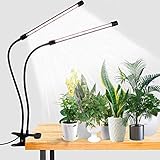
Top | GooingTop LED Grow Light 6000K Full Spectrum Clip Plant Growing Lamp | Check Offer On Amazon |
 Top
Top
Top
Top
Top
Top
Top
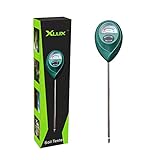
Top | Soil Moisture Meter | Check Offer On Amazon |
 Top
Top
Top
Top
Top
Top
Top
Top | Govee Hygrometer Thermometer, Bluetooth Enabled! | Check Offer On Amazon |
 Top
Top | LEVOIT Humidifiers for Large Room(Best For Plants) | Check Offer On Amazon |
 Top
Top
Top
Top
Top
Top
Top
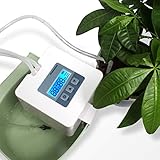
Top | Upgraded DIY Automatic Drip Irrigation Kit, 15 Potted Houseplants Support | Check Offer On Amazon |
 Top
Top
Top
Top
Top
Top
Top
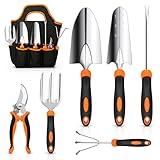
Top | Stainless Steel Heavy Duty Gardening Tool Set | Check Offer On Amazon |
 Top
Top
Top
Top
Top
Top
Top
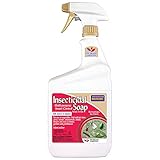
Top | Bonide Insecticidal Soap | Check Offer On Amazon |
 Top
Top
Top
Top
Top
Top
Top
Top | Bonide 32 oz Spray Neem Oil for Organic Gardening | Check Offer On Amazon |
 Top
Top
Top
Top
Top
Top
Top
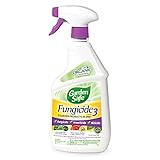
Top | Garden Safe Fungicide | Check Offer On Amazon |
Note: Some images in the articles are sourced from Reddit and Other Platforms For Reference Purpose.