15 Best Backyard Plants That Bloom All Season Long
I’m always amazed by how the right mix of plants can keep a backyard bursting with color from spring straight through to fall.
When flowers take turns blooming, the whole place just feels alive and inviting, week after week.
You can totally pull off a garden that never looks dull, with blooms popping up all season long.
In this article, I’ll run through some of my favorite plants that stay in bloom longer and bring steady color to any outdoor space.
There’s something here for every style—bold and bright, soft and classic. I’ll also toss in a few care tips and ideas to help your garden really thrive.
Please note: Simplify Plants is reader-supported. As an Amazon Associate, I earn from qualifying purchases made by our readers with no extra cost added to you all! Some links in the post are affiliate links and I get a commission from purchases made through links in the post.
1) Knock Out Roses
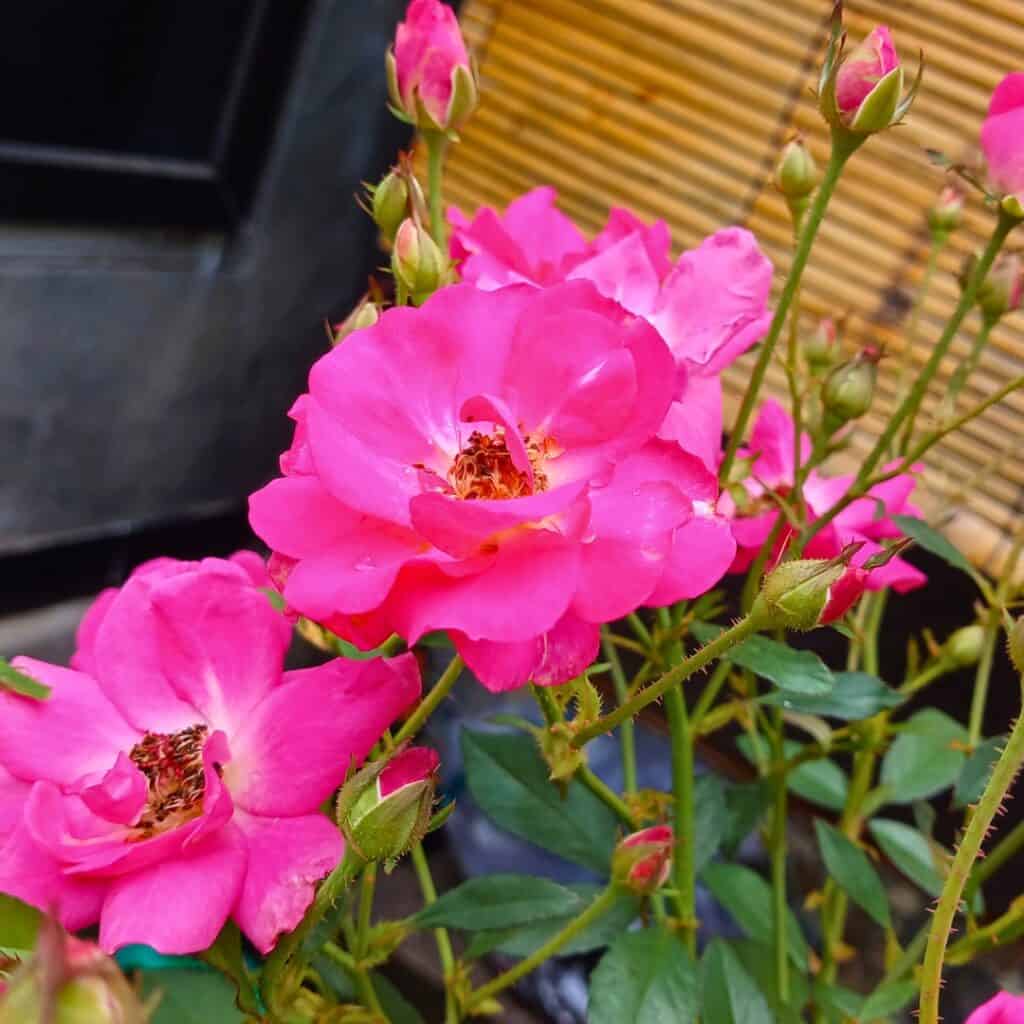
Knock Out Roses are a staple in my yard because they just keep blooming from spring until the first frost. They’re so easy, too—minimal fuss, maximum color.
These roses come in shades like red, pink, and yellow. I usually pick colors that fit with the rest of my garden, just to keep things looking balanced.
One thing I appreciate is how low‑maintenance they are. I hardly ever have to spray for pests, and they still look great. A quick trim in early spring is usually enough to keep them blooming strong.
I always plant them in a sunny spot—that’s where they really shine. Well‑drained soil is key, since soggy roots are a no-go. A deep watering once a week keeps them happy, even if it’s dry.
They look fantastic along fences or as short hedges. Sometimes I mix them with perennials like lavender or salvia for extra layers of color.
Every time I step outside, I notice how much life and brightness these roses add. They’re proof that gardening doesn’t have to be complicated to be beautiful.
2) Coneflower (Echinacea)

Coneflowers are a must for me—they keep my backyard colorful from early summer to fall. Their petals, in pink, purple, or white, really stand out and the bees and butterflies love them.
They do best in full sun with well-drained soil. Once they’re settled in, I barely have to water them, even during dry spells.
Each flower lasts for weeks, and new buds keep coming. The more I cut spent blooms, the more flowers I get, so my garden always looks fresh.
Coneflowers are tough—they handle heat, wind, and even crummy soil. I like that they come back every year without any extra work.
In fall, I leave the seed heads for the birds, especially finches. It’s fun to watch them, and the dried blooms add a little interest when other plants are fading.
If I had to pick just a few plants, Echinacea would definitely be on my list. It’s reliable, easy, and always beautiful.
3) Daylilies (Hemerocallis)
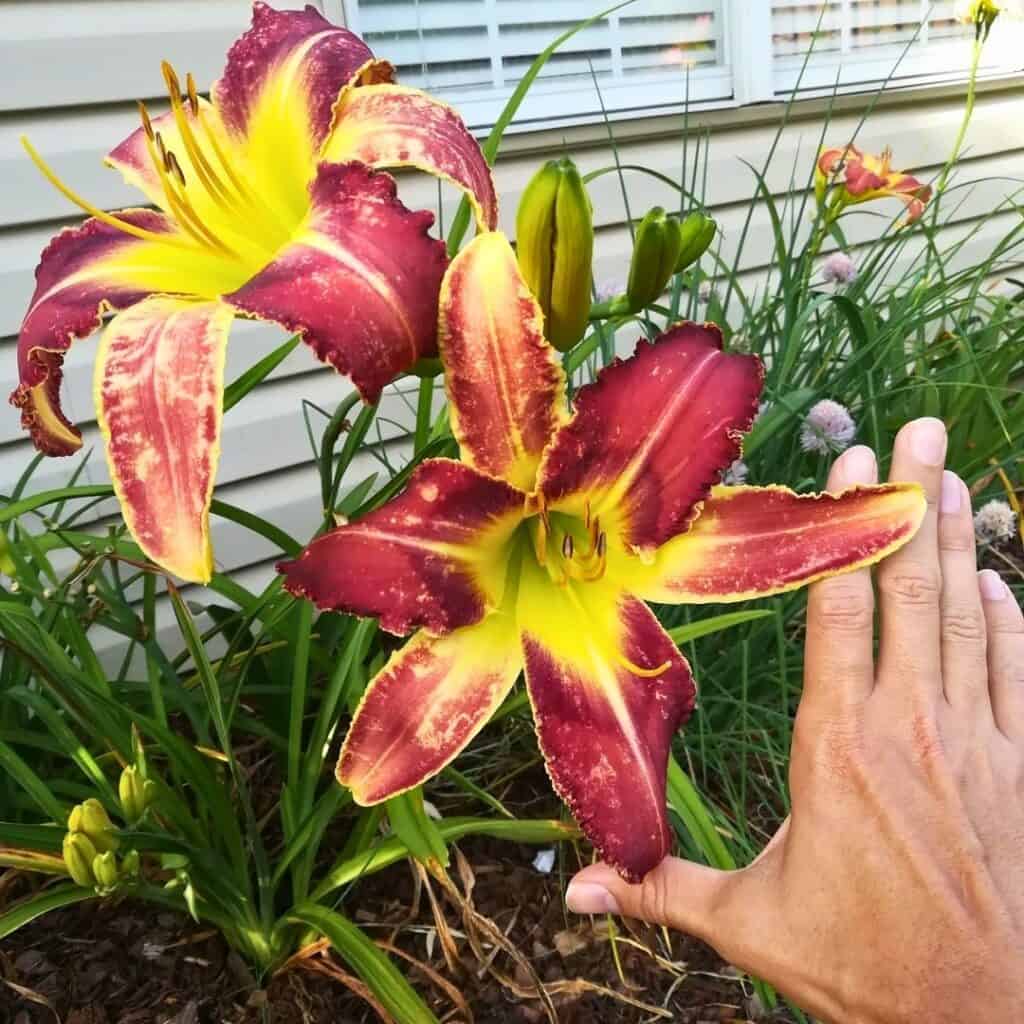
Daylilies are such a simple way to get steady color with hardly any effort. They come in bright shades—orange, yellow, pink, even purple. Each bloom only lasts a day, but there are always new ones opening, so the plants never look empty.
They’re easy to grow in sunny spots with well-drained soil. Once they’re established, I don’t have to water much at all.
I space them about two feet apart so they have room to spread. Mixing early-, mid-, and late-season types gives me color from spring through late summer.
A quick trim of faded blooms keeps things tidy. They’re super low-maintenance—I hardly ever have pest problems, and dividing clumps every few years keeps them healthy.
Their long bloom time and easy care make them one of my favorite perennial choices. Every year, they come back stronger, adding color and charm without much work at all.
4) Black-eyed Susan (Rudbeckia)
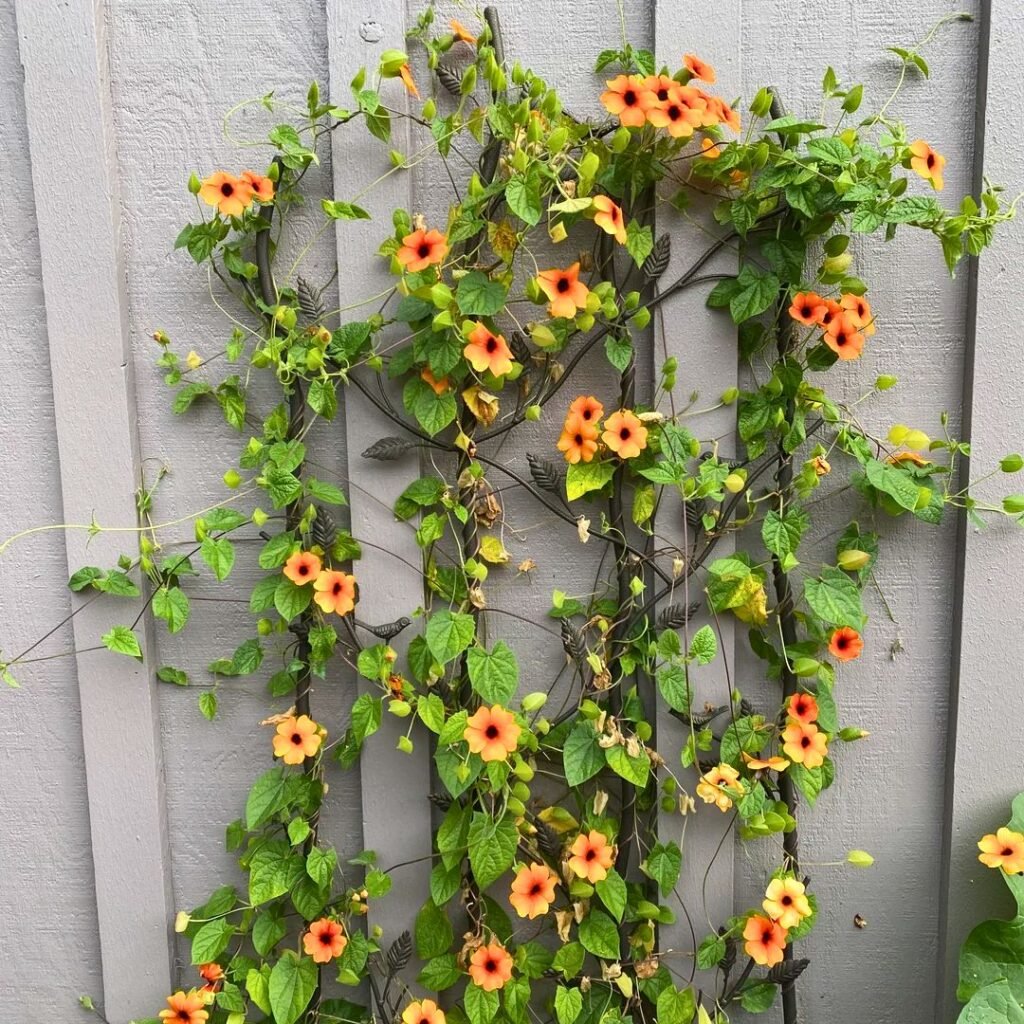
Black-eyed Susans are a go-to for me because they bring color from summer through fall. Their bright yellow petals with dark centers pop in any garden, and they attract bees and butterflies, which is always a bonus.
They thrive in full sun and handle heat and drought better than a lot of other plants I’ve tried. Just a little water and deadheading, and they keep going strong.
I plant them in beds and along fences for a relaxed, natural vibe. They’re also great as cut flowers—they last several days in a vase and don’t flop over.
Rudbeckias spread slowly, so I often divide them to fill new spots or share with friends. They like well-drained soil and don’t need much fertilizer—too much can actually mean fewer blooms.
When late summer rolls around, these golden flowers are always what catches my eye. They just make the yard feel warm and welcoming.
5) Butterfly Bush (Buddleia)
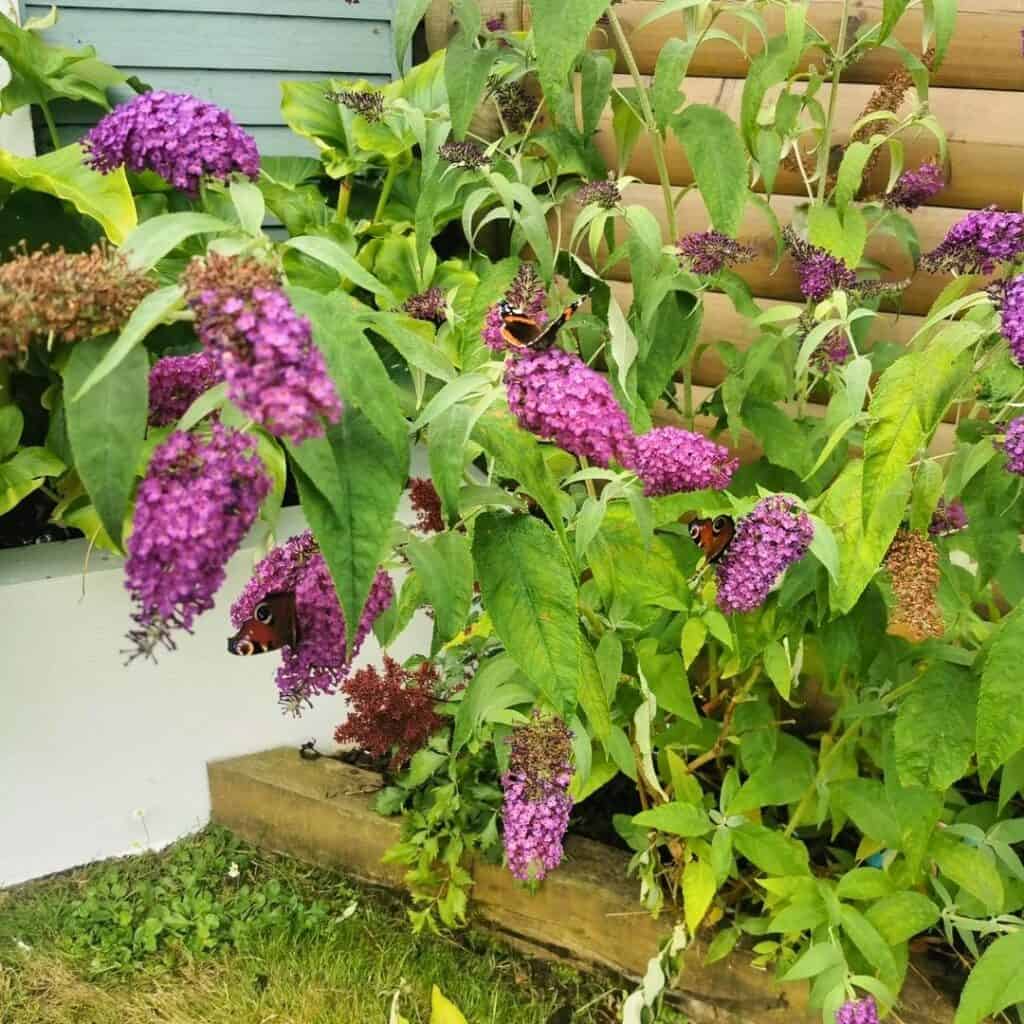
Butterfly Bush is one of those plants that just brings the garden to life. Butterflies, bees, and hummingbirds seem to flock to it, especially when it’s blooming from summer to fall.
This shrub grows fast and can get pretty tall. I love how its arching branches sway in the breeze and fill out the space with lush green leaves.
The flowers come in purple, pink, white, and yellow, so it’s easy to find one that fits your garden. I always put mine in full sun with well-drained soil for the best blooms.
Once it’s settled in, it barely needs any water. I give it a trim each spring to encourage new growth and more flowers later on.
Watching butterflies gather around the blooms is honestly one of my favorite things. The sweet scent and bright colors keep the garden lively all summer.
If you want a shrub that supports pollinators and adds color for months, Butterfly Bush is a no-brainer for any sunny spot.
6) Lantana

Lantana is one of those plants that just keeps going. Its flowers bloom in clusters and come in bold shades of yellow, orange, pink, red, and purple. From spring through fall, it’s always putting out new color.
It does best in full sun and well-drained soil. The more sunlight, the better—at least, that’s been my experience.
I use Lantana along borders, in beds, or in hanging baskets. Its trailing stems are perfect for containers, and mixing colors gives a cheerful look that lasts all season.
It attracts butterflies and hummingbirds, so my backyard is always buzzing. The blooms hold up in the heat and don’t fade easily, which I really appreciate.
Lantana barely needs any care. I trim it when it gets too wild and pick off old flowers to encourage new ones. It’s also pretty resistant to pests and diseases.
In winter, I bring potted Lantana indoors or cover it if it’s cold. In warm places, it can grow as a small shrub and stay green all year. That flexibility is a big reason I keep planting it.
If I had to pick just a few plants for steady color, Lantana would definitely make the cut. It’s easy, tough, and keeps blooming almost all year.
7) Salvia
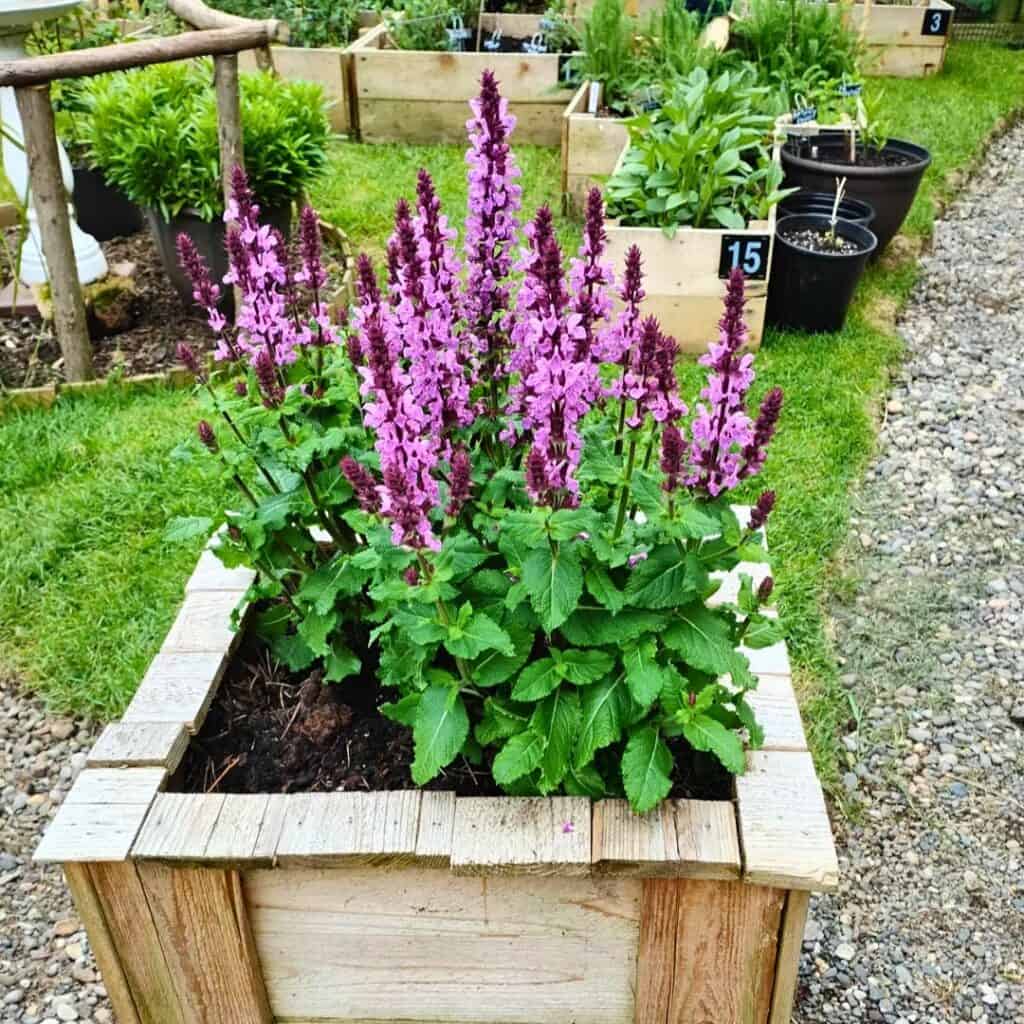
Salvia is one of those plants that brings both color and texture to the garden. The tall flower spikes really stand out, and the leaves stay lush through the warm months.
It loves full sun and well-drained soil. I’ve found it easy to grow, even if I forget about it for a while.
There are tons of types, but I’m especially fond of Salvia nemorosa and Salvia guaranitica. The colors—blue, purple, pink, red—make it easy to find something that fits.
Bees, butterflies, and hummingbirds are constant visitors. Watching them flit around is half the fun of having Salvias.
To keep the blooms coming, I just cut back old flowers as soon as they fade. A little trim mid-season keeps the plant looking neat and full.
I usually plant Salvia near paths or in the middle of a bed. The bright colors pair well with other summer bloomers like coreopsis or coneflowers.
If you’re after a plant that works hard all summer, Salvia is a smart pick. It’s colorful, good for pollinators, and doesn’t need much attention.
8) Coreopsis
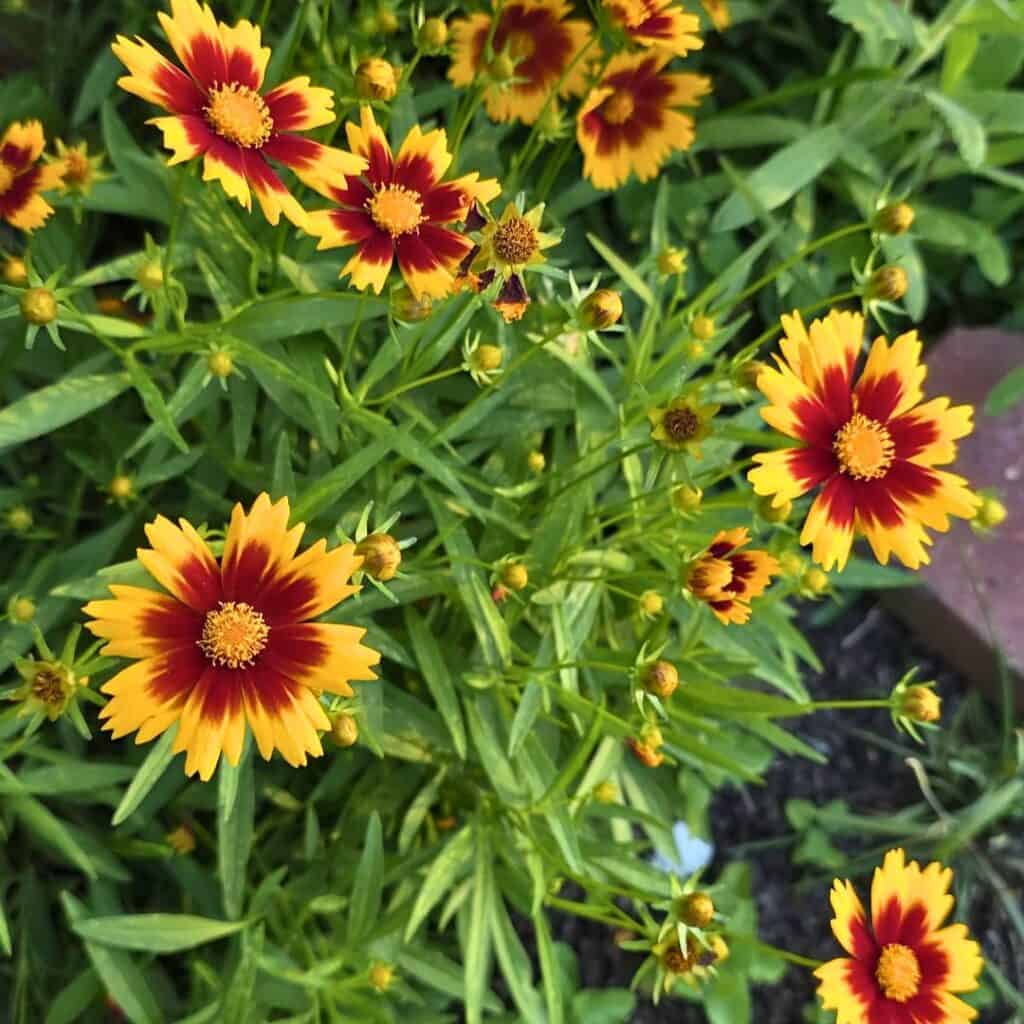
Coreopsis, or tickseed, is one of my favorite ways to brighten up the backyard. Its cheerful yellow or orange blooms last for months, and it’s so easy to care for.
It grows well in full sun and can handle dry soil. I just water when things get really dry and snip off faded flowers to keep the blooms coming. Its long bloom time is honestly why I keep adding more every year.
Coreopsis fits into almost any garden style. I like mixing it with perennials like coneflowers or lavender for a simple, colorful look. Butterflies and pollinators love it, which makes the garden feel lively all season.
I go for both annual and perennial types, just to stretch out the bloom time. Even a small patch adds a lot of warmth and energy to the yard.
At the end of the season, I cut back the stems and leave some seed heads for the birds. It’s so low-maintenance—I get bright flowers without much effort at all.
9) Phlox

I’m a big fan of phlox—it just brings so much color and happiness to my yard, pretty much all season. The clusters of small, fragrant blooms always seem to pull in butterflies and hummingbirds, which is a bonus.
There are so many colors—pink, purple, white, red—you can really mix things up if you want. Phlox likes full sun and well-drained soil. I try to remember to water it pretty regularly, especially if it’s been dry for a while.
Some types of phlox spread fast, so I give them a little elbow room. I’ve noticed that deadheading spent flowers helps new blooms pop up faster, and it’s not hard to do. I also trim back tall stems so they don’t flop over after a heavy rain.
Phlox is awesome for garden borders or rock gardens. The shorter kinds make a nice ground cover, and the tall ones add a bit of height and texture. I love planting them near patios or walkways—makes it easy to catch that sweet scent.
In early spring, I’ll feed my phlox with a balanced fertilizer to get things going. During summer, I watch out for powdery mildew, which can show up if there’s not enough air moving around the plants. Spacing them out and watering at the base really helps with that.
Every time new blooms show up, I’m reminded how low-maintenance and rewarding phlox really is. It’s a plant that just keeps the backyard lively with color from spring right through fall.
10) Bee Balm (Monarda)

Honestly, I can’t get enough of Bee Balm in my backyard. It’s so bright and cheerful, and it brings in pollinators all season. Those round clusters of red, pink, or purple flowers look amazing against the green leaves.
They usually bloom from early summer to early fall, so I get a good stretch of color. Bee Balm is super easy to grow and doesn’t ask for much. It likes full sun and regular garden soil, and as long as I keep the soil a little moist, it really thrives.
Watching bees, butterflies, and hummingbirds visit the blooms always makes me smile. It’s nice knowing I’m helping out local pollinators, too. The flowers also last a while indoors if you want to cut a few for a bouquet.
Bee Balm does best if I divide the clumps every few years, just so things don’t get crowded and to help prevent mildew. I also snip off faded blooms so more flowers keep coming.
One more thing—I love the scent. The leaves have a fresh, herbal smell, kind of minty. Some folks even use them for tea, which is fun.
If you’re short on space, there are dwarf varieties that fit perfectly in containers or small borders. No matter where it goes, Bee Balm brings steady color and a little buzz of activity to the garden.
11) Sedum ‘Autumn Joy’
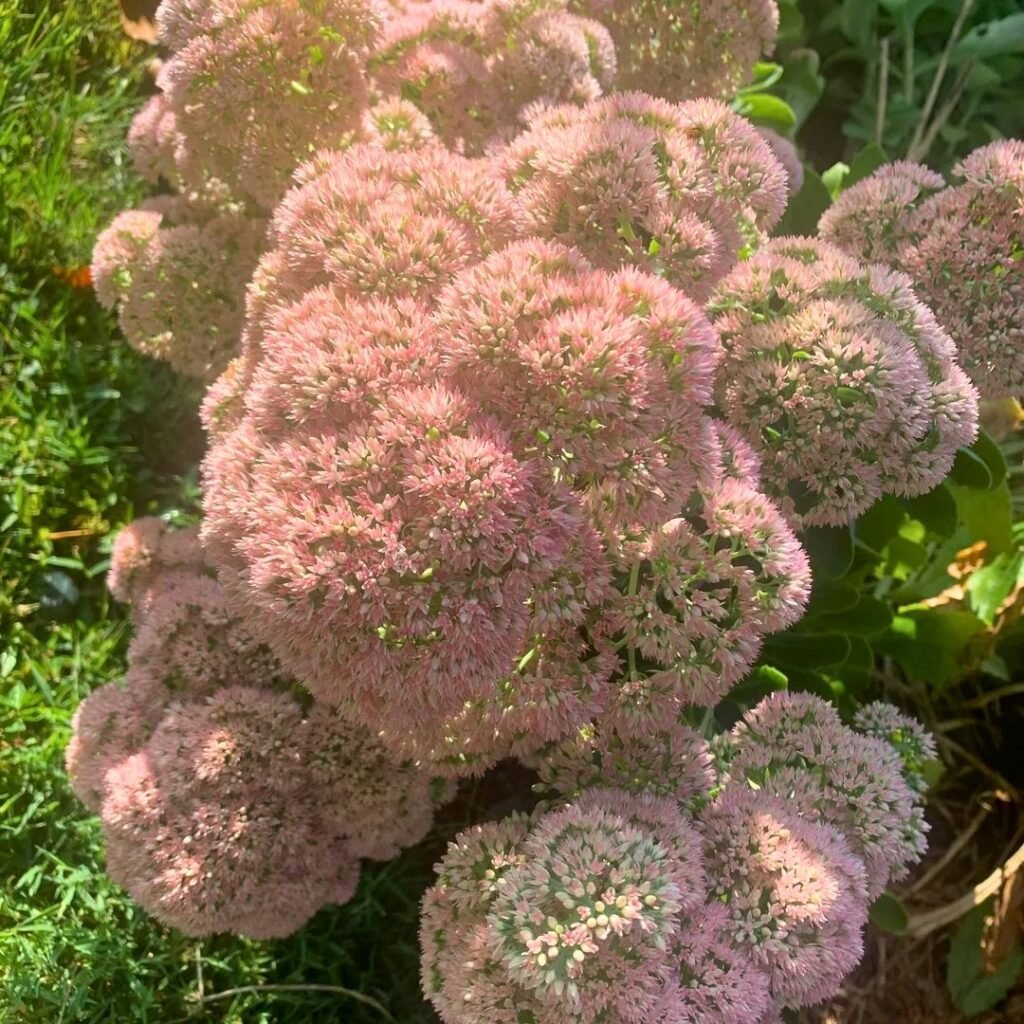
There’s just something about Sedum ‘Autumn Joy’ that makes late summer and fall feel special. When most plants are fading, this one’s just getting started.
It’s a tough perennial that loves sunny spots and doesn’t mind poor soil. The thick, fleshy leaves hold water, so I don’t stress about forgetting to water now and then.
In midsummer, you get these clusters of tiny pink flowers on strong stems. As fall moves in, the blooms turn deep rose and later rusty red—such a cool transition. Bees and butterflies seem to love them, which is always a good sign.
I like planting Sedum along borders or in rock gardens since it stays neat and upright. It also looks great in container gardens for a bit of height. The flowers hang on well into winter, and I usually leave them for some extra texture.
What’s great is how low maintenance Sedum ‘Autumn Joy’ is. It shrugs off drought, pests, and disease. I just trim back old stems in early spring, and new growth pops up fast.
If you want a plant that keeps things colorful late in the season, this one’s a winner. It’s both practical and pretty—definitely one of my go-to choices for a no-fuss, long-blooming backyard.
12) Lavender

I’m a sucker for lavender—it’s beautiful and brings such a sense of calm. The purple blooms are gorgeous, and the scent is just so relaxing, especially after a long day.
Plus, it attracts bees and butterflies, which makes the garden feel more alive. Lavender likes full sun and well-drained soil, so I try not to overdo it with the water. Once it’s settled in, it’s very drought-tolerant, which is a relief if I forget to water sometimes.
I trim my lavender after it flowers to keep things tidy. Regular pruning helps it stay healthy and pushes out more growth, which means more blooms through the warm months.
Another thing I love is how useful lavender is beyond the garden. I’ll cut a few stems to dry and use them indoors—the smell is amazing. They’re great for homemade decorations or sachets for drawers.
Lavender fits just about anywhere—borders, containers, rock gardens. The soft color pairs well with other summer plants like rosemary or salvia. It’s a low-effort plant that gives back with color, scent, and a good vibe all season long.
13) Gaillardia (Blanket Flower)
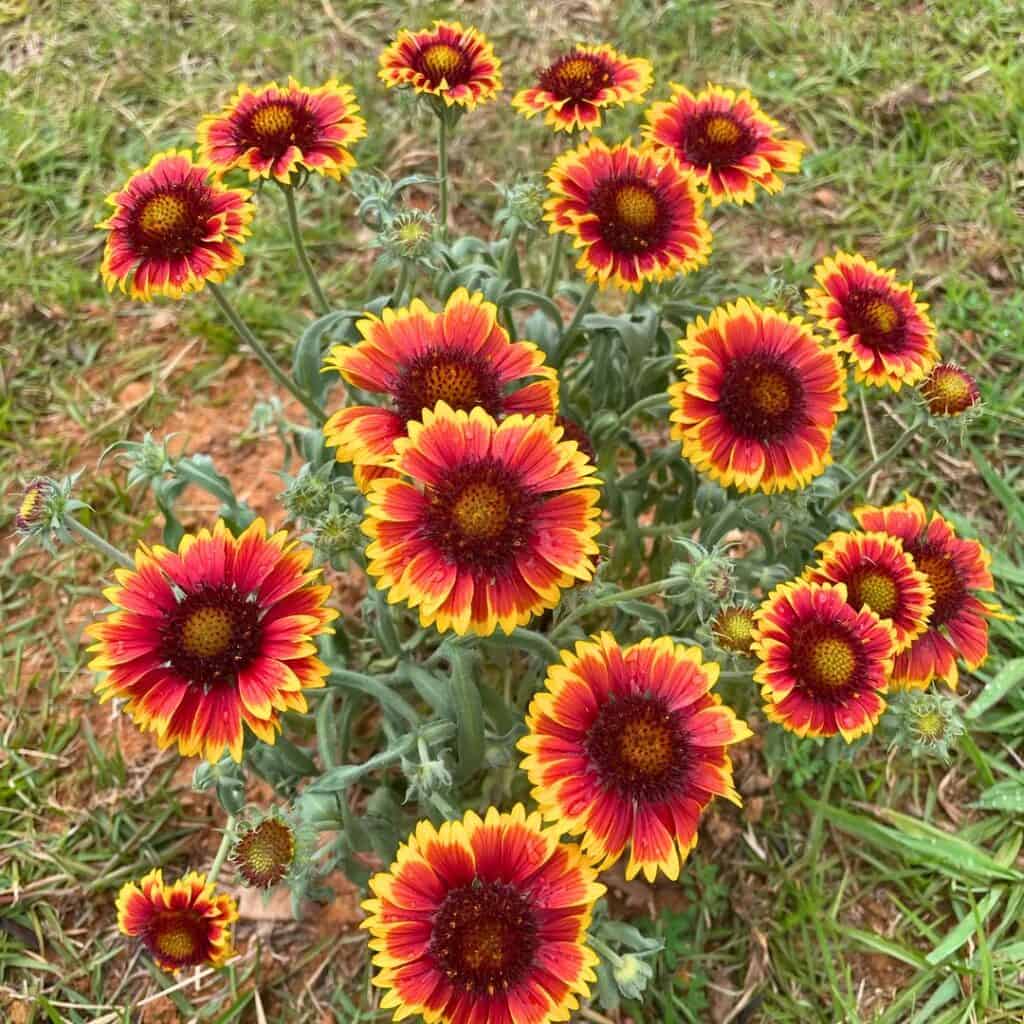
Gaillardia, or Blanket Flower, is one of those plants that just lights up the garden all summer. The blooms have this mix of red, orange, and yellow that honestly remind me of sunshine.
I’ve found Gaillardia does best in full sun and well-drained soil. Once it’s established, it barely needs any water, which is perfect for those hot, dry stretches. I usually just check if the soil feels dry before watering.
What’s cool is how long it blooms. My blanket flowers keep going from early summer right into fall. If I deadhead the faded blooms, I get even more flowers, which keeps things looking fresh.
Gaillardia attracts pollinators like bees and butterflies, so there’s always something buzzing around. It’s a simple way to help out wildlife while keeping the garden bright.
I like using Gaillardia in my flower borders or mixed containers for height and texture. The stems usually hit 12 to 18 inches, so they’re easy to pair with shorter plants. They also make sturdy cut flowers for easy summer bouquets.
Best part? It’s low-maintenance. I don’t stress about pests or diseases, and the plants come back every year in mild climates. For colder places, I collect seeds in fall and start new ones in spring.
If you want a plant that keeps things bright and blooming all season, Gaillardia is a solid pick. Minimal effort, tons of color.
14) Geranium ‘Rozanne’
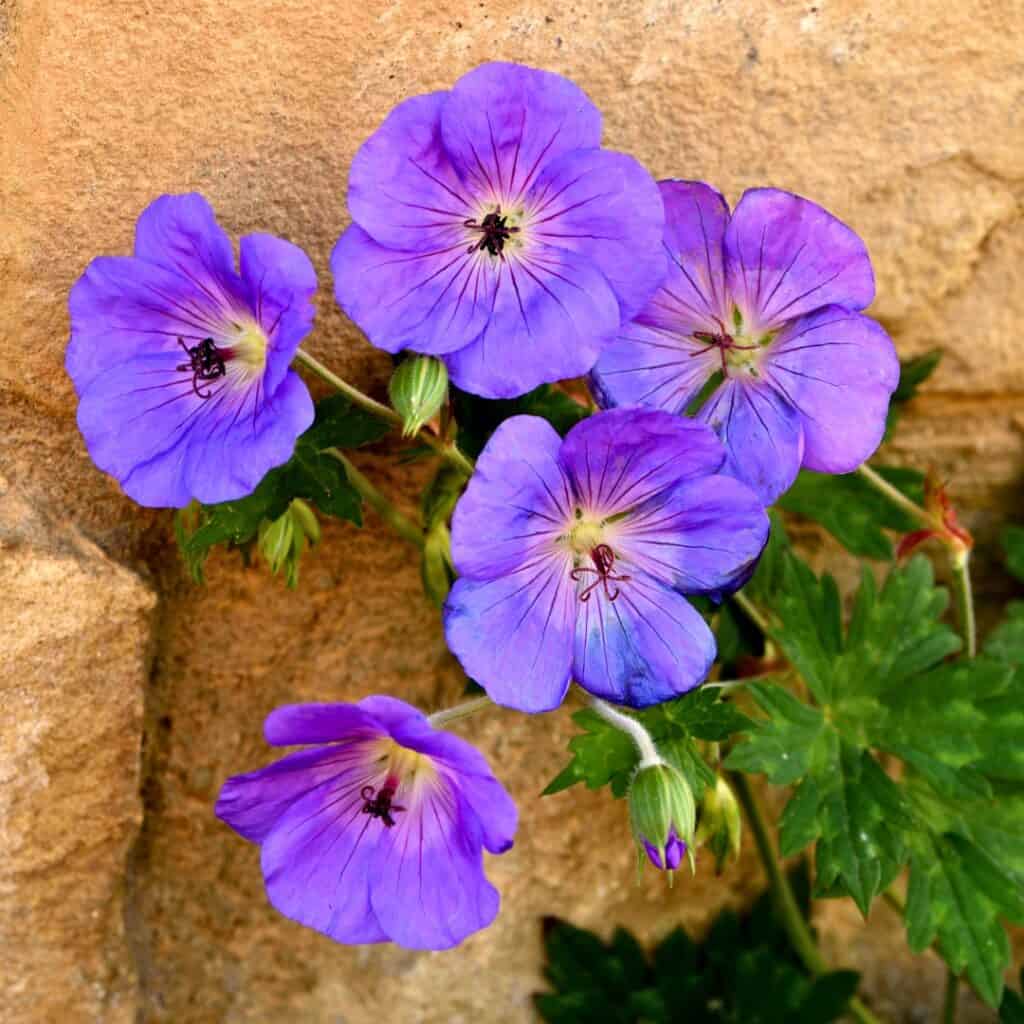
Geranium ‘Rozanne’ has become one of my favorites for steady color from late spring right through fall. Those violet-blue petals with the little white centers really brighten up the garden, even when other flowers are done.
It grows in neat mounds and spreads gently, so it fills gaps between taller plants or lines borders nicely. Usually, it stays compact—about 12 to 20 inches tall.
‘Rozanne’ blooms for months, which is why I keep planting it. Even in light shade, it keeps flowering, though a few hours of sun helps a lot. I water it during dry spells and trim old blooms to keep things tidy.
The foliage is pretty, too. The deeply lobed leaves turn red and bronze in the fall, which adds a nice touch before winter sets in.
Bees and butterflies seem to love Geranium ‘Rozanne’, so it’s a small but helpful plant for pollinators. It also doesn’t have many pest or disease issues, which is a relief.
Whether in the ground or a pot, it’s always cheerful and reliable. If I need something long-blooming that fits with different styles, Geranium ‘Rozanne’ never disappoints.
15) Shasta Daisy

Shasta daisies just make the backyard look happy. The white petals and sunny yellow centers are so simple but stand out, even on gray days. They always remind me of summer.
I plant them in full sun—they need at least six hours a day to really thrive. They like well-drained soil, and I water them regularly but don’t let the roots get soggy. Once they’re settled, they’re pretty easy-going.
My favorite thing is how they bloom from early summer to fall. If I remove faded flowers, new ones pop up fast, so the garden stays lively.
They also attract bees and butterflies, which brings extra energy to the yard. I love cutting a few for the kitchen table, too. Whether they’re along borders or mixed with other perennials, Shasta daisies always look neat and inviting.
Every few years, I divide the clumps to give them more space and encourage stronger blooms. With just a little care, Shasta daisies give back with long-lasting color and easy charm all season.
Caring for All-Season Blooming Plants
I try to stay on top of watering, feeding, and trimming so my garden keeps its color. Healthy roots, balanced nutrients, and regular pruning really help plants bloom steady and avoid disease.
Watering Tips for Continuous Blooms
I like to water my blooming plants deeply but not too often. That way, roots grow down to where the soil stays moist longer. Most flowering plants need about 1 inch of water each week, whether it’s from rain or the hose.
Morning is the best time to water. Leaves dry out during the day, so there’s less risk of mildew. I use a soaker hose or drip system to get water right to the roots.
When it’s hot, I check the soil by pressing a finger in about an inch. If it’s dry, time to water again. Mulch helps trap moisture and shields roots from heat. I usually spread two inches of wood chips or shredded leaves.
| Type of Plant | Water Needs | Best Time to Water |
|---|---|---|
| Perennials | Moderate | Morning |
| Annuals | Frequent | Morning or Evening |
| Shrubs | Deep weekly | Early Morning |
Fertilizer and Soil Recommendations
I focus on nutrient-rich soil—strong roots mean more blooms. Before planting, I mix in compost or aged manure for a nutrition boost.
During the growing season, I use a balanced fertilizer (10-10-10) every four to six weeks. Too much nitrogen just makes leaves, not flowers, so I try to measure carefully. Liquid fertilizers work fast, but slow-release types save me a step.
I check my soil’s pH once a year, aiming for slightly acidic to neutral (pH 6.0–7.0). If it’s off, I’ll add lime or sulfur as needed. Healthy soil is key for blooms from spring to fall.
Pruning for Healthier Plants
I prune to remove dead or faded blooms—that’s deadheading. It keeps things neat and encourages more flowers instead of seeds.
I also trim away damaged or crowded branches so sunlight and air can get in. Good air circulation means fewer pests and less mildew. For shrubs and perennials, I usually cut back about a third of the growth at the start of the season.
Sharp, clean tools are a must—no need to spread disease. After pruning, I water and give a little feed to help the plant bounce back. Regular trimming keeps plants full, colorful, and blooming for ages.
Design Ideas for a Bloom-Filled Backyard
I like gardens that keep their color and fullness all through the seasons. Mixing plants with different colors, shapes, and bloom times helps me keep the backyard lively and interesting, even when some things are winding down.
Combining Colors and Textures
When I’m working on my garden, I like to start by picking out plants with contrasting colors and interesting leaf textures. Mixing soft, airy blooms like lavender with bold flowers such as daylilies just makes the whole space pop—without things getting too chaotic.
I also get a kick out of pairing fine, feathery leaves with those big, shiny ones. It gives the garden some real depth and keeps it from feeling flat.
Grouping plants by color family, honestly, has made a big difference for me. Sometimes I’ll blend pink echinacea, purple salvia, and silver lamb’s ear—it ties everything together in a way that just feels right.
I’ll often tuck greenery with different textures between flower beds. It’s a simple trick for a smoother transition between all those colors.
A quick color guide always helps when I’m planning out combos:
| Color Theme | Sample Plants | Effect |
|---|---|---|
| Warm (reds, oranges, yellows) | Zinnias, Coreopsis, Blanket Flowers | Cheerful, high energy |
| Cool (blues, purples, whites) | Salvia, Catmint, Shasta Daisy | Calm, relaxing mood |
| Mixed Neutrals | Green hostas, Silver sage, White alyssum | Soft balance between warm and cool tones |
Repeating colors or textures in small groups—well, it just makes the whole space feel more connected. I try not to go overboard, though, so things don’t start looking cluttered.
Planting Strategies for Extended Bloom Time
If you want flowers blooming from spring through fall, layering and timing are key. I mix early, mid, and late-season bloomers so there’s always something new opening up as another fades away.
For example, I’ll plant tulips and daffodils for spring, then swap in coneflowers and black-eyed Susans for summer, and finish off with asters and sedum in the fall.
Taller plants go in the back, shorter ones up front—makes sense, right? That way, every bloom gets its moment to shine.
When I’m working with containers, I stick to the “thriller, filler, spiller” method. One dramatic centerpiece, some bushy plants for volume, and a few trailing ones along the edge. It just looks good.
I do my best to feed and deadhead regularly. These little habits encourage continuous flowering and keep the garden from looking tired.
Frequently Asked Questions
Honestly, I love picking plants that look good from spring right through fall. Bright colors, steady blooms, and not a ton of fuss—what’s not to like?
These options bring color to both sunny and shady corners, and they don’t complain much about dry weather either.
What are some easy-to-care-for plants that bloom throughout the summer?
I’ve found Black-eyed Susans and Daylilies to be super easy. They bloom for ages, don’t need much attention, and love the sun. Just water them and snip off old blooms—they’ll keep going.
Can you suggest flowers that provide continuous color for all-season interest in the backyard?
Knock Out Roses and Coneflowers are my go-tos for long-lasting color. They bounce back fast after a trim and look great mixed in with other perennials.
What perennials bloom all season long and are suitable for beginners?
I’d recommend Coneflowers and Daylilies if you’re just starting out. They’re tough, come back every year, and don’t seem to have many pest problems. Give them some sun and water, and they’ll reward you with color.
Are there any all-season blooming plants that are drought-resistant?
Yep, Butterfly Bush and Black-eyed Susan can handle dry spells. Once they’re settled in, they don’t need much water and still put out loads of bright flowers.
How do I ensure continuous flowering in my garden with different plants?
I try to plant a mix that blooms in different months so there’s always something happening. Deadheading spent blooms and feeding the plants a few times a season helps keep the flowers coming.
What are the best options for adding long-lasting blooms to a shady backyard area?
Honestly, shady spots can be tricky, but I love using hardy hostas and impatiens for steady color. They just brighten up those dim corners where most sun-lovers would give up.
If you’ve got a bit more light—like partial shade—Daylilies might surprise you and actually thrive there.
Note: Some images in the articles are sourced from Reddit and Other Platforms For Reference Purpose.