13 Best Fast-Growing Climbing Plants For Your Garden
I’ve always thought climbing plants are magical for transforming dull walls and fences into living art. Their quick growth brings bursts of color and texture to any outdoor space with hardly any fuss.
If you’re hoping to add beauty and height to your garden fast, fast-growing climbers are honestly the way to go.
Here’s a mix of my favorites—plants that thrive with speed and style. Whether you’re after soft flowers, lush green vines, or bold pops of color, there’s something here for every kind of garden.
Please note: Simplify Plants is reader-supported. As an Amazon Associate, I earn from qualifying purchases made by our readers with no extra cost added to you all! Some links in the post are affiliate links and I get a commission from purchases made through links in the post.
1) Clematis montana
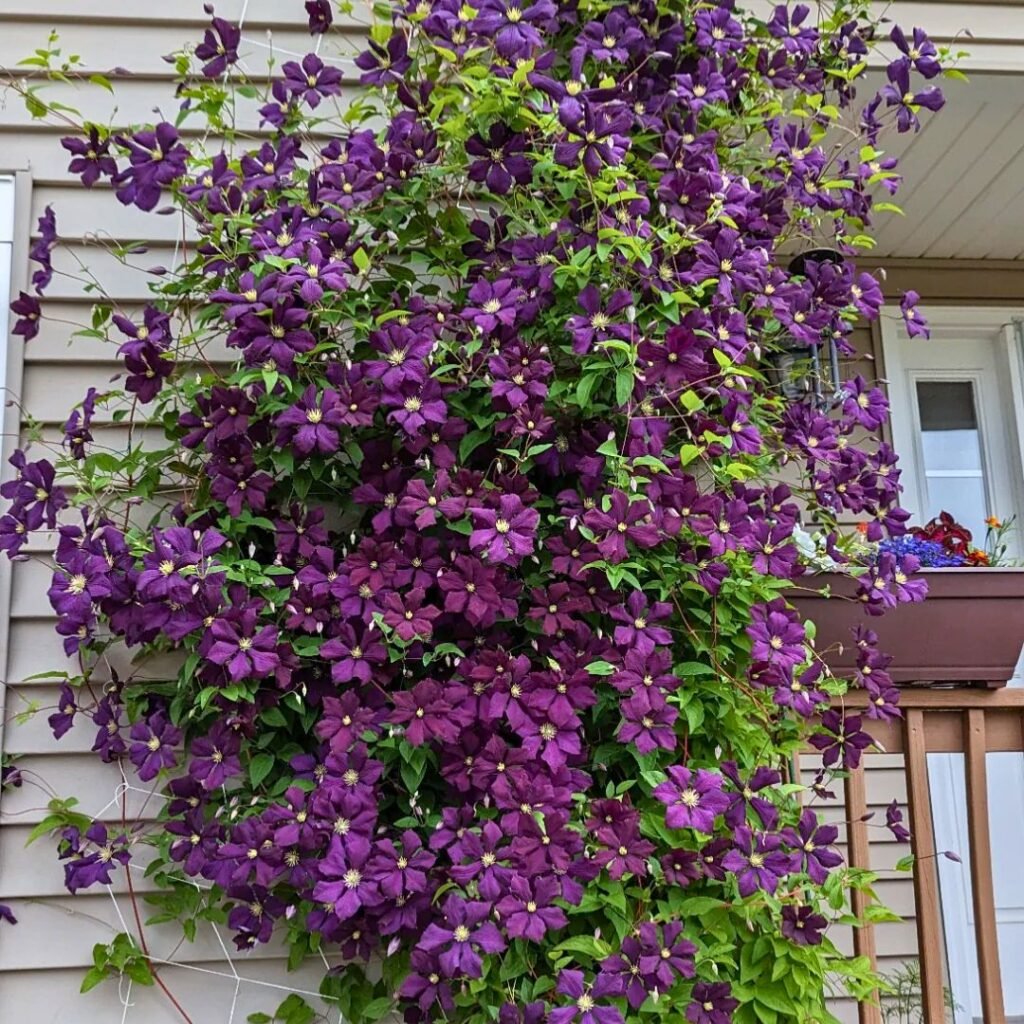
Clematis montana is a personal favorite for its ability to quickly blanket fences, walls, or trellises with soft green leaves and delicate flowers. It’s fast, easy to shape, and honestly, it’s just fun to watch grow.
In late spring, it’s covered in masses of small, star-shaped flowers, usually white or pink. There’s a gentle scent that drifts through the garden on warm days, and bees and butterflies seem to love it as much as I do.
This plant likes full sun to partial shade and needs well-drained soil. I usually keep the roots cool with some mulch or low ground plants, which seems to keep it happy.
With the right support, it can reach up to 20 to 30 feet tall. I just give it a trim after it flowers to keep things tidy and encourage more blooms next season.
It doesn’t really ask for much and isn’t fussy. Clematis montana looks fantastic climbing arches, pergolas, or garden walls, and its fast growth is perfect for quick privacy and a splash of soft color.
2) Scarlet Trumpet Vine
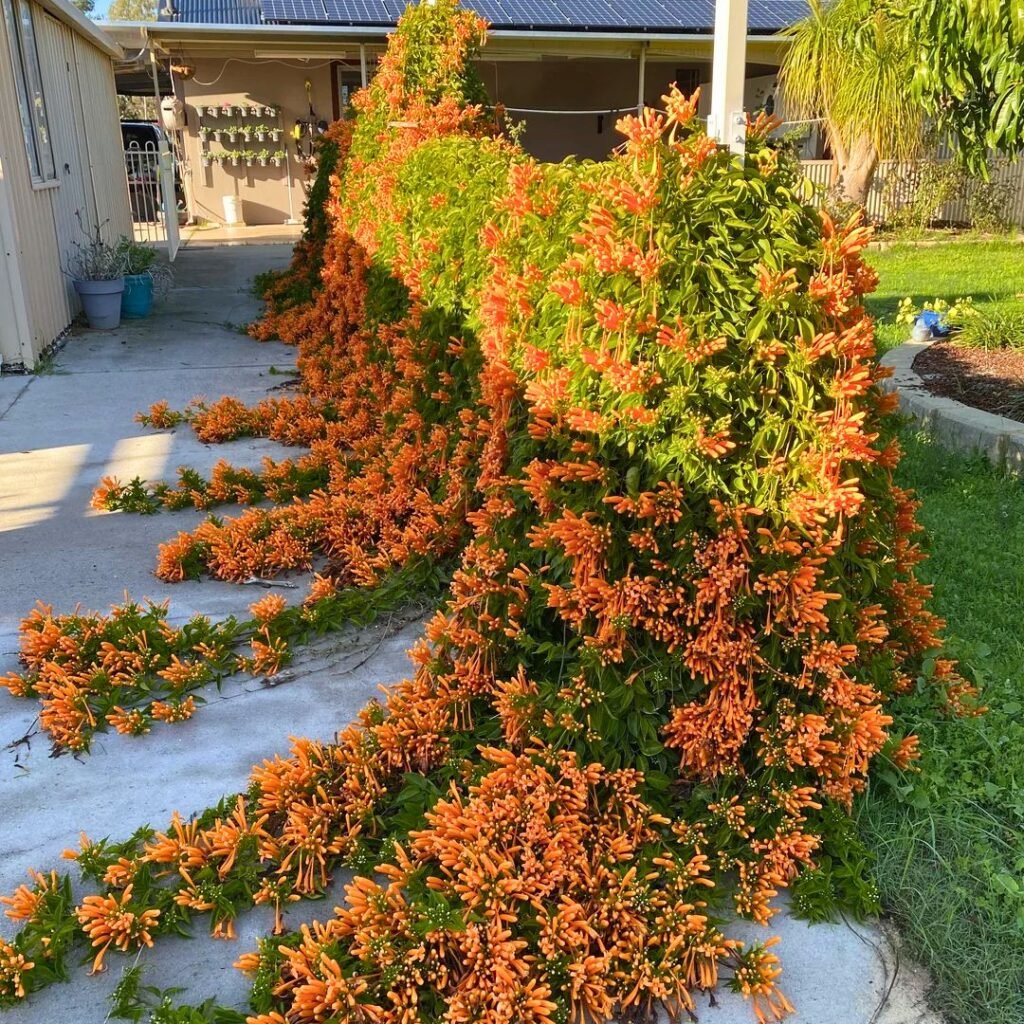
The Scarlet Trumpet Vine is one of those plants that never fails to liven up a fence or wall. The vivid red-orange flowers are impossible to ignore all summer.
It covers trellises, arbors, or pergolas with thick green leaves in no time. This vine grows fast, sometimes reaching up to 30 feet if it has something sturdy to climb.
It’s happiest in full sun and well-drained soil, but it can tolerate a bit of shade. Once it’s established, it’s pretty low-key, and I barely have to fuss with it.
The flowers attract hummingbirds and butterflies, which makes the garden feel alive. Blooms show up in clusters and last through the warm months, so there’s always something to look at.
It can get a little wild, so I keep an eye on its growth and prune it every season. Regular trimming keeps it neat and encourages even more blooms.
If you’re just getting started, plant it somewhere with plenty of space and a strong structure for support. With a bit of maintenance, the Scarlet Trumpet Vine is a bold, lasting feature in any garden.
3) Wisteria sinensis

Wisteria sinensis is, hands down, one of the most stunning climbing plants I’ve grown. The hanging clusters of purple-blue flowers in spring are just breathtaking.
There’s a sweet scent that fills the air, making the whole garden feel extra special. Once it’s settled in, this vine grows fast—20 to 30 feet isn’t unusual in just a few seasons.
It climbs by twining its stems around fences or pergolas, which makes it easy to train. I always plant wisteria in full sun for the best blooms, though it’s not too fussy about soil as long as it drains well.
Deep watering during dry spells helps, and I keep the roots cool with mulch. Pruning is a must—I usually trim it in late winter and again in summer to keep it in check and encourage better flowering.
Wisteria can live for decades. Older vines get thick and woody, almost like small trees, adding real character to the garden.
When it’s in bloom, it’s a magnet for bees and butterflies. Standing under a wisteria in full flower is just peaceful, honestly.
If you want a fast-growing climber with some wow factor, Wisteria sinensis is a solid pick. With a little attention, it rewards you year after year with lush growth and those unforgettable blooms.
4) Dutchman’s Pipe

Dutchman’s Pipe (Aristolochia macrophylla) is a go-to for adding instant character. The large, heart-shaped leaves create a thick, leafy screen that turns any fence or arbor into a green hideaway.
What really sets it apart are the quirky, pipe-shaped flowers. They’re not flashy, but up close, they’re fascinating and always get people talking.
This vine grows quickly, perfect for covering a space in no time. It likes partial shade to full sun and prefers moist, well-drained soil.
A little regular watering and some pruning keeps it looking good. I’ve found it works great as a privacy screen, blocking wind and giving shade on hot days.
I usually plant it near patios or decks where I hang out. Since it’s such a vigorous grower, I trim it back now and then so it doesn’t take over.
Even with minimal care, it rewards you with lush greenery all season. If you want a bold, dependable climber, Dutchman’s Pipe is a top choice. It’s easygoing and gives the garden a laid-back, leafy vibe.
5) Star Jasmine

Star Jasmine is one of those plants that just makes everything feel a bit more inviting. It climbs fences, trellises, and walls with ease, and in warmer spots, it stays green all year.
When it blooms, clusters of small white flowers appear, giving off a light, sweet scent. The fragrance isn’t overwhelming—just enough to notice as you walk by.
Star Jasmine grows fast, especially in rich, well-drained soil. I water it often during its first year, and after that, it’s pretty drought-tolerant and low-maintenance.
It’s super versatile. You can train it up a wall, use it as a living screen, or even let it trail from a basket. The stems are flexible, so shaping it is a breeze.
I trim it once or twice a year to keep things tidy and encourage new shoots. Regular pruning also leads to more blooms, which is always a win.
It does best in full sun or partial shade—I aim for at least four hours of sunlight a day. In colder spots, I protect it from frost since it prefers mild weather.
If you want fast greenery and a gentle fragrance, Star Jasmine is hard to beat. It’s easy to train, quick to grow, and brings a sense of calm and style to any garden.
6) Climbing Hydrangea

Climbing Hydrangea can make a wall or fence look lush and full almost overnight—well, after it settles in, anyway. It starts slow, but once it gets going, it’s a strong and speedy climber.
The large, heart-shaped leaves stay bright green all summer, turning golden yellow in the fall. The flat, white flower clusters that bloom in early summer add a soft, elegant touch, especially in shadier spots.
I’ve noticed bees and butterflies stop by when it’s blooming, which is always nice. Climbing Hydrangea uses aerial roots to latch onto brick, stone, or wood, so it needs a sturdy surface.
It can reach 30 to 50 feet tall over time. I prune it after flowering to keep it tidy and shaped the way I want.
This plant likes moist, well-drained soil and partial shade, though it can handle sun if the soil stays cool. Once it’s established, it’s pretty low-maintenance.
In winter, the woody stems and peeling bark add some interest, even when the leaves are gone. If you want a climbing vine that feels classic and easy to care for, this one’s a real gem.
7) Boston Ivy

Boston Ivy is a classic for instantly giving walls or fences that lush, old-world look. It grows fast, covering surfaces with a thick green curtain in just a few years.
It climbs using little suction-like pads, so you don’t need a trellis at all. In spring and summer, the leaves are a rich green, adding cool shade and texture.
When fall comes, the foliage turns vivid shades of red and orange, making any space feel warm and alive. That seasonal change is honestly one of my favorite things about Boston Ivy.
It grows well in both sun and partial shade, and it’s not picky about soil. I water it regularly the first year, then it’s pretty drought-tolerant and doesn’t need much attention.
It’s also low-maintenance and handles city conditions well, with few pest problems. If you want quick coverage or privacy, Boston Ivy delivers a beautiful, ever-changing display with hardly any effort.
8) Black-eyed Susan Vine
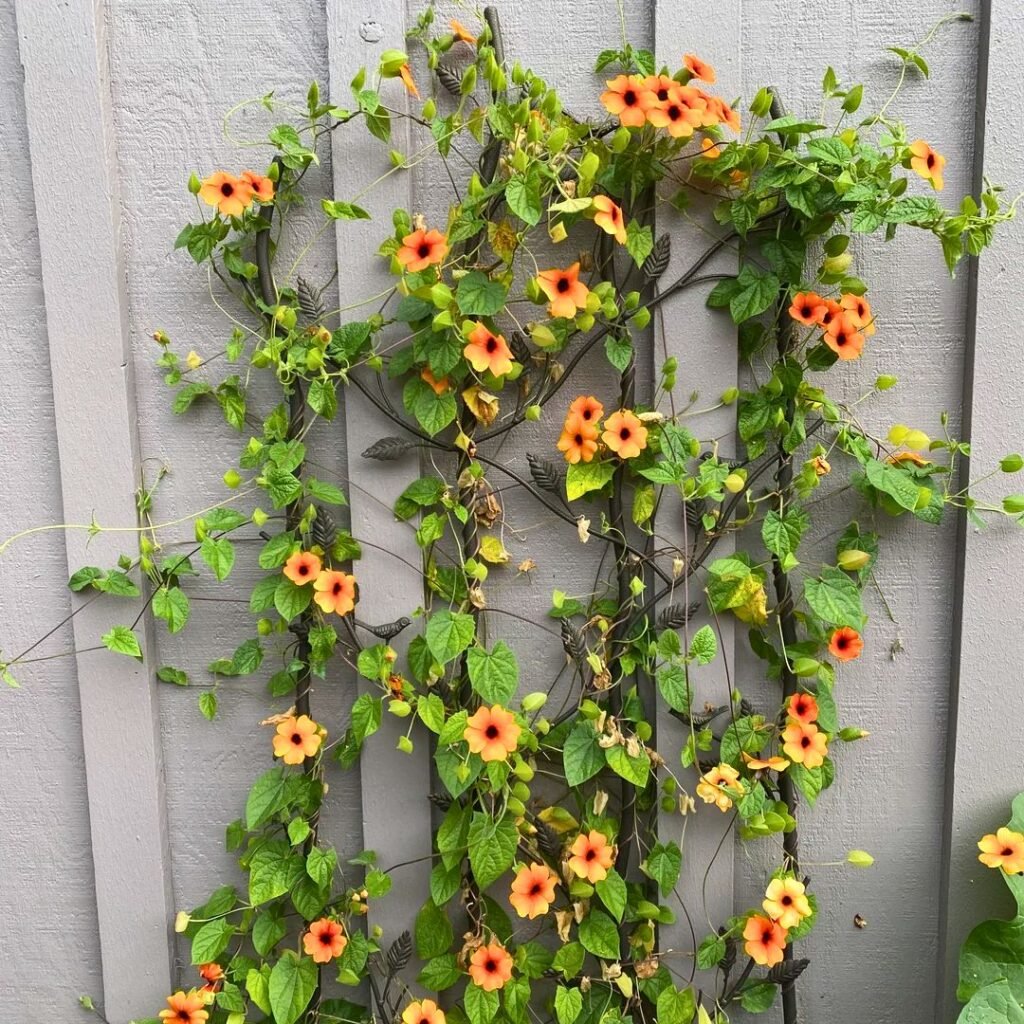
I’ve always loved how the Black-eyed Susan Vine splashes instant color into the garden. Those bright yellow or orange petals with dark centers? They’re such cheerful little show-offs.
This vine is a speedy climber. In warm weather, it’ll cover a sunny wall or railing before you know it. I usually stick it in well-drained soil and keep it watered until it settles in.
In my experience, it’s happiest in full sun, though a bit of light shade won’t hurt. More sunshine means more flowers, simple as that. I’ll snip back some of the longer vines to keep the blooms looking fresh.
The flowers pull in butterflies and bees, making the whole garden feel lively. I like teaming it up with other climbers for a mix of colors and textures. Its flexible stems are easy to wind along supports or arches—super forgiving if you’re not a perfectionist.
Since it grows so fast, I usually start it from seeds in spring. Those seedlings start climbing almost right away. In cooler places, it’s an annual, but in warmer spots, it’ll stick around as a perennial—which honestly saves a lot of replanting.
After blooming, I collect seeds for next year. It’s a simple ritual that keeps my garden bright and full. The Black-eyed Susan Vine always surprises me with how quickly it turns a bare spot into something warm and inviting.
9) Bougainvillea glabra

There’s just something about Bougainvillea glabra—it adds a punch of color wherever you put it. Those papery bracts in pink, purple, orange, red, or white are hard to miss. The actual flowers are tiny and white, but honestly, the bracts are the real stars here.
This climber grows fast if you give it plenty of sunlight. I’ve noticed it does best in warm, dry places with at least six hours of sun. Too much water or a cold snap can slow it down, so I try to keep it cozy.
I like growing bougainvillea along fences, pergolas, or walls. It clings with stiff, thorny stems and quickly makes a wall of color that can last for months. In warm climates, it’ll bloom nearly all year—pretty amazing, right?
It prefers well-drained soil and doesn’t fuss much once it’s settled in. I’m careful not to overwater; letting the soil dry out a bit keeps it healthy. A quick trim after blooming helps shape it and encourages more flowers.
Since it grows so quickly, I guide it early on to avoid a tangled mess. Gloves are a must—those thorns are no joke when you’re pruning or tying it up.
Bougainvillea glabra can get impressively tall with enough space and steady sunlight. It stays evergreen in warm spots but might drop leaves if it gets chilly. Not a big deal—it bounces back fast when it warms up again.
I really admire how tough and drought-tolerant it is. For me, it’s a go-to for adding instant character and color to patios, gardens, or balconies.
10) Passionflower
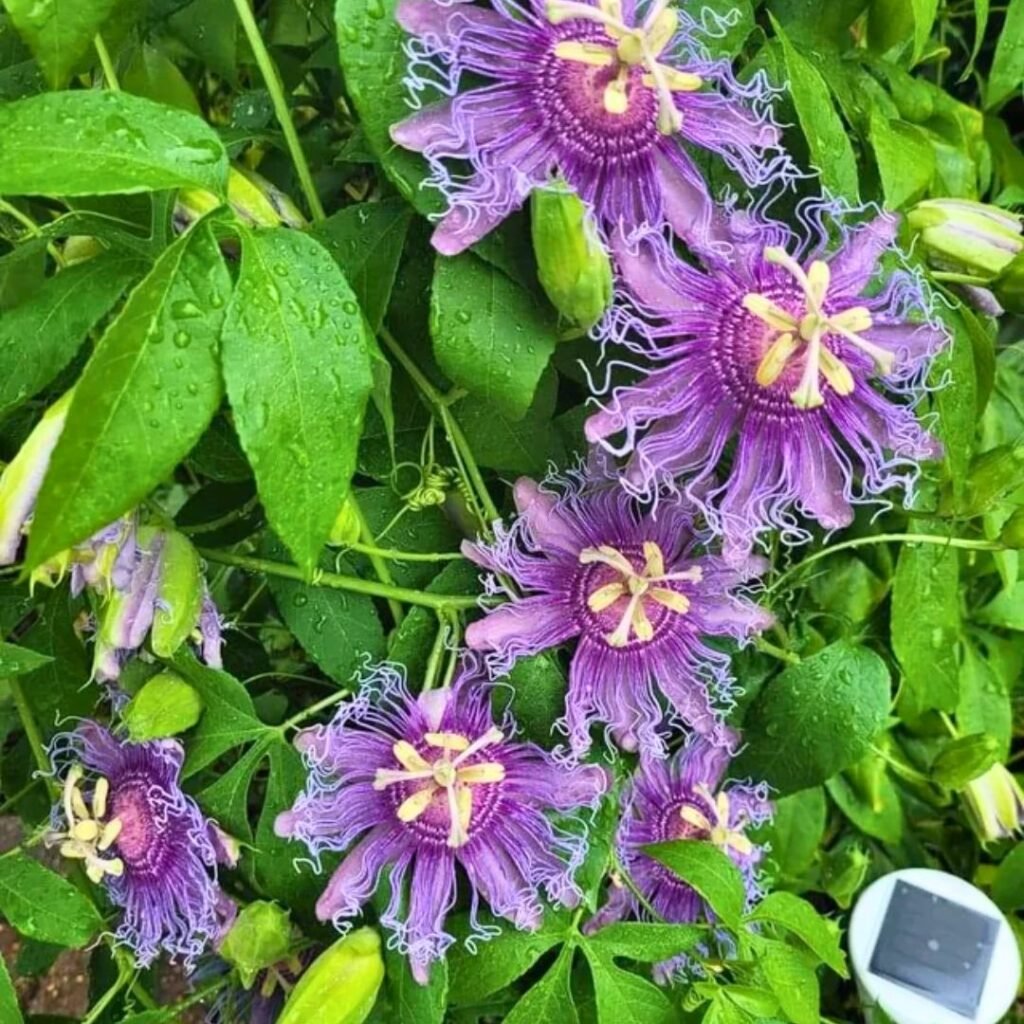
Passionflower is one of those plants that brings color and texture in a way nothing else quite does. The blooms are wild—layers of purple, white, and blue that always get a second look. Vines shoot up fast and can cover a fence or trellis in just one season.
It climbs using tendrils that grip onto whatever’s nearby. I’ve found it’s pretty easy to train along a wall or railing. Once it gets going, it doesn’t need much encouragement.
Passionflower loves full sun but will tolerate a bit of shade if it has to. I try to keep the soil moist but not soggy, and during hot spells, I water a bit more to keep the leaves happy.
Some types can handle a light frost, but I’ll bring mine inside or cover it if a hard freeze is coming. In cooler places, people often grow it in containers so it can come indoors for winter.
The flowers attract butterflies and bees, which makes the garden feel alive. Sometimes I even get fruit after the blooms fade—a little tropical bonus.
I prune away old or dead stems in early spring, and it always comes back fuller. A bit of regular trimming keeps it from swallowing up the rest of the garden.
Looking for a fast climber with bold, unusual flowers? Passionflower’s a great pick. It’s easygoing and brings a natural, laid-back charm to any garden space.
11) Honeysuckle Lonicera
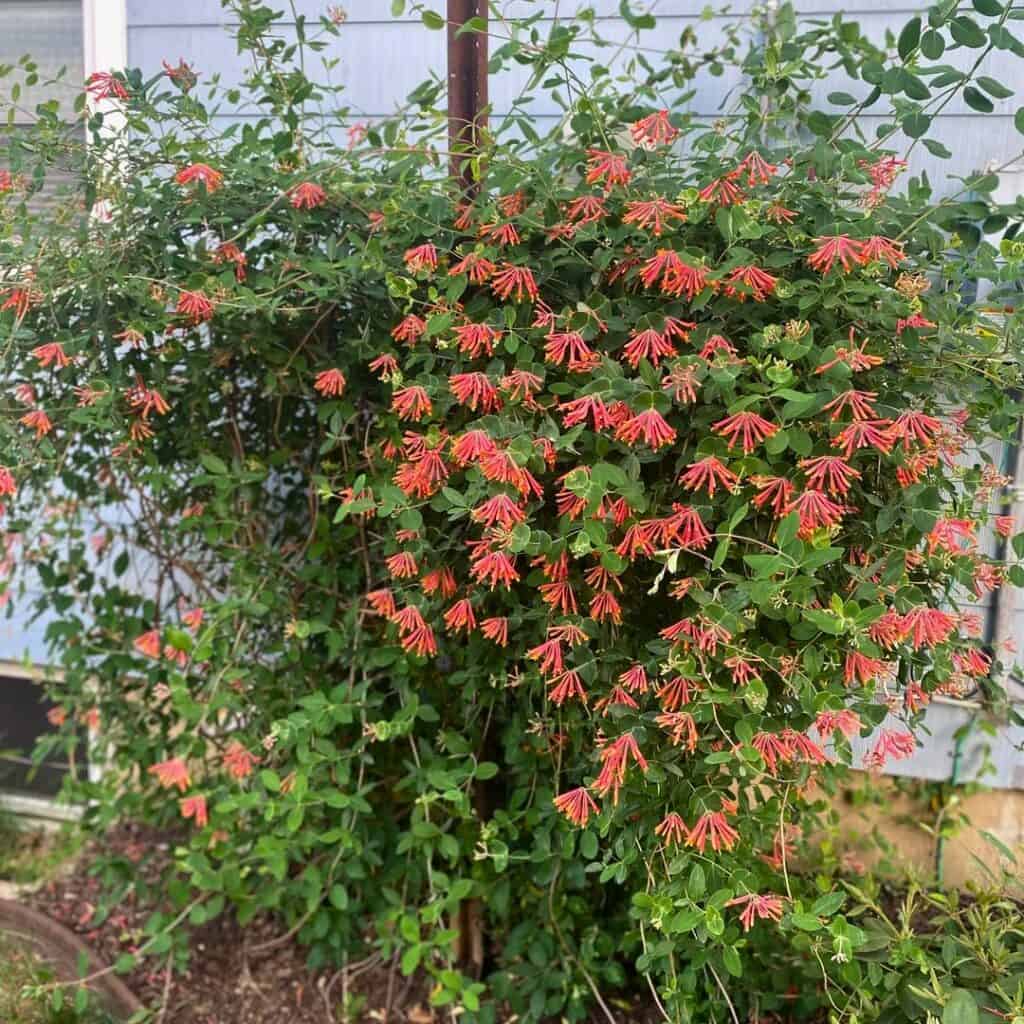
There’s something special about Honeysuckle (Lonicera)—it brings color, fragrance, and life to the garden.
The flowers come in shades of yellow, pink, and cream, and they pull in bees, butterflies, and hummingbirds. I’ve noticed the sweet scent is strongest in the early morning or right at dusk.
This plant climbs fast, winding itself around trellises, fences, or arches. I like using it to cover boring walls or add a bit of shade to the patio. Honeysuckle can shoot up several feet in just one season if it gets enough sun and water.
I plant mine in well-draining soil and pick a spot with partial to full sunlight. Once it’s established, it’s pretty low-maintenance—just a trim now and then to keep things tidy.
If you’re thinking about adding honeysuckle, check the species first. Some, like Japanese honeysuckle (Lonicera japonica), can take over if you’re not careful. I stick with native or non-invasive types that fit local conditions.
Honeysuckle is tough, handling different seasons with ease. Even in winter, the stems often stay green, and come spring, it bounces right back. When the buds show up, I know it’s almost time for another season of color and fragrance.
For quick results, Honeysuckle is a rewarding climber. It brings height, texture, and scent with very little fuss. Honestly, it’s one of the easiest ways to make a small garden feel lively and welcoming.
12) Sweet Pea
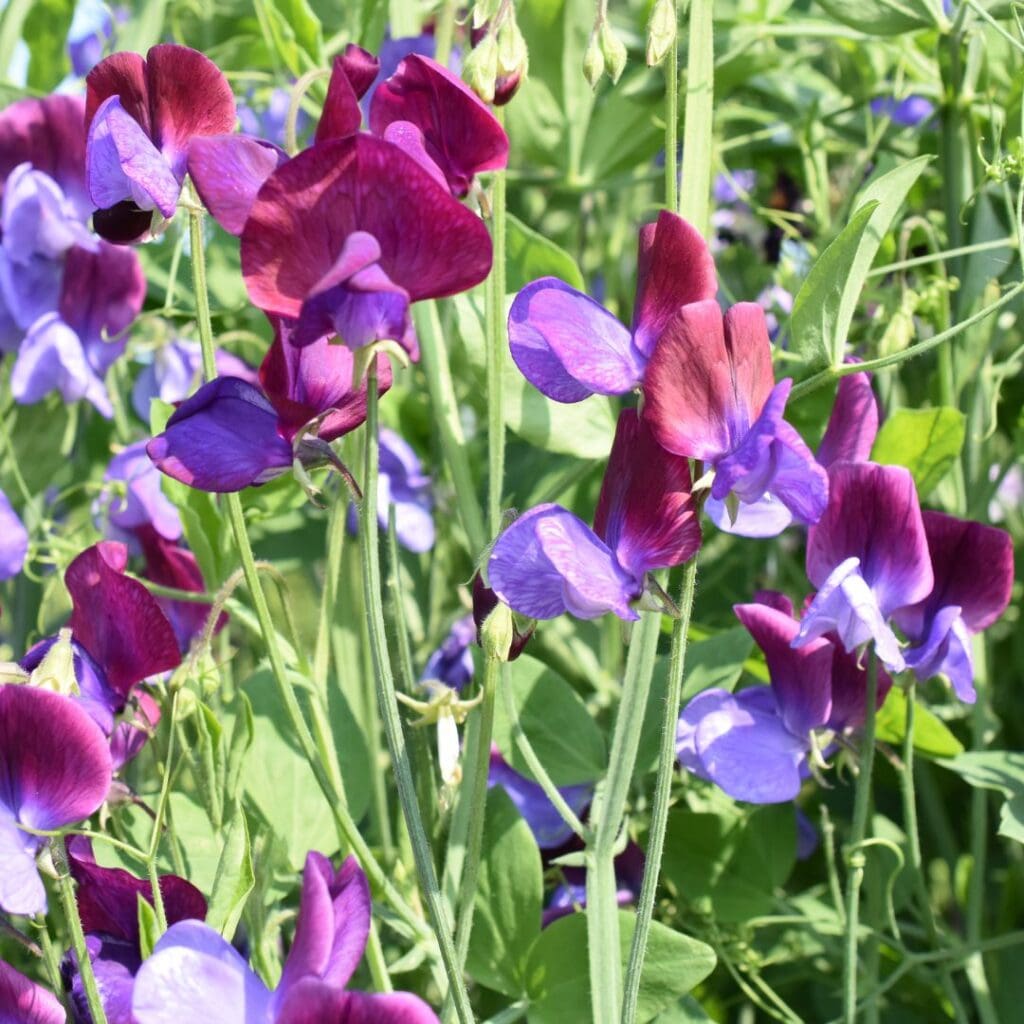
Growing Sweet Pea is one of my favorite ways to add quick color and charm. It was actually the first climbing plant I tried, and it gave me great results without much fuss. The vines fill up a trellis or fence in no time.
I plant the seeds in early spring since Sweet Pea likes cooler weather. The soil should stay moist but not soggy. Sunlight is key—more sun means more flowers, at least in my experience.
The blooms come in all sorts of colors: pink, purple, white, red. I love the soft scent near a walkway or bench. Since they grow so fast, you get blooms in just a few weeks.
I always give the vines something to climb—netting or a simple fence works. Their tendrils latch on easily, so I don’t have to fuss with them much. Snipping off old flowers keeps new ones coming.
Sweet Pea doesn’t handle hot weather well, so I treat it as a seasonal treat. Even though it’s short-lived, it’s totally worth it for the color and fragrance.
13) Morning Glory

Morning Glory vines are just plain fun. They bring instant color and energy to the garden, shooting up fences, trellises, or balcony rails in just a few weeks. Their trumpet-shaped blooms open up with the sunrise and close by afternoon, which gives them a bit of personality.
I usually start them from seeds. If you soak the seeds overnight, they sprout even faster. They like full sun and well-drained soil, and once they start climbing, they’re pretty hands-off except for regular watering and a good support.
The flowers come in shades of blue, purple, pink, and white—super cheerful. I like mixing colors for a more playful look. Their heart-shaped leaves fill in empty spots with lush green in no time.
Morning Glories can reach 10 to 15 feet in a single season. In warm climates, they’ll often reseed themselves for next year. I try to guide the vines early so they don’t take over the whole area.
For covering fences, mailboxes, or arches, Morning Glory is hard to beat. It brings a soft, natural vibe and brightens up any outdoor space. Minimal effort, quick results—what’s not to like?
How to Grow and Care for Fast-Growing Climbing Plants
From what I’ve seen, climbing plants do best when you set them up right from the start. Good soil, enough sun, consistent watering, and sturdy supports really help them thrive.
Soil and Sunlight Requirements
I always start with well-draining soil and mix in organic matter for extra nutrients. If the soil feels heavy, a bit of compost or coarse sand helps with drainage. A slightly acidic to neutral pH (6.0–7.0) seems to work for most climbers.
Full sun gives you faster growth and more flowers on plants like clematis or morning glory. Some, like English ivy or climbing hydrangea, are happier with partial shade. I always double-check the plant tag before picking a spot.
To keep the soil healthy, I throw down some organic mulch each season. It helps hold moisture, keeps the roots cool, and slows down weeds. When it starts to break down, I just top it up.
| Sun Exposure | Ideal Plants | Notes |
|---|---|---|
| Full Sun | Bougainvillea, Morning Glory | Needs 6+ hours of light |
| Partial Shade | Ivy, Climbing Hydrangea | Protect from hot afternoon sun |
Watering and Fertilizing Tips
I try to water my climbing plants regularly but not too much. The soil should feel damp a couple inches down, but not soggy. Overwatering can rot the roots, but letting things dry out too much can stall growth.
On hot days, I water early so leaves dry out quickly—helps avoid mildew. A soaker hose or drip line is a lifesaver for getting water right where it’s needed.
For feeding, I use a balanced liquid fertilizer (10-10-10) every few weeks during the main growing season. In early spring, I’ll mix in compost or slow-release granules for a steady nutrient boost. Too much nitrogen makes the vines leafy but cuts down on flowers.
I stop fertilizing in fall to let the plant rest before winter.
Supporting Structures and Training Techniques
Strong support really matters, especially with fast growers. I go for trellises, arbors, or fences depending on just how much I want the plant to stretch out.
Each support needs to be sturdy enough for when the plant gets heavy. I’ve learned the hard way that flimsy structures just don’t cut it.
When vines are young, I guide the soft stems by tying them loosely with garden twine or using clips. Twining plants like sweet peas will happily wrap themselves around thin wires.
But for those with tendrils or adhesive pads, like ivy, they need something they can actually latch onto. It’s a bit of trial and error sometimes.
Starting to train vines early keeps things neat and helps avoid a tangled mess. I’ll prune back long or wild sections, which not only keeps the plant looking good but also encourages more side shoots.
A little light pruning makes a big difference for airflow, and that seems to keep mildew and pests at bay.
When shaping the plant, I try to keep things balanced so it fills its space but doesn’t crowd out everything else nearby.
Creative Uses for Fast-Growing Climbing Plants
Honestly, I love how these fast climbers can transform an empty spot into a green, living wall almost overnight. They’re perfect for privacy or just adding a splash of color and texture.
It’s amazing how much you can do with them—shape your garden, save money, and skip the long wait for things to fill in.
Enhancing Outdoor Privacy
Climbing plants make fantastic natural screens for blocking views or covering up boring fences. Evergreen vines like English ivy or star jasmine keep their leaves all year, so privacy sticks around even in winter.
When I use wire mesh or lattice panels, these vines create a soft green wall, but air still moves through. It feels private, but not boxed in.
If I need quick coverage, I lean on fast growers like honeysuckle or Virginia creeper. They shoot up several feet a season and fill gaps in no time.
Regular trimming helps keep them under control and looking tidy.
Here’s a quick comparison table I find handy:
| Plant Name | Growth Speed | Evergreen | Fragrant | Best For |
|---|---|---|---|---|
| Star Jasmine | Fast | Yes | Yes | Fences & Arches |
| Virginia Creeper | Very Fast | No | No | Walls & Trellises |
| English Ivy | Moderate | Yes | No | Shady Areas |
Spacing and sturdy supports really make a difference. The right combo gives me privacy but keeps things feeling open and lively.
Vertical Garden Ideas
I get a kick out of using climbing plants to add height in smaller spaces. A vertical garden lets me grow way more without eating up precious ground.
Sometimes I’ll hang planters or mount pots on a wall, then let vines climb up, turning dull spots into something green and alive.
Mixing different plants keeps it all from looking too uniform. For sunny places, morning glory or black-eyed Susan vine do the trick.
If there’s more shade, clematis and ivy are my go-tos. Their flowers and leaves layer together for a nice effect.
I’ve even used recycled materials like pallets or metal grids as supports. It’s surprisingly effective.
Adding drip irrigation or self-watering pots makes the whole thing easier to care for. Before long, the plants knit together into a lush wall that cools the area and even boosts air quality.
Vertical gardens with climbers just bring a sense of calm and beauty—honestly, it’s hard not to love them.
Frequently Asked Questions
People ask me all the time about picking and caring for the best fast-growing climbing plants. There are so many options, whether you need sun-lovers or shade-tolerant types for fences, trellises, or privacy screens.
What are the fastest-growing climbing plants for a sunny garden spot?
From what I’ve seen, Clematis montana, Wisteria sinensis, and Scarlet Trumpet Vine are seriously fast in full sun. They love warmth and reward you with quick coverage and bright blooms.
Just keep their soil moist and give them something sturdy to climb. Light pruning after flowering seems to keep them happy.
Can you suggest some climbers that thrive in shady areas?
For shade, Dutchman’s Pipe is a steady grower and those big, interesting leaves really fill out a space.
Some Clematis varieties also do well in partial shade and still put out flowers.
Which fast-growing climbers provide the best coverage for privacy?
If I need privacy fast, I reach for Instant Autumn Maple or Wisteria sinensis. Both put out thick foliage that blocks views in no time.
Frequent trimming helps keep them manageable and dense.
Are there any flowering climbing plants that grow quickly?
Absolutely. Clematis montana gives you loads of pink or white flowers, and Scarlet Trumpet Vine brings in hummingbirds with its bold red blooms.
Both are great for adding color and filling up vertical spaces fast.
What climbing plants are suitable for growing on fences or trellises?
I usually stick with Dutchman’s Pipe or Wisteria sinensis for fences or trellises. Their vines are strong and cling well as they spread.
Just make sure your support is up to the task—these climbers get heavy when they’re mature.
How do I care for and maintain my fast-growing climbing plants?
I try to water my vines pretty often, especially if it hasn’t rained in a while. Honestly, keeping the soil moist just seems to make them much happier and helps those roots dig deep.
Every year, I give them a good prune to keep things under control and encourage a nicer shape. Tossing some compost around in the spring really gives new shoots a boost.
Note: Some images in the articles are sourced from Reddit and Other Platforms For Reference Purpose.