11 Tips to Make Monstera Bushier
Monstera deliciosa plants are famous for those big, dramatic split leaves, but honestly, they don’t always turn out as full as we hope. Sometimes they just shoot upward, looking a bit lanky instead of lush and bushy.
If your Monstera seems a little sparse, you’re definitely not the only one. The good news? You can totally encourage your Monstera to get fuller with a few tweaks to your care routine.
Most of these changes are pretty simple and don’t require fancy tools or any special skills. I’ll walk you through practical tips—from light and watering to soil and pruning—that have actually worked for me.
Please note: Simplify Plants is reader-supported. As an Amazon Associate, I earn from qualifying purchases made by our readers with no extra cost added to you all! Some links in the post are affiliate links and I get a commission from purchases made through links in the post.
1) Place your Monstera in bright, indirect light

Light is a huge deal if you want your Monstera to fill out. I’ve noticed mine grows bushier when it gets loads of bright, indirect light throughout the day.
Direct sun will scorch the leaves, but if there’s not enough light, your Monstera will stretch toward the window and end up with long, skinny stems.
I keep mine about 3 to 6 feet from an east or west-facing window. If you only have a south-facing window, just throw up a sheer curtain to soften things.
Quick Tip: Give your plant a quarter turn every week so all sides get their fair share of light and it grows evenly.
If you notice pale leaves or sluggish growth, your Monstera probably wants more light. Moving it closer to the window usually perks it up and brings on bushier growth in a few weeks.
2) Rotate the plant every week to encourage even growth
Monsteras are total sun-chasers. If you leave yours facing the same way, it’ll lean toward the light and start looking lopsided.
I make it a habit to rotate my Monstera a quarter turn every week. That way, all sides get a fair shot at the sun and the plant stays balanced and fuller.
Leaves on the shaded side often stay smaller, and the stems can get spindly. Rotating helps avoid that issue and encourages even strength, so your plant won’t topple as it gets bigger.
Quick Tip: Mark your pot with a bit of tape to remember which way you turned it last.
If your light is really uneven, you might need to rotate twice a week. Just keep an eye on it and adjust as needed.
3) Water thoroughly when the top inch of soil feels dry
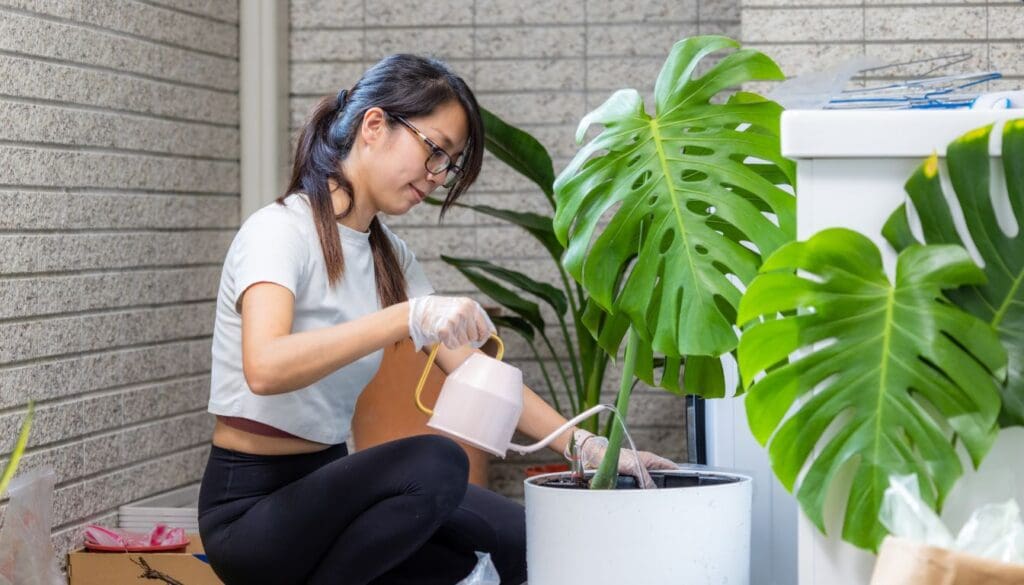
I always poke my finger about an inch into the potting mix before watering. If it’s dry down there, that’s my cue to water.
When I do water, I don’t just give it a splash—I pour until water runs out the bottom. This encourages the roots to dig deeper, which helps the plant get fuller over time.
Quick Tip: Let your Monstera drain fully before putting it back in its decorative pot.
Overwatering is a bigger problem than underwatering for Monsteras. Soggy soil leads to root rot, and that just stops everything in its tracks. In winter, I water way less since the plant isn’t growing much and the soil dries out slower.
The finger test is just more reliable than sticking to a strict schedule. Your home’s temperature and humidity can really change how quickly the soil dries out.
4) Use a well-draining soil mix rich in organic matter
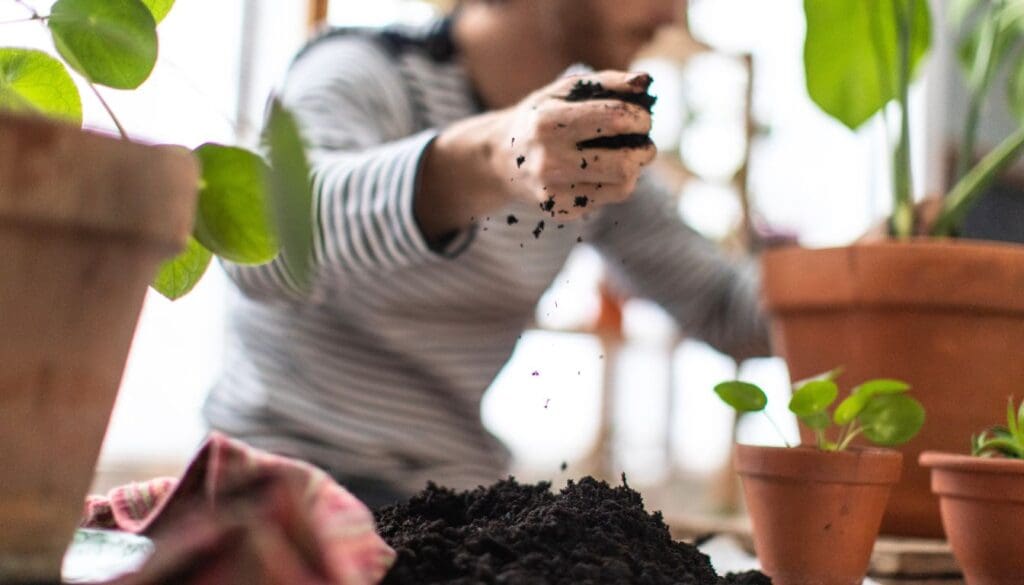
The soil you use makes a surprising difference in how bushy your Monstera gets. I always go for a mix that drains well but still holds onto enough moisture for happy roots.
I like to mix potting soil, perlite, and orchid bark. Perlite helps with drainage, and the bark adds those little air pockets. Tossing in some compost or worm castings gives your plant a nutrient boost, which encourages fuller growth.
Quick Tip: Try a blend of 40% potting soil, 30% perlite, 20% orchid bark, and 10% compost. It works wonders.
If your soil feels heavy or gets compacted, roots can’t breathe and the plant just focuses on surviving instead of growing thick and lush. I always check that water drains out within a few seconds after watering—if it doesn’t, it’s time to rethink the mix.
5) Fertilize monthly during spring and summer with a balanced liquid fertilizer

Feeding your Monstera during its active growing season gives it the extra push for bushier growth. I use a balanced liquid fertilizer, like a 10-10-10 or 20-20-20, diluted to half strength once a month from March to September.
Spring and summer are when Monsteras are busy putting out new leaves and stems. Regular feeding helps them build stronger stems and more leaf nodes, which means more branches and a fuller look.
Quick Tip: Always water before you fertilize to avoid burning the roots. It’s easy to forget, but it really matters.
I stop fertilizing in fall and winter when the plant slows down. Feeding when it’s dormant can just lead to salt buildup. If you live somewhere warm all year, you might stretch the feeding season a bit, but for most of us, the warmer months are best.
Yellow leaves or brown tips? That’s usually a sign you’re overdoing it. With fertilizer, less is often more.
6) Mist leaves regularly to increase humidity
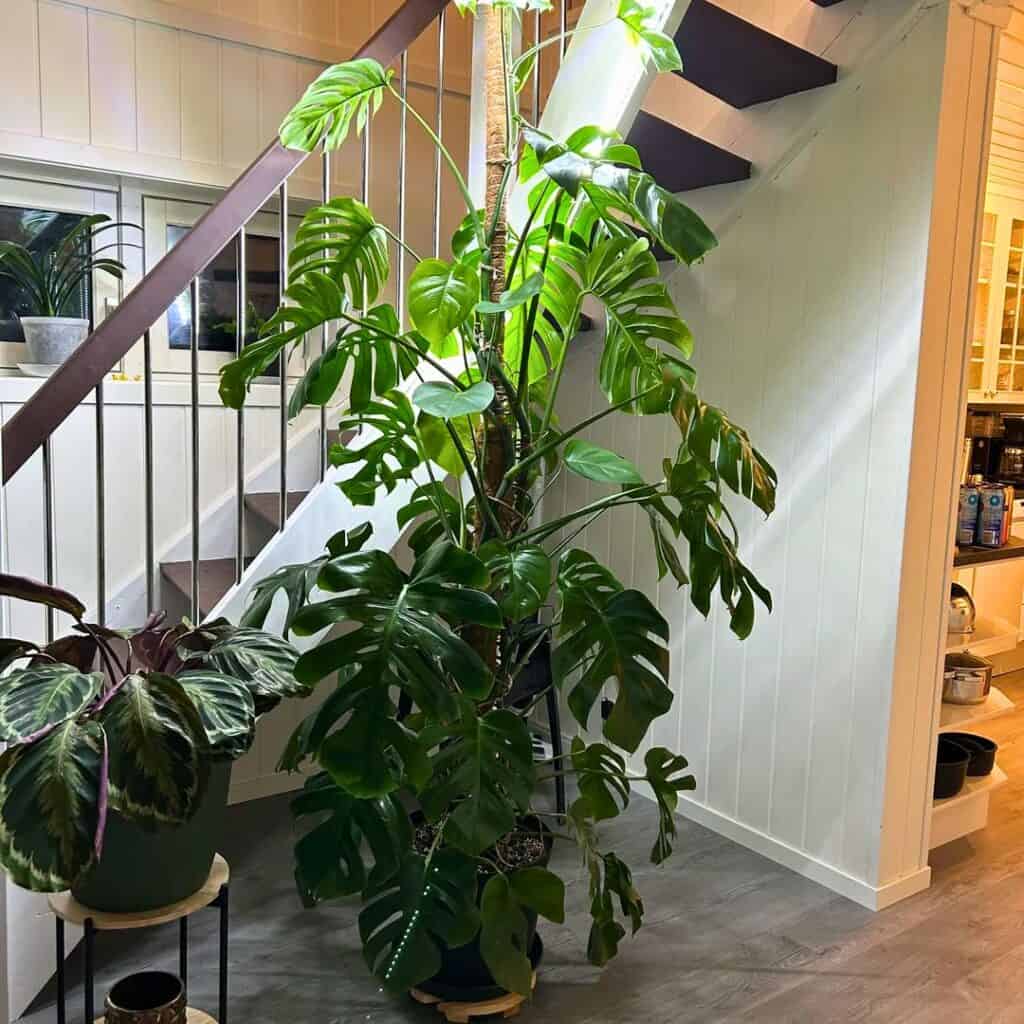
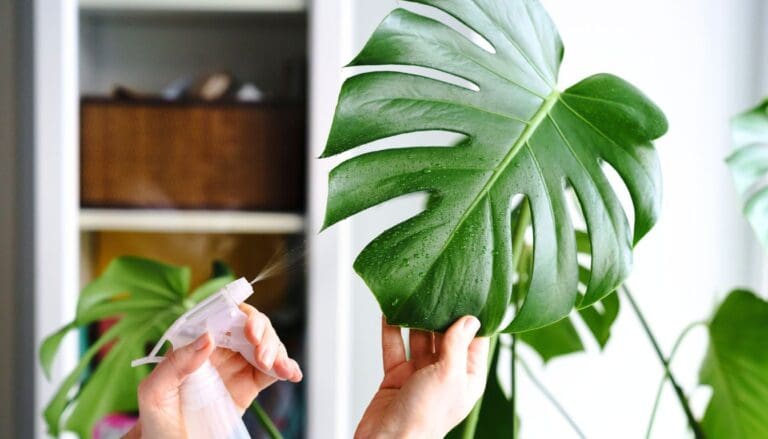
I like to mist my Monstera’s leaves a few times a week, especially when the air gets dry in winter. The extra moisture helps the plant stay bushy instead of stretching out and looking sparse.
Monsteras come from rainforests with humidity around 60-80%, but most homes are way drier—usually 30-40%. Misting gives them a quick taste of home.
I use a spray bottle with room-temp water and lightly mist both sides of the leaves in the morning. That way, there’s time for them to dry before night, which helps avoid fungus.
Quick Tip: If you live somewhere humid or notice water just sitting on the leaves, cut back on misting to avoid mold.
I don’t soak the leaves—just a light, even spray does the job. Some people swear by humidifiers, but honestly, misting works fine if you’re consistent.
7) Prune older or leggy stems to promote bushiness
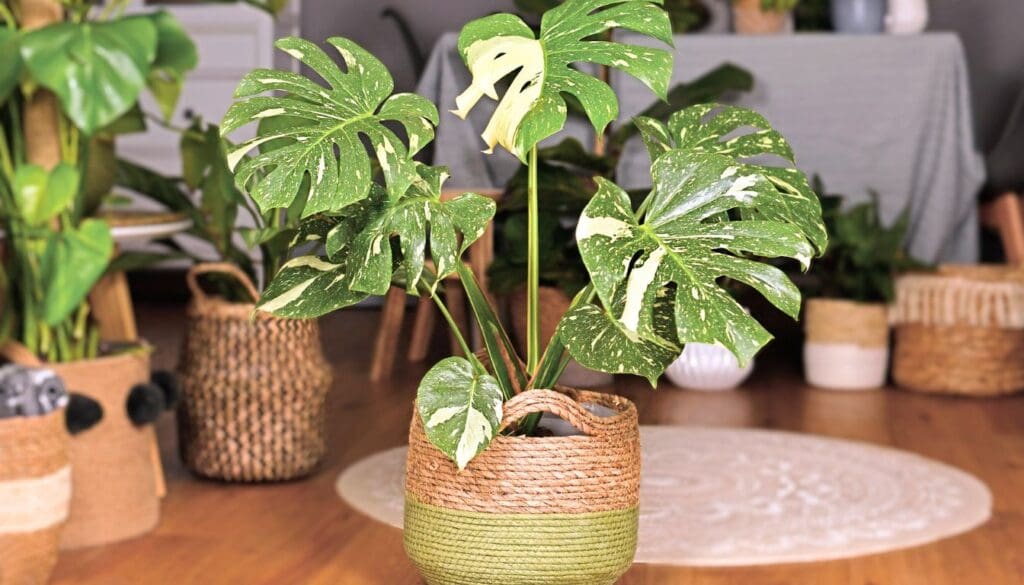
I’m not shy about cutting back stems that look long and bare. Those leggy stems just make the plant look stretched out. Pruning encourages the Monstera to focus on new growth lower down.
I use clean scissors or shears and snip just above a node—that little bump where leaves pop out. The plant usually sends out new shoots from there.
If a stem looks woody or just tired, I’ll take it off too. Old stems don’t do much for bushiness, and removing them makes space for fresh growth.
Quick Tip: Prune in spring or early summer when the plant is actively growing. It bounces back way faster.
Every few months, I check for stems with just a couple leaves and a bunch of empty space. Those are the ones I cut back.
8) Add a moss pole or trellis for support and encourage climbing

Monsteras are climbers in the wild, grabbing onto trees to reach more light. When I give mine a moss pole or trellis, it starts making bigger, more dramatic leaves with extra splits.
A moss pole is great because those aerial roots can latch right on. But a wooden trellis or bamboo stake works too if that’s what you’ve got.
Just push the pole into the soil near the center and gently tie the stems with soft plant ties or twine. Don’t tie too tight—give it some wiggle room.
Quick Tip: Mist the moss pole now and then so the aerial roots stay happy and grip better.
Climbing tells the plant it’s thriving, and that’s when you get those impressive mature leaves. Without support, Monsteras tend to sprawl and the leaves stay smaller.
9) Repot every 1-2 years to refresh soil and space roots
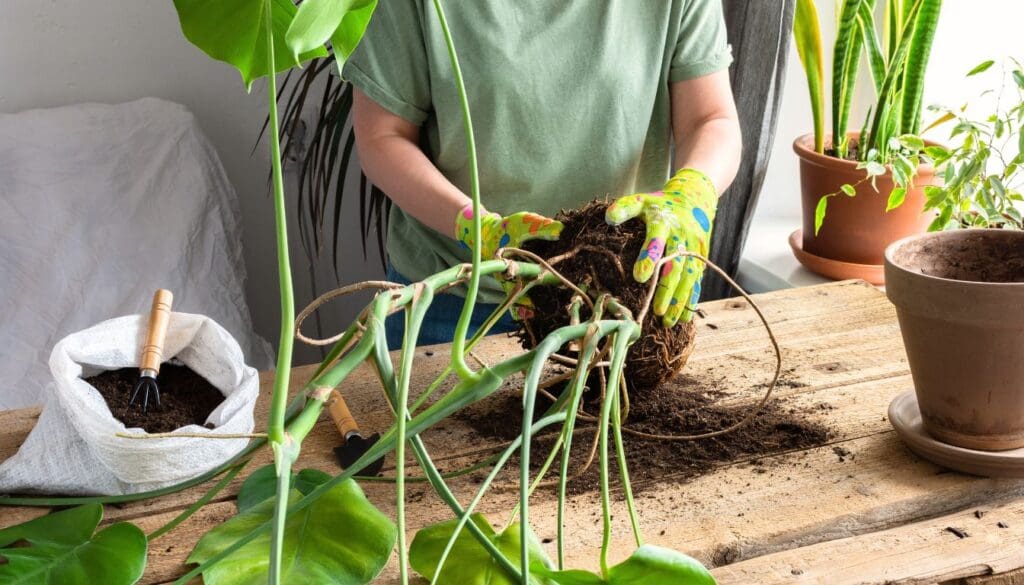
I usually repot my Monstera every year or two. Old soil loses nutrients and gets compacted, making it tough for roots to breathe. Fresh soil and a little more space really help the plant take off again.
You’ll know it’s time to repot when roots poke out of the drainage holes or start circling the pot. Sometimes the plant just dries out way faster or stops putting out new leaves.
Quick Tip: Pick a pot only about 2 inches bigger than the old one. Too much extra space can mean soggy soil and root rot.
Spring is the best time to repot since the plant is in growth mode. I gently loosen the root ball, trim any mushy roots, and set it in the new pot. Afterward, I water well and keep it out of direct sun for a few days while it settles in.
10) Keep temperatures consistently between 65-85°F (18-29°C)
Monsteras really do best when temperatures are steady. They’re from the tropics, so they like it warm—but not too wild with the fluctuations. If it drops below 60°F, growth slows and the plant can get stressed out.
The sweet spot is 65-85°F. In that range, I notice new leaves coming in regularly and the plant just looks happier. I try to keep mine away from drafty windows in winter and out of the path of blasting heat vents.
Quick Tip: If your home gets chilly at night, move your Monstera away from windows where cold air sneaks in.
Brown leaf edges or yellowing can mean it’s too cold. If the plant stops growing in summer, it might be getting too hot. I usually just keep mine where I feel comfortable—if I’m happy, the plant probably is too.
11) Avoid cold drafts and sudden temperature changes
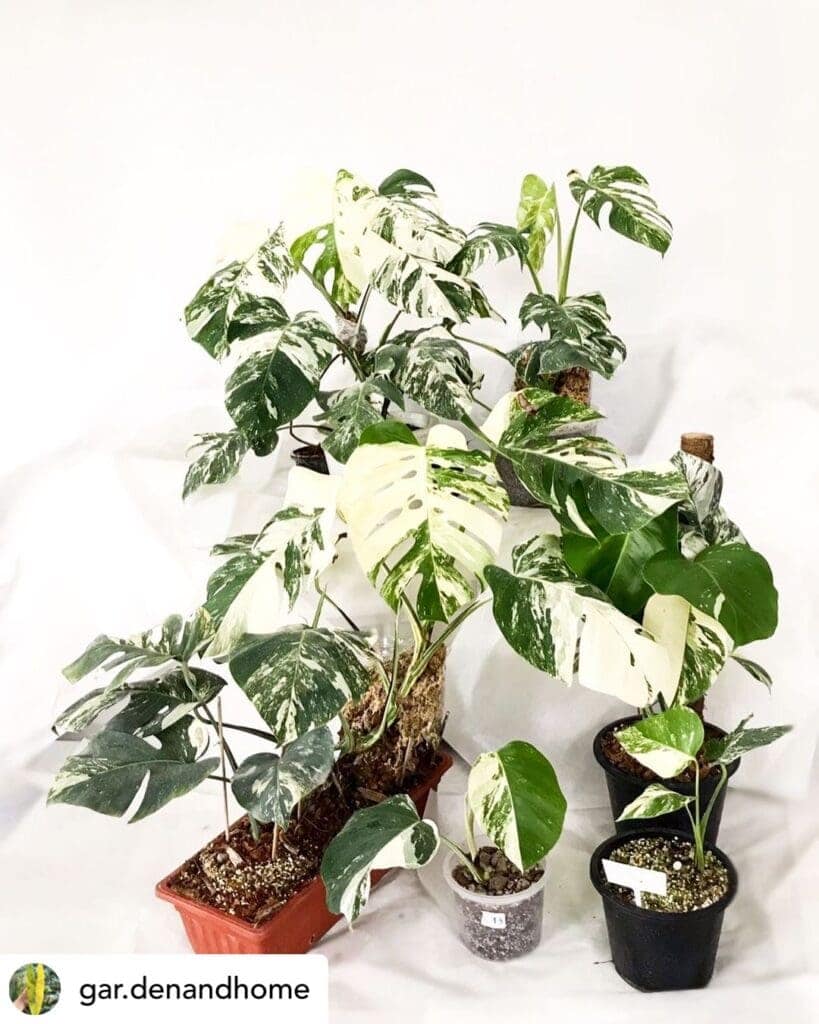
Monsteras really don’t appreciate sudden chills. Drafty windows, air conditioners, or doors that open a lot can stress the leaves and slow down growth.
I always keep mine away from vents and busy doors in winter. Big temperature swings just confuse the plant and make it less likely to fill in those empty spots.
Quick Tip: During the day, feel around your Monstera’s spot for cold pockets or little blasts of air you might not notice otherwise.
If you’re dealing with harsh winters, just scoot your Monstera a few feet back from the window at night. Even a small move can make a difference. These plants like steady warmth, not a rollercoaster of temperature changes.
Understanding Monstera deliciosa Growth
Monsteras grow as climbing vines in their native habitat, which is why they tend to shoot upward more than they spread out. The plant’s growth pattern and the environment you give it really decide how bushy it’ll get.
How Monsteras Naturally Grow
In the wild, Monsteras climb up trees in tropical rainforests using their aerial roots. They aim for the canopy, reaching for brighter light, and put most of their energy into growing taller rather than branching out.
Each stem usually has one main growing point at the tip, and new leaves pop out from that single spot, one after another.
As the plant matures and finds more light, it may finally start making those big, dramatic leaves with all the splits and holes. But unless you step in, most Monsteras just keep climbing higher on one or a few main stems instead of branching out on their own.
Factors Affecting Bushiness
Light is probably the biggest factor in how your monstera grows. If it’s stuck in low light, you’ll see it stretch out, reaching for any bit of sun it can find—that’s when you get those awkward long gaps between leaves.
With bright, indirect light, though, you’ll notice the leaves cluster closer together and the plant just looks fuller overall.
The plant’s age also comes into play. Younger monsteras usually grow as single stems, which can look a little sparse.
As the plant matures, it might develop more growth points, though honestly, that’s not always a sure thing.
Quick Tip: Give your monstera a quarter turn every couple of weeks so all sides get their fair share of sunshine.
Pruning is another trick—when you cut a stem, the plant often responds by sending out side shoots. It’s almost like it panics and tries to make up for the lost growth.
Support structures matter, too. A moss pole gets your monstera climbing up, but if you remove support, it might start to sprawl out sideways instead.
Common Mistakes That Hinder Fullness
Even when you mean well, it’s so easy to accidentally hold back your Monstera’s growth. Honestly, I see folks making two big mistakes: crowding their plants and messing up the light.
Overcrowding and Its Impact
Whenever I squish my Monstera too close to other plants, it seems to fight for every bit of space and light. The leaves end up competing, so the plant shoots upward, not outward.
Plus, less airflow invites pests and fungal issues, which just slows everything down. Not ideal.
Now, I always try to leave at least 2-3 feet of space around my Monstera. That way, light can actually reach the lower leaves, and you’ll see new growth points popping up closer to the soil.
If the roots are cramped in the pot, forget about new stems—the plant just focuses on survival at that point.
Quick Tip: Got your Monstera jammed in a corner with a bunch of other plants? Move it somewhere roomier. You might be surprised by new shoots in just a few weeks.
Pot size is another thing. I never go more than 2 inches bigger when repotting. Too much extra soil just stays wet and can rot the roots. Go for a pot that lets the roots spread, but not swim.
Improper Lighting Choices
Low light is honestly the fastest way to get a leggy, sad-looking Monstera. I always place mine where it gets bright, indirect light most of the day.
Somewhere about 5-8 feet from a south or east window usually does the trick for me. Direct afternoon sun, though? It’ll burn the leaves and stress the plant out.
If it’s too dim, the plant stretches toward the window and you get those big spaces between leaves. I’ve noticed that Monsteras in dark corners barely branch out and the leaves stay small.
Quick Tip: If your Monstera is leaning dramatically to one side, it’s probably not getting even light—try rotating it weekly or just move it to a brighter spot.
I do a quick light check by holding my hand where the plant sits around midday. If the shadow is soft and fuzzy, that’s perfect. No shadow means it’s way too dark. A sharp, dark shadow? Way too much sun.
Frequently Asked Questions
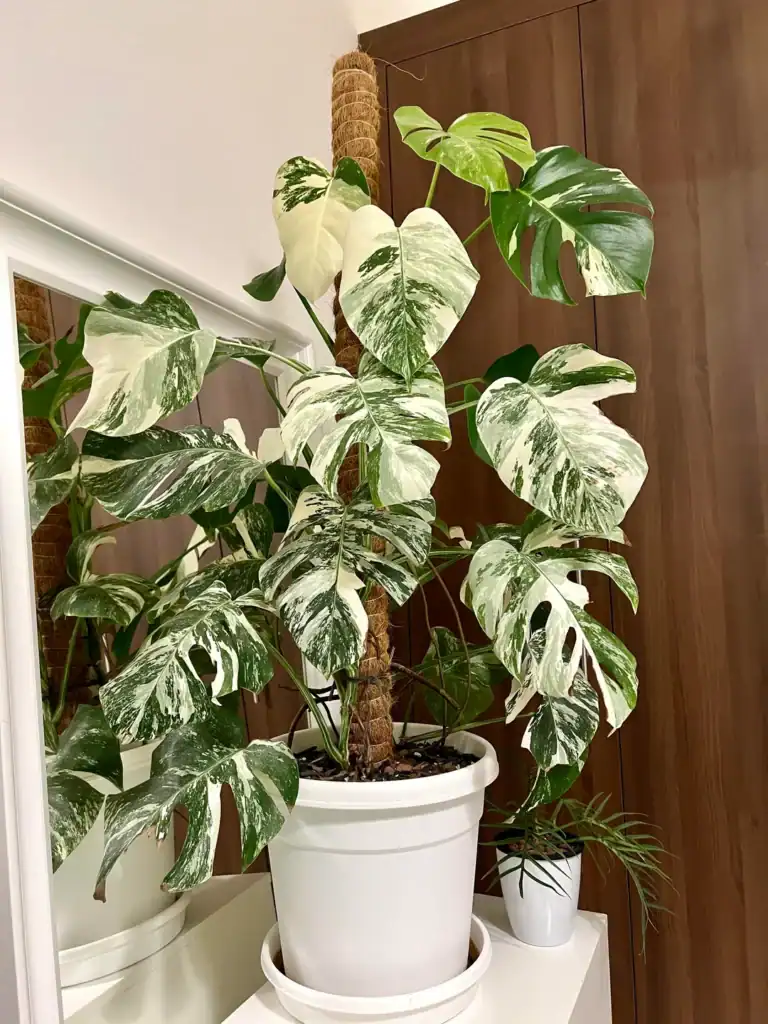
Monstera owners are always wondering about the right light, how often to water, when to prune, and which nutrients actually help the plant fill out.
How can I encourage my Monstera to grow more lush and full?
Honestly, bright, indirect light has made the biggest difference in my experience. I like to put my Monstera near a window with a sheer curtain or where sunlight bounces off a wall.
Direct sun can scorch the leaves, but if it’s too dark, you’ll end up with a leggy, sparse plant. Rotating the plant each week keeps it from leaning and helps it fill out more evenly.
Quick Tip: Just turn the pot a bit every time you water—makes it easy to remember.
Pruning back long vines also helps. If you cut just above a node, the plant often pushes out new shoots lower down on the stem.
What are the best ways to promote bushy growth in my Monstera plant?
Consistency is key. I water when the top inch of soil feels dry—just stick your finger in to check, don’t bother with a strict schedule.
Good soil matters, too. I use a mix with peat moss, perlite, and bark. It drains well but still holds enough moisture for the roots.
Support structures like moss poles make a difference. As the plant climbs, it tends to grow bigger leaves and stay more compact, instead of sprawling everywhere.
Quick Tip: Add a moss pole early so the roots can grab on as the plant grows.
Are there specific pruning techniques to help my Monstera become bushier?
I always cut just above a node—that’s the little bump where leaves and roots come out. Cutting here tells the plant to send out new growth from that spot.
Chopping back the longest, bare vines encourages branching lower down. I usually target stems that are looking a bit scraggly so the plant fills in where it’s bare.
Quick Tip: Use sharp, clean scissors or shears for a nice, smooth cut—heals faster that way.
Spring is my favorite time to prune since the plant’s growing fast and bounces back quickly. You can prune in other seasons if you have to, but it’ll take longer to recover in fall or winter.
Which nutrients are essential for a thicker Monstera growth?
Nitrogen is the big one for leaf growth and keeping the plant looking green. I use a balanced liquid fertilizer with equal parts nitrogen, phosphorus, and potassium during the growing season.
Phosphorus helps the roots develop, and strong roots mean the plant can support more stems and leaves. Potassium boosts overall health and helps the plant recover from stress.
Quick Tip: Always dilute your fertilizer to half strength—you don’t want to burn the roots.
How often should I be watering and feeding my Monstera to enhance its bushiness?
I water when the top inch of soil dries out—usually every 7-10 days in spring and summer. In winter, I stretch it out longer since the plant isn’t growing much and the soil stays wet.
Always check the soil with your finger first. Temperature, humidity, and pot size all change how fast it dries out.
I fertilize about once a month during spring and summer, then stop in fall and winter when the plant slows down. No need to push nutrients when it’s not actively growing.
Quick Tip: Water until it drains out the bottom, then empty the saucer so the roots don’t sit in water.
Can you provide tips for optimal light and environment conditions for a bushier Monstera?
Bright, indirect light is honestly the sweet spot for my Monstera. I usually stick it by an east-facing window for that gentle morning sun, but a few feet back from a south or west window works too.
If your Monstera’s leaves start looking thin and stretched out, it’s probably craving more light. Try nudging it closer to a window, or maybe consider a grow light if your space is a bit dim.
Humidity between 60-80% really helps with lush, healthy growth—and those bigger leaves everyone wants. I usually run a humidifier nearby, or sometimes I’ll just bunch a few plants together to boost the humidity a bit.
Quick Tip: When the air gets dry in winter, give your Monstera a mist or set it on a pebble tray with water. It’s simple, but it helps.
Temperature’s another thing I pay attention to. I try to keep my Monstera in a spot that stays somewhere between 65 and 85°F, and I steer clear of heating vents or drafty doors—those just mess with it.
Note: Some images in the articles are sourced from Reddit and Other Platforms For Reference Purpose.