11 Tips To Grow Massive Elephant Ear Plants
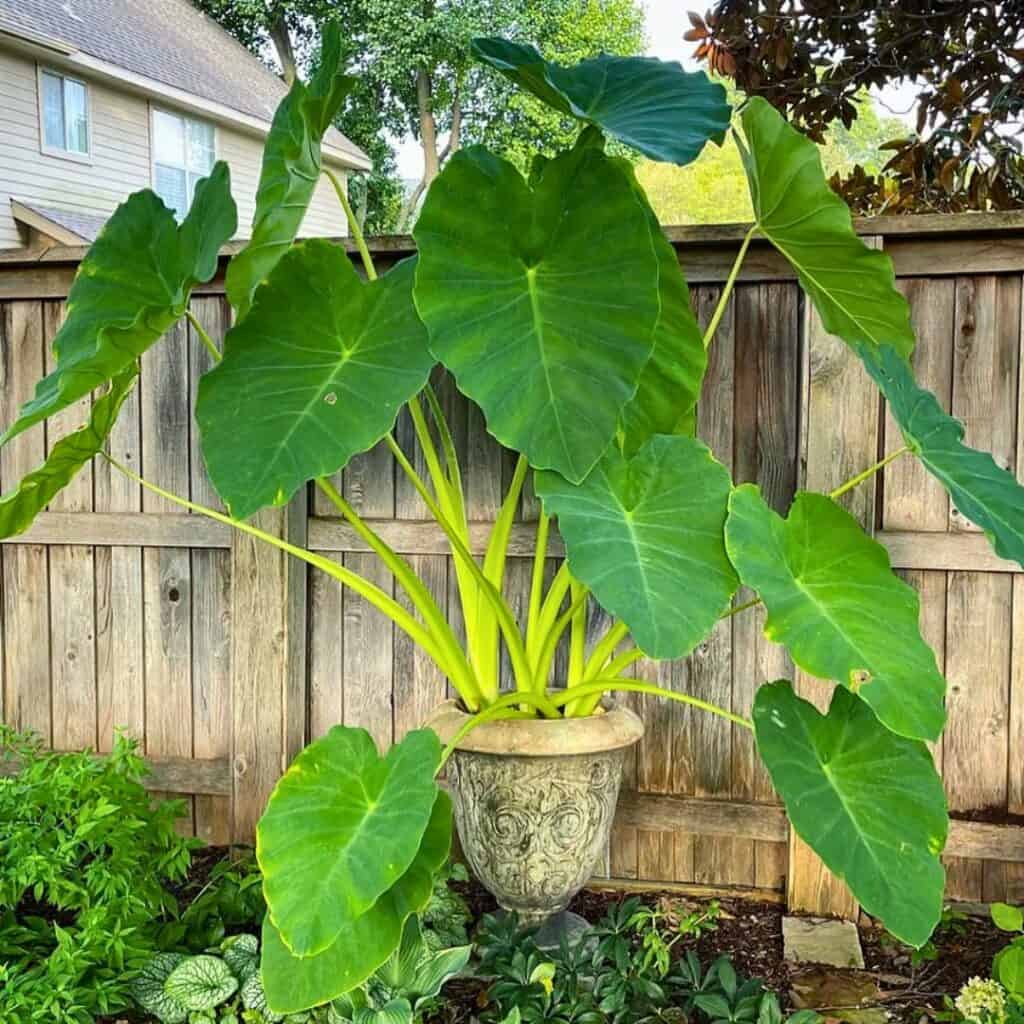
I’ve always loved the look of elephant ear plants—those huge, glossy leaves just scream tropical vibes. They can totally transform a garden or even a boring corner in your house.
Growing them might seem intimidating at first, but honestly, once you get the hang of it, they’re pretty forgiving. Let me walk you through the tricks I’ve picked up for getting elephant ear plants to grow bigger, healthier, and, well, just more impressive.
Small tweaks can make a huge difference, whether it’s soil, light, or just a little extra TLC.
Please note: Simplify Plants is reader-supported. As an Amazon Associate, I earn from qualifying purchases made by our readers with no extra cost added to you all! Some links in the post are affiliate links and I get a commission from purchases made through links in the post.
1) Choose well-draining soil rich in organic matter
I always start by feeling the soil texture before planting elephant ear bulbs. They’re fans of moisture, but if their roots sit in water, things go south fast.
So, I look for well-draining soil that still holds some dampness. If water just sits there after a good soak, I know it’s time to rethink my mix.
Mixing in compost or aged manure is a no-brainer for me. It feeds the soil and gives the roots what they need for those big, dramatic leaves.
Plus, the extra organic matter keeps things loose and airy below ground. That’s important for healthy roots.
If my soil’s too heavy and sticky—classic clay—I’ll toss in some peat moss, coconut coir, or perlite. It really helps with drainage and keeps root rot at bay.
But if water runs through way too fast, I just add more compost until it feels right.
I usually test the soil by poking it with my finger. If it’s damp but not swampy, I’m happy.
Getting the soil balance right at the start saves so much trouble later. It’s worth the extra couple of minutes.
2) Plant in partial shade to avoid leaf scorch

One thing I learned the hard way—too much direct sunlight is brutal on those big leaves. They soak up sun like crazy, which sounds good, but too much and you’ll see crispy brown edges in no time.
I always pick a spot with partial shade—morning sun is fine, but I make sure they’re shielded during those scorching afternoon hours.
Placing them near taller plants, a fence, or even a tree does the trick. Keeps the soil cooler too.
Bright, filtered light is just about perfect for them. They still get enough energy to grow, but their leaves stay lush instead of frazzled.
I remember planting one in full sun my first year. Regret! The leaves dried out so fast.
Now, I pay attention to how the sun moves through my yard and pick a spot that gets a break from the heat.
If you’re stuck with a super sunny garden, you can always hang up some shade cloth or outdoor curtains. Even a little cover helps.
Partial shade also means the soil doesn’t dry out as quickly, which is a win.
Less heat stress means less fussing with damaged leaves, too. It just makes everything easier.
3) Water deeply once a week during dry spells
When it’s dry out, I make sure my elephant ear plants get a good, deep drink. They love water, but soggy roots? Not so much.
Instead of splashing them every day, I water slowly and really let it soak in—about 6 to 8 inches deep. That way, the roots grow down and stay hydrated longer.
I always check the soil first. If the top few inches are still damp, I’ll hold off for another day or two.
Too much water is just as bad as not enough, so I try to keep a balance.
A soaker hose or a watering can aimed at the base keeps the leaves dry and helps avoid fungal problems.
I steer clear of watering during the hottest part of the day. It just evaporates too fast.
If it’s a super hot week, I’ll check midweek. If the leaves start to curl or droop, that’s my cue for another deep soak.
It’s all about paying attention to what the plants are telling you.
4) Apply balanced fertilizer monthly during growing season

Every month during spring and summer, I make sure to feed my elephant ear plants. It’s amazing how much bigger and brighter the leaves get with regular feeding.
I stick with a balanced fertilizer—something like 10-10-10 or 20-20-20. Equal parts nitrogen, phosphorus, and potassium keep everything growing strong.
Before I feed, I water the soil a bit so the roots don’t burn. Then I mix the fertilizer according to the label and pour it around the base, not on the leaves.
If I notice yellowing or the plants seem sluggish, I double-check how much and how often I’m feeding. It’s easy to overdo it, and that can backfire.
Once fall hits and growth slows, I stop fertilizing until spring. No point in pushing them when they’re resting.
5) Mulch around the base to retain moisture
I always spread a layer of mulch around my elephant ears once they’ve settled in. It’s a simple way to keep the soil cool and moist, which they absolutely love.
About 2 to 3 inches thick works for me—enough to help, but not smother.
I make sure to leave a little gap around the stem. Mulch right up against the plant can cause rot, and nobody wants that.
Organic mulch like bark, pine straw, or leaves is my go-to. It breaks down and feeds the soil over time.
If the mulch looks thin or patchy, I just top it up.
In hot or windy weather, mulch really helps keep the soil from drying out too fast. Saves me time on watering, too.
Every now and then, I lift up the mulch to check for pests or mildew. Just a quick peek is all it takes.
6) Protect from strong winds to prevent leaf damage

Those giant leaves look awesome, but they’re basically sails in the wind. I always try to give my elephant ear plants some shelter from strong winds.
Planting near a fence, wall, or tall shrubs works well as a windbreak. It keeps the leaves from tearing and helps the plants stay upright.
If I’m growing them in pots, I’ll move them to a sheltered porch or a protected corner when storms are coming.
I’ll also turn pots so the leaves aren’t facing straight into the wind.
For plants in the ground, I sometimes use stakes and soft ties for extra support. Just tie them loosely so the stems don’t get squeezed.
If the forecast looks rough, I water the soil well. Moist soil helps anchor the roots and keeps the plant steady.
A little wind protection goes a long way. It’s easy to forget about, but it really matters.
7) Prune dead or yellow leaves regularly
Every week or so, I check my elephant ears for leaves that look dull or yellow. Those leaves just drag the plant down.
I use clean, sharp scissors or shears and snip them off close to the base. I’m careful not to nick the healthy leaves.
Getting rid of dead or yellow leaves helps prevent pests and mold.
Once I started pruning regularly, I noticed the healthy leaves got bigger and brighter.
Morning is my favorite time to prune, since the plant’s well-hydrated. If I see more yellowing, I double-check the watering and light.
A little maintenance goes a long way.
8) Use compost tea to boost growth naturally

I’m a big fan of compost tea. It’s a simple, gentle way to feed elephant ear plants without resorting to chemicals.
To make it, I just fill a bucket with water, toss in some finished compost, and let it steep for a day or two.
The water turns dark and rich, and that’s what I pour around the base of each plant every couple of weeks.
It keeps the soil moist and gives the roots a steady stream of nutrients. Healthy roots mean bigger, happier leaves.
Sometimes I’ll spray a little on the leaves, too, but only when it’s not blazing hot outside.
Compost tea is cheap, easy, and just works. I don’t know why more people don’t use it.
9) Keep soil consistently moist but not waterlogged
I’m always checking to make sure the soil around my elephant ears is evenly moist. They love water, but not so much that their roots drown.
I poke my finger in about an inch—if it’s dry, time to water.
When I do water, I go slow so the moisture spreads out. I stop when I see water draining from the bottom.
Good drainage is key. Soggy soil is just asking for root rot.
On hot days, I water more often, but on cool, cloudy days, I back off.
If I’m growing in pots, drainage holes are a must. I set the pots on saucers to catch any extra water.
A layer of mulch helps keep things steady, too. I like bark or shredded leaves—they let air through but keep the soil cool.
Paying attention to the weather and the soil keeps the roots happy, and happy roots mean big, lush leaves.
10) Add a layer of leaf mulch in winter for insulation
When winter rolls in, I do my best to keep my elephant ear plants cozy. I spread a thick layer of leaf mulch around the base to help shield the roots from freezing temps.
This mulch traps warmth and slows down how fast the soil dries out. It’s a simple trick, but it makes a real difference.
I like using dry leaves I’ve raked up in the fall. They’re free, they’re natural, and as they break down, they actually improve the soil.
I’ll usually shred the leaves a bit before spreading them. That way, they don’t get compacted and smother the ground—nobody wants soggy, matted mulch.
If you live somewhere with tough winters, it’s smart to toss on a little extra mulch for good measure. Four to six inches is usually enough.
After piling it up, I pat it down just enough so it doesn’t blow away every time there’s a gust of wind. Nothing fancy—just enough to keep things in place.
When spring finally shows up, I pull back some of the mulch so the soil can warm up faster. The bits left over just mix into the soil and feed the plants.
It’s honestly one of the easiest ways I know to help elephant ears bounce back strong when the weather turns nice again.
11) Space plants at least 3 feet apart
I always try to give my elephant ear plants plenty of elbow room. Their leaves get huge and the stems really stretch out.
If I crowd them, they just end up fighting for sunlight and water. That’s never good.
By spacing each one at least 3 feet apart, the roots have space to spread and the leaves don’t shade each other out. It looks better too—each plant gets to show off.
Crowded plants can get a bit stuffy, and that trapped moisture can invite fungal issues. Giving them breathing room keeps things drier and healthier.
Plus, it just makes watering and maintenance so much easier. I can actually reach every plant without trampling the soil or compacting the roots.
When I’m planning my garden, I try to picture how massive those leaves will get by summer. That 3-foot gap really pays off.
If I’m not sure, I always err on the side of more space. Elephant ears grow fast and fill out quickly when it warms up.
That extra room means less fuss later and healthier, happier plants.
Understanding Elephant Ear Growth

I’ve found that elephant ear plants really shine when they get steady light, rich soil, and enough moisture. Their huge leaves rely on solid care from the ground up.
The right mix of light and water can make a huge difference in how big and bold those leaves get.
Optimal Light Conditions
I keep my elephant ears in bright, indirect sunlight whenever I can. Too much direct sun will burn the leaves, but too little makes them spindly and sad.
A partly shaded spot—maybe near a big window or under a tree—usually works best.
These plants are used to tropical forests where sunlight filters through taller plants. I try to mimic that by giving mine morning sun and afternoon shade.
For indoor plants, I’ve had good luck near east-facing windows. Outdoor ones do well under a bit of shade cloth or tucked behind bigger plants.
If I see leaves turning yellow or looking washed out, it’s usually a sign they need a bit more light. Sometimes I’ll use grow lights on gloomy days just to keep things balanced.
A steady light routine really helps keep the plants looking lush.
Soil and Watering Requirements
Elephant ears love soil that’s moist but drains well, with lots of organic matter mixed in. I use a blend of peat, compost, and perlite so the roots stay damp but not soggy.
They need a steady water supply—but they really hate sitting in standing water.
I check the top inch of soil and water when it feels just a bit dry. In the summer, that’s pretty often, especially if the air is dry.
During colder months, I back off on watering to avoid root rot.
A layer of mulch helps the soil stay moist longer and keeps the roots cool. I always make sure pots have drainage holes so extra water can escape.
Consistent moisture keeps the leaves big, sturdy, and nice and glossy.
Troubleshooting Common Growth Issues
Sometimes, things just don’t go as planned with elephant ear plants. I run into yellow leaves or the occasional pest problem.
Spotting issues early really helps get things back on track.
Yellowing Leaves Explained
If I notice yellow leaves, my first move is to check how I’m watering. Overwatering is usually the culprit—leaves go limp and the soil feels swampy.
I let the top inch dry out before watering again. Roots need air, not just water.
Nutrient deficiencies can also cause yellowing, especially if the plant isn’t getting enough nitrogen. I’ll feed with a balanced, water-soluble fertilizer every few weeks during the growing season.
Light matters, too. Too much direct sun can scorch leaves, while too little makes them pale and floppy.
I trim off yellow or damaged leaves with clean scissors. It tidies things up and helps the plant focus on new growth.
| Cause | Fix |
|---|---|
| Overwatering | Let soil dry, improve drainage |
| Lack of nitrogen | Use balanced fertilizer |
| Low light | Move to brighter spot |
Dealing With Pests and Diseases
Pests like aphids, spider mites, or mealybugs sometimes show up under the leaves. I wipe them off with a damp cloth or use a spray of insecticidal soap.
If the bugs come back, I just repeat the treatment every few days. It usually does the trick.
Fungal diseases like leaf spot or root rot pop up if things get too humid or there’s not enough airflow. I avoid spraying water on the leaves and make sure there’s space for air to move.
If problems stick around, I’ll repot with fresh, well-draining soil and clean the containers before reusing them. I always check new plants for hitchhiking pests before bringing them inside.
Staying on top of things keeps my elephant ear plants looking their best.
Frequently Asked Questions
Healthy elephant ear plants really depend on a good mix of light, water, nutrients, and pest control. Timing and a bit of attention go a long way toward keeping those leaves big and bold.
What are the ideal growing conditions for elephant ear plants?
I plant my elephant ears in moist, well-draining soil packed with organic matter. Partial shade is key to protect the leaves from harsh sun.
Warm temps and high humidity help them thrive.
How often should I water my elephant ear plants for optimal growth?
I water deeply about once a week, unless it’s really hot or dry. In summer, I check the soil more often to keep it evenly moist—never soggy.
What is the best type of fertilizer for nurturing elephant ear plants?
A balanced fertilizer, like 10‑10‑10, works well once a month during the growing season. I stop feeding when the weather cools and growth slows down.
How can I protect my elephant ear plants from pests and diseases?
I check my plants regularly for aphids, spider mites, and caterpillars. If I spot any, I pick them off or spray with insecticidal soap.
Good airflow and clean soil help prevent most diseases.
When is the right time to transplant elephant ear plants?
I move my plants in spring, once the soil has warmed up and frost is gone. I dig carefully around the bulbs and replant them right away.
Fresh soil helps them bounce back quickly.
How do I manage yellowing leaves on my elephant ear plants?
Honestly, whenever I spot yellow leaves, I just snip them off to keep things looking neat. It seems to help the plant focus on growing new, healthy leaves.
But if there are a bunch of yellow leaves popping up, I start to wonder—am I overwatering? Is the drainage just not cutting it? Sometimes, it’s just a sign the plant needs a little more food.
I usually poke around and check for over‑watering or low nutrients. Tweaking these things tends to sort it out pretty quickly, at least in my experience.
Note: Some images in the articles are sourced from Reddit and Other Platforms For Reference Purpose.