11 Tips For Planting Bulbs In Pots Like A Pro
I love how planting bulbs in pots can turn small spaces into bright spots of color. It’s such an easy way to enjoy flowers, even if you don’t have a proper garden.
You can create a beautiful display that blooms for months with just a few smart steps. Honestly, it’s a lot simpler than it seems.
In this article, I’ll share how I pick the right containers, plant bulbs at the right depth, and care for them through every season.
From watering and fertilizing to protecting them from cold weather, you’ll see how simple it is to grow healthy, vibrant blooms in pots.
Please note: Simplify Plants is reader-supported. As an Amazon Associate, I earn from qualifying purchases made by our readers with no extra cost added to you all! Some links in the post are affiliate links and I get a commission from purchases made through links in the post.
1) Choose pots with drainage holes

I always start by picking pots with drainage holes. These holes let extra water escape, so the bulbs don’t end up sitting in soggy soil.
Without drainage, roots can rot, and the bulbs might never grow well. I check the bottom of every pot before planting—if there are no holes, I’ll drill a few or just use a different pot.
Good drainage is the first step to healthy bulbs. I like to place a small saucer under each pot to catch runoff and keep my patio or windowsill clean.
If I’m using a decorative pot without holes, I’ll slip a smaller plastic pot with holes inside. That way, I get the look I want without risking my bulbs.
It’s an easy trick that saves plants from too much moisture. Choosing the right pot size matters too—enough space for bulbs and soil to drain well, but not so big that water gets trapped.
A pot that’s too small can cause water issues, while a larger one gives roots more room to breathe. Focusing on proper drainage really sets up bulbs for strong growth and bright blooms.
2) Use a high-quality potting mix
I always start with a high-quality potting mix for bulbs in pots. Regular garden soil is just too heavy and holds too much water—bulbs hate that.
A good potting mix gives bulbs the right balance of air, moisture, and nutrients. I look for a mix labeled well-draining, usually with perlite, vermiculite, or coarse sand.
Those ingredients help water flow through, so roots stay happy. When I open the bag, I want the mix to feel light and crumbly—if it’s dense or sticky, I add a bit of perlite.
I also like mixes with some organic matter like compost or peat moss. If it’s not in there, I’ll stir in a handful of compost before planting.
Sometimes I use a mix made for container gardening because it stays loose and airy even after watering. That really helps bulbs sprout and push through the soil.
Before filling my pots, I moisten the mix slightly—damp, not wet. That way, bulbs settle in and start rooting right away.
Using the right potting mix might seem like a small thing, but wow, it makes a difference. The better the mix, the better the blooms.
3) Plant bulbs at the right depth
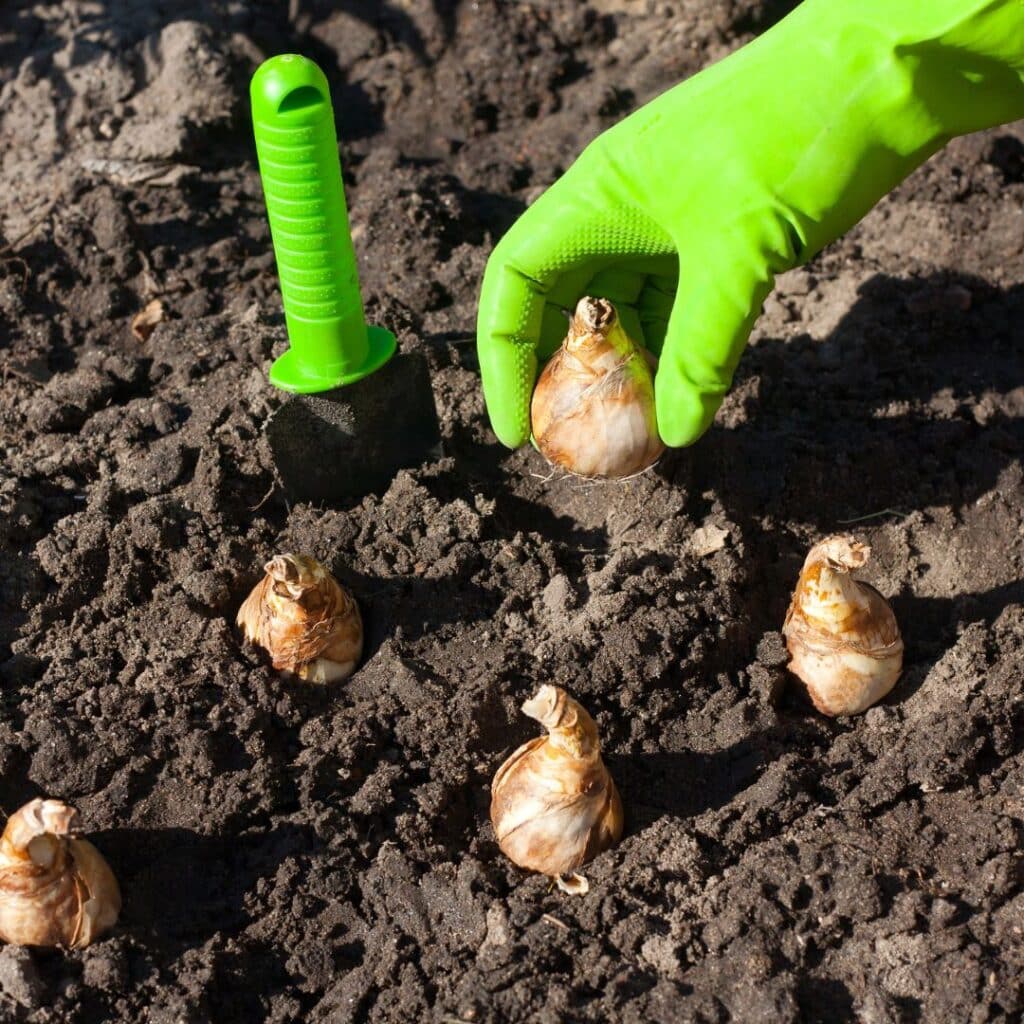
I always remind myself that planting depth matters more than you’d think. If bulbs are too close to the surface, they can dry out or freeze.
Too deep, and they might never make it up through the soil. The simple rule? Plant each bulb about two to three times its height.
So, if a bulb is two inches tall, I plant it four to six inches deep. This helps roots grow strong and keeps stems sturdy.
I use a trowel or bulb planter to measure. Consistency helps bulbs grow evenly, which makes the final display look neat and full.
When I fill the pot, I make sure there’s enough soil below for roots and leave a little space at the top for watering. I never skip a drainage layer—gravel or broken pottery at the bottom does the trick.
If I’m layering bulbs, the biggest go deepest, then medium, then small on top. That way, they bloom in stages and fill the pot with color over time.
I always check the bulb package for planting depth—different types need different depths. Tulips, daffodils, crocuses—they all have their own sweet spot.
After planting, I gently press the soil to remove air pockets and water well so the bulbs settle in. Proper depth and moisture give them the best start before winter.
4) Layer bulbs for extended blooms

I like to layer bulbs in one pot so I can enjoy flowers for longer. This “lasagna” style is pretty fun—it’s just like stacking layers in a dish.
Each bulb blooms at a different time, so you get color for weeks. I pick bulbs that bloom in early, mid, and late spring—maybe crocuses for early, tulips for mid, and daffodils for late.
This keeps the pot interesting as one set fades and another begins. I fill the bottom of the pot with soil and place the largest bulbs first.
I cover them with a few inches of soil, add the medium bulbs, cover again, and finish with the smallest bulbs on top.
Each layer needs enough soil between for roots to grow. I make sure the pointed end faces up and bulbs don’t touch—good spacing helps prevent rot.
After planting, I water well so the soil settles. Through winter, I keep the pot in a cool, sheltered spot.
When spring comes, I move it somewhere sunny. The flowers bloom one after another, so there’s always something new.
I like how this method saves space and looks really full, even on a small balcony. With a little planning, I get continuous blooms from the same pot all season.
5) Water bulbs immediately after planting
I always water my bulbs right after planting to help them settle in. That first drink removes air pockets and helps the soil hug the bulbs.
Without water, roots might struggle to start growing. I pour enough water so the soil feels evenly moist, but not soggy.
Too much water can cause rot, especially if drainage isn’t great. If the soil sinks after watering, I add a bit more mix on top and press it down gently.
Even in fall, I water after planting—moisture helps bulbs form roots before winter. If it’s dry out, I’ll check every few days and water again if the top inch feels dry.
I use room-temperature water because cold water can shock the bulbs—maybe I’m picky, but it seems to help. After that, I let nature do its thing.
A quick watering might seem basic, but it really matters. Healthy bulbs start with moist, well-settled soil.
6) Place pots in a sunny location

I always make sure my pots get plenty of sunlight. Most bulbs need at least 6 hours of direct sun each day.
Without enough light, stems can get leggy and weak. I like to set my pots on a patio, balcony, or near a bright window.
If the light changes with the seasons, I just move the pots to a sunnier spot. For bulbs like tulips or daffodils, I stick with full sun.
Shade-loving bulbs get a spot with morning light and afternoon shade. That way, they don’t overheat but still get what they need.
I pay attention to how the sun moves—sometimes a tree or wall blocks light for part of the day. Finding the best location for each pot can take a bit of trial and error.
If I grow bulbs indoors, I put them near a south-facing window or use a grow light if sunlight’s lacking.
A bright spot keeps leaves healthy and green. Keeping pots in a sunny location also helps the soil dry out after watering, which means fewer rot problems.
Sunlight really does make a difference—stronger plants, brighter flowers. It’s worth the effort to find the right spot.
7) Avoid overwatering to prevent rot
I always remind myself that bulbs don’t like soggy soil. Too much water can cause roots to rot before anything even grows.
I water just enough to keep the soil slightly moist, never soaked. Before planting, I check the drainage holes in my pots.
If water can’t drain, it collects at the bottom and damages bulbs. Sometimes I add a thin layer of gravel or small stones to help extra water escape.
I also stick with a well-draining potting mix made for bulbs or containers. Regular garden soil holds too much water and just slows things down.
After watering, I wait until the top inch of soil feels dry before watering again. I poke my finger in to check—no guessing.
If it’s been raining a lot, I’ll move pots under cover so they don’t sit in puddles. I’ve learned that less water is usually better than too much with bulbs.
8) Use slow-release fertilizer

I always add slow-release fertilizer when I plant bulbs in pots. It gives bulbs a steady supply of nutrients over time, not all at once.
This helps them grow strong roots and healthy leaves. I mix the fertilizer into the potting soil before placing the bulbs so the nutrients spread evenly.
I follow the instructions on the package—no need to overdo it. Using slow-release fertilizer saves me time since I don’t have to feed the plants as often.
The bulbs get what they need, even if I forget to water or fertilize now and then. I like using balanced formulas made for flowering plants—nitrogen, phosphorus, and potassium in equal parts.
That balance supports both root growth and blooms. When bulbs start to sprout, I’ll sometimes add a bit more fertilizer on top to keep nutrients flowing.
I avoid liquid fertilizers early on because they wash away too fast in pots. Slow-release types stick around longer and reduce waste.
If I’m reusing pots from last season, I refresh the soil and add new fertilizer. Old soil just doesn’t have enough left for new bulbs.
Consistent feeding really helps bulbs grow and flower better. With slow-release fertilizer, I know my bulbs have what they need to thrive.
9) Protect pots from extreme cold
When winter rolls in, I always try to keep my potted bulbs safe from freezing. Cold can damage bulbs and even crack pots, so I’ve come up with a few simple tricks to keep things cozy.
I like to move my pots to a sheltered spot—maybe the garage, a porch, or tucked up close to the house. These spots usually stay a bit warmer and help block out the wind.
If moving isn’t an option, I’ll cluster the pots together for extra warmth. It’s surprising how much that helps.
I’ll wrap the pots with burlap, bubble wrap, or even old blankets to trap a little heat. This layer makes a big difference when temps drop fast.
I always double-check that the drainage holes are open, so water doesn’t freeze inside and cause more trouble.
For those big pots I can’t budge, sometimes I just bury them halfway in soil or mulch. The ground itself keeps the roots from turning to ice.
If I live somewhere really cold, I’ll store tender bulbs indoors after the leaves die back. Keeping them dry and cool helps them rest until spring.
I try to check on my pots during cold snaps. A quick look is all it takes to make sure the covers haven’t blown away and the soil hasn’t frozen solid.
10) Lift and store pots indoors in winter

When the cold creeps in, I make a point to bring my potted bulbs inside before the first hard frost. Cold soil can freeze solid and ruin bulbs, so moving them indoors keeps them safe.
I usually brush off loose dirt and peek at each pot for any signs of rot or mold. If a pot looks soggy, I let it dry out for a day or so before stashing it away.
I stash the pots in a cool, dark, and dry place—the basement or a garage that doesn’t freeze works well. The idea is to keep bulbs cold, but not frozen, so they can rest until planting time.
If I’m short on space, I’ll remove the bulbs from the pots and store them in paper bags or boxes with dry peat moss. I always label the bags; otherwise, I forget what’s what by spring.
During winter, I check the bulbs about once a month to make sure they’re still firm and not sprouting too soon. It only takes a minute and saves me from losing bulbs to rot.
When things start to warm up, I bring the pots back outside little by little. I let them get used to the light and temperature before watering again. That way, my bulbs bounce back and bloom strong every year.
11) Deadhead spent flowers promptly
I always snip off faded blooms as soon as I spot them. It keeps my potted bulbs looking neat and helps the plant focus on growing instead of making seeds.
When I deadhead regularly, I notice new buds pop up faster. Plus, it helps keep pests and disease away since old flowers can trap moisture.
I use clean scissors or just my fingers to pinch off wilted flowers, right above the first healthy leaf. Clean tools are a must—no sense spreading problems from plant to plant.
If I’m pressed for time, I just take off the worst-looking blooms. Even a little effort makes my pots look better.
I never cut the green leaves right away. They’re still feeding the bulb for next year, so I let them stay until they turn yellow and dry out.
Choosing the Right Bulbs and Containers
I pay close attention to bulb quality and container material to give my plants the best shot at thriving. Good choices mean bulbs sprout evenly, fight off disease, and put on a great show.
Selecting Healthy Bulbs
I always check bulbs for firmness—they should feel solid, not squishy or soft. If there’s mold, rot, or deep cuts, I just skip those bulbs.
Size matters to me. Bigger bulbs usually mean bigger flowers, while the smaller ones might take a bit longer or not bloom as well. I try to match bulb size to my pots and what I want out of the display.
Here’s what I look for:
| Feature | What to Look For | Why It Matters |
|---|---|---|
| Texture | Firm, smooth skin | Prevents rot |
| Color | Even tone, no dark spots | Signals good health |
| Shape | Full and round | Supports strong growth |
I also check the variety’s bloom time. Mixing early, mid, and late-season bulbs gives me color for months. If I buy in bulk, I keep bulbs in a cool, dry spot until I’m ready to plant.
Best Pot Materials for Bulb Growth
The container really does affect how bulbs grow. I go for pots with drainage holes—roots sitting in water is just asking for rot.
Terracotta pots breathe well and help keep soil from getting soggy. They’re heavier, which is handy if you’ve got wind.
Plastic pots hold moisture longer and are easy to move around. For outdoor setups, I sometimes use fiberglass or resin pots since they can handle wild temperature swings better than clay.
No matter what, I make sure the pot is deep enough—at least twice the height of the bulb. Roots need room to stretch out and anchor the plant.
Caring for Potted Bulbs Throughout the Seasons
I try to keep my potted bulbs happy by giving them the right water, food, sunlight, and temperature. Each season seems to bring its own little tweaks, but they really do matter.
Watering and Feeding Tips
I water when the top inch of soil feels dry. Consistent moisture keeps roots healthy, but I steer clear of soggy soil—too much water is trouble. In winter, I ease up since the plants are resting.
I feed my bulbs with a balanced liquid fertilizer every couple of weeks during growth spurts. Something like 10-10-10 or 5-10-5 does the trick. I stop feeding once the leaves start to yellow so the bulbs can store up energy.
Here’s how I keep track:
| Stage | Watering | Feeding |
|---|---|---|
| Early growth | Keep soil evenly moist | Every 2–3 weeks |
| Blooming | Slightly more water | Continue feeding |
| Dormant | Minimal water | Stop feeding |
Managing Sunlight and Temperature
I set my pots where they get at least 6 hours of sunlight a day. Bulbs like tulips and daffodils seem to love bright, indirect light. When summer gets hot, I move them to a spot with afternoon shade so they don’t bake.
During the colder months, I protect bulbs from frost by moving pots to a cool, sheltered area—the garage or porch usually works. I try to keep temps above freezing but below 50°F so the bulbs can rest.
If I’m growing bulbs indoors, I put them near a sunny window and rotate the pots every few days. That way, they don’t lean too much and grow more evenly.
Frequently Asked Questions
I focus on timing, depth, soil mix, drainage, design, and watering when planting bulbs in pots. Each detail seems to make a difference in how well the bulbs do.
What’s the best time of year to plant bulbs in pots?
I usually plant bulbs in fall, about 6–8 weeks before the first frost. This gives them time to set roots before winter. For spring-blooming bulbs, I try not to plant too late—they need that cool period to do well.
How deep should I plant different types of bulbs in containers?
I plant bulbs about two to three times their height deep. So, if a bulb is 2 inches tall, I cover it with 4–6 inches of soil. The pointed end faces up—otherwise, the shoots have a tough time.
Can you suggest some good soil mixtures for potting bulbs?
I use a high-quality potting mix that drains well. My go-to blend is two parts potting soil, one part compost, and one part perlite or sand. It keeps bulbs moist but not soggy.
How do I ensure proper drainage for my potted bulbs?
I always pick pots with drainage holes. I’ll toss a thin layer of gravel or small stones at the bottom before adding soil. That way, water won’t just sit there and rot the bulbs.
What are some creative ways to arrange bulbs in a container?
I like to layer bulbs by bloom time—big bulbs like tulips go deep, smaller ones like crocuses closer to the top. This gives me extended blooms over several weeks. Mixing up colors and heights keeps the pot interesting, too.
How often should I water bulbs planted in pots?
I always water right after planting—just enough to settle the soil, you know?
After that, I try to keep the soil just a bit moist until I see some growth poking through.
Once those bulbs finally sprout, I check the top inch of soil and water only if it feels dry.
Honestly, I’m careful not to overdo it because soggy soil can lead to rot, and nobody wants that.
Note: Some images in the articles are sourced from Reddit and Other Platforms For Reference Purpose.