10 Daily Plant Care Tweaks That Make a Huge Summer Difference
When summer hits, my plants start demanding a bit more from me. The heat and sun? Honestly, they can be brutal, even if I keep up with watering.
Making small changes in my daily routine really helps my plants look and feel better all season.
With a few simple tweaks, my garden actually thrives through those scorching days. It’s the little stuff that keeps things bright and happy out there.
Please note: Simplify Plants is reader-supported. As an Amazon Associate, I earn from qualifying purchases made by our readers with no extra cost added to you all! Some links in the post are affiliate links and I get a commission from purchases made through links in the post.
1) Adjust watering to early morning to reduce evaporation
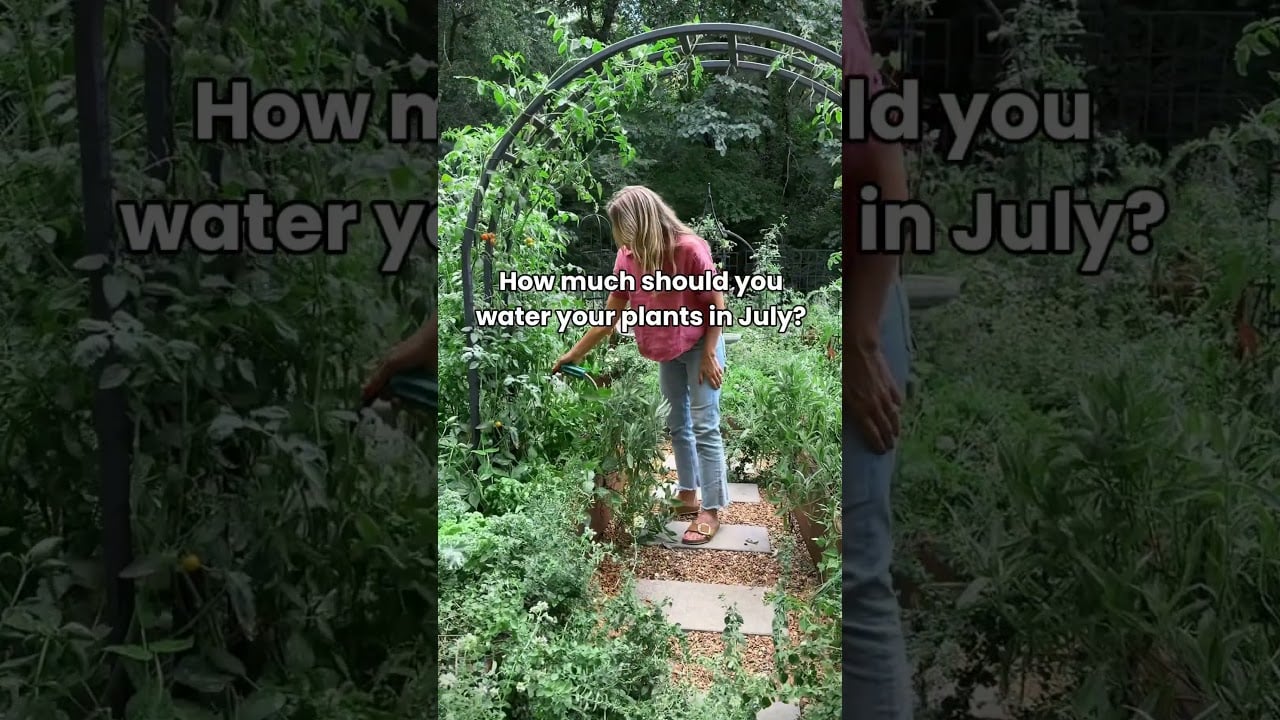
I’ve found my plants are happiest when I water them early in the morning. The air’s cooler, the sun’s not blazing, and the water actually soaks in instead of just vanishing.
If I wait until midday, the heat makes water evaporate fast. My plants often look tired and thirsty again by afternoon.
Watering at sunrise keeps my garden fresh and healthy for longer. Plus, the leaves dry off quickly, so I don’t have to stress as much about mildew or fungus.
Honestly, my routine couldn’t be easier—I just fill up my watering can, step outside, and give everyone a drink before breakfast. It’s almost meditative.
I always check for droopy leaves and give those a little extra attention. Early watering lets roots soak up everything they need before the sun gets intense.
Since switching to morning watering, I don’t have to water as often. The soil stays damp, and my plants seem way less stressed.
Summer mornings are the best time to check on things anyway. If there’s a problem, I can catch it before the heat makes it worse.
If I do miss the morning, I’ll wait until late evening, but that’s not ideal—wet leaves overnight can be risky.
Honestly, just watering early made everything easier. It’s a tiny change, but my plants are way happier for it.
2) Switch to a diluted liquid fertilizer weekly
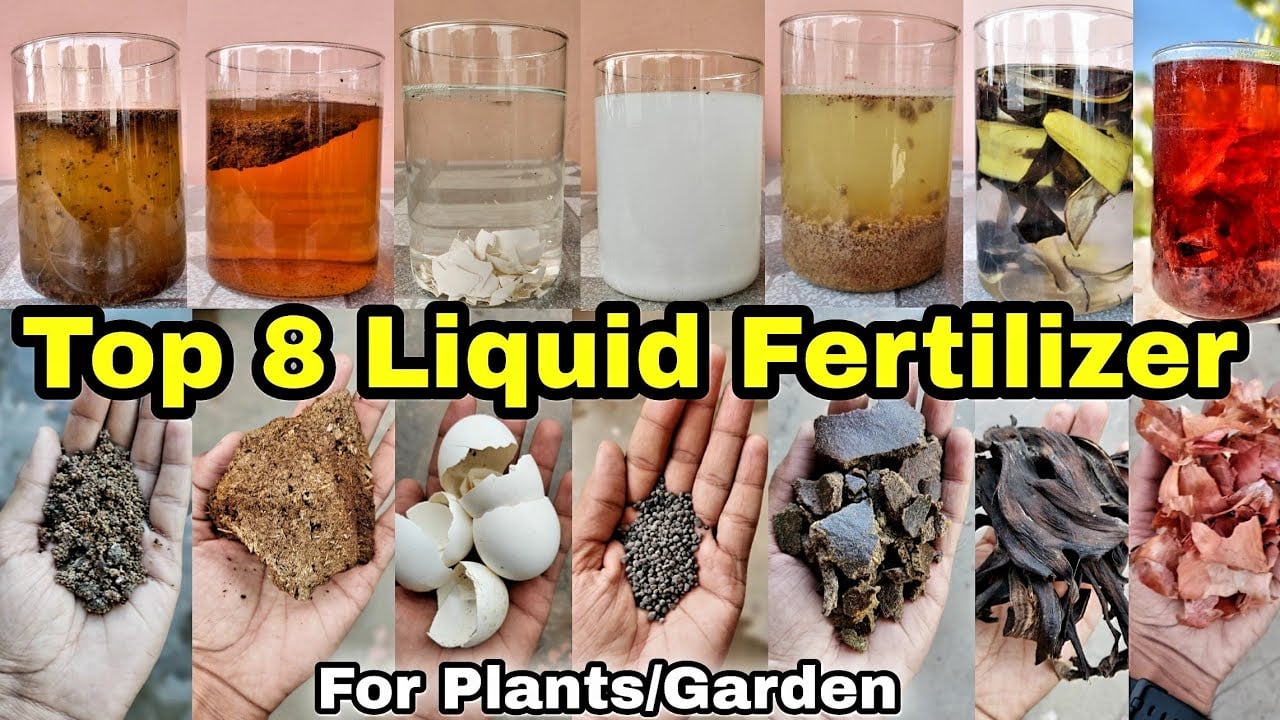
In summer, my plants grow like crazy and need a bigger nutrient boost. I stick with a diluted liquid fertilizer every week—nothing fancy, just regular and gentle.
I always mix it with more water than the label says. Diluting keeps my plants safe from fertilizer burn. Half-strength usually does the trick.
I pour the mix right onto the soil, not the leaves. That way, the roots soak up the good stuff and the leaves don’t get messy or spotty. Greener leaves show up after a few weeks, which is always a nice surprise.
Picking the right fertilizer is a must—some of my plants are picky. I always check the label to make sure it fits their needs.
I water before or after fertilizing. Consistency is key—feeding them every week during summer keeps them looking their best.
3) Increase humidity with a pebble tray
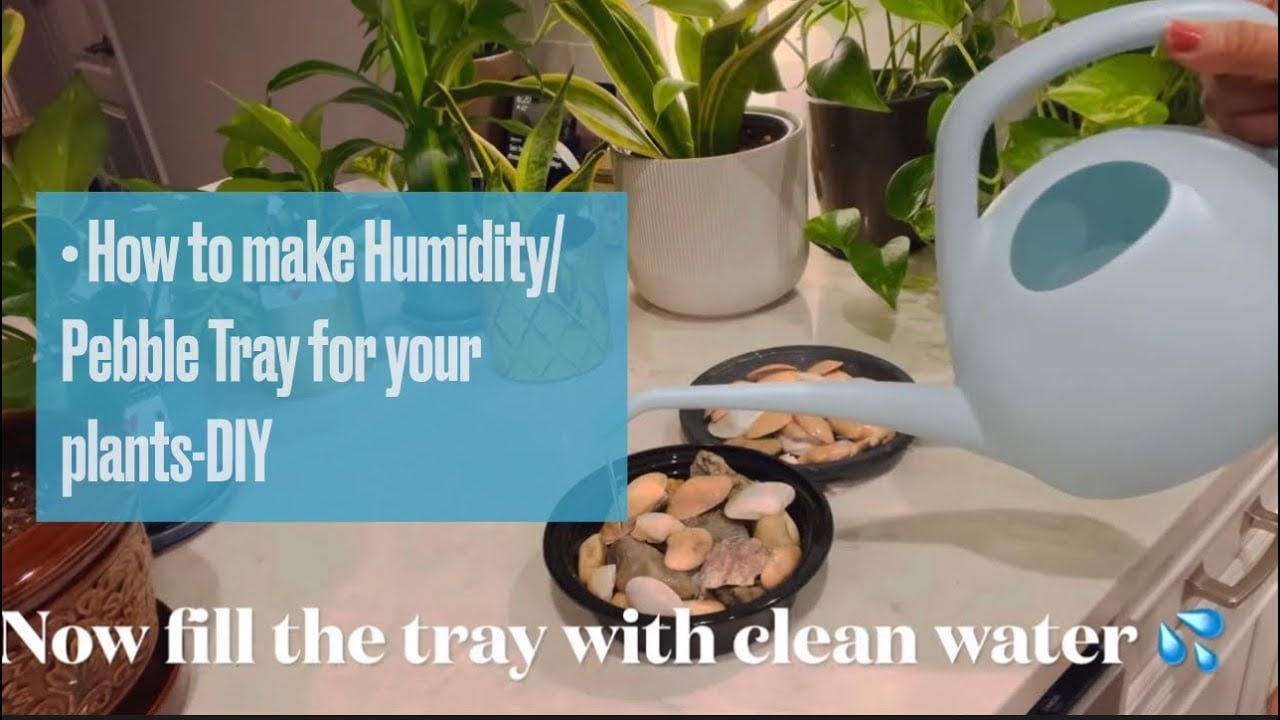
In summer, my plants dry out fast. The hot air makes the leaves droop sometimes, and that’s never a great look. My go-to trick? The pebble tray.
I grab a shallow tray, fill it with pebbles, and pour in water until it’s just below the top of the stones. Then I set the pot on top—never letting the pot actually sit in the water.
As the water evaporates, it bumps up humidity around my plant. The leaves stay fresher, and I don’t have to mist as often. It’s a lifesaver if you don’t own a humidifier.
I check the tray every few days and refill as needed. The water level drops quickly sometimes, especially if it’s dry inside. I always keep the bottom of my plant pot dry to avoid root rot.
Pebble trays are especially great for fussy tropicals like ferns and calatheas. Setting one up takes almost no time. Plus, I usually have everything I need at home already.
If I’m running the AC, I notice the air gets even drier, so the pebble tray becomes extra important. A little extra humidity really helps.
Honestly, this is one of those tweaks that works for most of my houseplants every summer.
4) Rotate plants to ensure even sunlight

I make a point to turn my plants every few days. It’s simple, but it helps every side get a fair shot at the sun.
If I forget, my plants start leaning toward the window and looking a little off-balance. A quick spin keeps them growing evenly.
Uneven sunlight can lead to lopsided growth. Sometimes, stems get weak on the shady side. Turning them keeps things looking healthy.
I set a reminder on my phone to give each plant a turn. Some folks do a quarter turn every week, but I just go with every three or four days—it’s enough.
Not every plant needs the same sun, so I watch for signs. If one’s reaching too much, it might need a new spot or more frequent turns.
Sticking with this routine really helps. My plants stay happier, and I spend less time worrying about wonky growth.
When I rotate, I also peek at the leaves for pests or yellowing. It’s a good excuse for a closer look.
Honestly, it’s such an easy thing to add to my daily care. One quick spin, and the plants are grateful.
5) Trim yellowed leaves promptly
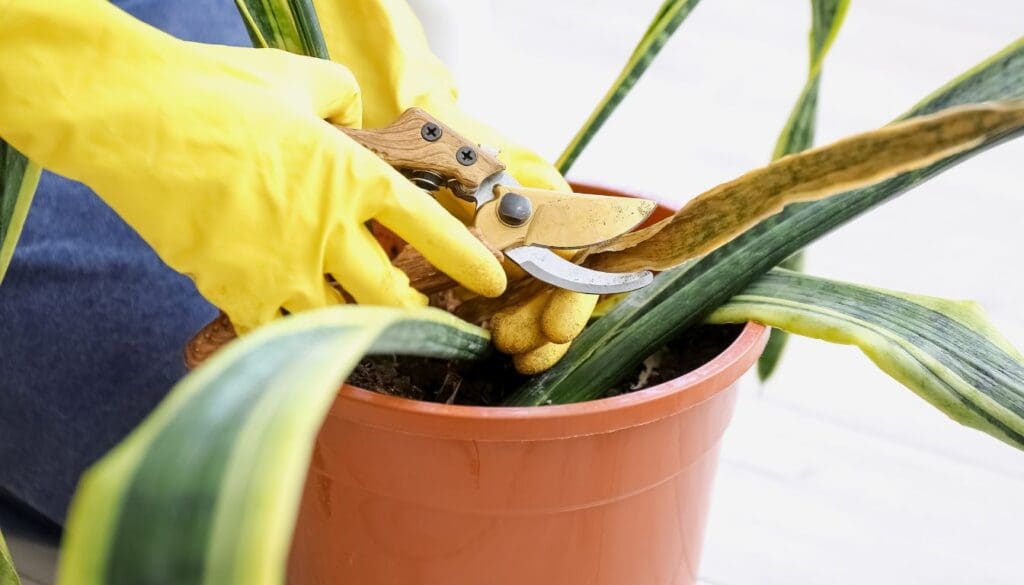
I check my plants for yellow leaves every few days. If I spot them, I snip them off right away. It keeps things tidy and healthy.
Yellowed leaves usually mean stress, overwatering, or just old age. Leaving them can attract pests or disease, so I use clean scissors or just pinch them off with my fingers.
By getting rid of dead or yellow leaves, my plants can use their energy on new growth. It’s amazing how much fresher everything looks after a quick trim.
This also makes it easier to spot new issues, like bugs or weird spots. When I stay on top of it, my plants look greener week after week.
It only takes a few minutes, and I don’t need fancy tools—just sharp scissors or my hands. I always clean up after, so I’m not spreading anything nasty from plant to plant.
Regular trimming honestly helps me feel better, too. The space looks neater, and it’s just satisfying. It’s one of the simplest ways to keep plants happy all summer.
If I’m busy, I’ll set a reminder to do a quick check. That way, trimming yellowed leaves never falls off my radar.
6) Use mulch to retain soil moisture
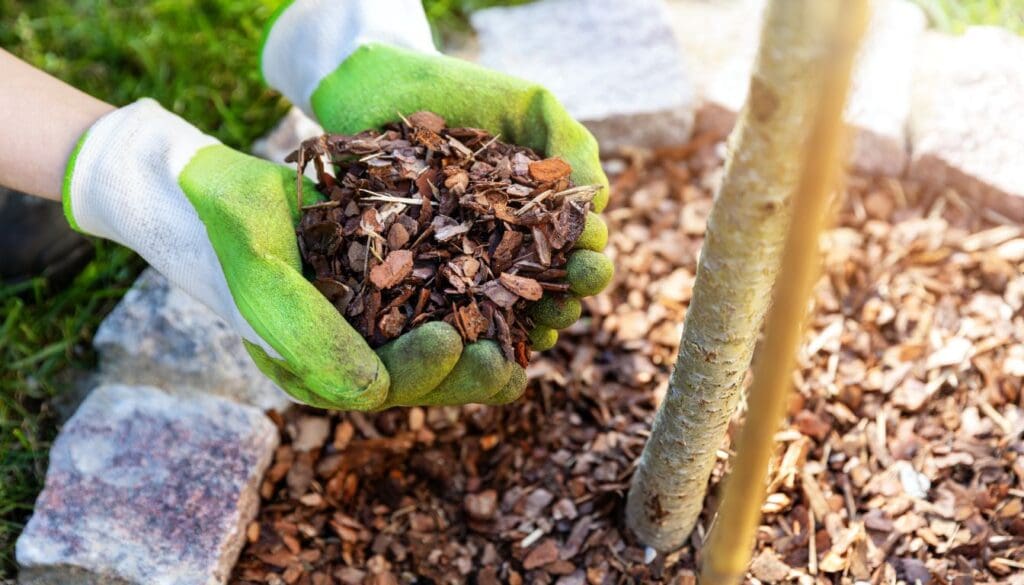
Once summer starts, I always add mulch around my plants. It can be wood chips, grass clippings, or even old leaves—whatever’s handy.
Mulch keeps soil moist by blocking the sun and slowing evaporation. I don’t have to water as often, which is a relief.
With mulch, the soil stays cool even on the hottest days. The roots are protected, and my plants just seem more comfortable.
I spread about 2-3 inches of mulch around each plant, but I never pile it right against the stems. That can cause mold or invite pests—not worth the risk.
It also blocks weeds. Fewer weeds means my plants get more water and nutrients, and I spend less time pulling them out.
I go for organic mulch when I can—straw, dried leaves, or bark chips. They break down and feed the soil, which is a nice bonus.
If I want to tidy up the garden’s look, mulch does that, too. It just makes everything look finished.
Adding mulch is quick and honestly makes a big difference, especially when it’s blazing hot. I like knowing my plants have that extra layer of protection.
7) Move potted plants to shaded areas during peak heat

When summer really cranks up, I move my potted plants out of direct sun. This small change helps them avoid heat stress.
Direct sunlight can burn leaves and dry out the soil ridiculously fast. I look for shady spots—under a tree, on the porch, maybe tucked behind a wall.
Even a bit of afternoon shade keeps my plants cooler. I always check the time of day, since the hottest hours are usually from 11 a.m. to 4 p.m.
During that window, I make sure my plants aren’t just baking out there. If I can’t budge a heavy pot, I’ll throw up a shade cloth or even prop up an umbrella.
Shade helps my plants keep their color and stay healthy. I notice their soil dries out slower, which means I don’t have to water as much.
I try not to move them too far from their original spot—just enough to dodge the harsh sun. Some light is still good, but I keep an eye out for wilting or leaf burn as a sign they need more shade.
8) Mist leaves to cool tropical plants

I like to mist the leaves of my tropical plants on hot days. It helps keep them cool and looking fresh.
My go-to is a spray bottle filled with room temperature water. I just give the leaves a light mist in the morning or early afternoon.
I avoid misting at night—too much moisture then can cause problems. Tropical plants like ferns, calatheas, and philodendrons seem to love the extra humidity.
When I mist their leaves, they perk up and look less wilted. I make sure not to soak the leaves—just a gentle spritz does the trick.
Too much water can lead to mold or fungus, especially if the air isn’t moving. If I see dry or curling leaves, that’s my sign the air is too dry and a little misting will help.
I skip misting plants with fuzzy or hairy leaves—it just doesn’t end well. Misting works best when the air isn’t already super humid; if it is, I skip it to avoid overdoing things.
9) Check soil moisture before watering

I always check the soil before I water my plants. It’s a simple step that prevents both overwatering and underwatering.
I just stick my finger about an inch into the soil. If it feels dry, I water; if it’s still moist, I wait another day.
This trick helps me dodge root rot, which can happen if the soil stays wet too long. Using a soil moisture meter works too—those things are surprisingly handy.
On hot days, the top of the soil might dry out fast, but I always check below the surface. Sometimes the deeper soil is still damp, even if the top looks parched.
By making this quick check, I keep my plants healthier and save water. It’s a small habit, but honestly, it makes a big difference in my summer plant care routine.
10) Add slow-release fertilizer granules
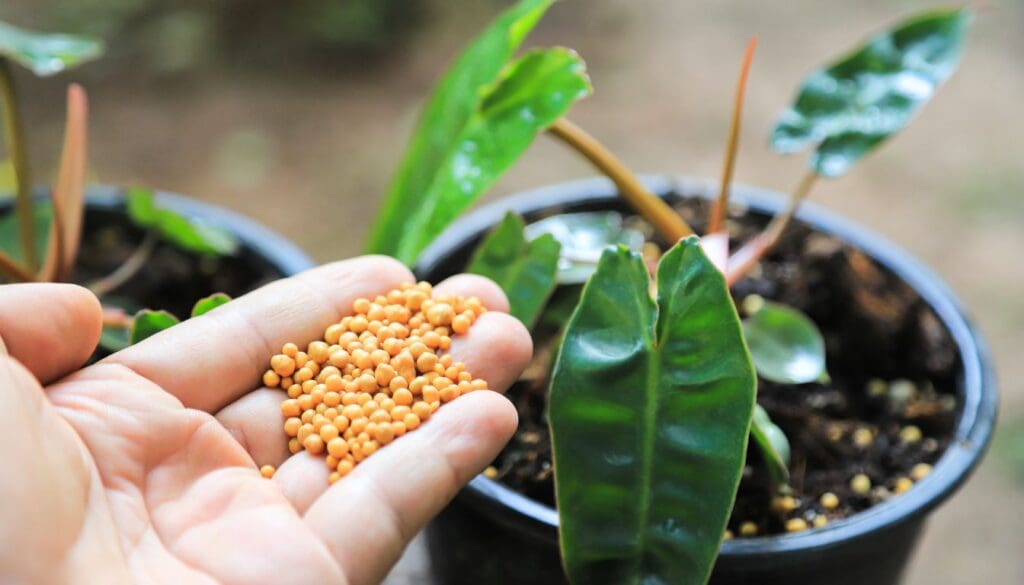
I always use slow-release fertilizer granules in summer. They’re easy to spread on top of the soil and last for weeks.
These granules slowly release nutrients each time I water. That means my plants get a steady supply of food all summer, which helps keep them healthy and strong.
I like that I don’t have to remember to fertilize as often. A single application can last a month or more, depending on the type.
Slow-release fertilizer is gentle and less likely to burn my plants, unlike some fast-acting liquid stuff. I just sprinkle the granules around the base, keeping them a few inches from the stems.
I lightly mix them into the top layer of soil and then water as usual. My flowers and veggies both seem to do better with this simple step.
Using granules also means less run-off during heavy summer rains. The nutrients stay in the soil longer instead of washing away, which matters for container plants and garden beds.
For best results, I pick a fertilizer made for whatever I’m growing—veggies, flowers, whatever. Product labels usually help me figure out how much to use.
Understanding Summer Plant Needs
My plants definitely need different care in the summer because of the hotter weather and stronger sunlight. I’ve noticed that recognizing how heat impacts growth and spotting signs of stress early helps keep my plants healthy.
How Heat Affects Plant Growth
I see that high temperatures speed up plant growth sometimes, but too much heat can really hurt them. Plants lose water much faster through their leaves in the summer, so I need to water more often to keep roots from drying out.
When the sun gets intense, leaves can scorch or turn brown, especially for shade-lovers. Some plants might even stop growing if it’s just too hot.
To help my plants, I use mulch. It keeps soil moist and cools the roots.
Signs of Plant Stress During Summer
I always check my plants for stress. The most common sign is wilting—leaves droop or curl up during the hottest part of the day.
If leaves have brown tips, yellow spots, or look faded, they might be getting too much sun or not enough water.
I touch the soil to see if it’s dry. If the top inch feels dusty, my plant probably needs water.
I also look for leaves dropping off suddenly or stems turning soft. These are big warnings that something’s wrong.
Here’s a quick checklist I use:
- Wilting leaves
- Brown or yellow spots
- Leaf drop
- Dry, crumbly soil
- Stems that feel weak
Creating An Optimal Summer Environment
I always make a few small changes to keep my plants happy during the hot months. Timing my watering and taking extra care of the soil are two things I focus on when the weather gets warm.
Choosing The Best Watering Times
Watering early in the morning, between 6–9 a.m., works best for me in summer. This keeps the water from evaporating too fast and gives plants time to absorb it before the afternoon heat kicks in.
Late evening is also an option, but I avoid watering close to sunset. Wet leaves overnight can make my plants more likely to get diseases like mildew.
If I use a hose or watering can, I aim the water at the base of the plant and not on the leaves. Here’s my simple checklist:
- Water when the soil feels dry to the touch
- Water deeply but less often
- Avoid wetting the leaves
Improving Soil Health For Hot Weather
My plants handle summer heat better when the soil is healthy. I add organic mulch like straw or shredded bark around the base to keep moisture in and lower soil temperature.
I mix in compost every few weeks to help roots stay strong. Compost helps the soil hold water and gives extra nutrients.
I also check for signs of compaction, since hard soil keeps water from soaking in. If it seems too packed, I gently loosen the top layer with a hand fork.
Frequently Asked Questions
I often adjust how I care for my plants in the summer. Making small changes can help keep them healthy, green, and growing well, even in the heat.
How much should I water my plants during the summer?
I check my plants every day since soil dries out faster. For most, I water when the top inch of soil feels dry.
Outdoor plants might need water every morning, while indoor plants may only need water every few days.
What’s the best time of day to water plants in hot weather?
Early morning is the best time. I water before the sun gets too strong, so less water evaporates.
Evening works too, but too much moisture overnight can sometimes cause fungus.
Are there any specific fertilizers to use for summer plant growth?
I use a diluted liquid fertilizer about once a week in summer. This helps plants grow new leaves and stay green.
I avoid strong formulas—too much can burn roots in hot weather.
What are some signs of heat stress in plants, and how can I alleviate it?
Drooping leaves, brown tips, and yellow spots are signs my plants are too hot. I move them to shade, raise humidity with a pebble tray, and make sure they get enough water.
I also trim off any yellowed or damaged leaves.
How can I protect my plants from intense summer sun?
I use curtains, shades, or move plants a few feet away from bright windows. Rotating plants every few days helps every side get equal light without burning.
Outside, I use shade cloths or place plants under trees.
What’s the ideal soil moisture level for plants in the summer season?
I try to keep the soil moist but not soggy. For most plants, it should feel damp if you poke your finger just under the surface.
If I grab a handful and water actually drips out, that’s way too wet. On the other hand, letting it dry out too much? That can really stress the roots.
Note: Some images in the articles are sourced from Reddit and Other Platforms For Reference Purpose.