10 Clever Ways To Hang Your Plants
Bringing nature inside just feels right, doesn’t it? Hanging plants make it easy—no need to sacrifice precious floor space. Greenery just brings a room to life, adding color and a breath of freshness in seconds.
You can transform bare corners, empty walls, or sunny windows into cozy little retreats with a few clever hanging ideas.
I’ve tried all sorts of creative ways to hang plants, whether I’m in a small apartment, a snug bedroom, or a big airy living room.
Some ideas are super simple, others add a bit of flair. Either way, it’s about showing off your plants and keeping your place tidy and inviting.
Please note: Simplify Plants is reader-supported. As an Amazon Associate, I earn from qualifying purchases made by our readers with no extra cost added to you all! Some links in the post are affiliate links and I get a commission from purchases made through links in the post.
1) Macramé Plant Hanger

There’s something about a macramé plant hanger that just warms up a room. I’m a big fan of how it adds texture and a bit of handmade charm, plus it keeps my shelves clear. Even a basic pot looks fancy in a knotted holder.
I start with cotton cord—it’s easy to find and comes in all sorts of colors. I’ll cut a bunch of strands, tie them at one end, and hang the bundle on a hook so I can work without fighting gravity. Once you get the hang of a few knots, it’s not hard at all.
The best thing is, you can customize the length and pattern. For small plants, I make the design short and snug. For bigger pots, I let the cords hang longer and looser so the plant sits lower.
Adding a few personal touches—maybe some wooden beads or a pop of colored thread—makes the hanger feel unique. It’s fun matching the details to the vibe of the room.
When I’m done, I always double-check that the knots are tight and the hook is sturdy. No one wants a plant crashing down in the middle of the night.
A macramé hanger just brings that cozy, handmade feel. I love hanging them near windows so my plants get plenty of light, and the space stays open and bright.
Honestly, once you get started, it’s a relaxing little project. It adds personality while keeping plants happy and out of the way.
2) Wooden Hanging Ladder
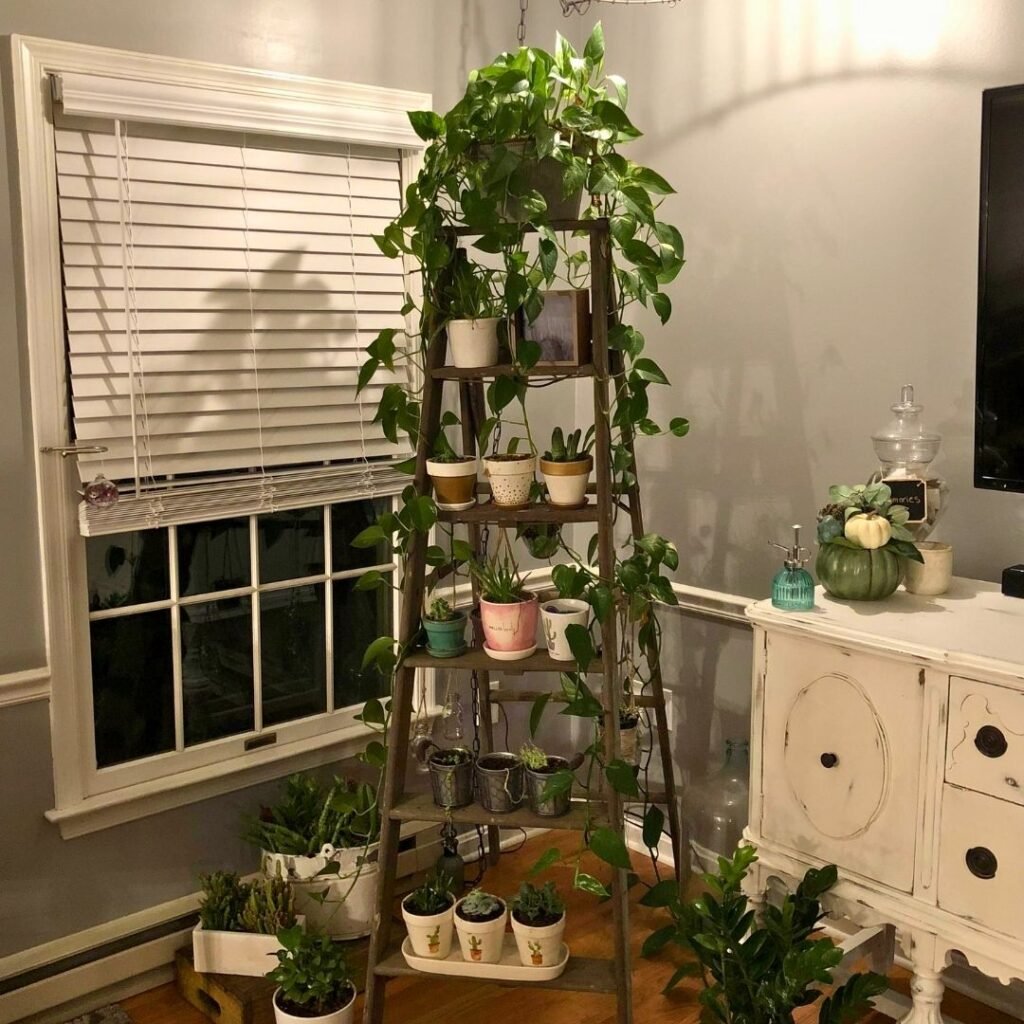
A wooden ladder is such a clever way to hang plants. There’s something about the natural wood that just feels homey. Plus, it goes with almost any style, which is always a win.
I usually pick a ladder that fits my wall or, if I’m feeling bold, hang it from the ceiling for extra height. Adding hooks or ropes to the rungs lets me hang planters at different levels, so every plant gets its own little spotlight.
Small trailing plants or herbs look especially nice on these, and they don’t weigh too much. If I want the ladder to pop, I’ll hang it in front of a window so the light filters through the leaves—it’s a pretty effect.
If sunlight’s an issue, a little grow lamp nearby does the trick. Using a used or reclaimed ladder gives it extra character, and sanding plus a clear sealant keeps it looking fresh even in humid spots.
Sometimes I wrap string lights or macramé hangers around the ladder for a softer vibe. That combo of wood, greenery, and twinkling lights? Always makes the room feel relaxed and inviting.
3) Vintage Teacup Holders
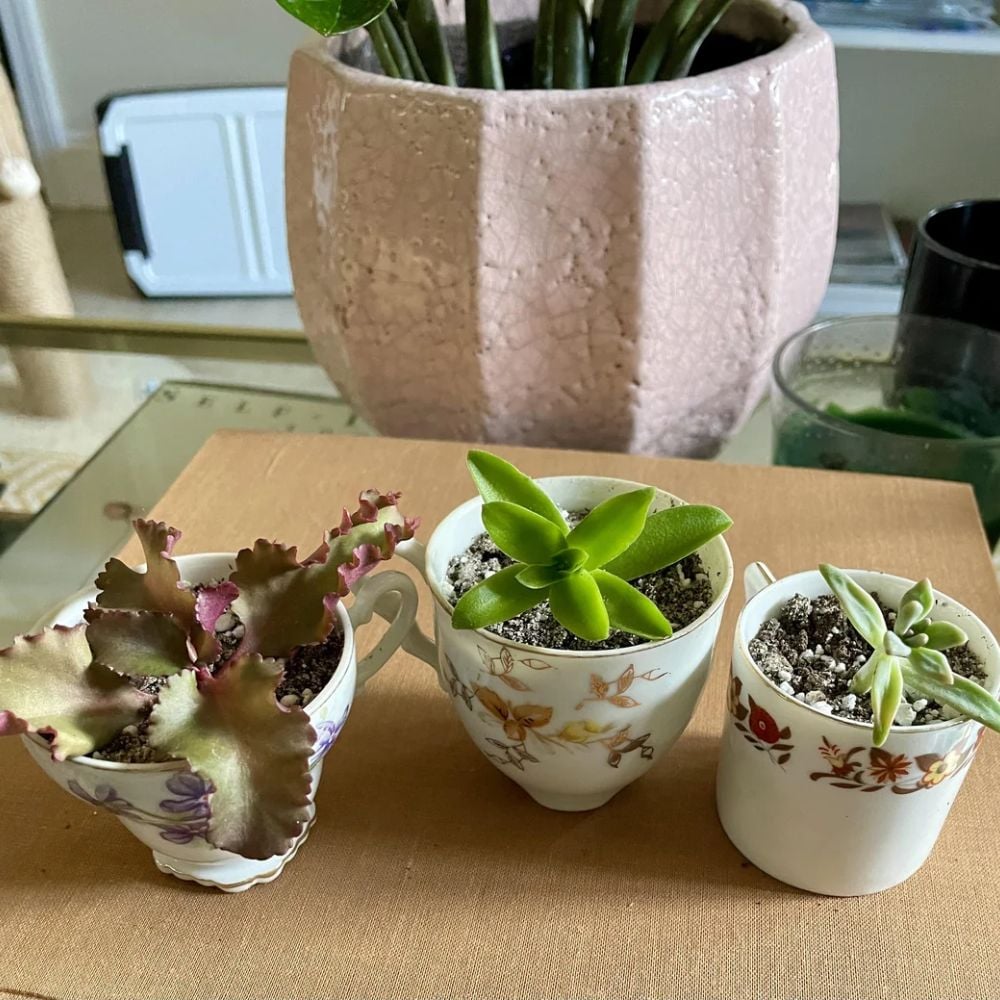
I’m a sucker for giving old things a new life. Vintage teacups as plant holders bring a sweet, nostalgic touch to any space. Their delicate patterns and soft colors pair perfectly with tiny succulents or air plants.
I love hunting for mismatched cups at thrift stores. Each one tells its own story, and together they make a display that’s way more interesting than matching pots. Hanging them up keeps surfaces clear and adds a quirky twist.
To keep things safe, I use small hooks or tie sturdy string around the handles. Gotta be careful not to crack the cup, so lightweight plants are the way to go.
Find a spot with gentle light—windowsills, kitchen corners, or under open shelves work well. A little row of hanging teacups looks especially cozy.
Mixing materials—wood shelves, brass hooks, porcelain cups—creates a balanced and eclectic look. With just a few supplies, you can turn old teacups into something both useful and charming.
4) Hanging Glass Terrariums

There’s just something magical about hanging glass terrariums. They instantly bring a modern, airy vibe to any space. You get to see every layer—soil, moss, tiny plants—almost like a little world floating in midair.
I usually go with air plants, succulents, or ferns since they’re light and low-maintenance. No need for heavy soil, so the whole thing stays light enough to hang easily.
I hang them with fishing line, macramé, or thin chains, depending on my mood. When the sun hits, the glass sparkles and the whole room feels a bit brighter.
Adding tiny stones, sand, or shells at the bottom gives each terrarium its own vibe. Sometimes I’ll sneak in a little figurine just for fun.
These terrariums are perfect for awkward corners, by windows, or even above a desk. They’re easy to rearrange if you get bored, and each one feels like a tiny living artwork.
5) Repurposed Wire Baskets

Turning old wire baskets into hanging planters? Honestly, it’s one of my favorite hacks. They’re everywhere, they’re light, and they fit with almost any decor.
First, I line the basket with coconut fiber or fabric—otherwise, you’ll have dirt everywhere. The liner keeps things tidy but still lets roots breathe.
I attach chains or sturdy twine to the handles and hang the basket from the ceiling or a wall hook. Making sure the basket hangs level takes a little fiddling, but it’s worth it.
The open design is perfect for trailing plants. Vines or ivy spill out and soften the look of the metal, turning a boring corner into a lush little spot.
Spray-painting the baskets is a fun way to switch things up. White, gold, or matte black can totally change the vibe and help match other pieces in the room.
Repurposing wire baskets is budget-friendly and personal. It’s a simple way to show off plants and keep sustainability in mind.
6) Wall-Mounted Plant Shelves
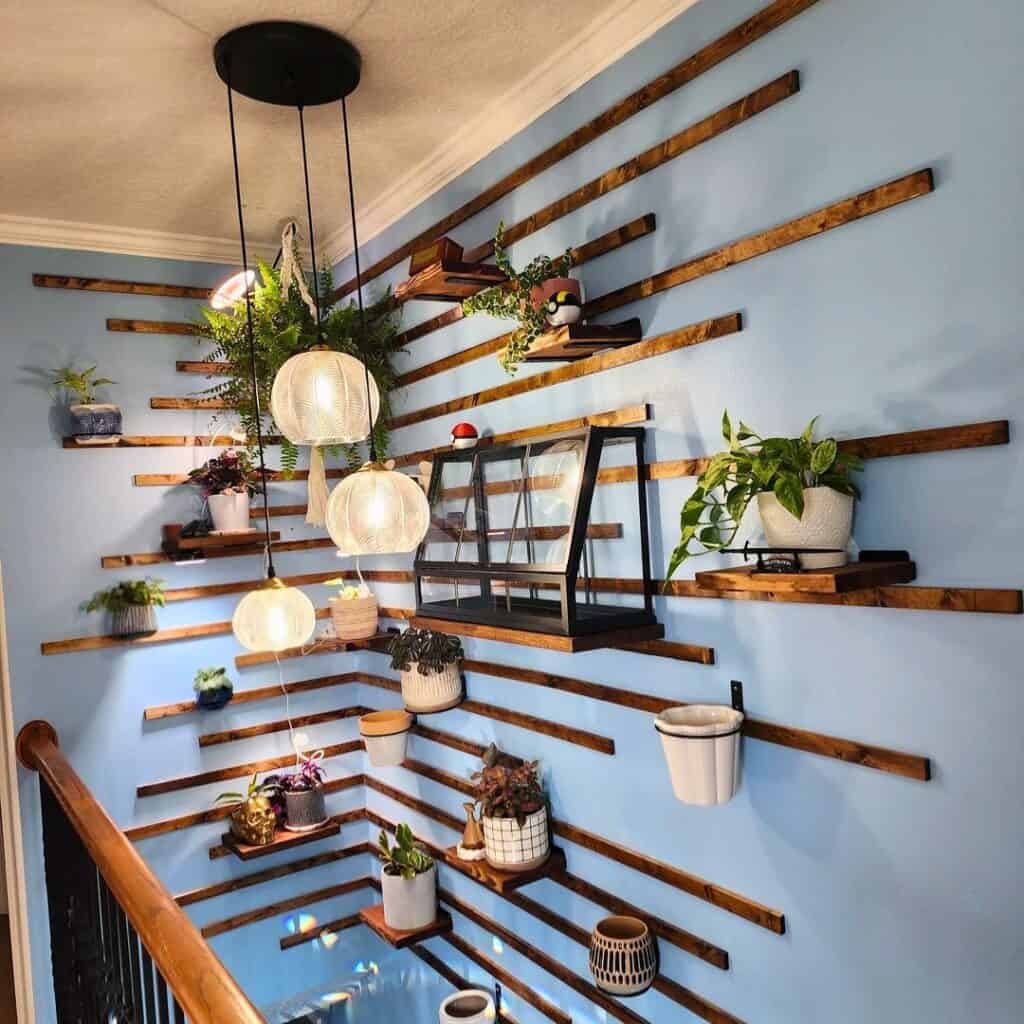
I’m a big fan of wall-mounted plant shelves. They save so much floor space and turn a boring wall into a green feature.
I always choose sturdy shelves—wood, metal, or even acrylic, depending on what I’m feeling. The brackets have to be solid, especially if you’re planning on more than a couple of small pots.
Mixing plant heights adds depth. I love combining trailing plants with upright ones—pothos and ferns hang nicely, while succulents and herbs look neat on top.
Light’s a big deal here. I try to set shelves near a window with indirect sunlight. If that’s not an option, a small grow light can help a lot.
Matching pots or a simple color palette keeps things looking organized. Grouping by size or type helps, too, so it doesn’t turn into a jungle.
I’m careful about water—little trays under each pot catch drips and keep the wall safe. Dusting the leaves now and then keeps everything looking fresh.
Adding wall shelves is a quick way to make a space feel alive. They’re fun to arrange, easy to switch up, and perfect for anyone with a growing plant obsession.
7) Leather Strap Hangers
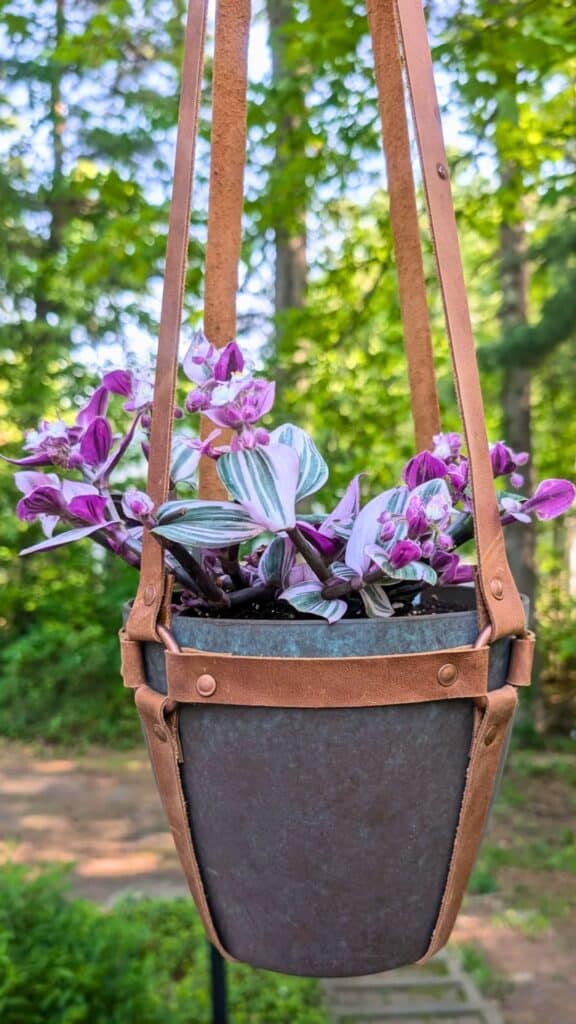
Leather strap hangers are such a cool way to add warmth and a bit of texture to a room. The design is simple, so the plant gets all the attention, but there’s still a modern, handmade feel.
Making one is straightforward: I cut two thick leather straps, loop them around a wood or metal ring, and secure the ends to the wall or ceiling with hooks or nails. It’s quick, and the finished look is clean and a little bit artsy.
Leather’s strong but flexible, which is great for small and medium pots. I always test the straps and hardware before trusting them with heavier plants.
For a classic vibe, I stick with brown or tan leather, but black or dyed straps give a more modern edge. Letting the leather age naturally gives it a rustic touch, which I kind of love.
Sometimes I use a wooden dowel with leather loops to hang a few plants side by side. It’s a nice way to fill a space without making it look cluttered.
Wiping the straps with a damp cloth keeps them looking good. I avoid spots where they’ll get splashed a lot—just helps them last longer.
This setup is perfect when you want to show off a favorite plant or two without crowding the room. It’s minimal, but still has loads of character.
8) Ceiling Hook with Rope
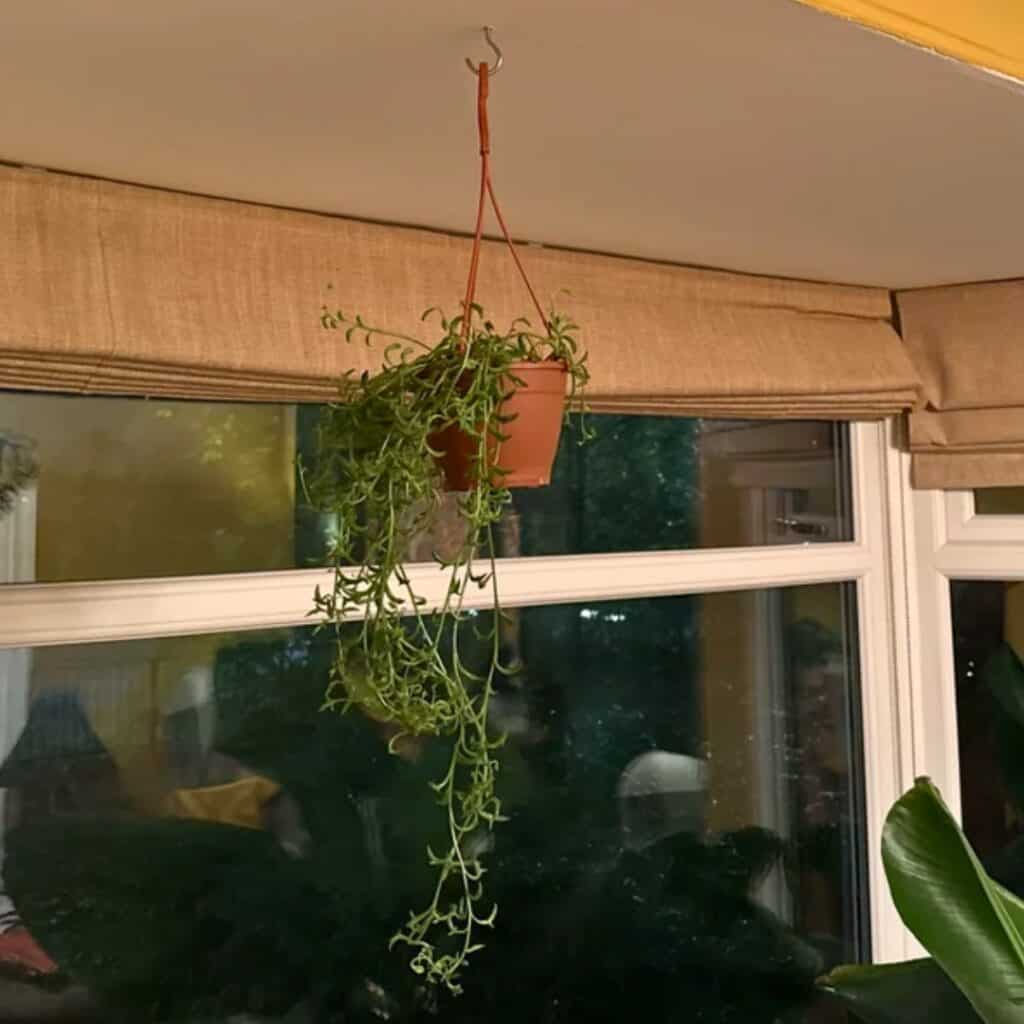
A ceiling hook with rope is one of those ideas that just works. It gives plants a floaty, airy look and makes the most of vertical space. Super helpful if you’re short on shelves or floor room.
I use a strong ceiling hook—no shortcuts there. Using a stud finder or anchor keeps it secure. Then I tie a sturdy rope or cord and adjust the height depending on the plant.
The rope itself can add a lot to the look. Cotton or jute feels casual and warm, while braided nylon looks clean and modern. Switching up rope color or texture is a quick way to refresh the display.
If I’m hanging more than one plant, I’ll vary the rope lengths. That way, the arrangement doesn’t look flat, and every plant gets its own bit of light.
I keep plants high enough so I’m not bumping into them, but low enough that they still get noticed. It draws the eye up and just makes the room feel taller.
Sometimes I’ll hang smaller pots in a corner near a window, or put a big one over a table to break up the space a bit. Changing the rope length or swapping plants keeps things interesting.
A ceiling hook with rope works in almost any room. It’s affordable, easy to set up, and lets you get creative with your plant displays.
9) Hanging Birdcage Planter
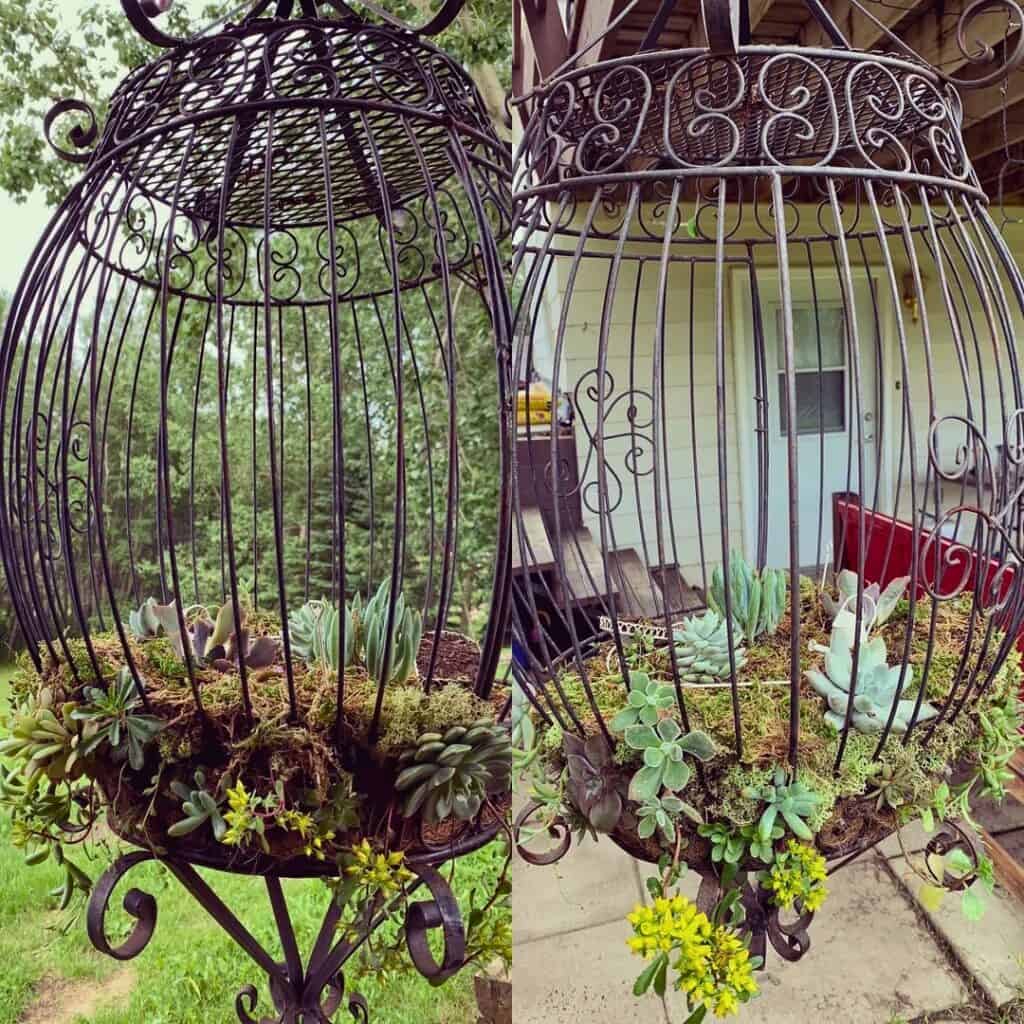
Honestly, I’ve always loved using old birdcages to show off my plants. There’s just something about them—they bring a cozy, vintage vibe to any room or porch. A hanging birdcage planter really pops as both decor and greenery in one.
When I hunt for a cage, I look for one roomy enough for a couple of small potted plants. Succulents, ivy, and ferns are my favorites since they spill through the bars in such a lovely way.
I make sure the container fits snugly inside so it won’t tip when it’s hanging. Before adding plants, I always line the bottom with moss or coconut fiber—it keeps soil in and catches extra water.
If the cage doesn’t have its own base, I’ll just tuck a small dish or tray underneath. To hang everything up, I use a sturdy hook or chain that can handle the weight.
I usually hang mine near a sunny window or out on the porch where it gets gentle, filtered light. When the breeze stirs the cage, it brings the whole thing to life.
Sometimes I get bored and just spray-paint the cage a new color—white or gold looks great. A quick color change helps it match whatever style I’m going for.
Watering’s a bit tricky, so I go slow and make sure there’s good drainage. Low-maintenance plants are honestly best here since the cage holds in moisture longer than you’d expect.
For me, making a hanging birdcage planter is about giving something old a second chance. It’s easy, pretty cheap, and really adds personality to any space.
Every time I spot mine, I can’t help but smile—it’s a little reminder of how fun it is to get creative with plants.
10) Ceramic Pots on Chains
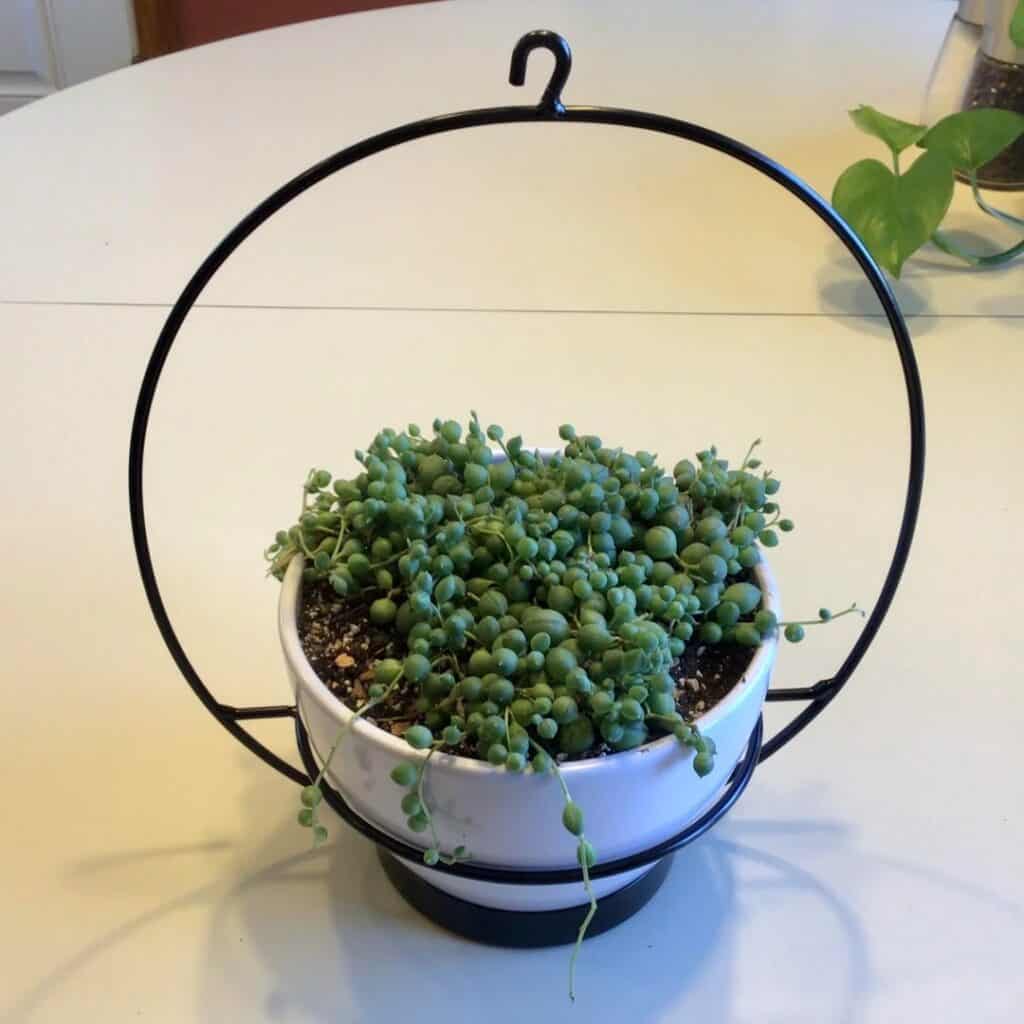
There’s just something about colorful ceramic pots that makes my plants look extra cheerful. Hanging them with sturdy metal chains gives any room a bit of height and a lot more interest.
They catch the light in such a nice way, and even tiny plants seem to stand out. I like picking out pots in different colors and shapes so each one feels special.
Soft blues, bold yellows, deep greens—they all work, honestly. Mixing colors brings new life to boring corners, and every plant becomes part of the décor.
Chains make hanging easy and secure. I just hook them to the ceiling or a solid beam and tinker with the chain length until the pots are at the height I want.
When it’s time to water, I either take the pot down or just use a small watering can. These hanging pots look good both indoors and outdoors.
In my living room, I hang them near windows for light. Outside on the porch, I go for weather-resistant ceramics and heavier chains so they don’t blow away.
Sometimes I’ll add a matching saucer or a few beads on the chain for a little extra flair. Small details like that make a big difference, don’t they?
Each pot feels like its own little hanging garden. I love seeing how the colors play off the leaves—the contrast between shiny ceramic and soft greenery adds a nice bit of texture.
It’s a simple way to brighten up a room while keeping things relaxed and inviting.
Choosing the Right Hardware
I always double-check that my hanging plants have solid, safe support. Picking the right hardware depends on the plant’s weight, where I’m hanging it, and the look I want.
A strong anchor keeps everything secure and prevents any nasty surprises.
Weight Considerations
My first step is figuring out how heavy the plant and pot are together. A small pothos in plastic is super light and just needs a basic hook.
A big fern in a ceramic pot? That’s a different story—heavy-duty anchors or ceiling bolts all the way.
Here’s a cheat sheet I use:
| Plant Type | Typical Weight | Recommended Support |
|---|---|---|
| Small herb pot | Under 5 lbs | Adhesive hook or small screw hook |
| Medium hanging basket | 5–15 lbs | Toggle bolt or wall anchor |
| Large indoor planter | 15+ lbs | Ceiling joist hook or bracket |
If I’m hanging from drywall, I never skip the right anchors—screws alone just won’t cut it, trust me. For wood beams, I go with screw-in ceiling hooks straight into the joist.
I also keep moisture in mind. For spots like kitchens or bathrooms, I stick to rust-resistant hardware like stainless steel or brass.
Types of Hooks and Brackets
Different hardware lets me play with the look. Ceiling hooks are my go-to for baskets, but wall brackets are perfect if I want the planter closer to a window or wall.
S-hooks are great for adjusting height—makes watering or trimming a breeze. Swivel hooks are handy too, especially if I want to turn plants toward the light.
Sometimes I’ll pick ornate metal brackets or wood supports just to match my décor. If I’m using adhesive or tension hooks, I make sure the surface is clean so nothing falls.
No matter what, I always check the weight rating and give the hook a gentle tug before trusting it with my plants.
That little test keeps everything safe and saves my walls from disaster.
Caring for Hanging Plants
Keeping my hanging plants happy means juggling light, water, and support. I tweak things often since their needs change with the seasons and where I put them.
Optimizing Sunlight and Watering
I always check the light in a room before picking a spot. Plants closer to windows soak up more sun, while those farther back get indirect light, which most houseplants actually prefer.
If the room’s dark, I’ll grab a LED grow light on a timer to keep things bright. For watering, I rely on how the soil feels instead of the calendar.
I poke my finger in about an inch—if it’s dry, I water slowly until I see drips from the drainage holes. Overwatering leads to root rot, so I let the soil dry a bit between waterings.
To avoid a mess, I use self-watering pots or stick a saucer under the planter. Plants dry out faster in summer, so I check them more; in winter, I back off on watering and move them away from cold drafts.
| Condition | Light Level | Watering Frequency |
|---|---|---|
| Near bright window | Medium-high | Every 5–7 days |
| Interior wall | Low-medium | Every 7–10 days |
| Under grow light | Medium | Every 6–8 days |
Preventing Damage to Ceilings and Walls
I always use proper anchors and hooks for the planter’s weight. Before installing, I check the package to see how much it can handle.
For drywall, I go with toggle bolts or stud-mounted hooks—they stay put way better than basic screws. I hang plants a few inches from the wall to avoid stains or scratches.
If the pot swings, I’ll add felt pads or a plastic shield behind it. When watering, I use a small spout or squeeze bottle so nothing drips on the paint or furniture.
Every so often, I take the plant down and inspect the hooks. If there’s any rust, cracks, or bending, I swap them out right away.
A quick check keeps my ceiling safe and my plants where they belong.
Frequently Asked Questions
People ask me all the time about fun, space-saving, and easy ways to hang plants. I’m a fan of using tools that are safe, reusable, and fit lots of different styles.
What are some creative methods for hanging plants indoors?
I love mixing macramé plant hangers with wooden hanging ladders for a cozy look.
Hanging glass terrariums near windows gives a fresh, modern vibe.
Can you recommend any DIY plant hanger ideas?
I’ve made hangers from repurposed wire baskets and even old teacup holders.
These projects use stuff you probably have lying around and add a unique touch to your space.
What types of hooks are best for ceiling plant hanging?
I usually go for swivel hooks or heavy-duty ceiling anchors—both are sturdy and keep plants steady.
How can I hang plants without damaging the walls?
I stick with adhesive wall hooks or tension rods when I want to skip drilling holes.
They’re best for lighter planters like small terrariums or mini macramé hangers.
Are there any stylish hanging planters that also save space?
I really like tiered planters or ladder-style designs that stack pots vertically.
They look tidy and make the most of corners and window spots.
What’s the safest way to hang heavy plants?
Honestly, I always go for sturdy ceiling hooks, but only if they’re anchored directly into a stud or joist.
Steel chains are my pick over ropes—they just feel more reliable and help distribute the weight so your plants aren’t at risk of crashing down.
Note: Some images in the articles are sourced from Reddit and Other Platforms For Reference Purpose.